Norway (Day 15, Part 2)

July 2

Orkney Islands, Scotland

From where we left off in Part 1.  If you don’t recall, revisit Part 1 . . . 

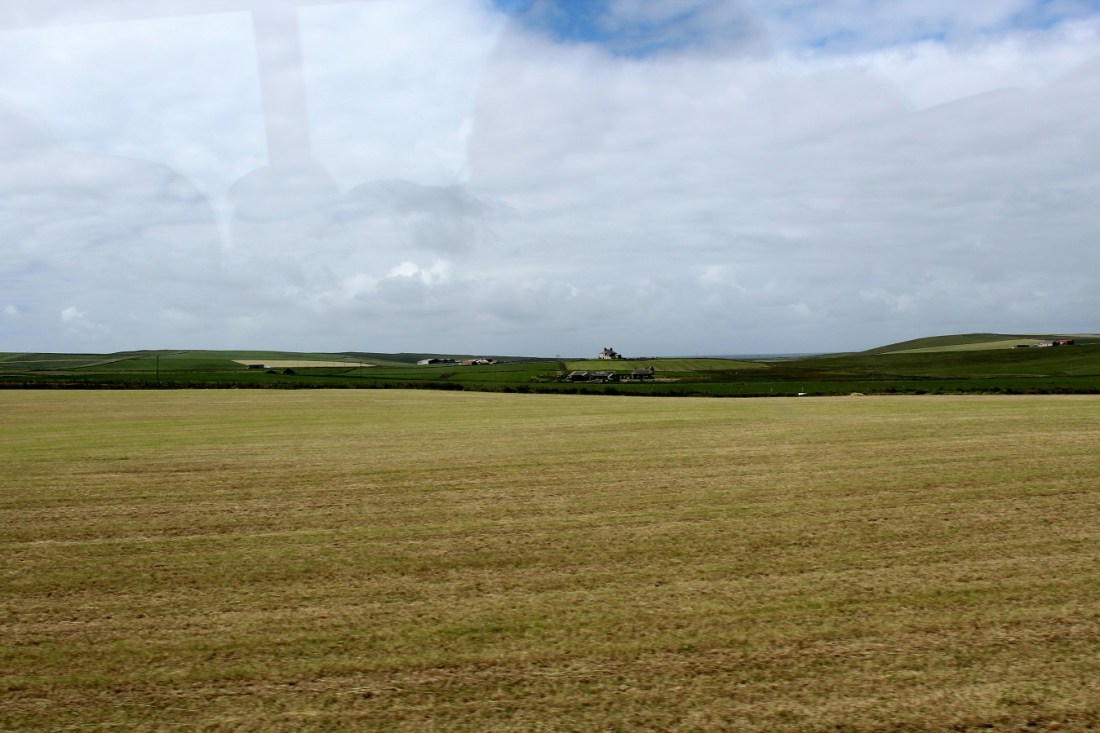
[Enroute to the highlight of the Orkneys . . . ]

7-2-19-100 - Copy

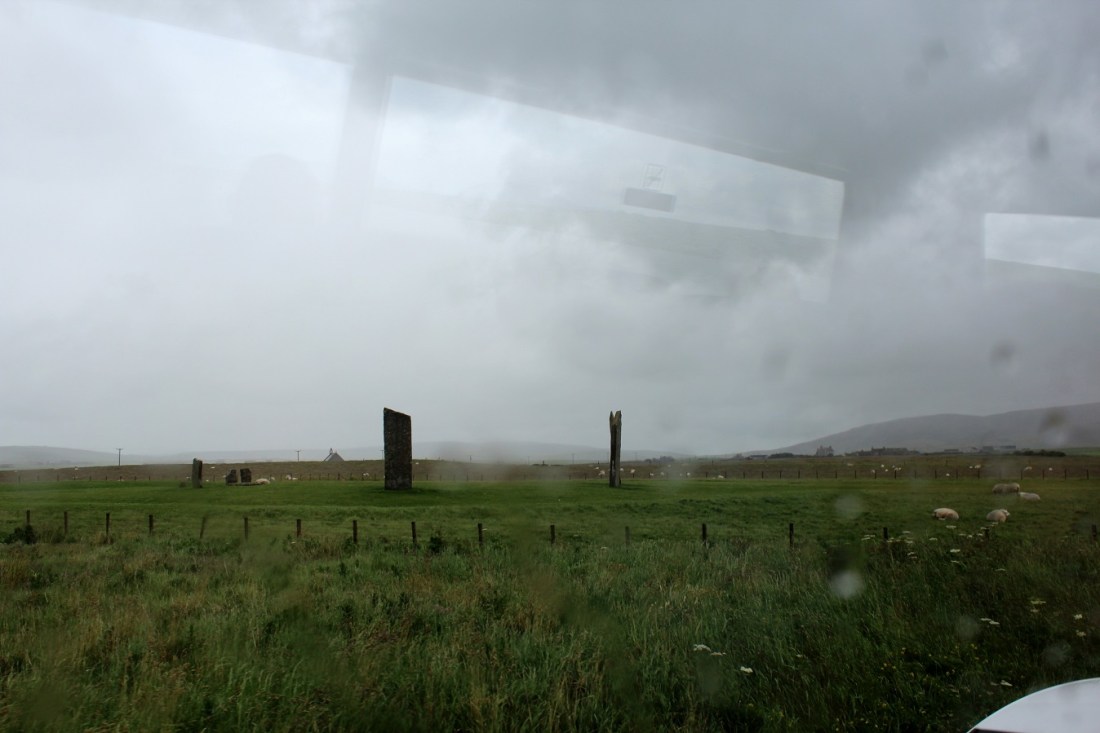
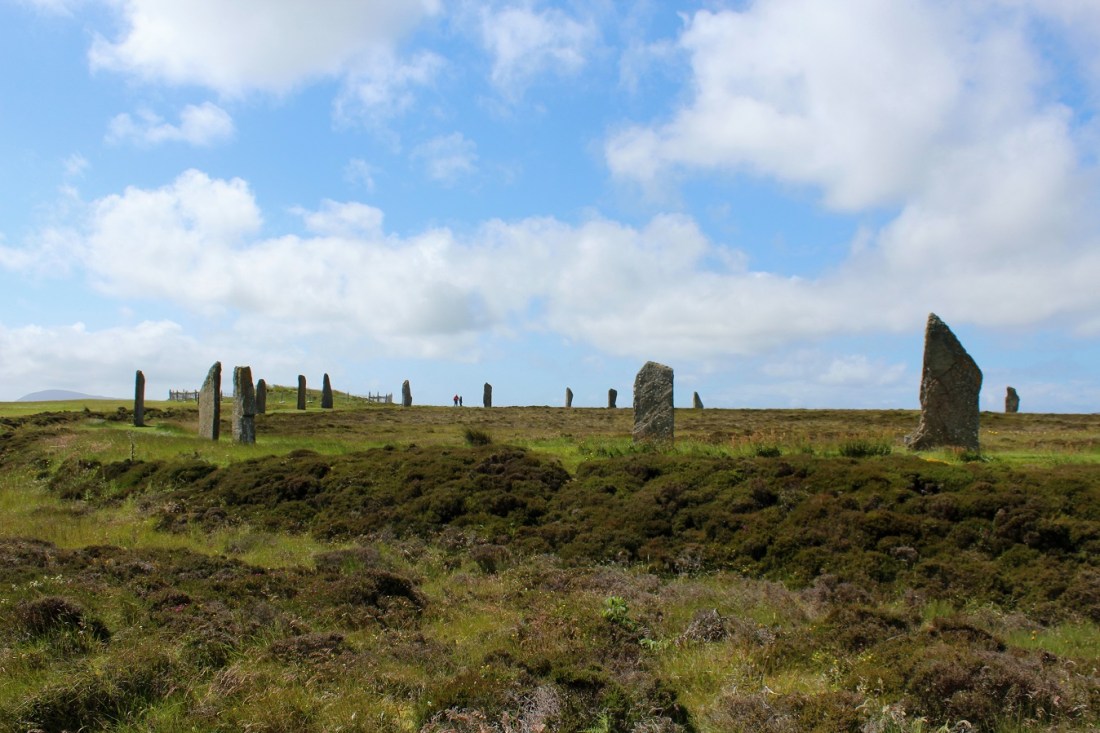
[First sighting through the bus window – the Ring of Brodgar . . . ]

7-2-19-102 - Copy

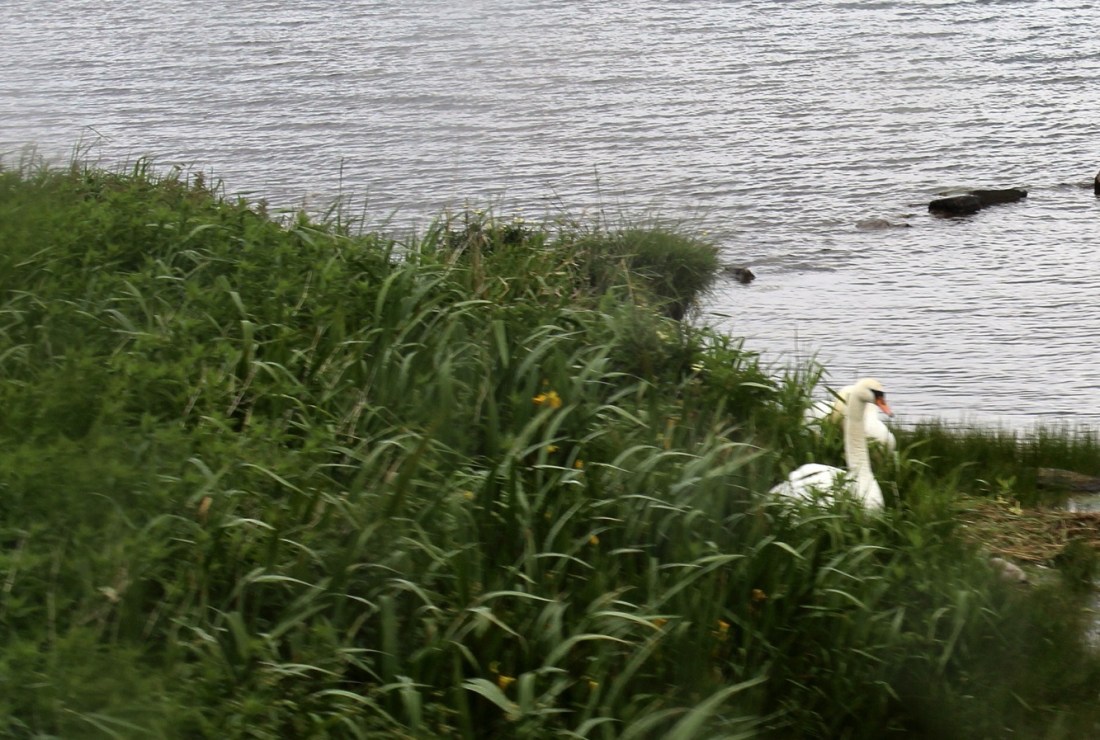
[The famous Orkney large white bird . . . ]

7-2-19-103 - Copy

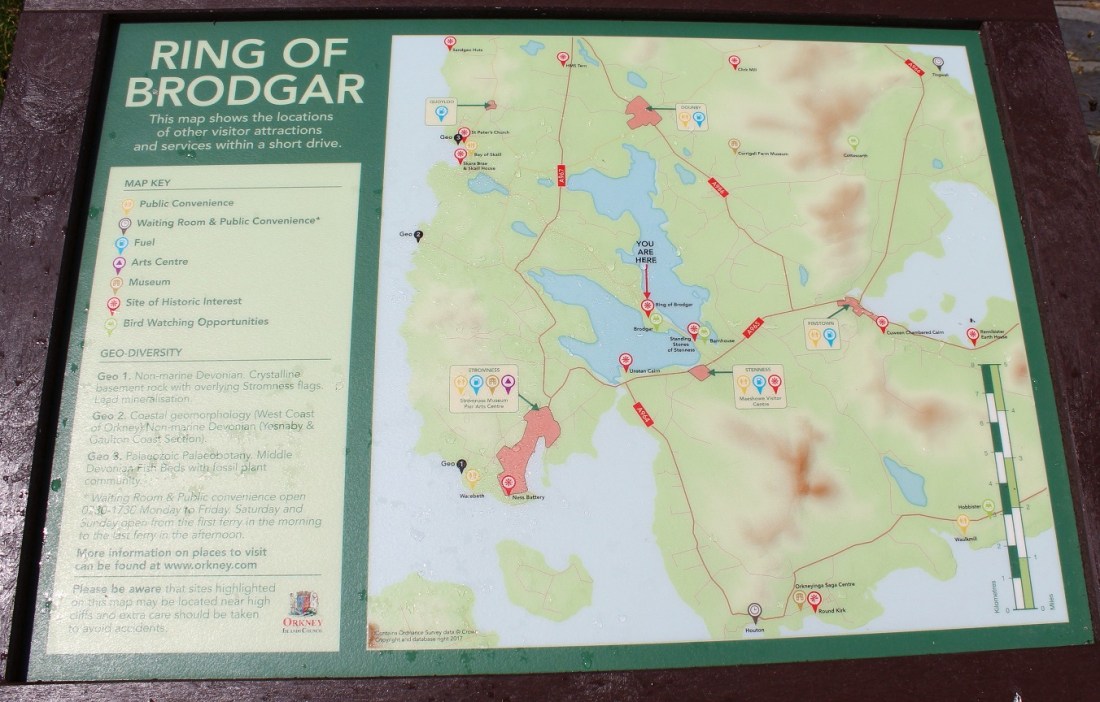
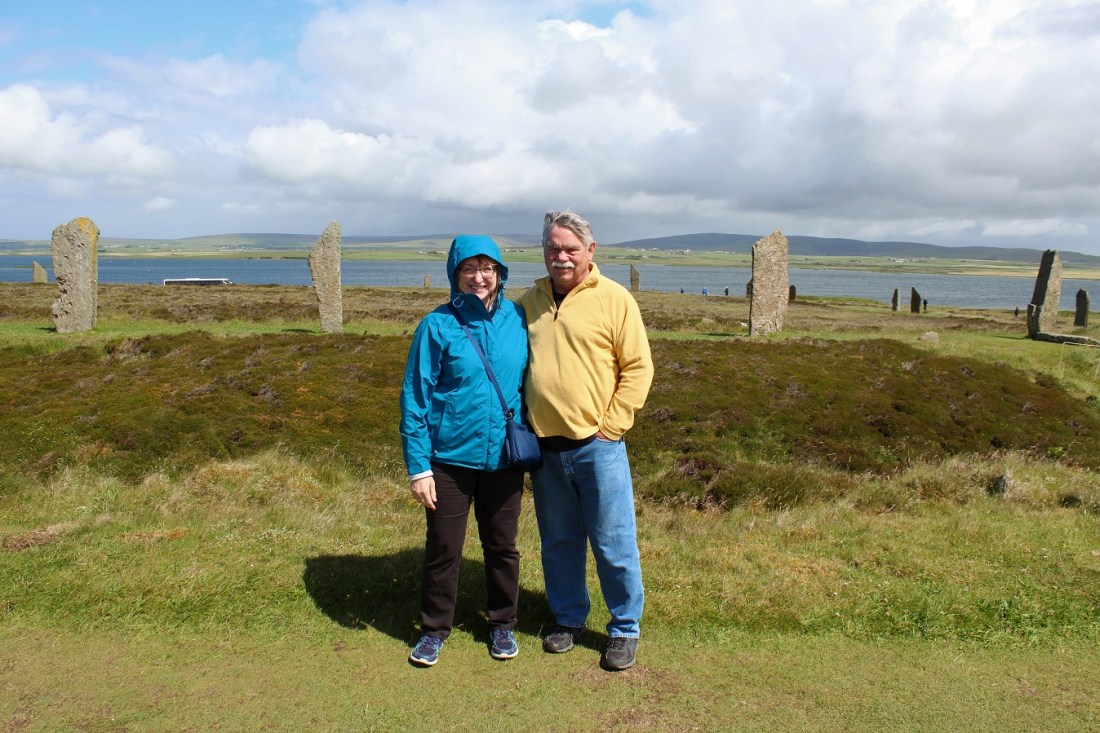
[So, you didn’t know about the Ring of Brodgar?  Well, me neither!!]

7-2-19-104 - Copy

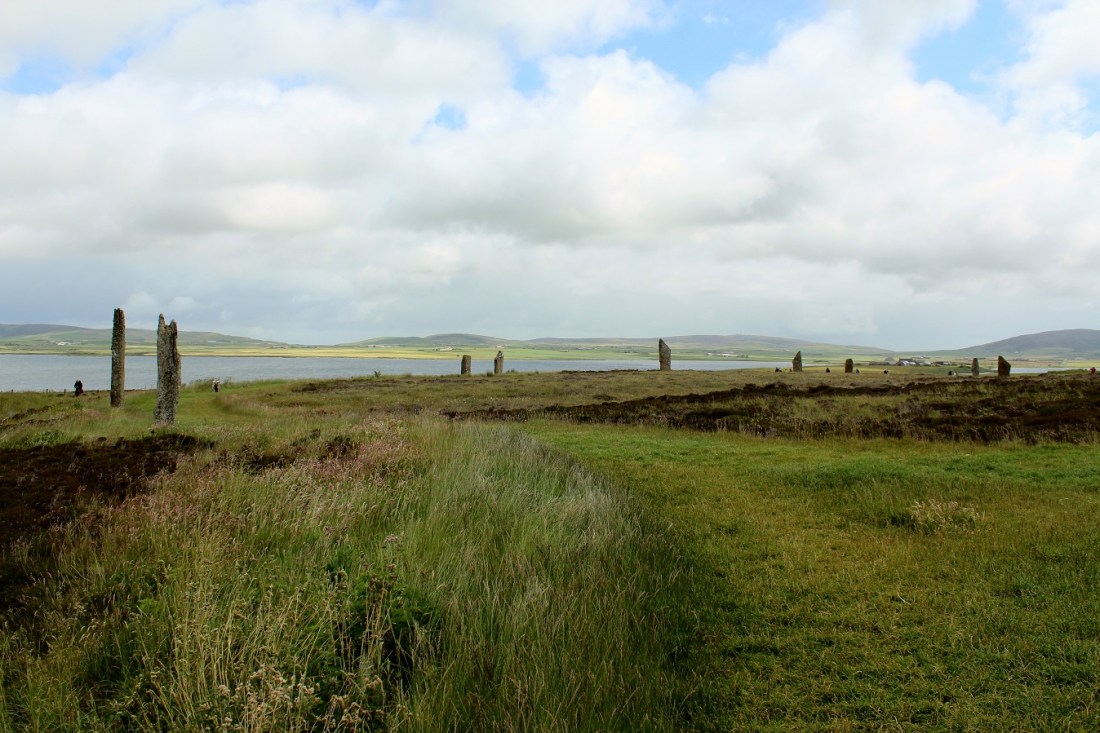
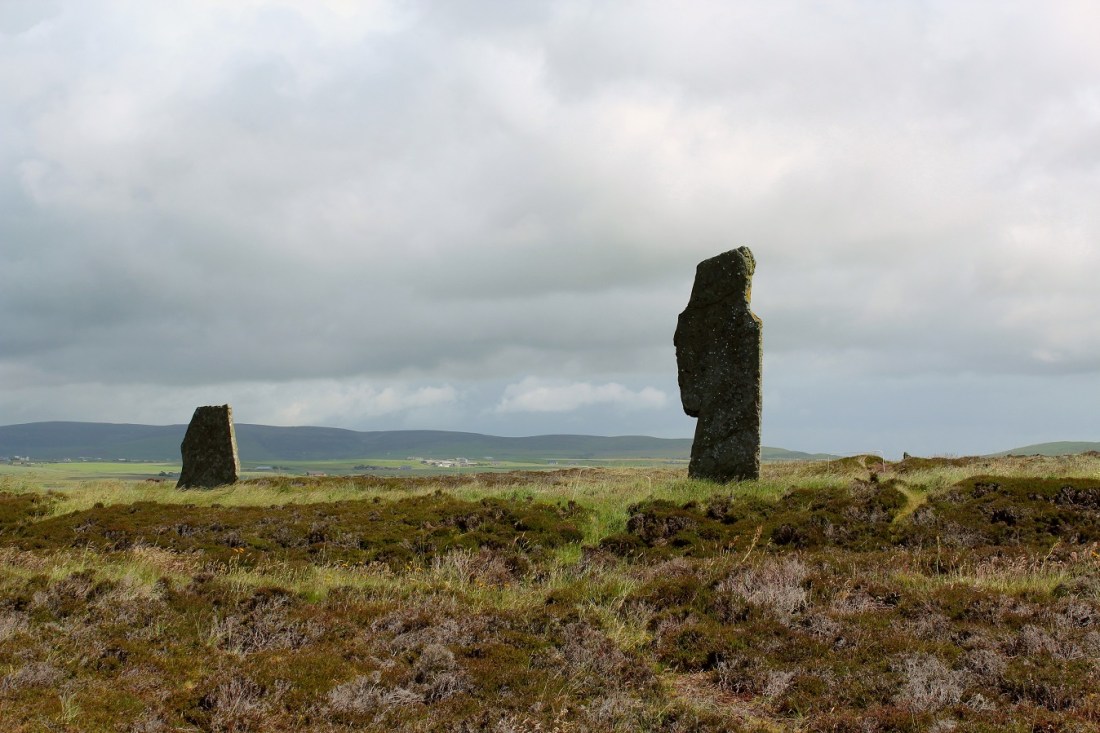
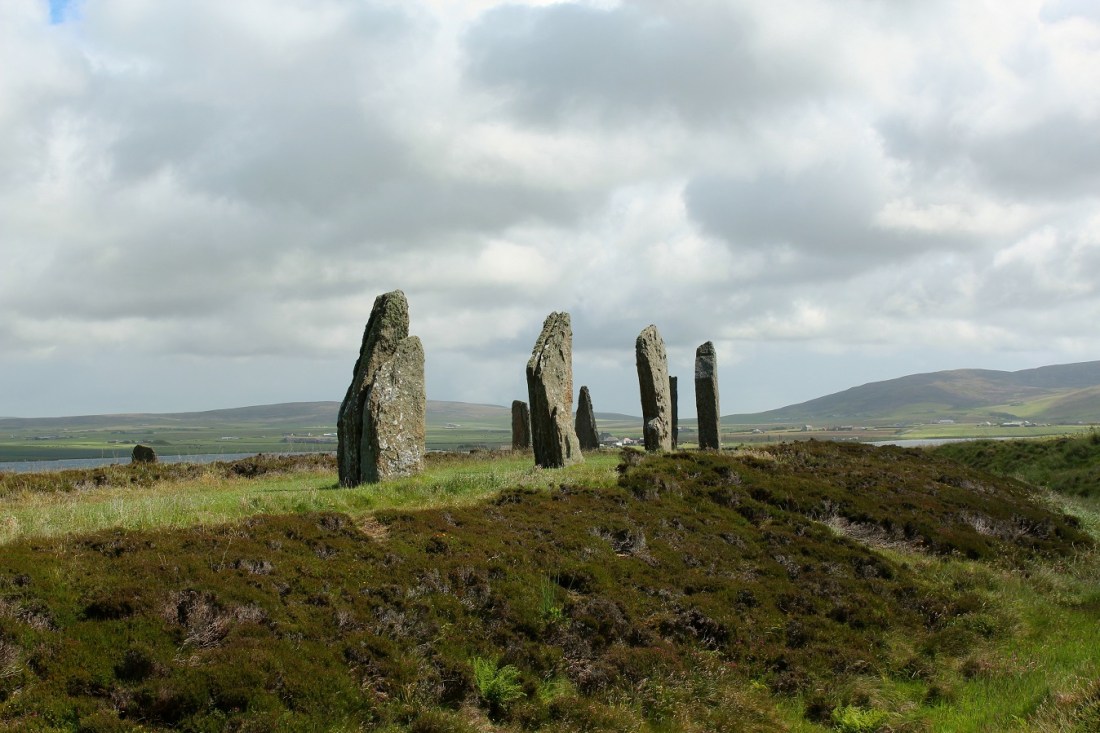
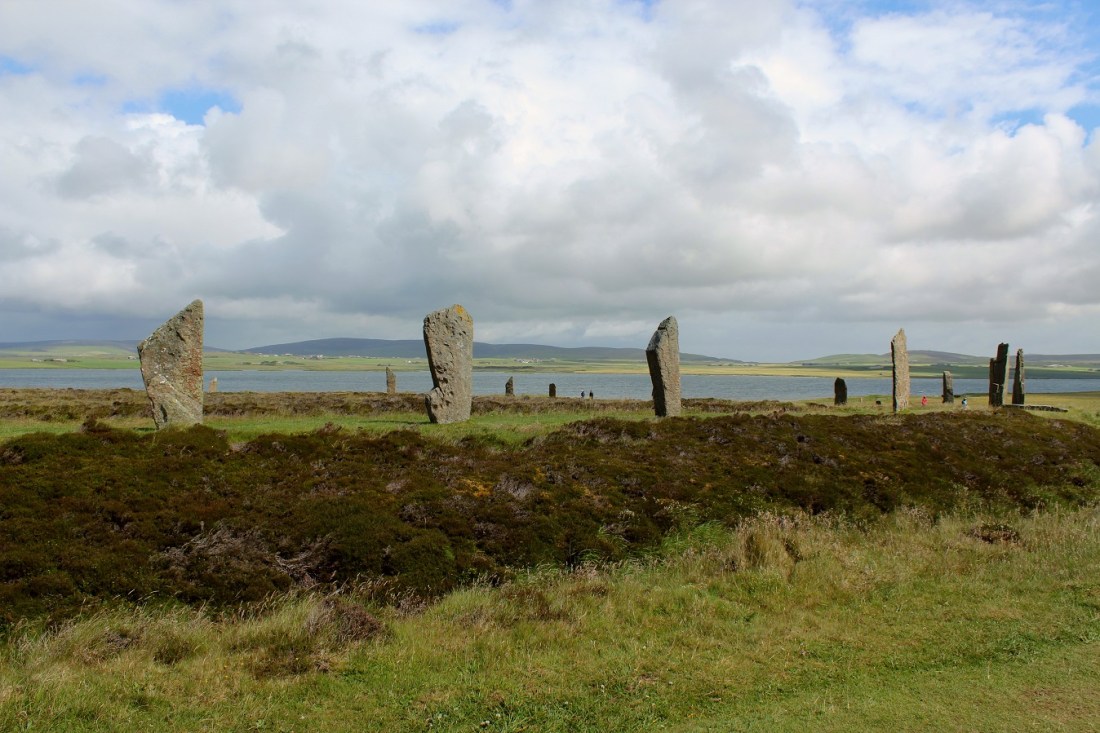
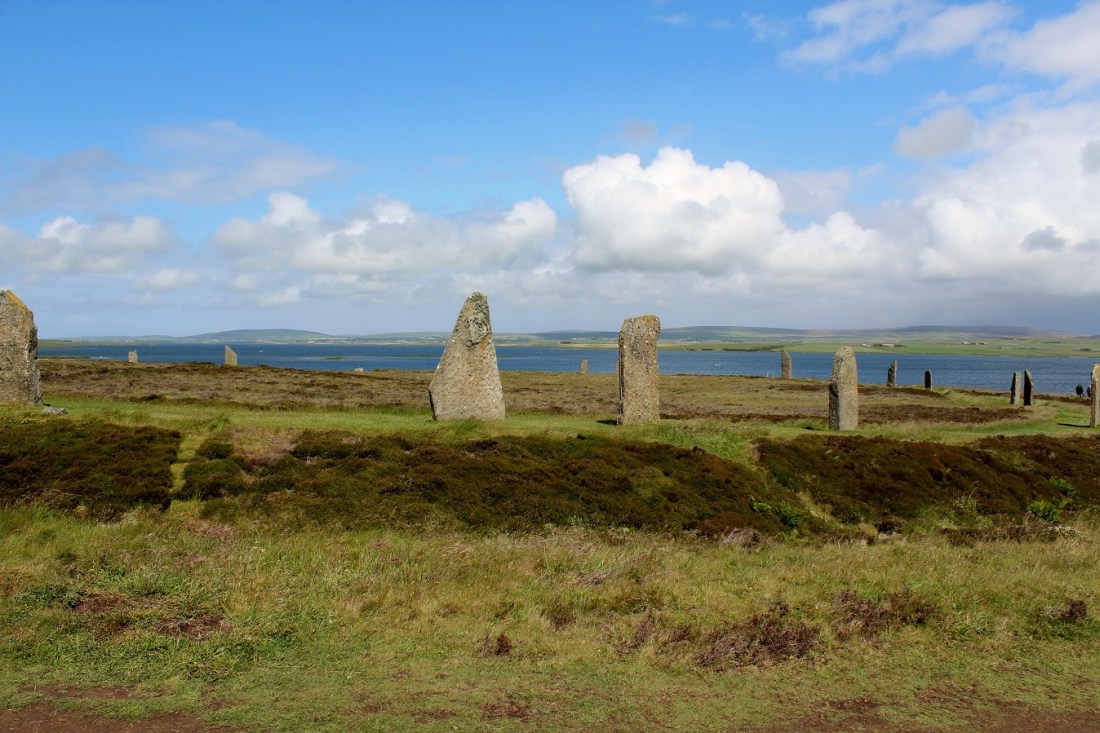
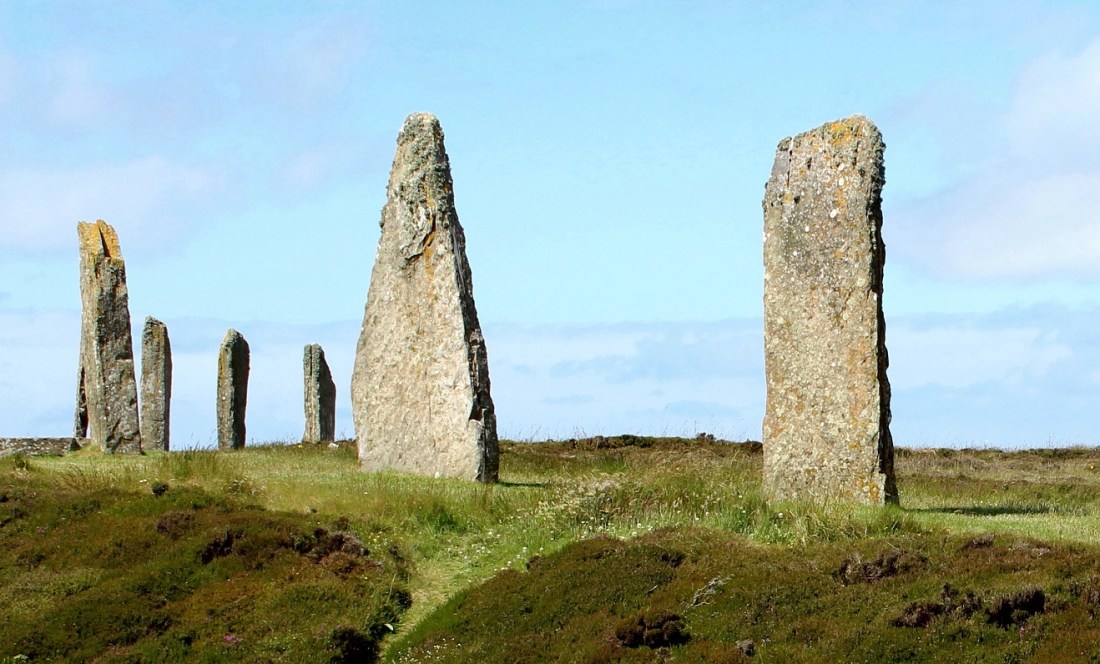
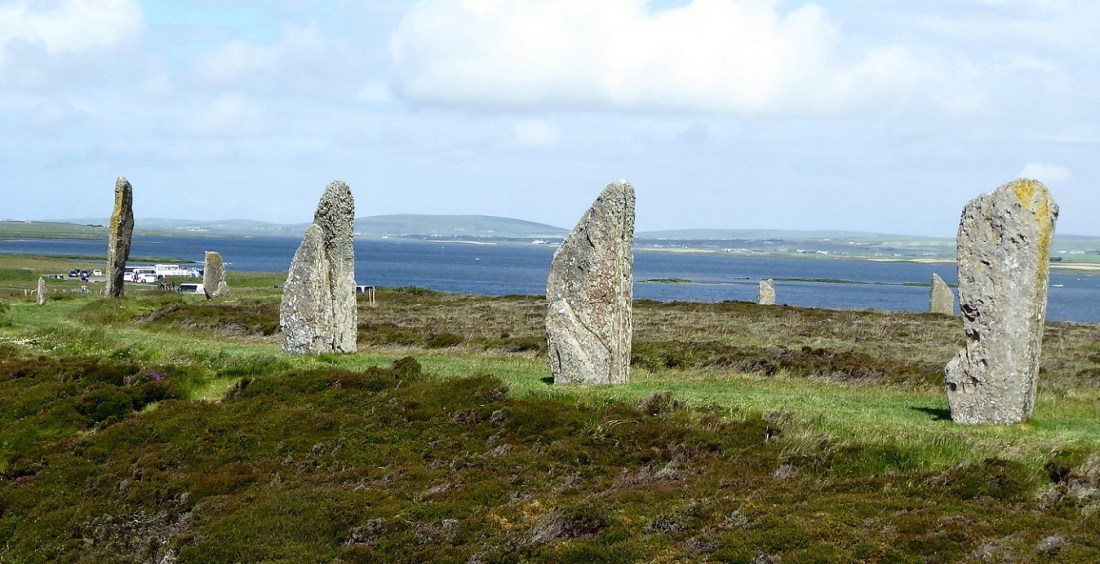
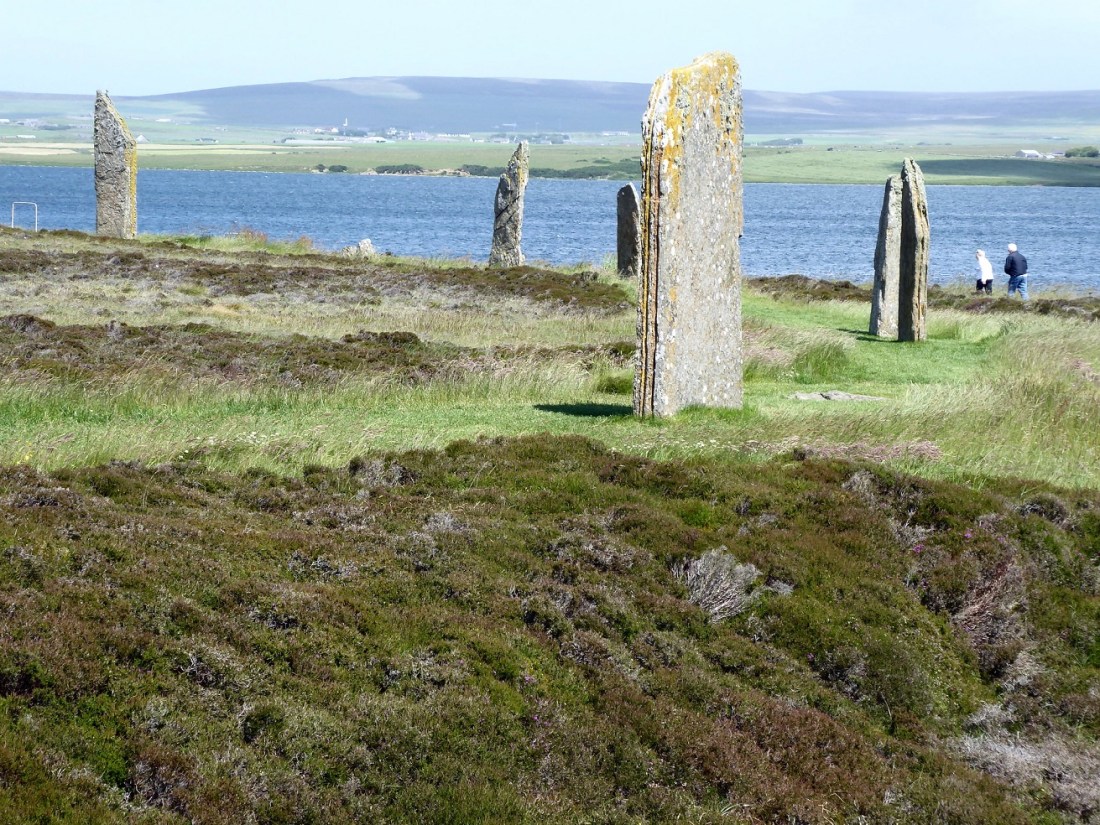
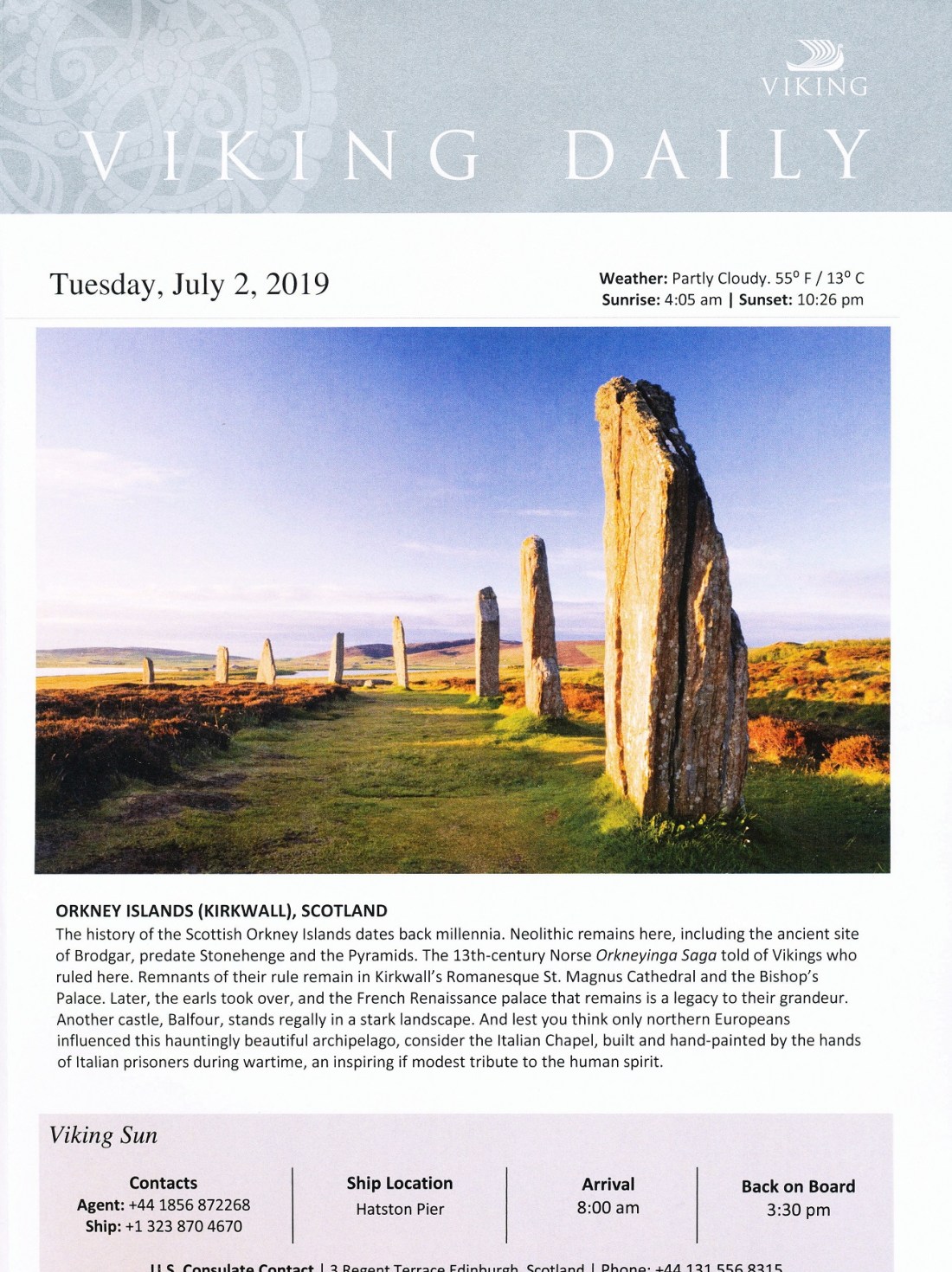
[The Ring of Brodgar (or Brogar, or Ring o’ Brodgar) is a Neolithic henge and stone circle about 6 miles north-east of Stromness on the Mainland, the largest island in Orkney.  It is part of the UNESCO World Heritage Site known as the Heart of Neolithic Orkney.  Most henges do not contain stone circles; Brodgar is a striking exception.  The ring of stones stands on a small isthmus between the Lochs of Stenness and Harray.  These are the northernmost examples of circle henges in Britain.  Unlike similar structures such as Avebury, there are no obvious stones inside the circle, but since the interior of the circle has never been excavated, the possibility remains that wooden structures, for example, may have been present. The site has resisted attempts at scientific dating and the monument’s age remains uncertain.  It is generally thought to have been erected between 2500 BC and 2000 BC, and was, therefore, the last of the great Neolithic monuments built on the Ness [contemporary with Stonehenge, though some project Brodgar likely older]. A project called The Ring of Brodgar Excavation 2008 was undertaken in the summer of that year in an attempt to settle the age issue and help answer other questions about a site that remains relatively poorly understood.  The results of the excavation are still preliminary (Wikipedia).]

7-2-19-105 - Copy

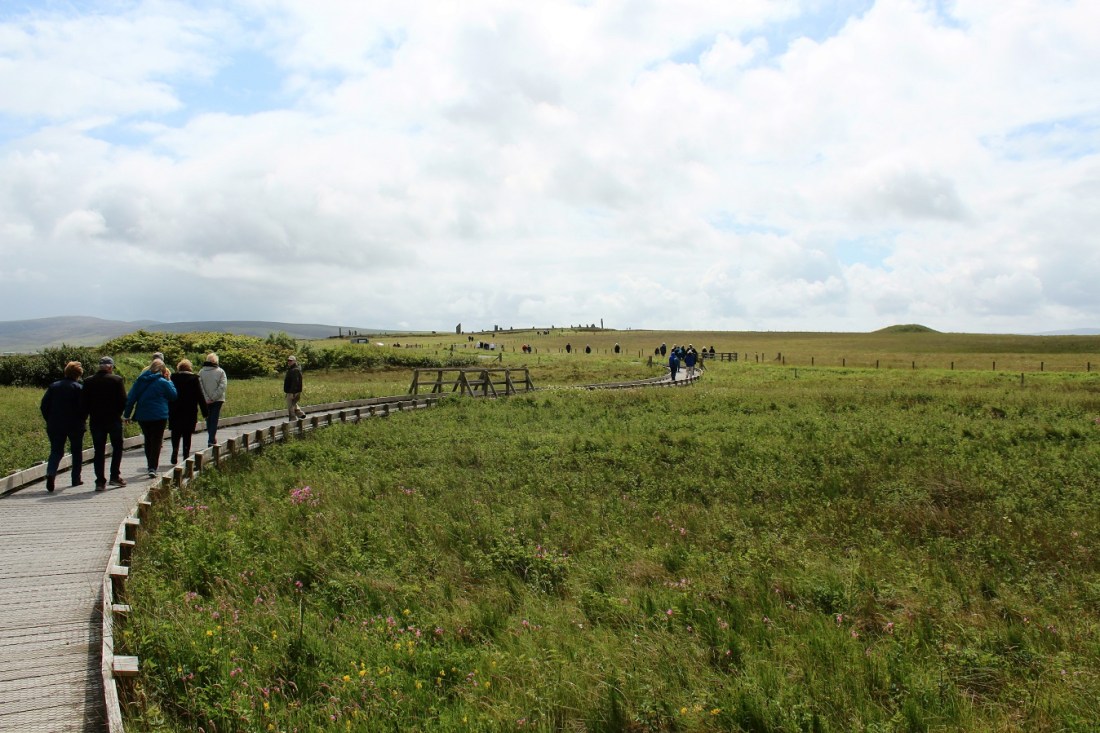
[A pleasant walk to an amazing isolated place not overrun with tourists?]

7-2-19-106 - Copy

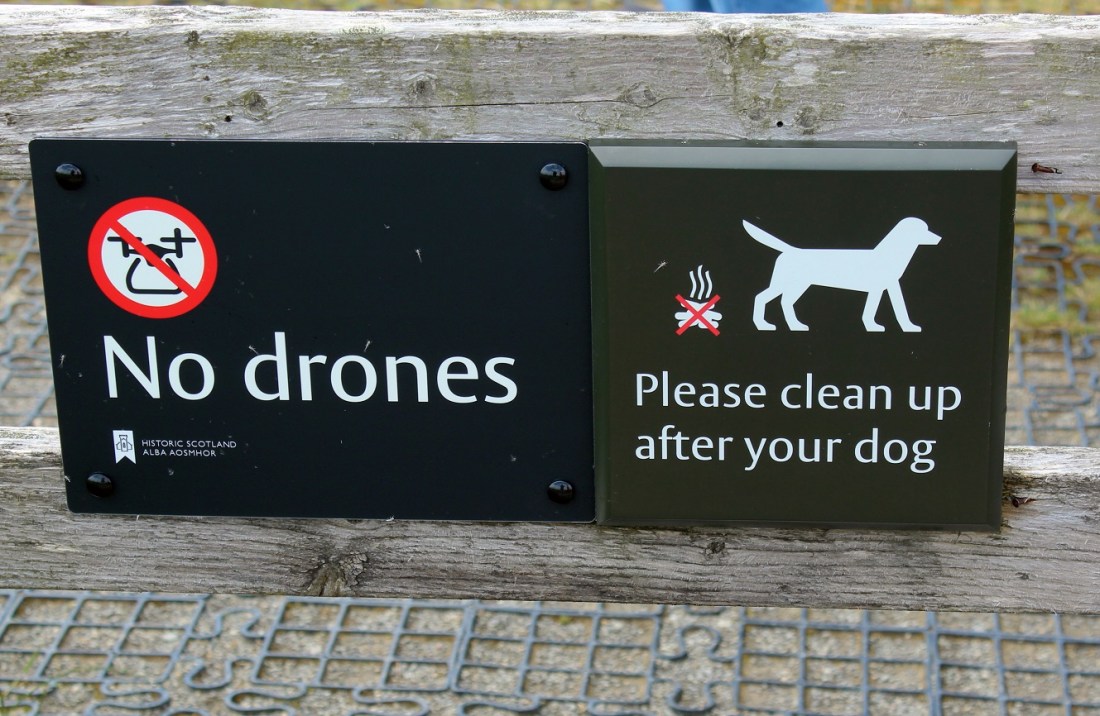
[Or we’ll have drones clean up your dogs!]

7-2-19-107 - Copy

[Remember, this is early July and we’re dressed for winter.  As they say, it’s the winds!]

7-2-19-108 - Copy

[Looking back from whence we came – our bus in the distant parking lot . . . ]

7-2-19-109 - Copy

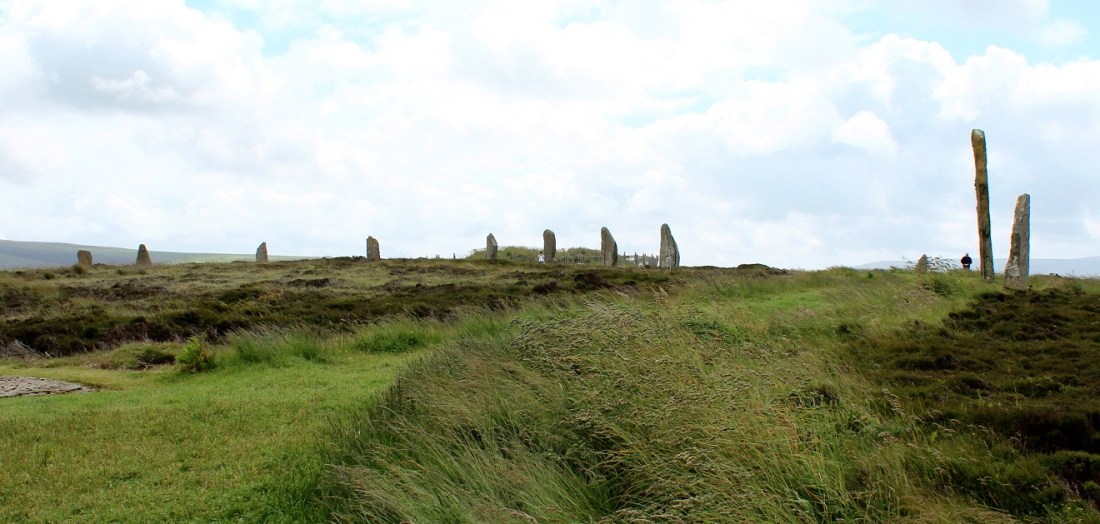
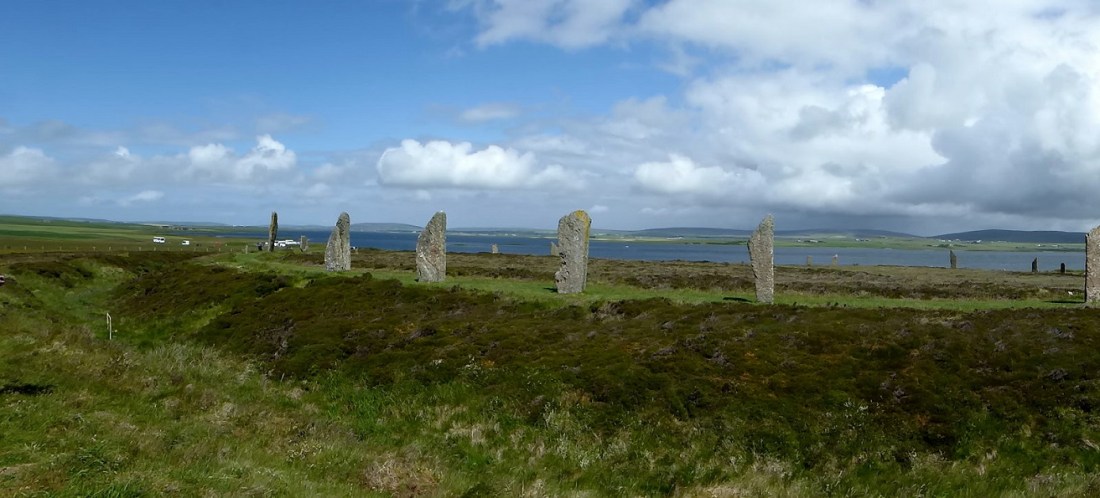
[The stone ring was built in a true circle, almost 104 metres wide. Although it is thought to have originally contained 60 megaliths, this figure is not based on archaeological evidence. Today, only 27 stones remain (okneyjar.com/history/brodgar/).]

7-2-19-110 - Copy

[Enclosed by a massive rock-cut ditch, it has two entrance causeways, one to the north-west and the other to the south-east.  These two causeways differ in size – the south-eastern one just over one metre in width, compared to the 3.4m wide north-western causeway (orkneyjar.com/history/brodgar/).]

7-2-19-111-1 - Copy

[The Ring of Brodgar was part of an enormous prehistoric ritual complex that incorporated the Stones o’ Stenness, approximately one mile to the south-east, and, probably, the Ring of Bookan to the north-west.  A short distance to the east of the Brodgar ring is the solitary standing stone now known as the Comet Stone.  The area surrounding the Ring of Brodgar, and the entire Ness, is rich with archaeology – including four massive mounds thought to have been created between 2500 BC and 1500 BC (orkneyjar.com/history/brodgar/).

7-2-19-112 - Copy

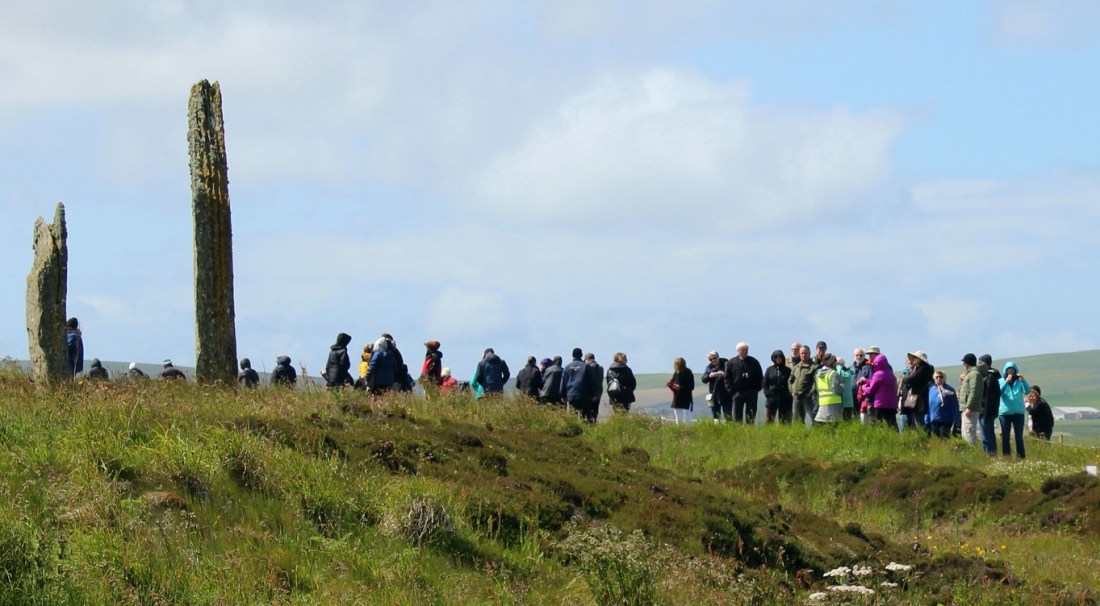
[The woman in the pink hoodie was our guide.  I have no idea what she looks like . . . ]

7-2-19-113 - Copy

[The barren isolationism was  . . .  really cool!]

7-2-19-114 - Copy

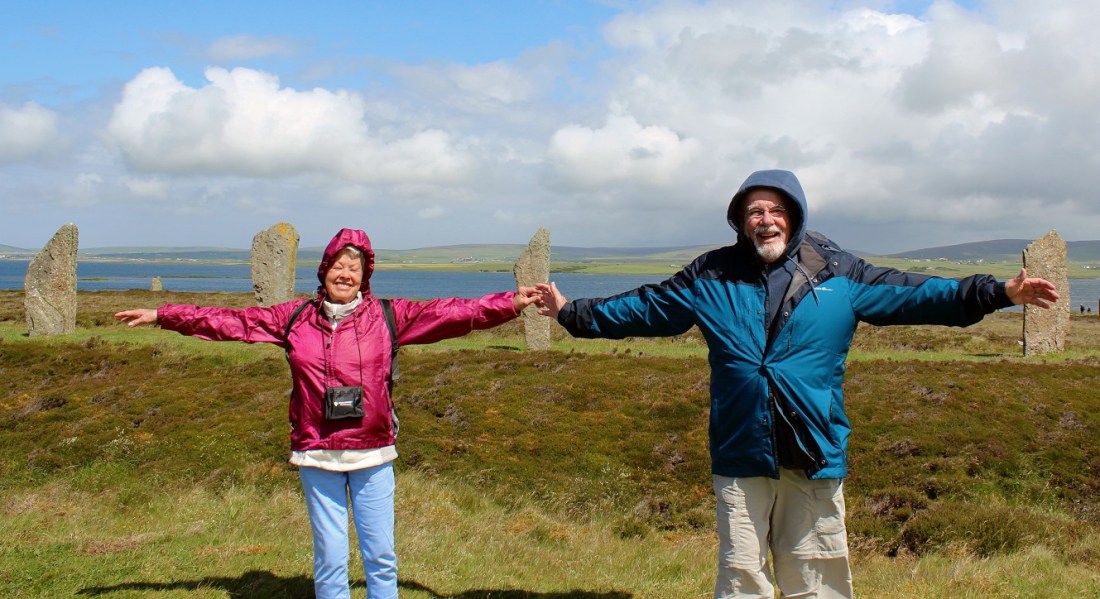
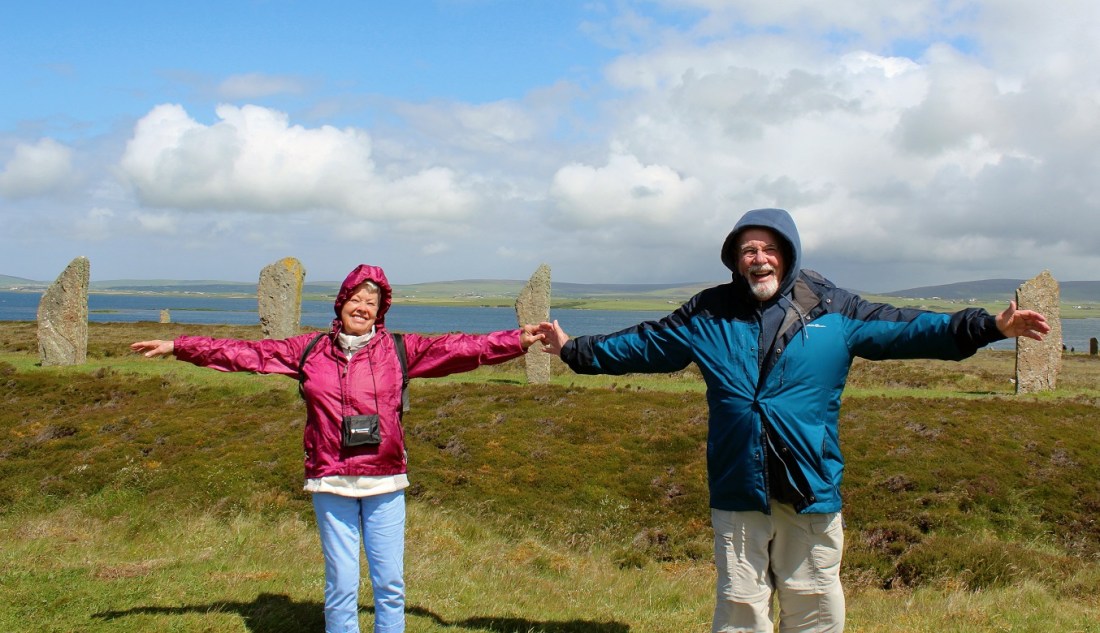
[Now I will just let the pictures tell the story (you’re welcome) . . . ]

7-2-19-115 - Copy7-2-19-116 - Copy7-2-19-117 - Copy7-2-19-118 - Copy

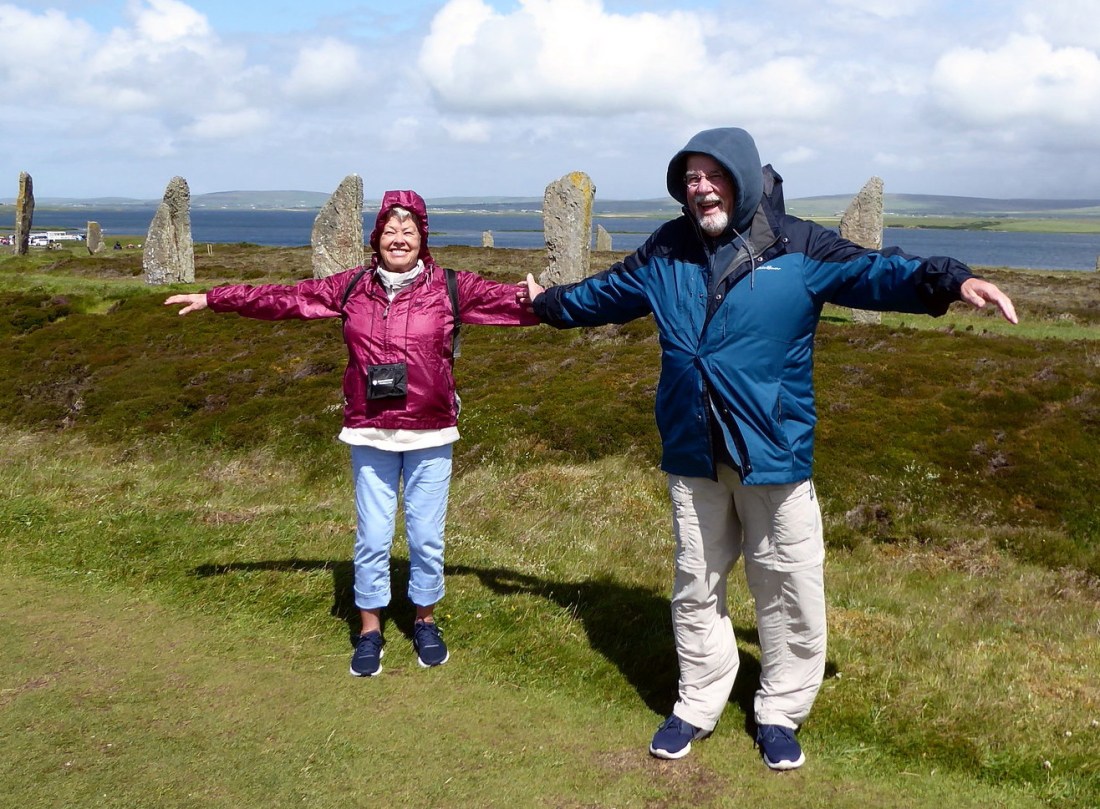
[Two fine looking tourists from far away America . . . ]

7-2-19-119 - Copy7-2-19-120 - Copy

[Likewise, I’m sure . . . ]

7-2-19-121-1 - Copy7-2-19-122-1 - Copy

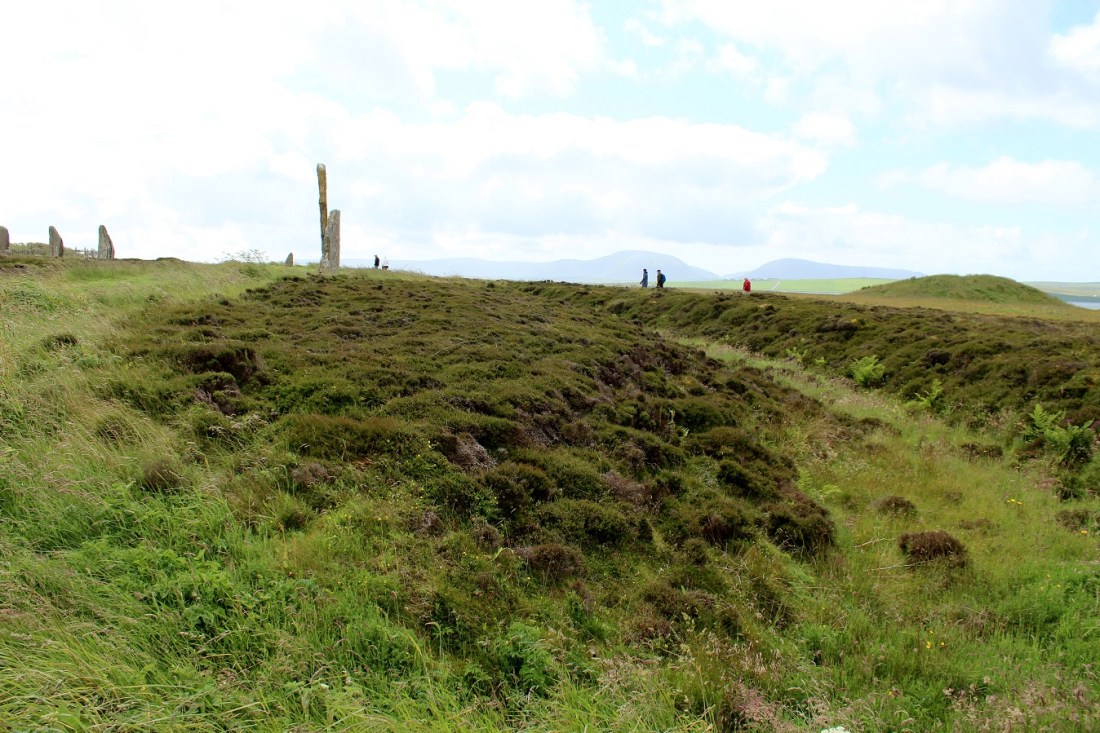
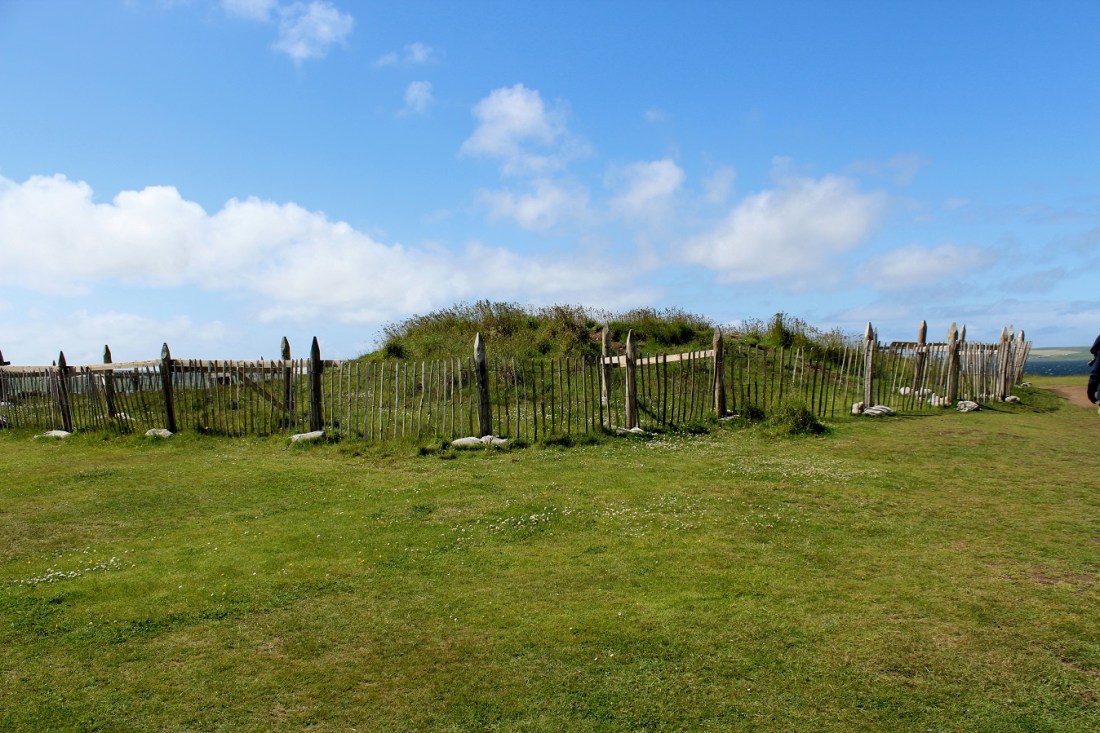
[I suspect the hump was man-made . . . ]

7-2-19-123 - Copy

[I suspect the ring of stones was man-made . . . ]

7-2-19-124 - Copy

[Saving for excavation?]

7-2-19-125 - Copy

[Strictly for the aesthetics . . . ]

7-2-19-127-1 - Copy

[I love the feel of the wind in my hair . . . ]

7-2-19-128 - Copy

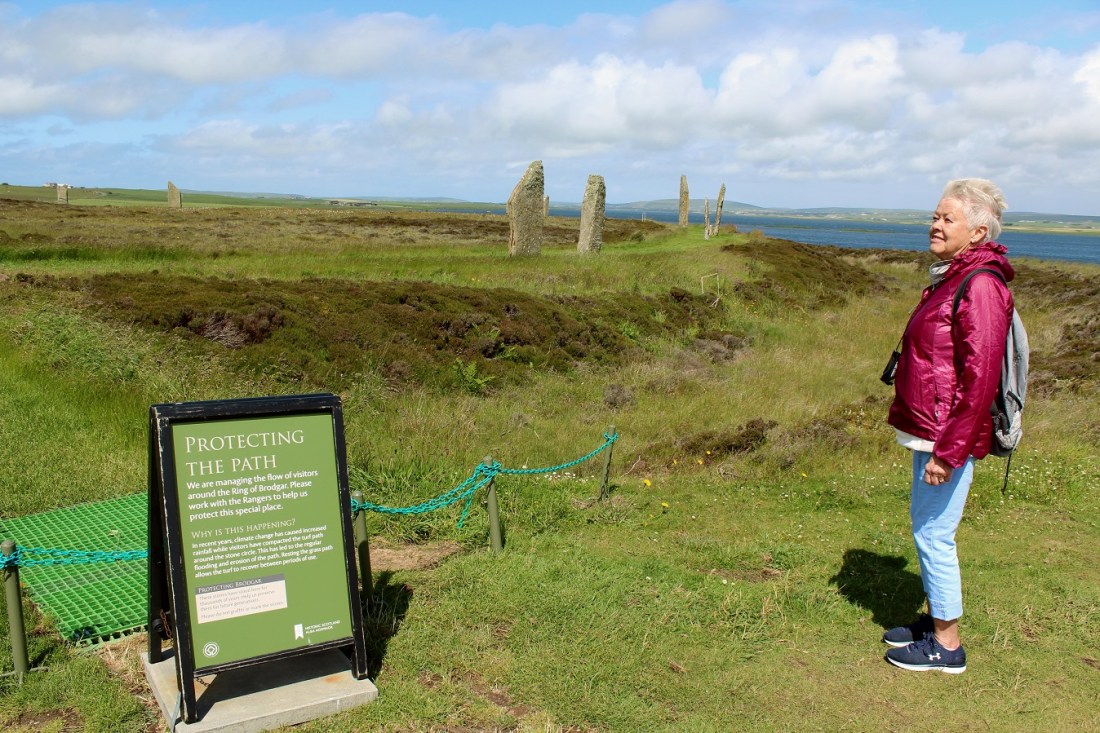
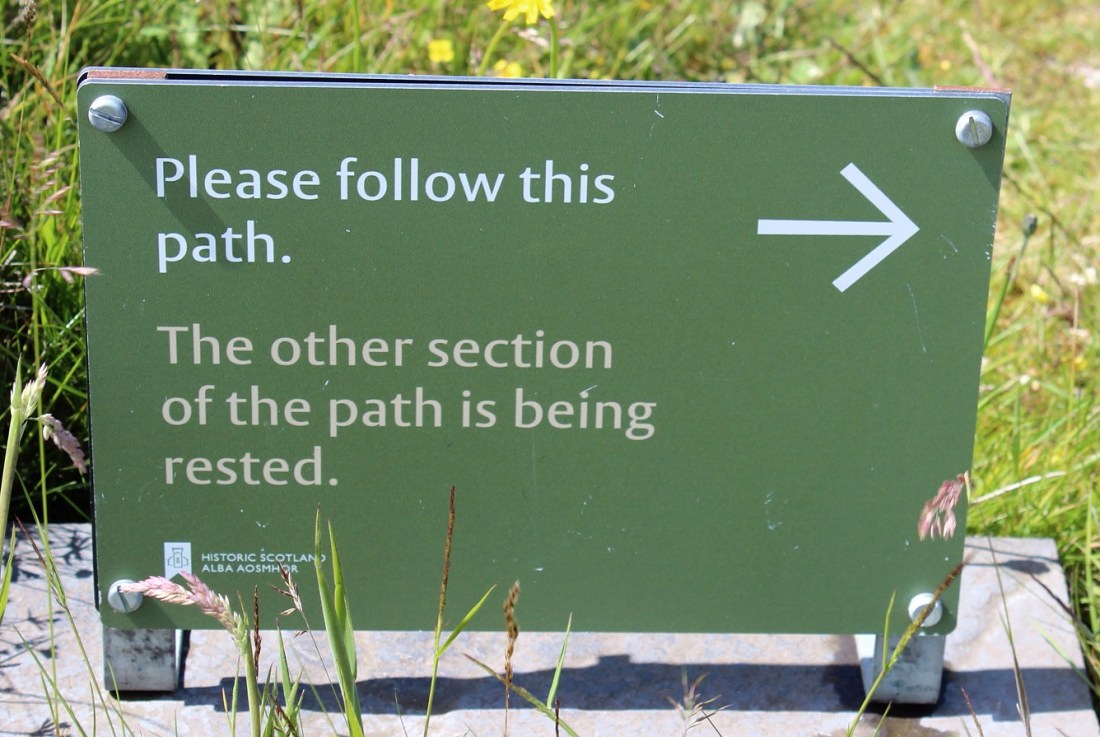
[Only the Scots would give a path a “rest”?]

7-2-19-129-1 - Copy

[Covering all 360 degrees.  It is a ring, after all . . . ]

7-2-19-130 - Copy7-2-19-131-1 - Copy

[The next 5 photos were thoughtfully submitted by Bill . . . ]

orkney1 - Copyorkney1-1 - Copyorkney2 - Copyorkney3-1 - Copyorkney4 - Copy

[Back to me and the visitor information booth . . . ]

7-2-19-132 - Copy

[A photo of a photo . . . ]

7-2-19-133 - Copy

[Fortunately the information booth was able to provide an example of how they change time here . . . ]

stone hedge reset

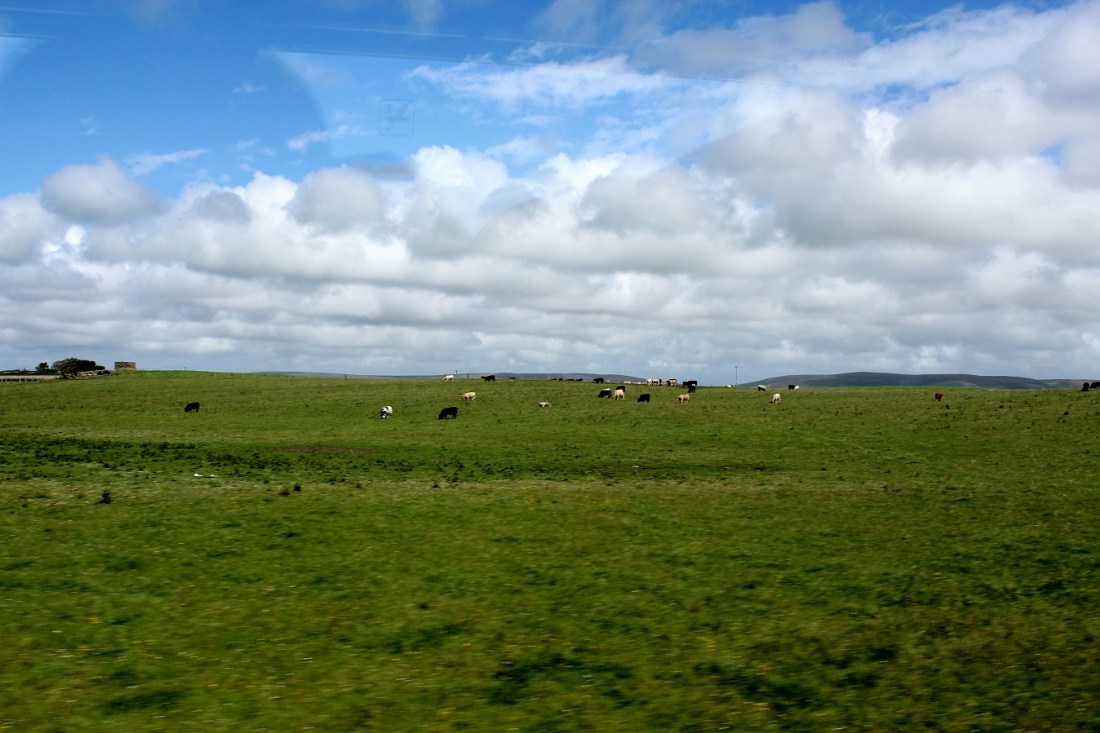
[Bovine . . . ]

7-2-19-135 - Copy

[Looks like something arable . . . ]

7-2-19-136 - Copy

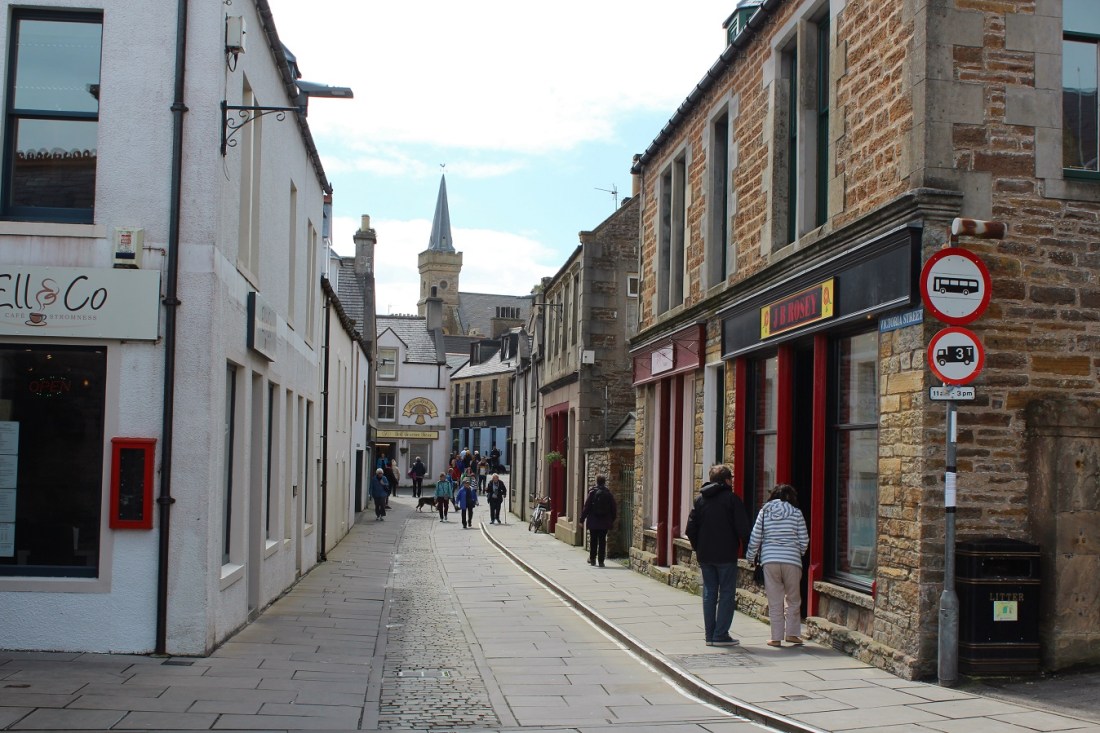
[Stromness . . . ]

7-2-19-137 - Copy

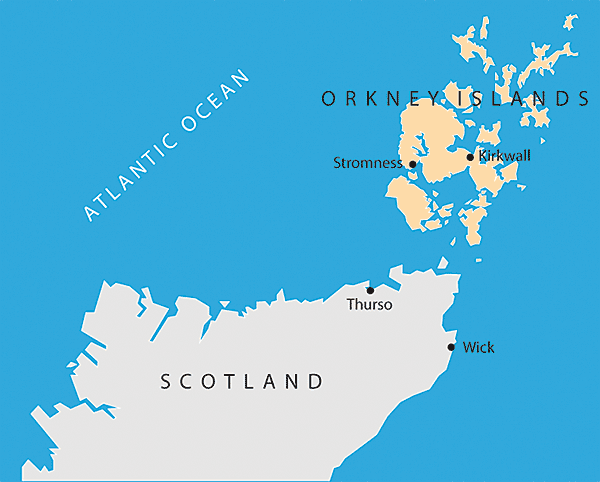
[Where we were in relation to Kirkwall . . . ]

OrkneyMapApr12

[Stromness is the second-most populous town in Orkney.  A long-established seaport, Stromness has a population of approximately 2,190 residents.  The old town is clustered along the characterful and winding main street, flanked by houses and shops built from local stone, with narrow lanes and alleys branching off it.  There is a ferry link from Stromness to Scrabster on the north coast of mainland Scotland (Wikipedia).]

7-2-19-138 - Copy

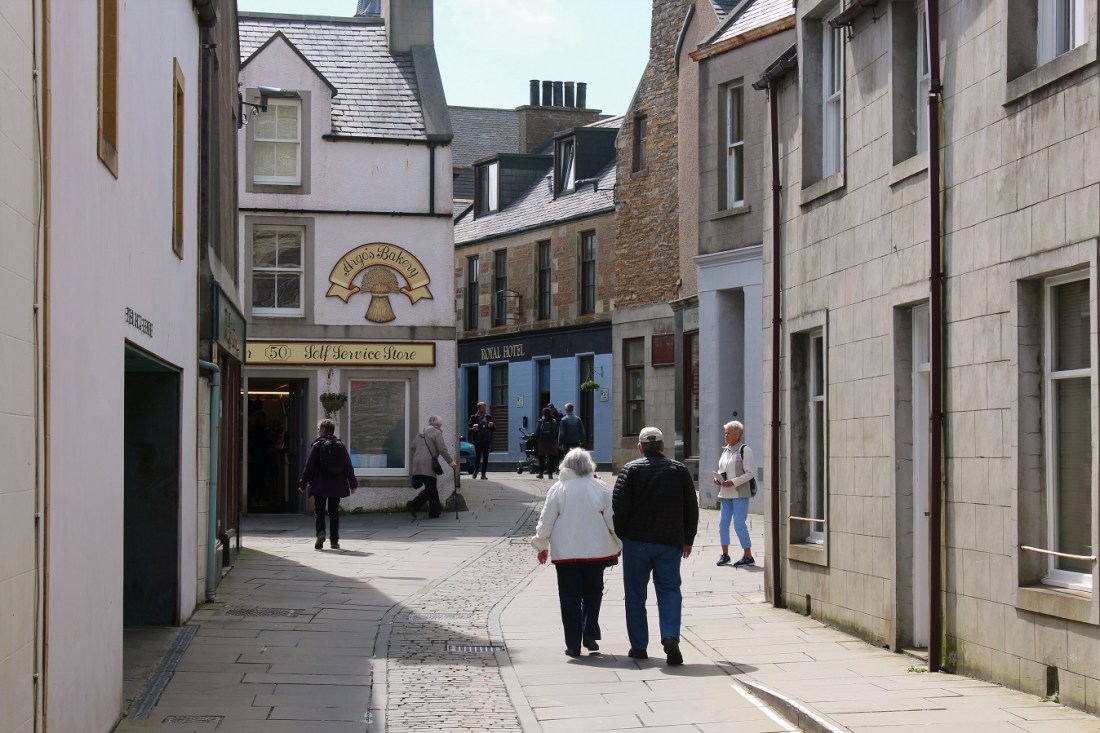
[The Super appears to have tracked down a bakery . . . ]

7-2-19-139 - Copy

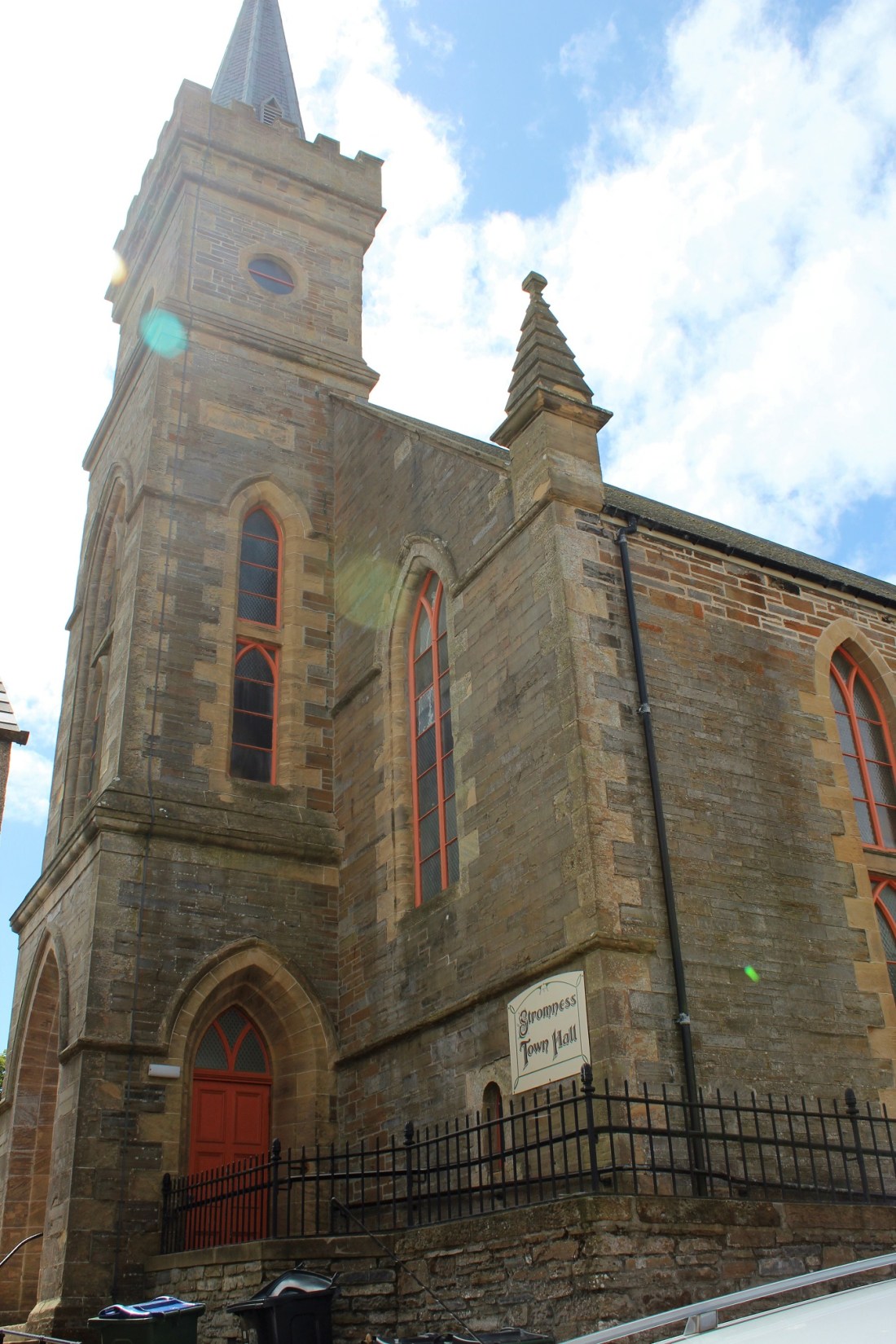
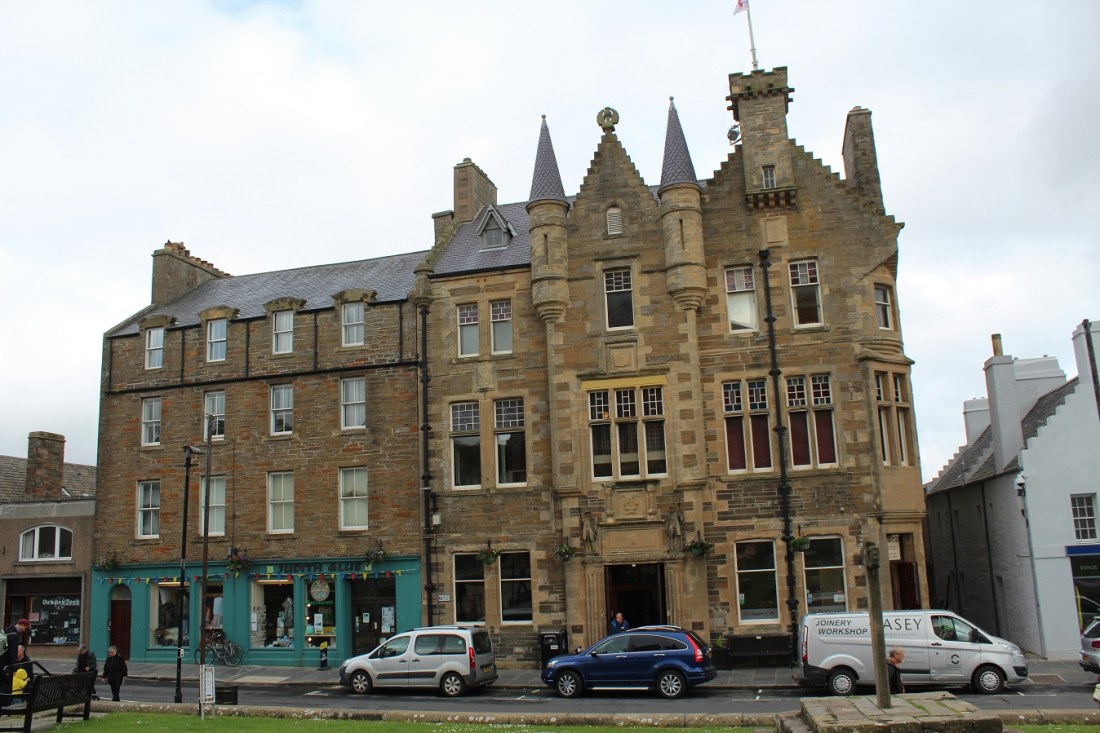
[The sign says the Stromness City Hall . . . ]

7-2-19-140 - Copy

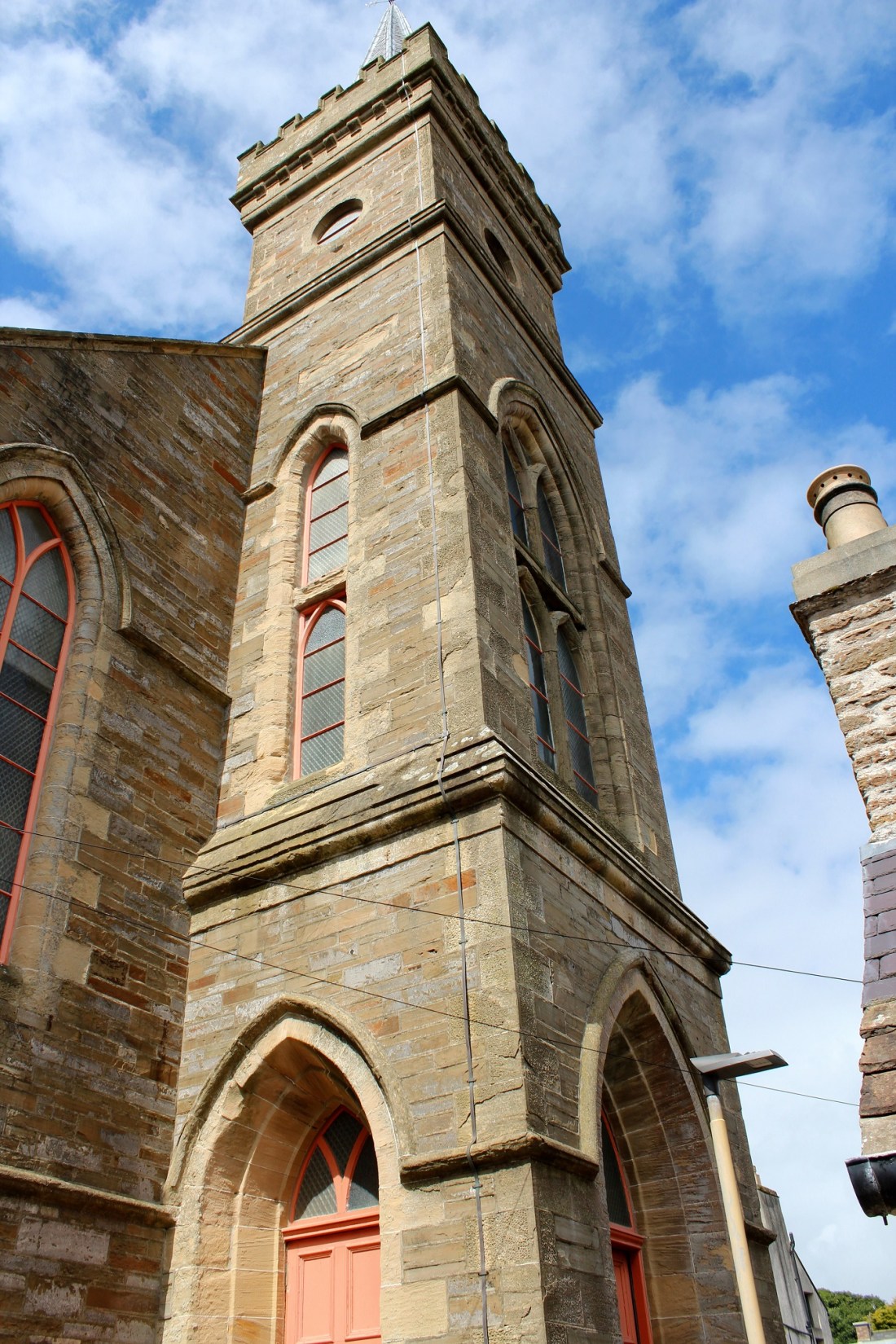
[As I said . . . ]

7-2-19-141 - Copy

[Why yes, it does appear to have once been a church . . . ]

7-2-19-142 - Copy

[The harbor from a commercial neighborhood . . . ]

7-2-19-143 - Copy

[Is still a church . . . ]

7-2-19-144 - Copy

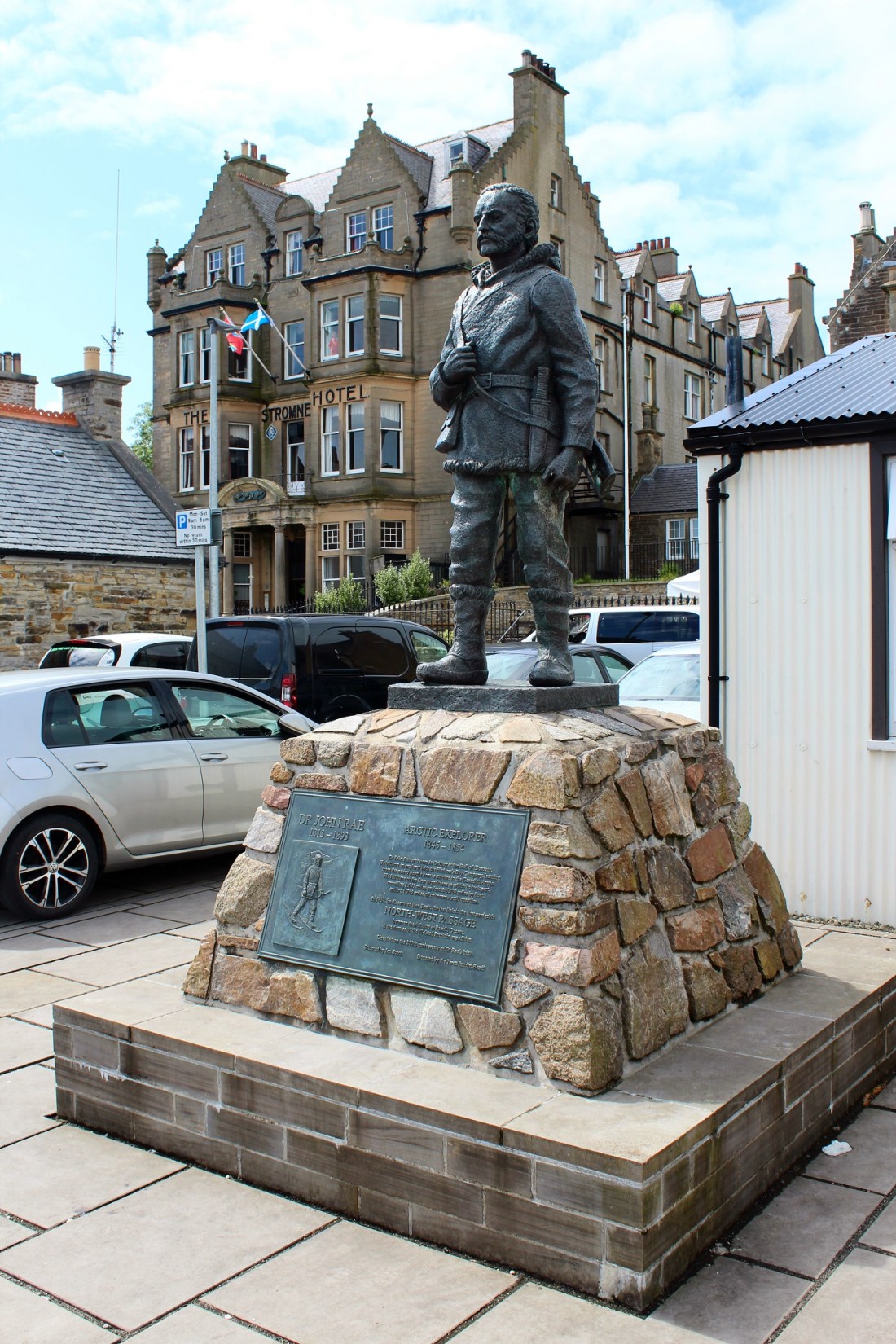
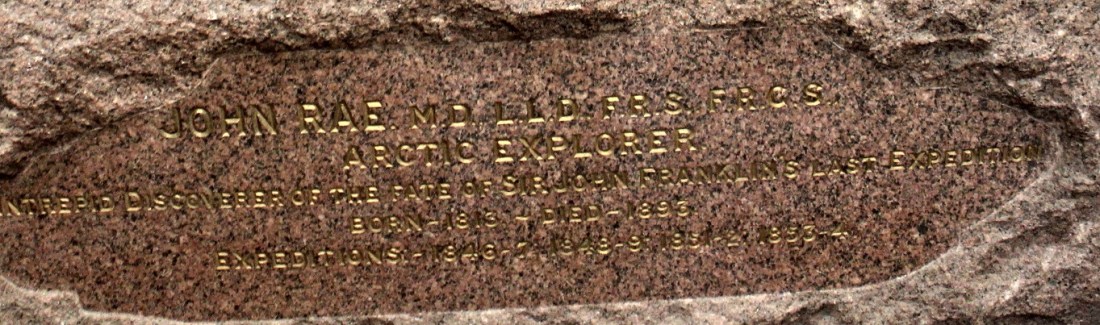
[Here’s our famous Mr. Rae again . . . ]

7-2-19-145 - Copy

[Stromness harbour was rebuilt in 1893 to the designs of John Barron.   At Stromness Pierhead is a commemorative statue by North Ronaldsay sculptor Ian Scott, unveiled in 2013, of John Rae standing erect, with an inscription describing him as “the discoverer of the final link in the first navigable Northwest Passage” (Wikipedia).]

7-2-19-146 - Copy

[Rae in relation to the Stromness Hotel . . . ]

7-2-19-147 - Copy

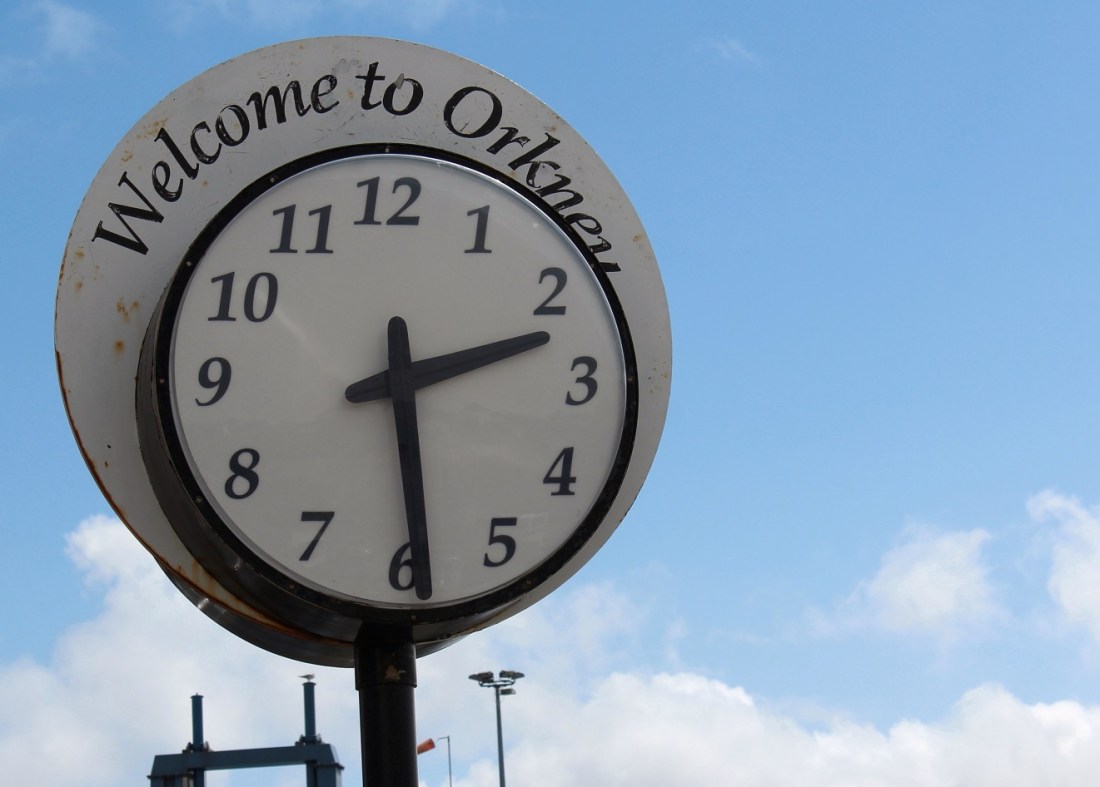
[It’s 2:29 pm . . . ]

7-2-19-148 - Copy

[Back on the bus for the trip back to Kirkwall . . . ]

7-2-19-149 - Copy7-2-19-150 - Copy7-2-19-150-1 - Copy

7-2-19-152 - Copy

[Sights, if not sounds, along the way . . . ]

7-2-19-153 - Copy7-2-19-154 - Copy

[The Super doing something on the bus . . . ]

7-2-19-155 - Copy

[A propeller (as opposed to an amateur one) . . . ]

7-2-19-156 - Copy

[We are now magically back on the ship . . . ]

7-2-19-157 - Copy

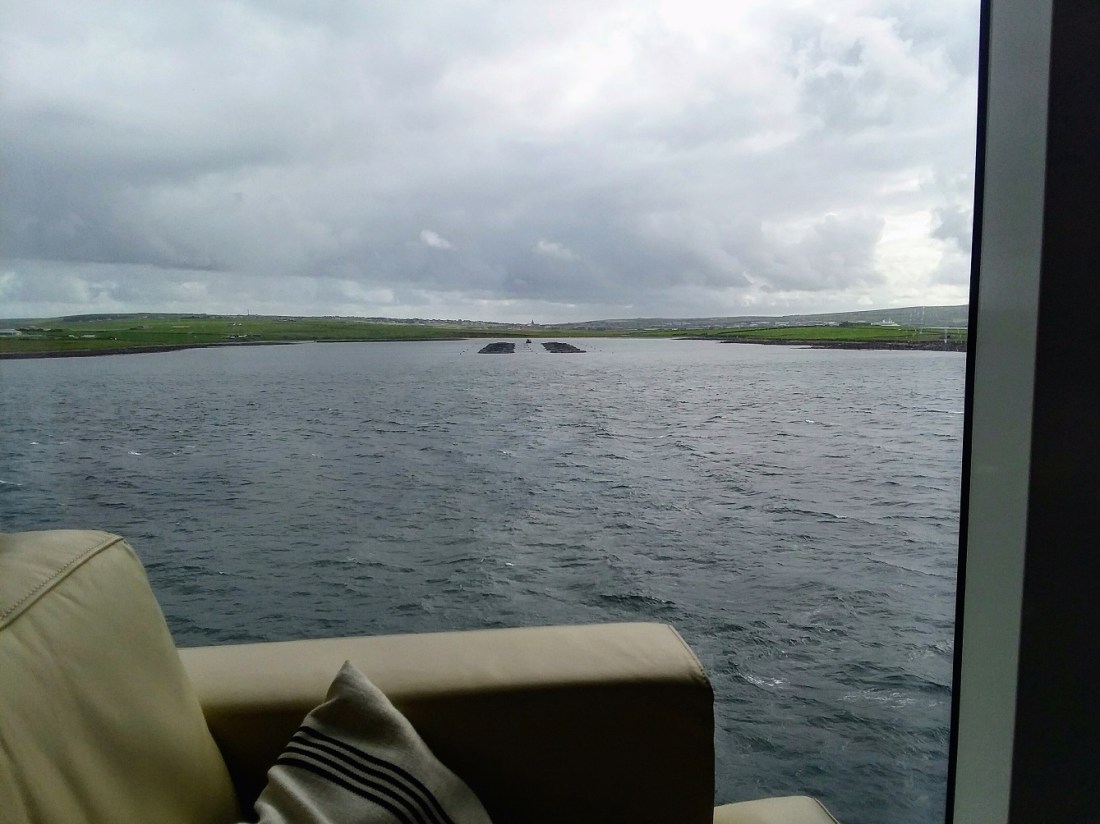
[On the sea again . . . ]

7-2-19-158 - Copy

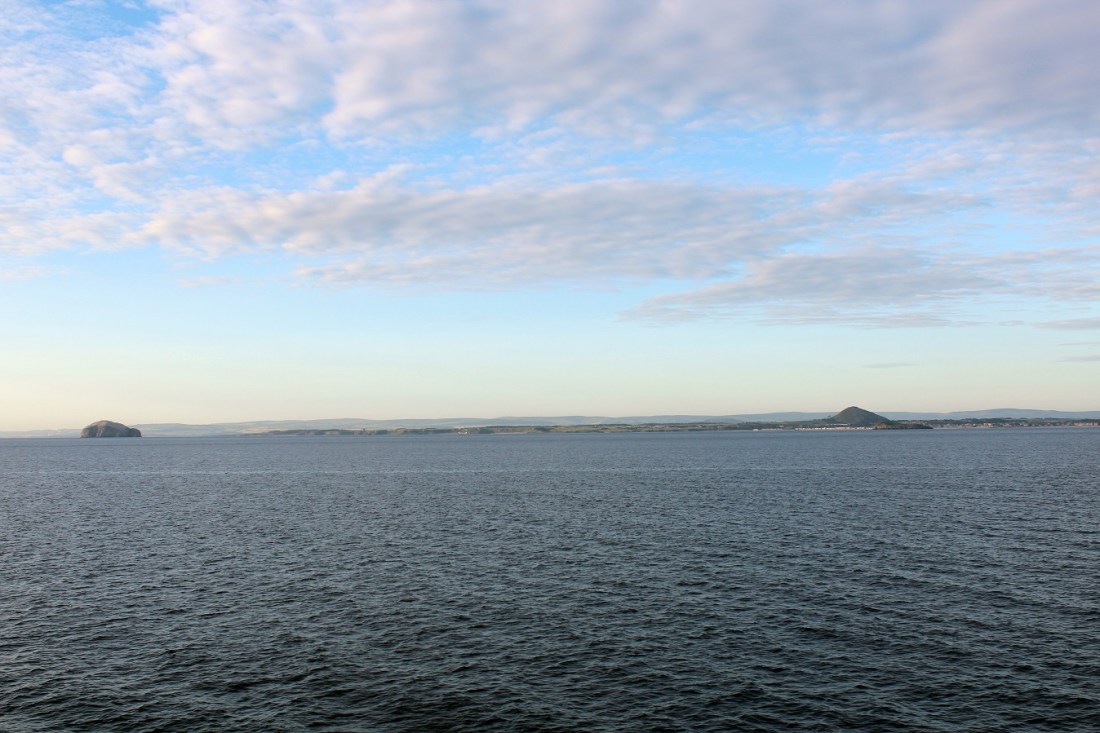
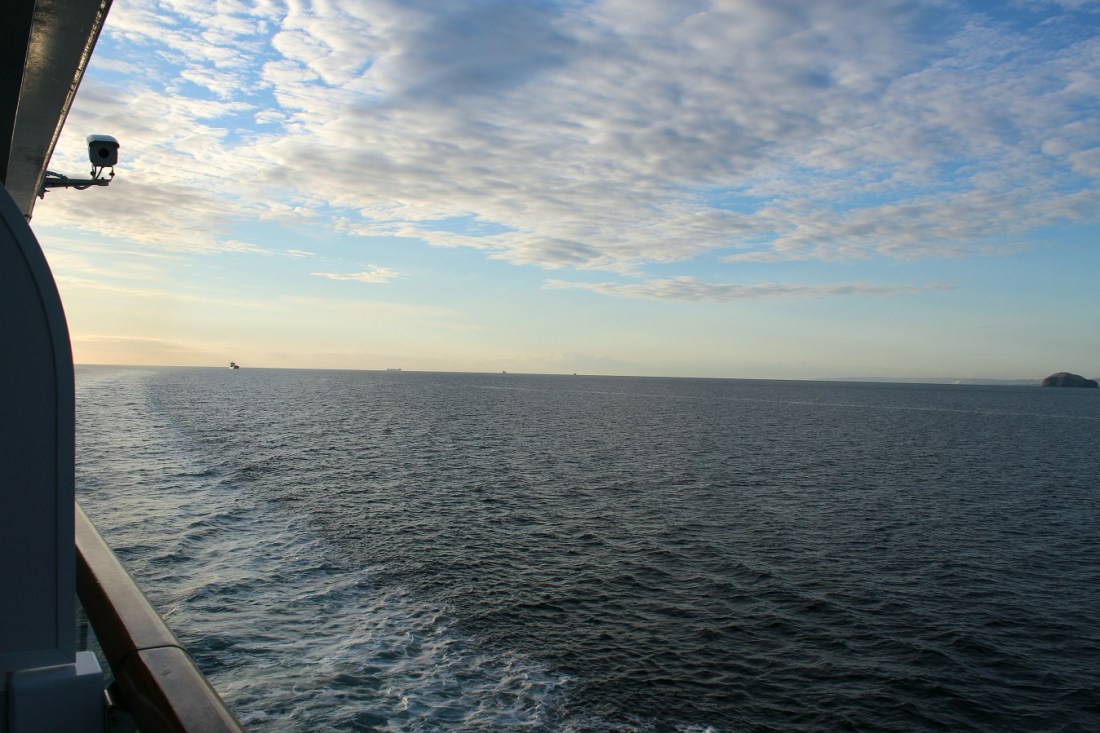
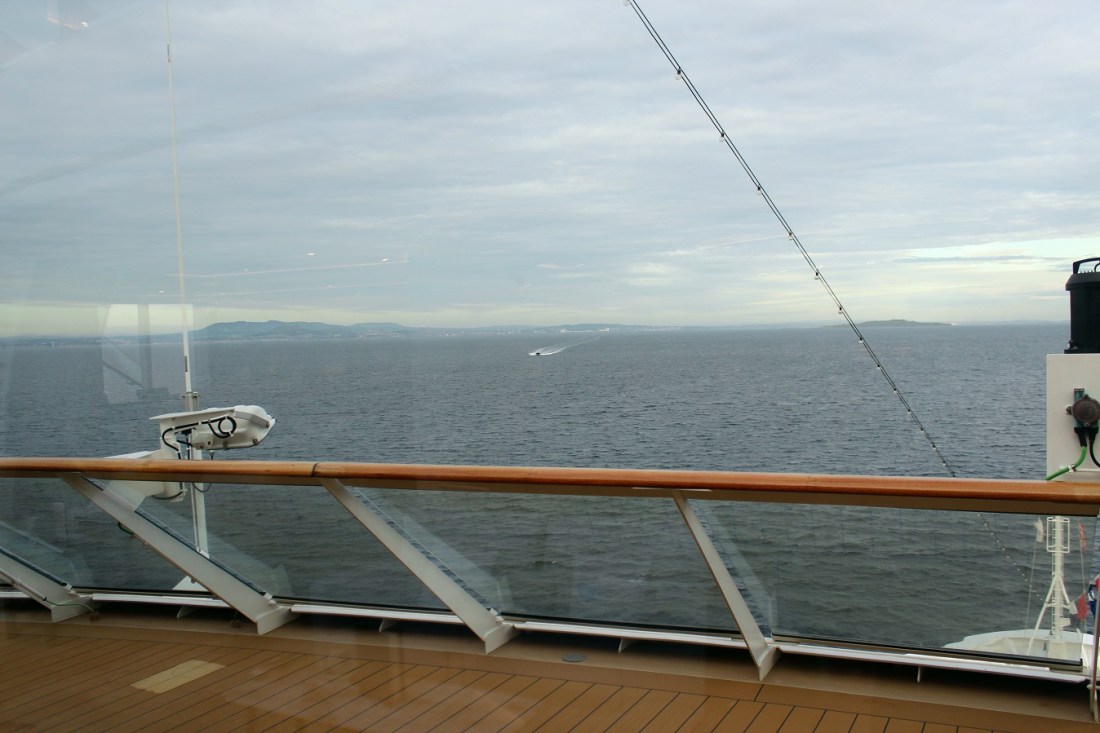
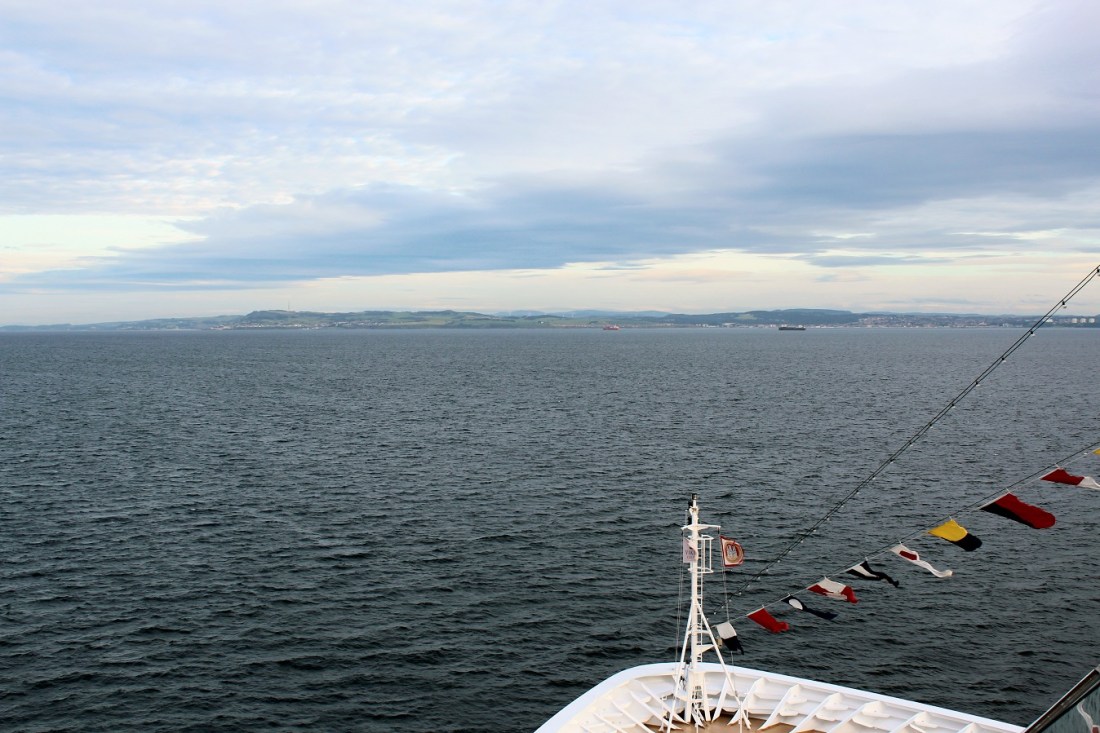
[Bidding adieu to Orkney . . . ]

7-2-19-159 - Copy

[And Orkney to us . . . ]

7-2-19-160 - Copy7-2-19-161 - Copy

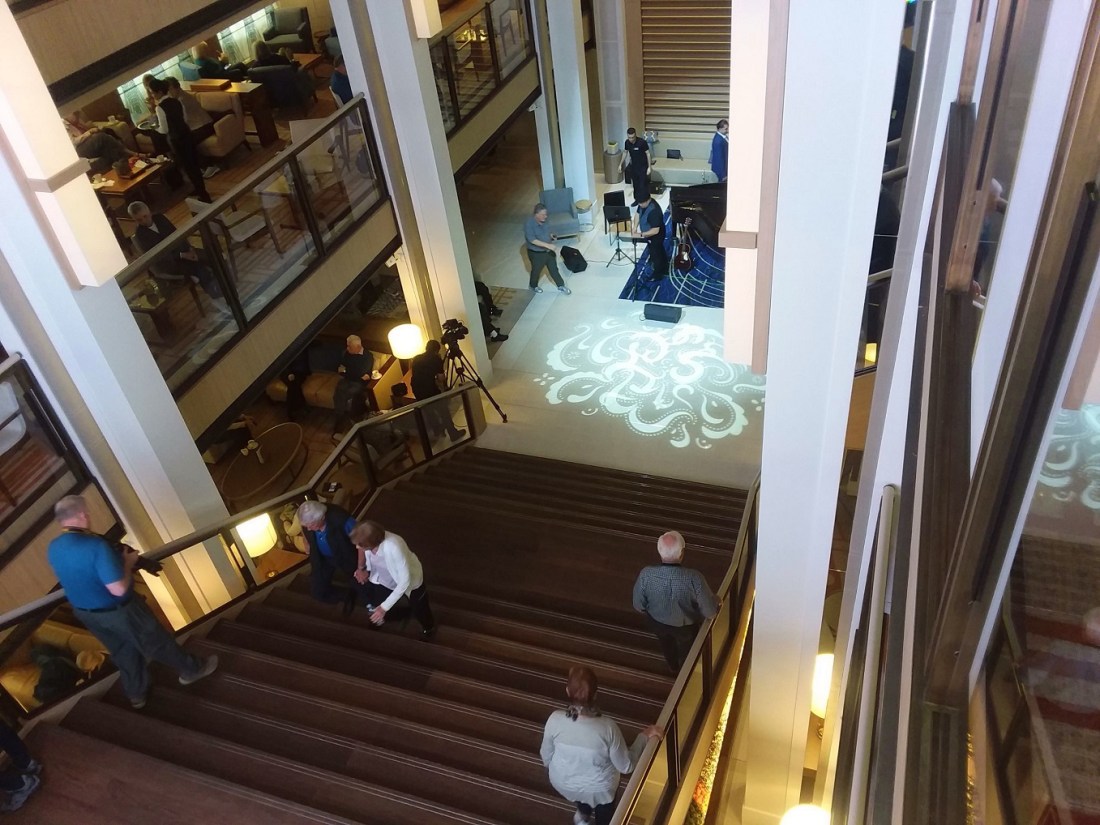
[Passing by the atrium on the way to dinner . . . ]

20190702-6 - Copy20190702-7 - Copy

[The view from the dining room . . . ]

20190702-20 - Copy

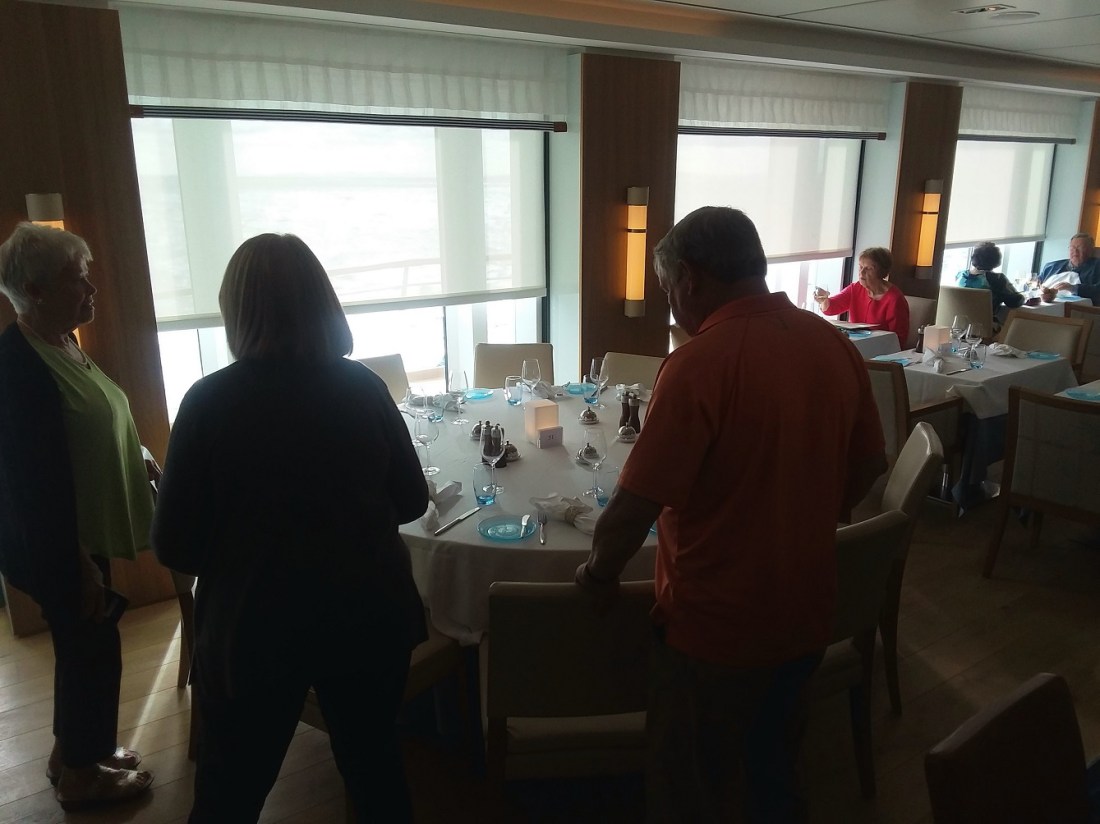
[The view in the dining room . . . ]

20190702-23 - Copy

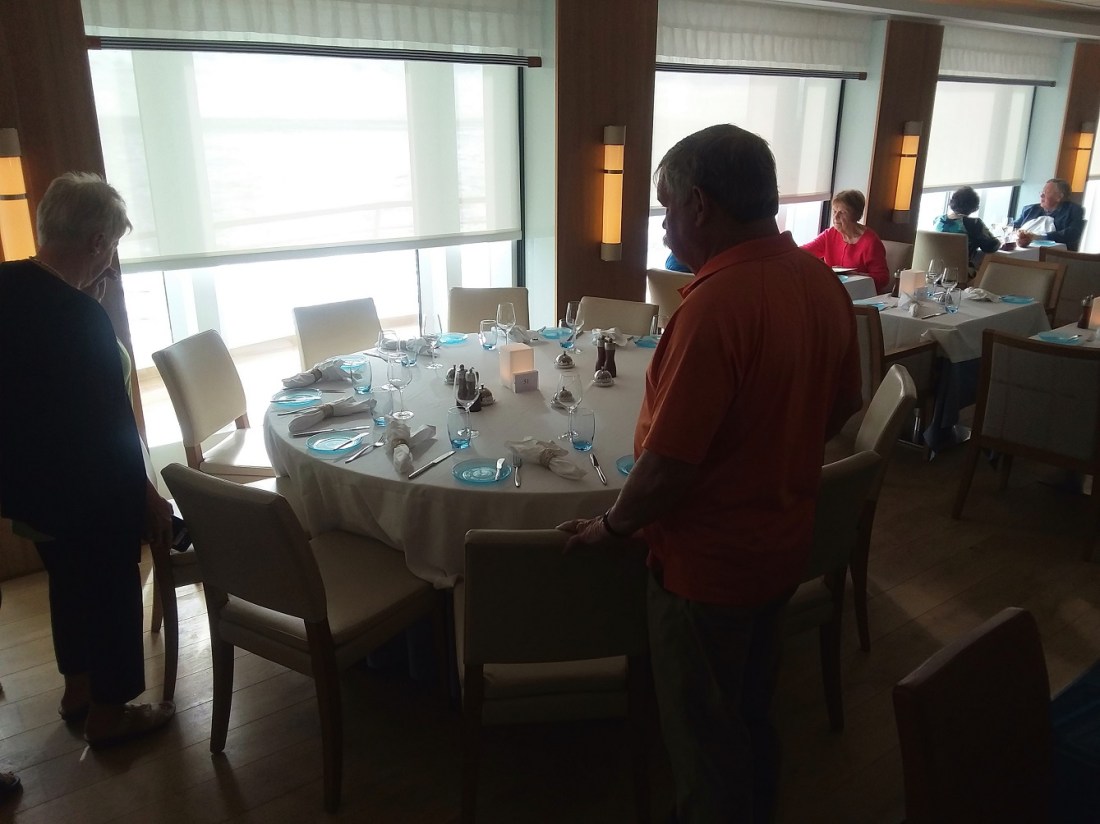
[Looks like we’ve selected this table . . . ]

20190702-26 - Copy

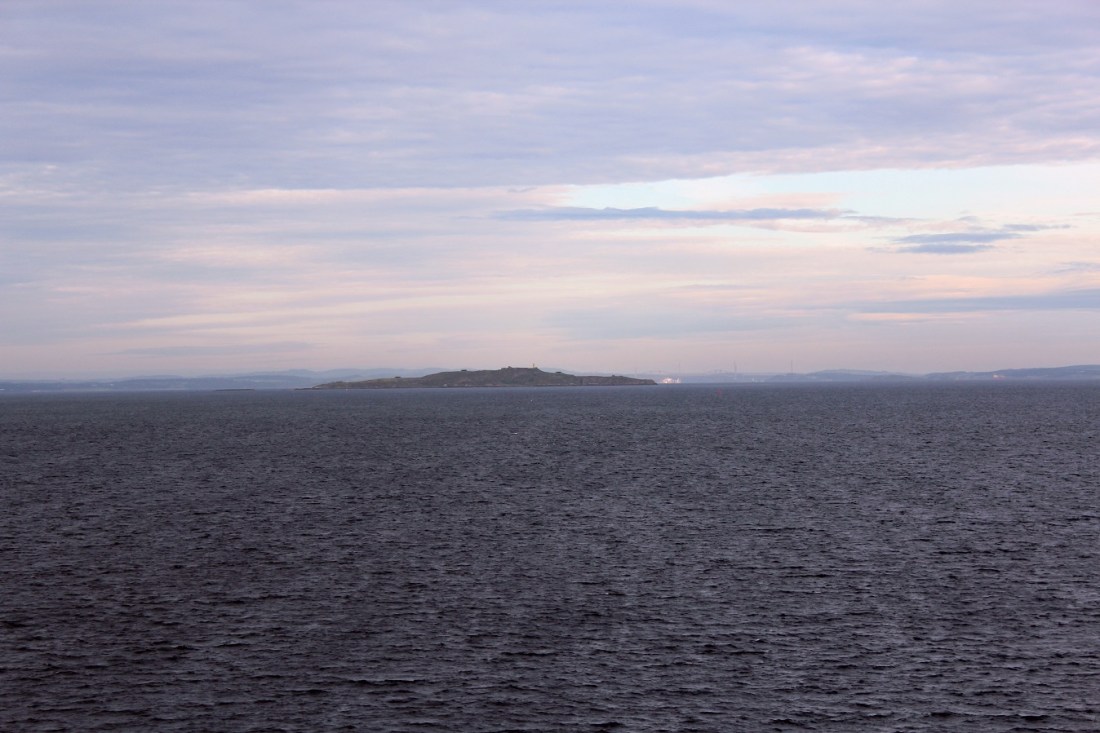
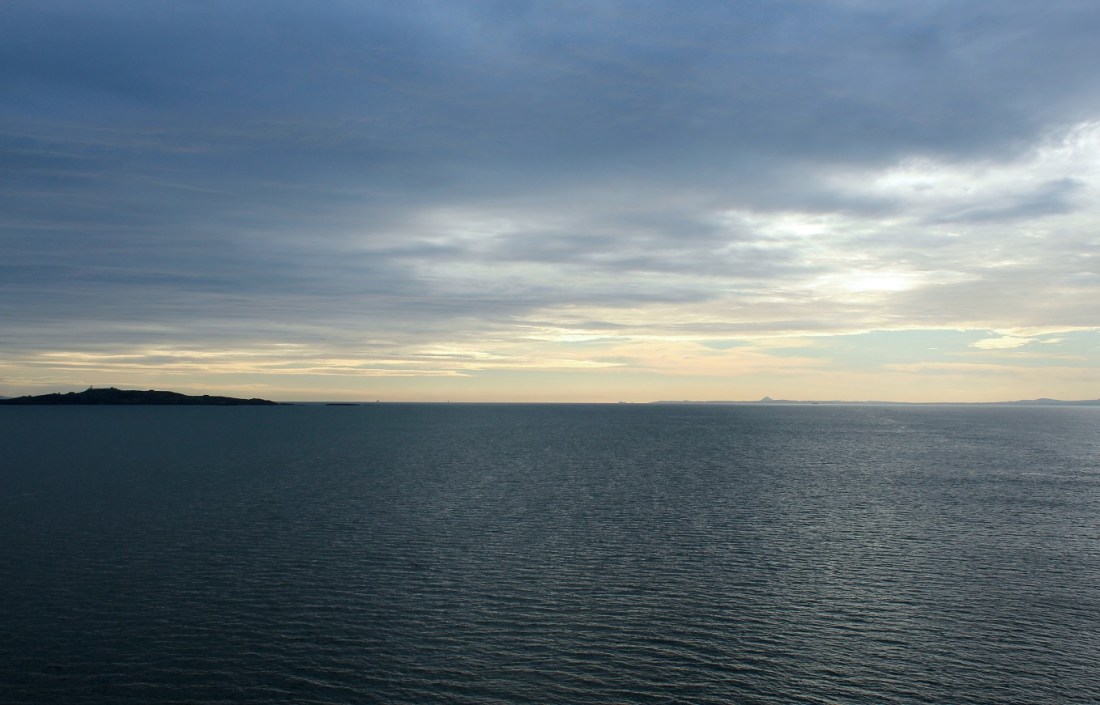
[The views after eating . . . ]

7-2-19-162 - Copy7-2-19-163 - Copy

[Heading south . . . ]

7-2-19-164 - Copy

[Next stop, the Great Britain mainland in Edinburgh, Scotland . . . ]

7-2-19-165 - Copy

I like long walks, especially when they are taken by people who annoy me.  ~  Fred Allen

Up Next:  Either Edinburgh or Washington, D.C.

Norway (Day 15, Part 1)

July 2

Kirkwall, Orkney Islands, Scotland

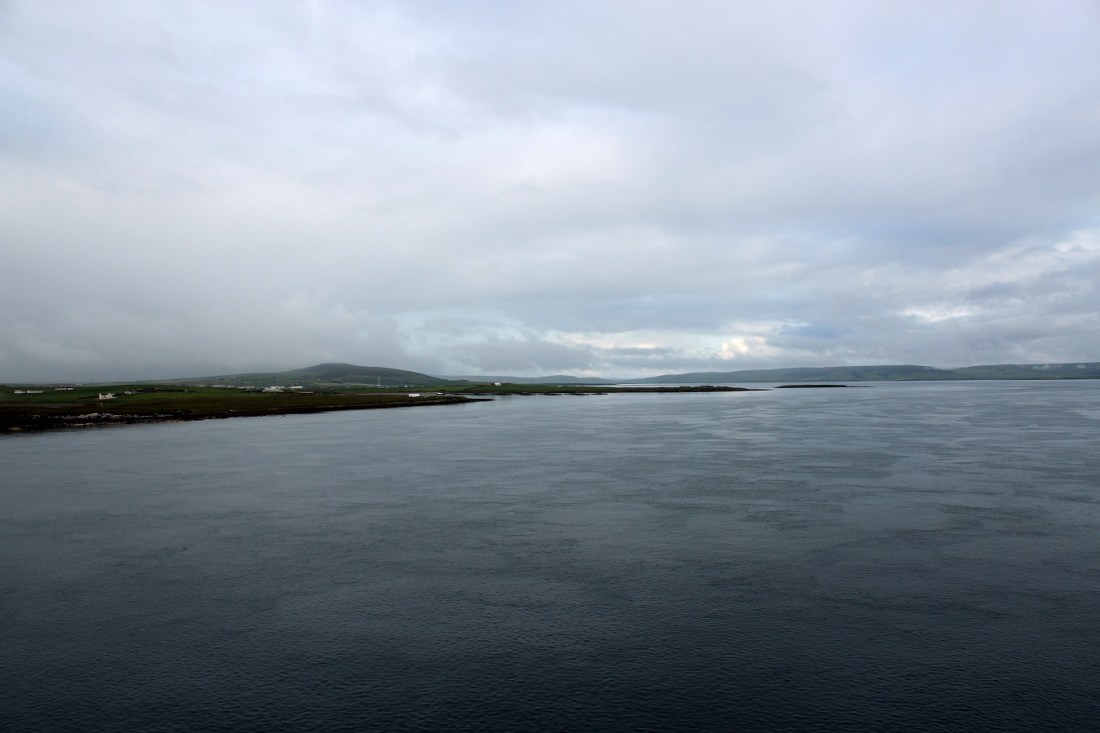
Orkney, I knew of.  Orkney, I knew not about.  Orkney, I knew as Scottish Islands, like Shetland.  Orkney, I knew not was rife with photo ops . . . 

july2 - Copy

[Land Ho!]

7-2-19-1 - Copy

[Orkney, also known as the Orkney Islands, is an archielago in the Northern Isles of Scotland, situated off the north coast of the island of Great Britain.  The largest island, Mainland, is often referred to as “the Mainland”, and has an area of 523 square kilometres (202 sq mi), making it the sixth-largest Scottish island and the tenth-largest island in the British Isles.  The largest settlement and administrative centre is Kirkwall (Wikipedia).]

7-2-19-2 - Copy

[A form of the name dates to the pre-Roman era.  The islands have been inhabited for at least 8,500 years, originally occupied by Mesolithic and Neolithic tribes and then by the Picts.  Orkney was colonised and later annexed by Norway in 875 and settled by the Norse.  The Scottish Parliament then absorbed the earldom to the Scottish Crown in 1472, following the failed payment of a dowry for James III’s bride Margaret of Denmark (Wikipedia).]

7-2-19-3 - Copy

[The climate is mild and the soils are extremely fertile, most of the land being farmed. Agriculture is the most important sector of the economy.  The significant wind and marine energy resources are of growing importance, and the island generates more than its total yearly electricity demand using renewables.  The local people are known as Orcadians and have a distinctive dialect of the Scots language and a rich inheritance of folklore.  Orkney contains some of the oldest and best-preserved Neolithic sites in Europe, and the “Heart of Neolithic Orkney” is a designated UNESCO World Heritage Site. There is an abundance of marine and avian wildlife (Wikipedia).]

7-2-19-4 - Copy

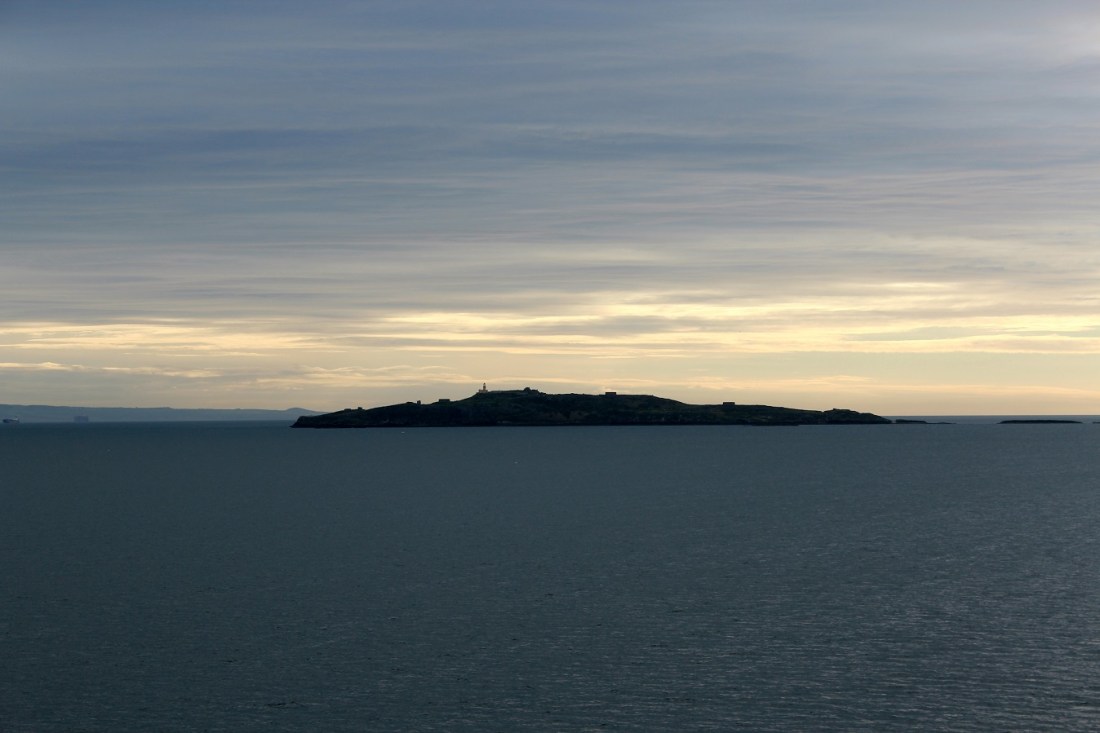
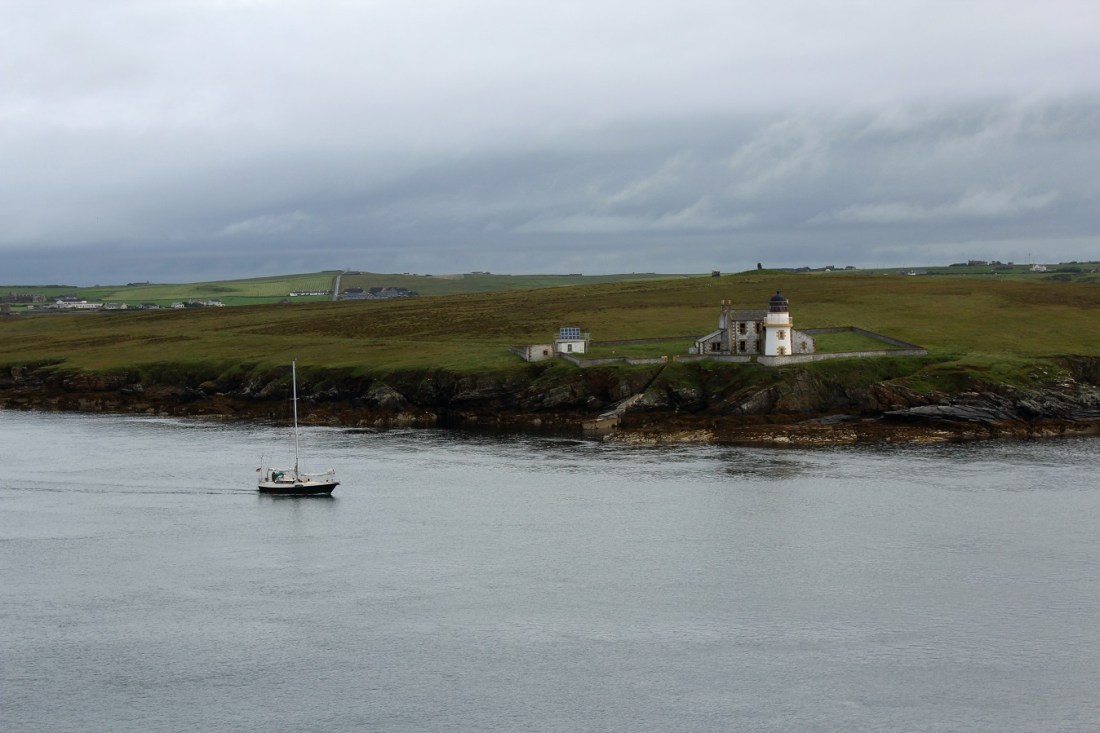
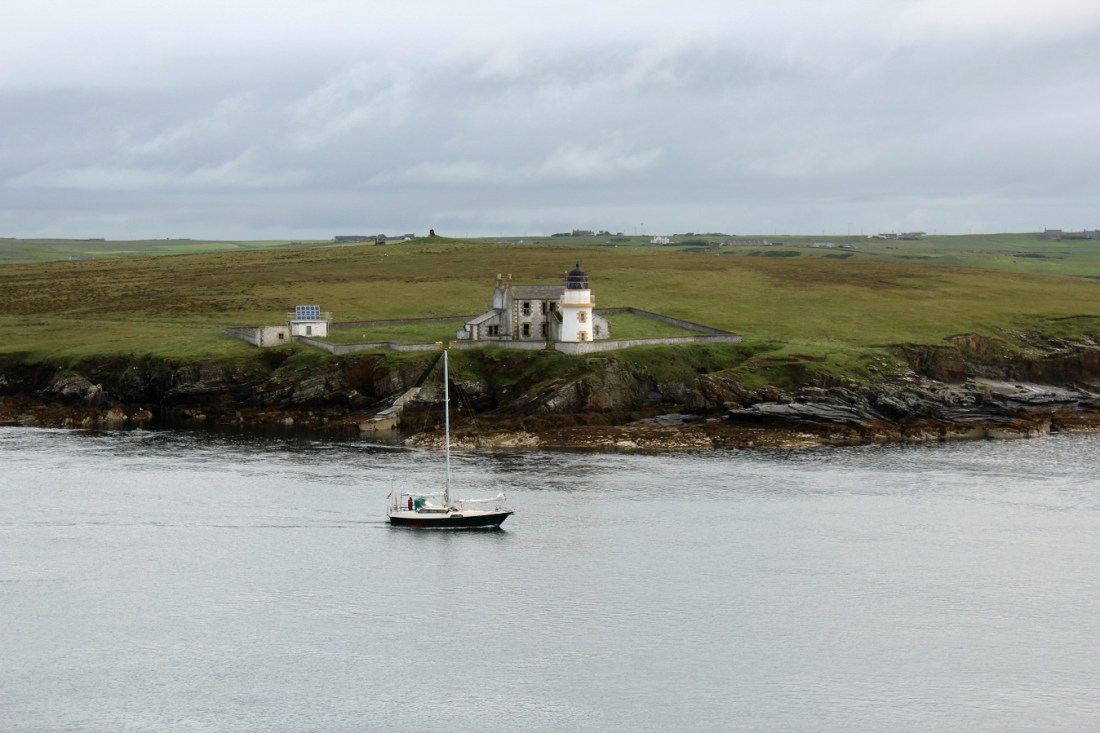
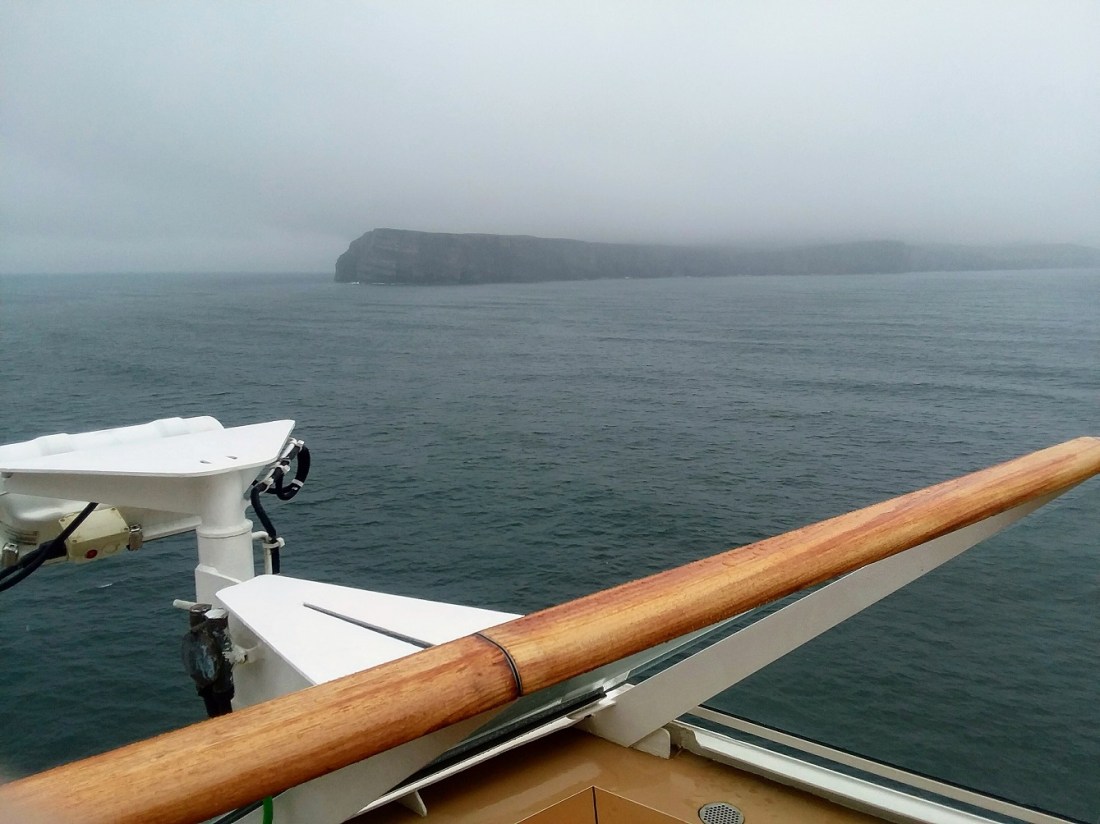
[I have reason to suspect this is Helliar Holm lighthouse . . . ]

7-2-19-5 - Copy

[Helliar Holm is an uninhabited island off the coast of Shapinsay in the Orkney Islands.  It is home to a 42-foot-tall (13 m) lighthouse, which was built in 1893 and automated in 1967.  It is a tidal island that used to be connected to Shapinsay.  It is still possible to walk across from the mainland during very low tides.  The island also has the ruins of a broch, cairn, and chapel (Wikipedia).]

7-2-19-6 - Copy7-2-19-7 - Copy

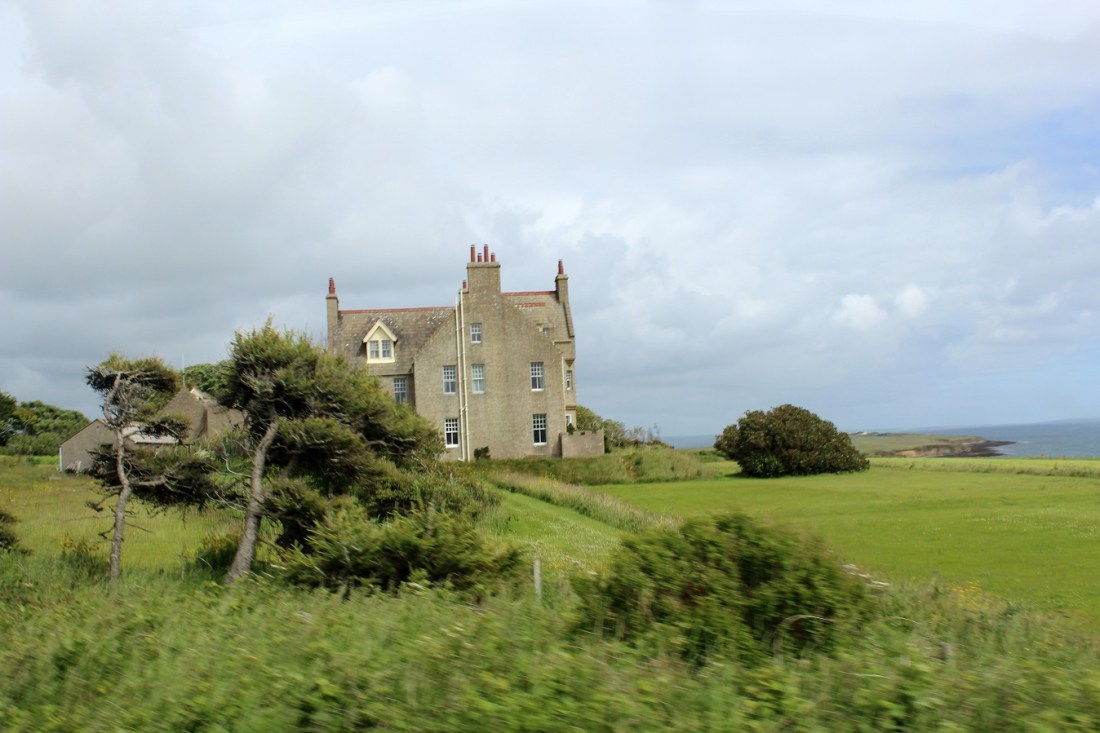
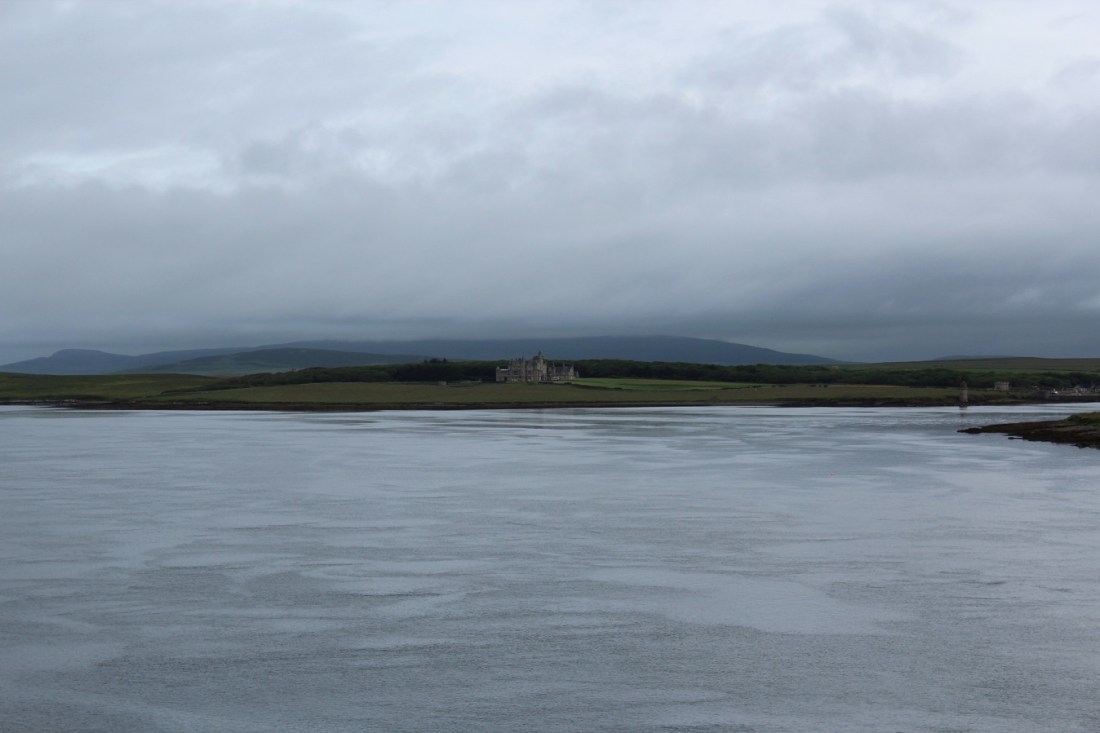
[Suspected to be Balfour Castle . . . ]

7-2-19-8 - Copy

[Kirkwall is the largest town of Orkney.  Kirkwall is the administrative centre for Orkney, and is the home of headquarters for Orkney Islands Council and NHS Orkney.  It is the most populous island settlement in Scotland.  The population was 9,293 in 2011.  The population was predicted to be about 10,000 in 2018.  After extensive work on harbour facilities, the town has become a popular cruise ship stop, with several ships arriving each week in the season.  This has added to the prosperity of the town and allowed a thriving sector of independently owned shops.  Each year now, 140 cruise ships visit Kirkwall and Stromness (Wikipedia).]

7-2-19-9 - Copy7-2-19-10 - Copy

[And this would be one of the 140 annual cruise ship visits . . . ]

7-2-19-11 - Copy

[But before we go ashore, this is Thom Remington.  You do not know Thom.  We do not know Thom.  But as so often happens, meal discussions with fellow cruisers can lead to a connection.  It turns out that Thom was a high school classmate of my cousin Herb in Wilmington, Delaware.  Now we all know . . . ]

20190702-1 - Copy

[In Scottish it reads:  “Welcome to Orkney . . . “]

7-2-19-12 - Copy

[Ole and the Super appreciate being welcomed . . . ]

7-2-19-13 - Copy

[Where we were . . . ]


orkney3

orkney2

orkney5

7-2-19-15 - Copy

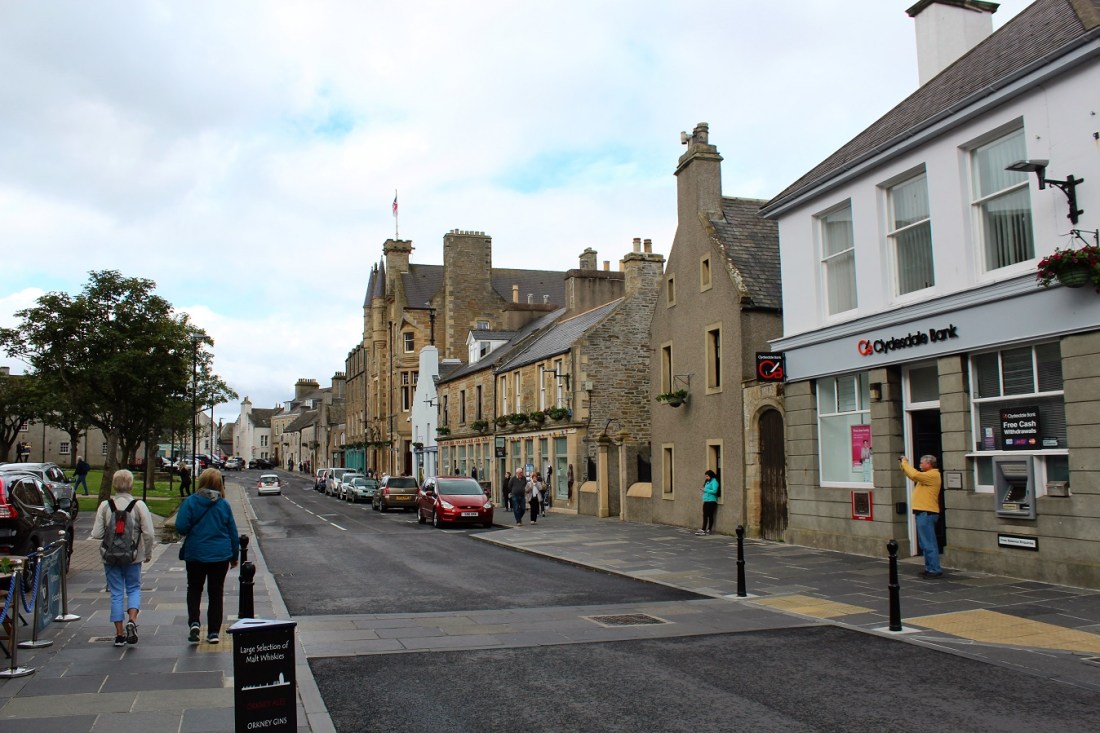
[Ahh, the quaint medieval streets of the Old World . . . ]

7-2-19-16 - Copy

[Bill crossed the street for a photo op, staying alert for any passing jousters . . . ]

7-2-19-17 - Copy

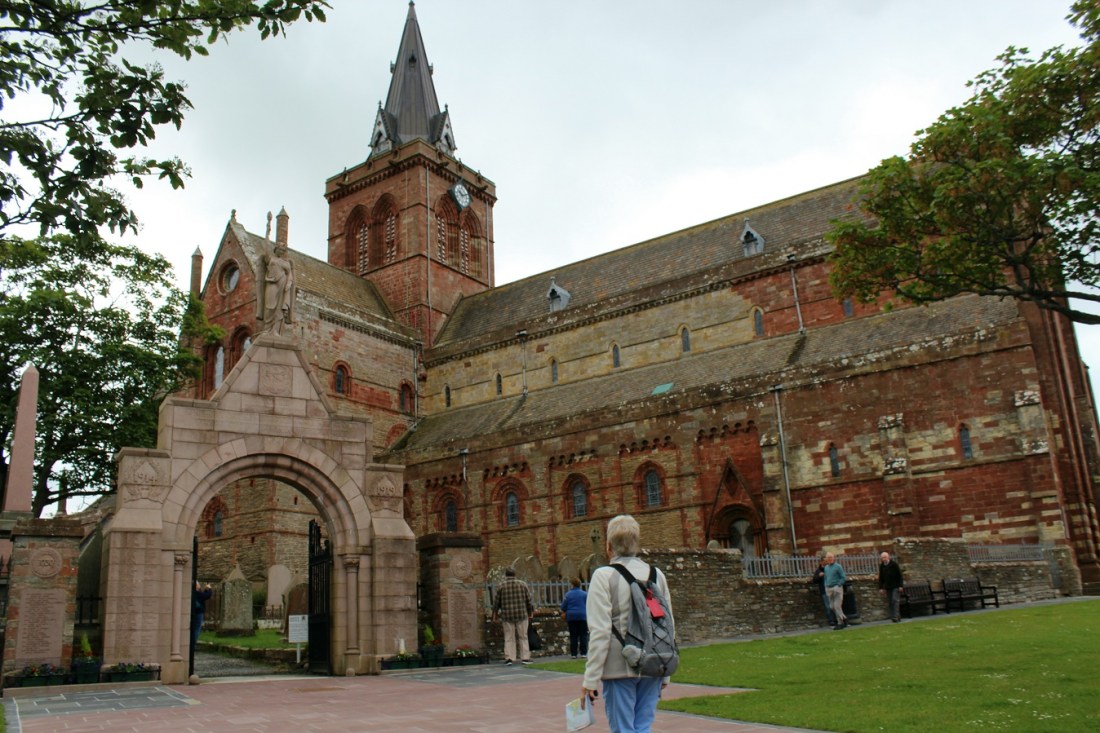
[The Super spots our destination, St. Magnus Cathedral . . . ]

7-2-19-18 - Copy

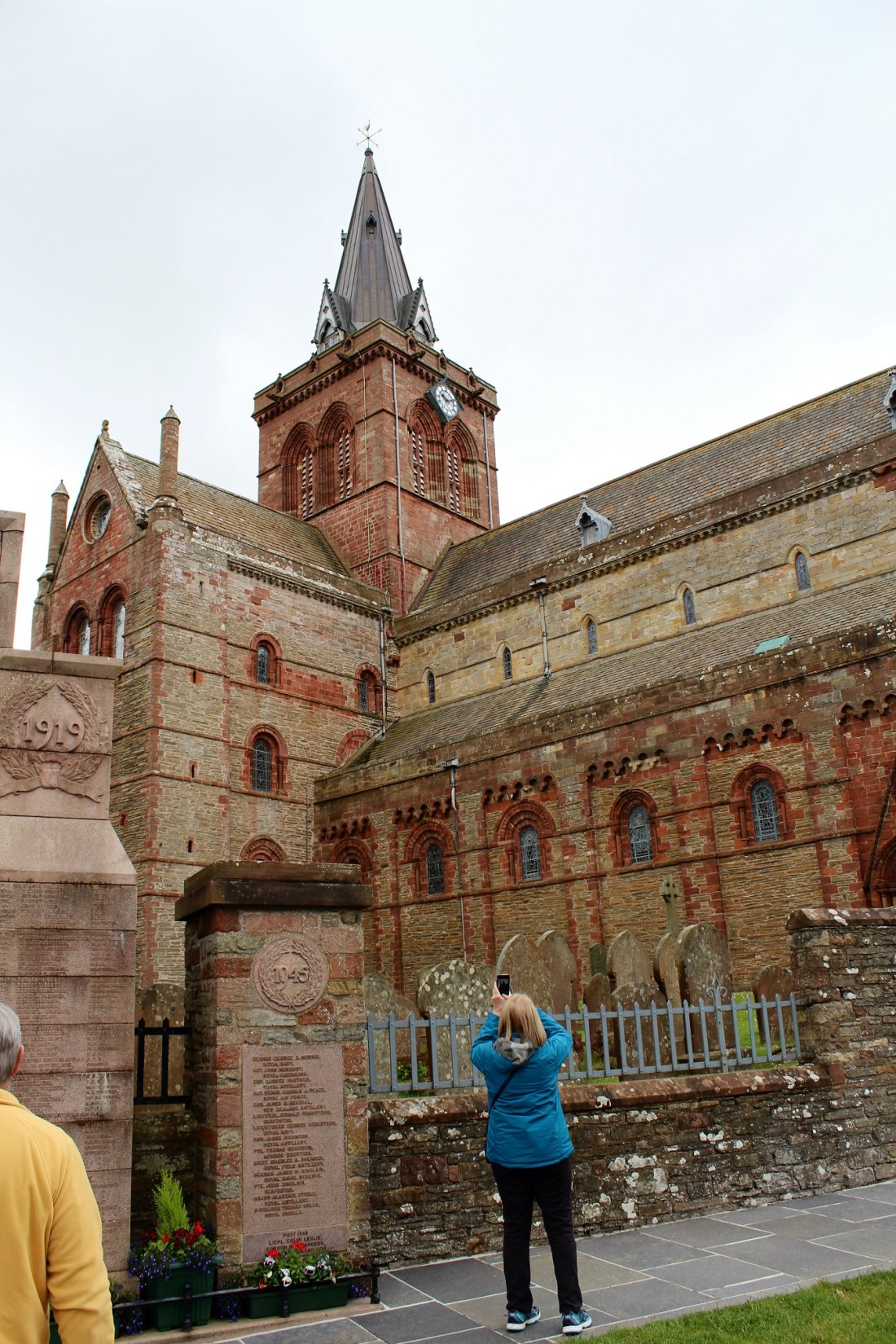
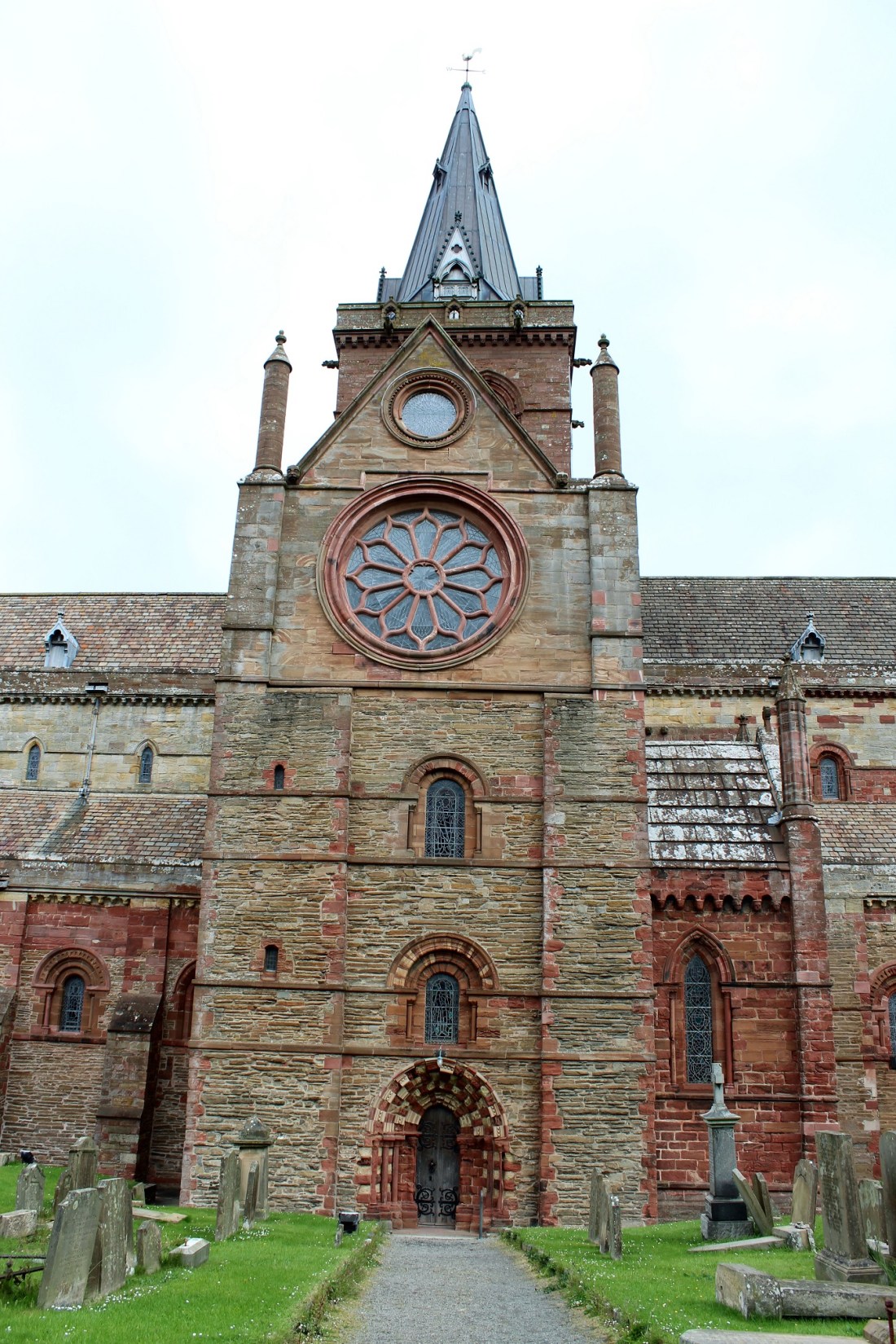
[Anne photographs St Magnus Cathedral, [which] dominates the skyline of Kirkwall.  It is the most northerly cathedral in the United Kingdom, a fine example of Romanesque architecture built for the bishops of Orkney when the islands were ruled by the Norse Earls of Orkney.  It is owned not by the church, but by the burgh of Kirkwall as a result of an act of King James III of Scotland following Orkney’s annexation by the Scottish Crown in 1468.  It has its own dungeon.  Construction began in 1137, and it was added to over the next 300 years.  Before the Reformation, the cathedral was presided over by the Bishop of Orkney, whose seat was in Kirkwall (Wikipedia).]

7-2-19-19 - Copy7-2-19-20 - Copy

[Commerce . . . ]

7-2-19-21 - Copy

[Not so much commerce . . . ]

7-2-19-22 - Copy

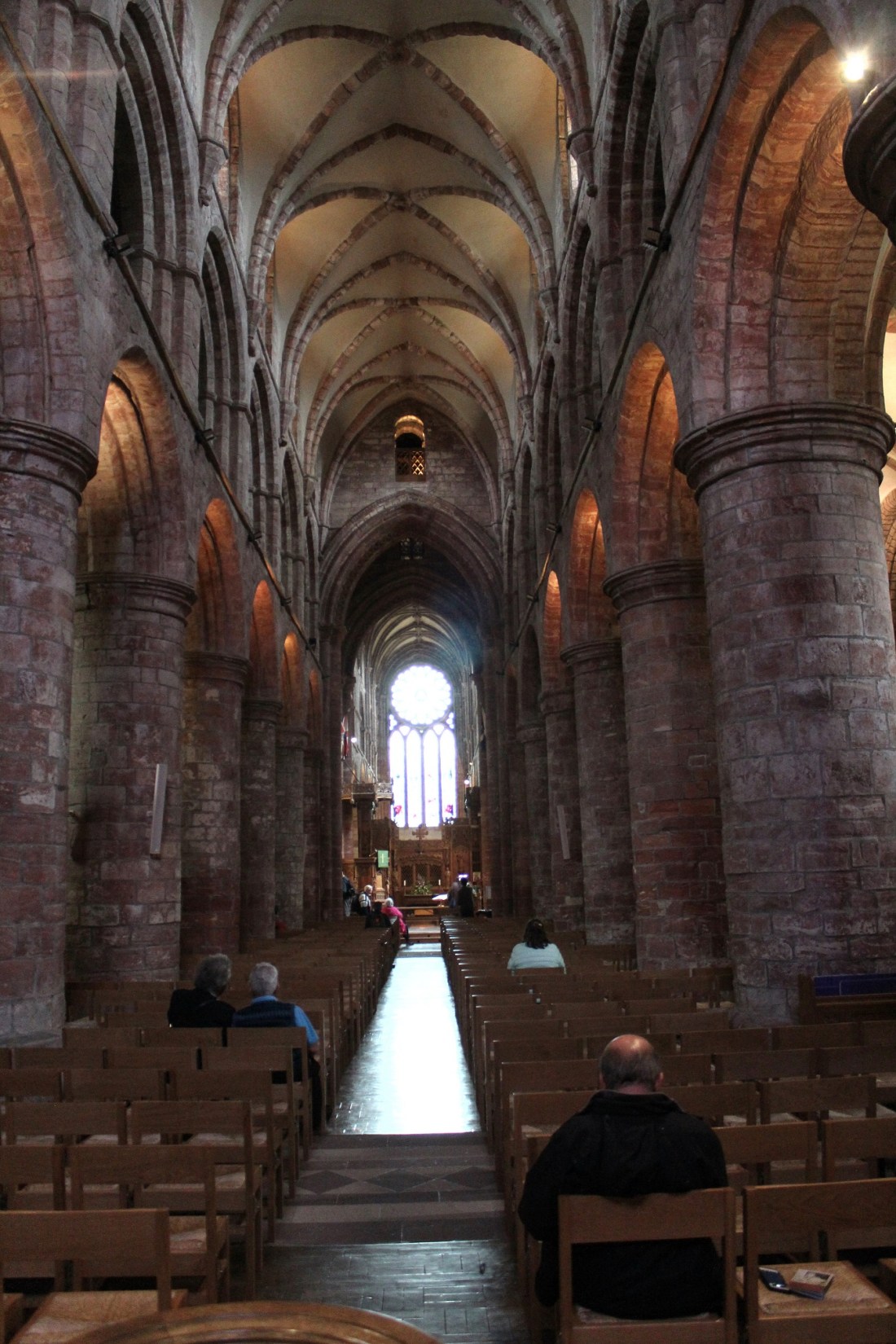
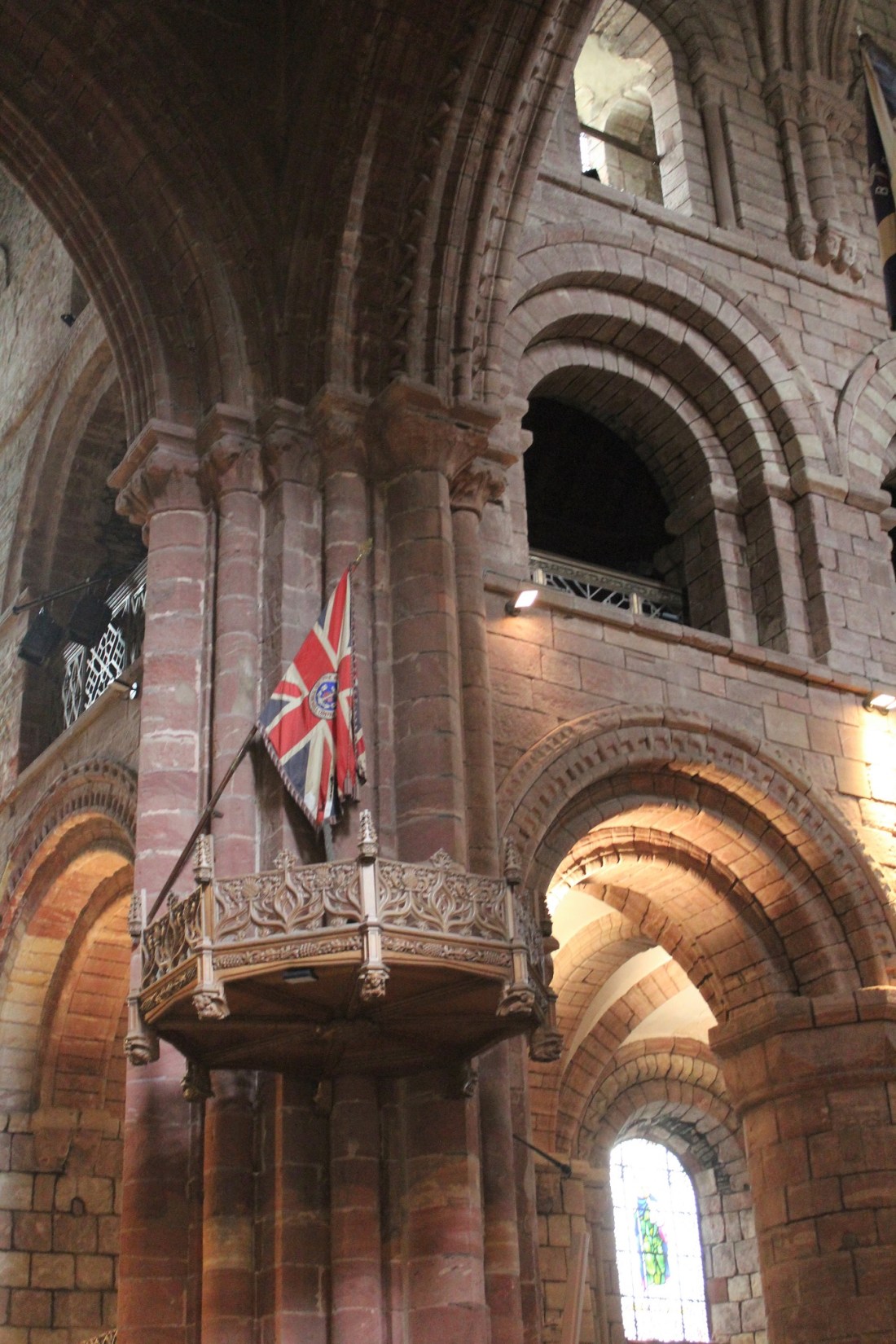
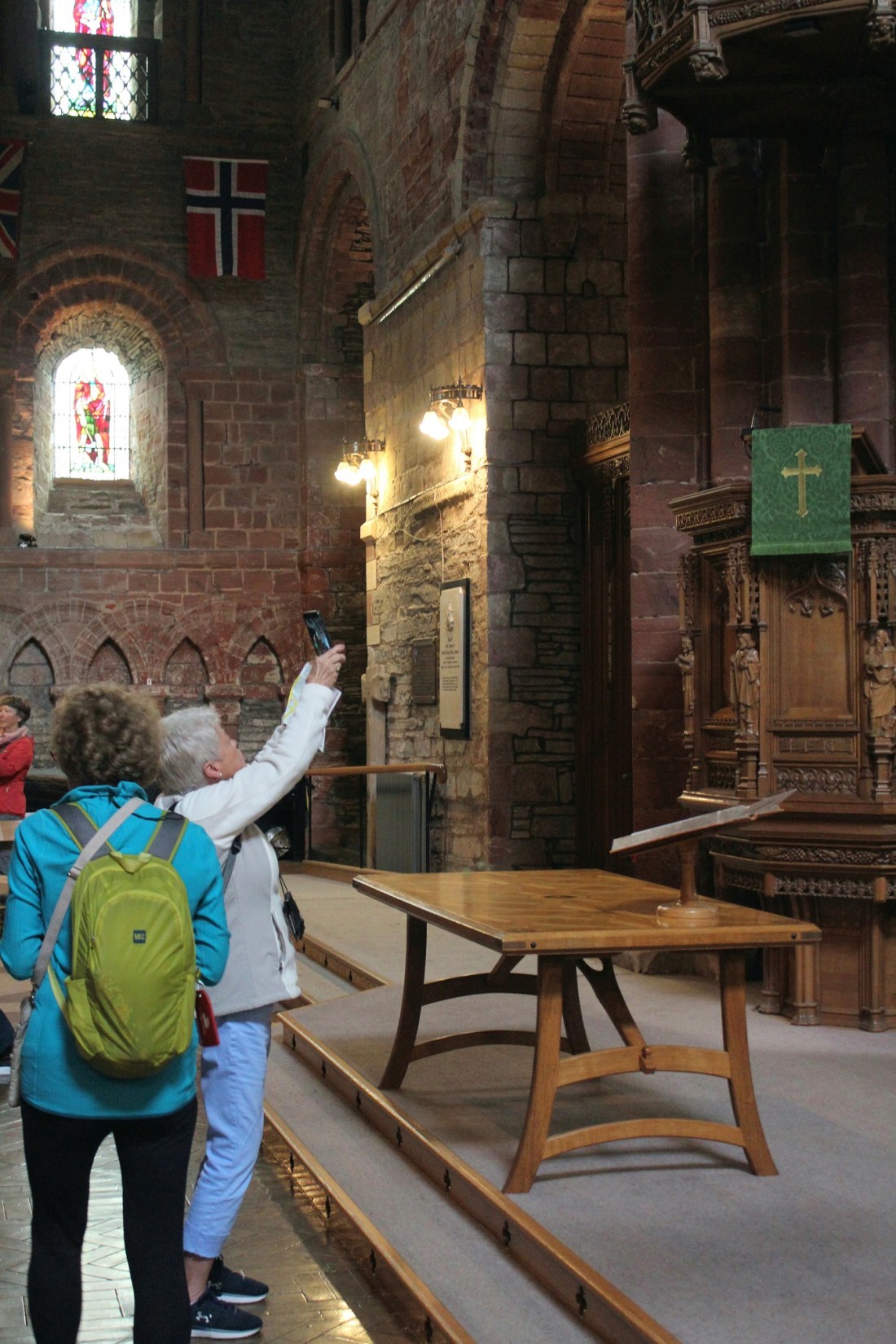
[In all our travels, I estimate we’ve been in about a million churches and cathedrals.  While they are all examples of extraordinary architecture, after a while your eyes glaze over.   On one trip the Super exclaimed she did not want to go into another church!  But there was something about this one.  I thought it really cool . . . ]

7-2-19-23 - Copy7-2-19-24 - Copy

[The Super signed us in so the ghosts and goblins therein could have followed us home?]

7-2-19-25 - Copy7-2-19-26 - Copy

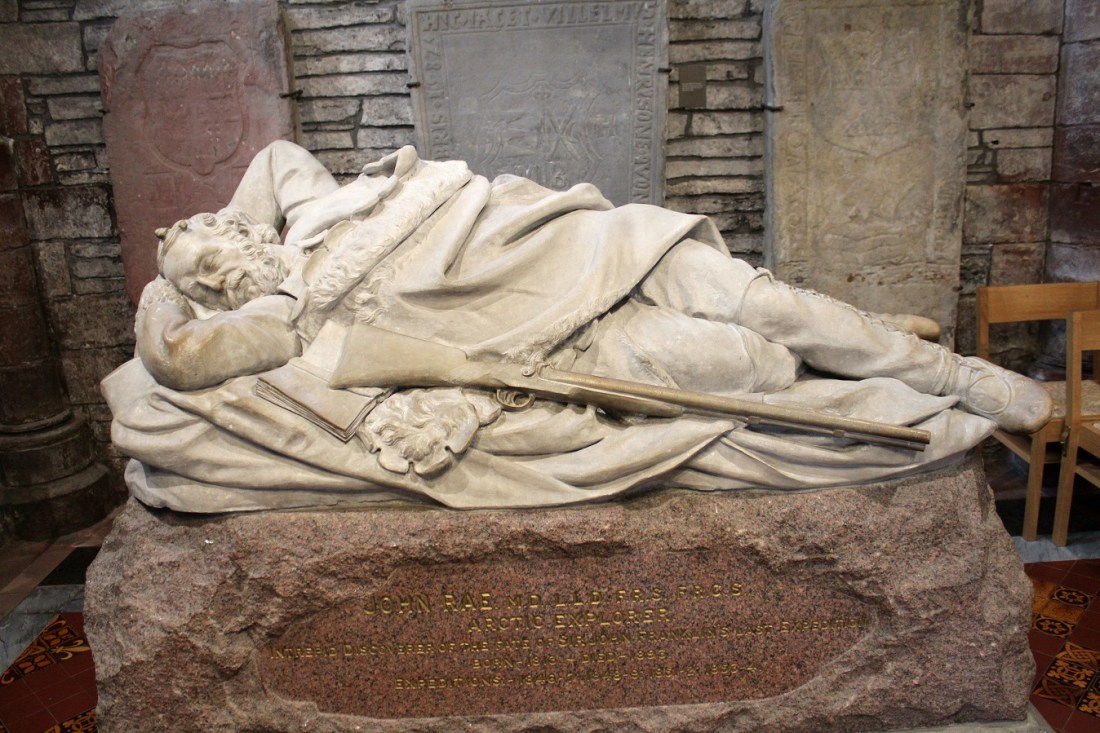
[John Rae is undoubtedly one of Orkney’s greatest unsung heroes.  Although his memorial is prominent in St. Magnus Cathedral, the truth is that, until recently, few Orcadians knew of the man, or his deeds . . . ]

7-2-19-27 - Copy

[Dr. John Rae – the unsung arctic hero (orkneyjar.com/history/historicalfigures/johnrae/).]

7-2-19-27-1 - Copy7-2-19-28 - Copy

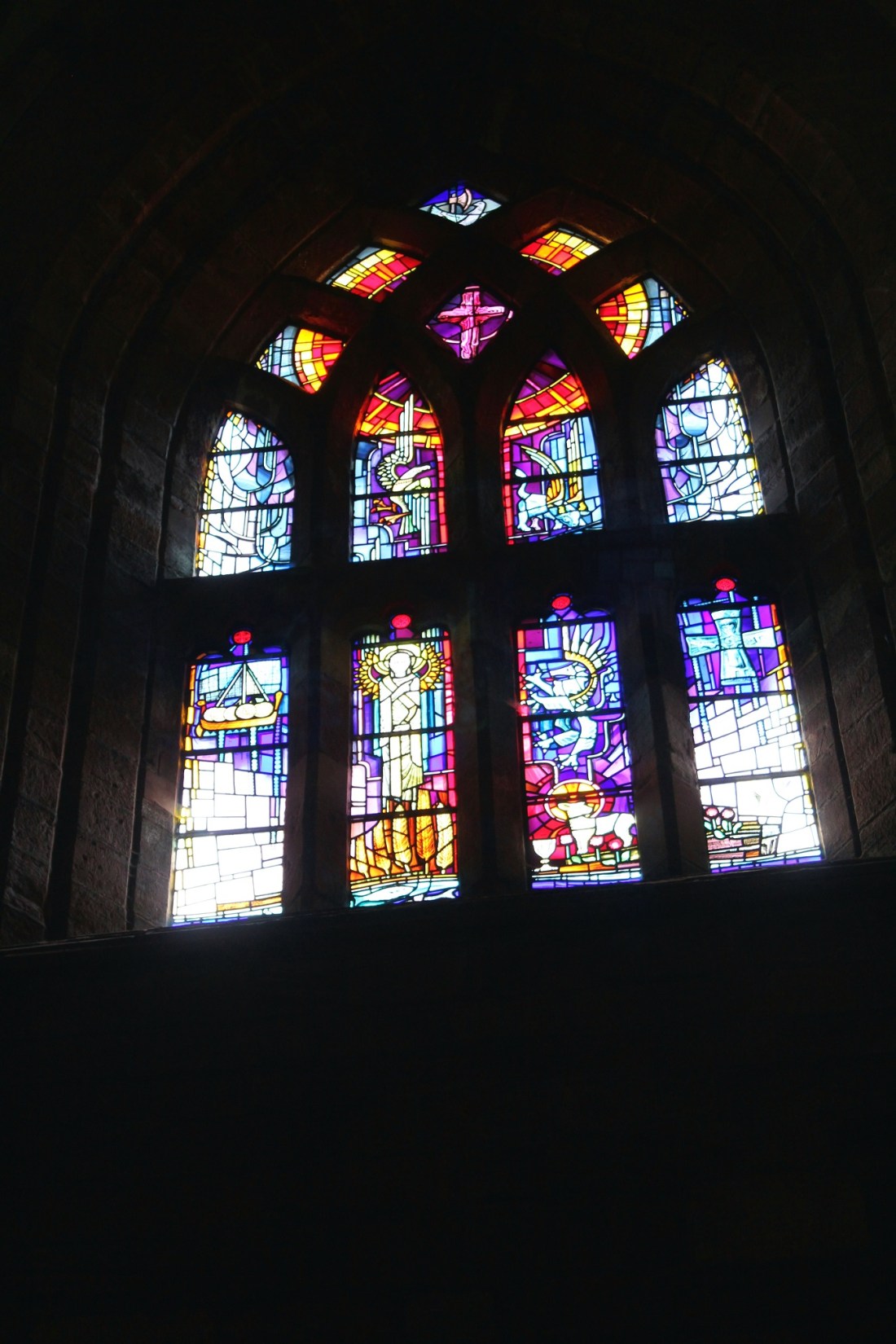
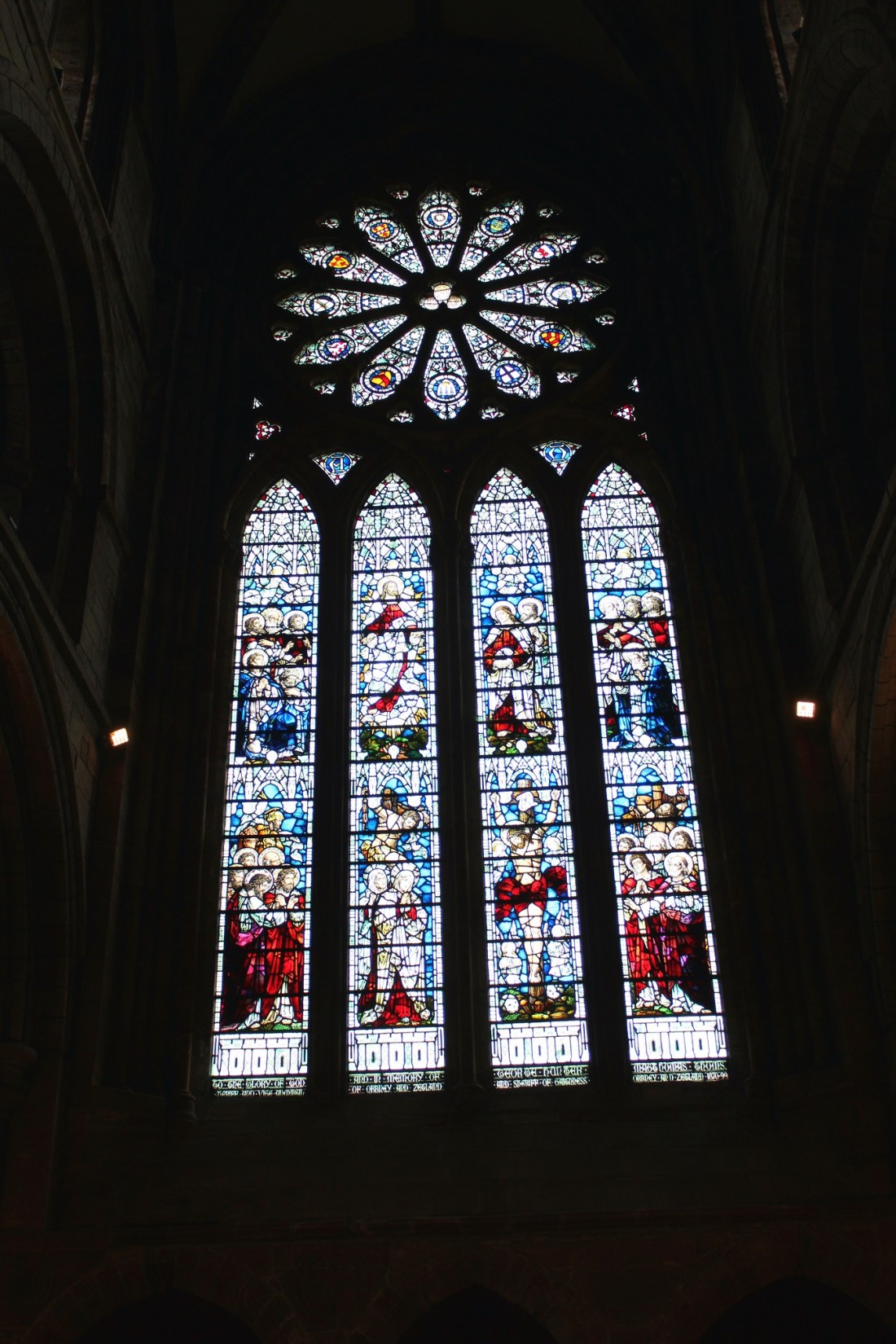
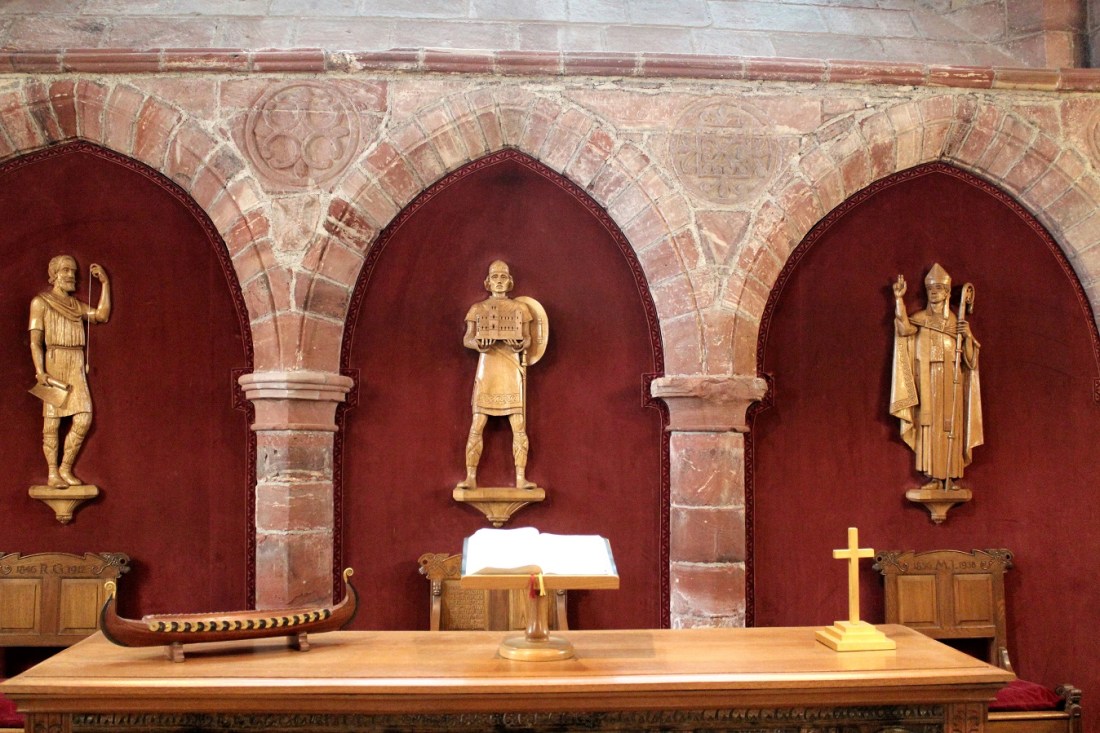
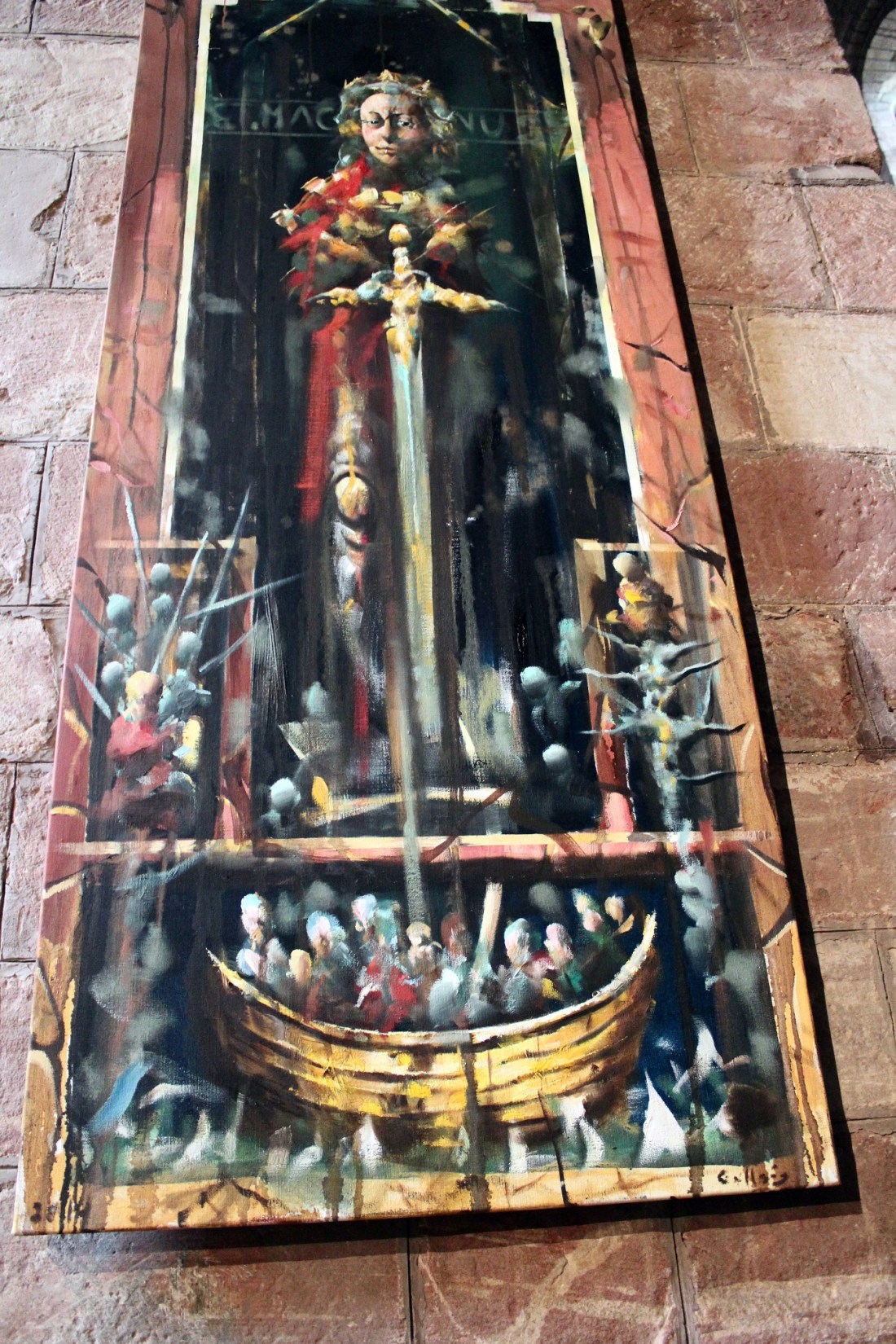
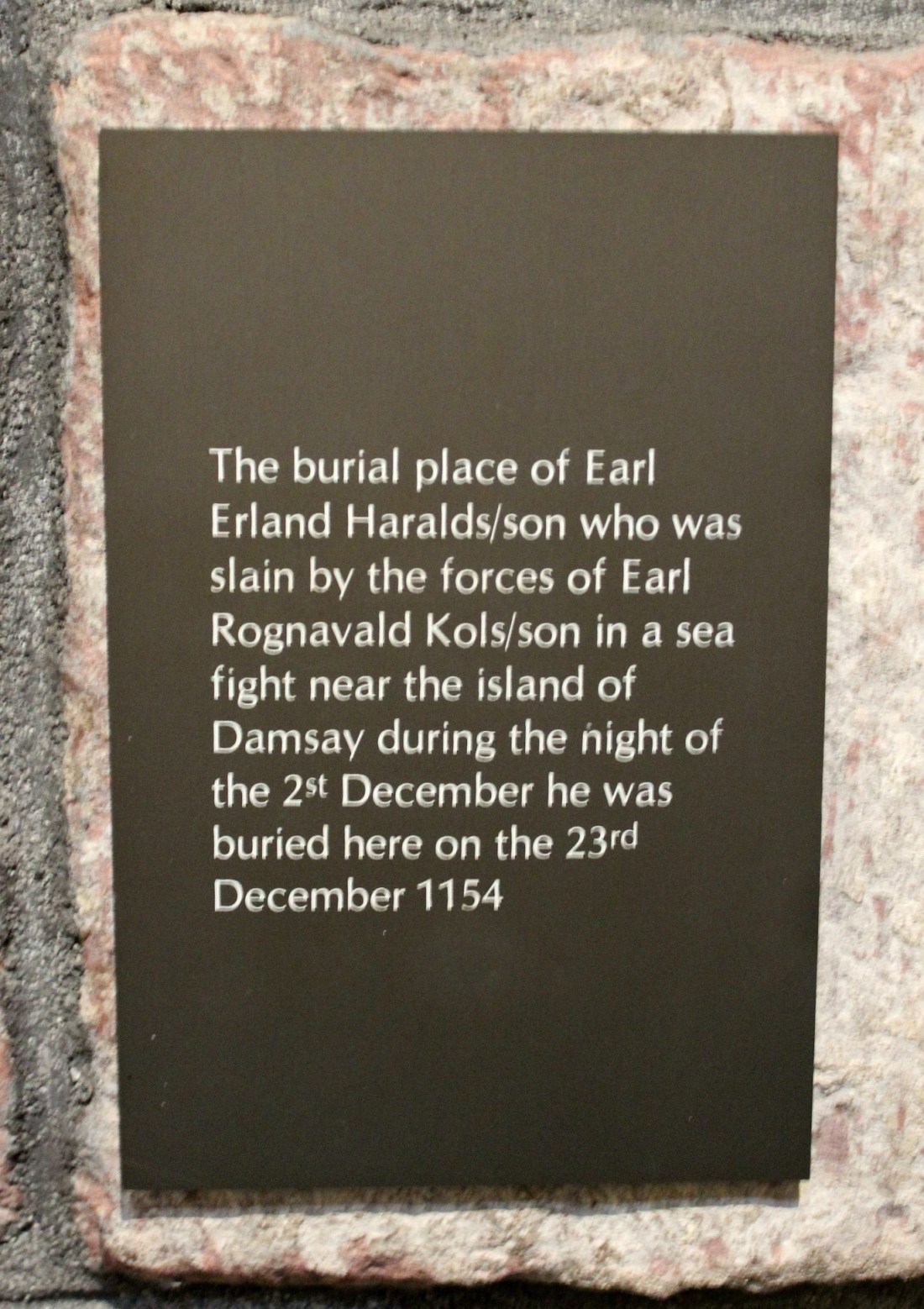
[Cool stuff in the church . . . ]

7-2-19-29 - Copy

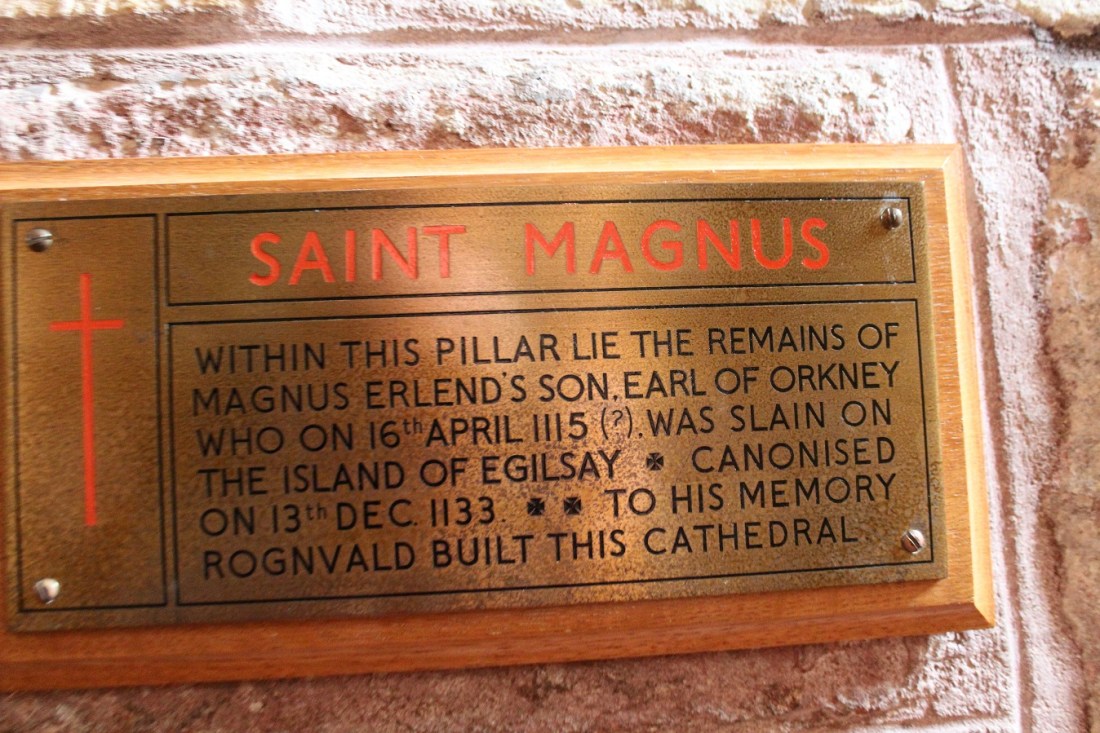
[The namesake . . . ]

7-2-19-30 - Copy7-2-19-31 - Copy

[Who knew???]

7-2-19-33 - Copy7-2-19-34 - Copy

[The Super creating her own memories . . . ]

7-2-19-35 - Copy7-2-19-36 - Copy7-2-19-37 - Copy

[Back out in commerce, can you guess?  Yup, a flower shop . . . ]

7-2-19-38 - Copy

[Usually I shoot the exterior before the interior.  Whatever . . . ]

7-2-19-39 - Copy

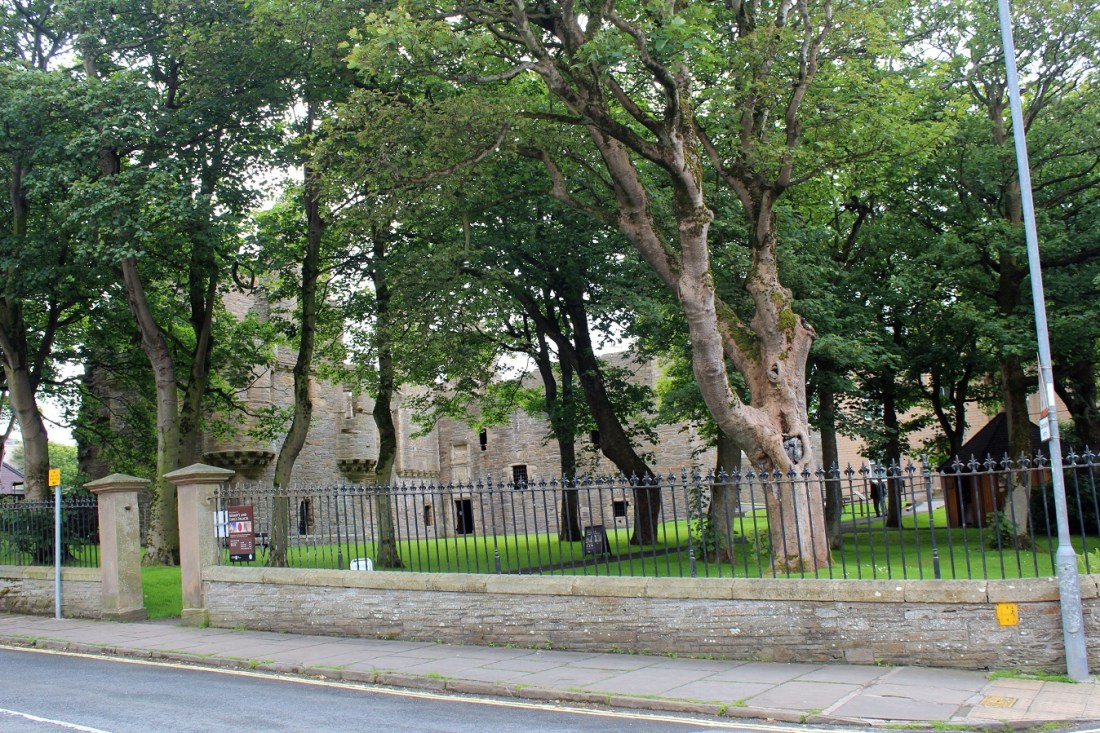
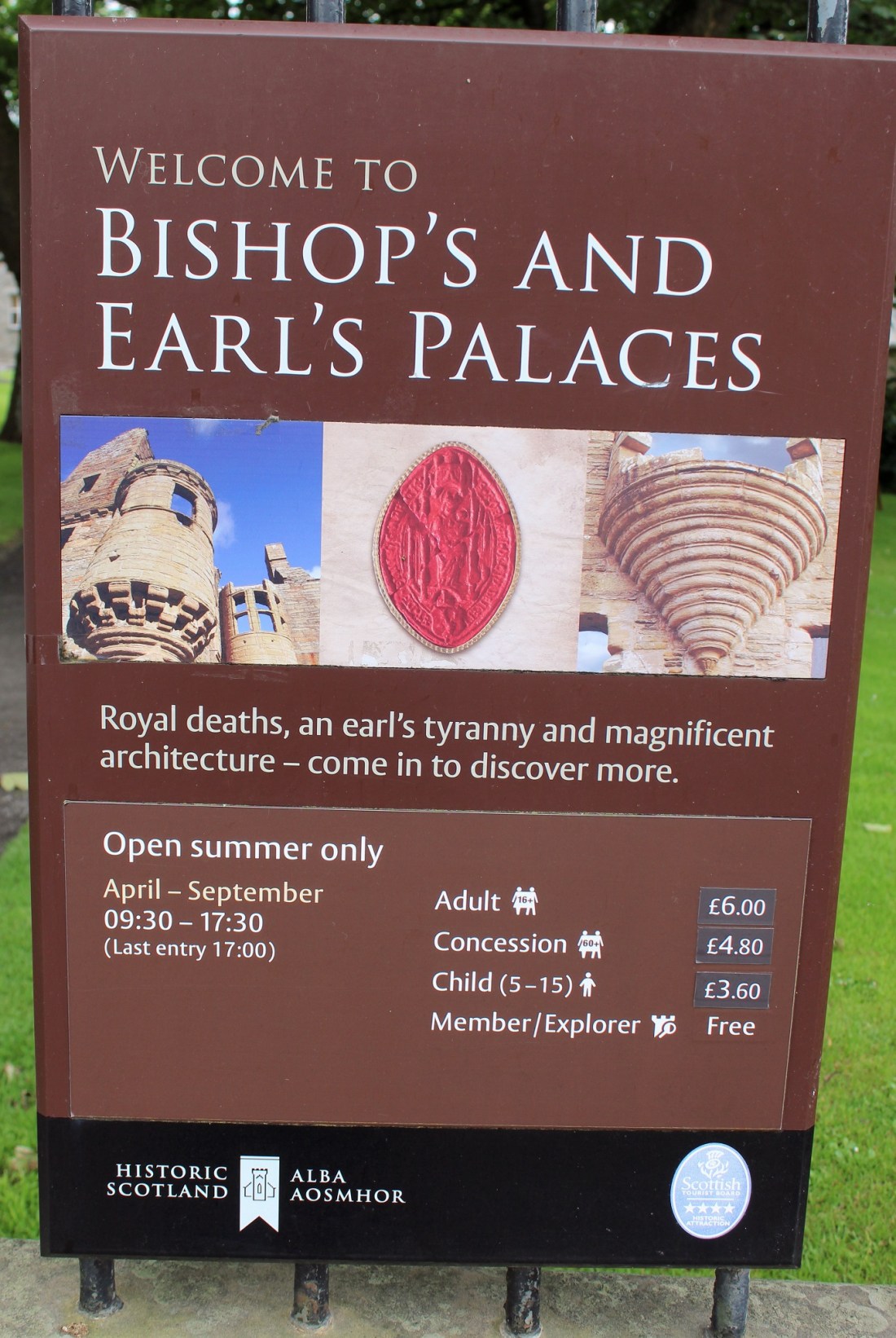
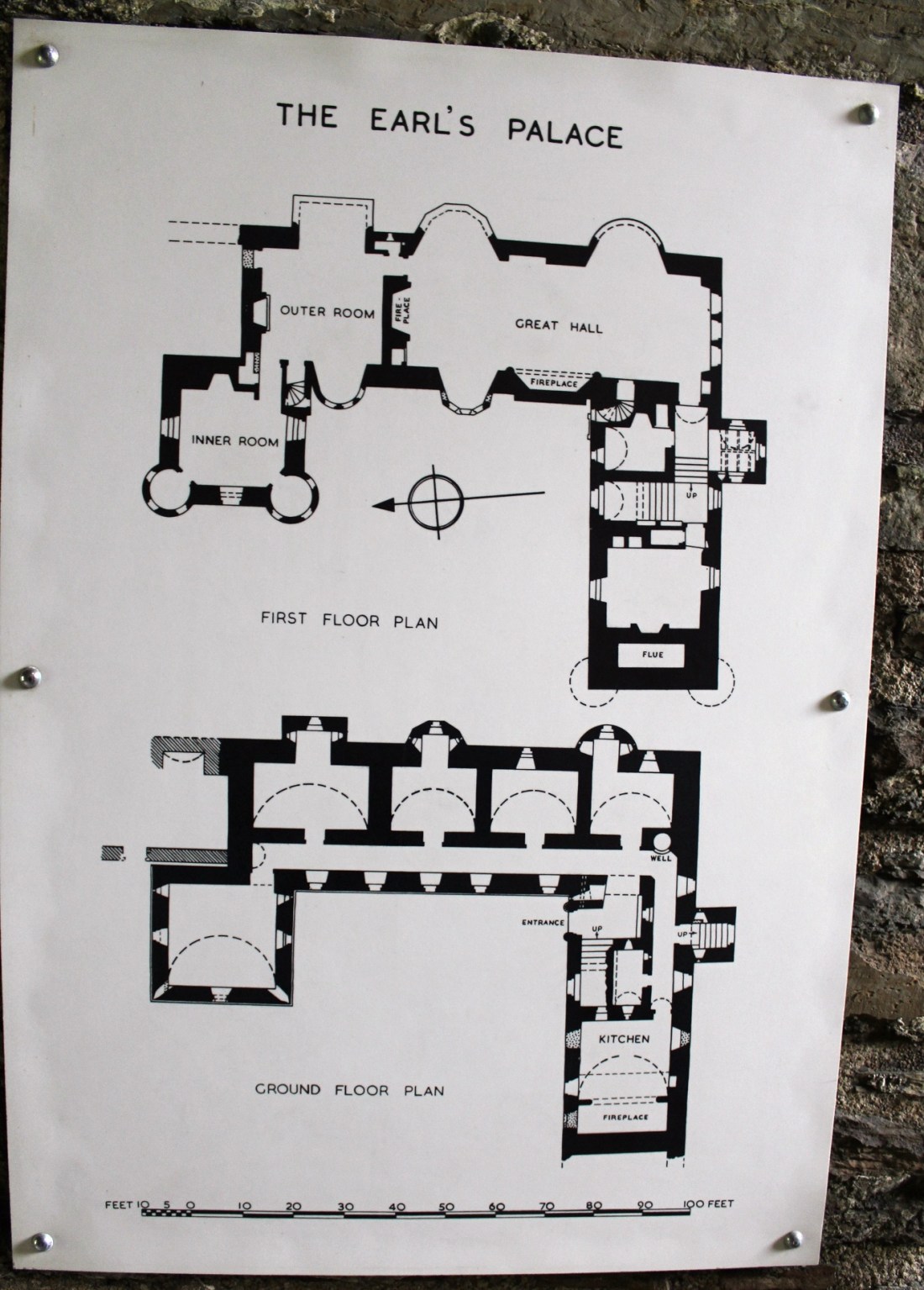
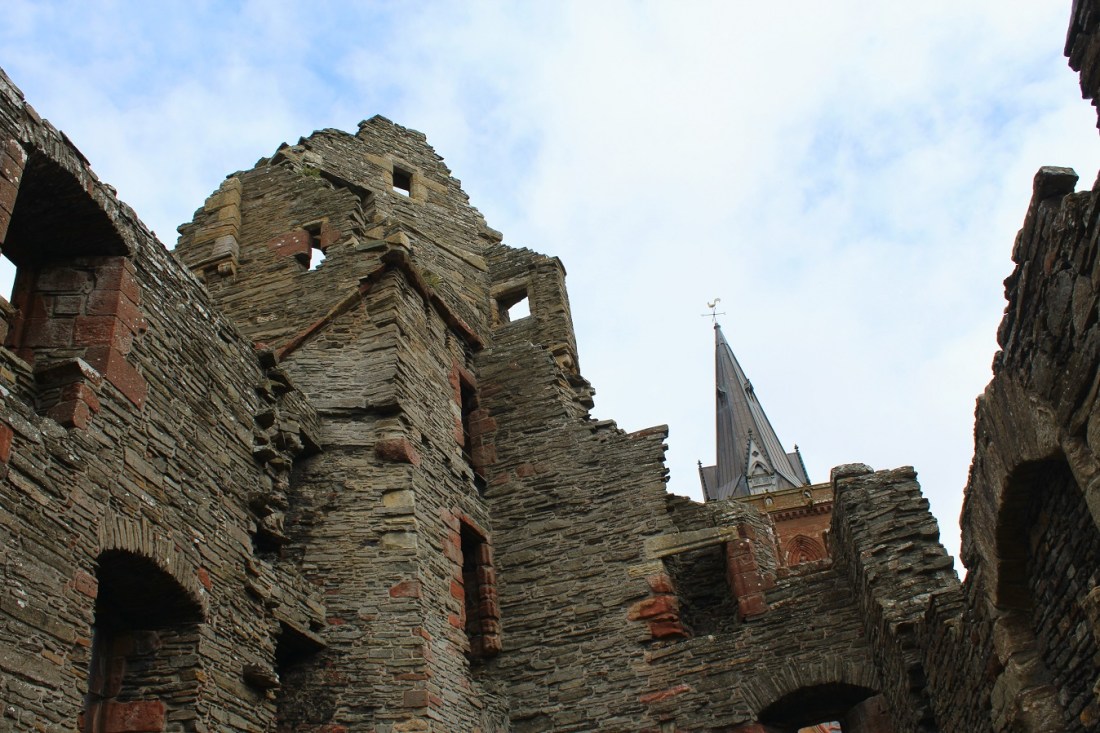
[And this is Bishop’s and Earl’s Palaces . . . ]

7-2-19-40 - Copy

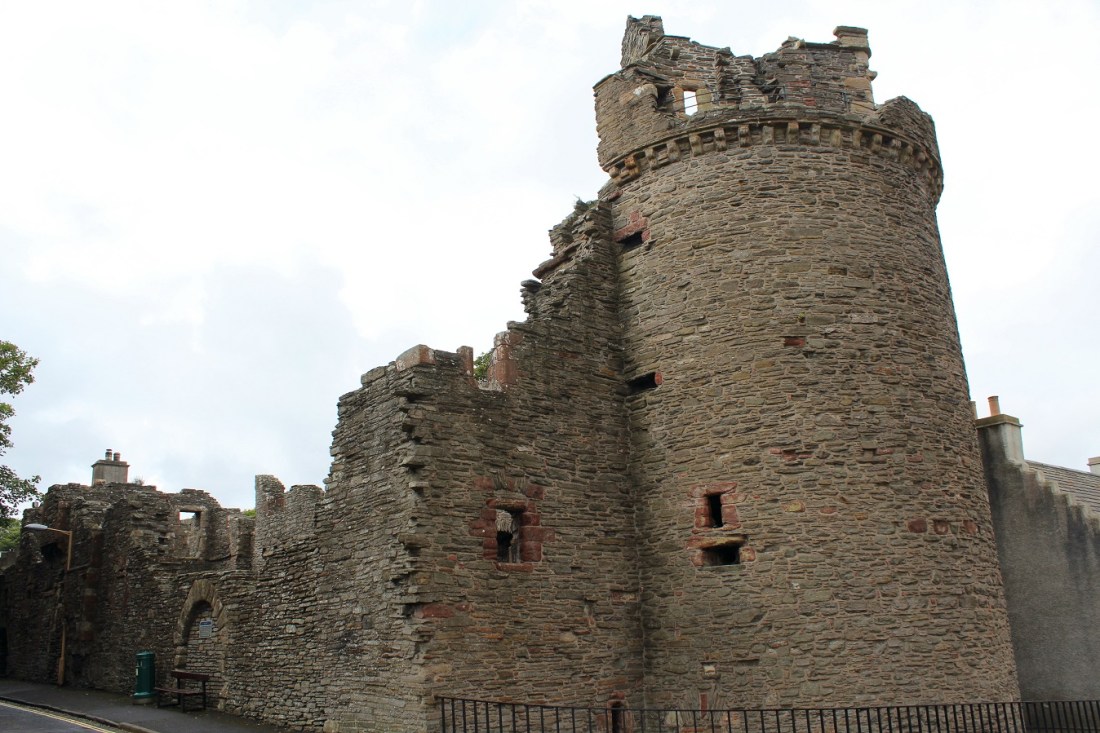
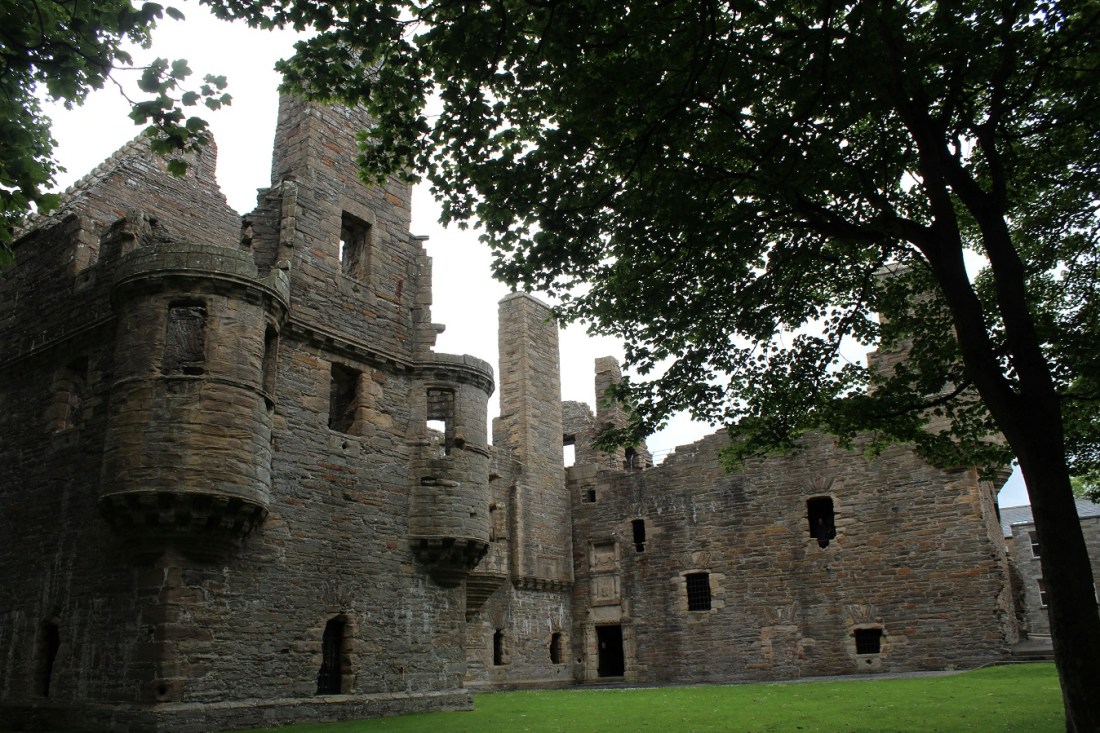
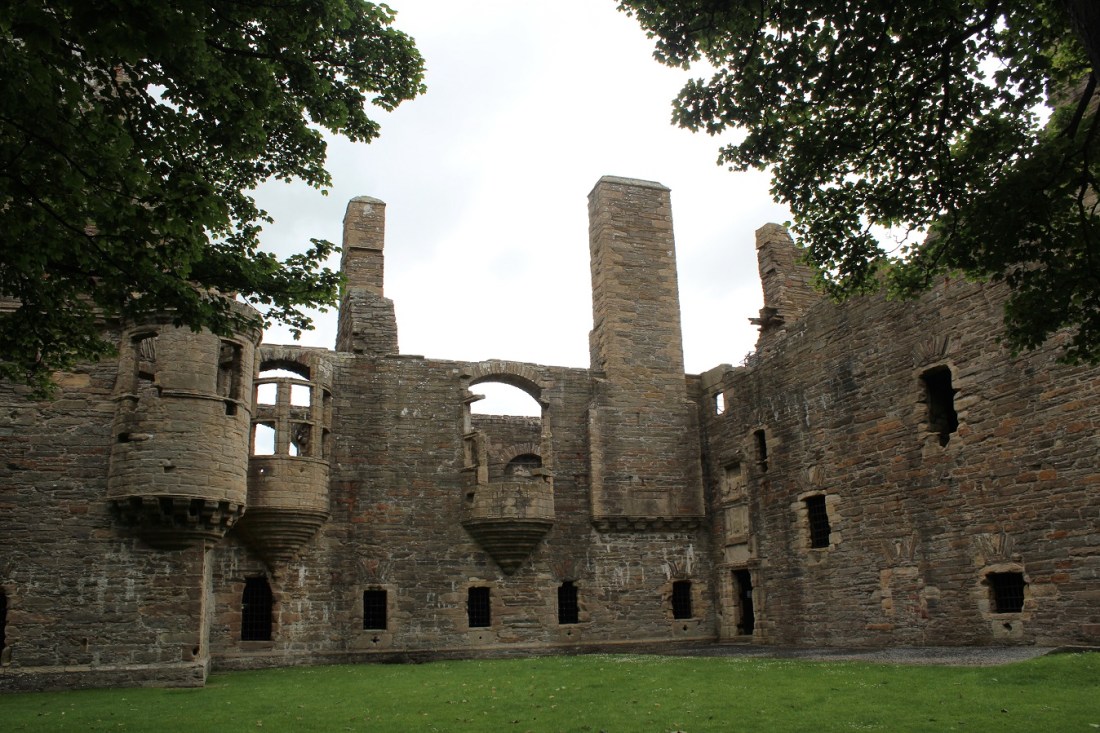
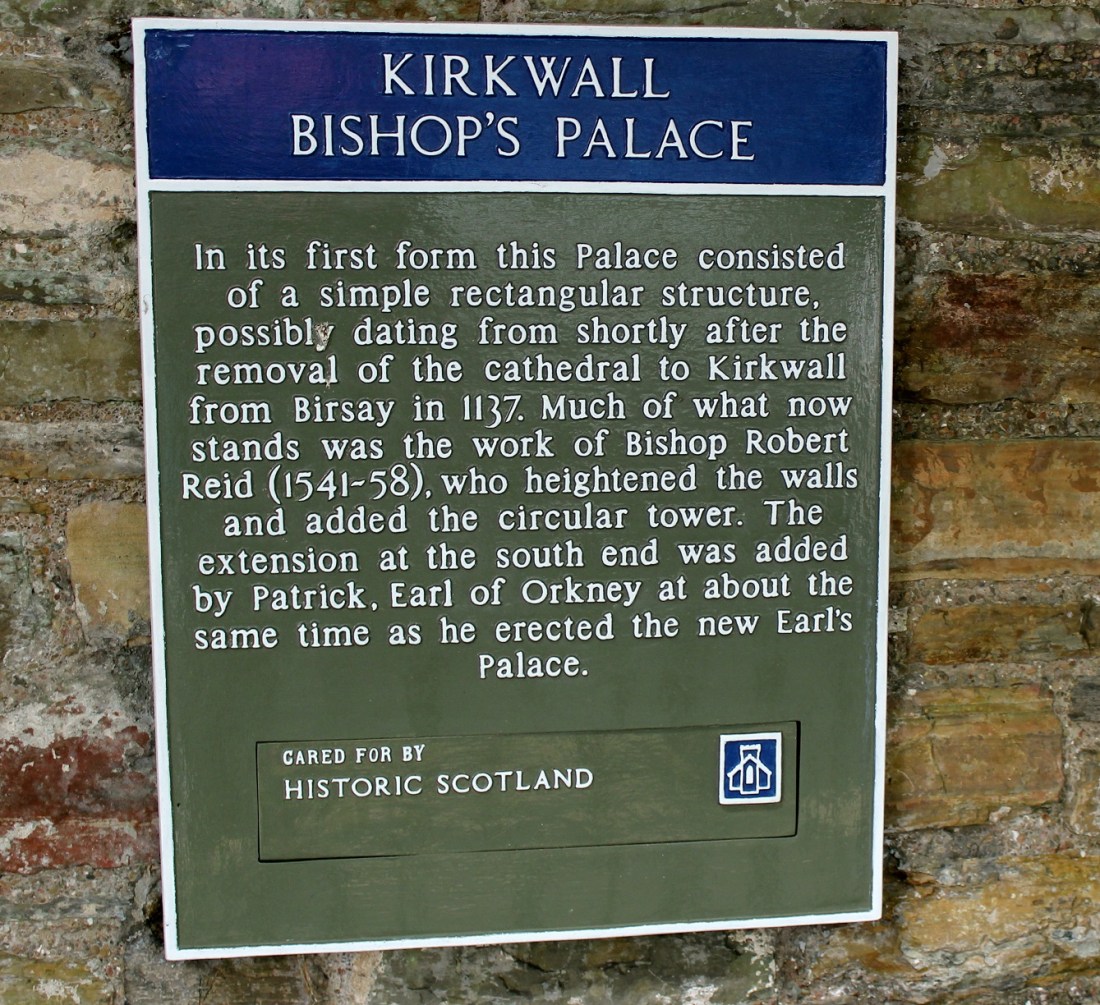
[The Bishop’s Palace, Kirkwall is a 12th-century palace built at the same time as the adjacent St. Magnus Cathedral.  It housed the cathedral’s first bishop, William the Old of the Norwegian Catholic church who took his authority from the Archbishop of Nidaros (Trondheim).  The ruined structure now looks like a small castle. (Wikipedia).]

7-2-19-41 - Copy

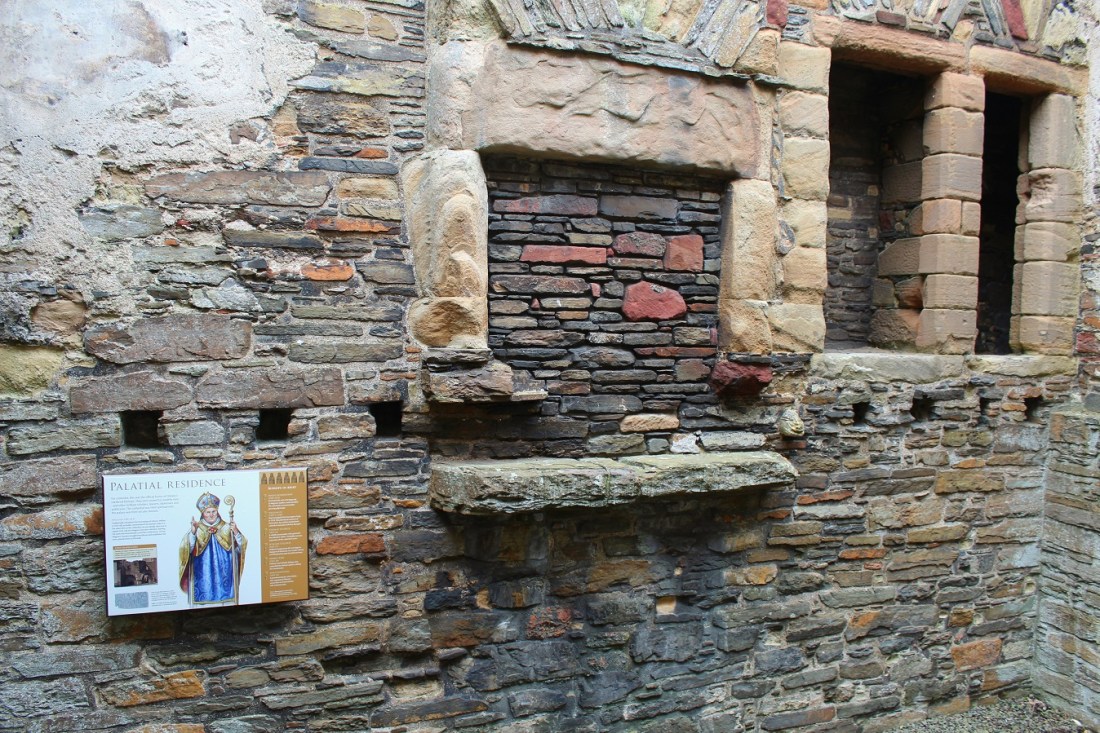
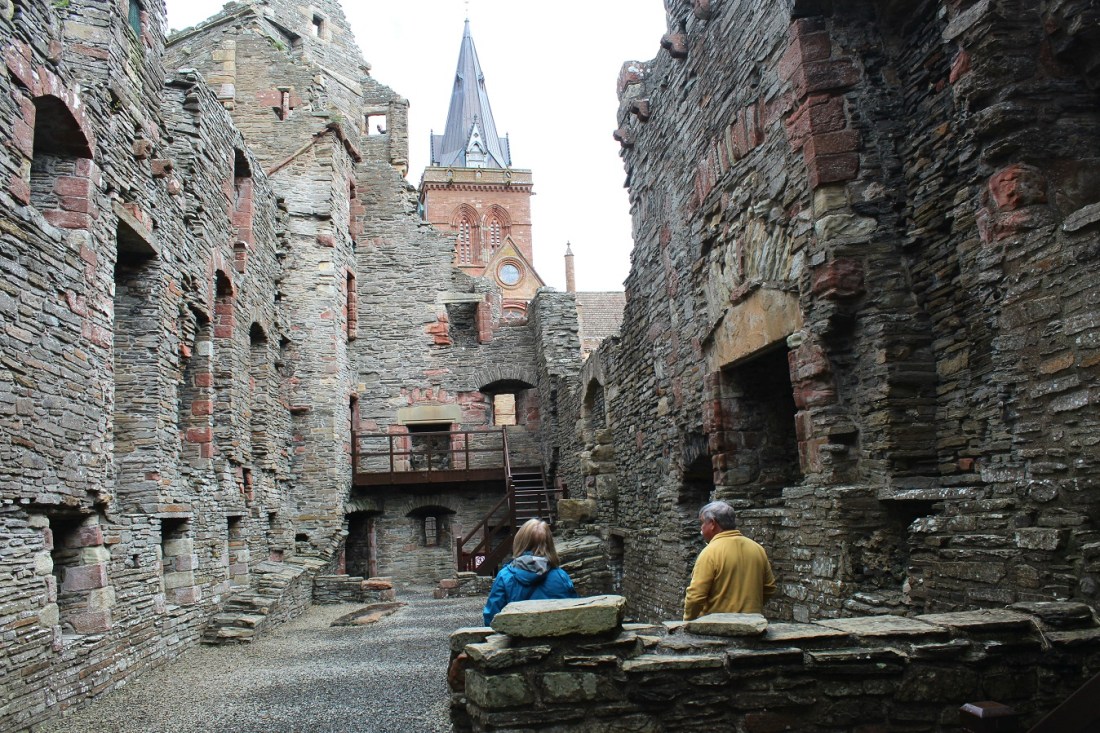
[Let’s wander around and take a peek.  Maybe we can figure out what ole William the Old was up to here . . . ]

7-2-19-42 - Copy7-2-19-44 - Copy7-2-19-46 - Copy

[Hey, there’s our ship neighbor from Toronto!]

7-2-19-48 - Copy

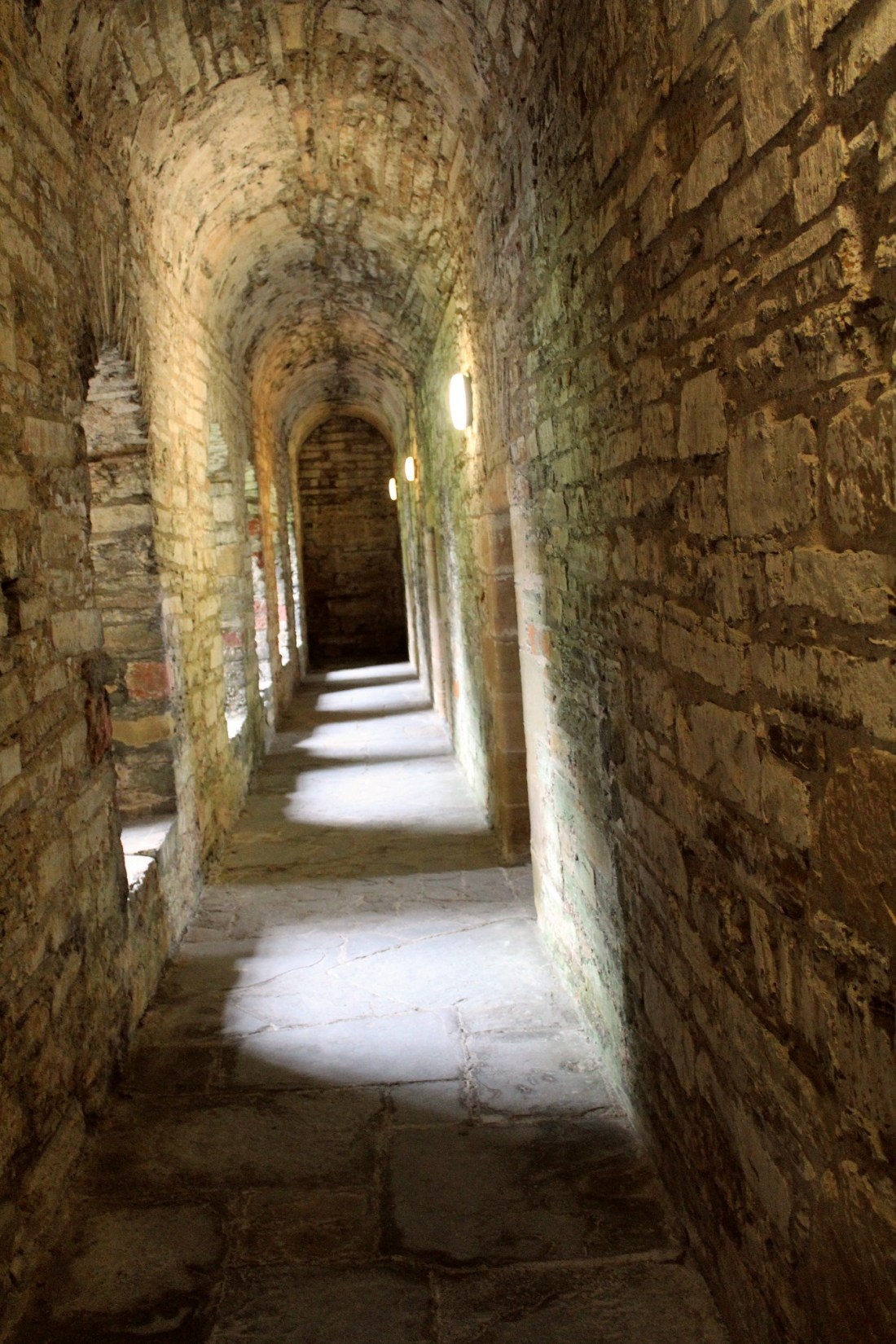
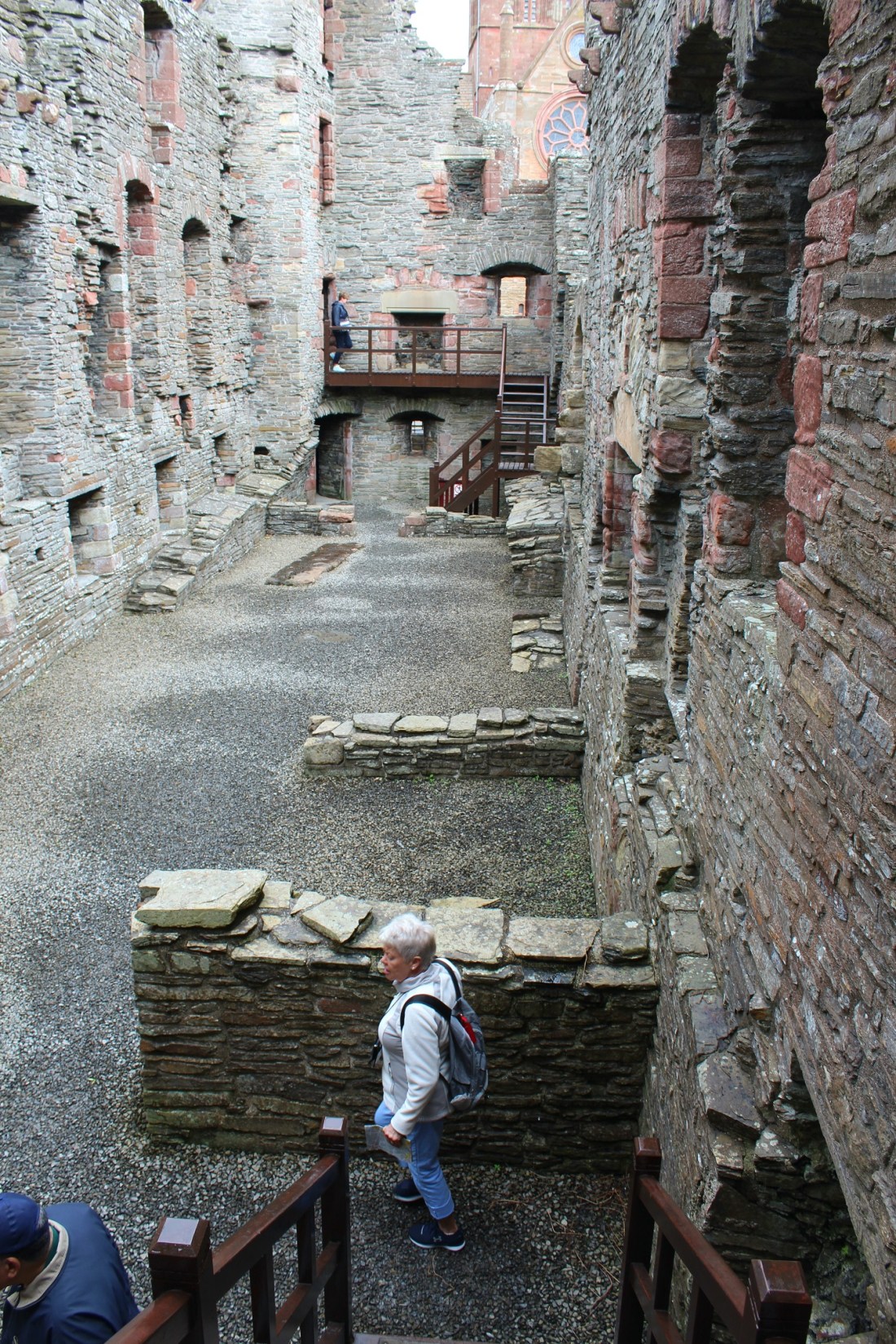
[Not unlike the hallways of our ship . . . ]

7-2-19-49 - Copy

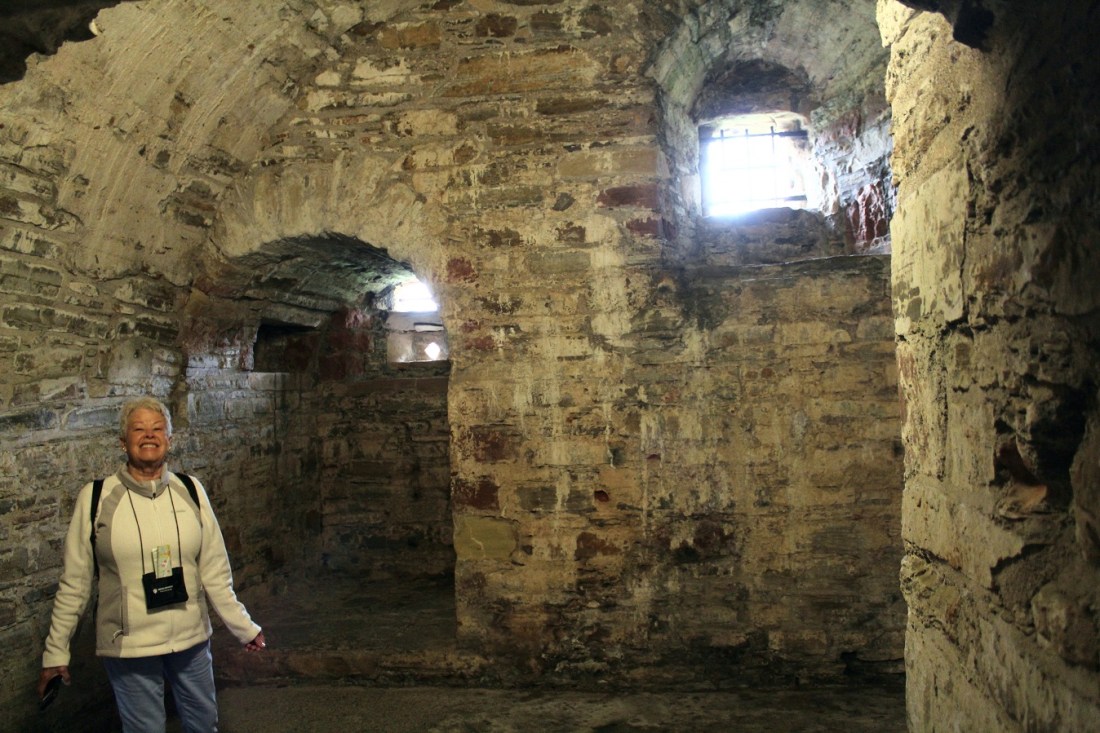
[The Super found a storage cellar . . . ]

7-2-19-50 - Copy7-2-19-51 - Copy7-2-19-52 - Copy7-2-19-53 - Copy

[If only it had central heating . . . ]

7-2-19-55 - Copy

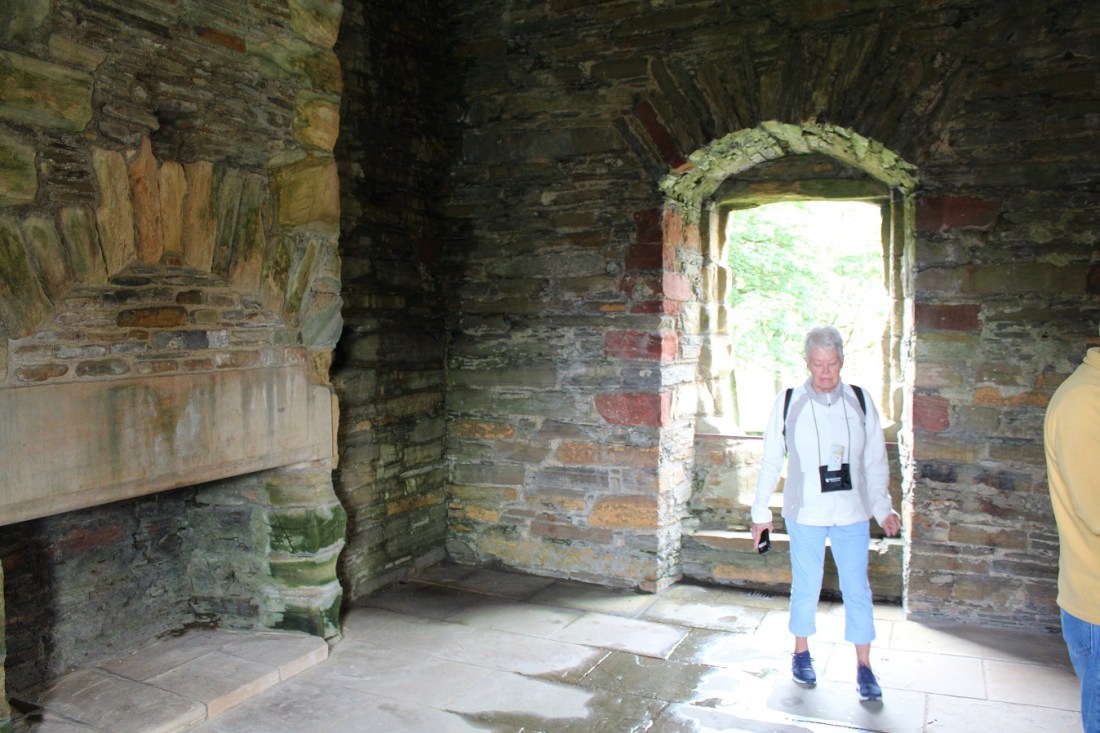
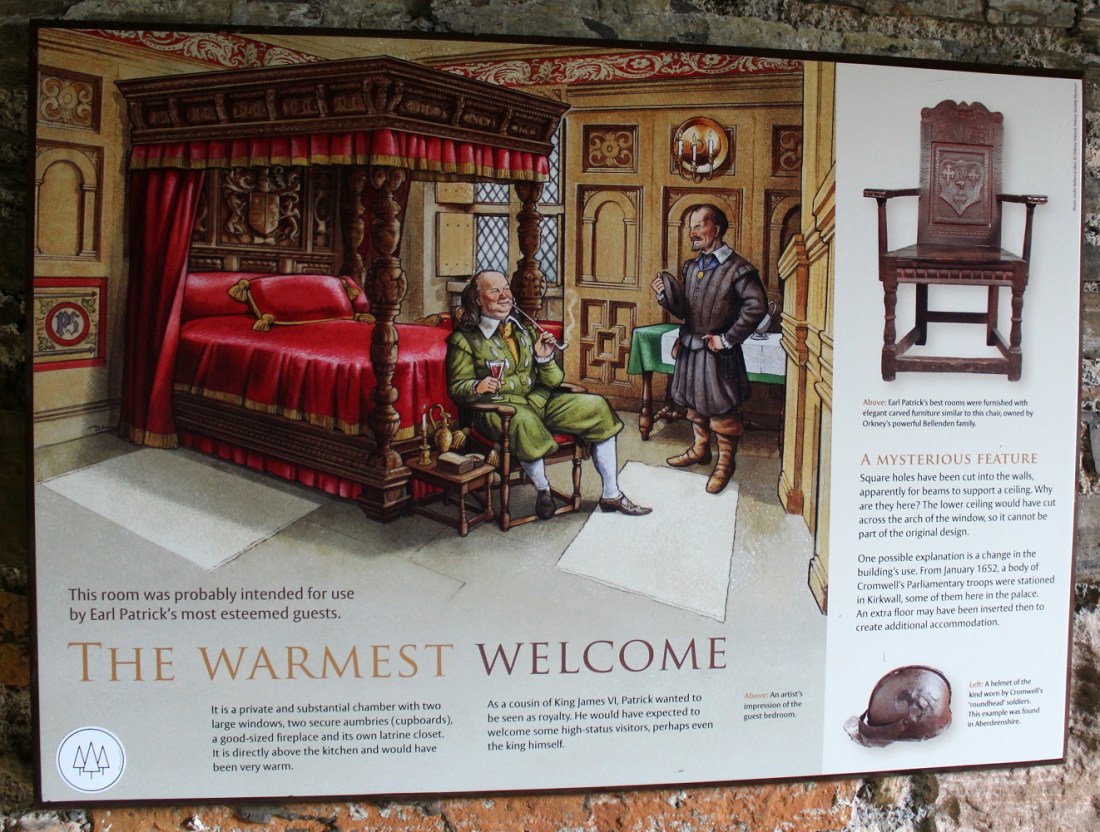
[Well, it was inside . . . ]

7-2-19-56 - Copy

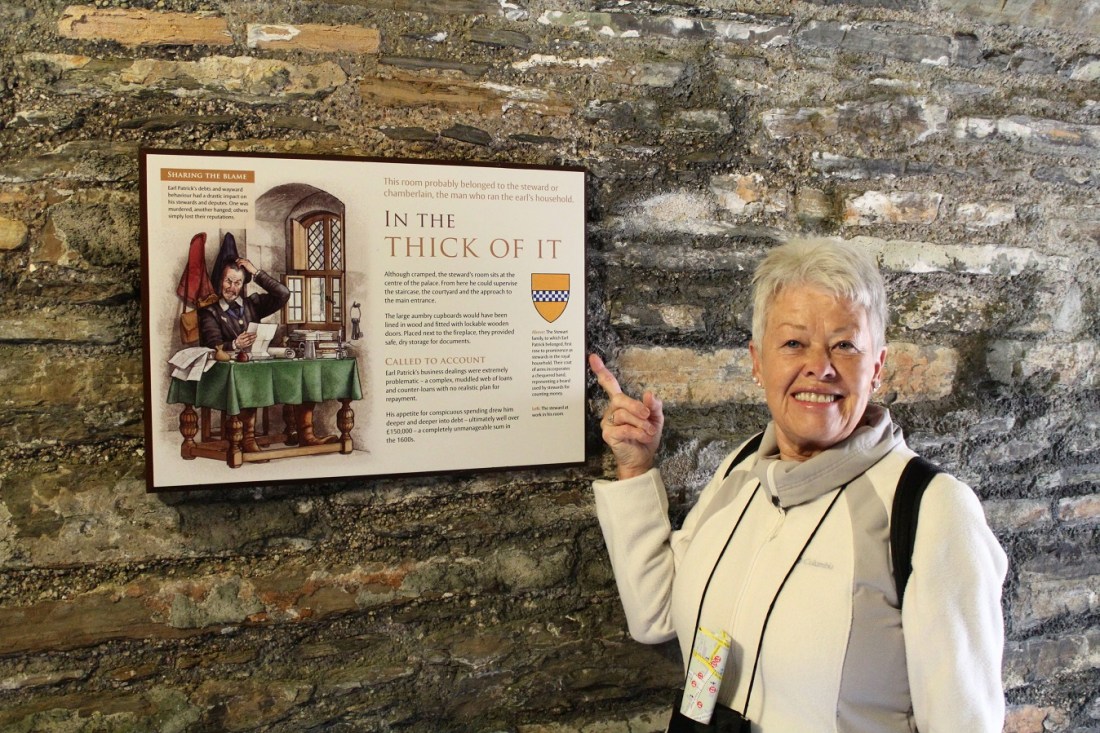
[The steward’s room, in the middle of the palace for ease of running the place . . . ]

7-2-19-57 - Copy

[The outer courts of Wimbledon?]

7-2-19-59 - Copy

[PIG OUT!!]

7-2-19-60 - Copy

[The Super went higher than I cared to go . . . ]

7-2-19-61 - Copy

[The next seven photos were taken by the Super from her position on high . . . ]

20190702-5 - Copy20190702-5-1 - Copy20190702-7 - Copy

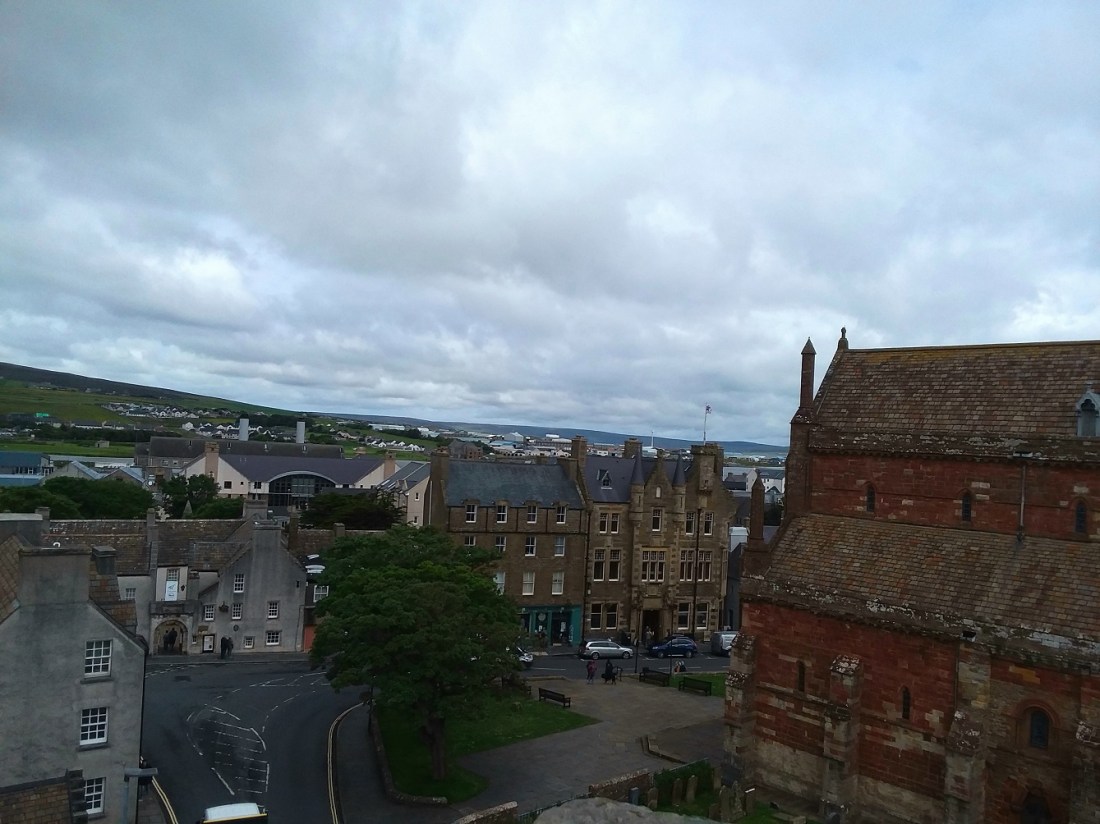
[Nice overviews of Kirkwall . . . ]

20190702-8 - Copy20190702-9 - Copy20190702-12 - Copy20190702-13 - Copy

[Back to me in the bowels of the palace . . . ]

7-2-19-62 - Copy7-2-19-64 - Copy

[Historians have determined that this was the first time the individual words “hanky” and “panky” were used in conjunction with one another . . . ]

7-2-19-65 - Copy

[Super, the Explorer . . . ]

7-2-19-66 - Copy

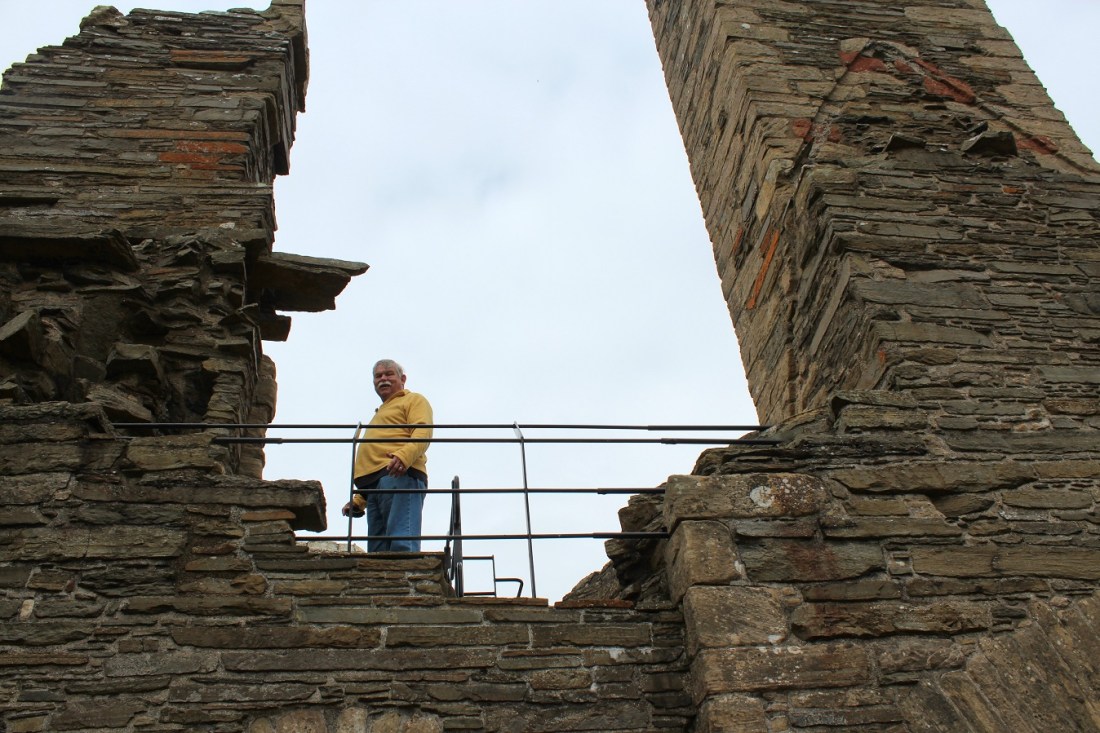
[Oh yeah, Bill was a climber too . . . ]

7-2-19-68 - Copy7-2-19-69 - Copy

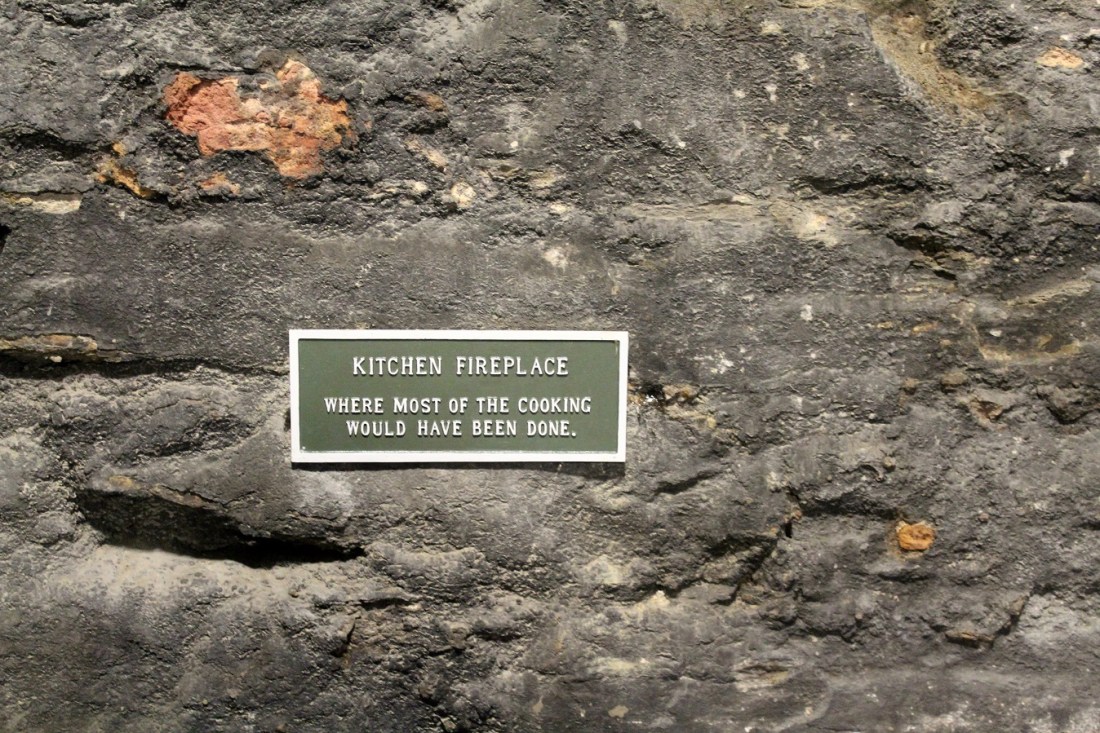
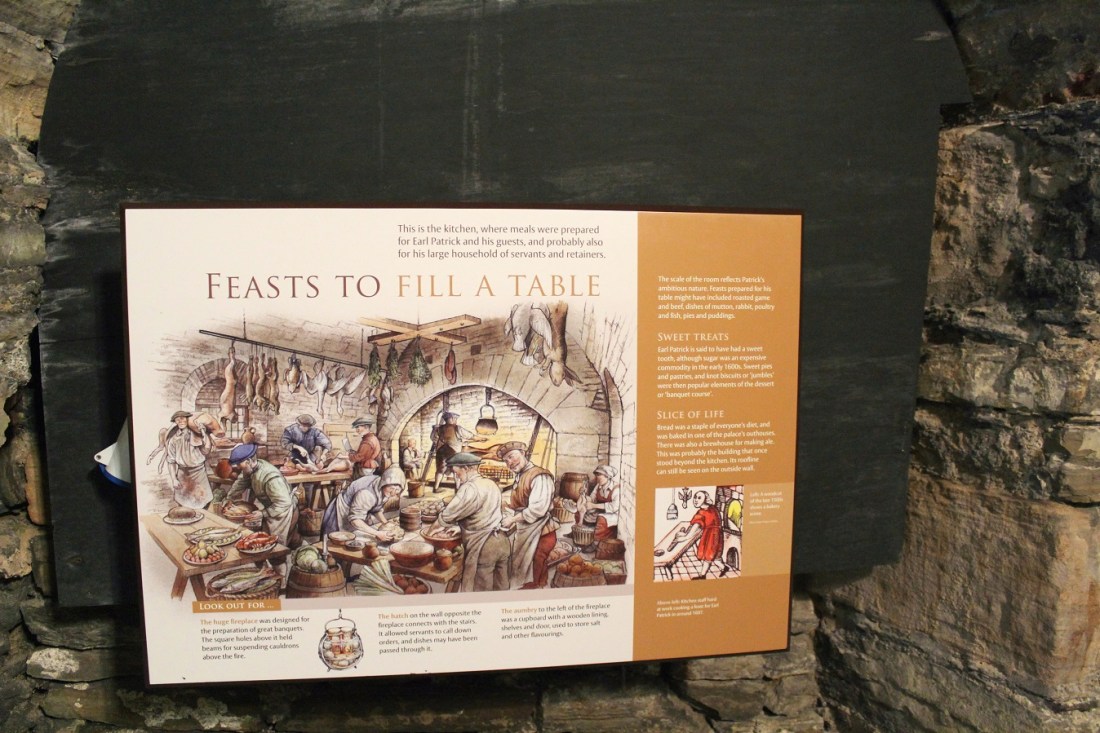
[And the kitchen chimney . . . ]

7-2-19-70 - Copy7-2-19-71 - Copy7-2-19-72 - Copy7-2-19-73 - Copy

[Is this the way out?]

7-2-19-74 - Copy

[A final look around . . . ]

7-2-19-76 - Copy7-2-19-81 - Copy

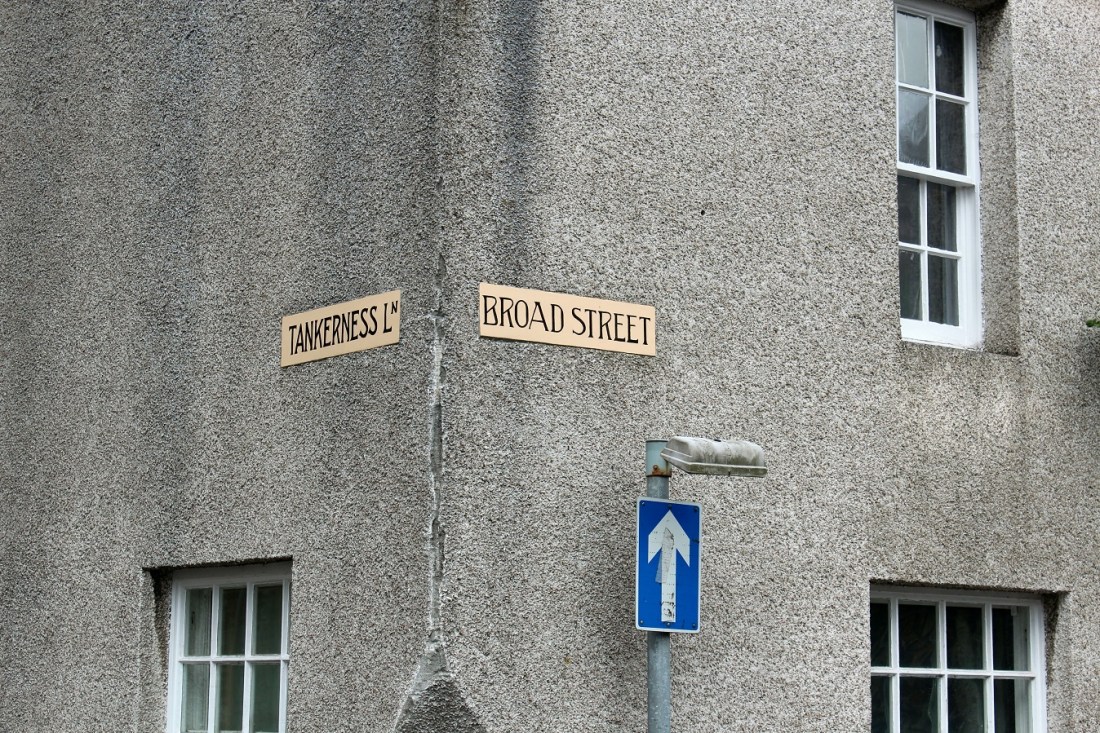
[Back out on the town, beware the Broad Street Bullies!]

7-2-19-82 - Copy

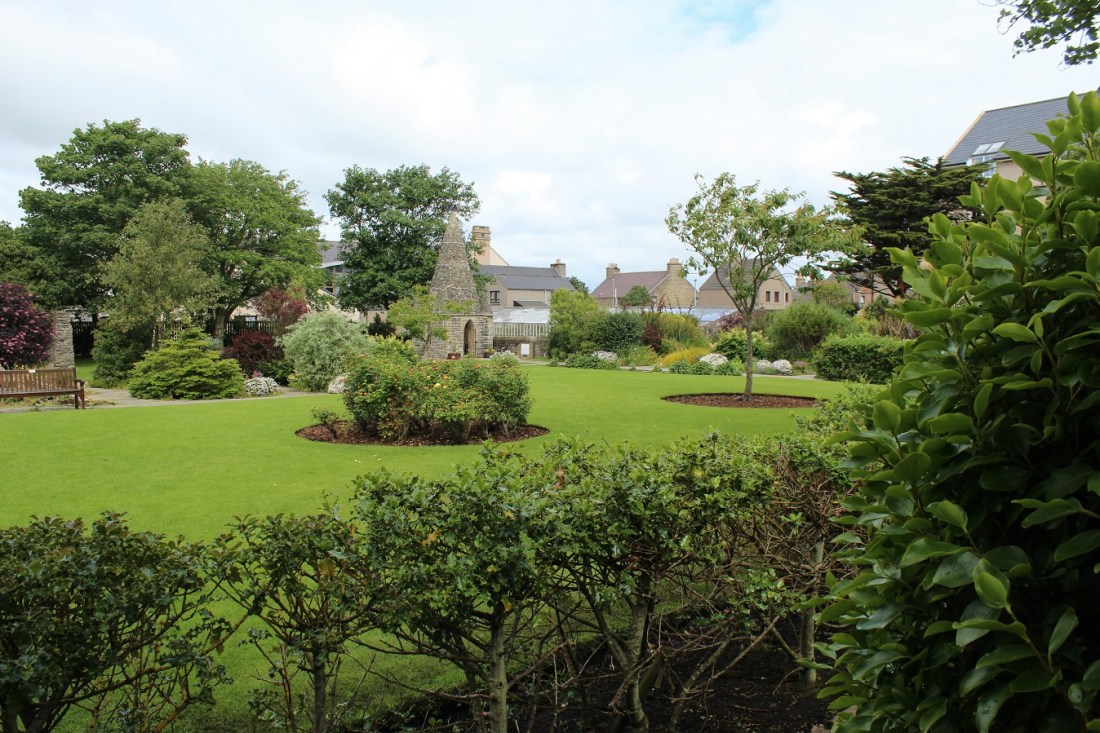
[Tankerness House Gardens . . . ]

7-2-19-83 - Copy

[The Orkney Museum tells the story of Orkney from the Stone Age through the Picts and Vikings to the present day.  The Orkney Museum is in Tankerness House, an A-listed building.  The Baikie Library and Drawing Room show how the house looked when it was a family home, which it was for three centuries (https://www.visitscotland.com/info/see-do/the-orkney-museum-p251611).]

7-2-19-85 - Copy

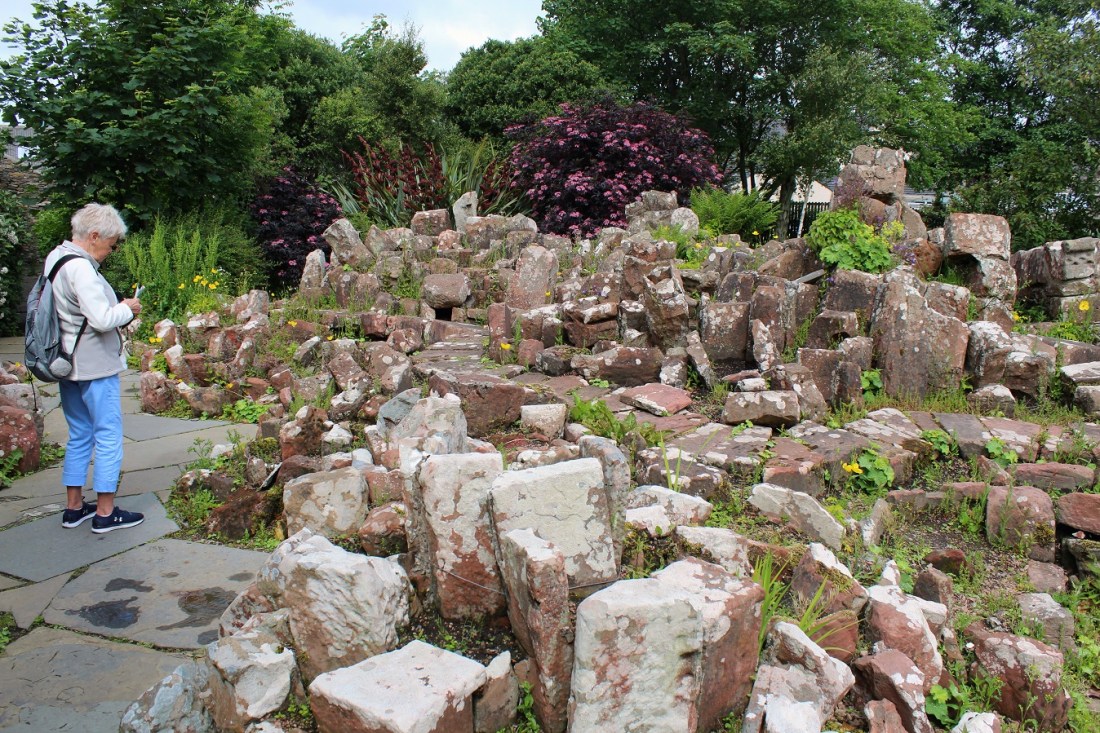
[Let’s just stroll through the garden . . . ]

7-2-19-87 - Copy7-2-19-88 - Copy7-2-19-90 - Copy7-2-19-91 - Copy7-2-19-93 - Copy7-2-19-94 - Copy

[We would exit that way . . . ]

7-2-19-96 - Copy

[Then yield . . . ]

7-2-19-97 - Copy

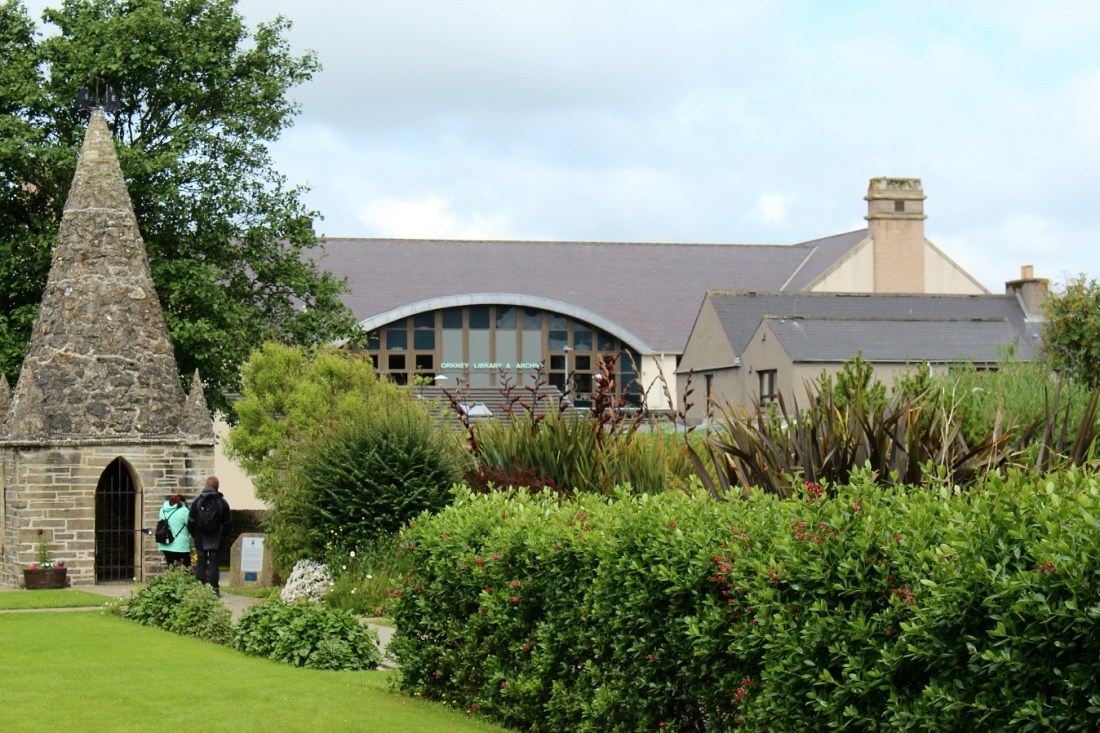
[Walking past the library on the way to . . . ]

7-2-19-98 - Copy

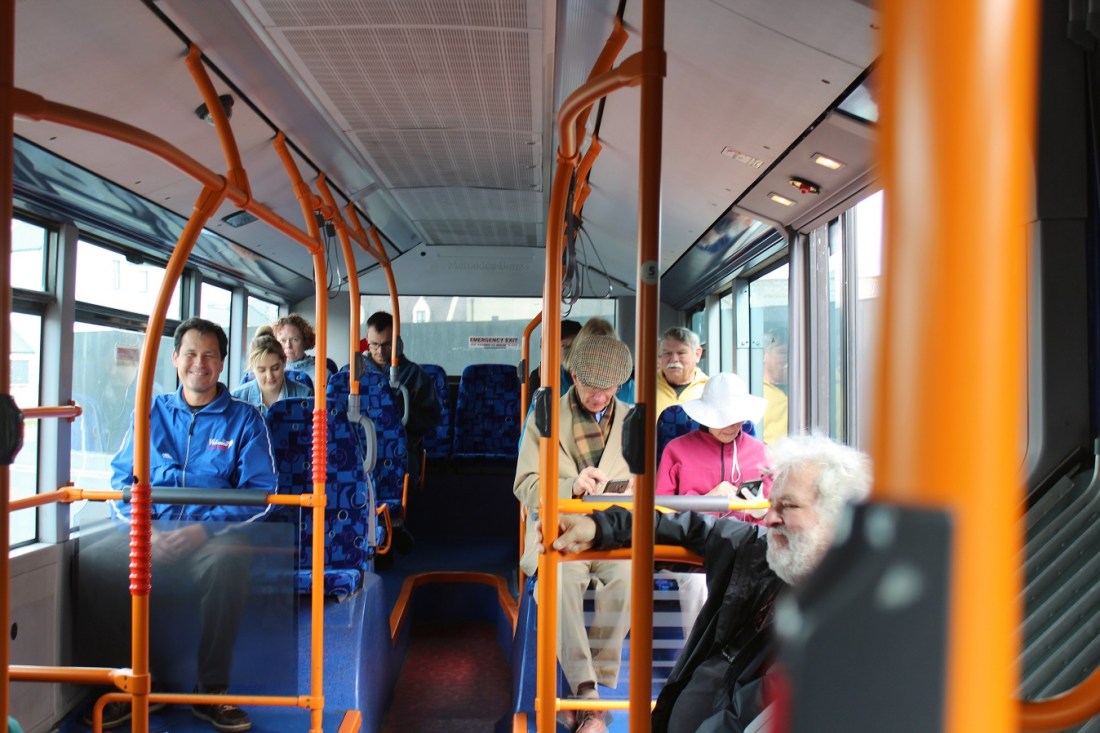
[The bus stop for a ride back to the ship.  And hey, there’s Toronto guy again!]

7-2-19-99 - Copy

Somebody sent me a British magazine listing the 20 worst dialects ever done in movies.  I was No. 2, with the worst Cockney accent ever done.  No. 1 was Sean Connery, because he uses his Scottish brogue no matter what he’s playing.  ~  Dick Van Dyke                                                                                                                                                                                                         Up Next:  Part 2 in Orkney

Norway (Day 14, Part 2)

July 1

Lerwick, Shetland Islands, Scotland

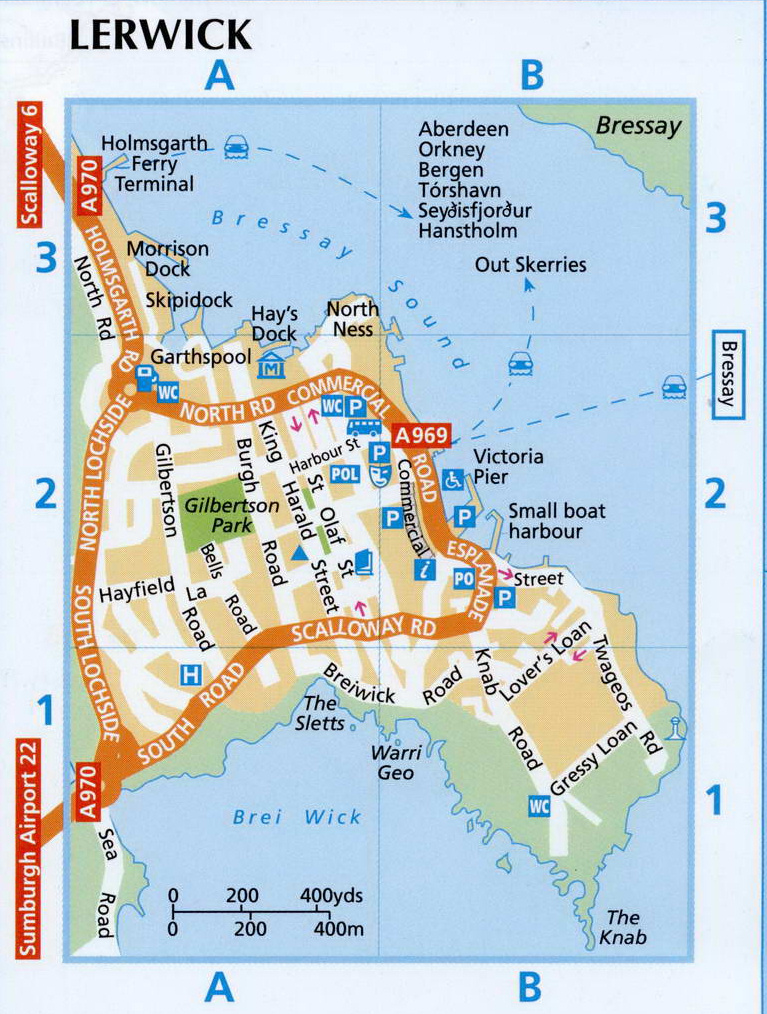
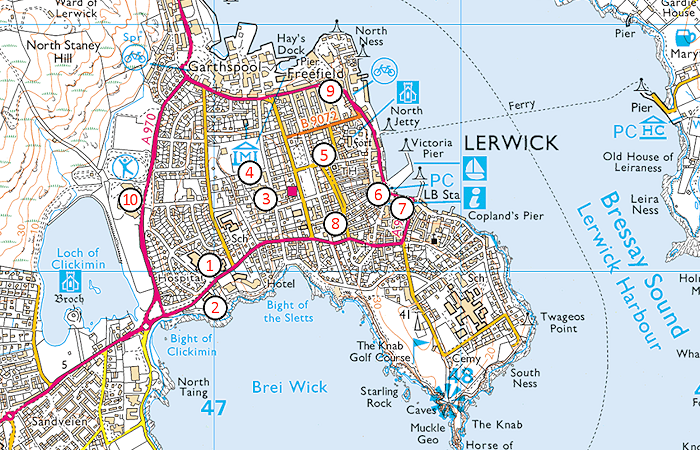
lerwicklerwickmap

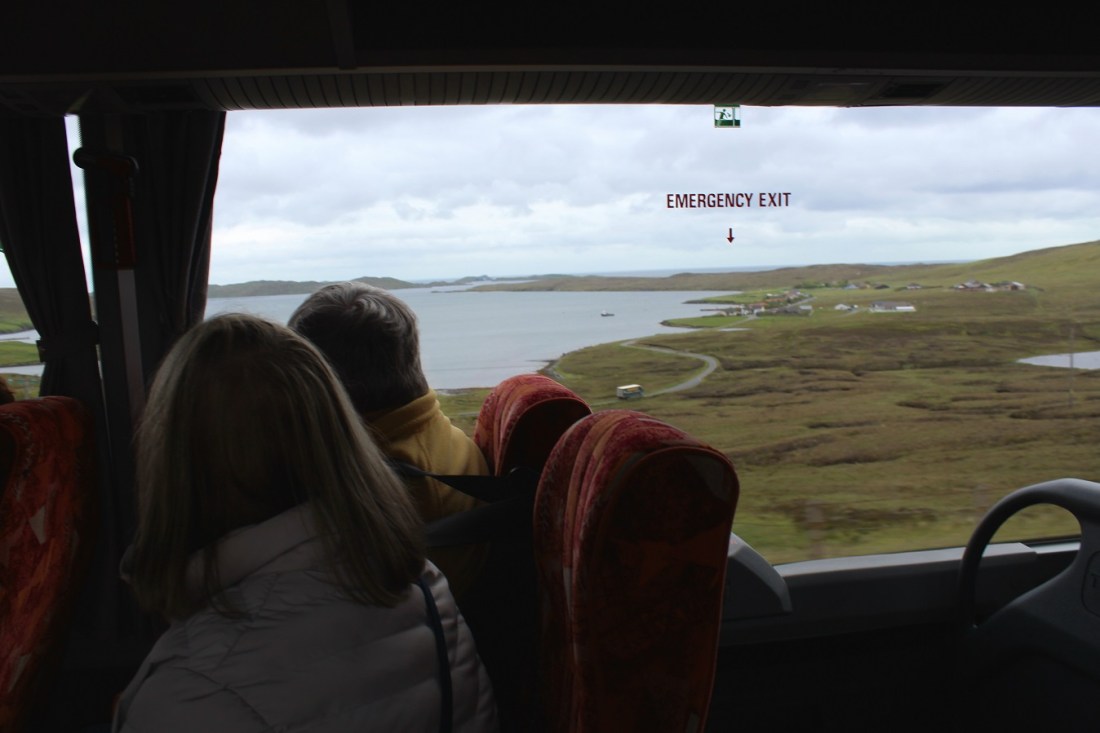
[Continuing our bus tour in Shetland, heading back to Lerwick . . . ]

7-1-19-41 - Copy

[Lerwick at 60 degrees north latitude is right up there with the likes of Helsinki, Bergen, and Anchorage.  Its landscape looks “northerly” . . . ]

7-1-19-42 - Copy

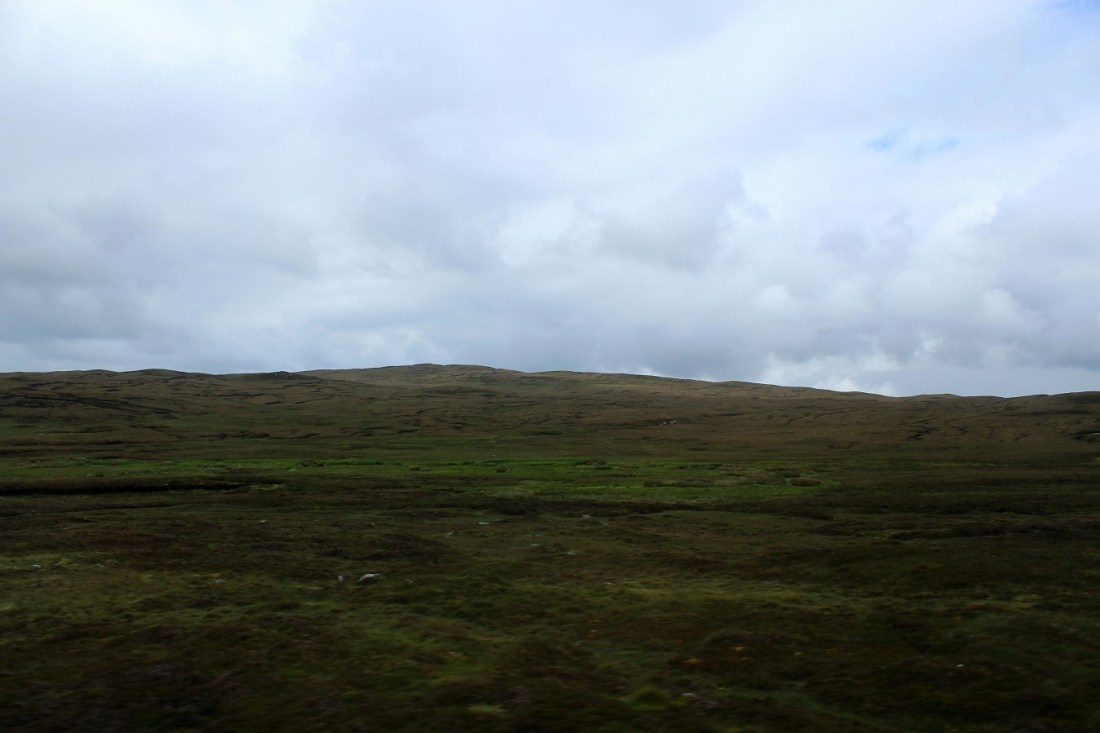
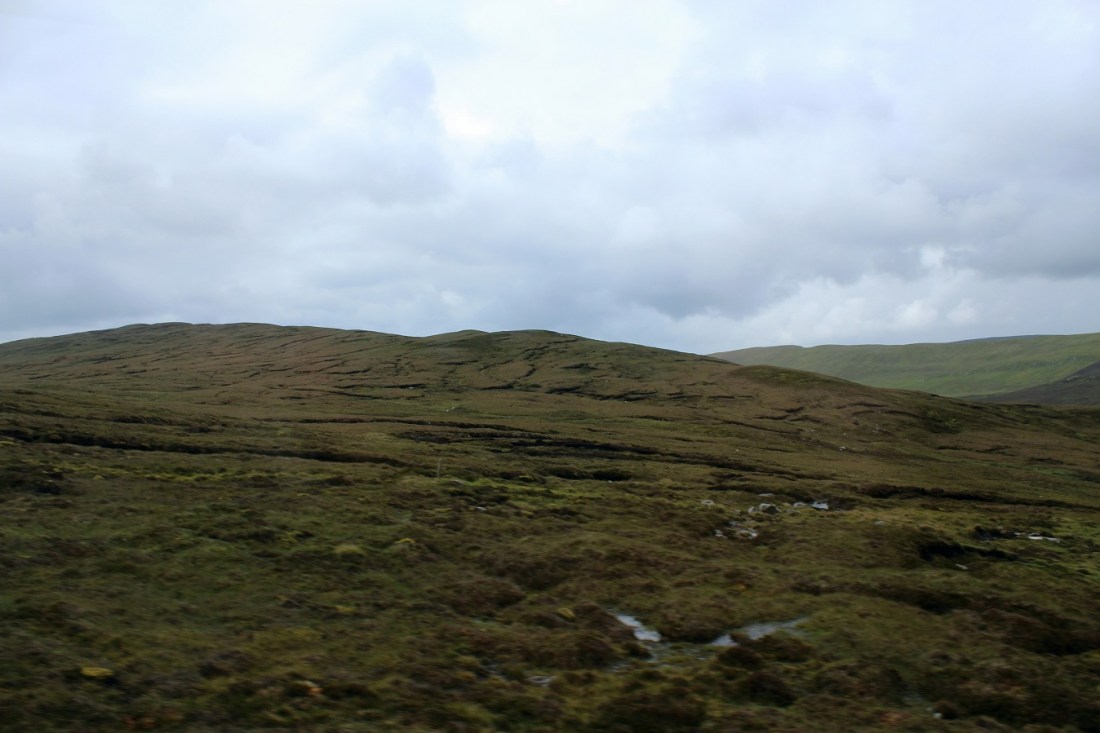
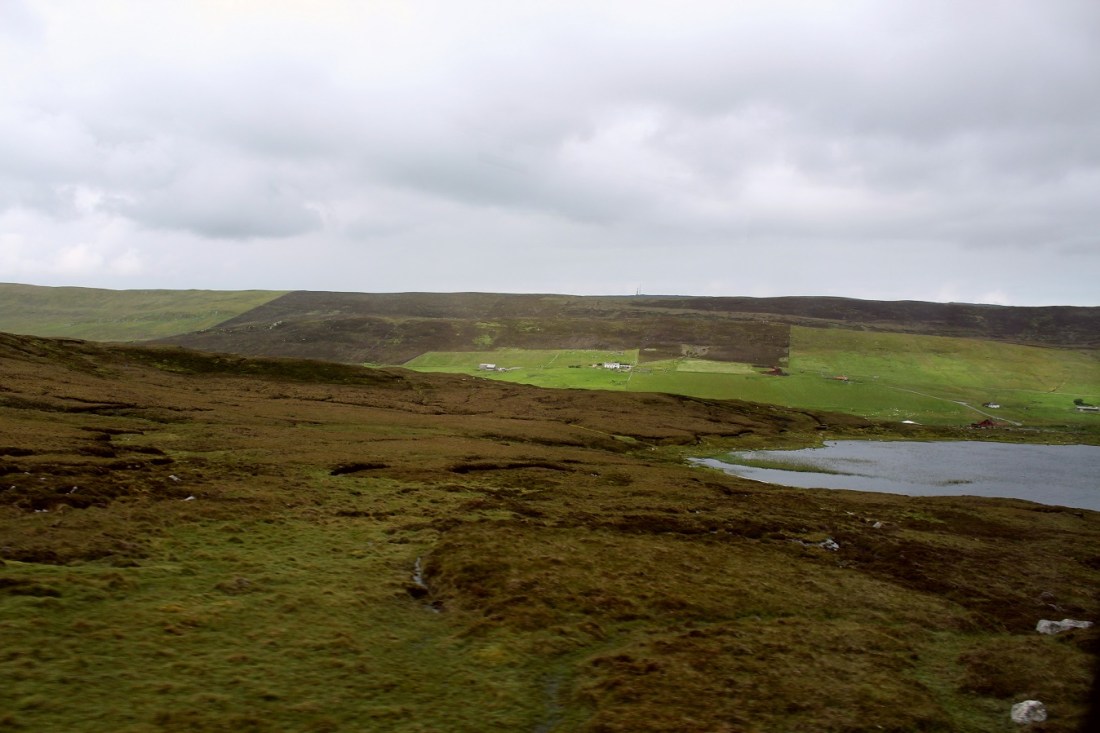
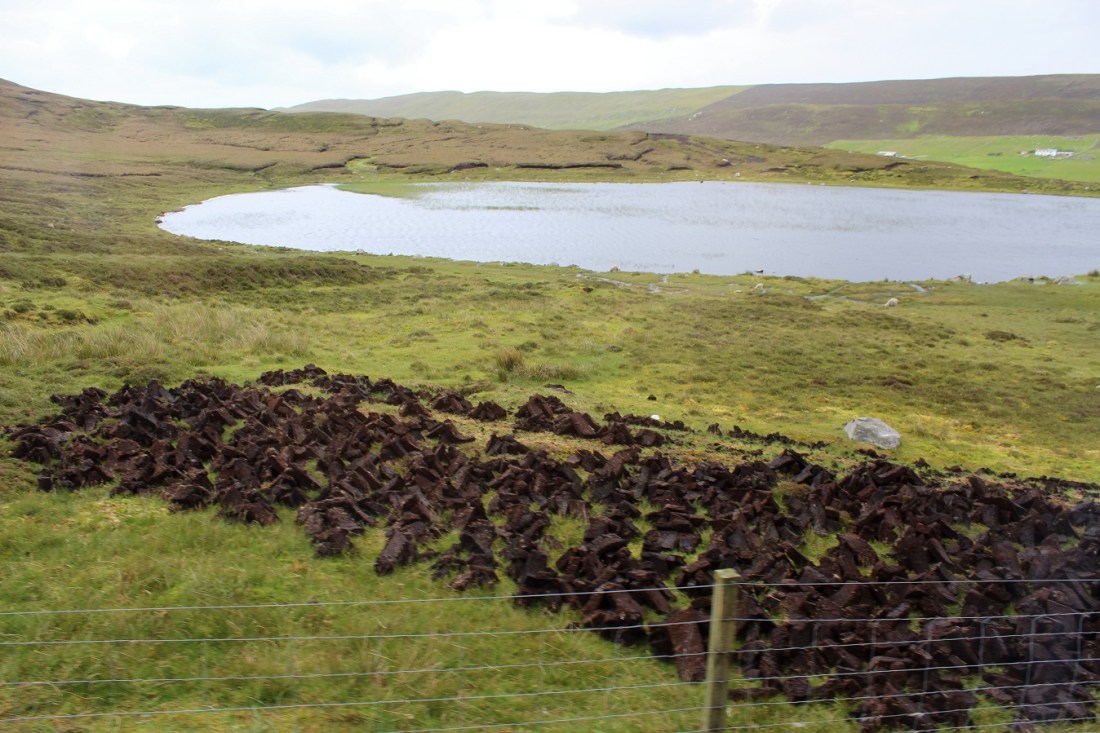
[These are the moors (a tract of open uncultivated upland; a heath).  Of course, most of what we know about moors came from reading Sherlock Holmes novels.  Now, if you Google moor, you find several pages of a brand name clothing product.  Uff da!]

7-1-19-43 - Copy7-1-19-44 - Copy7-1-19-45 - Copy

[Peat is cut for fuel in many parts of Shetland and good days in May and June prompt some people to head for the peat banks.  The first stage is always to remove the grass and heather from the top of the peat bank.  The peat is then sliced off in neat bricks, using a special spade called a tushkar, and is laid to dry on the heather.  After a few days, the slowly-hardening pieces are “raised” into small pyramids to allow more air to reach them.  When it’s properly dry, the peat is bagged and brought home to be stored, to be used in stoves and fires over the following winter (www.shetland.org/60n/blogs/posts/peat-cutters-head-for-the-moors ).]

7-1-19-46 - Copy

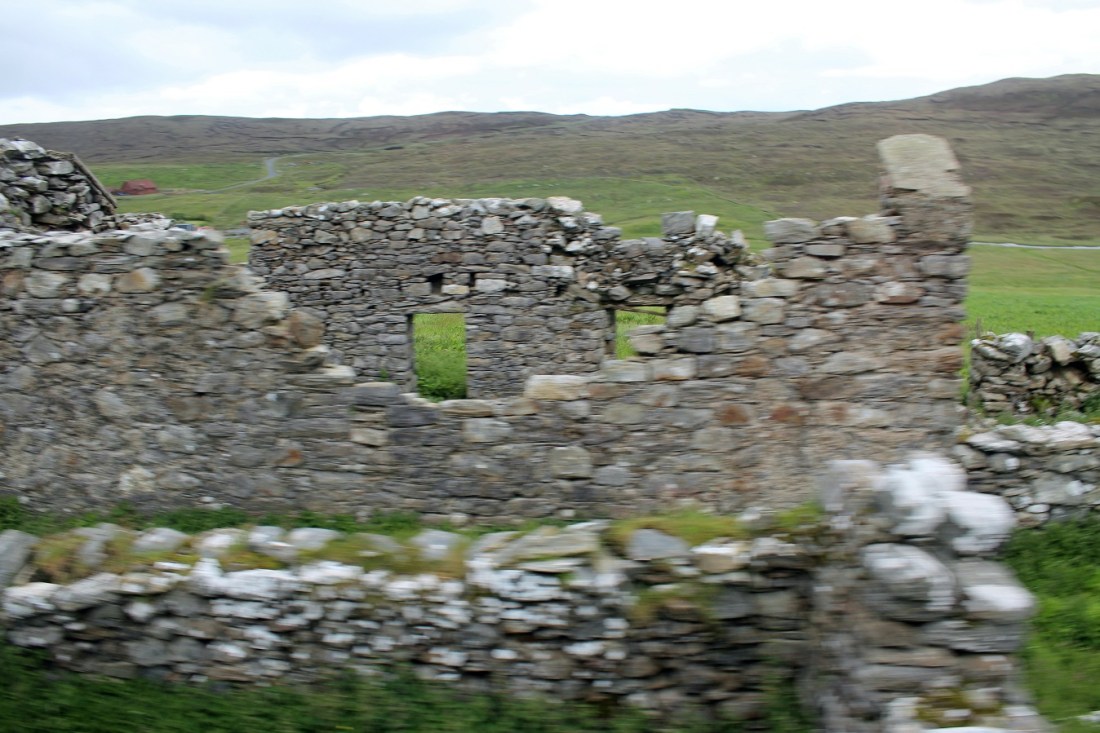
[Derelict stone building . . . ]

7-1-19-47 - Copy

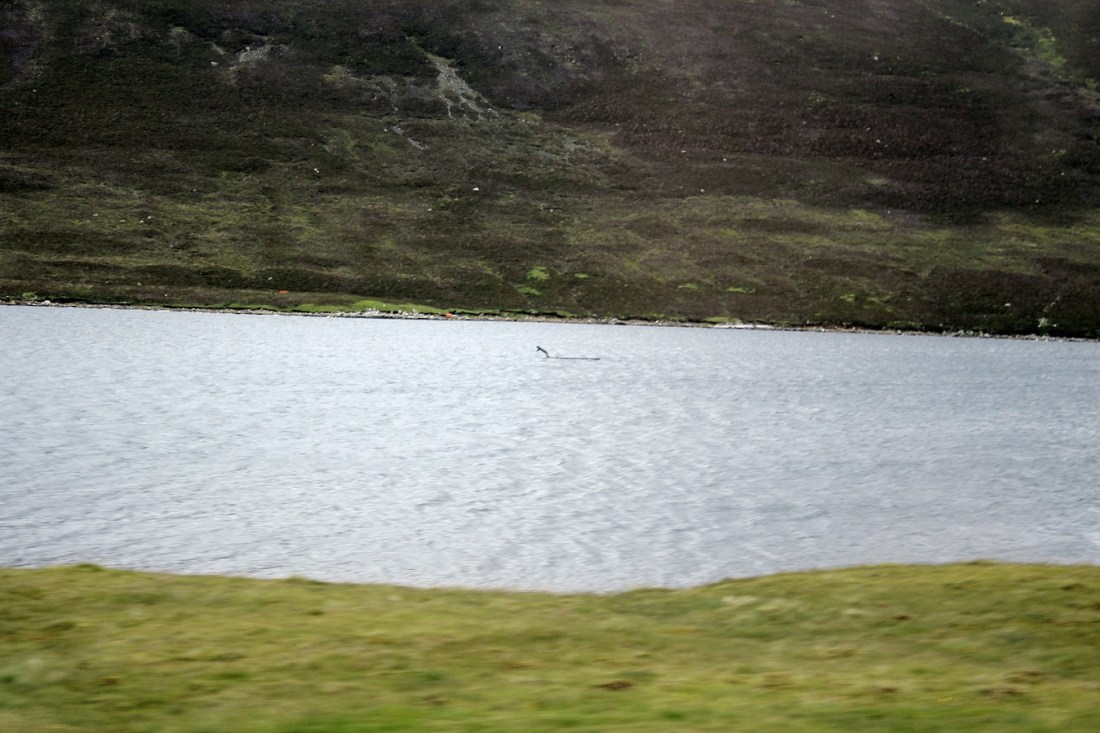
[Yes, I discovered the Loch Ness monster!  The others were all looking on the wrong Scottish island . . . ]

7-1-19-48 - Copy7-1-19-49 - Copy

[Derelict stone buildings . . . ]

7-1-19-50 - Copy

[As I promised in Part 1, more info about our guide, Laurie.

7-1-19-61 - Copy

[She has a master’s degree and is the editor of the Shetland Life.  Prior to taking on the role as editor, I worked for 10 years at the Shetland Museum & Archives as a curatorial assistant. A role that I very much loved for most of the time I was there, and one which I learned a tremendous amount about our island’s heritage and culture in.  Now, I’m able to combine my two passions – Shetland’s rich heritage and writing.  ~  Laurie (www.shetlandwithlaurie.com/)]

7-1-19-60 - Copy

[But she probably finds being a tour guide more monetarily satisfying . . . ]

7-1-19-60-1 - Copy

[A recent construction to decarbonize Shetland’s power and double its power capacity (www.insider.co.uk/news/new-plant-double-electricity-capacity-9868643).]

7-1-19-62 - Copy

[Hey, there’s our boat!]

7-1-19-64 - Copy

[Hey, there’s the inter-island ferry . . . ]

7-1-19-65 - Copy7-1-19-66 - Copy

[Well, thank you very much Scottish folks . . . ]

7-1-19-67 - Copy

[Cancer research in a castle?]

7-1-19-68 - Copy

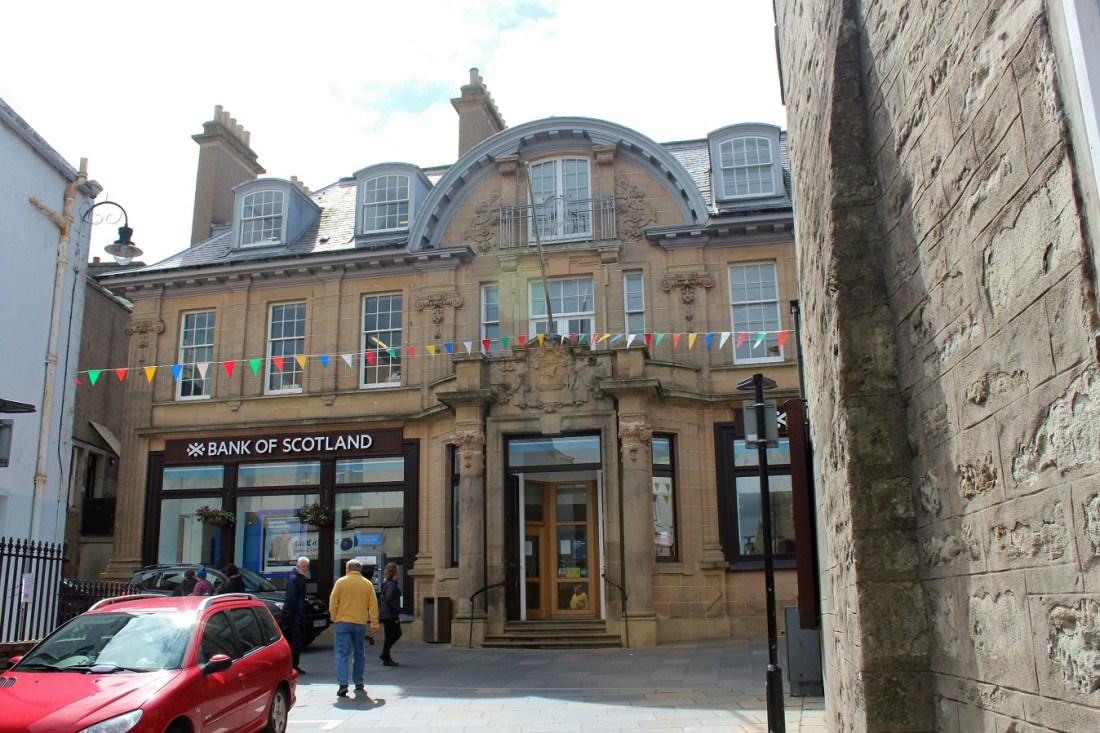
[Bank of Scotland (I remembered that from sheer memory) . . . ]

7-1-19-70 - Copy

[Historical Old Town . . . ]

7-1-19-71 - Copy

[A beautiful day for a stroll through history . . . ]

7-1-19-72 - Copy

[And back to the icebreakers . . . ]

7-1-19-74 - Copy7-1-19-74-1 - Copy

[You just never know who you’re going to run into where . . . ]

7-1-19-75 - Copy

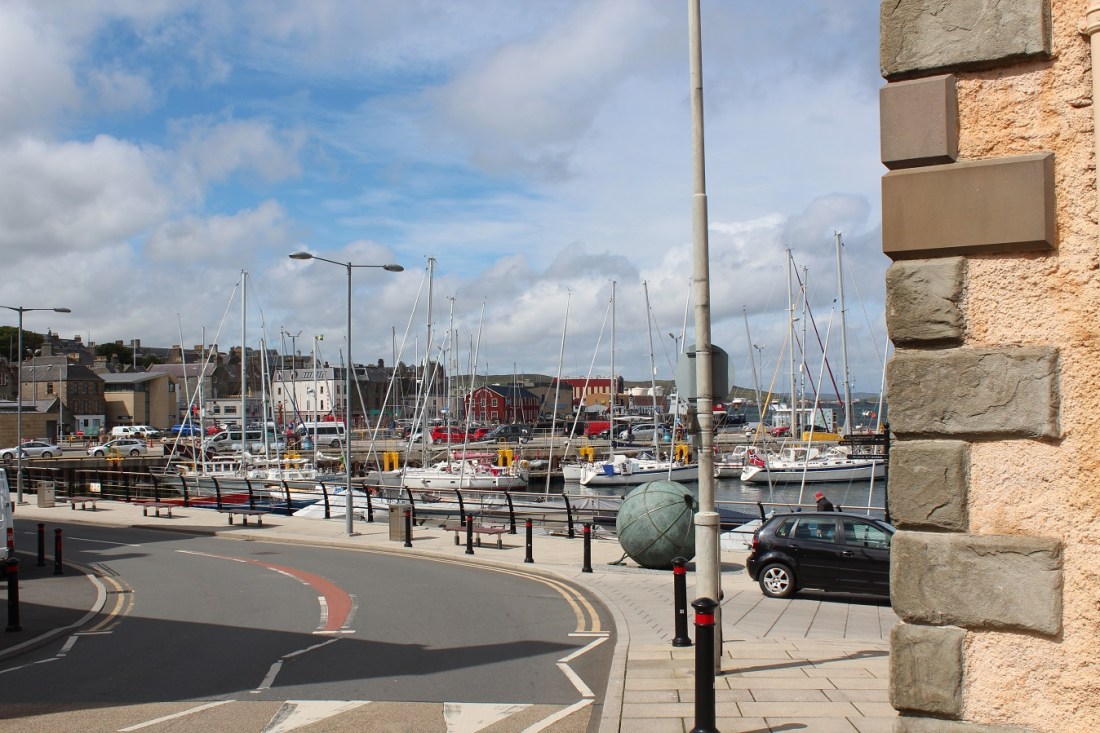
[The waterfront stroll . . . ]

7-1-19-76 - Copy

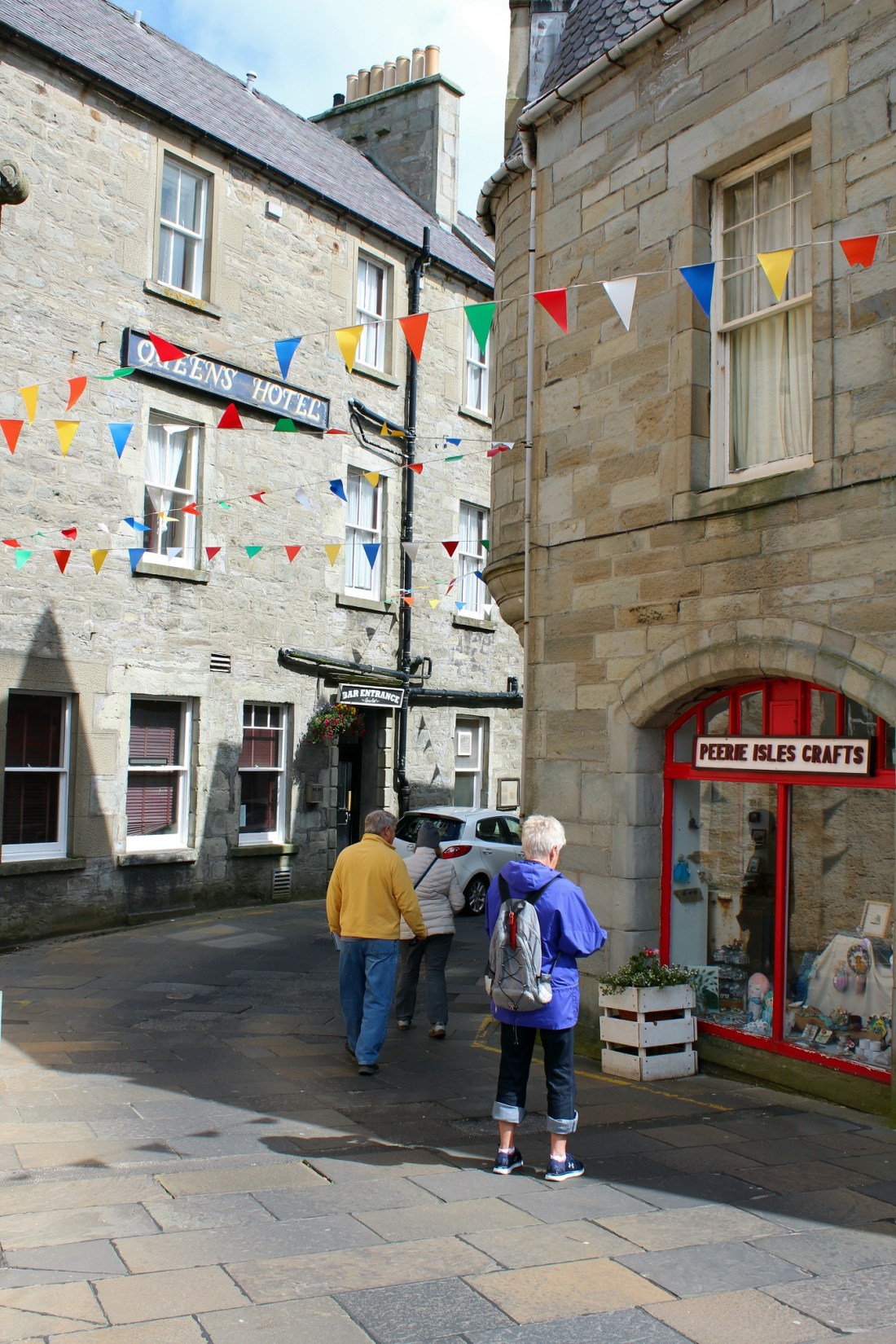
[The Queens Hotel, one of the few old stone buildings for which I could find a name.]

7-1-19-77 - Copy

[Arriving to pillage?]

7-1-19-79 - Copy

[Maybe they had advance reservations . . . ]

7-1-19-79-1 - Copy

[Then up the hill in the Old Town area . . . ]

7-1-19-80 - Copy

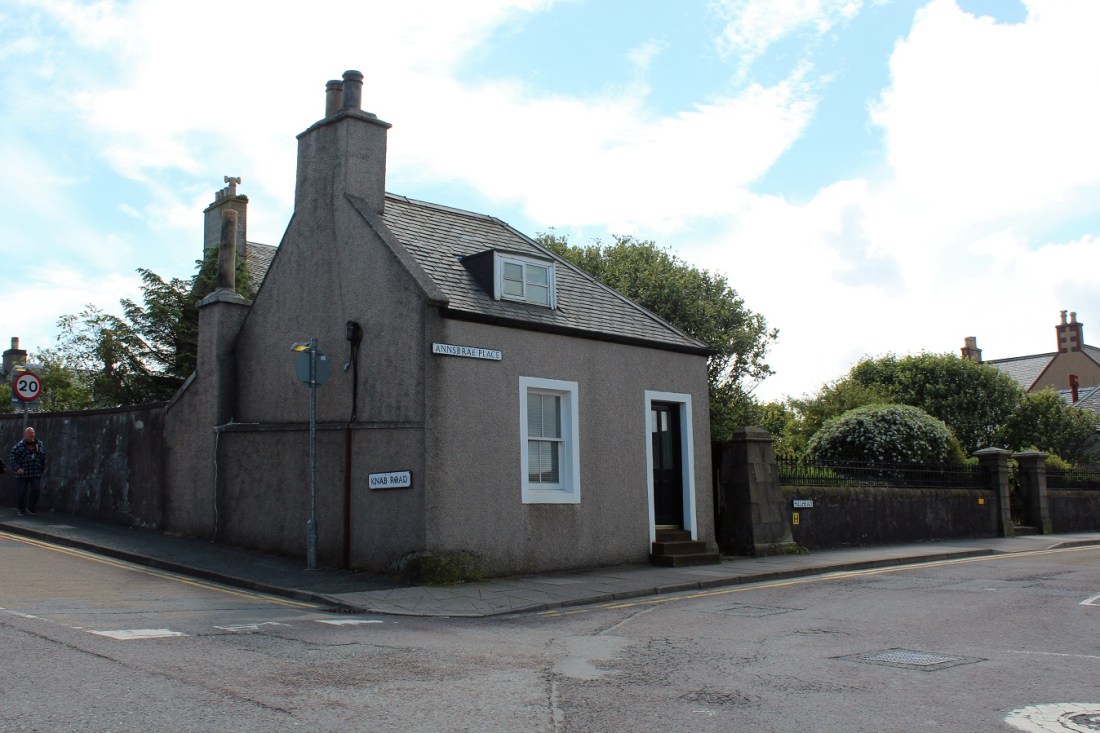
[At the corner of Knab Road and Annsbrae Place . . . ]

7-1-19-81 - Copy

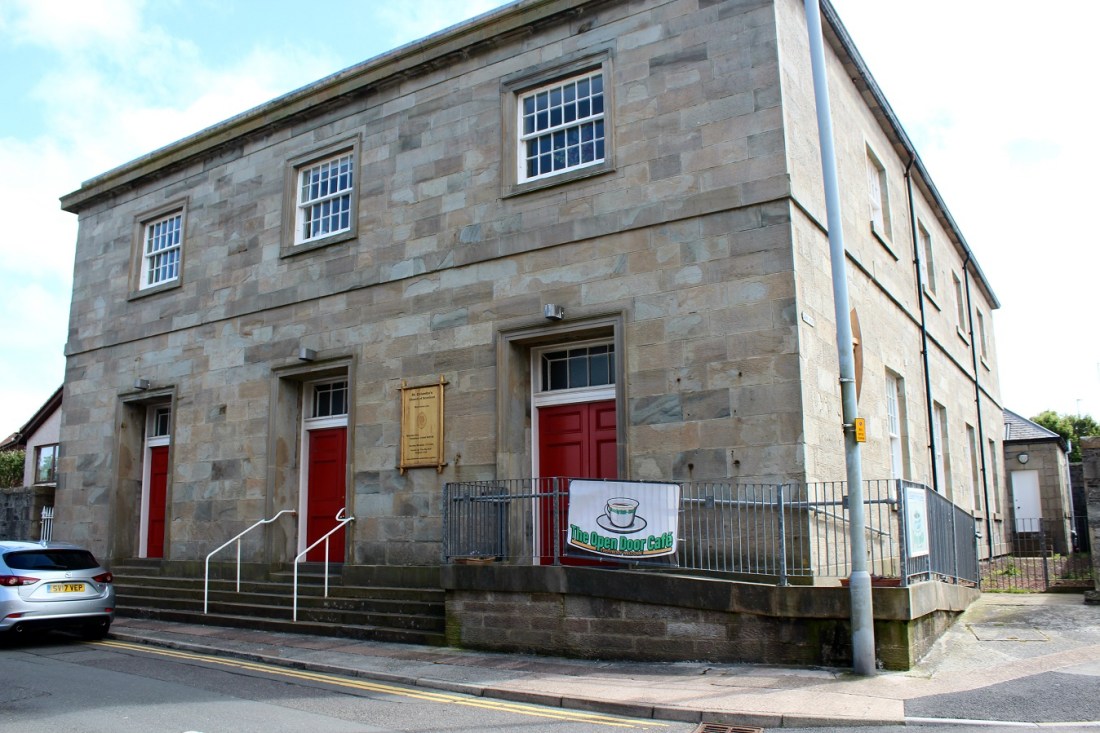
[The Open Door Cafe – we did not test the premise . . . ]

7-1-19-82 - Copy7-1-19-83 - Copy

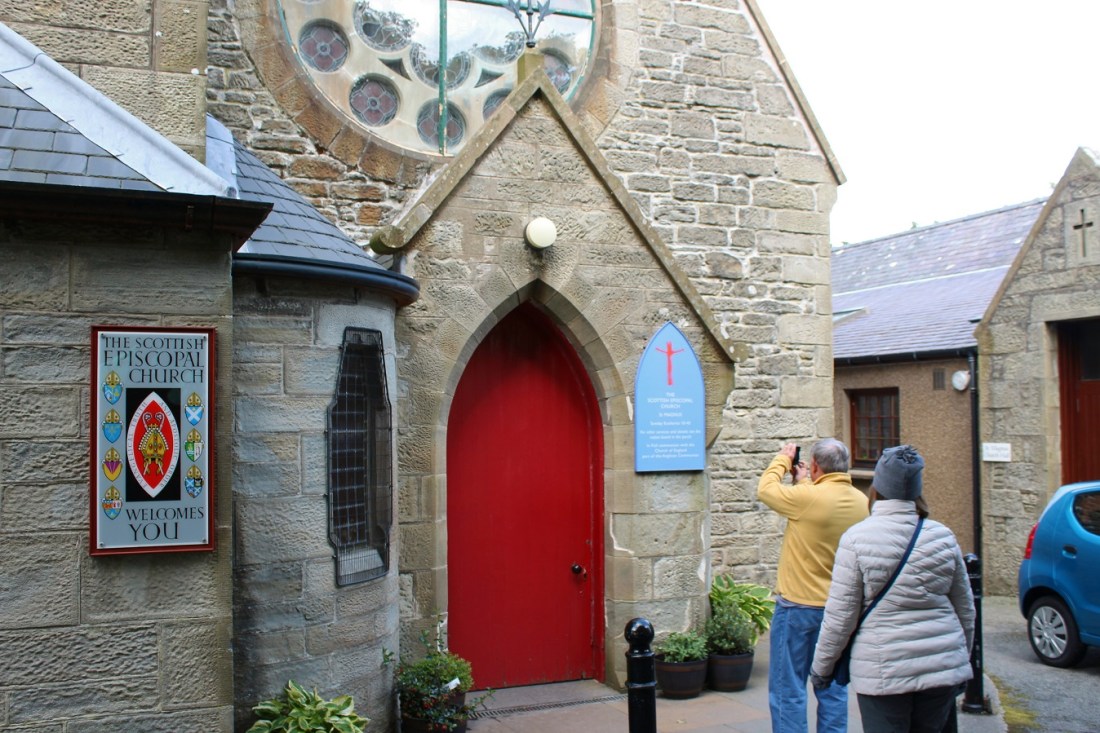
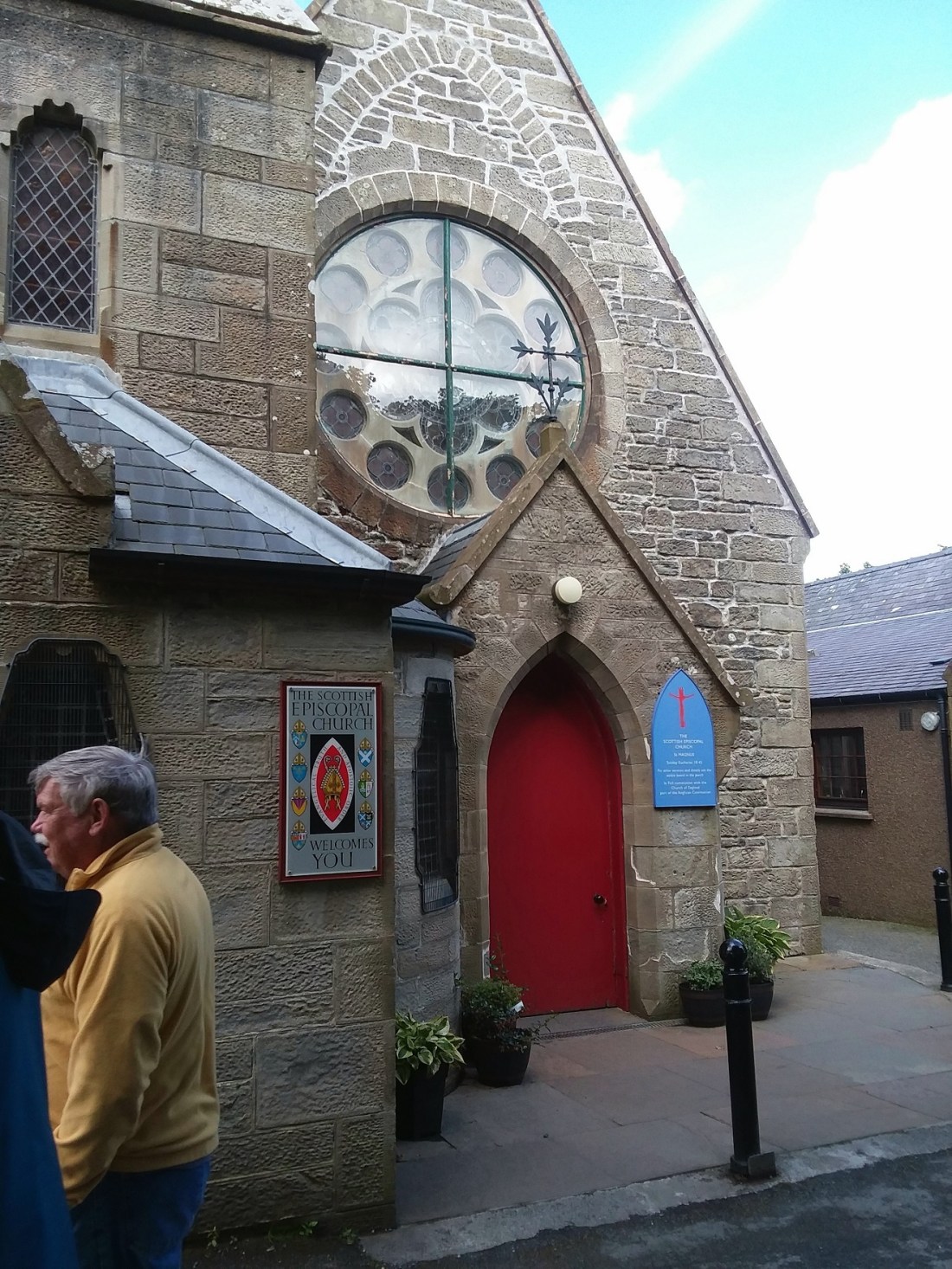
[The Scottish Episcopal Church welcomed us . . . ]

7-1-19-84 - Copy

[OK, how ’bout next week Tuesday?]

7-1-19-85 - Copy

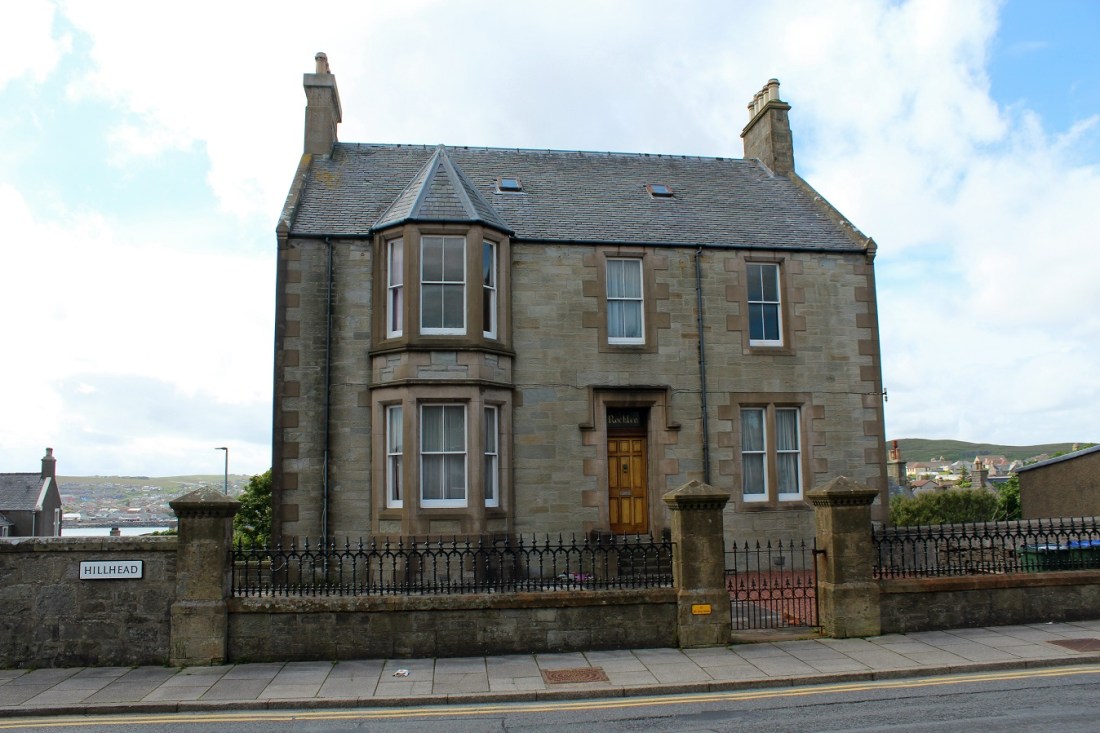
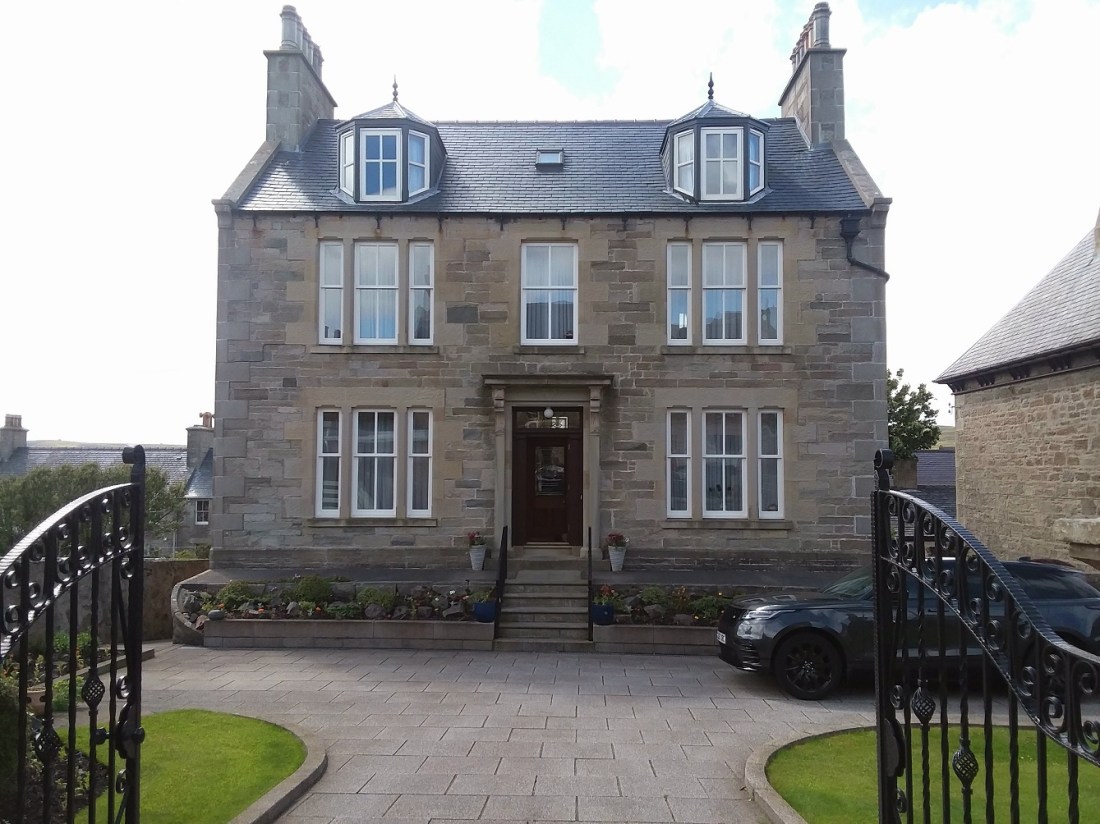
[I’m going to guess a guest house . . . ]

7-1-19-86 - Copy

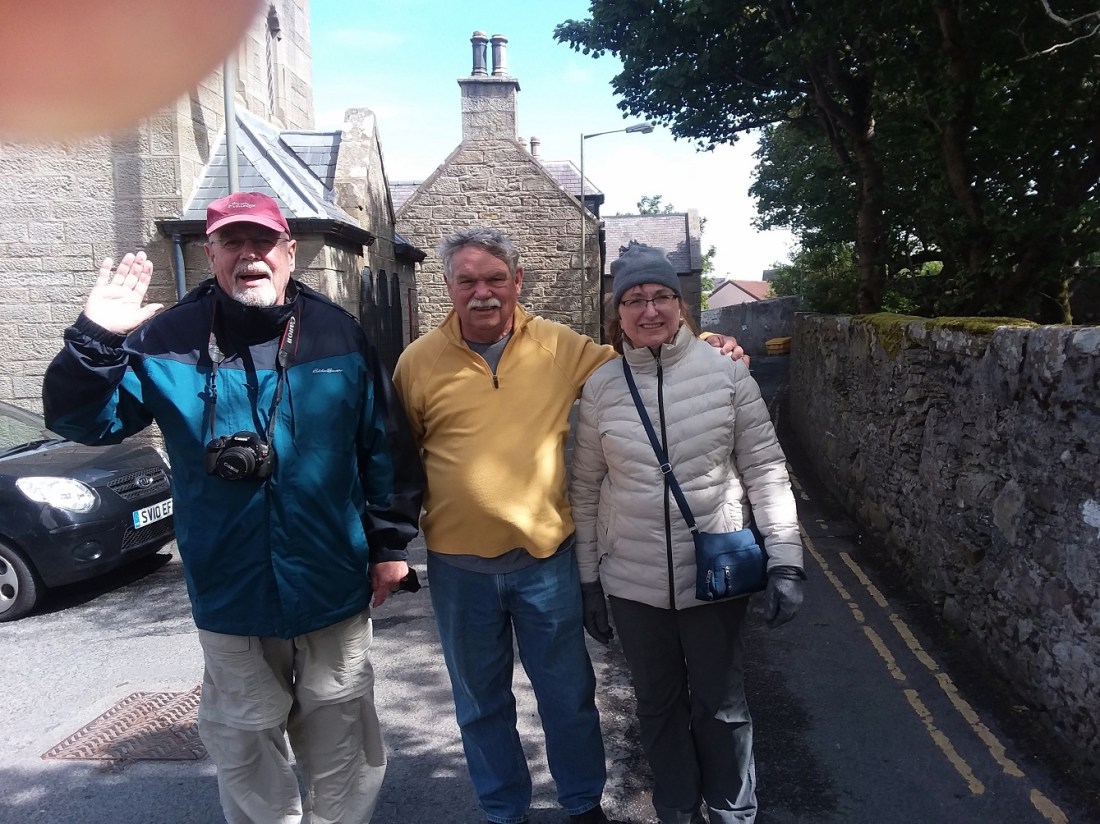
[I’m going to guess Bill . . . ]

7-1-19-87 - Copy

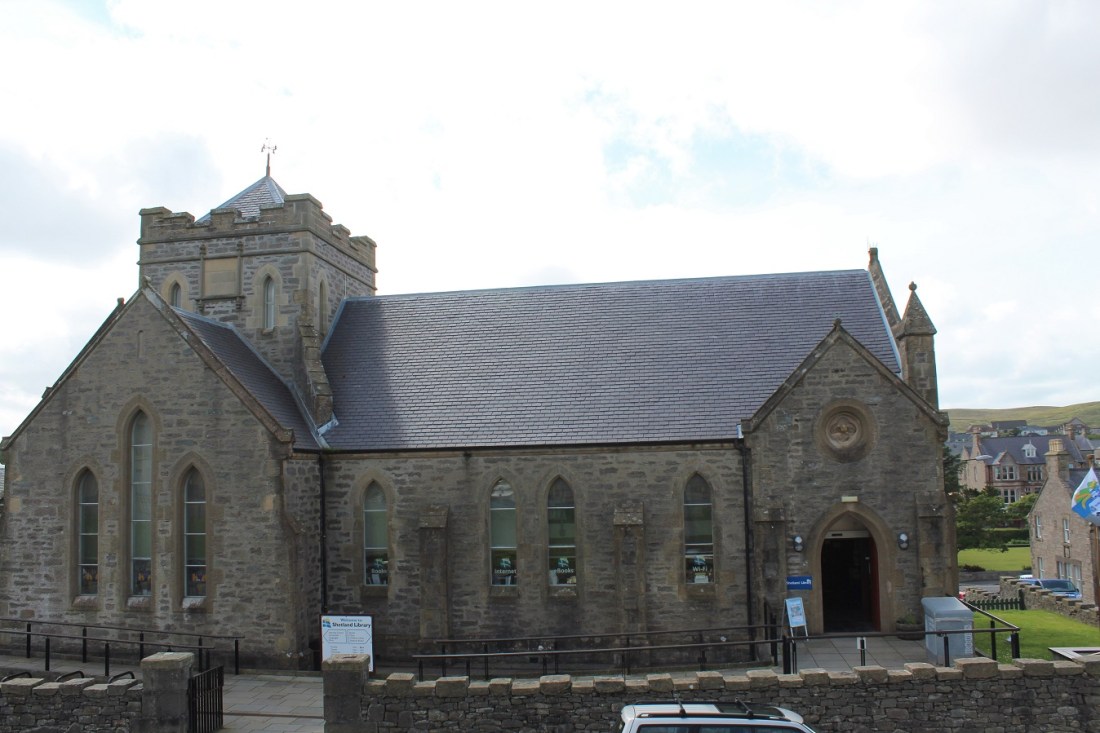
[Shetland library . . . ]

7-1-19-88 - Copy

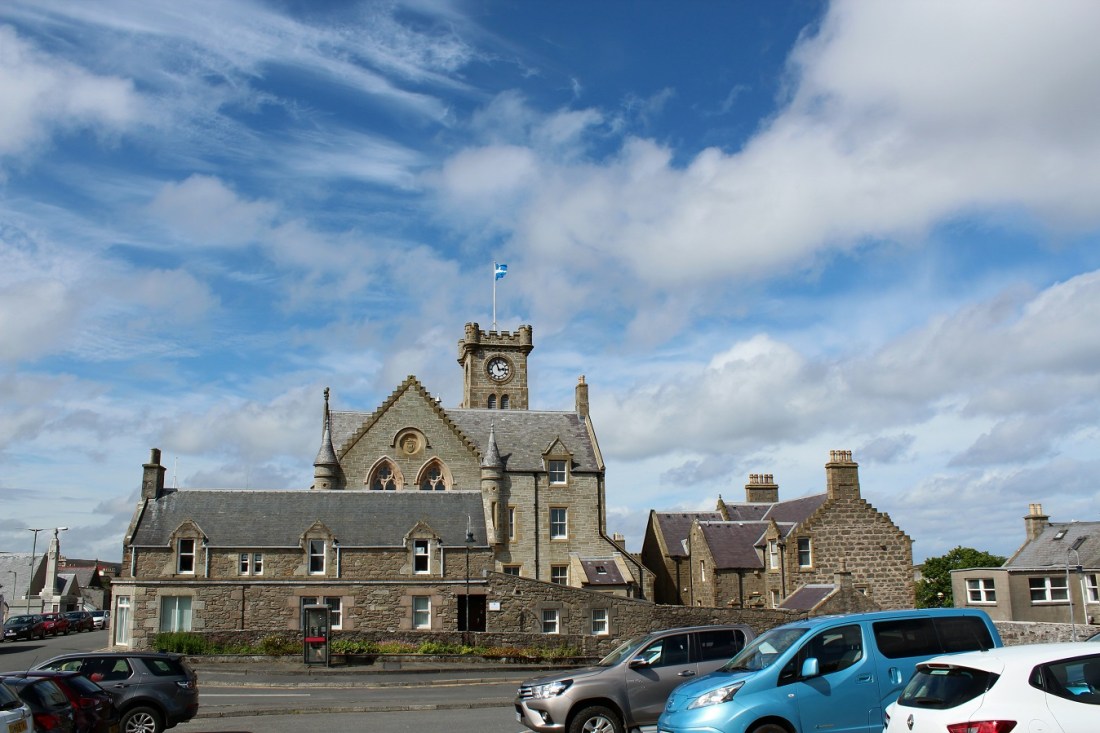
[Town Hall clock tower . . . ]

7-1-19-89 - Copy

[At the top of Old Town . . . ]

7-1-19-90 - Copy

[Bill on the steps back down to the harbor level . . . ]

7-1-19-91 - Copy

[Shops, a Super favorite wherever . . . ]

7-1-19-92 - Copy

[Gotta love it . . . ]

7-1-19-93 - Copy

[Construction of Fort Charlotte began – though was not completed – in 1665, during the Second Dutch War. It was rebuilt more than a century later, during the War of American Independence, but the newer fort never saw military action.  Today, the fort is presented much as it would have looked in the 1780s (https://www.historicenvironment.scot/visit-a-place/places/fort-charlotte/).]

7-1-19-94 - Copy7-1-19-95-1 - Copy

[And back on harbor row . . . ]

7-1-19-96 - Copy7-1-19-97 - Copy

[The next seven photos are duly credited to the Super . . . ]

20190701-28 - Copy

[I think this was a chance venture down an alley . . . ]

20190701-35 - Copy

[And the Episcopal Church again . . . ]

20190701-36 - Copy20190701-38 - Copy

[Another guest house?]

20190701-39 - Copy

[And why not here?]

20190701-40 - Copy

[Some kind of artsy from the Super . . . ]

20190701-42 - Copy

[Thank you, Shetland!]

_20190701-6-1 - Copy

[The final touristy shot in Shetland . . . ]

_20190701-4 - Copy

[Waiting for the bus to take us to the ship . . . ]

20190701-5 - Copy

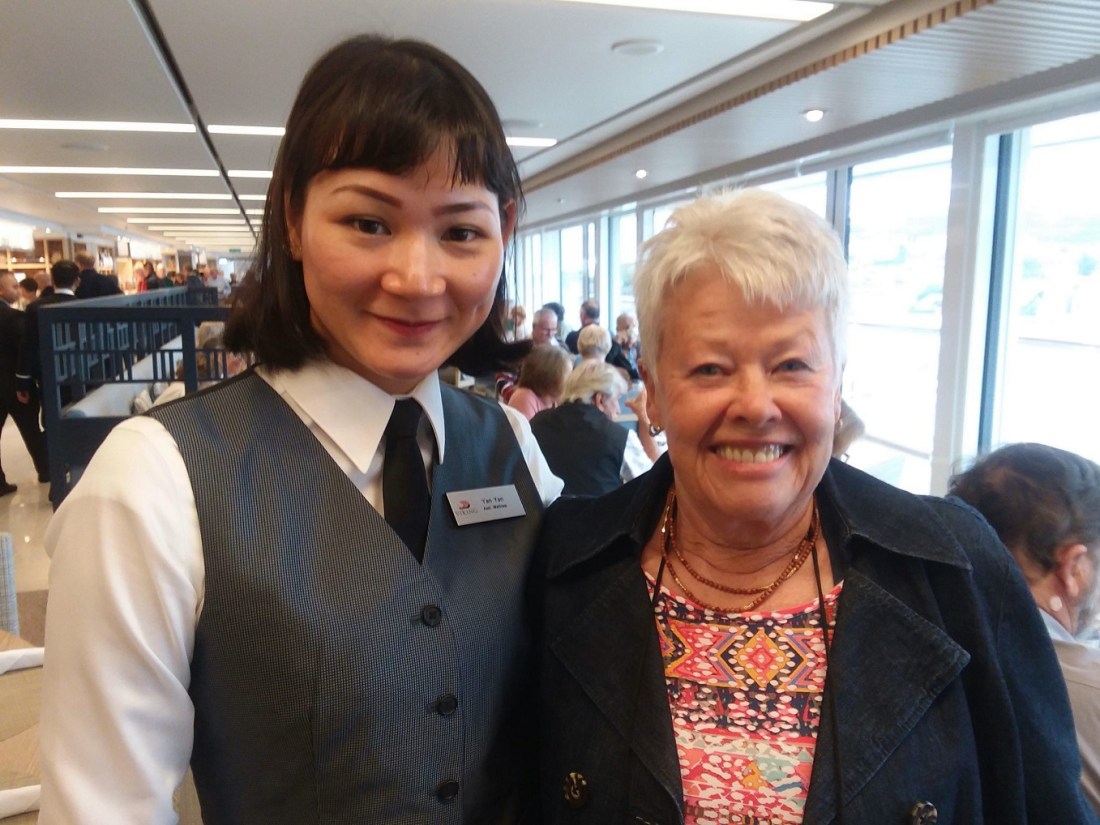
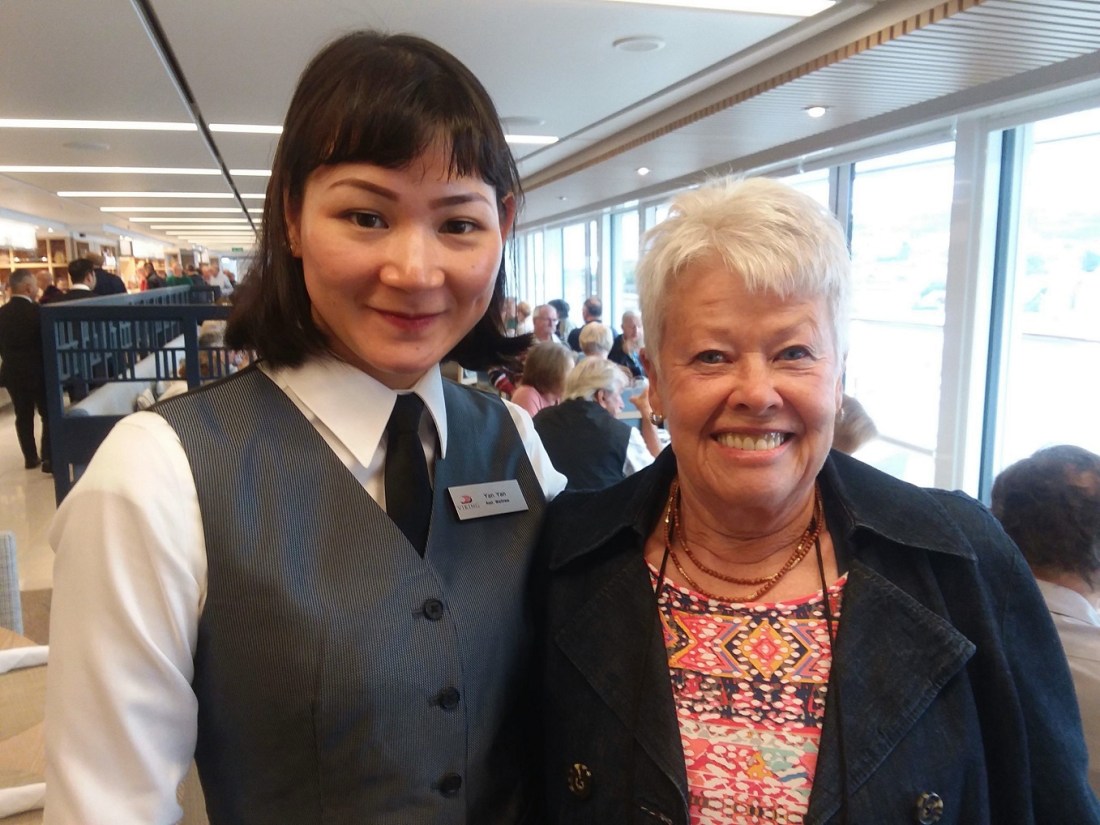
[Once back on board, this is Yan Yan.  She remembered us from the Panama Canal cruise (same ship, remember?) . . . ]

_20190701-2 - Copy

[For the life of me, I can’t figure out why I didn’t remember her?]

_20190701-3 - Copy

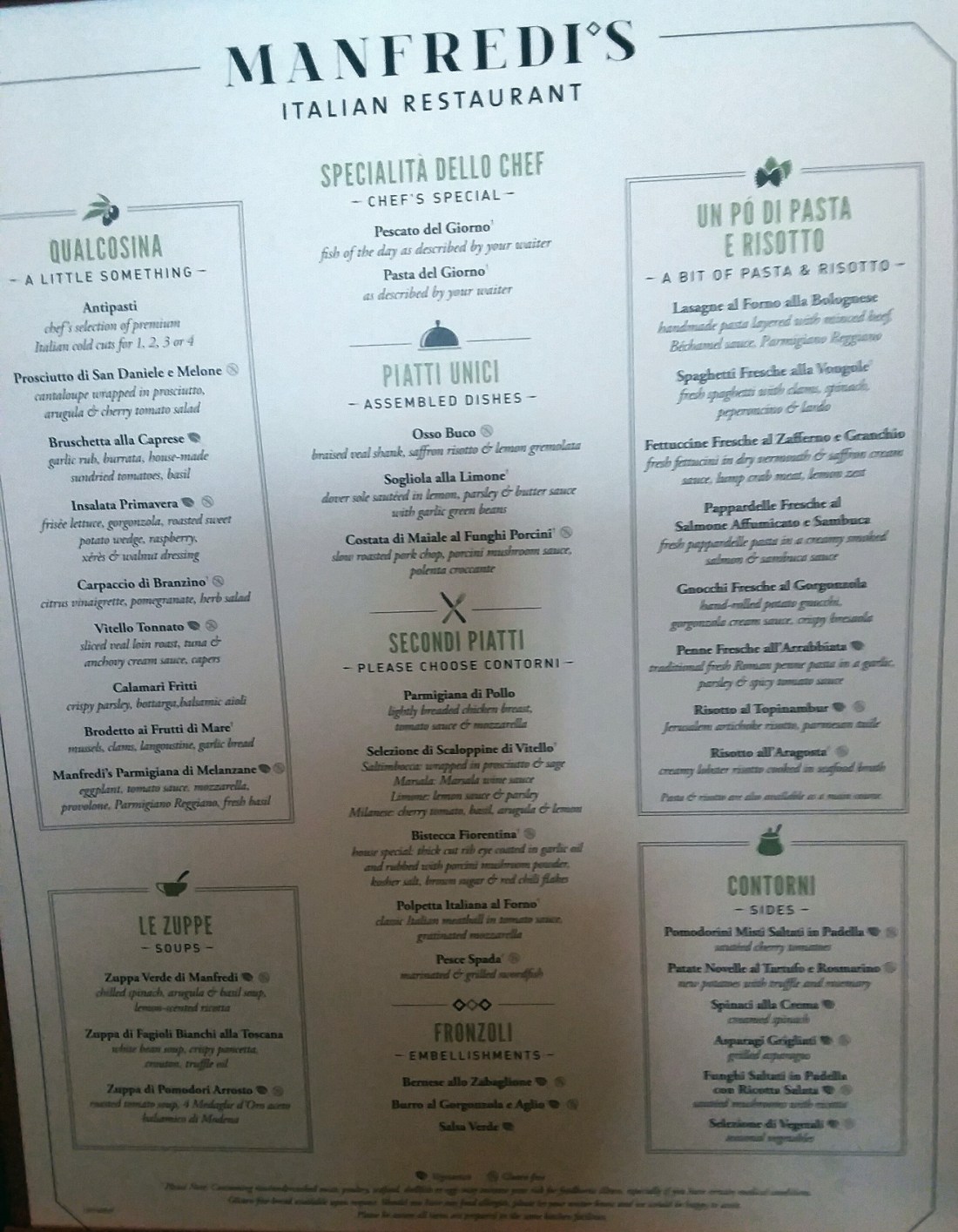
[Fine dining at Manfredi’s that night . . . ]

20190701-6 - Copy

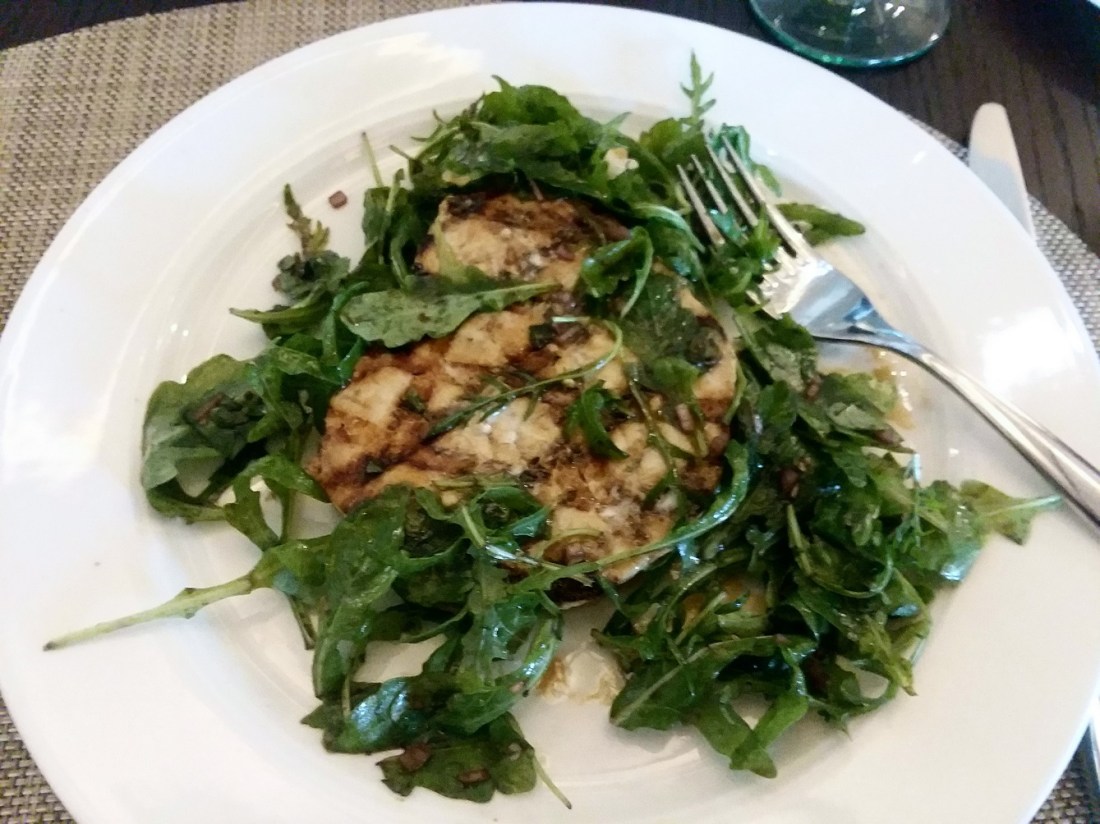
[Something brown amongst greenery . . . ]

20190701-7 - Copy

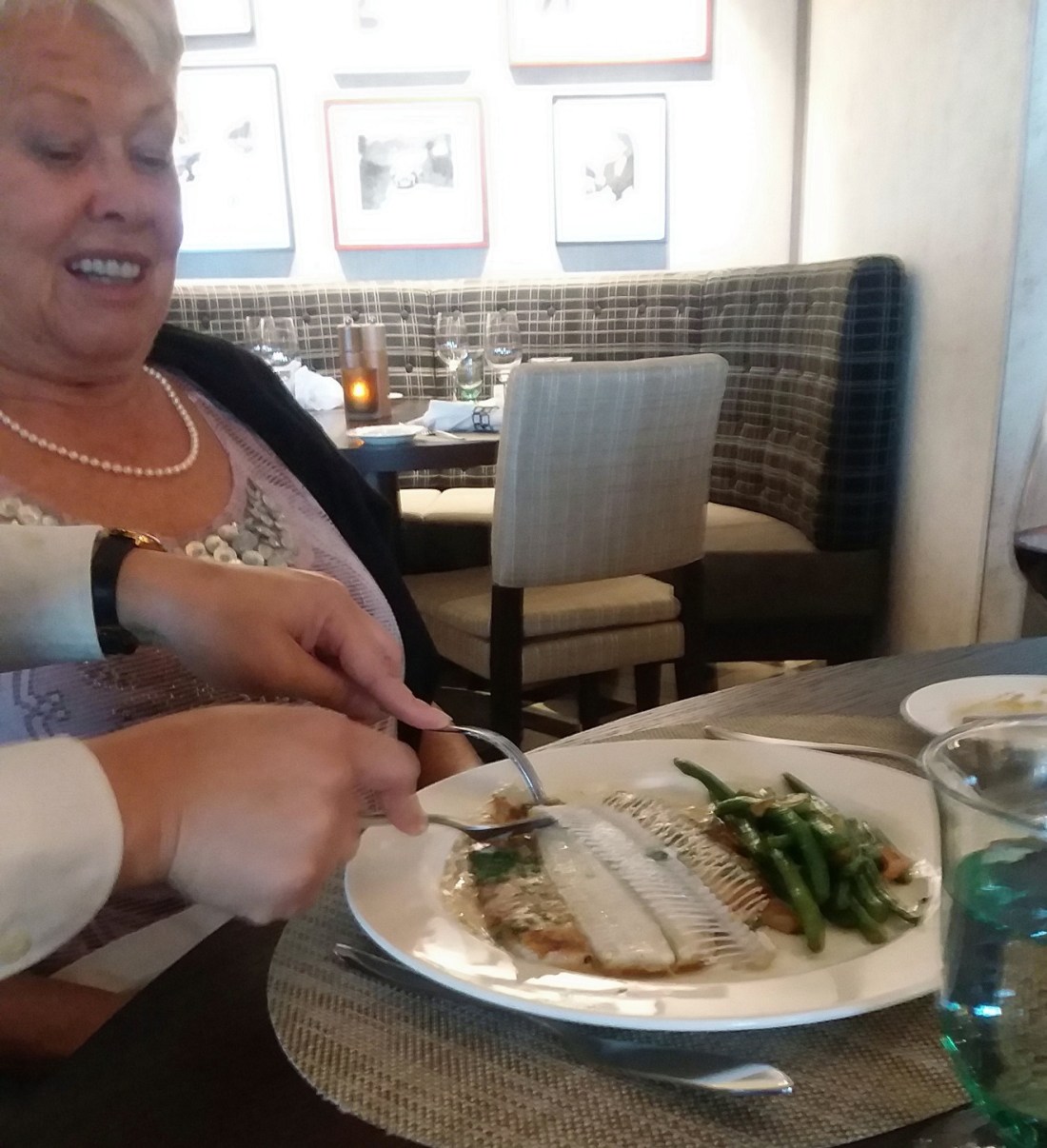
[And the server bones your fish for you . . . ]

20190701-8 - Copy

[A little apres dinner sightseeing with Ole . . . ]

20190701-11 - Copy

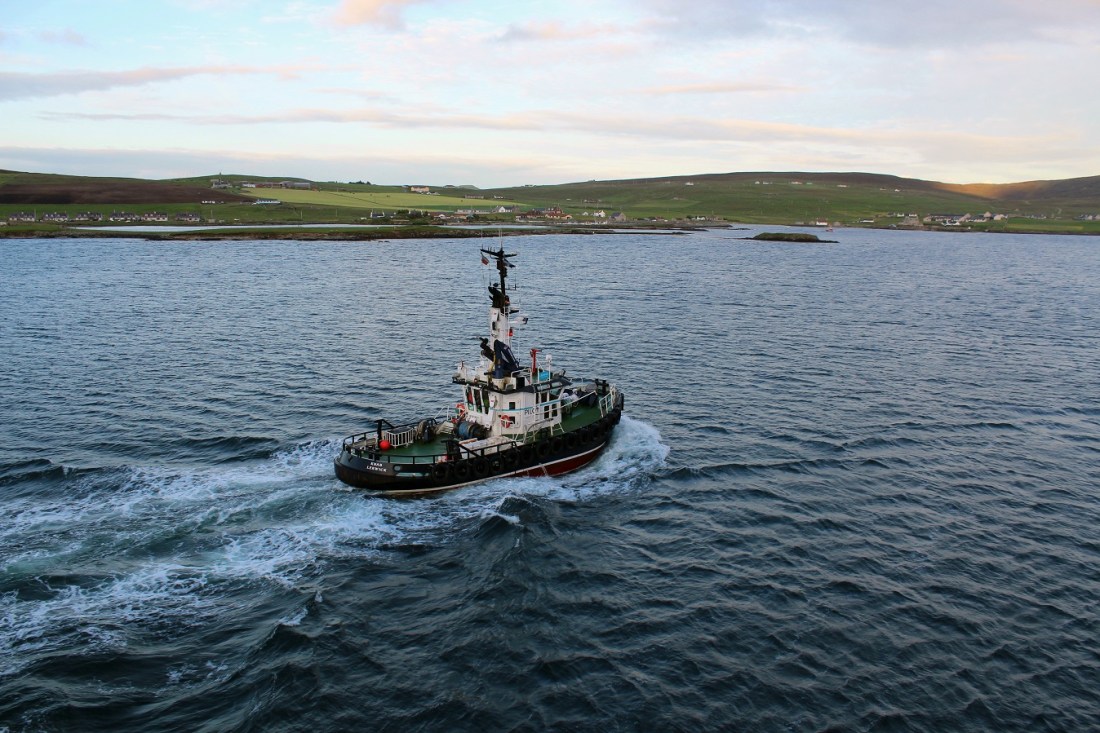
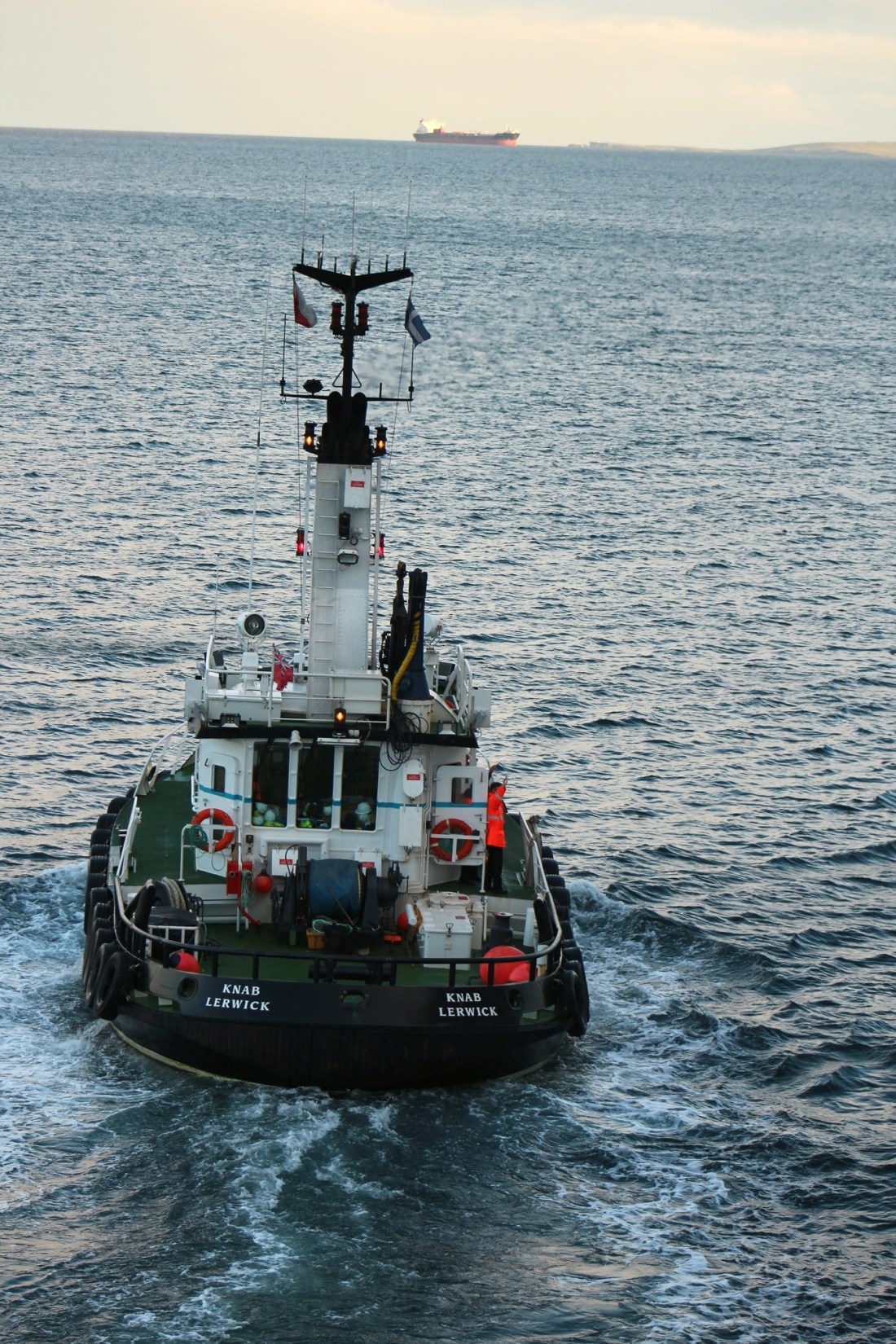
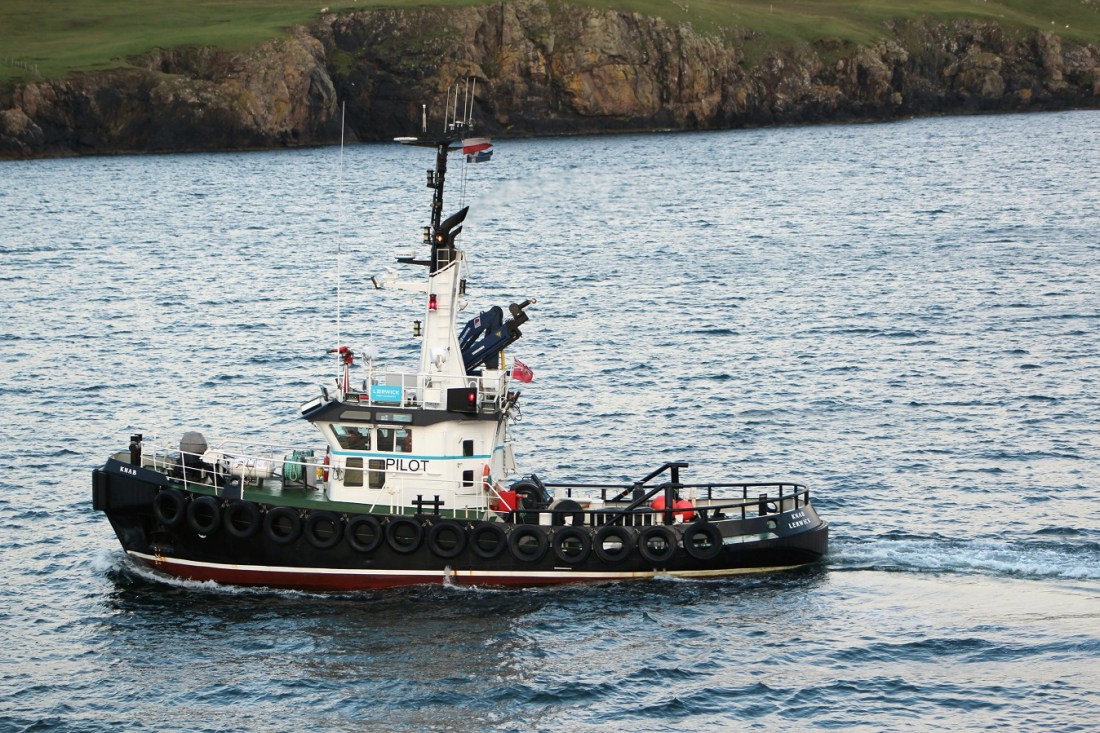
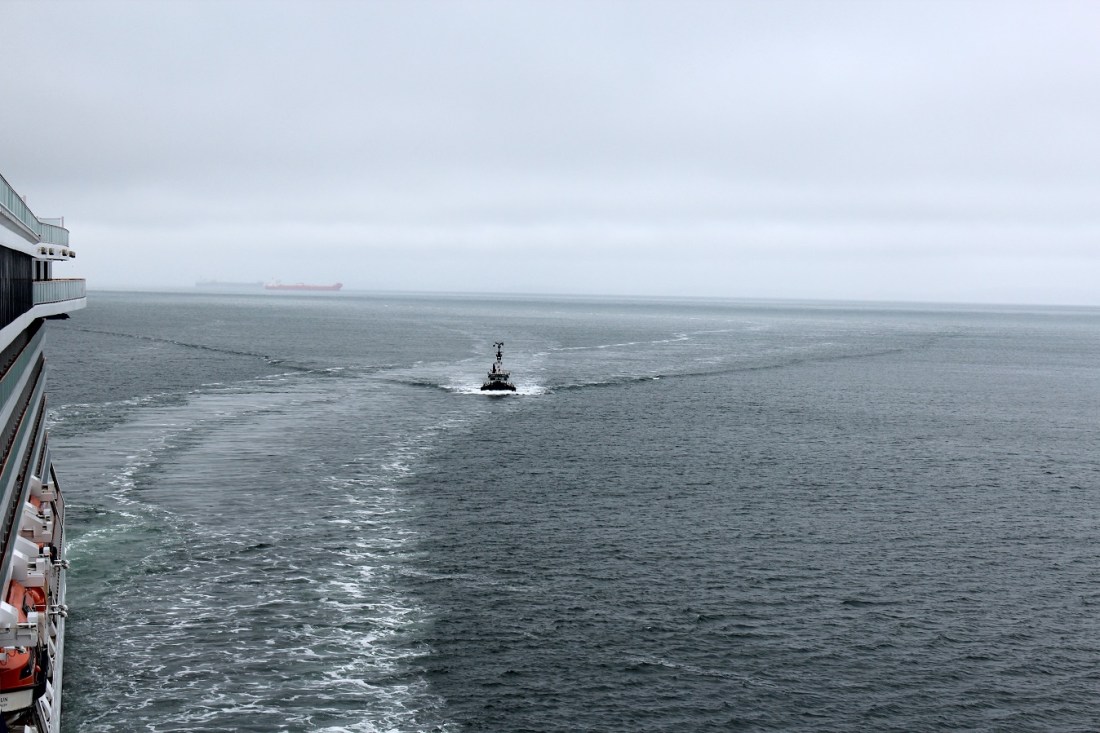
[The same tug that greeted us here in the morning?]

7-1-19-98 - Copy

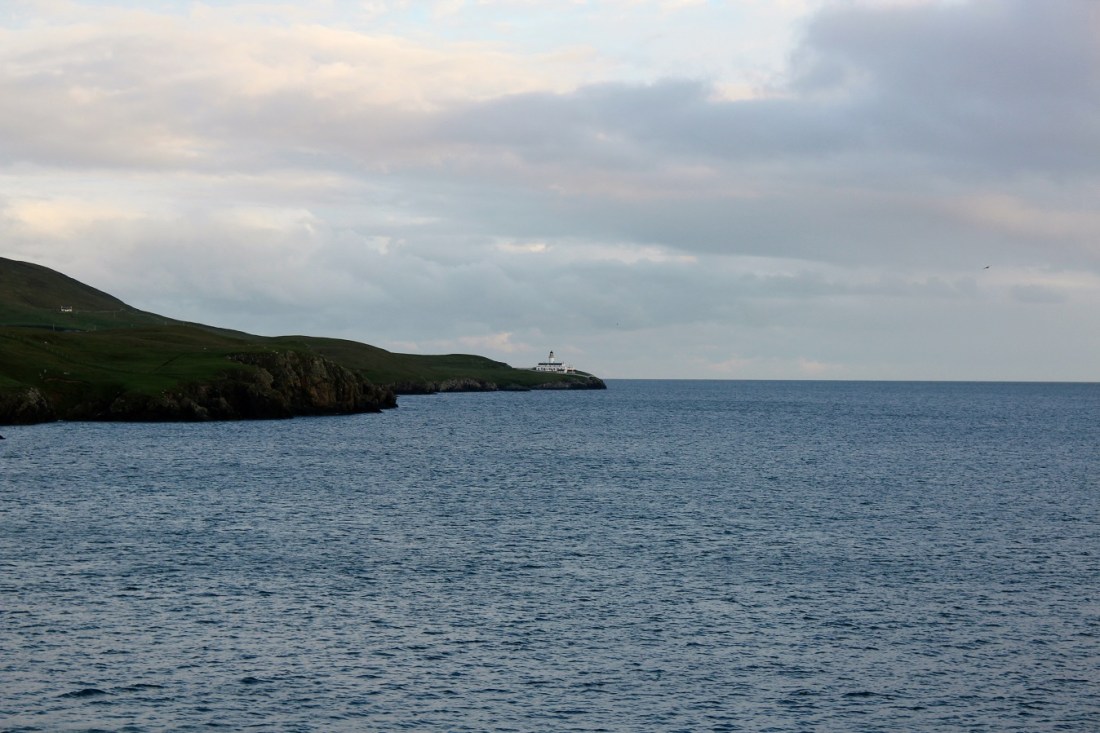
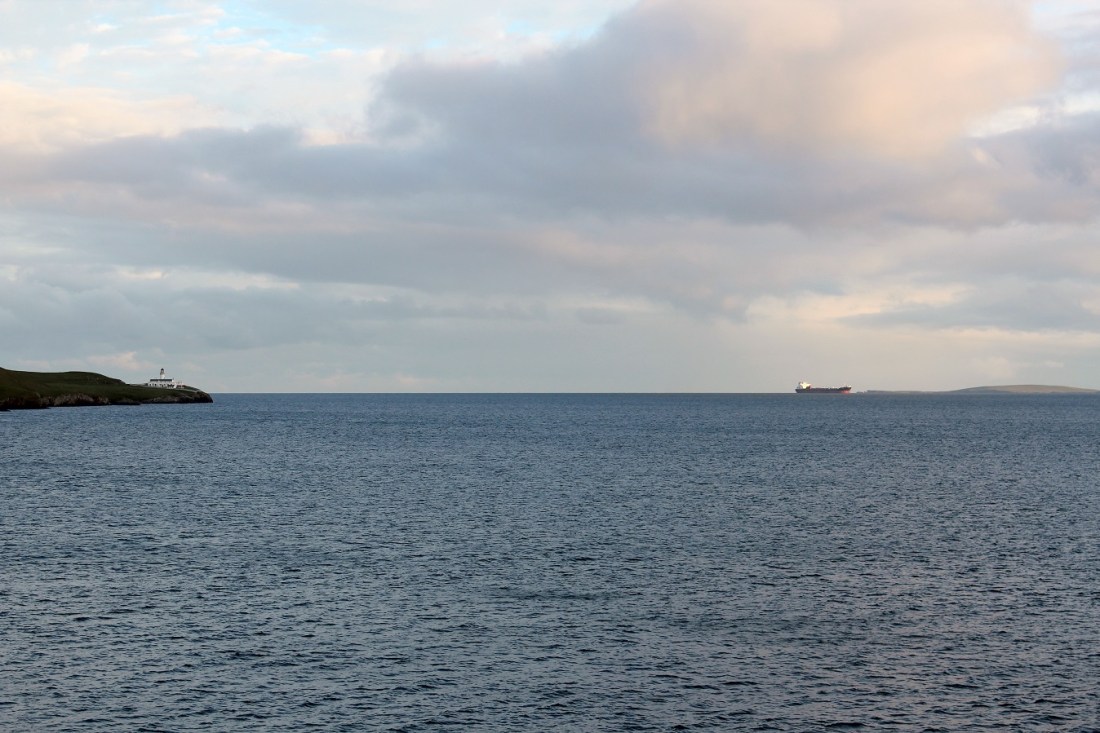
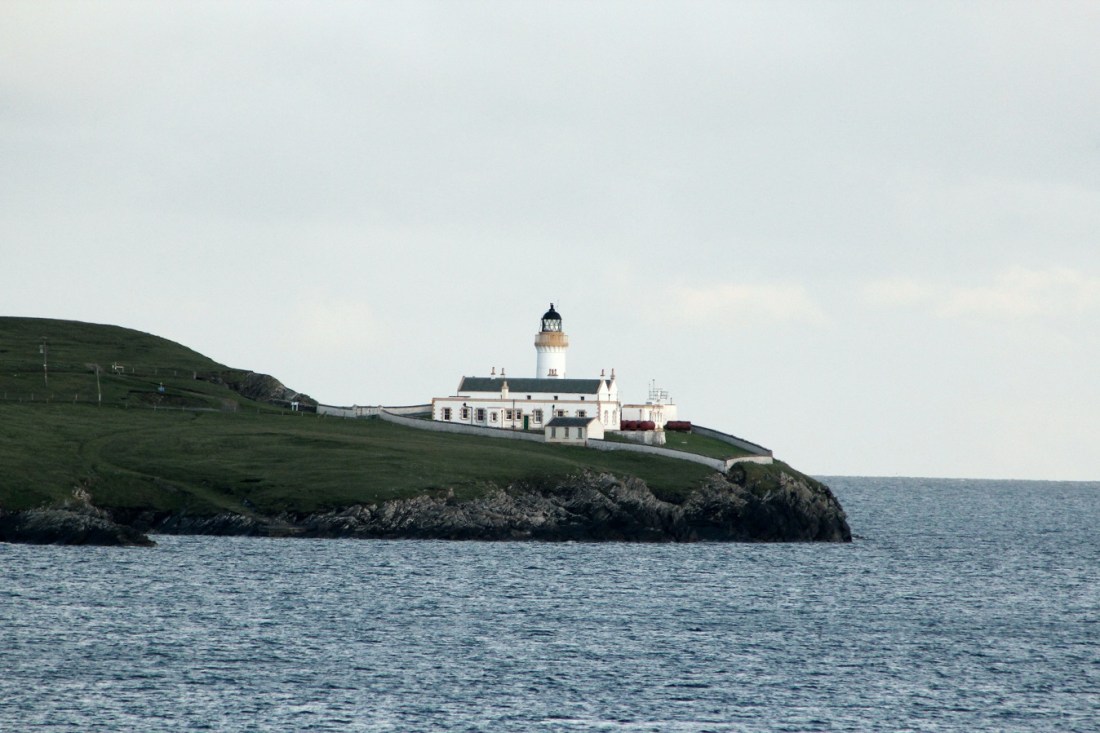
[The Bressay Lighthouse ahead . . . ]

7-1-19-101 - Copy7-1-19-102 - Copy

[The beautiful island of Bressay, just off the east coast of mainland Shetland.  Passing the ‘Bressa Light’ is the start and finishing post for any journey to or from Shetland by sea, and is a welcome landmark for locals and visitors alike.  The nineteenth century lighthouse provides a tranquil and peaceful retreat with open views across the sea.  Perfect for a family holiday, or enjoying a getaway with friends, the opportunity to stay in one of Shetland’s most famous landmarks is not to be missed (https://www.shetlandlighthouse.com/bressay-lighthouse).]

7-1-19-104 - Copy

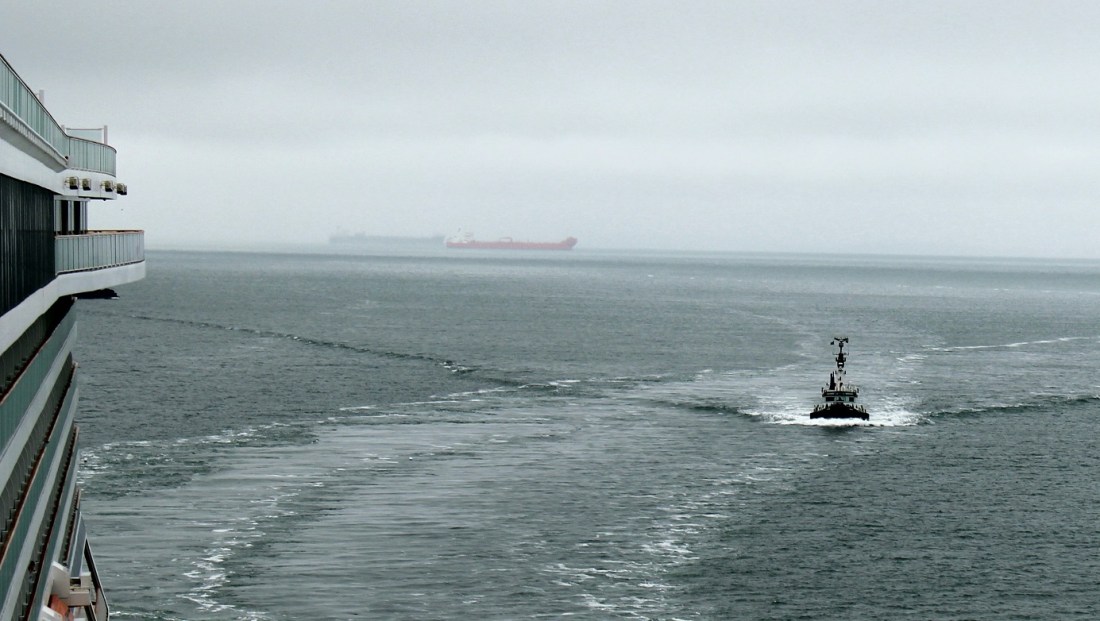
[A tanker and our tug . . . ]

7-1-19-105 - Copy7-1-19-106 - Copy

[Ole, in the foreground, checking out the lighthouse . . . ]

7-1-19-107 - Copy

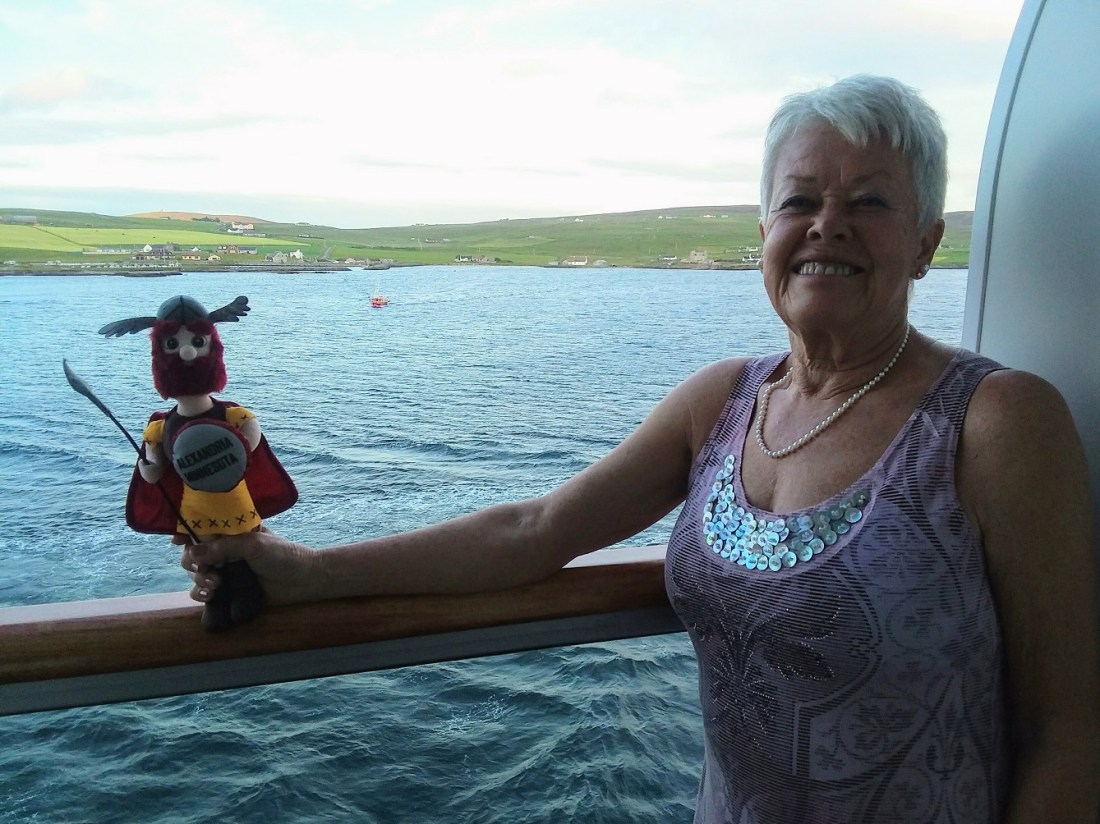
[Back in the room, saying good-bye to Shetland with Ole . . . ]

7-1-19-109 - Copy

20190701-14 - Copy

[Say good-bye to Shetland, Ole!]

20190701-16 - Copy

[A beautiful sail away to Orkney . . . ]

7-1-19-112 - Copy7-1-19-113 - Copy7-1-19-114 - Copy

The Glasgow accent was so strong you could have built a bridge with it and known it would outlast the civilization that spawned it.  ~  Val McDermid

Up Next:  Cardinal football or Orkney . . .

Norway (Day 14, Part 1)

July 1

Lerwick, Shetland Islands, Scotland

july1 - Copy

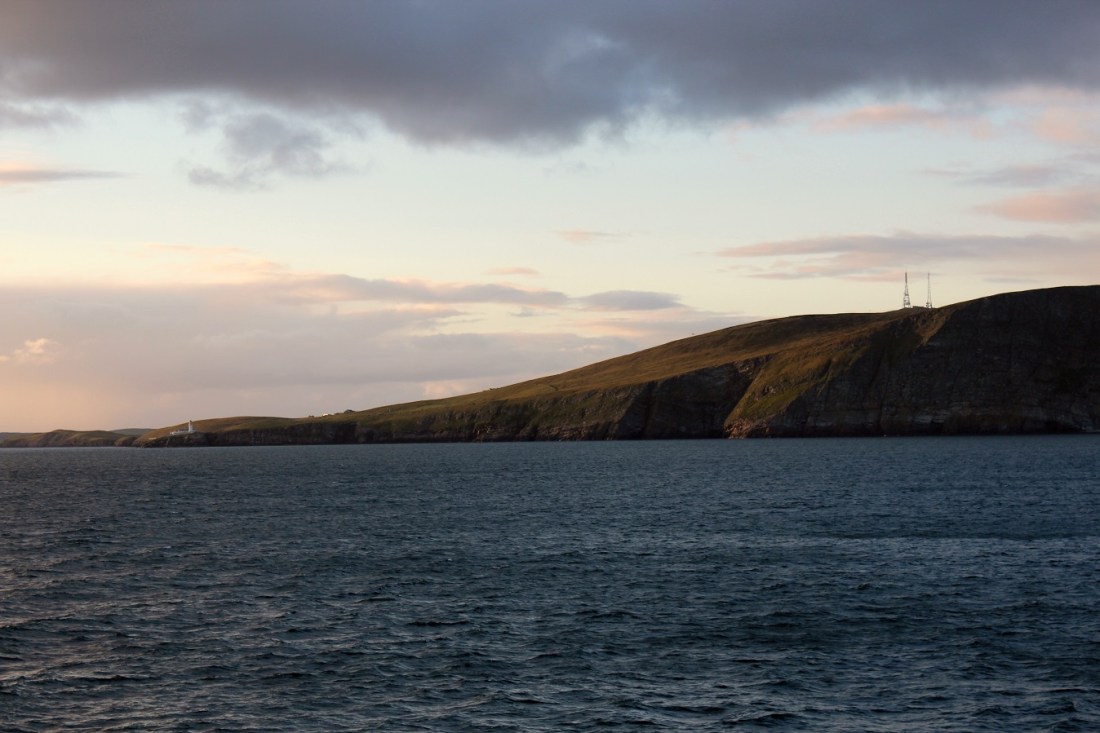
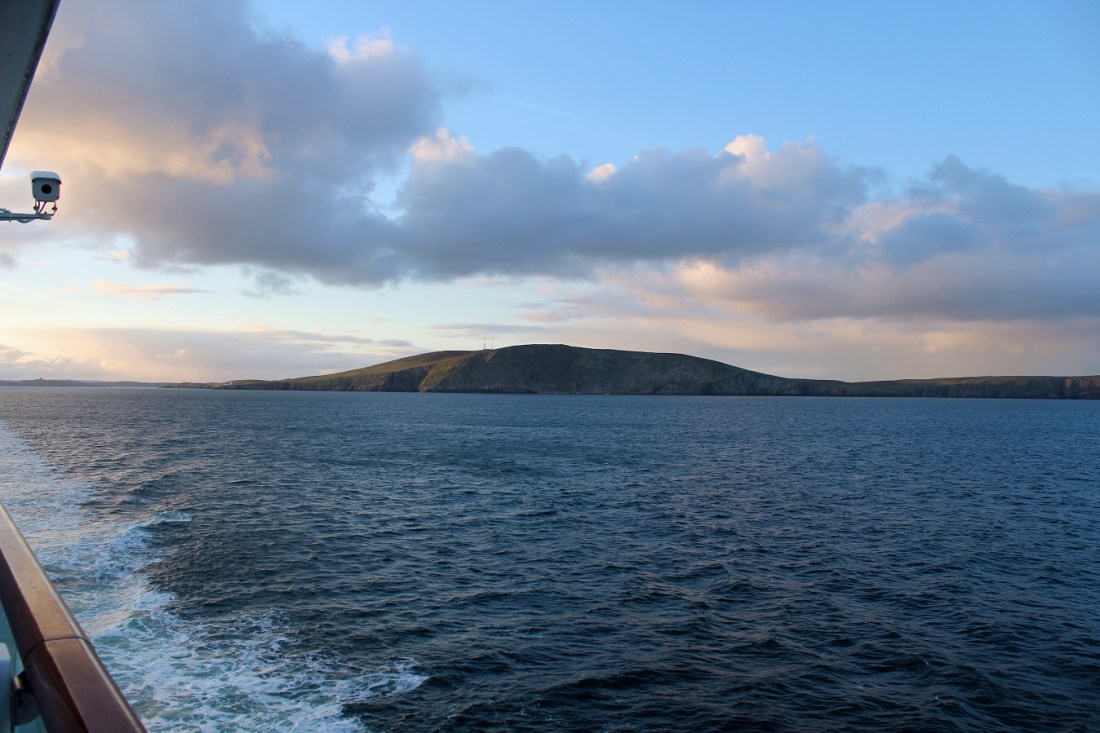
[After two weeks in Norway, it was time to visit the United Kingdom to see if we could straighten out the Brexit mess . . . ]

20190701-1 - Copy20190701-2 - Copy20190701-4 - Copy

[Our first sighting of civilization in the United Kingdom . . . ]

7-1-19-1 - Copy

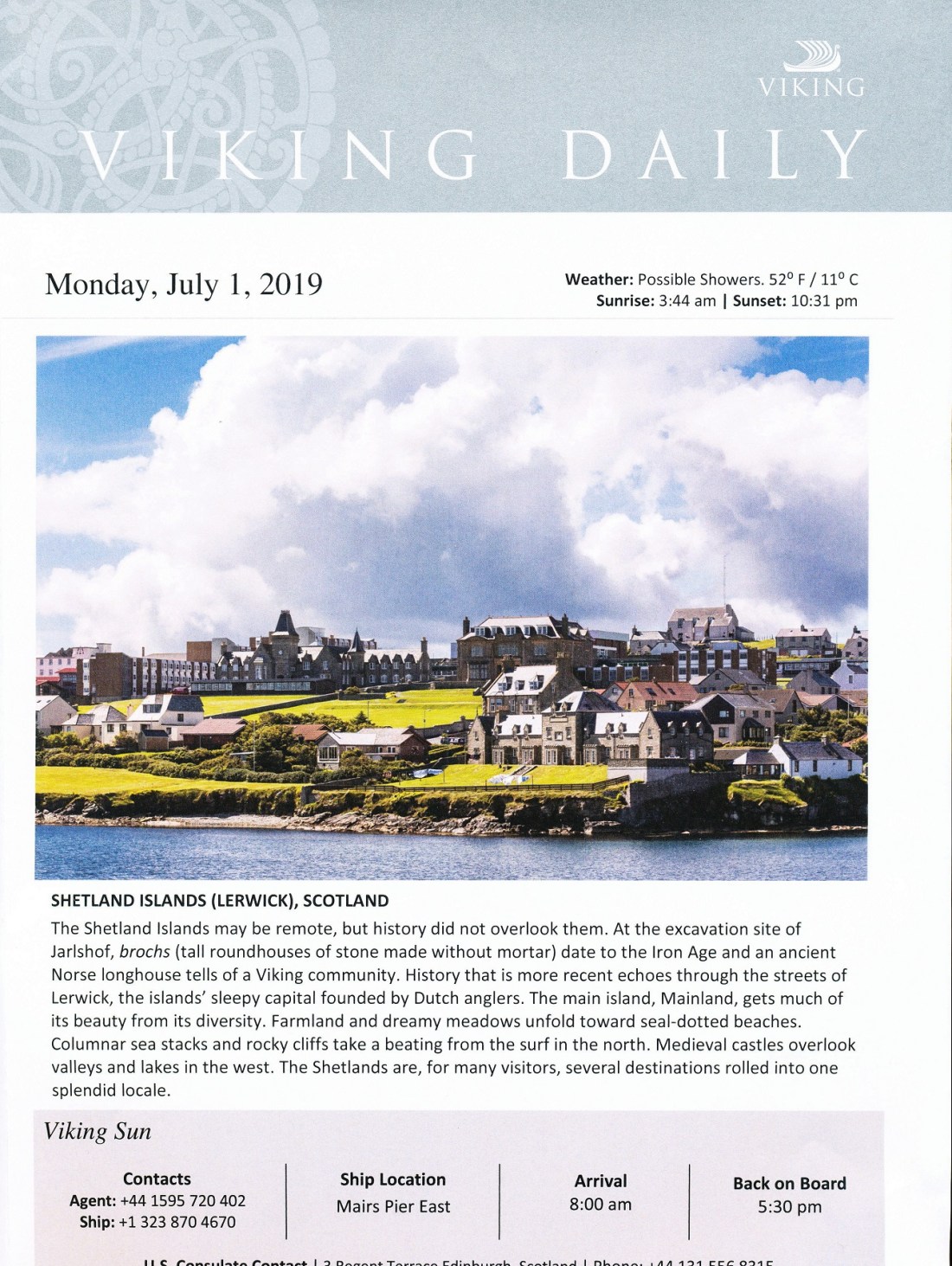
[Shetland, also called the Shetland Islands and formerly Zetland, is a subarctic archipelago in the Northern Isles of Scotland, situated in the Northern Atlantic, between Great Britain, the Faroe Islands, and Norway.  The islands lie some 80 km (50 mi) to the northeast of Orkney, 170 km (110 mi) from the Scottish mainland and 300 km (190 mi) west of Norway.  The total area is 1,466 km2 (566 sq mi), and the population totalled 23,210 in 2011.  The islands comprise the Shetland constituency of the Scottish Parliament.  The local authority, Shetland Islands Council, is one of the 32 council areas of Scotland. The islands’ administrative centre and only burgh is Lerwick, which has been the capital of Shetland since taking over from Scalloway in 1708.  The largest island, known as “Mainland”, has an area of 967 km2 (373 sq mi), making it the third-largestScottish Island and the fifth-largest of the Bristish Isles.  There are an additional 15 inhabited islands.  The archipelago has an oceanic climate, a complex geology, a rugged coastline and many low, rolling hills.  Humans have lived in Shetland since the Mesolithic period. The early hostoric period was dominated by Scandinavian influences, especially from Norway.  The islands became part of Scotland in the 15th century.  Fishing continues to be an important aspect of the economy up to the present day.  The discovery of North Sea oil in the 1970s significantly boosted Shetland’s economy, employment and public sector revenues (Wikipedia).]

7-1-19-2 - Copy

[And the Shetlanders are coming out to greet us . . . ]

7-1-19-3 - Copy7-1-19-3-1 - Copy

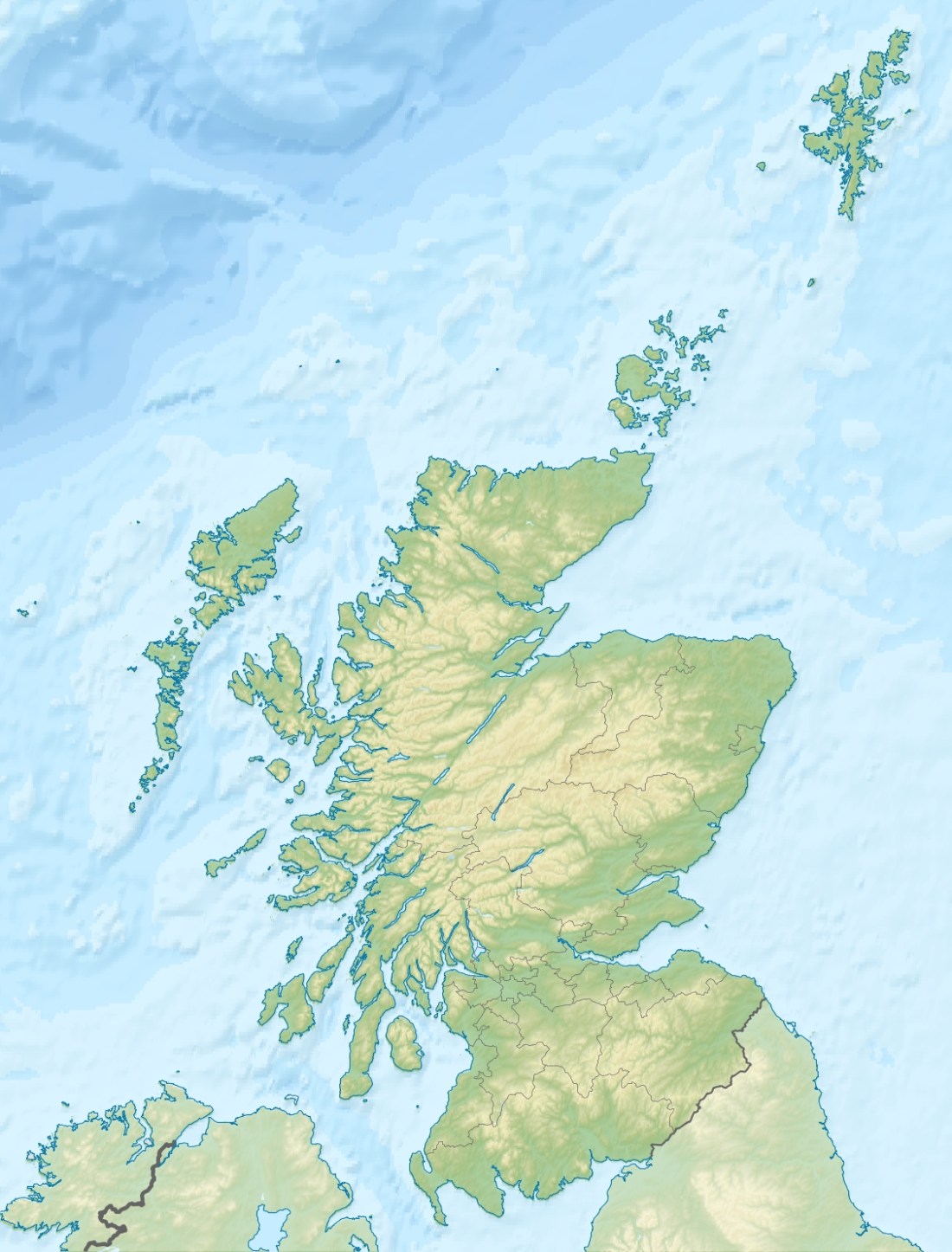
[Those are the Shetlands in the upper right.  The next cluster to the SW before hitting the Scottish mainland are the Orkney Islands, our next stop . . . ]

scotland

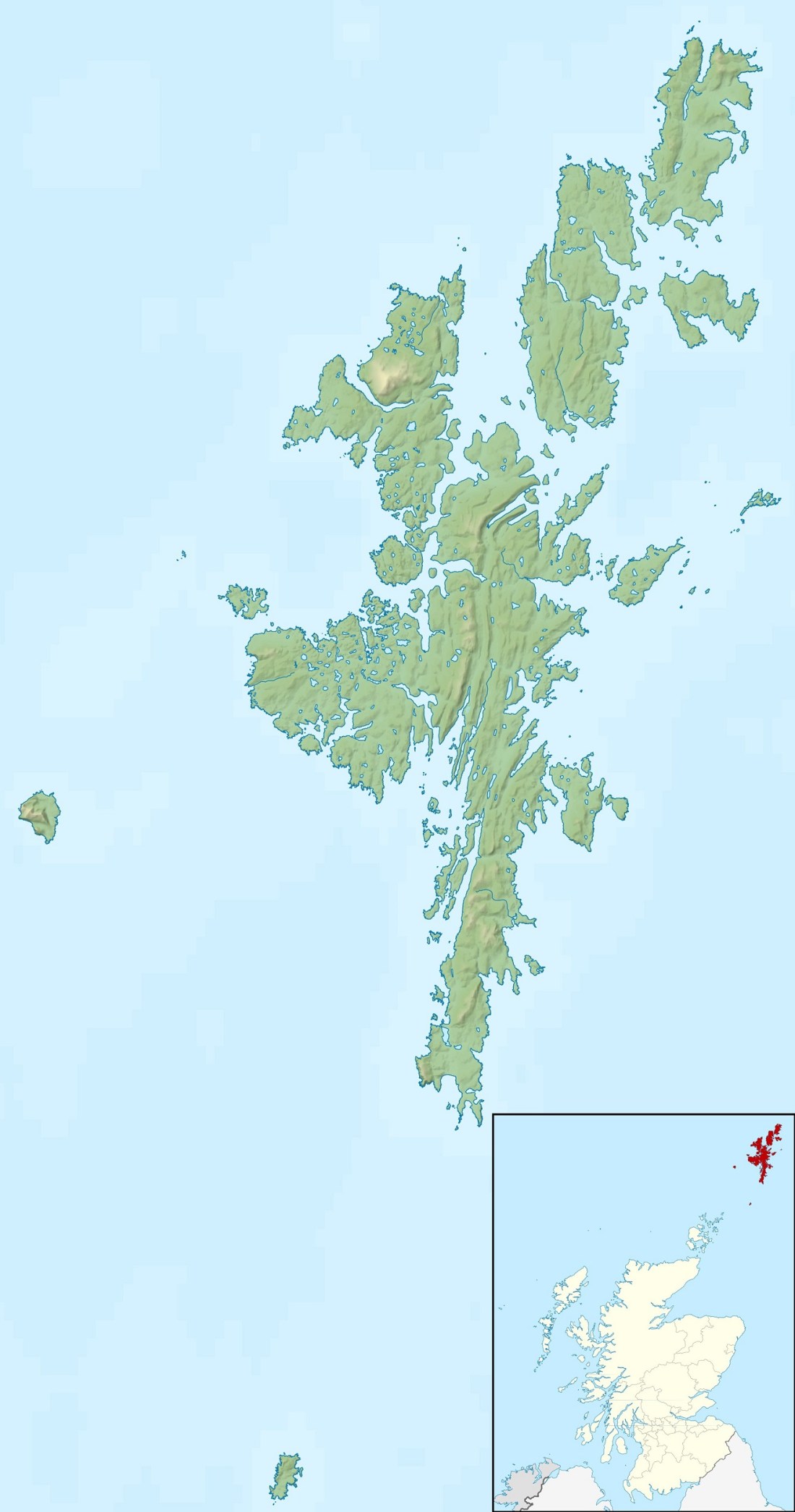
[The Shetlands . . . ]

shetland

[Our destination was Lerwick . . . ]

shetlandislands

[Looks like a fine crop of something golden or yellowish – possible guess would be bere (a six-row barley)?]

7-1-19-4 - Copy

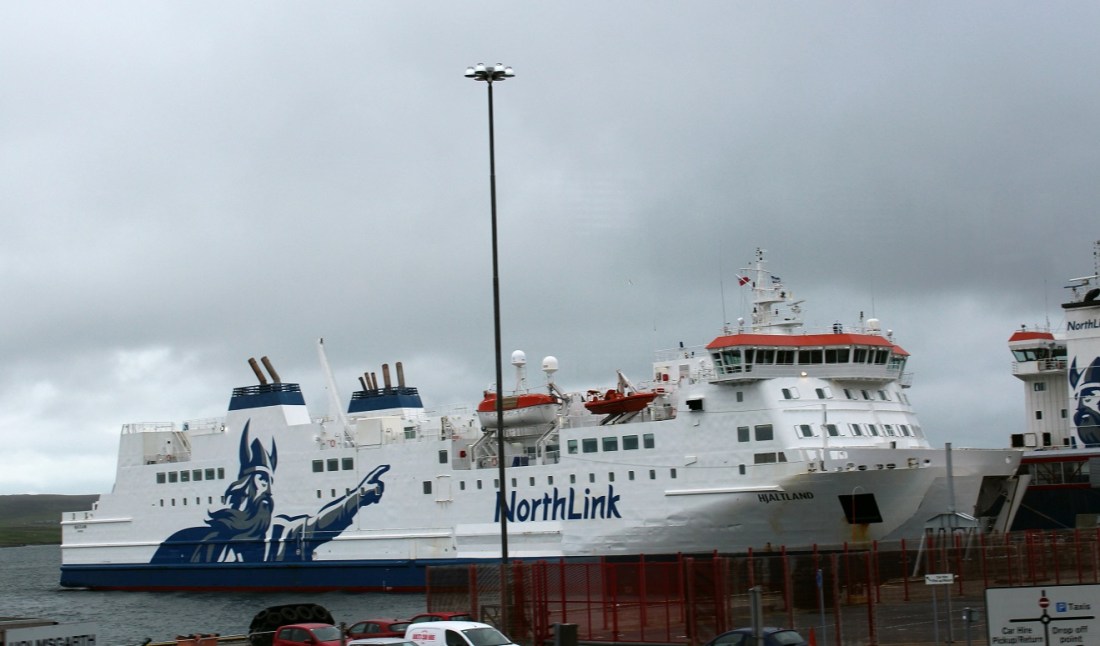
[We’re ashore now.  The ferries between the Shetlands and Orkney . . . ]

7-1-19-5 - Copy

[The Toll Clock Shopping Center (I don’t know how I knew that?) . . . ]

7-1-19-6 - Copy

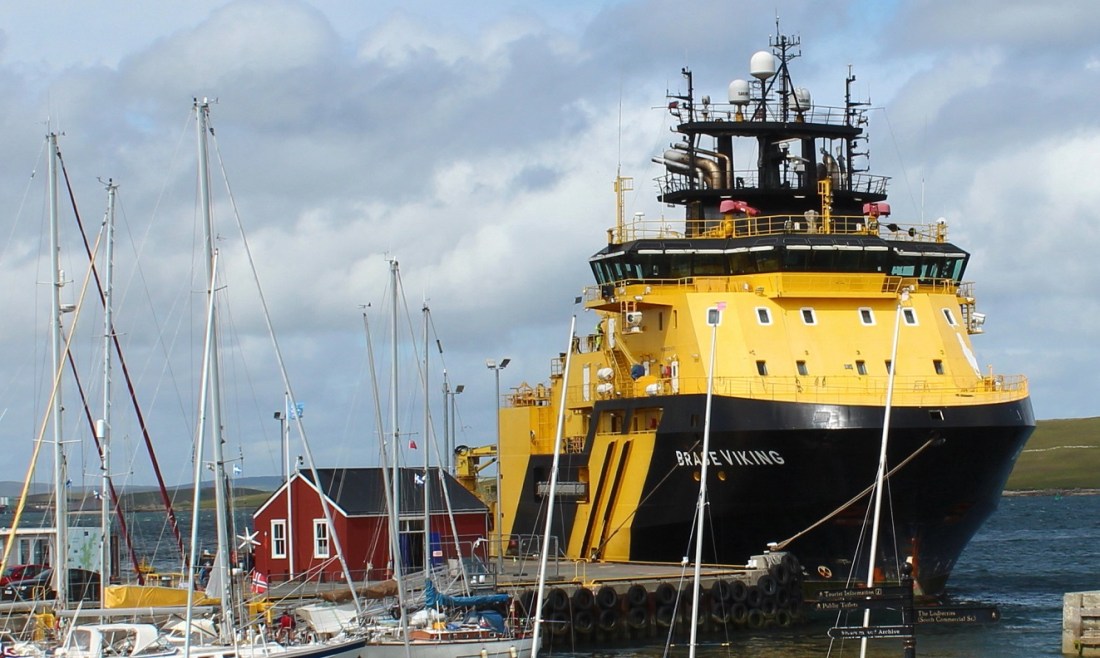
[Brage Viking supply ships are capable of operations in harsh environment offshore regions, as well as Arctic/Sub-Arctic operations . . . ]

7-1-19-7 - Copy

[Lerwick is the main town and port of the Shetland Islands.  Shetland’s only burgh, Lerwick had a population of about 7,000 residents in 2010.  It is both the most northerly and easterly town in Scotland.  One of the UK’s coastal weather stations is situated there.  Evidence of human settlement in the Lerwick area dates back 3,000 years, centred on the Broch of Clickimin, which was constructed in the first century BCE. The first settlement to be known as Lerwick was founded in the 17th century as a herring and white fish seaport to trade with the Dutch fishing fleet.  Significant buildings in Lerwick include Fort Charlotte, Lerwick Town Hall, the Bod of Gremista, Shetland Museum and Archives and Clickimin Broch.  Because of the historic nature of the area, some scenes from BBC’s Shetland were filmed in Lerwick (Wikipedia).]

7-1-19-8 - Copy

[On our bus tour, first sighting of the town hall . . . ]

7-1-19-9 - Copy

[Lerwick Town Hall is located in central Lerwick.  It was completed in 1884 during a period of expansion in Lerwick due to the wealth the herring industry brought.  It is protected as a Category A listed building.  It was situated at the highest point of Lerwick available facing west to the new town with its back to the old town, lanes and harbour (Wikipedia).]

7-1-19-10 - Copy

[Old town . . . ]

7-1-19-11 - Copy

[To the hinterlands (Mainland), traveling straight across to the west coast from Lerwick . . . ]

7-1-19-15 - Copy

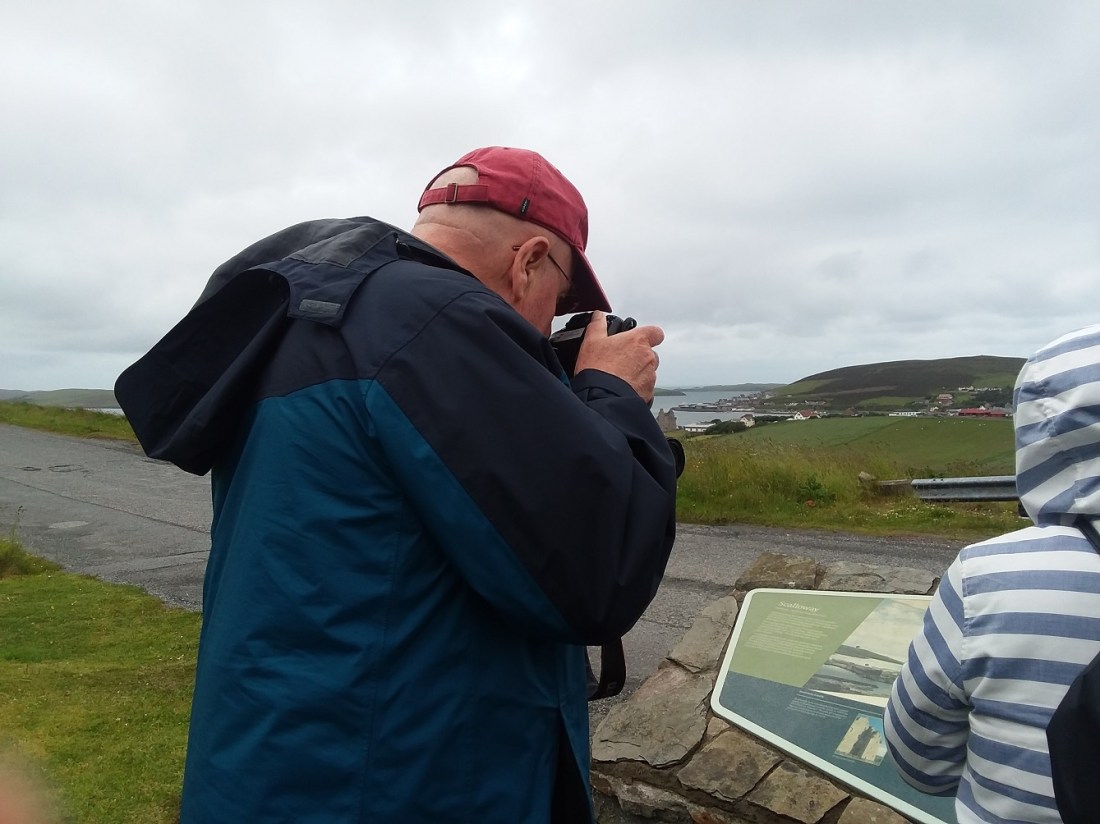
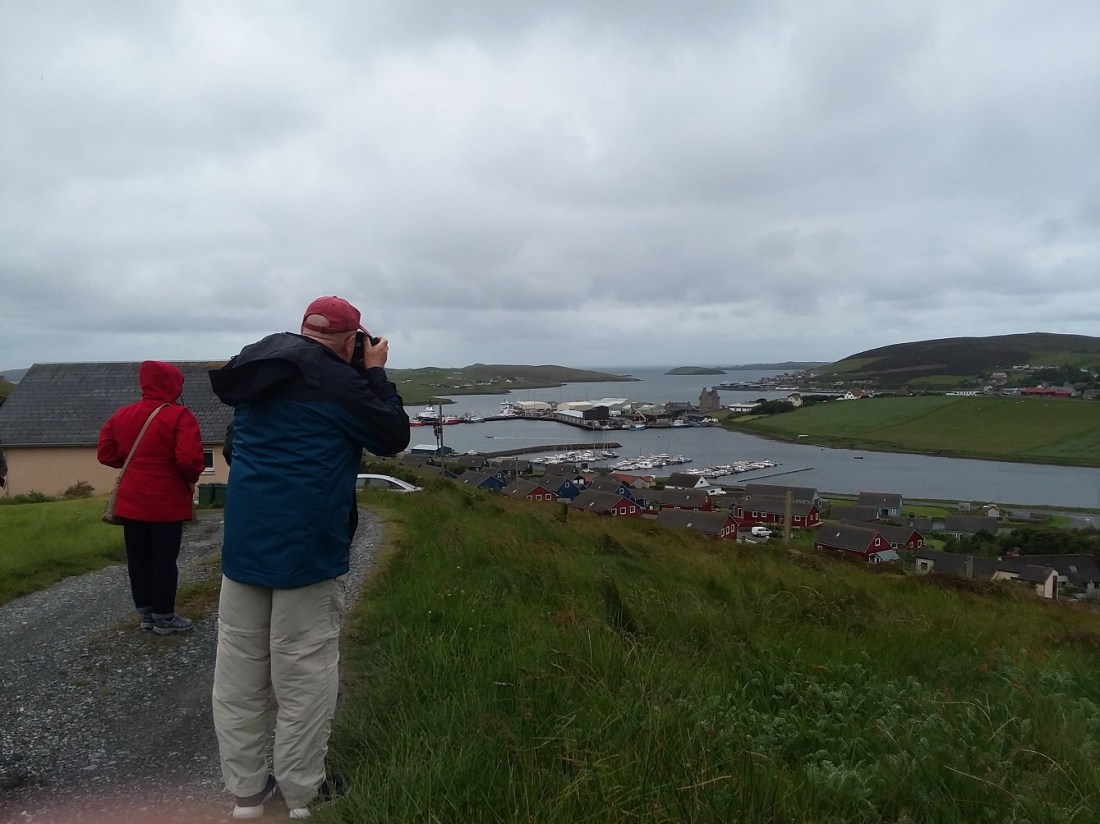
[To the scenic overlook of Scalloway and Scalloway Castle . . . ]

7-1-19-16 - Copy7-1-19-17 - Copy7-1-19-18 - Copy

[Our tour guide (the redhead) will be featured more in Part 2 . . . ]

7-1-19-19 - Copy

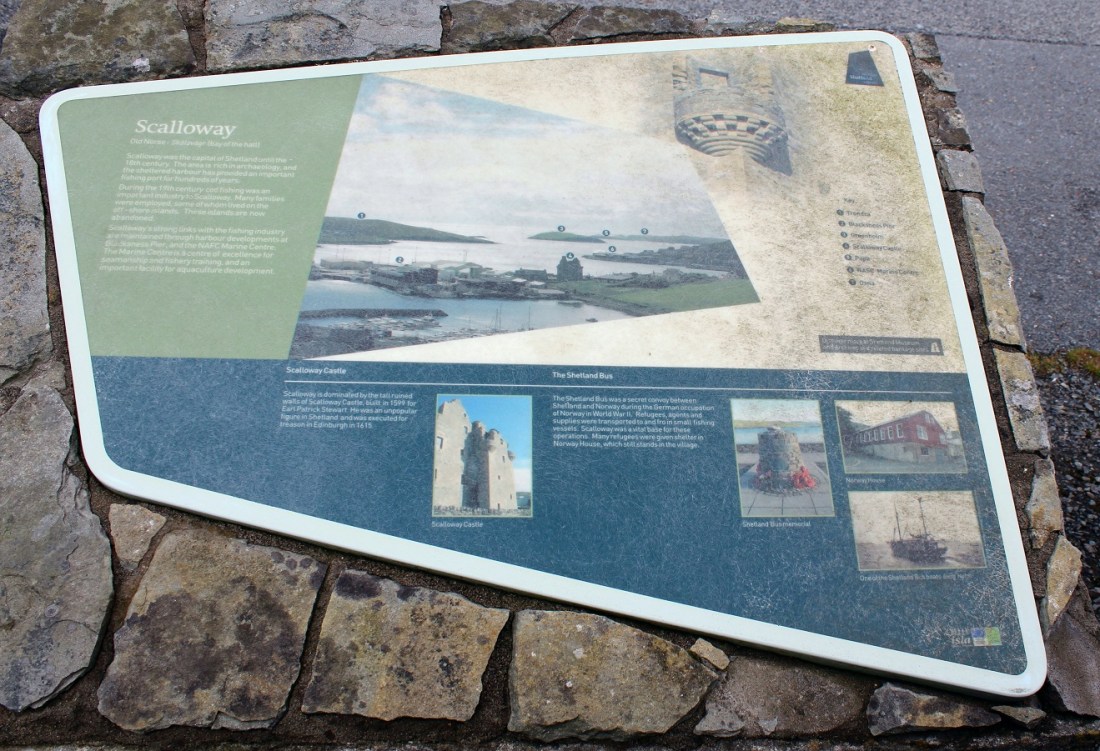
[Everything you ever wanted to know about Scalloway . . . ]

7-1-19-20 - Copy

[The Super captures a master craftsman at work . . . ]

20190701-1 - Copy20190701-2 - Copy20190701-3 - Copy20190701-5 - Copy20190701-6 - Copy

[My parting shot here . . . ]

7-1-19-21 - Copy

[A rather balmy 53 degrees . . . ]

7-1-19-22 - Copy

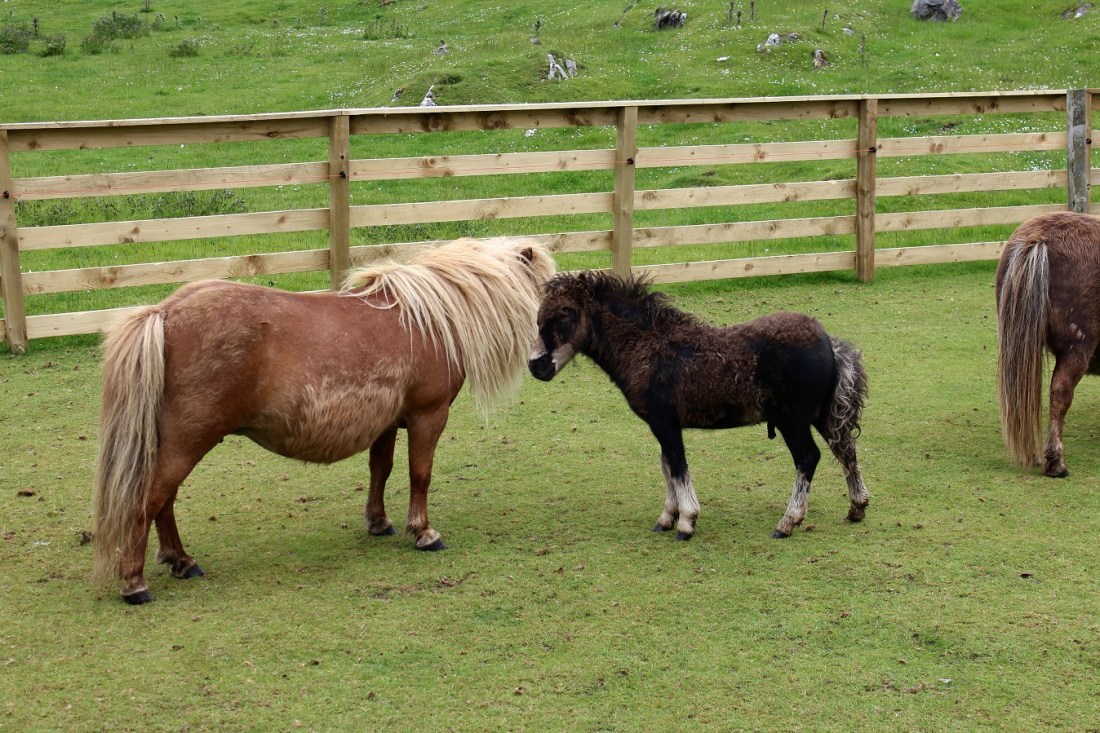
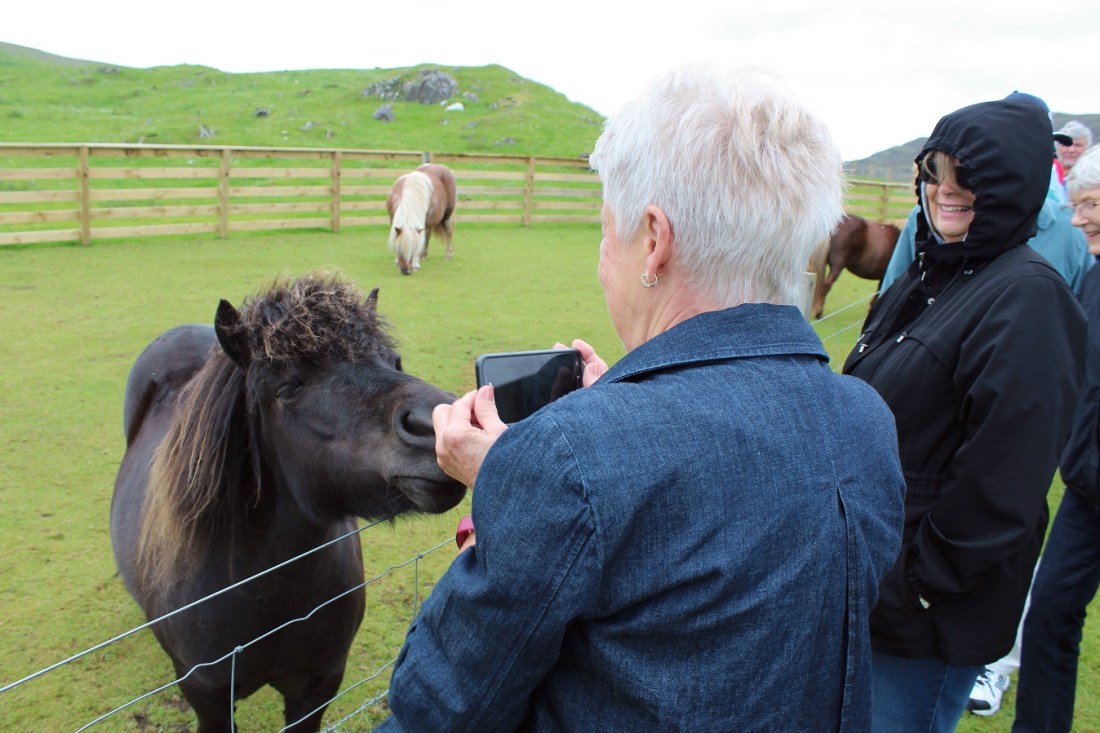
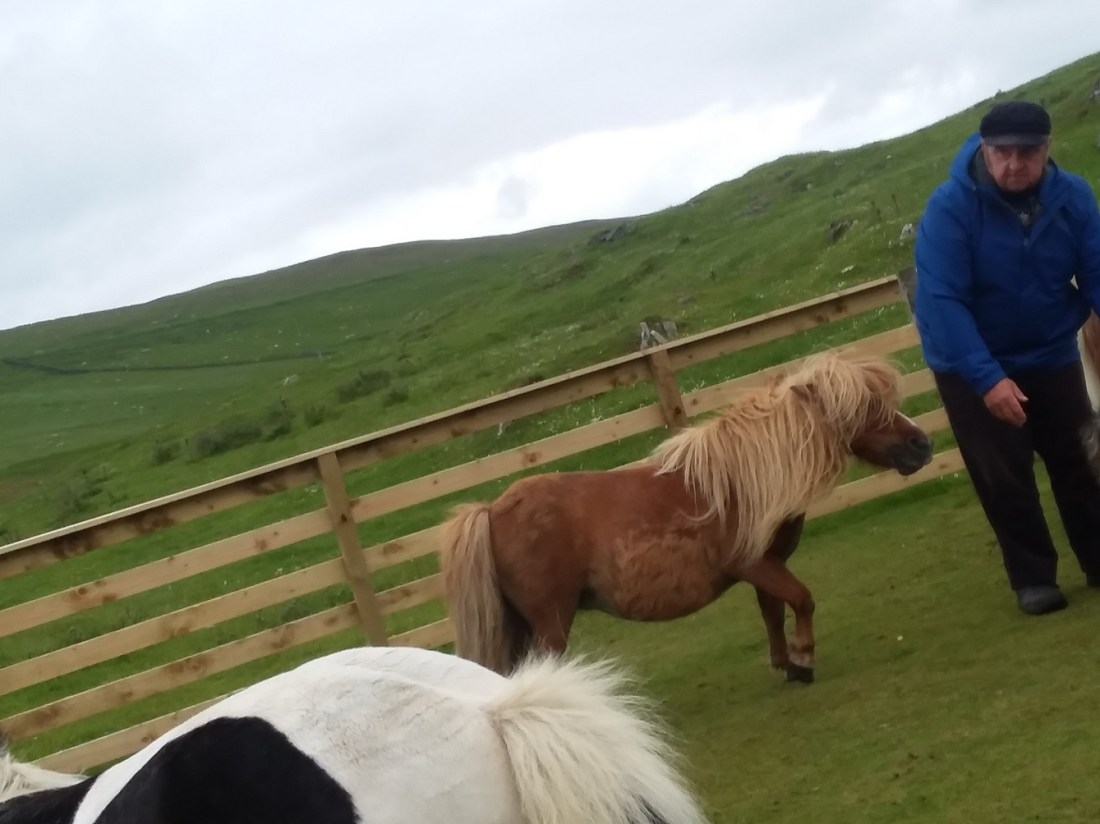
[Horsies!!]

7-1-19-23 - Copy

[But the wind and moisture gave the 53 degrees a bit of a chill . . . ]

7-1-19-24 - Copy

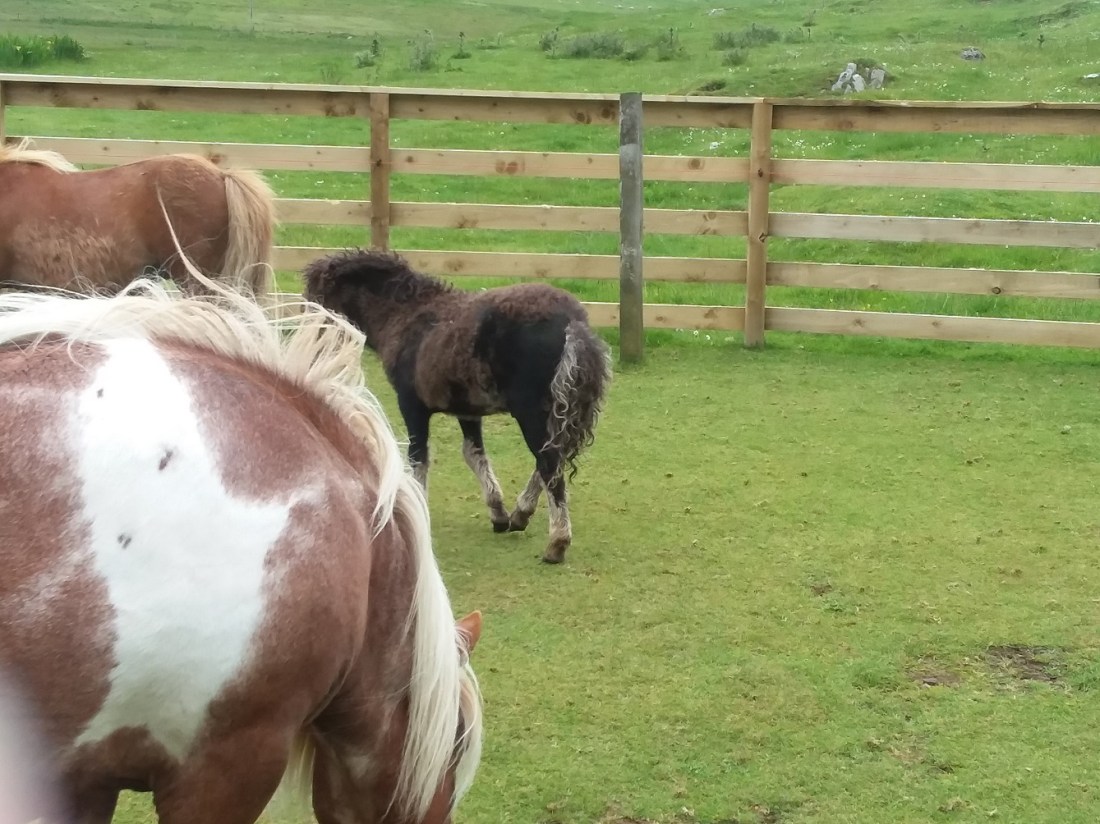
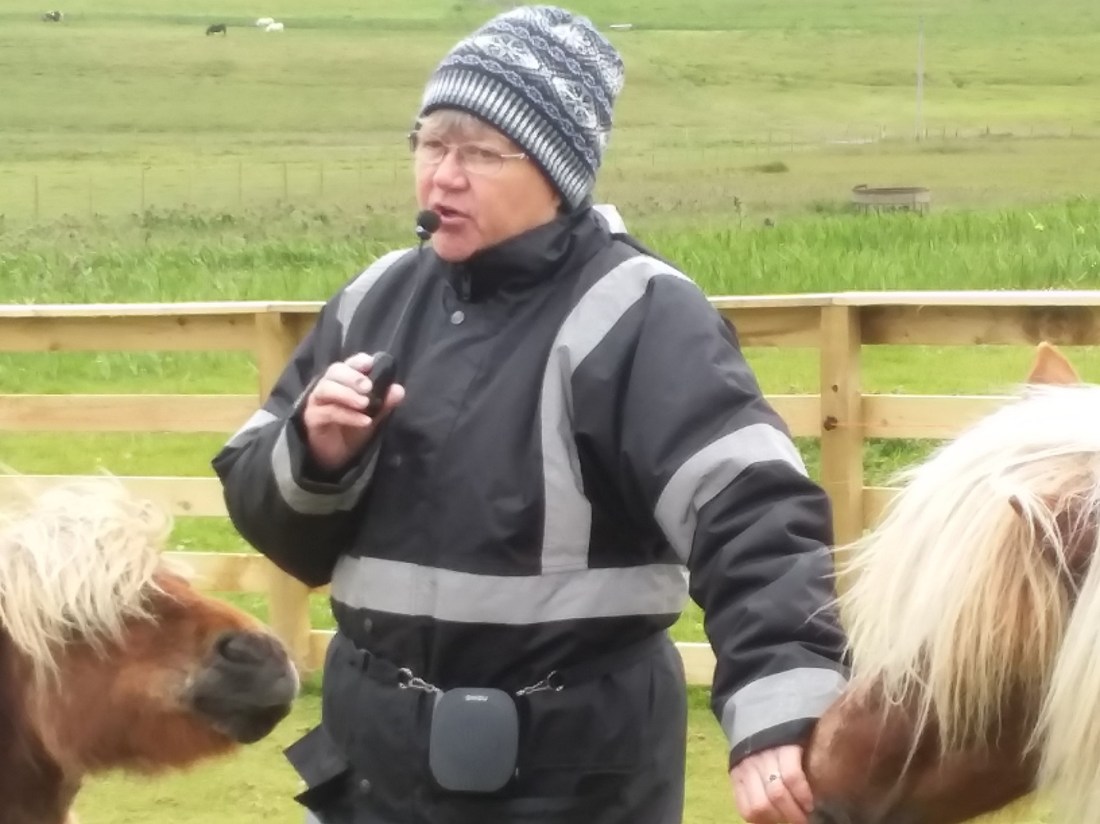
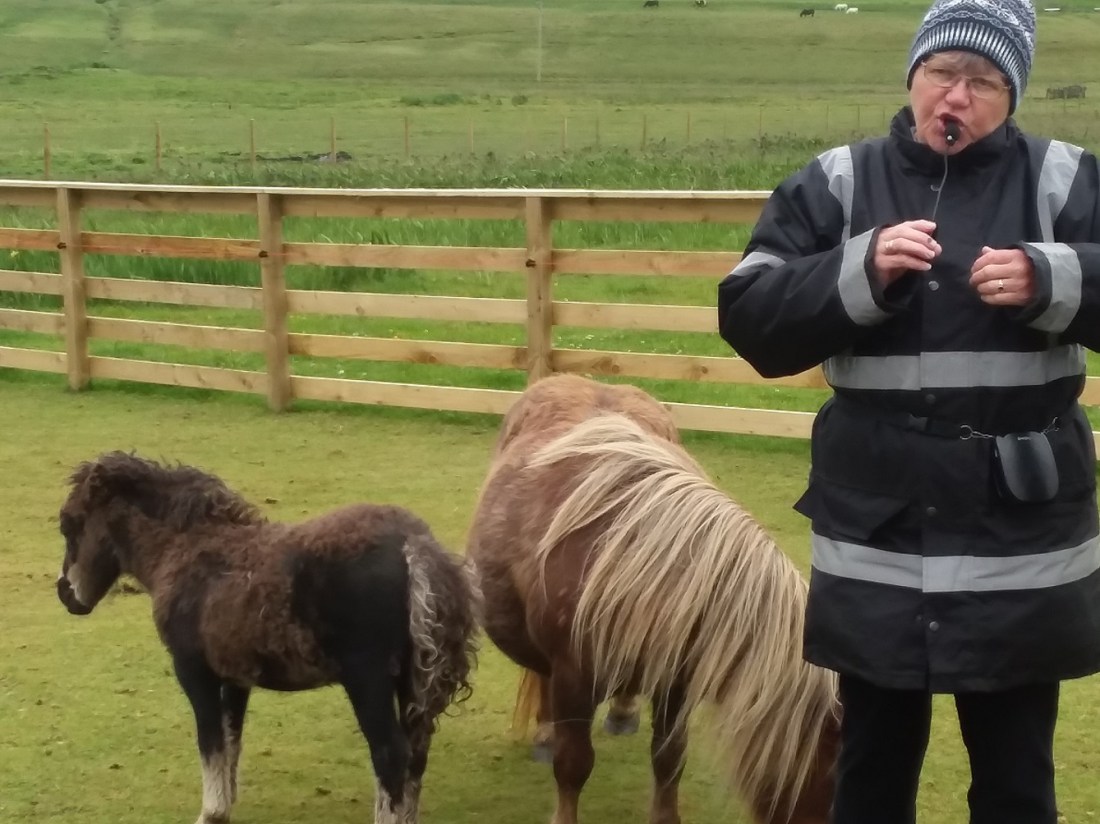
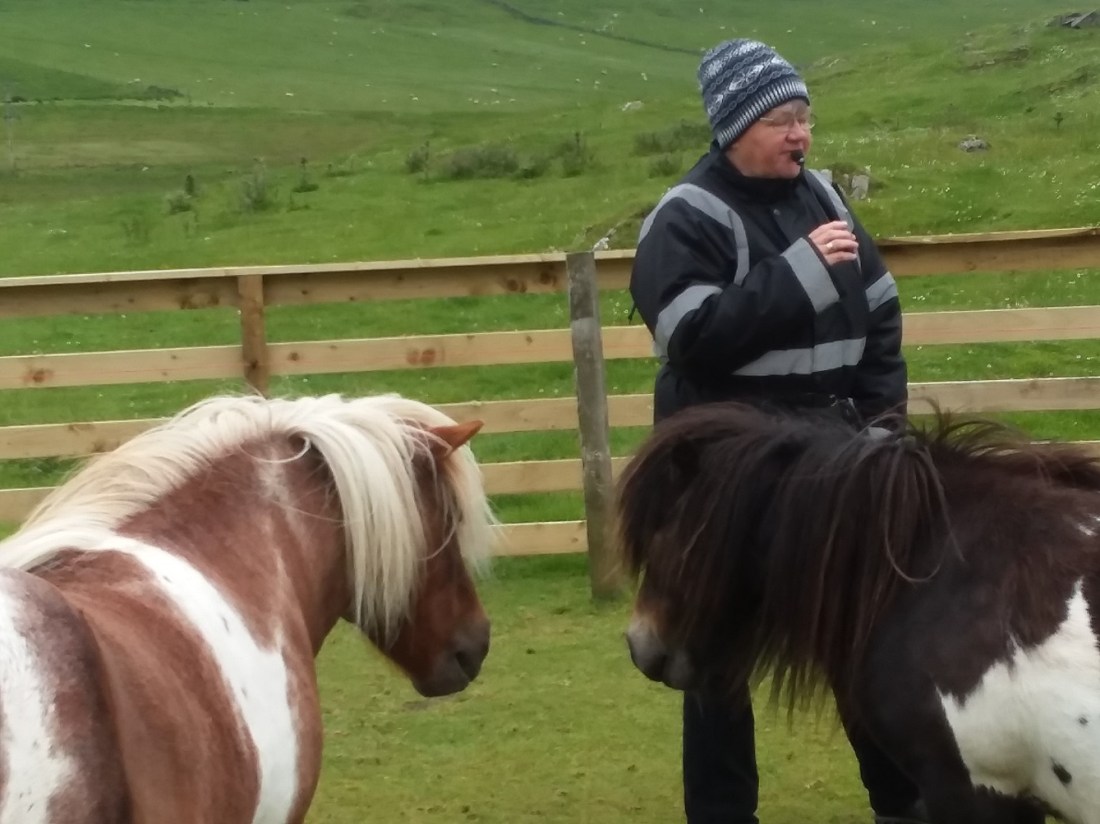
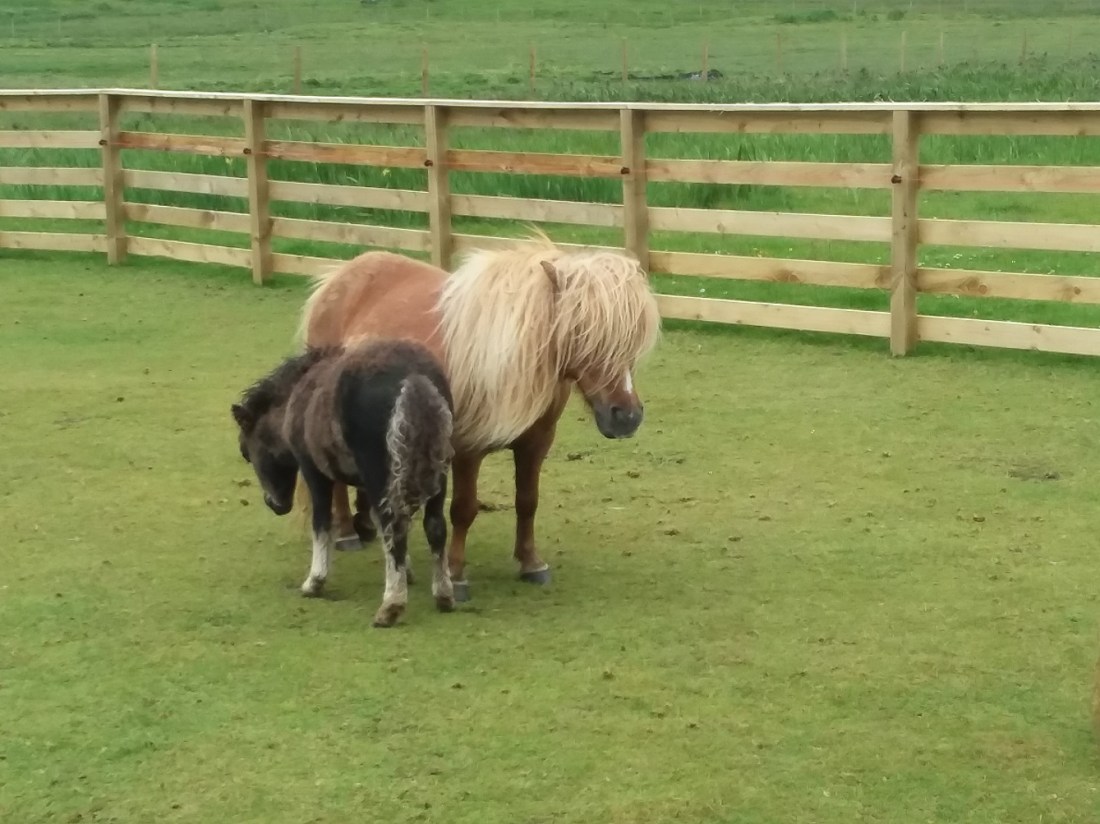
[“Shetland ponies date back to the Bronze Age,” said Carol Fuller, owner of Carol’s Ponies.  “At one time, there were more than 10,000 Shetland ponies here. Then there were 5,000. Now there are only about 1,000 in Shetland.”  Carol has 20 mares, six stallions and two geldings, including an adorable nine-week-old baby who didn’t stray far from his mother. A Shetland pony gestation period is 11 months (https://allthingscruise.com/viking-sky-cruise-12-shetland-ponies-are-small-but-strong-and-sturdy/).]

7-1-19-25 - Copy7-1-19-26 - Copy

[Pound-for-pound, the strongest of the horse family.  These little tanks can pull twice their body weight . . . ]

7-1-19-27 - Copy7-1-19-28 - Copy7-1-19-29 - Copy

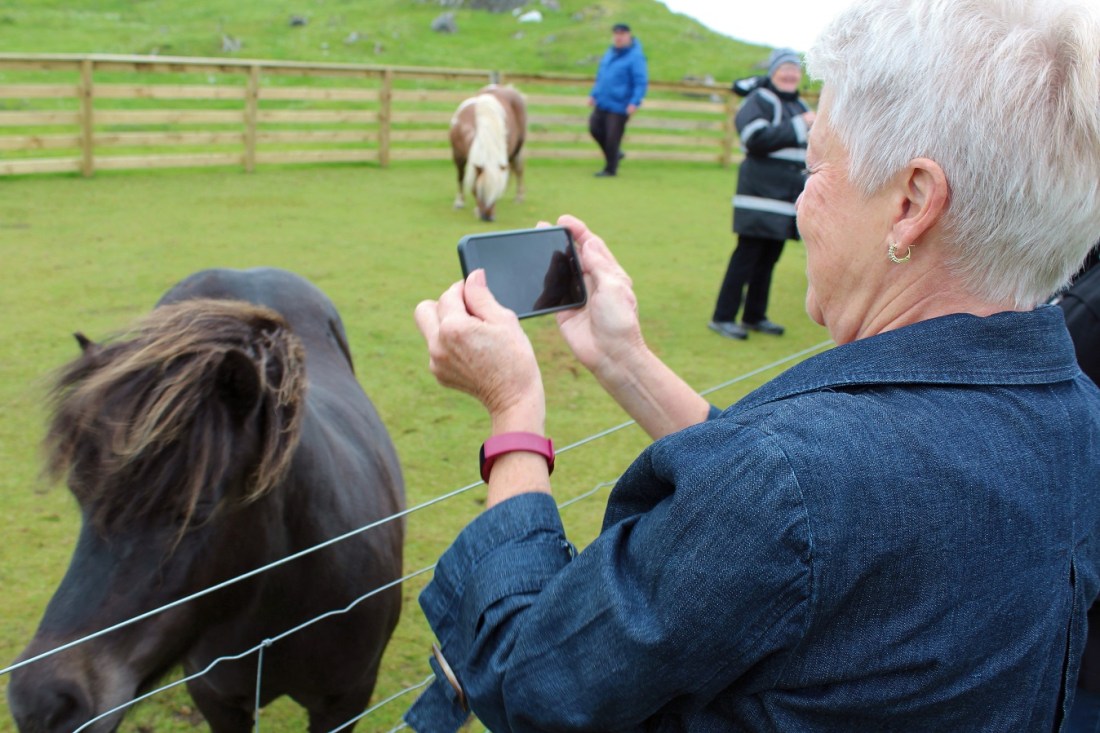
[A nostril shot?]

7-1-19-30 - Copy

[No, horsie, it’s not an edible . . . ]

7-1-19-31 - Copy7-1-19-32 - Copy

[The Super is a girl.  Girls like horsies.  Shetland ponies are litte horsies.  Ergo, the Super likes Shetland ponies.  The following are all her up close and personal pony shots . . . ]

20190701-9 - Copy20190701-10 - Copy20190701-12 - Copy20190701-14 - Copy20190701-18 - Copy20190701-19 - Copy20190701-21 - Copy20190701-23 - Copy20190701-24 - Copy20190701-26 - Copy

[Heading back to town . . . ]

7-1-19-34 - Copy

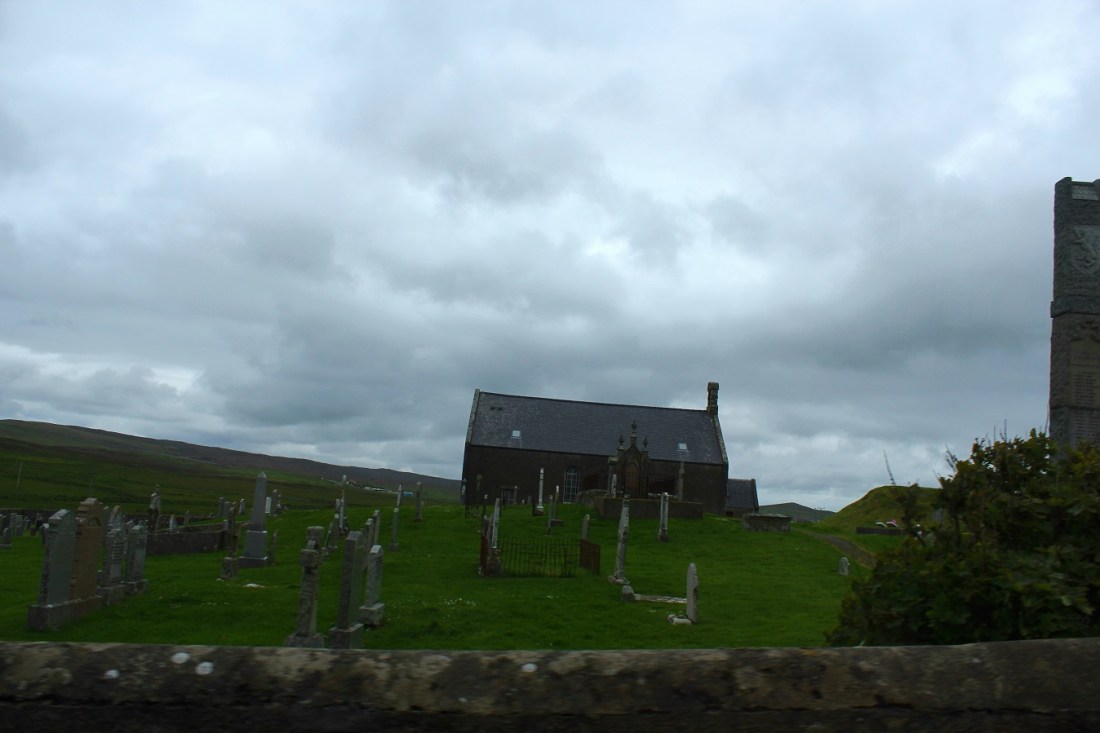
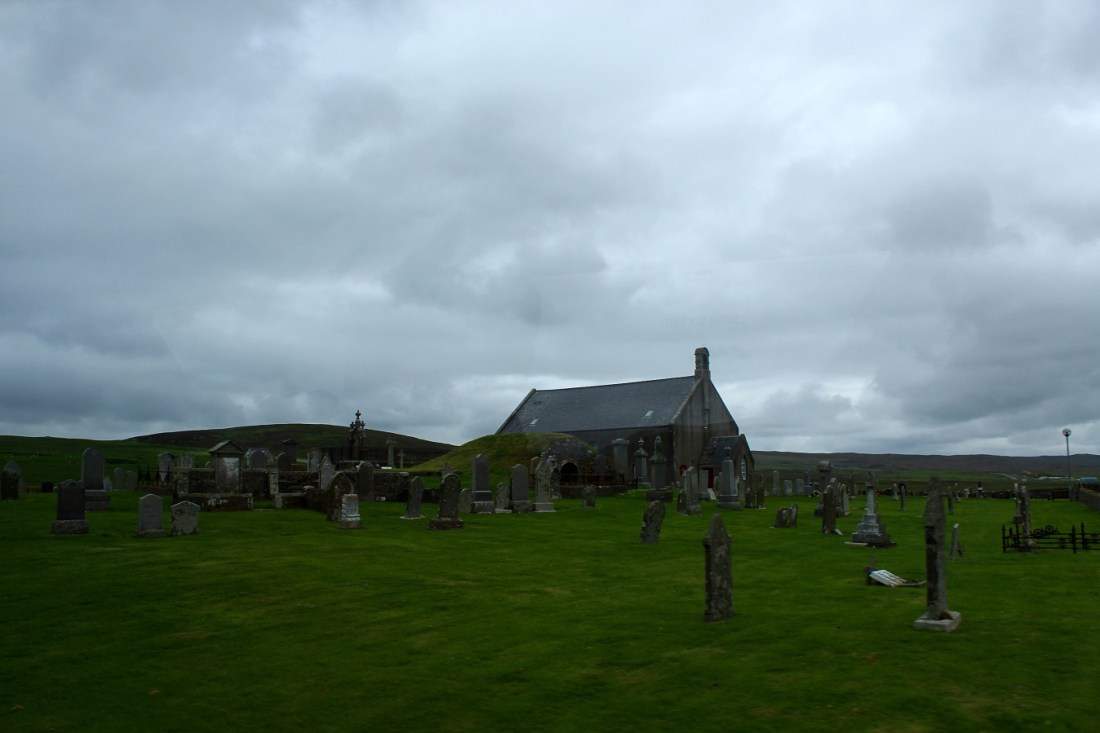
[Tingwall Kirk cemetery . . . ]

7-1-19-35 - Copy

[Your basic Shetland landscape . . . ]

7-1-19-36 - Copy

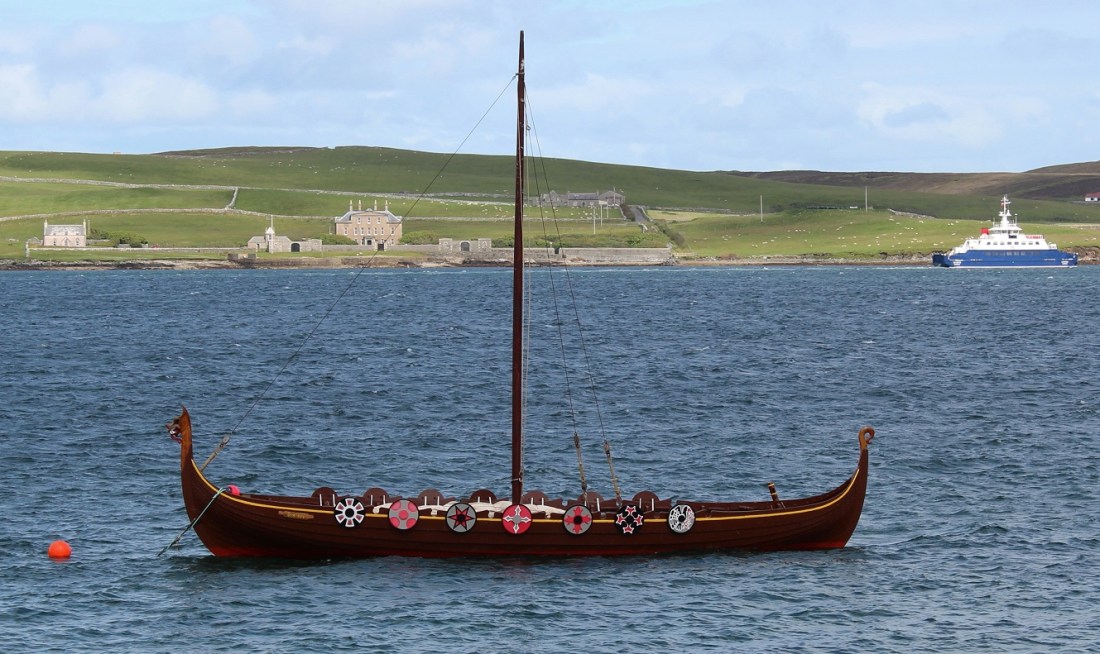
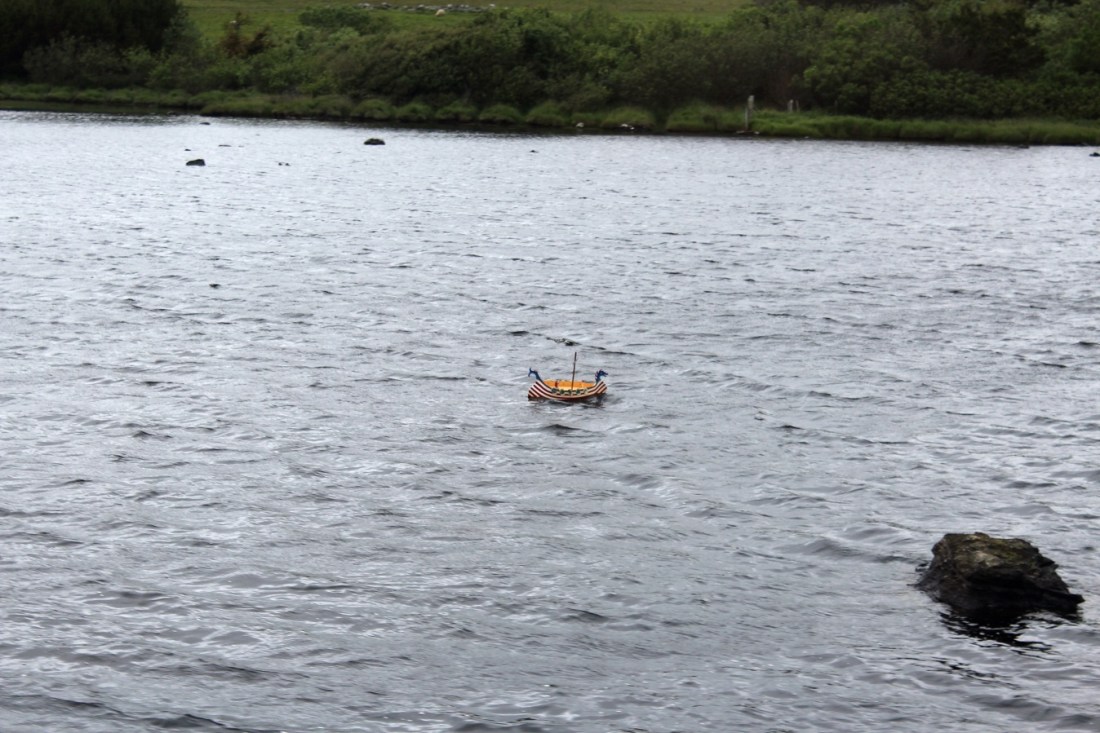
[The Vikings are coming?]

7-1-19-37 - Copy

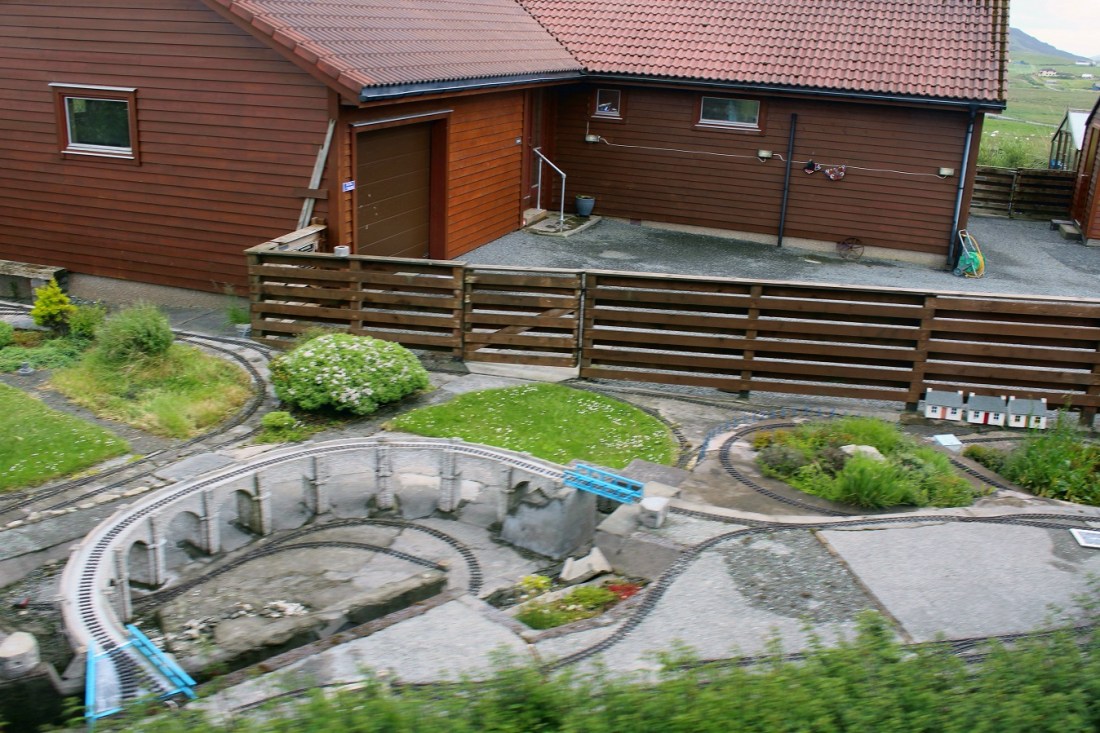
[Model train yard . . . ]

7-1-19-38 - Copy7-1-19-39 - Copy

[The ubiquitous treeless Shetland landscape, a result of clearing wood for fuel and sheep grazing.  We’ll continue in Lerwick in Part 2 . . . ]

7-1-19-40 - Copy

I have a difficult time doing an Irish accent; even now, it kind of fades slowly into Scottish.  ~  Robin Williams

Up Next:  Part 2?

“The Biddies,” a Week in the Life of . . .

Rita (“Reetz”) Simon was born on New Year’s Eve in Terre Haute, Indiana; her sister Ruthie (“The Supervisor”) was born on New Year’s Day two years and one day later.  Together they are internationally renowned as “The Biddies.”  Reetz lives in Nashville, Indiana, and has visited us here in Vacationland USA several times over the years.  But it had been some time since her last visit (I could look it up but that requires research) and her first since we moved into our “new” home 16 months ago . . . 

October 13, Sunday

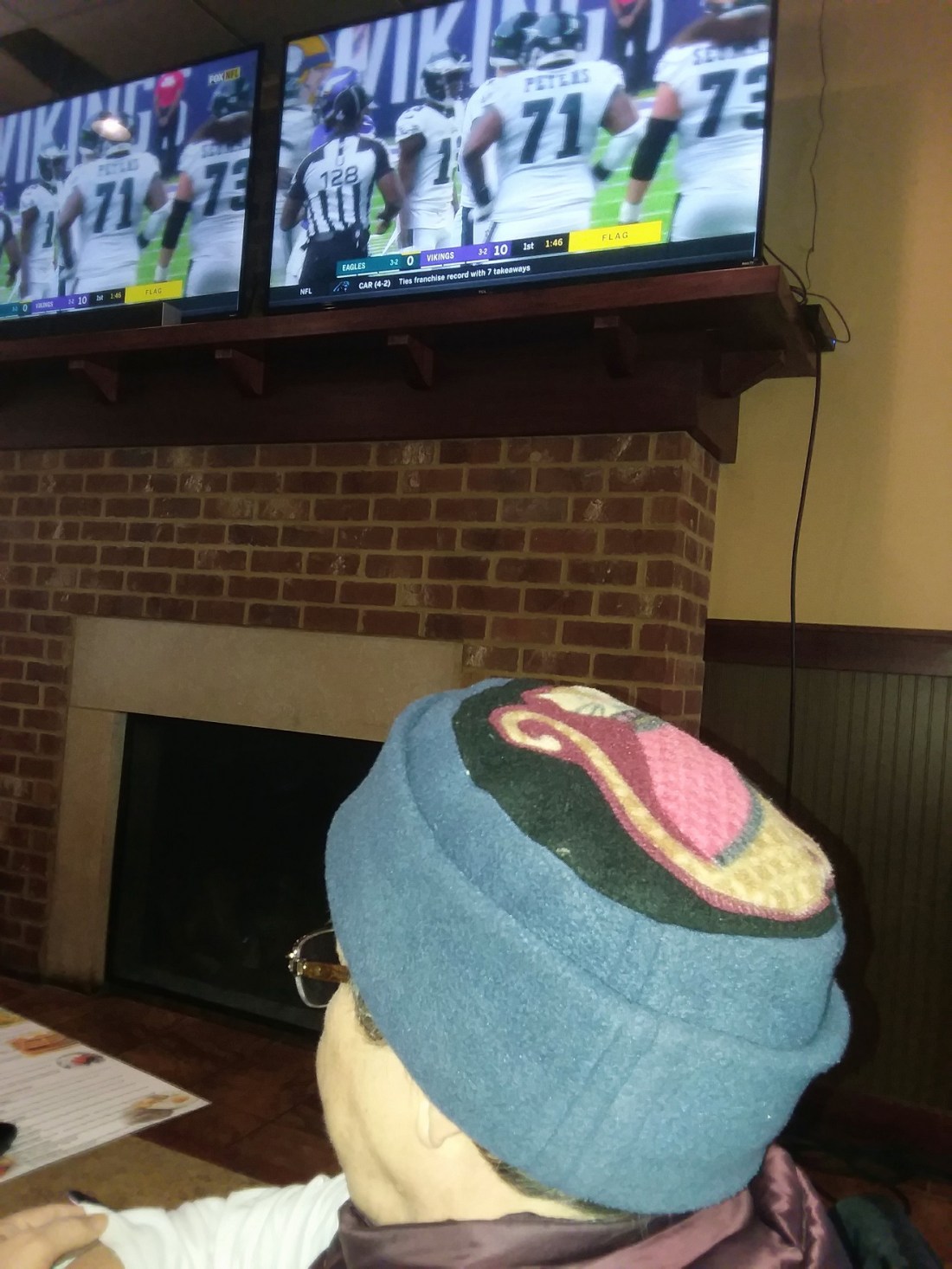
[We drove down to Terminal 2 in Minneapolis to gather Reetz a litte before noon.  Due to the vicissitudes of modern air travel, she traveled from Indianapolis to Kansas City to Minneapolis, not exactly a direct route.  We stopped at the previously-Emma Krumbie restaurant in St. Michael for lunch on the way home.  Reetz was subjected to a throng of Vikings fans, in uniform, “tailgating” there . . . ]

20191013-1 - Copy

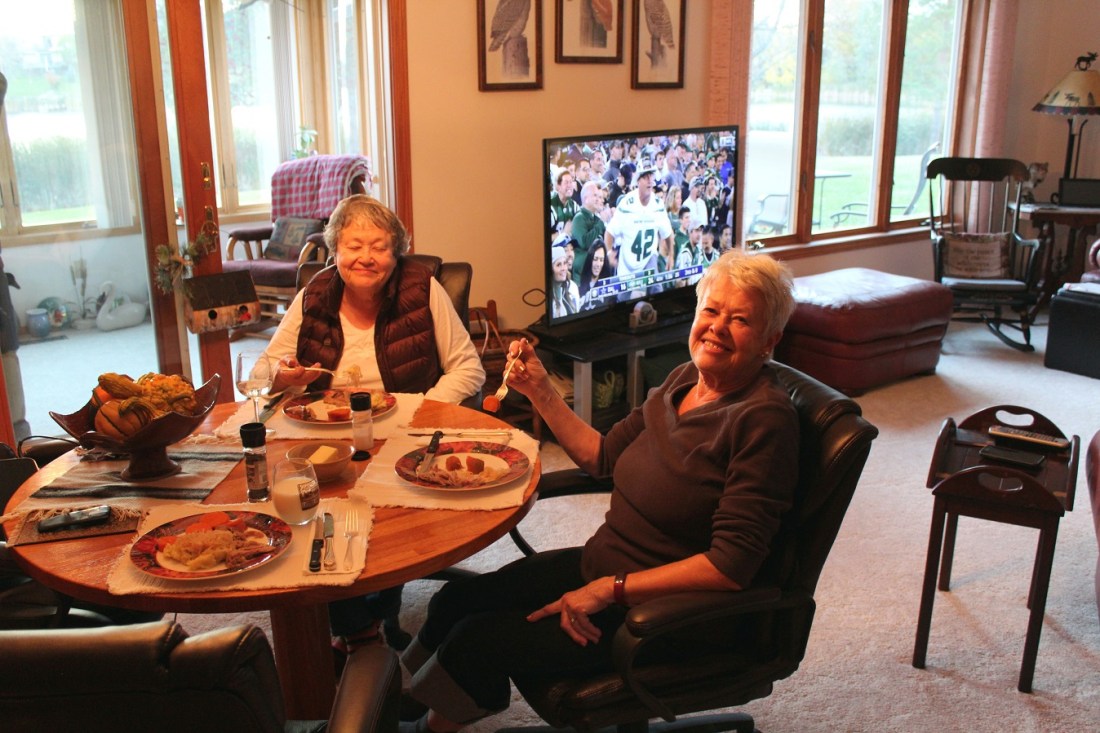
[Shortly after arriving home, it apparently was time to eat again . . . ]

10-13-19-1 - Copy10-13-19-2 - Copy

[Then nap time, all now too tired for Sunday night book club . . . ]

10-13-19-3 - Copy

[And that pretty much closes out the first day’s activities . . . ]

10-13-19-4 - Copy

Monday

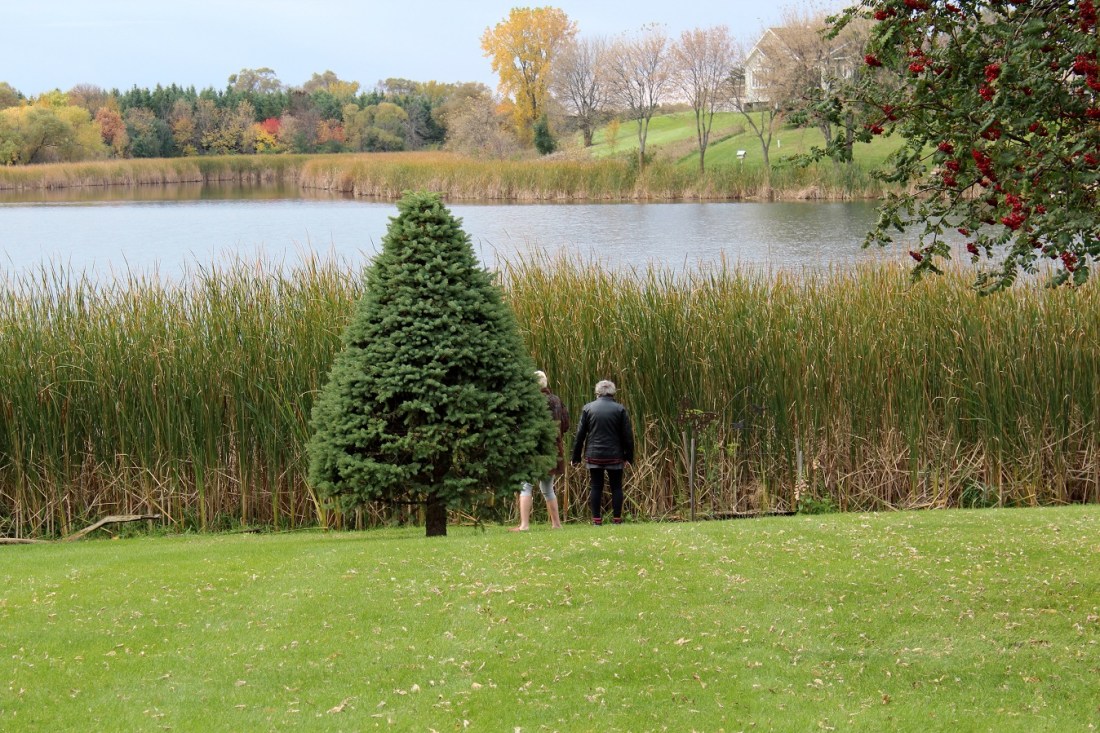
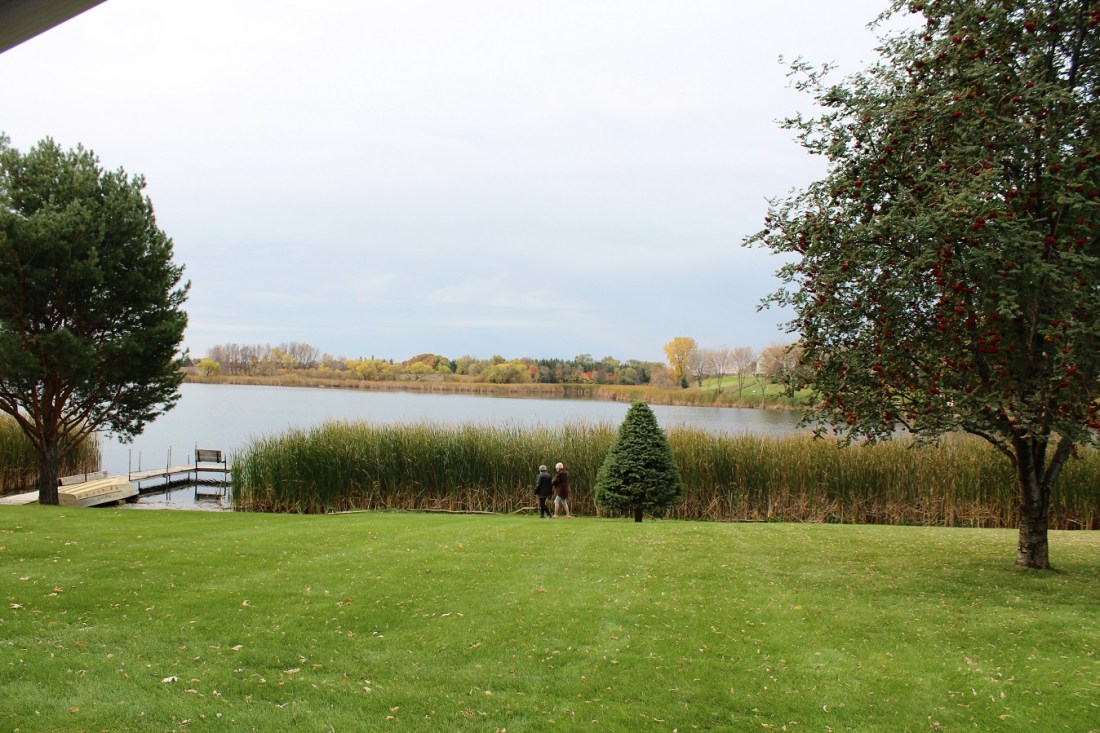
[Reetz timed it right, arriving for a stretch of fine weather.  We began the following morning by trespassing in private property for the three following photos of beautiful Lake Darling . . . ]

10-14-19-5 - Copy10-14-19-6 - Copy10-14-19-7 - Copy

[Then to enjoy both the weather and the color, a check of autumn at Theatre L’Homme Dieu . . . ]

10-14-19-16 - Copy10-14-19-17 - Copy10-14-19-18 - Copy

[It was quite lovely . . . ]

10-14-19-19 - Copy

[Then I dropped The Biddies at the Runestone Museum while I ran a couple of errands.  Forgetting it was a national holiday, not all of the errands were completed . . . ]

20191014-1 - Copy

[So, first a brief movie at the museum . . . ]

20191014-2 - Copy

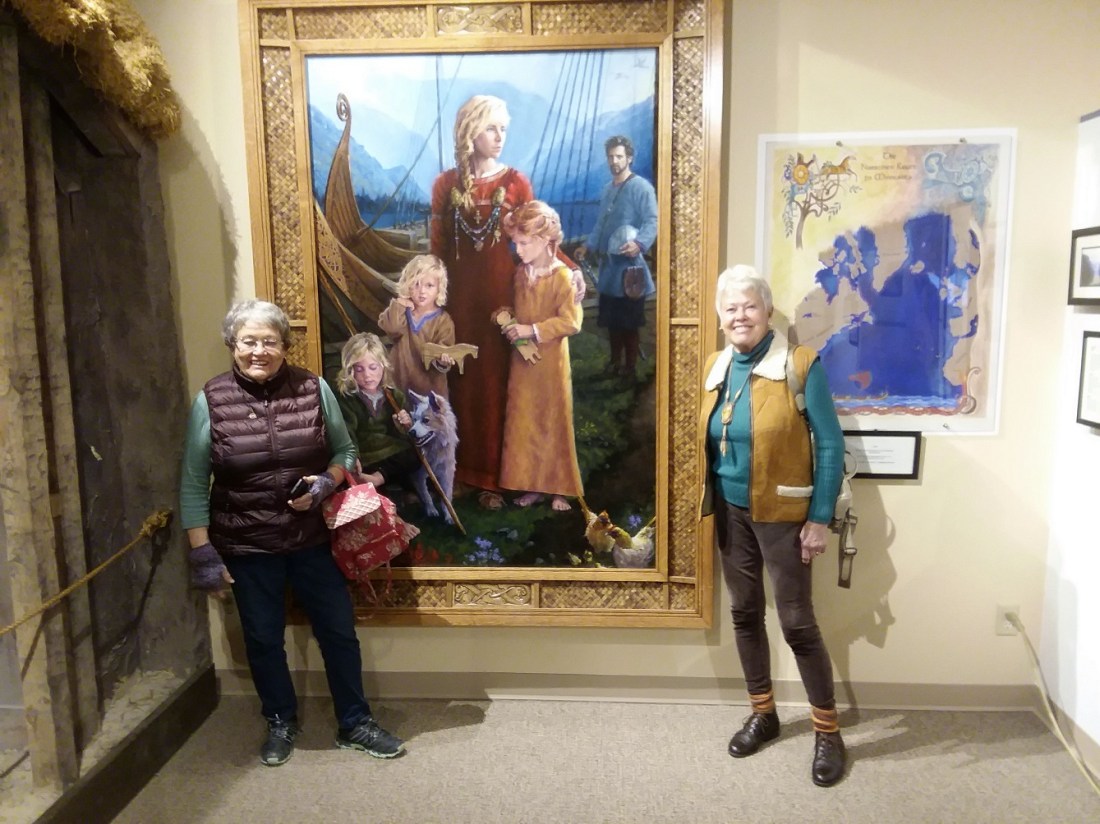
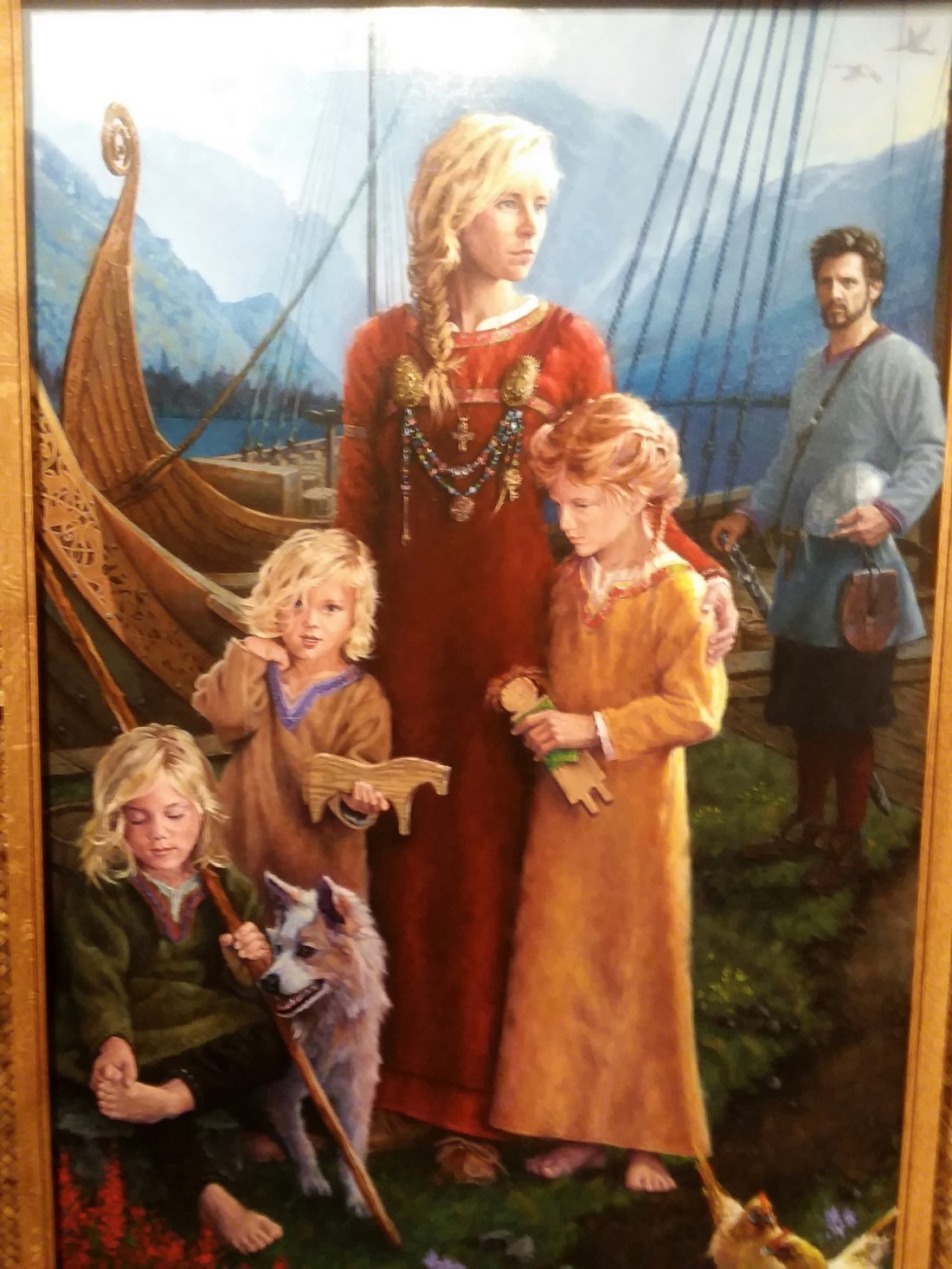
[Then, a portrait of a typical Norwegian family tailgating before a Vikings game . . . ]

20191014-5 - Copy

[They certainly look Scandinavian.  The artist, btw, is Myron Sahlberg.  Myron works from his home studio on Lake Victoria in Alexandria, Minnesota. During his 20 year career as an illustrator for twenty different book and magazine publishers. Other clients included university sports programs and advertising accounts. During this same time he was invited to teach in the Communication Art and Design department at the Alexandria Technical and Community College. He taught over a thousand students in drawing, painting and illustration classes (www.myronsahlberg.com/) . . . ]

20191014-7 - Copy

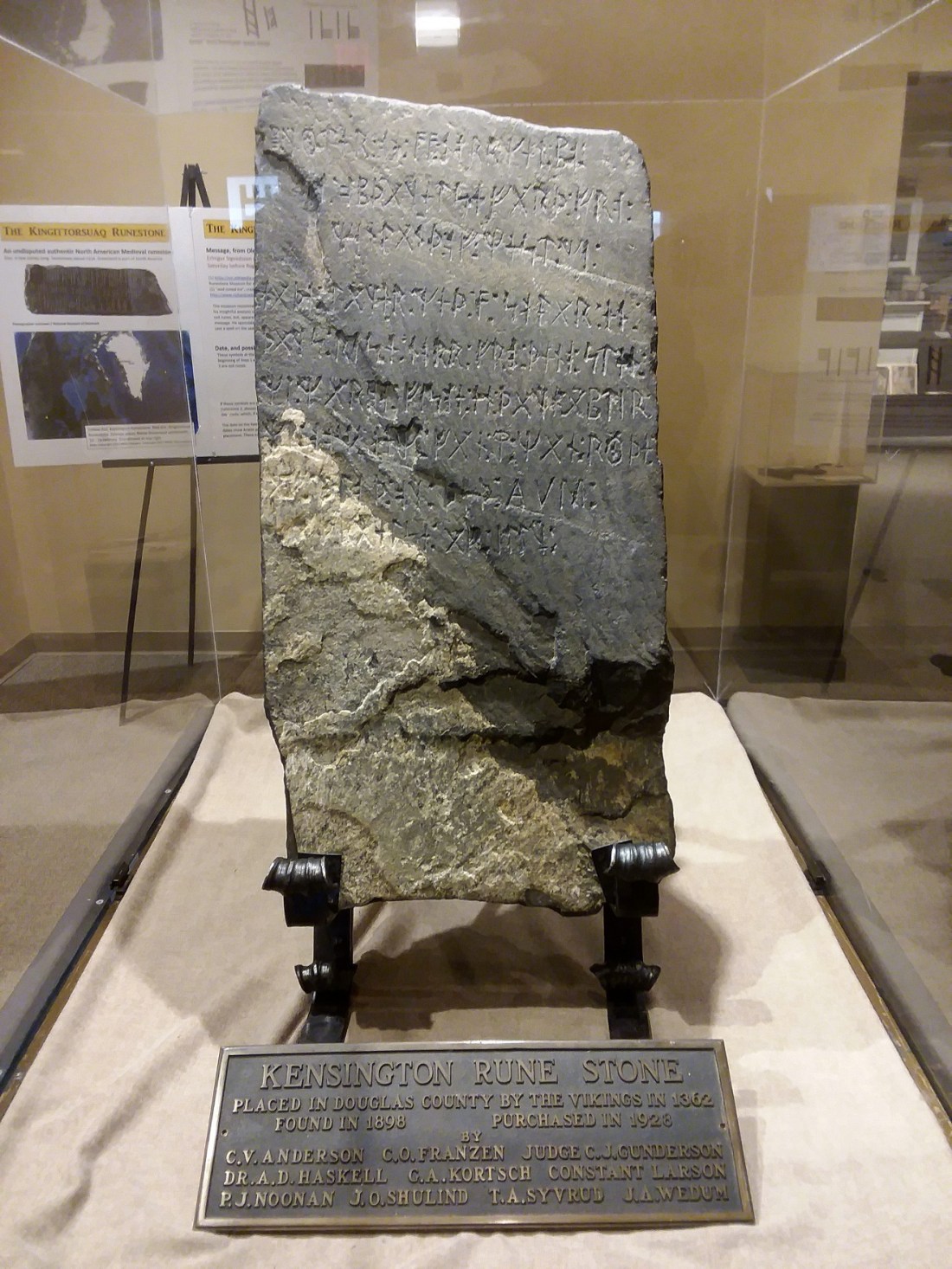
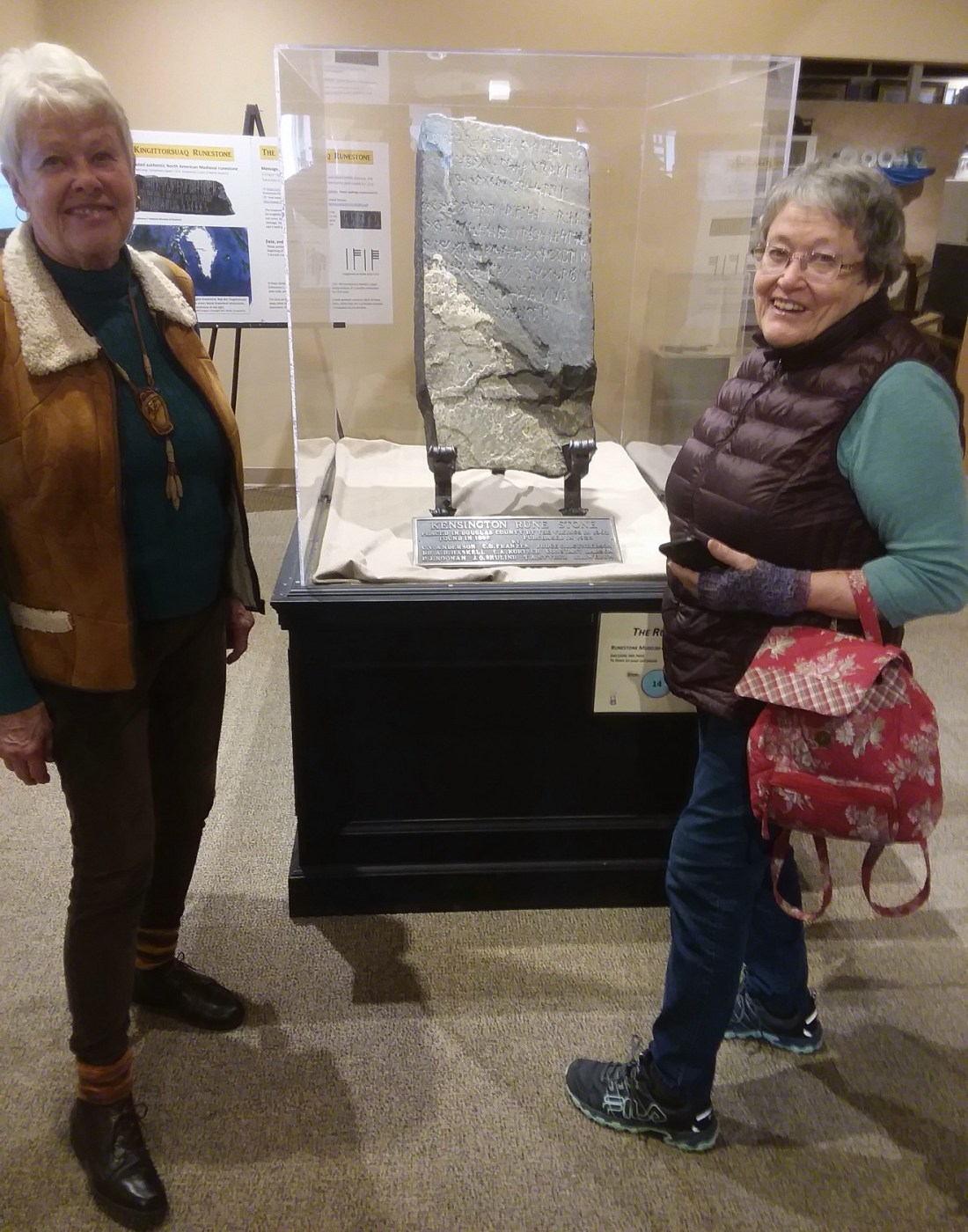
[This is the Kensington Runestone, the namesake for the museum.  The Runestone proves the Vikings arrived in the New World 130 years before Columbus, yet still thousands of years after the indigenous peoples.  The holiday on this day, btw, was Indigenous Peoples Day.  How appropriate . . . ]

20191014-9 - Copy

[The Biddies Romancing the Stone . . . ]

20191014-14 - Copy

[This was Reetz’s first visit to the museum . . . ]

20191014-15 - Copy

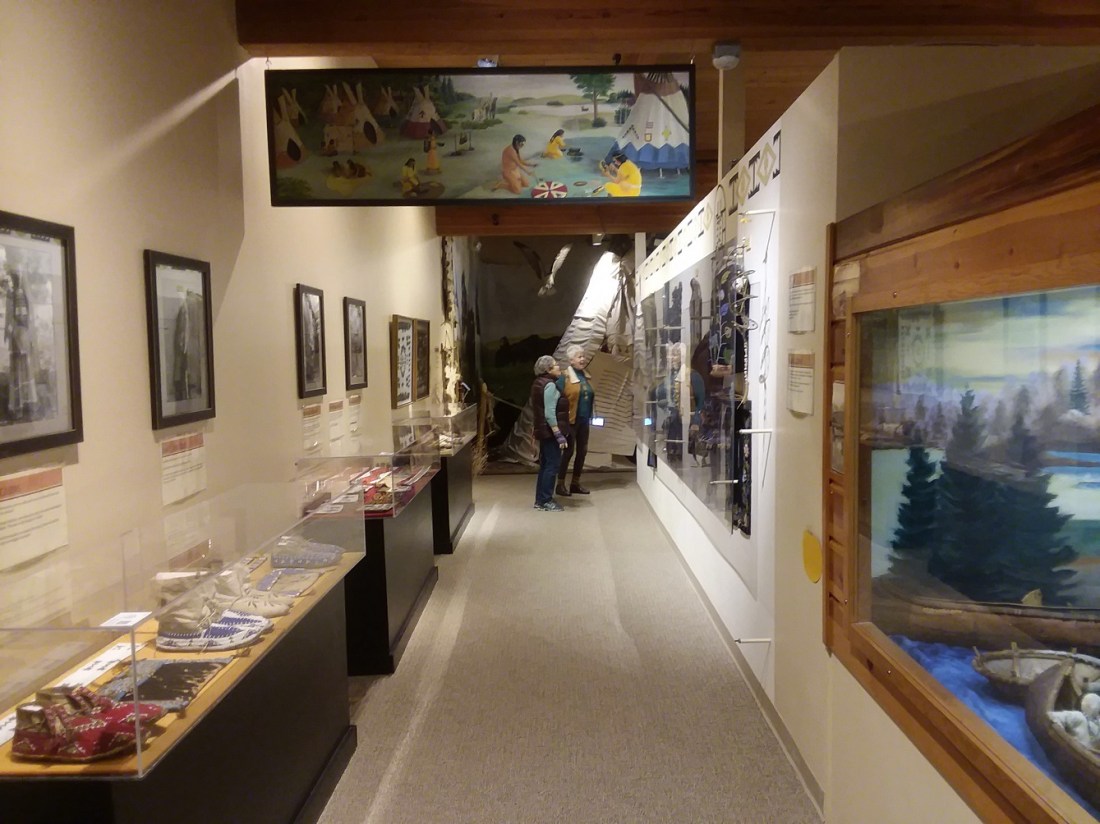
[So, a thorough perusal was required . . . ]

20191014-16 - Copy

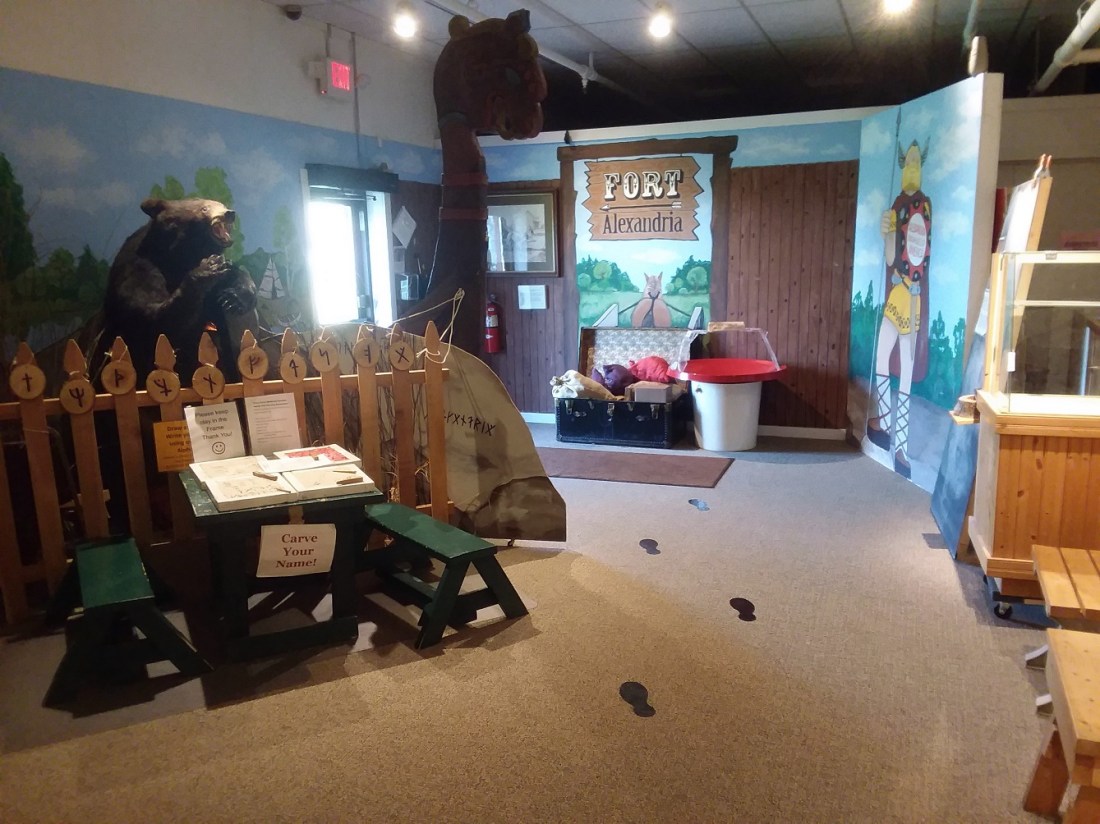
[The footsteps lead to the back door and Fort Alexandria . . . ]

20191014-18 - Copy

[But first more artifacts and stuff . . . ]

20191014-21 - Copy

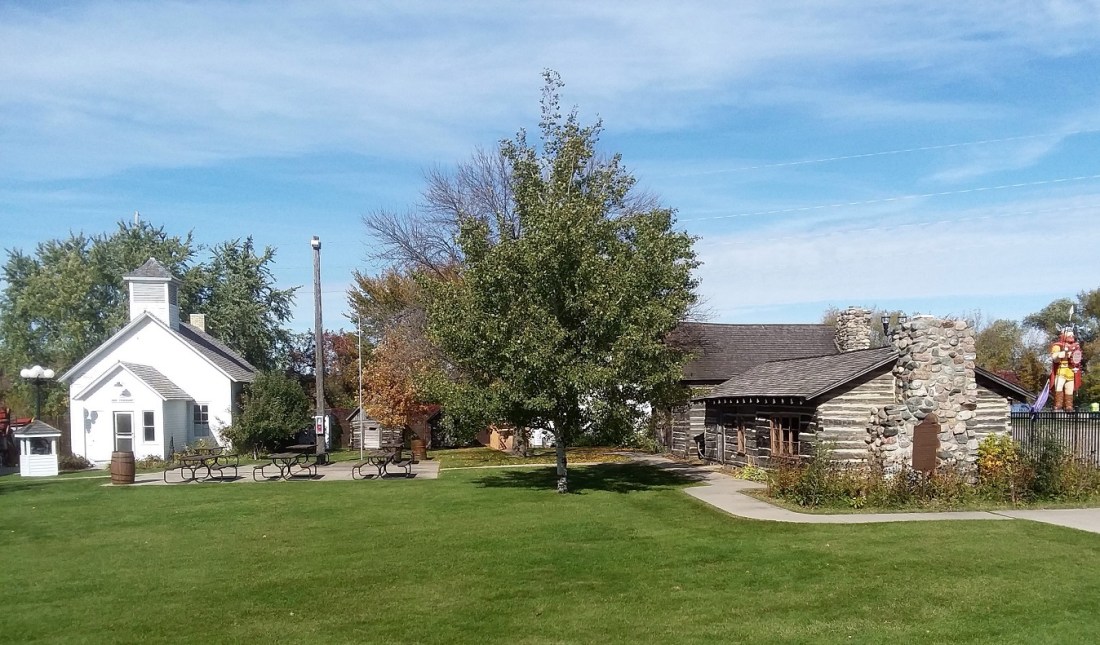
[I snuck out the back door to enjoy the weather.  There’s Big Ole on the right to align your settings . . . ]

20191014-22 - Copy

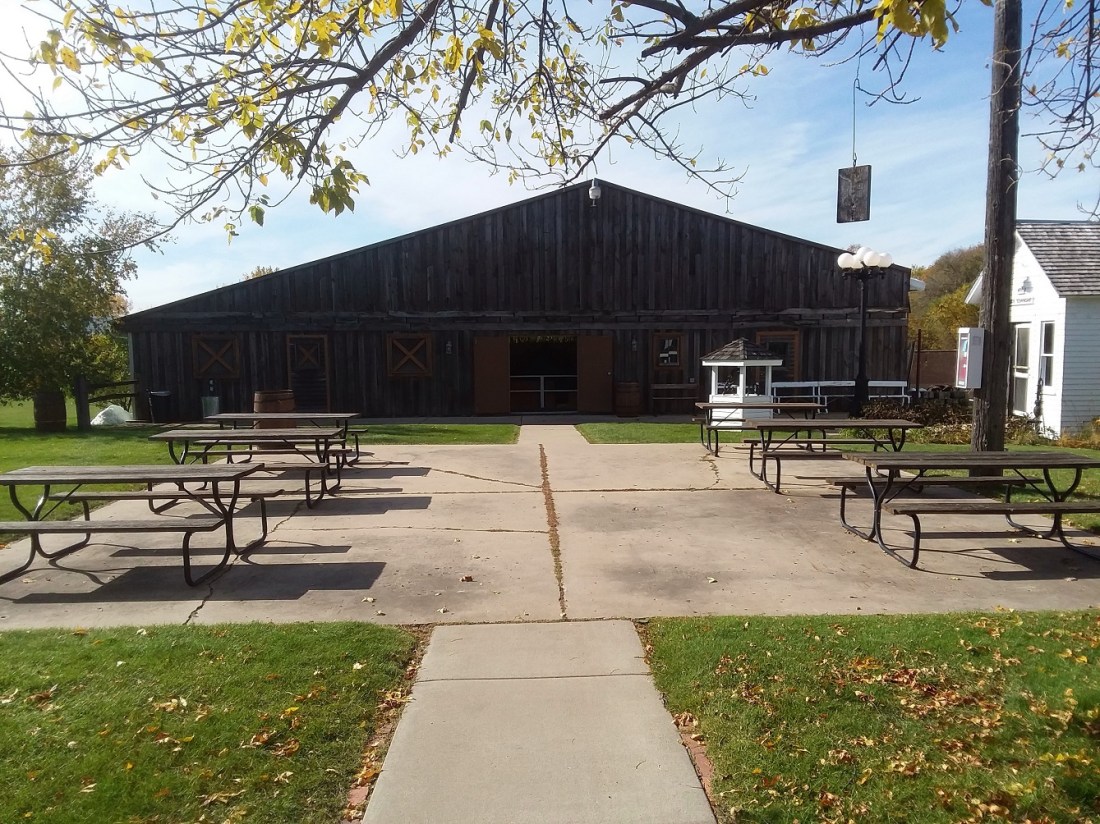
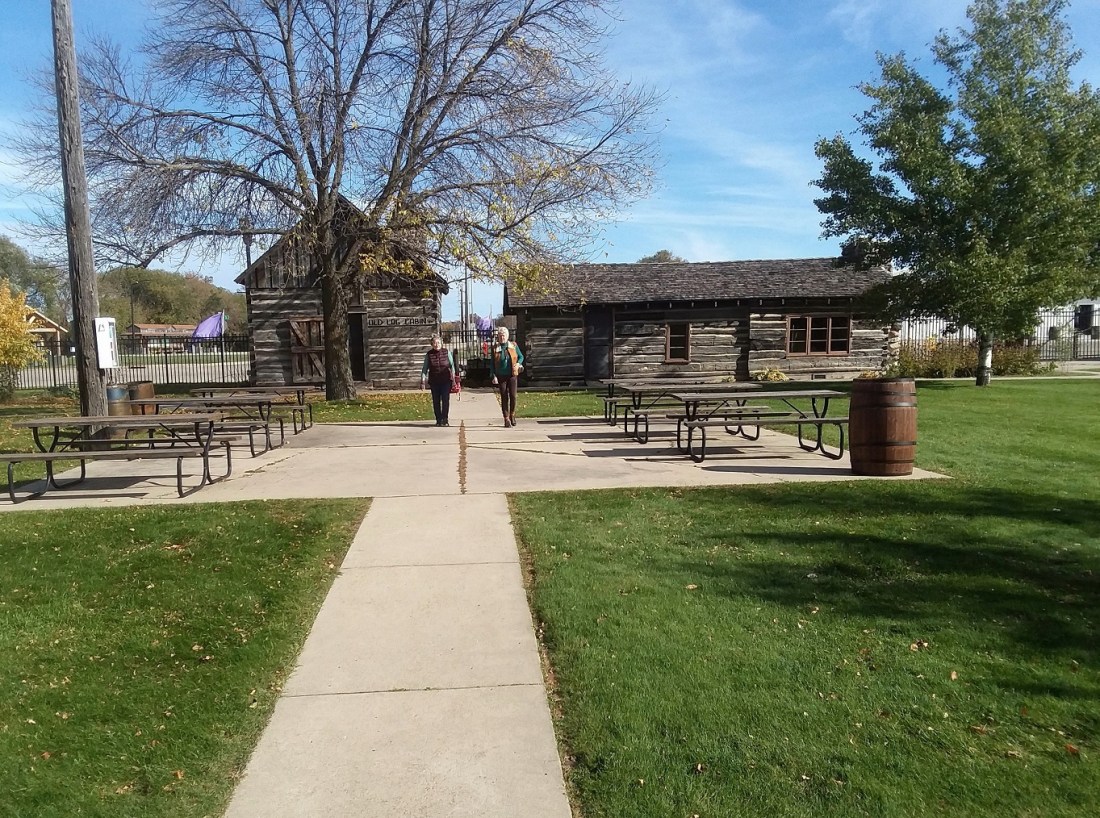
[Fort Alexandria, et al . . . ]

20191014-23-1 - Copy

[Some of these buildings experienced roof damage from the heavy snows of the previous winter . . . ]

20191014-24 - Copy

[And going back in to check on the sisters . . . ]

20191014-26 - Copy

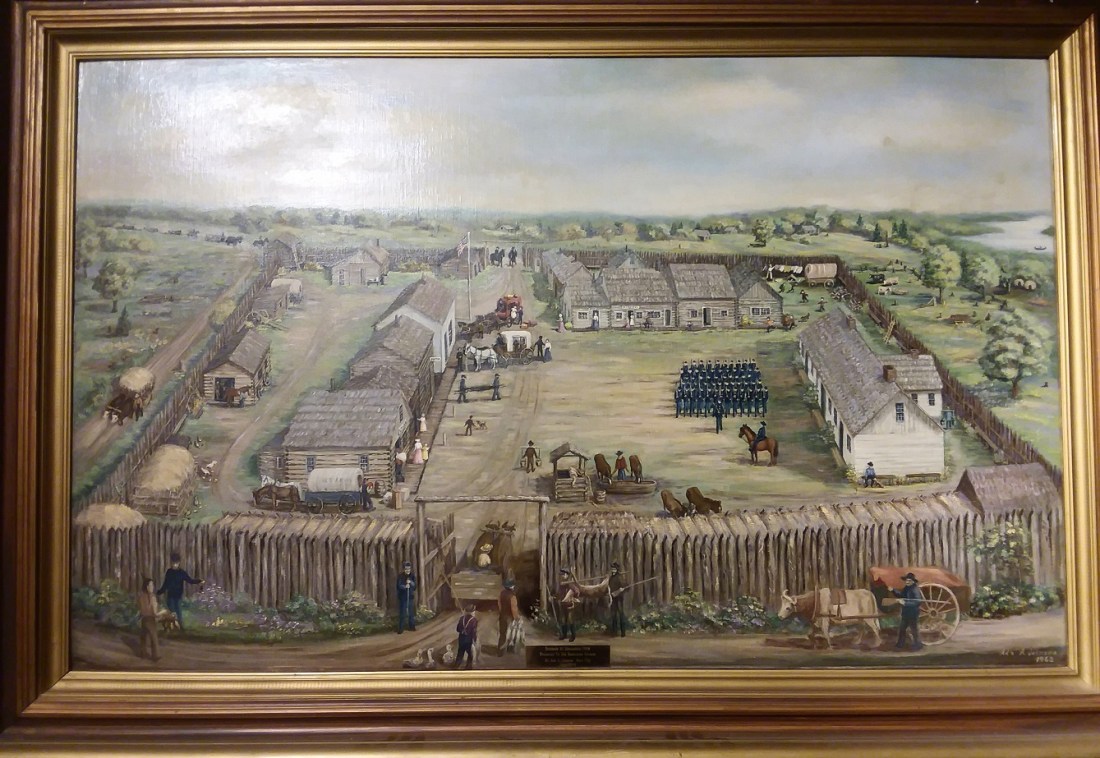
[Fort Alexandria in its heyday . . . ]

20191014-28 - Copy

[Applicable in many facilities . . . ]

20191014-32 - Copy

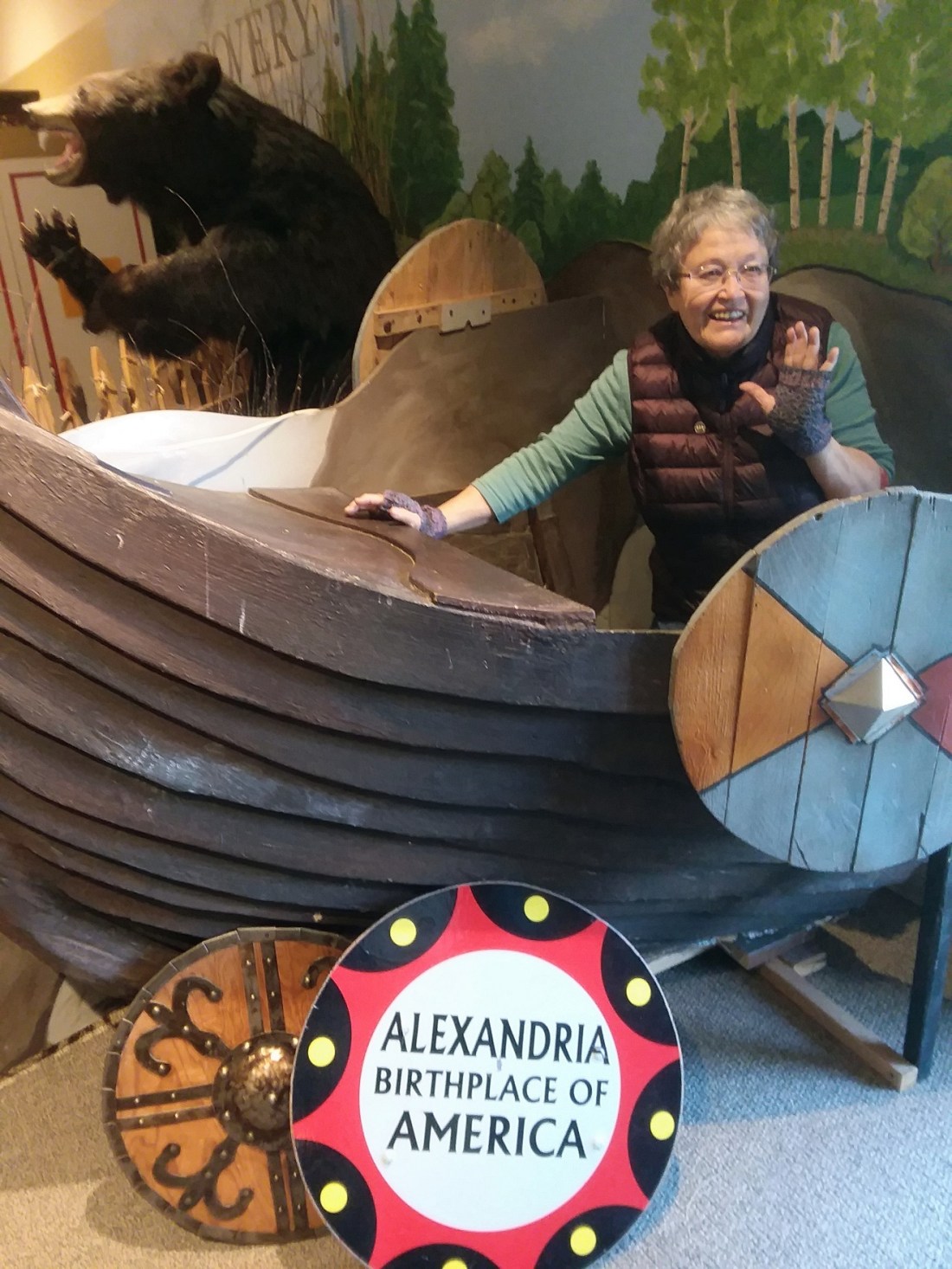
[Meanwhile, Reetz discovered a bear . . . ]

20191014-33 - Copy

[And the only defense against a bear is a Viking shield . . . ]

20191014-36 - Copy

[Let’s go in there . . . ]

20191014-38 - Copy

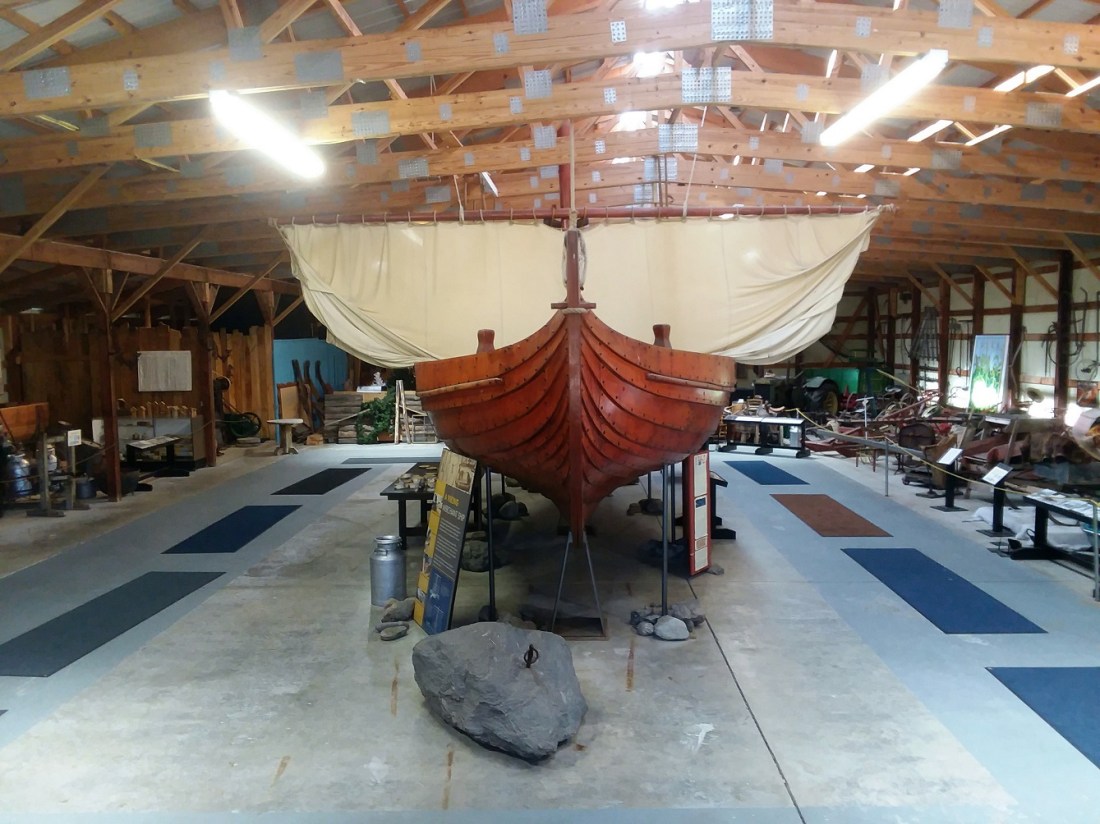
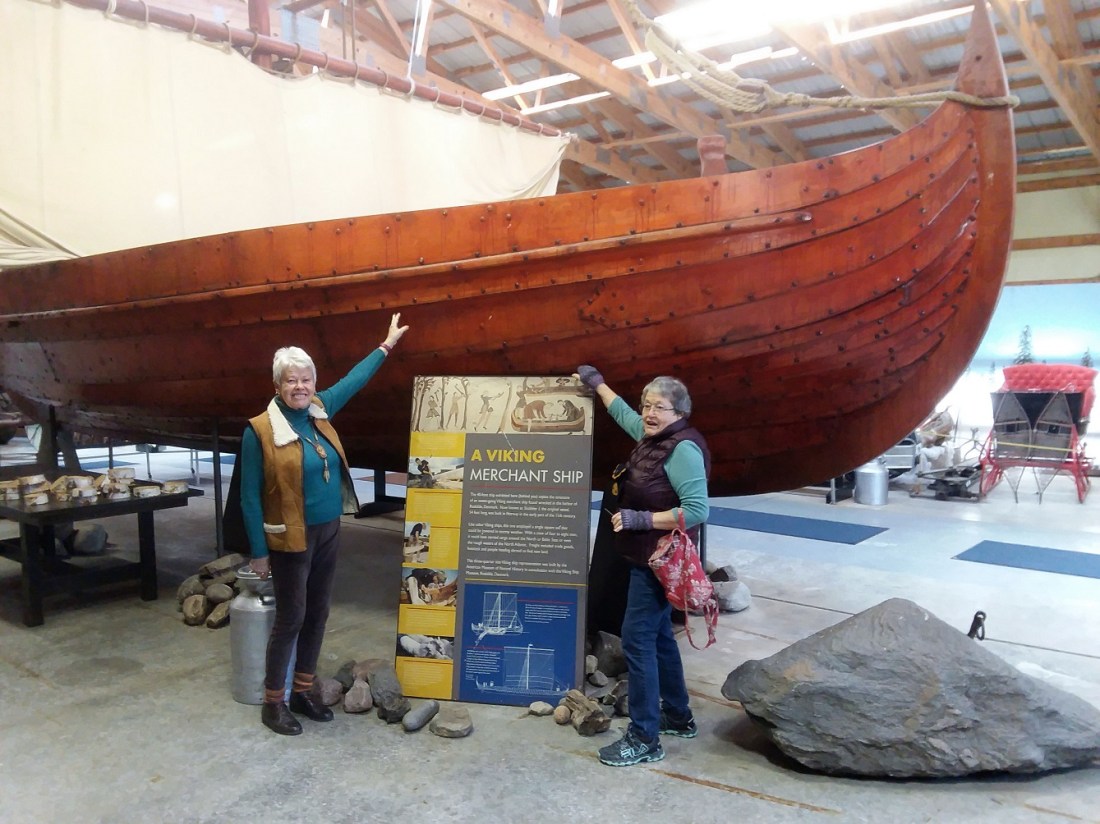
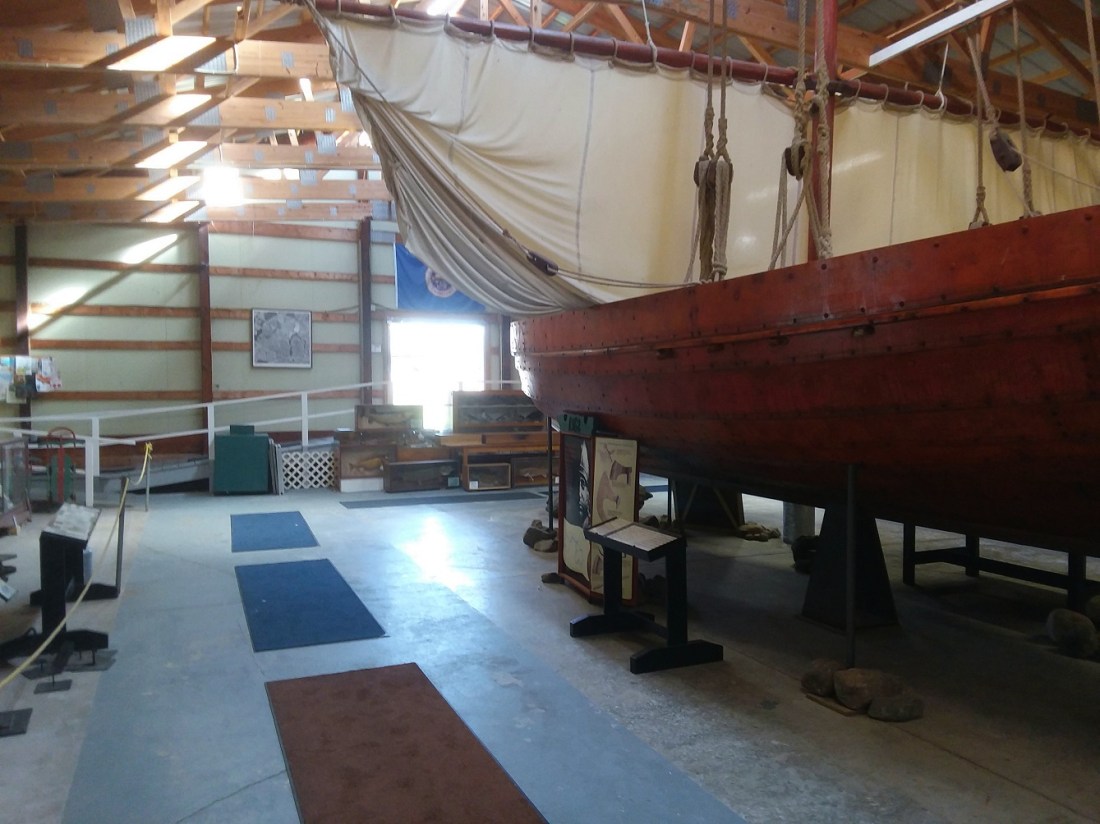
[Where the Viking ship resides.  Viking ships were marine vessels of unique structure.  The boat-types were quite varied, depending on what the ship was intended for, but they were generally characterized as being slender and flexible boats, with symmetrical ends with true keel.  They were clinker built, which is the overlapping of planks riveted together.  Viking ships were not just used for their military prowess but for long-distance trade and exploration.  In the literature, Viking ships are usually seen divided into two broad categories: merchant ships and warships.  These categories are overlapping; some kinds of merchant ships, built for transporting cargo specifically, could also be used as warships.  The majority of Viking ships were designed for sailing rivers, fjords and coastal waters, while a few types, such as the knarr, could navigate the open sea and even the ocean.  The Viking ships ranged from the Baltic Sea too far from the Scandinavian homelands, to Iceland, the Faroe Islands, Greenland, Newfoundland, the Mediterranean, the Black Sea and Africa (Wikipedia).]

20191014-41 - Copy

[Come on, it’s in here . . . ]

20191014-43-1 - Copy

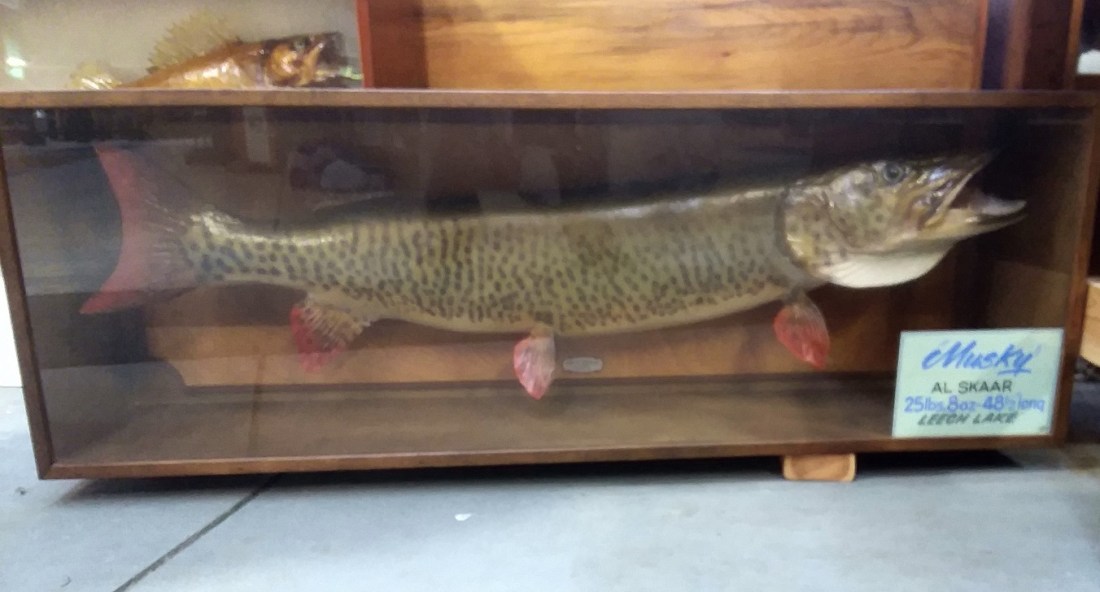
[Apologies to Al (we grew up in the same neighborhood) for the crappy photo . . . ]

20191014-45 - Copy

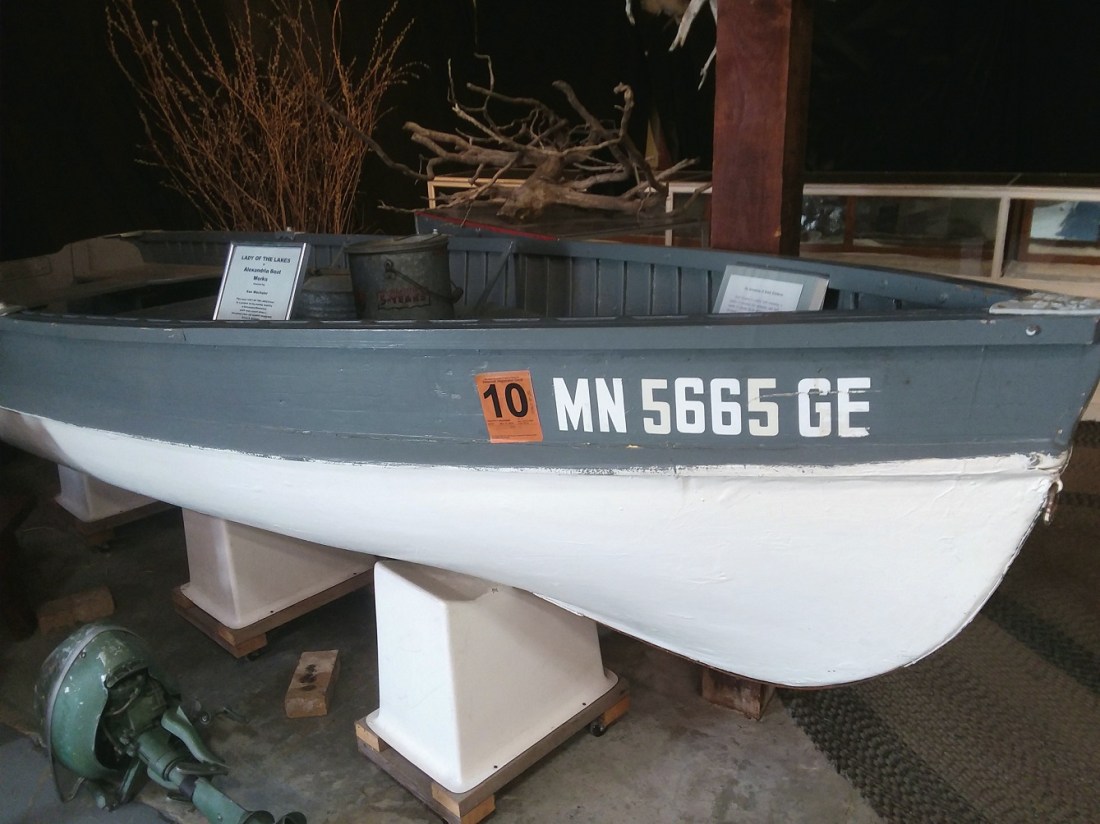
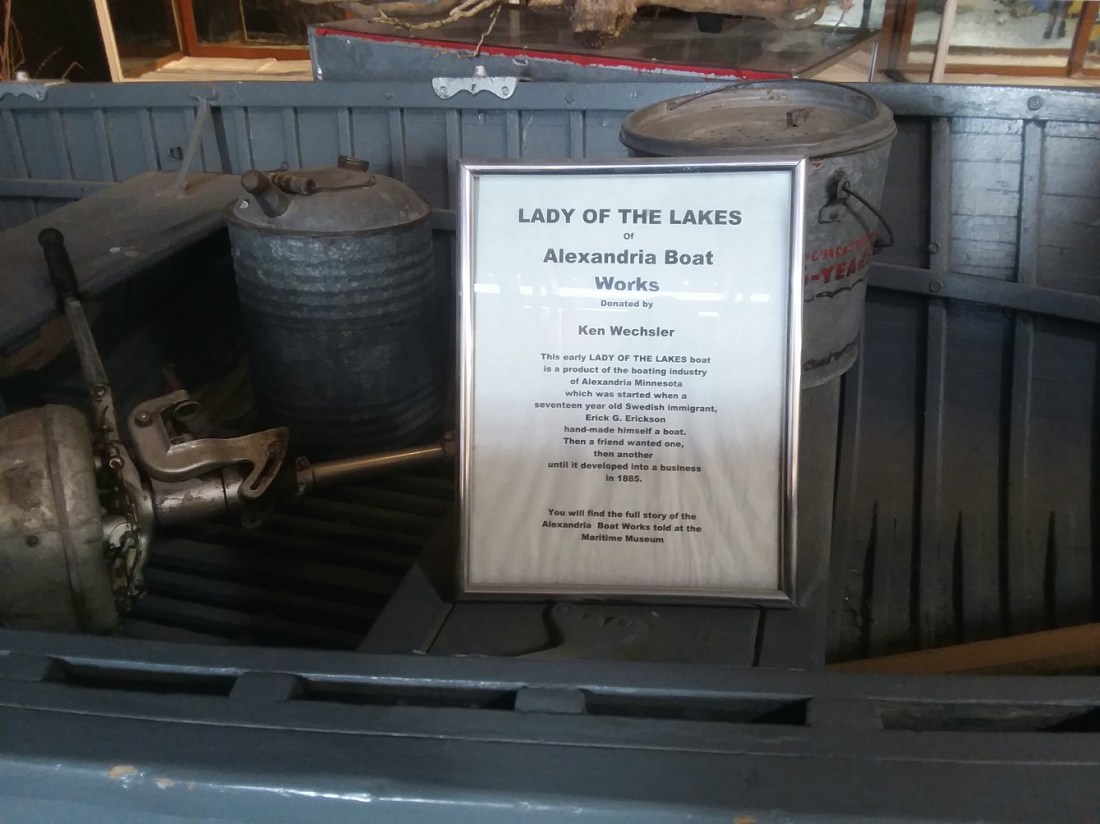
[Al may have caught the musky in a boat like this . . . ]

20191014-48 - Copy20191014-49 - Copy20191014-50 - Copy

[We wanna go for a ride . . . ]

20191014-51 - Copy

[The way out.  The Supervisor had to shovel the ramp leading out of the museum to the fort.  The ramp is on the northside of the museum and still had some icy residue from the previous week’s snow . . . ]

20191014-52 - Copy

Tuesday

[The Biddies toured our association property in the morning . . . ]

10-15-19-1 - Copy10-15-19-3 - Copy10-15-19-5 - Copy

[Yo, Reetz!]

10-15-19-6-1 - Copy10-15-19-7 - Copy10-15-19-9-1 - Copy

[Otherwise it was a quiet day.  We had hoped to take Reetz to senior college, but class was cancelled because the teacher was sick . . . ]

10-15-19-10 - Copy

Wednesday

[Reetz had been to Bug-A-Boo Bay, of course.  So we wanted to take her to Lure Lakebar, the next generation restaurant on the site . . . ]

20191016-1 - Copy

[Earlier in the day, I had dropped Reetz for water aerobics at Grand Arbor.  I found it a lovely place to read the entire newspaper while she did so . . . ]

20191016-2 - Copy

[With our repast came the musical stylings of Robb Justice . . . ]

20191016-3 - Copy20191016-5 - Copy20191016-6-1 - Copy

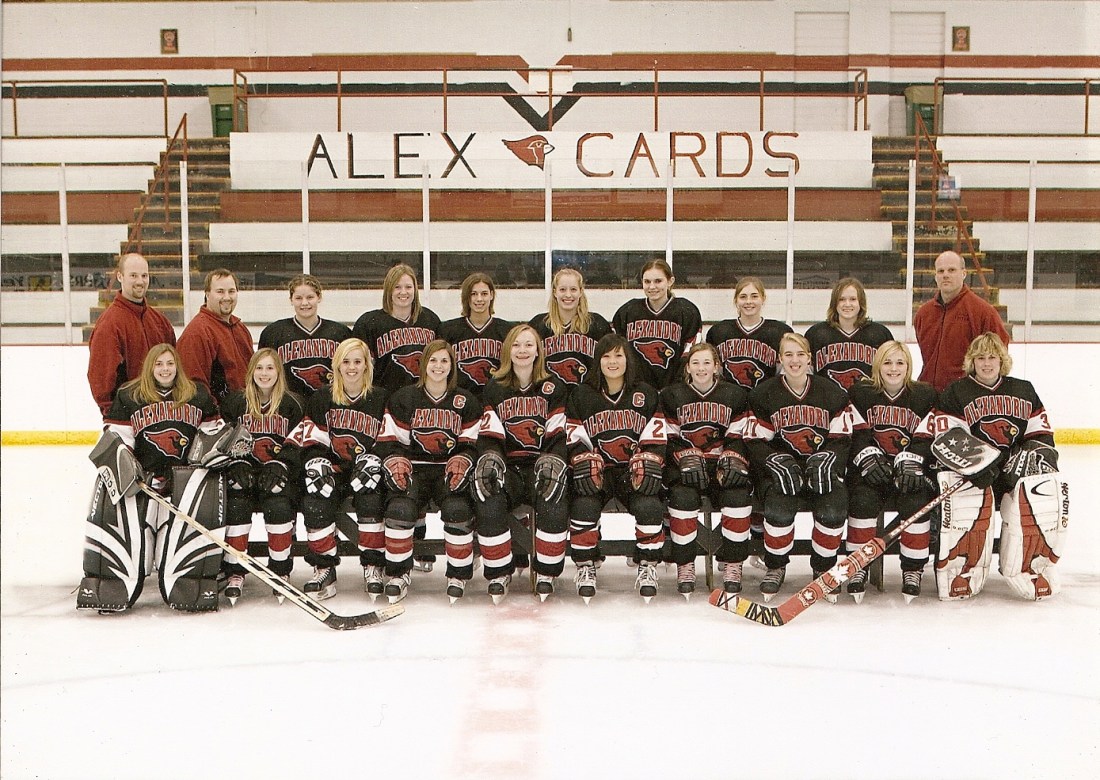
[If you’re keeping score at home, Robb is indeed the cousin of Danielle Strayer, nee Justice.  Danielle (seated, far left), as you’ll recall from you readings, was the goalie for the Cardinal state champs in 2008 and now plays for the New Zealand national team . . . ]

Hockey'06-'07

[We did indeed seat ourselves and also left all on our own . . . ]

20191016-9 - Copy

Thursday

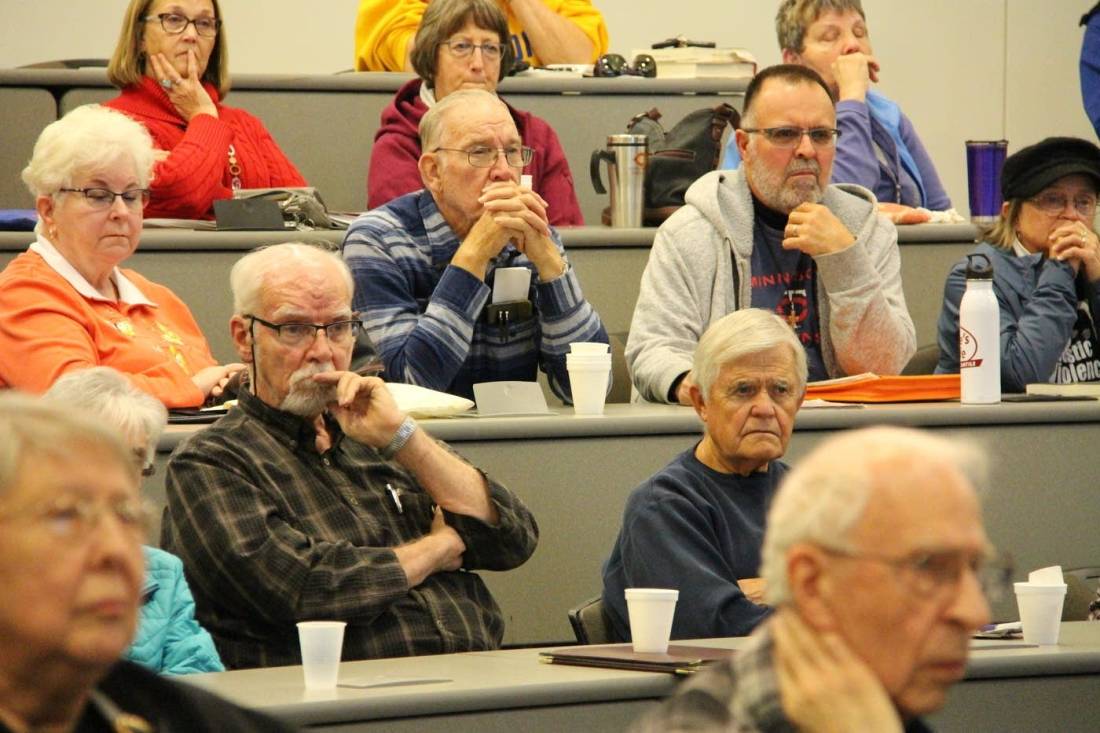
[I had a community education movie planning meeting in the morning.  I’m sure The Biddies shopped – Ron’s Warehouse is always a requirement during Reetz visits.  Then we went to senior college in the afternoon where Professor Susannah Ottaway of Carleton College gave a timely and informative presentation on the history of Ireland as it relates to Brexit.  The following photos are not from that class but were taken by Minnesota Public Radio (MPR) the previous week.  MPR did a story on our senior college which attracts professors from all over the state for our twice weekly classes of 225 “students.”]

senior college -20191015

[Can you find the Supervisor and me in this photo?  After class we always go out to dinner.  We took Reetz to the Great Hunan for Chinese food because Alex does not have an Irish pub . . . ]

senior college -20191015-2

Friday

[In the morning, the Supervisor had a voting judge meeting, and I had a Theatre L’Homme Dieu (TLHD) board meeting.  Rather than leaving Reetz alone and unchaperoned, I brought her to my meeting at the Legacy of the Lakes Museum.  The idea being she could peruse the museum while she waited for the Supervisor to pick her up and do whatever it is when they take off together . . . ]

20191018-1 - Copy

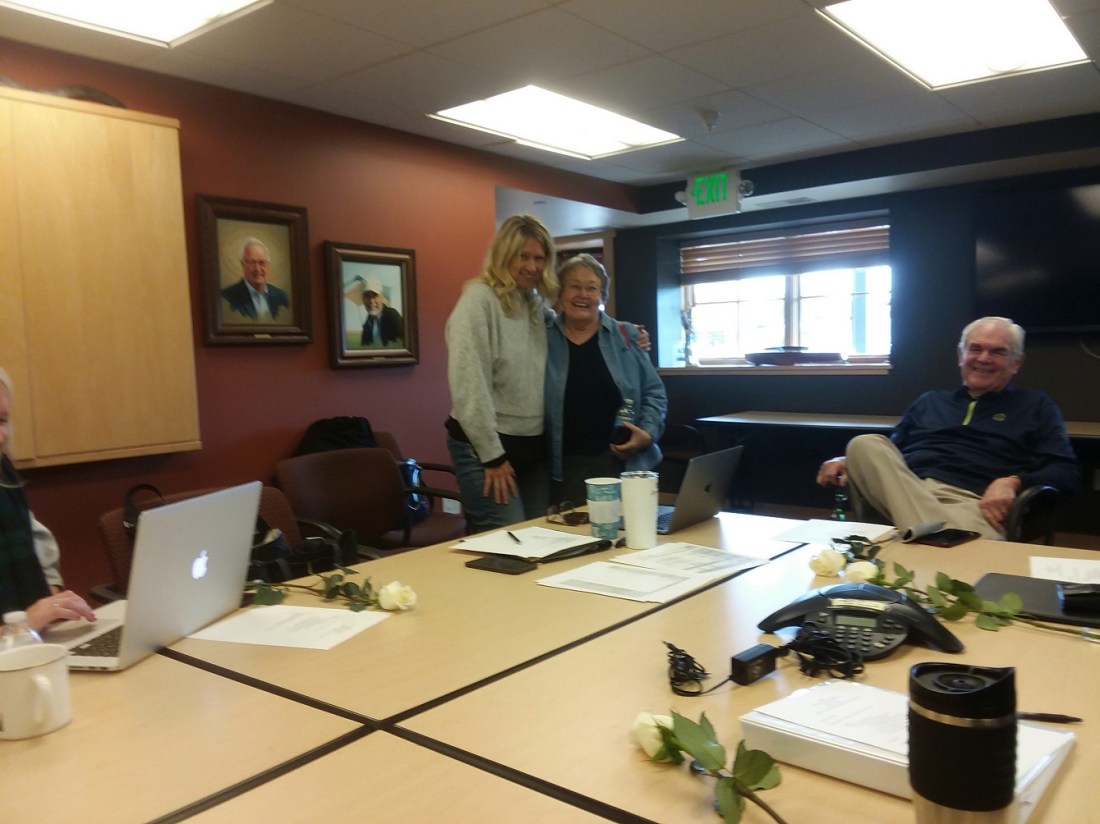
[But this was also an opportunity for Reetz to have a quick visit with Nicole Mulder, the executive director of TLHD.  This is another one of those 6 Degrees of Kevin Bacon things.  Nicole’s son George is a student at Indiana University, in theater in fact.  Reetz (as is the Super) is an IU alum and lives 18 miles from the campus.  So when it was time for George to enroll (from Eden Prairie, Minnesota), we hooked up the Mulders with Reetz and they stayed with her while George was going through orientation.  Anyway, when the Super came to pick up Reetz, she came into our meeting looking for her.  Rita was still somewhere in the museum.  The meeting room has three entry doors, one from the outside and two from inside the museum.  In a bit of a keystone cop episode, whenever a Biddie came into the meeting room we told her the other Biddie had just gone out another door.  They came and went through our meeting a couple of times to the delight (chagrin?) of the board members.  I can’t remember what we did the rest of the day . . . ]

20191018-2-1 - Copy

Saturday

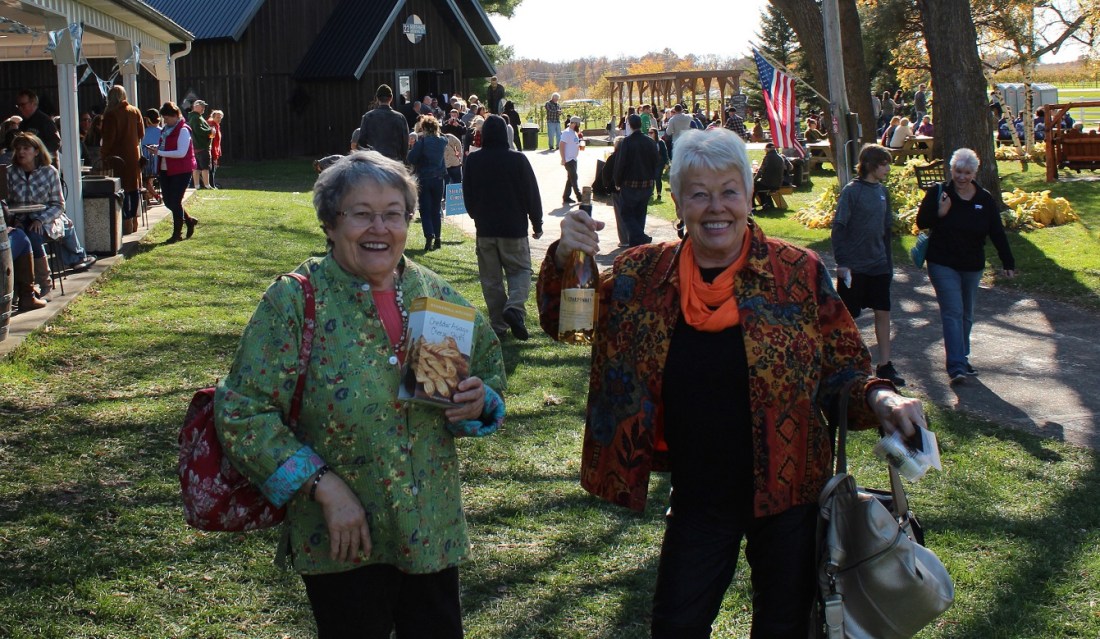
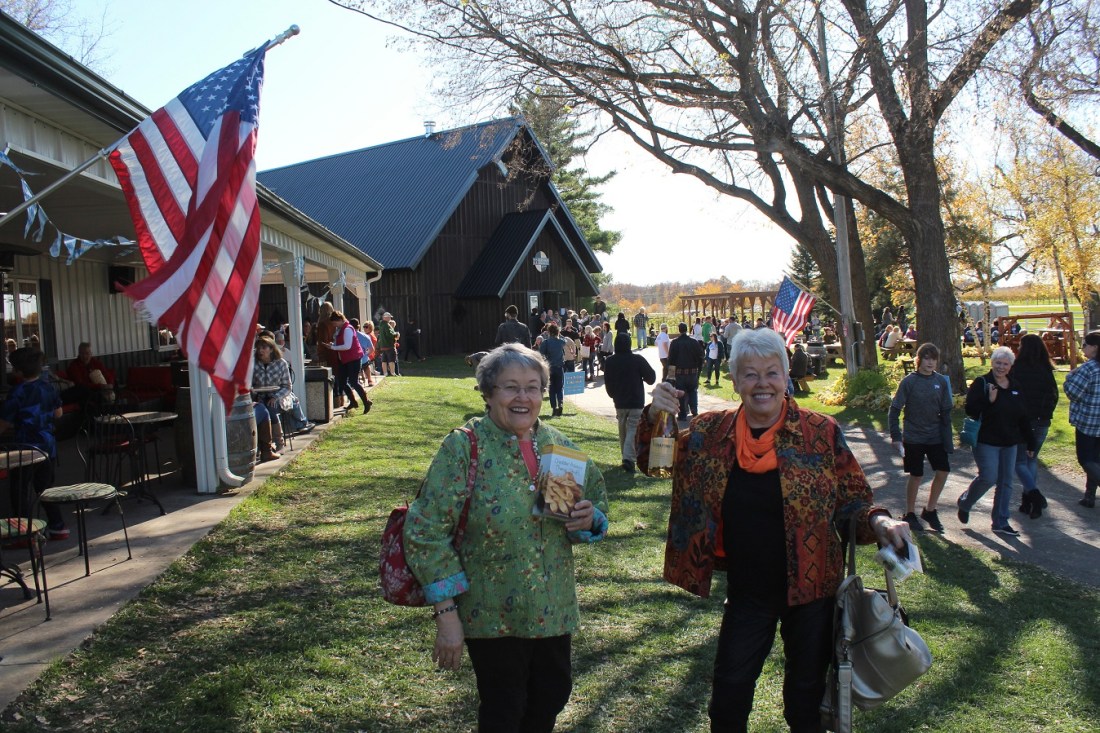
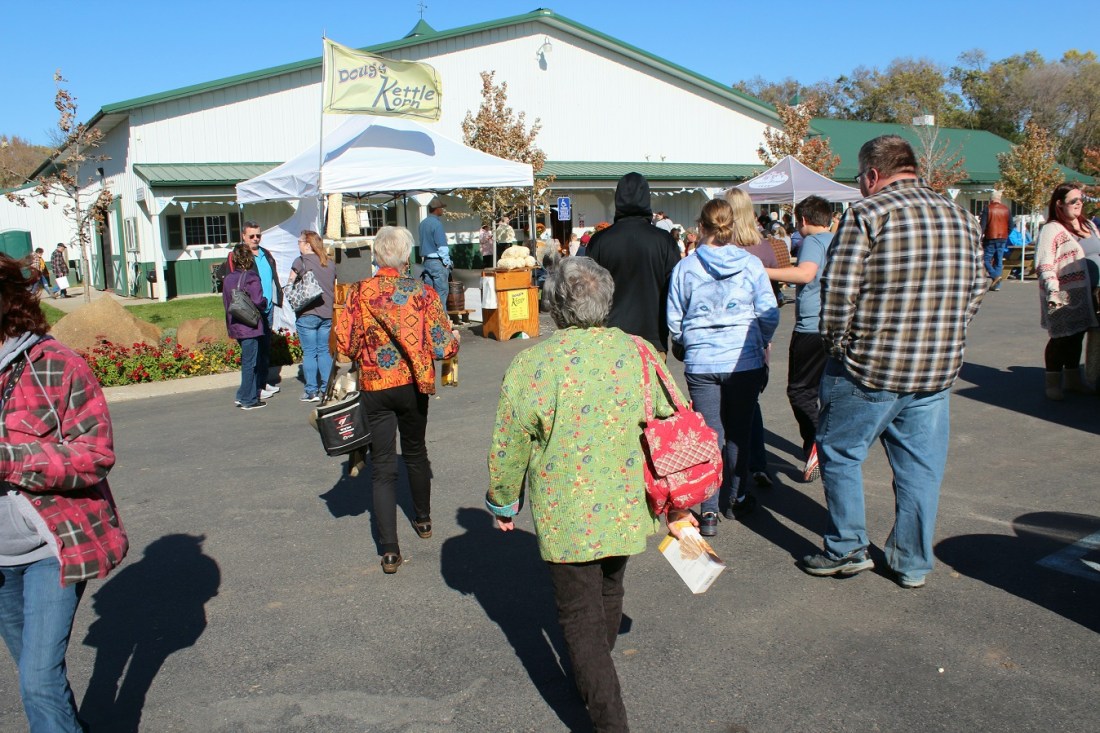
[It was Oktoberfest at Carlos Creek Winery.  It was a beautiful day so it attracted millions of people . . . ]

10-19-19-1-1 - Copy

[The Biddies naturally revelled in the excitement . . . ]

10-19-19-2 - Copy

[With wine in hand, they made for the music venue . . . ]

10-19-19-3 - Copy

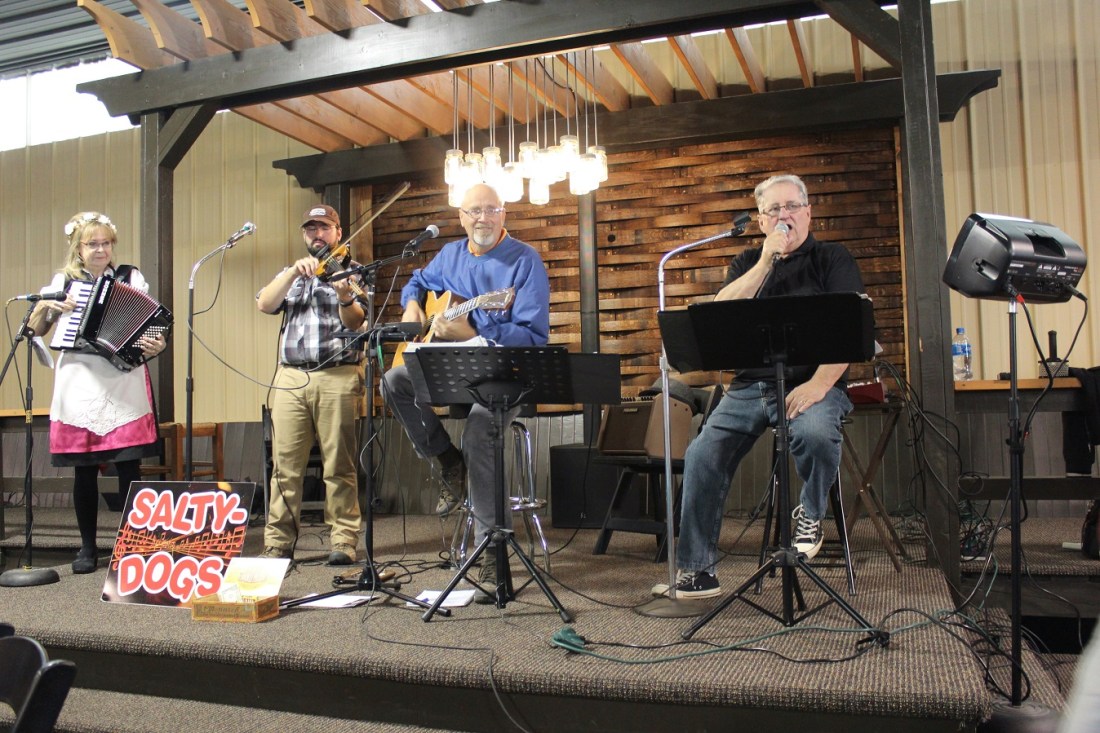
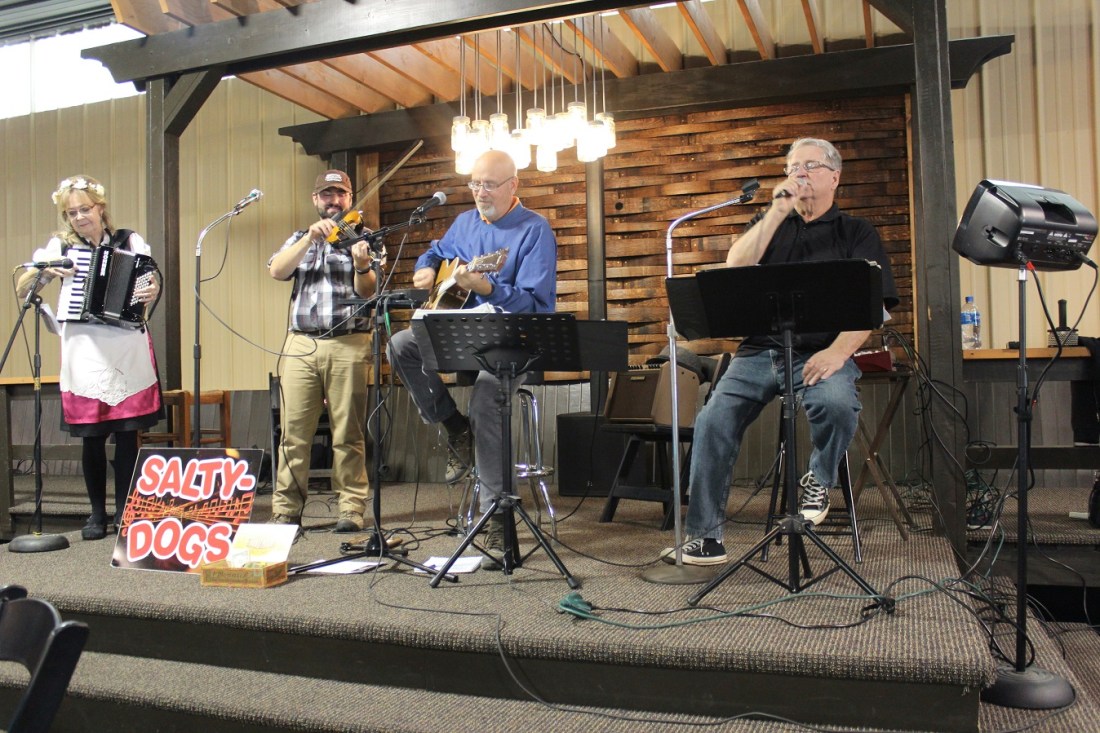
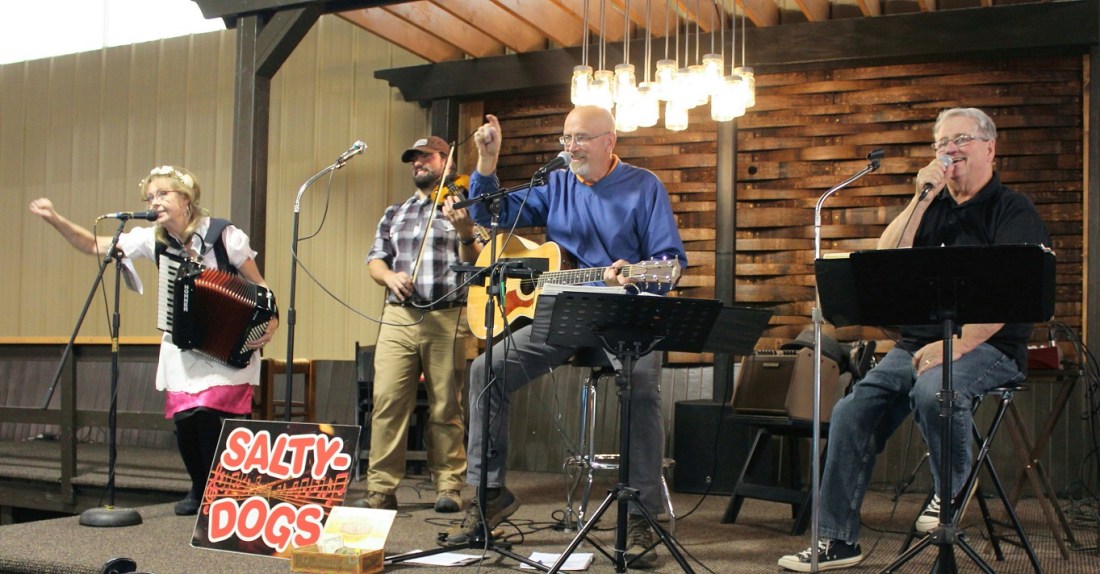
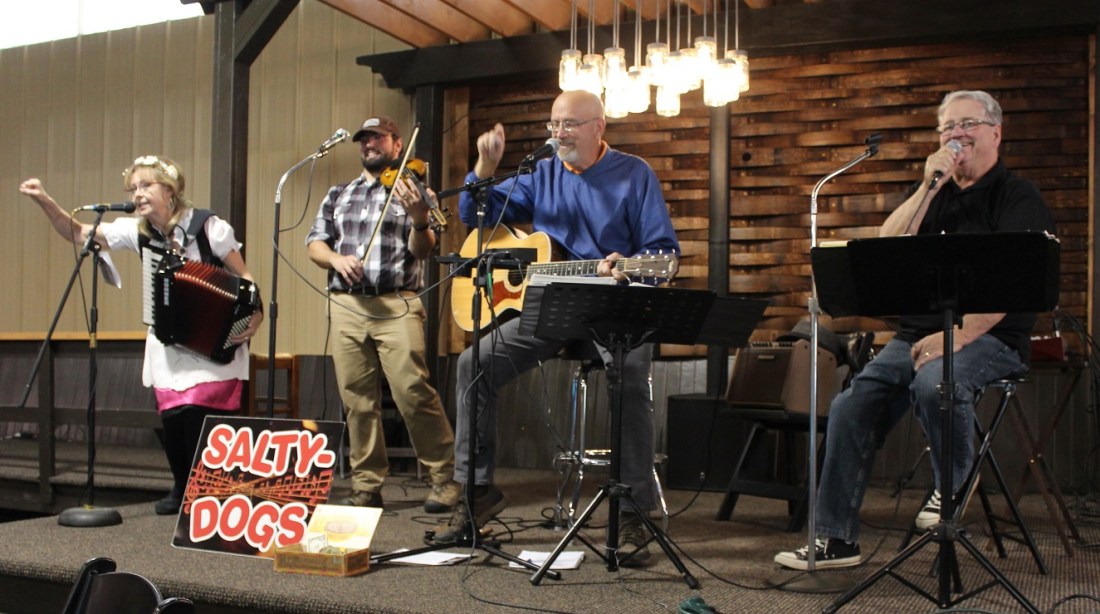
[To see and listen to the Salty Dogs:  Annie, Greg, Erik, and Tom . . . ]

10-19-19-4 - Copy

[There was also a big screen TV so we were simultaneously able to watch our undefeated Minnesota Gophers . . . ]

10-19-19-5 - Copy

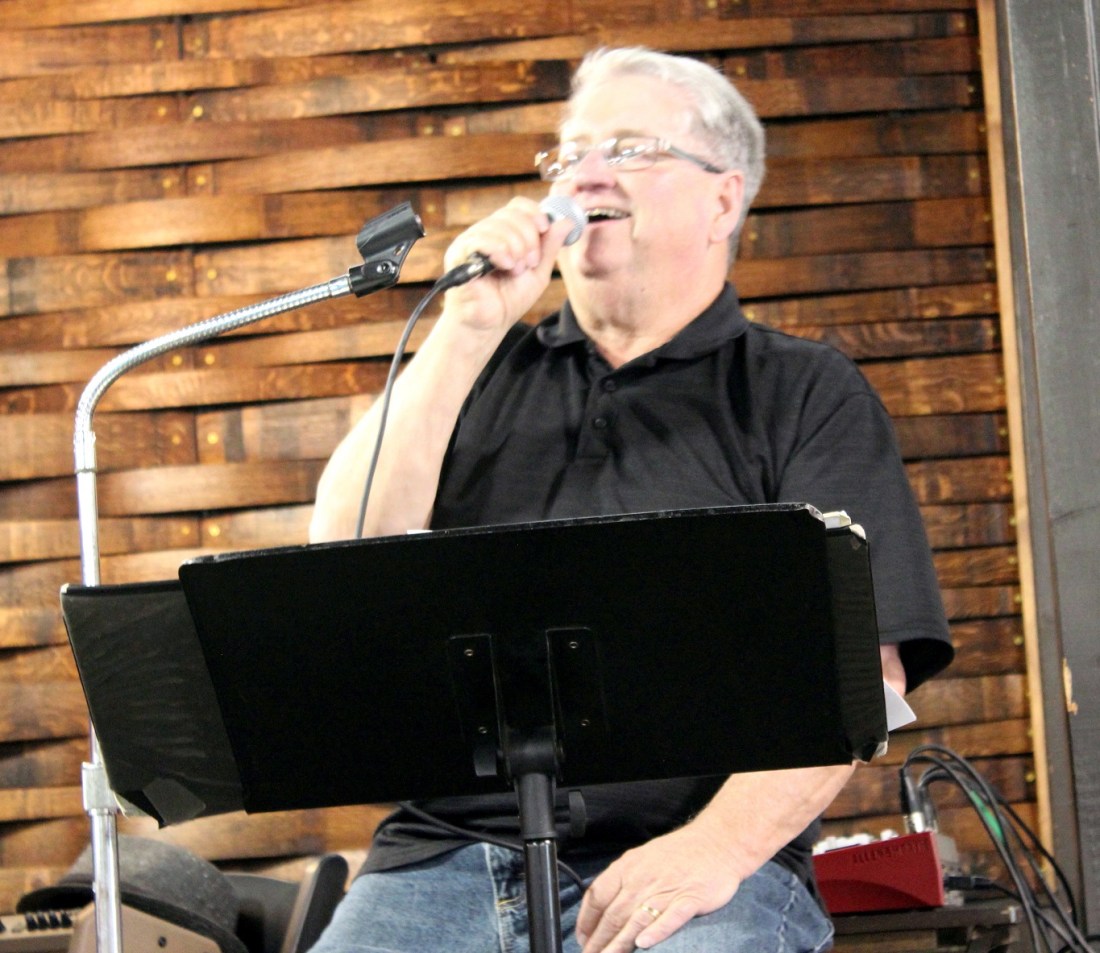
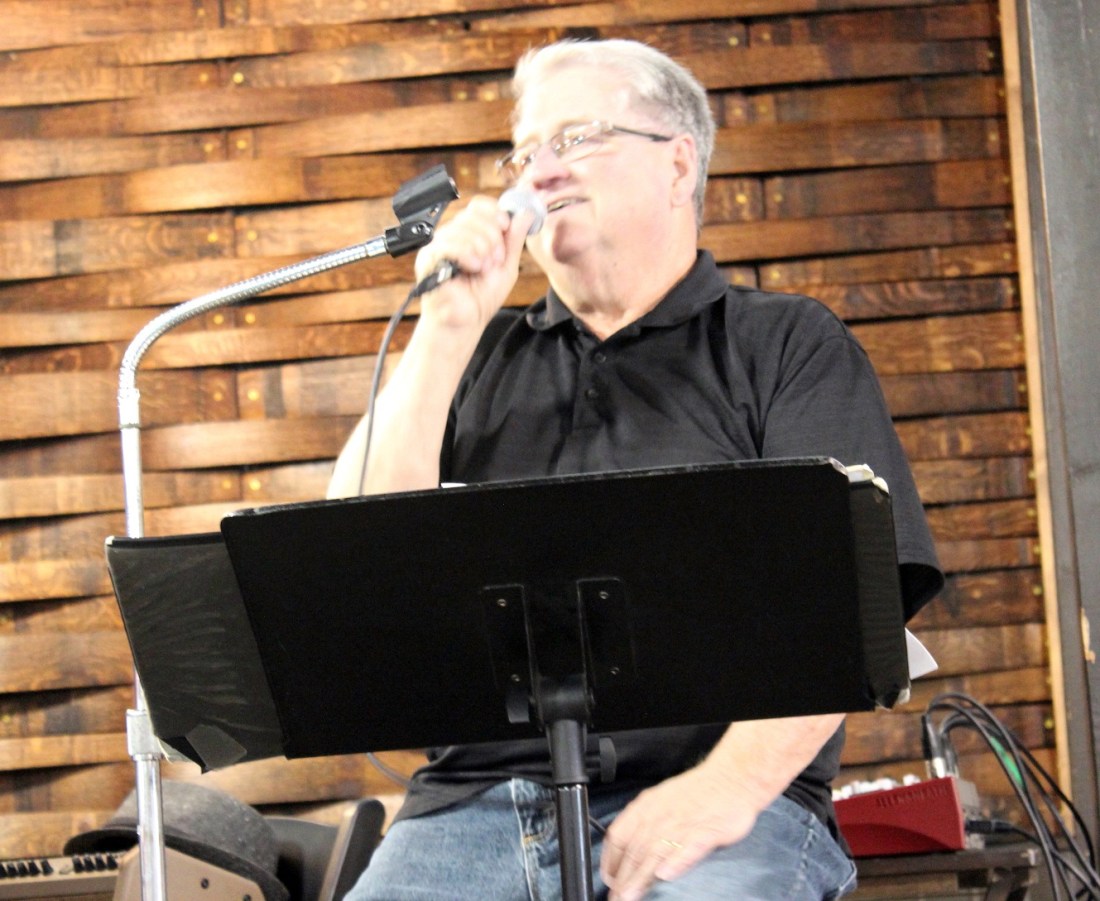
[Photo featuring Tom Mulder.  If the name sounds familiar it’s because he’s a grandpa of the previously mentioned George . . . ]

10-19-19-6 - Copy10-19-19-7 - Copy10-19-19-8 - Copy

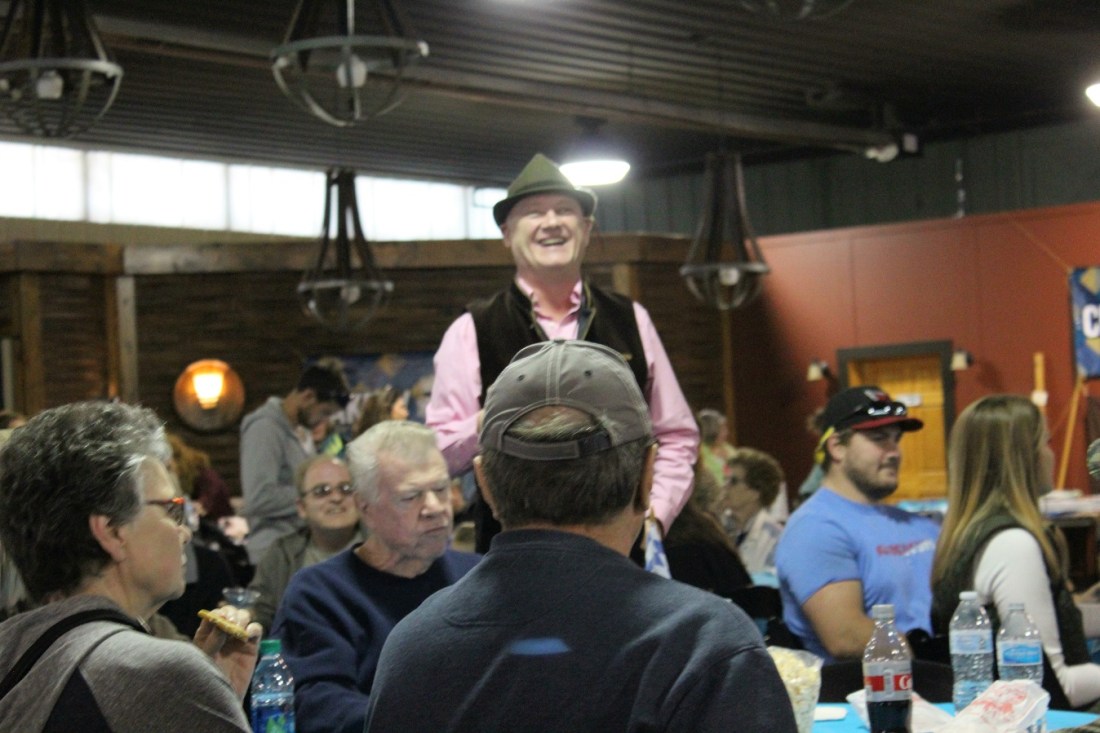
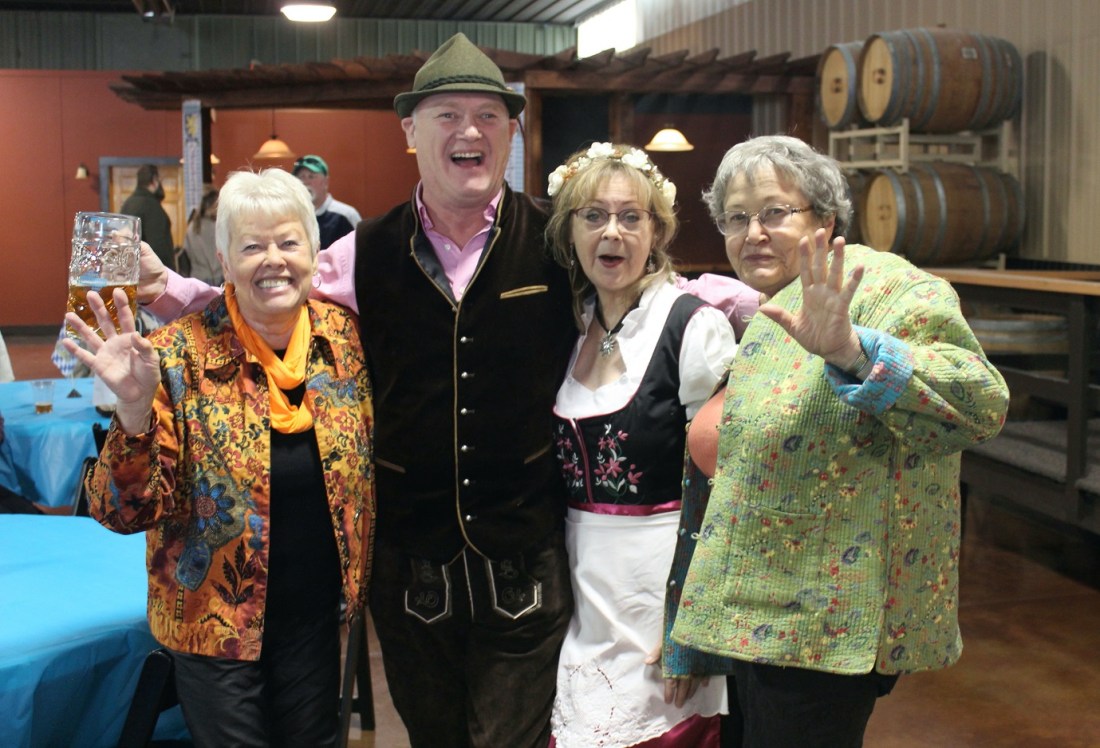
[Bob (further defined a couple photos down) in full Oktoberfest regalia . . . ]

10-19-19-9 - Copy

[So, you’d like to buy a vowel?]

10-19-19-10 - Copy

[That answer is . . . incorrect!]

10-19-19-11 - Copy

[Bob, further defined as Annie’s regular and recurring dance partner . . . ]

10-19-19-14 - Copy

[Since the excitement never ends in Vacationland USA, that night we all went to the theater.  Jami and Danny even came to town just for the performance.  No, it wasn’t Hello Dolly (the Super and I saw that last week) but keep scrolling down . . . ]

20191019_183840 - Copy

[In the theater . . . ]

20191019_184646 - Copy

[The promotional photo (not mine) but you might recognize the backdrop from Fort Alexandria . . . ]

prairie shadows 10-19

[Here you go, the latest in a series of such from Paulette Friday, Alexandria’s storyteller.]

prairie - Copy

[Yes, you’ll likely recognize that Annie and Greg had just performed at the winery, and Paulette and Deb were in the audience there . . . ]

prairie2 - Copyprairie3 - Copy

[The show was terrific – looking forward to the next one . . . ]

prairie4 - Copy

Sunday

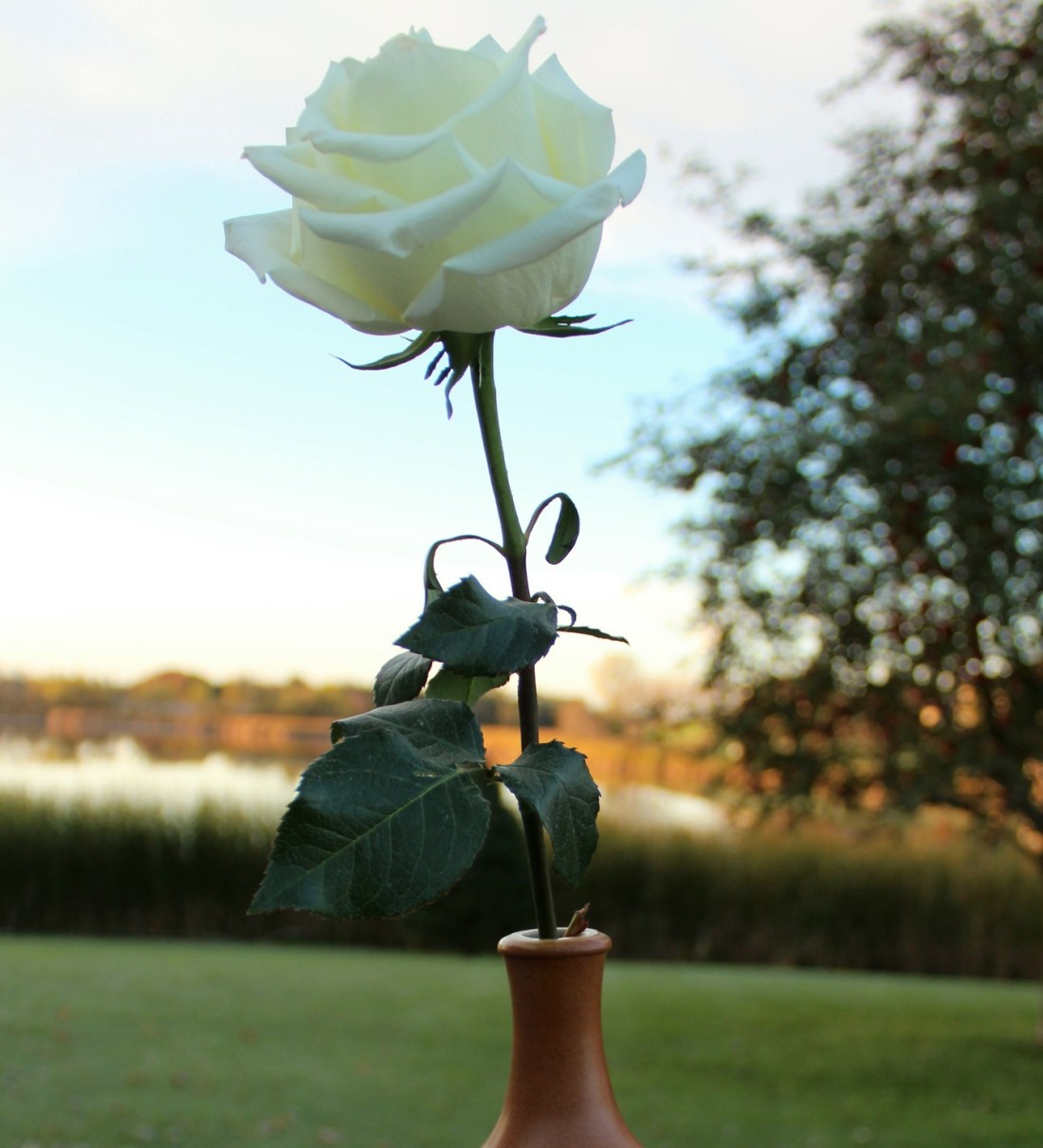
[Nicole brought roses to the TLHD boarding meeting.  By this morning one was thriving under the Super’s tutelage . . . ]

10-20-19-1 - Copy

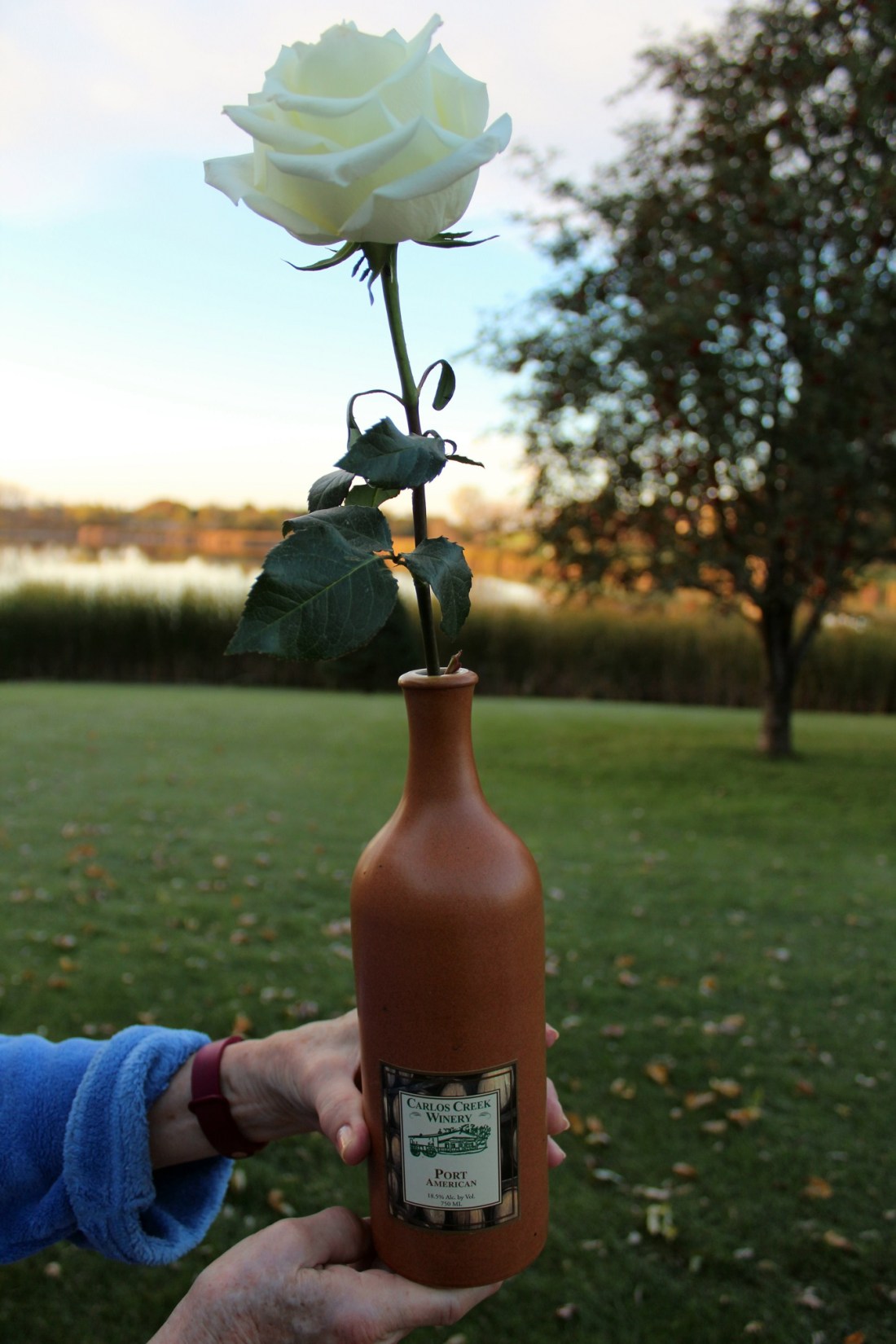
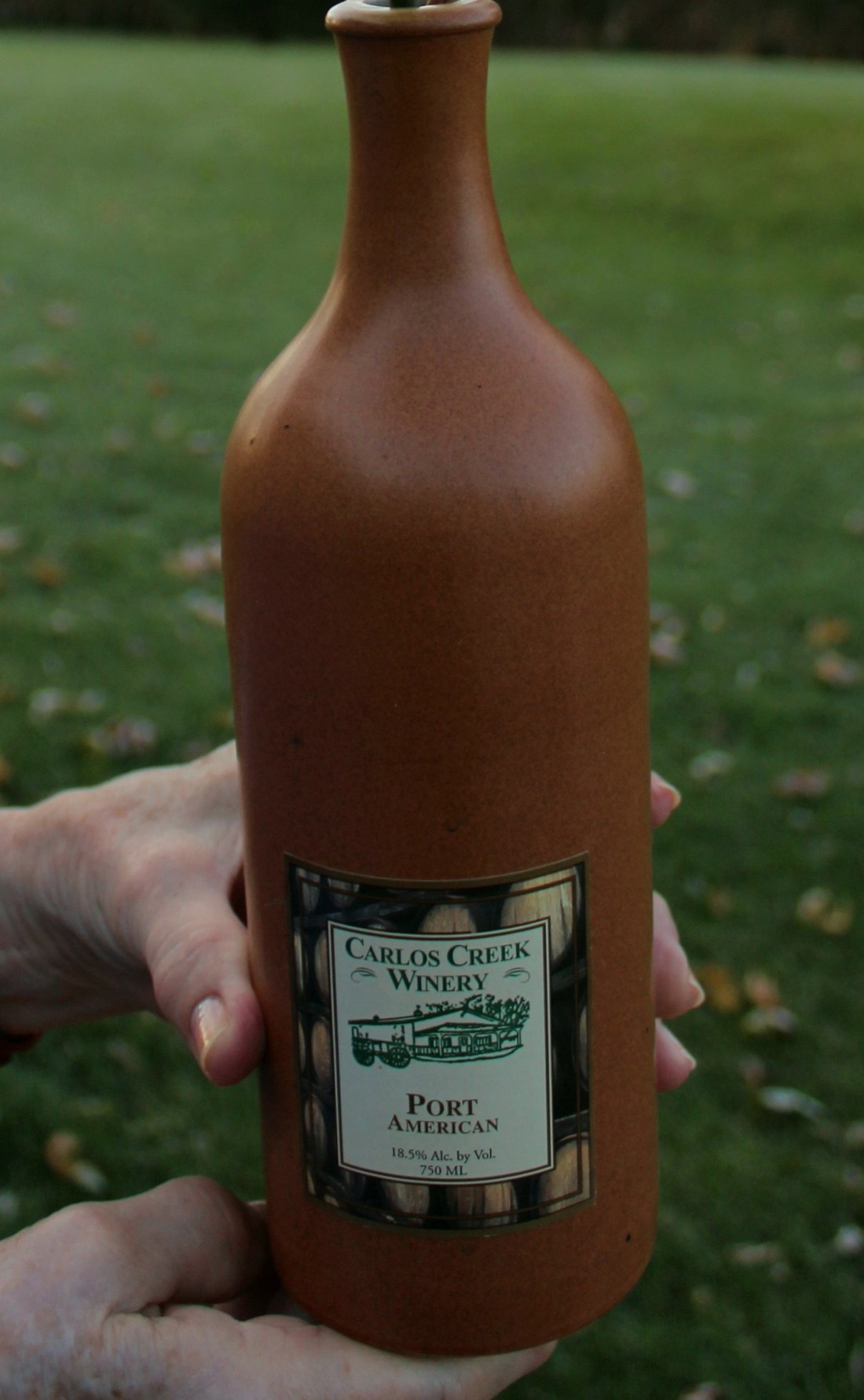
[A Carlos Creek port bottle made a lovely vase . . . ]

10-20-19-2-1 - Copy10-20-19-3 - Copy10-20-19-4 - Copy10-20-19-5 - Copy

[It was a beautiful morning over Lake H2Obert for Reetz’s final day . . . ]

10-20-19-6 - Copy10-20-19-7 - Copy

[See the crow?]

10-20-19-8 - Copy

[While Reetz was on her circuitous route back to Indiana, the Super joined AAUW colleagues at the History Theatre in St. Paul (photo courtesy Bonnie Schnell).  And thus endth another week of total excitment with The Biddies.]

IMG_1210

gloria - Copy

[“The Biddies” are my idols!]

greta

A sister will always notice her sister’s first gray hairs with glee.  ~  Allison M. Lee

Up Next:  Norway, hoping to finish before the end of the year . . .

Norway (Day 12 & 13)

June 29

At Sea

This is the commencement of a two-day, 1,400 miles jaunt from Honningsvag to Lerwick, Shetland Islands, Scotland . . . 

june29 - Copy

[Leaving the snow-capped north . . . ]

20190629-8 - Copy

6-29-19-1 - Copy6-29-19-2 - Copy6-29-19-3 - Copy6-29-19-4 - Copy

[For what will obviously be views of vast amounts of water, at this point through gathering sleet . . . ]

20190629-10 - Copy20190629-11 - Copy

[But continuing hints of blue sky were exciting . . . ]

20190629-13 - Copy20190629-14 - Copy

[Please correct me if I’m wrong, but I suspect we are approaching Sommaroy . . . ]

20190629-16 - Copy

[Sommarøy is an old fishing village in the western part of Tromso Municipality in Troms county.  It is located about 36 kilometres (22 mi) west of the city of Tromso and is a popular tourist destination due to its white sand beaches and scenery.  The 0.34-square-kilometre (84-acre) village has a population (2017) of 321.  The fishing village covers the island of Store Sommaroya as well as part of the neighboring island of Hillesoya and many smaller surrounding islands.  The village is a typical fishing village with great local fishing fleets and substantial fish processing and other industries.  Tourism is also important in Sommarøy.  There is a hotel and rental cabins available (Wikipedia).]

20190629-17 - Copy

[If I’m wrong on the village, all this is for naught . . . ]

20190629-19 - Copy

[The Super and Bill took advantage of the improving weather for outdoor photo ops . . . ]

20190629-20 - Copy20190629-21 - Copy

[It really is quite scenic . . . ]

20190629-22 - Copy

[Are we having fun yet?]

20190629-23 - Copy20190629-24 - Copy

[Why I think this is Sommaroya is because this looks like the Sommaroya Bridge . . . ]

20190629-25 - Copy20190629-26 - Copy20190629-27 - Copy20190629-28 - Copy

[Soon to be trending to open seas . . . ]

20190629-30 - Copy

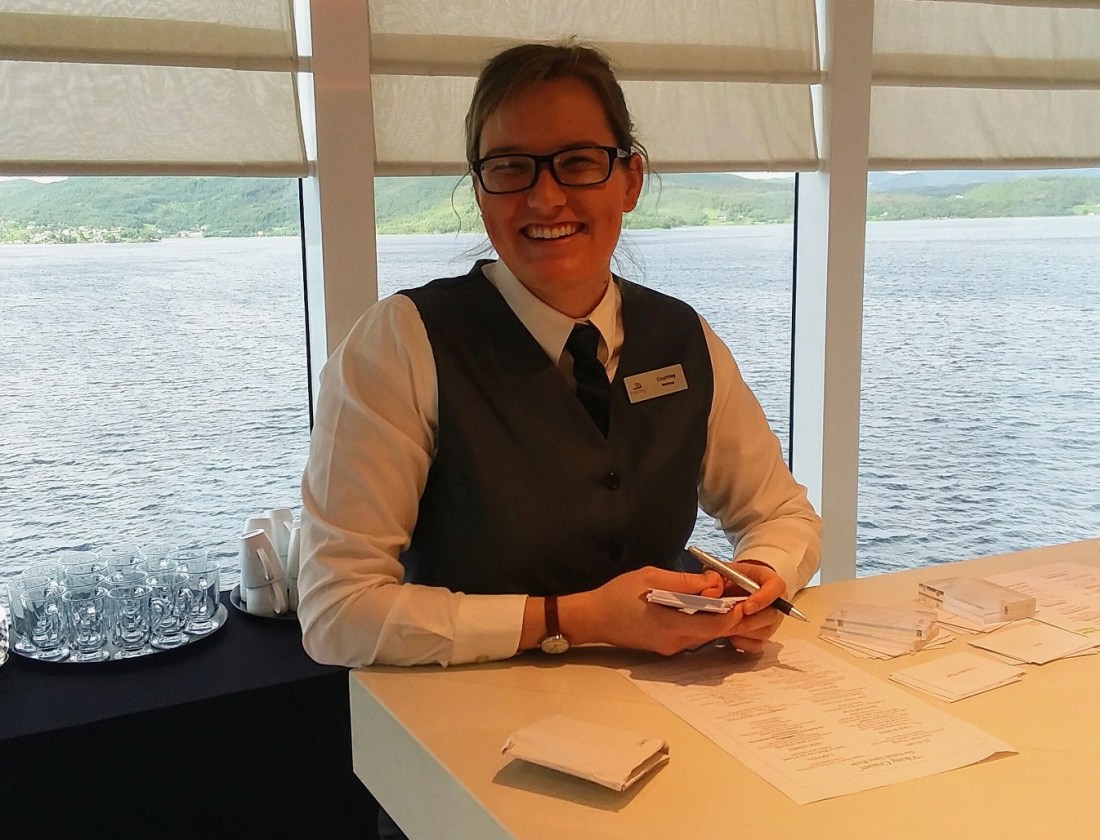
[Courtney reminded me of Amy Sunderland, the director of Alex’s senior college . . . ]

20190629-31-1 - Copy

[Bill and Anne settling in for two days of cruising . . . ]

20190629-34 - Copy20190629-35 - Copy

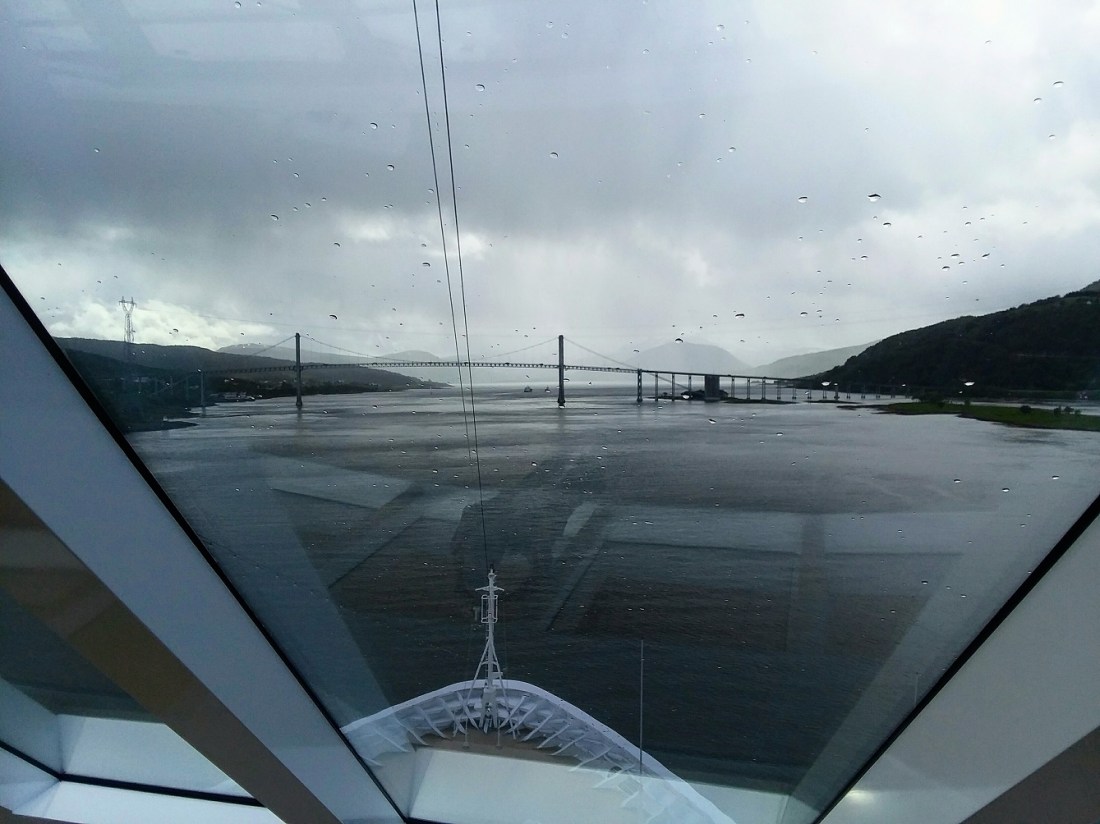
[Just a guess,  but the Tjeldsund Bridge is a suspension road bridge that crosses the Tjelsundet strait between the mainland and the island of Hinnoya in Troms county. The bridge is 1,007 metres (3,304 ft) long, the main span is 290 metres (950 ft), and the maximum clearance to the sea is 41 metres (135 ft). The bridge has 32 spans (Wikipedia).]

20190629-37 - Copy20190629-38 - Copy

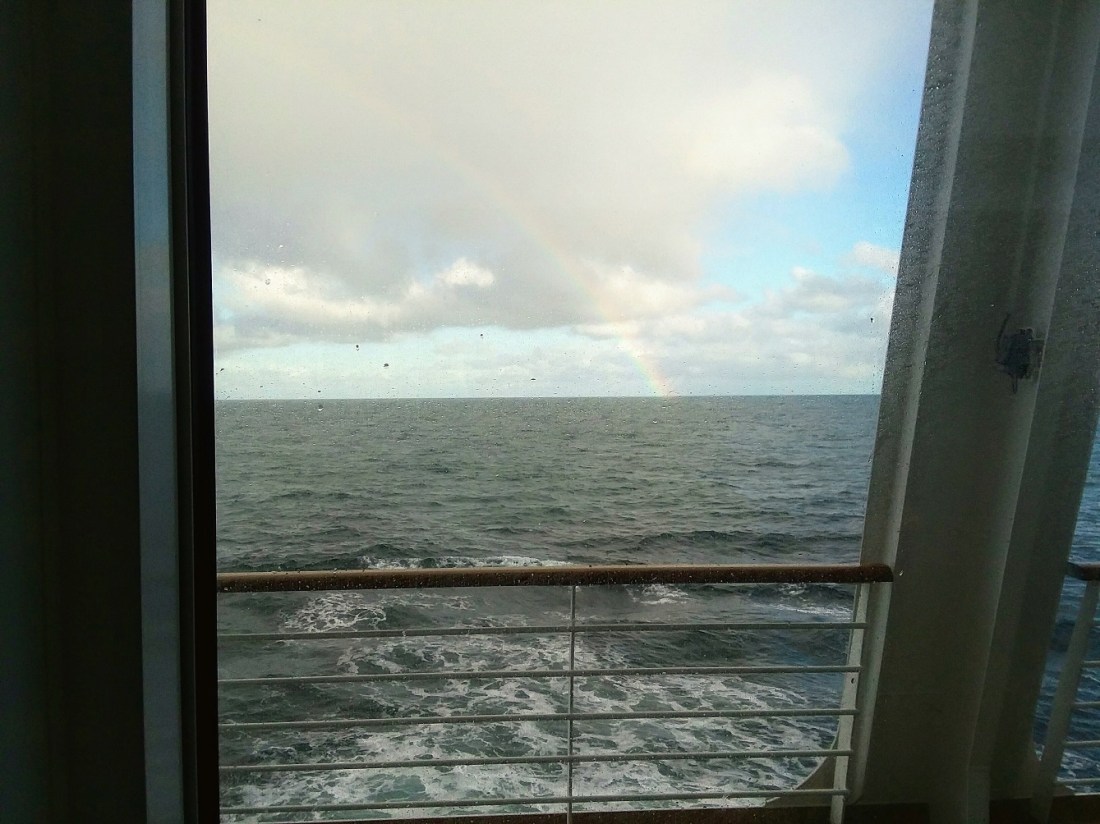
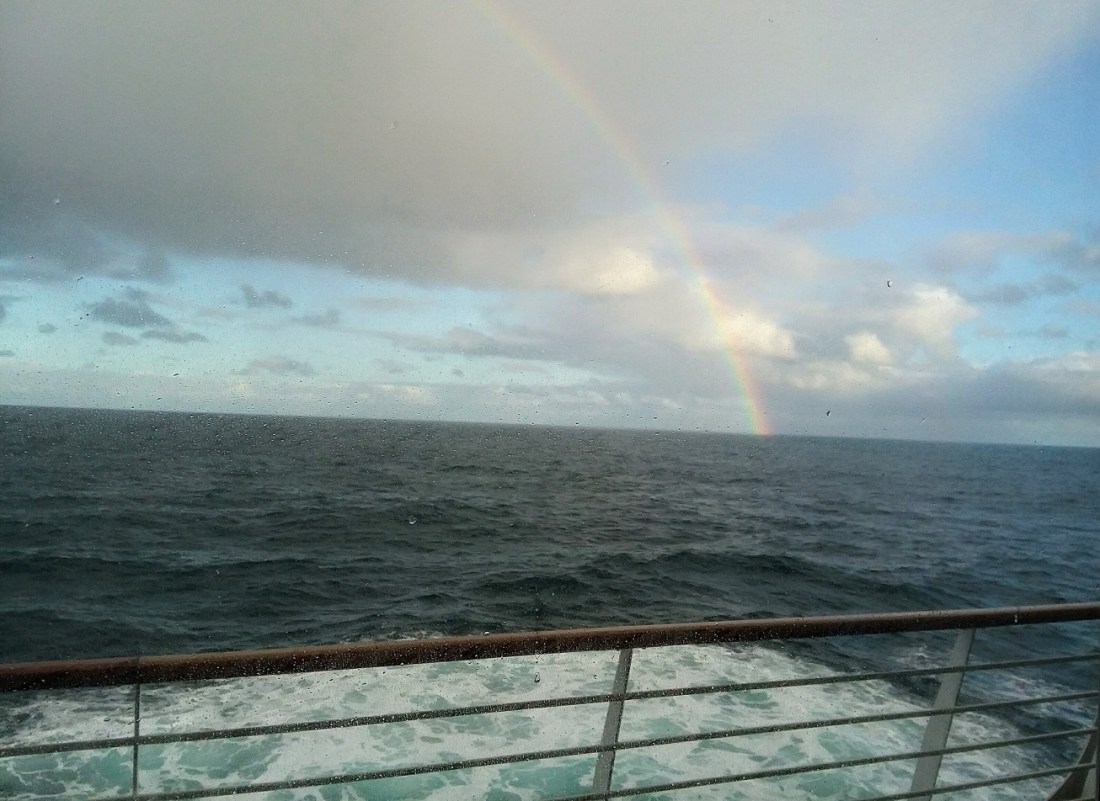
[The open sea . . . ]

20190629-40 - Copy

[And a rainbow . . . ]

20190629-41 - Copy20190629-42 - Copy

June 30

june30 - Copy

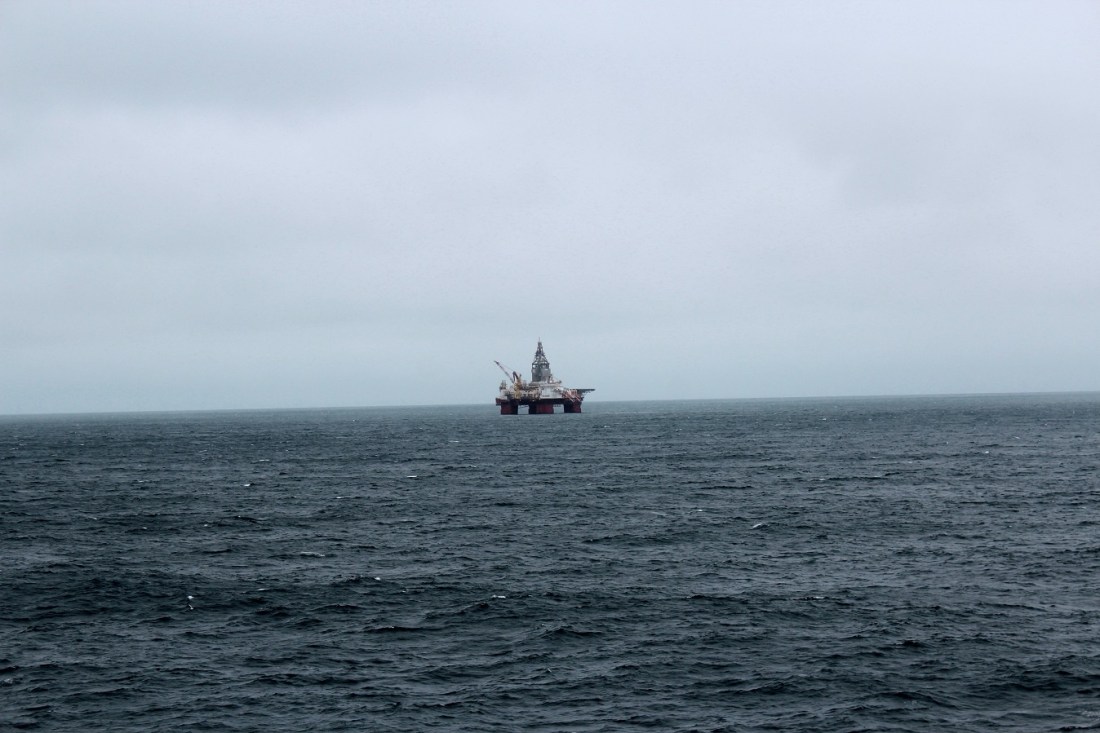
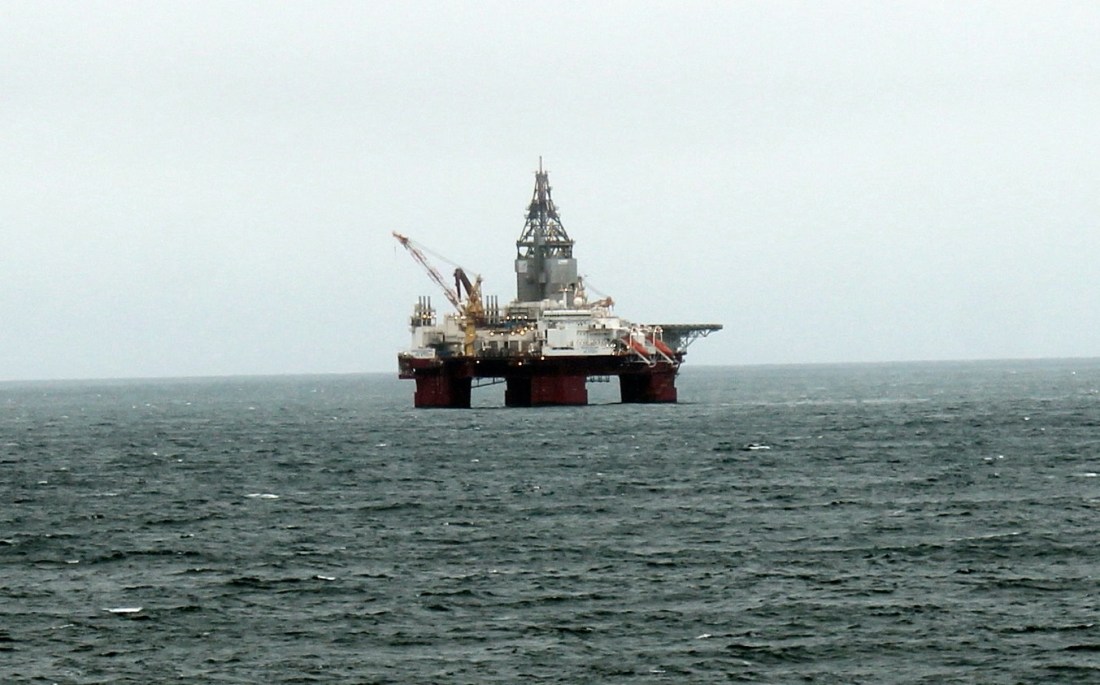
[These are Scottish, not Norwegian, oil patforms, as I recall . . . ]

6-30-19-1 - Copy6-30-19-4 - Copy

6-30-19-3 - Copy

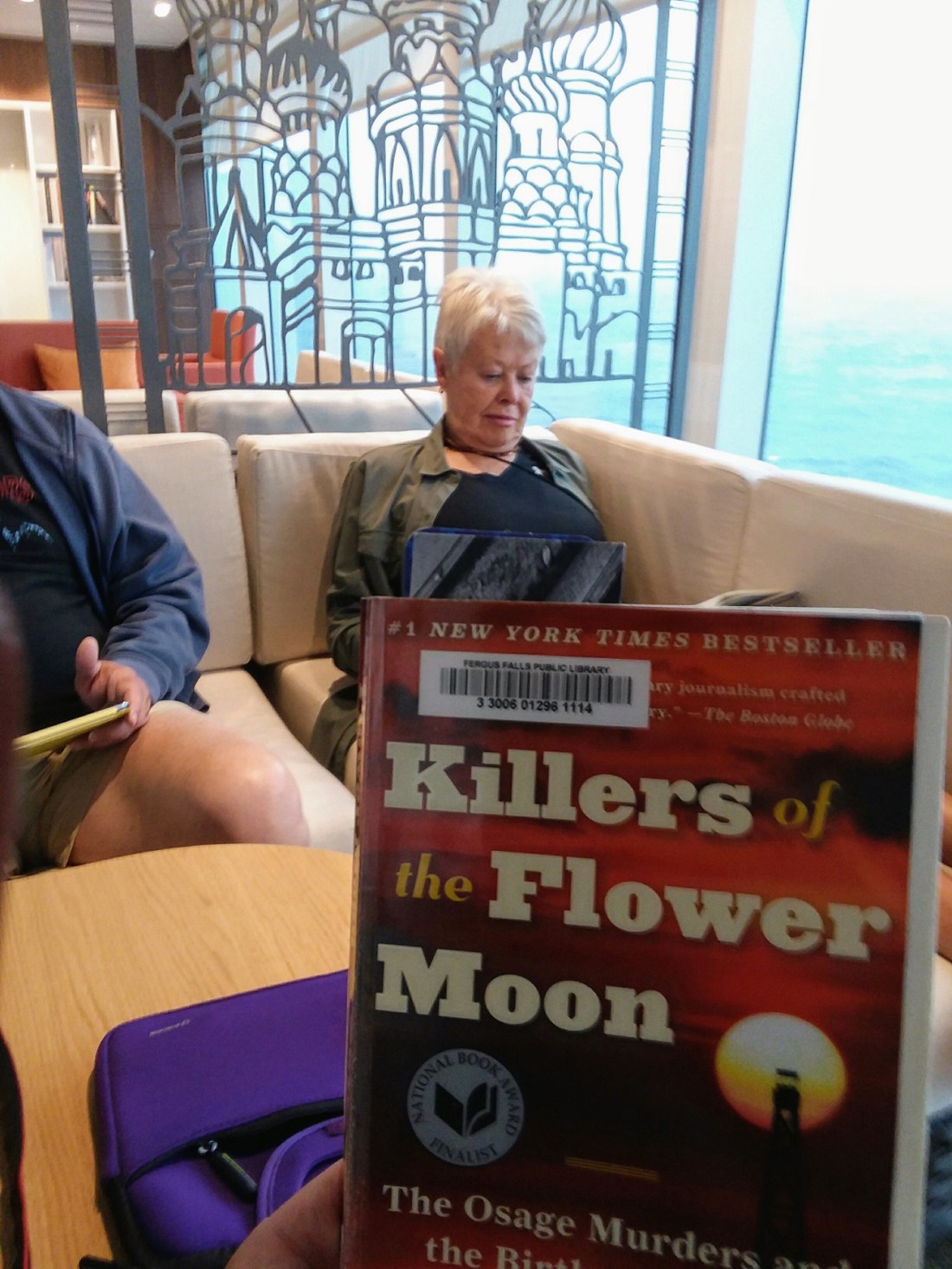
[Now I remember, I finished this book for book club.  Cruising in open water is really a good time to catch up on one’s readings . . . ]

20190630-5 - Copy

[Hellooooo!  Anybody out there?]

20190630-6 - Copy20190630-7 - Copy20190630-8 - Copy

[Pretty much why a life at sea never held any appeal for me . . . ]

20190630-9 - Copy

[Cruise ship interior tranportation lanes.  Next stop, Shetland Islands . . . ]

6-30-19-6 - Copy

He didn’t really like travel, of course. He liked the idea of travel, and the memory of travel, but not travel itself.  ~  Julian Barnes

Up Next:  “The Biddies”? (Ooops, published that first)

Norway (Day 11)

June 28

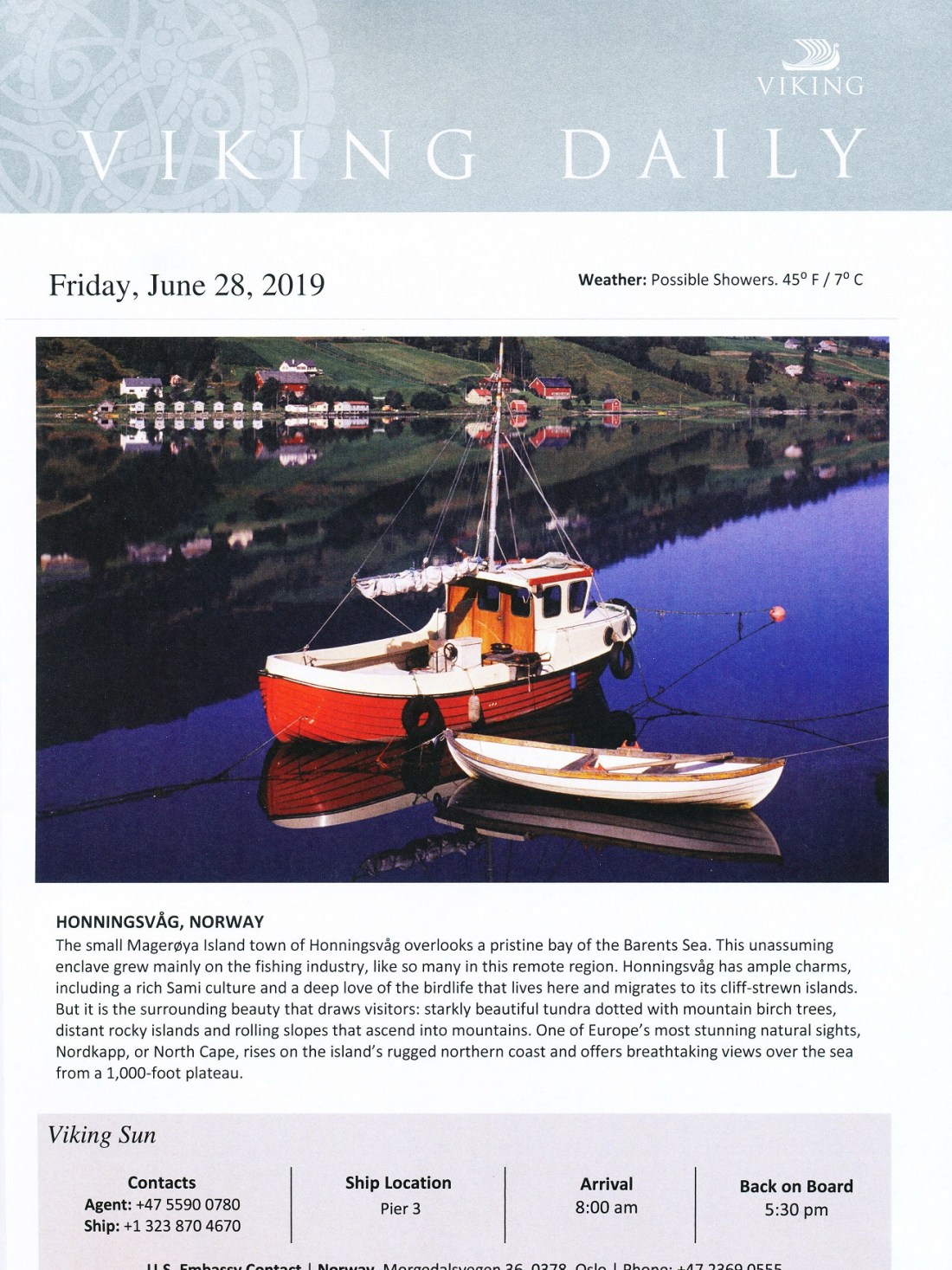
Honningsvag (Nordkapp)

TOP O’ THE WORLD . . . 
june28 - Copy

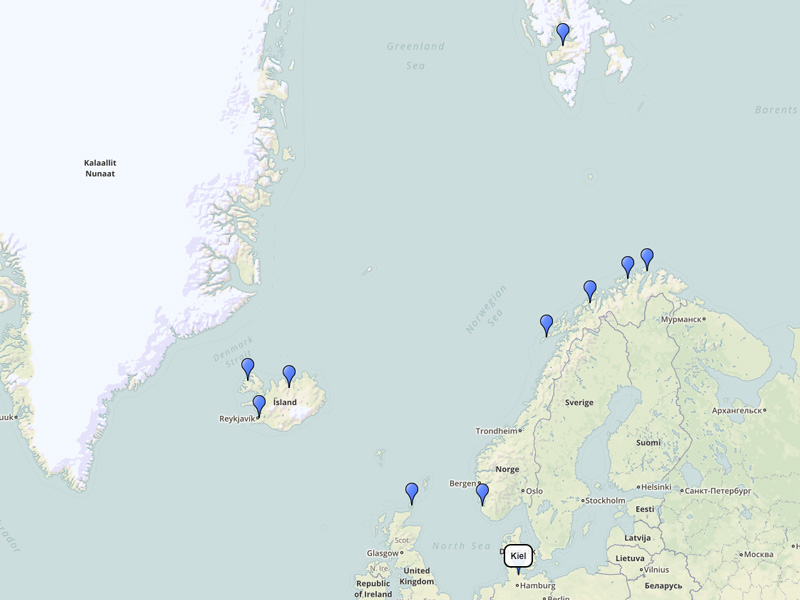
[We’re at the top blue dot on the continent . . . ]
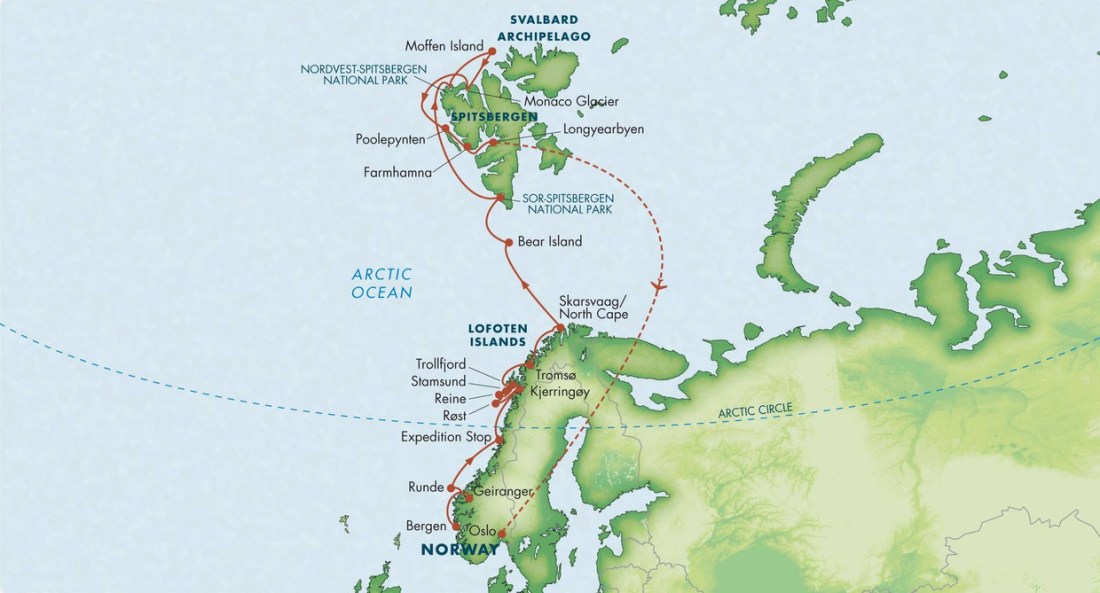
north cape-svalbard3

[I woke up early (i.e., normal time) and took a selfie in The Explorers Bar . . . ]

6-28-19-1 - Copy

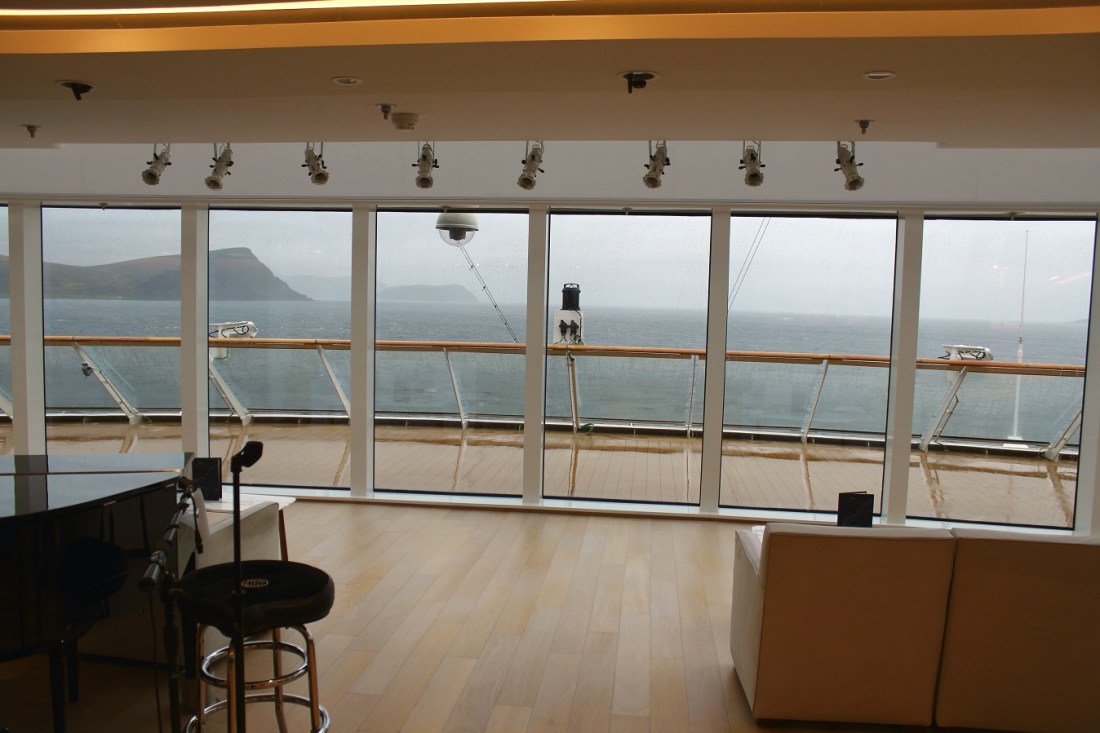
[Then out the front of the boat, looking about as far north as north can be . . . ]
6-28-19-2 - Copy

[Yup, nobody else is up yet . . . ]

6-28-19-3 - Copy

[Unknown guy in the corner of the library . . . ]

6-28-19-4 - Copy

[Can’t imagine being here absent all the comforts of a modern cruise ship . . . ]

6-28-19-5 - Copy

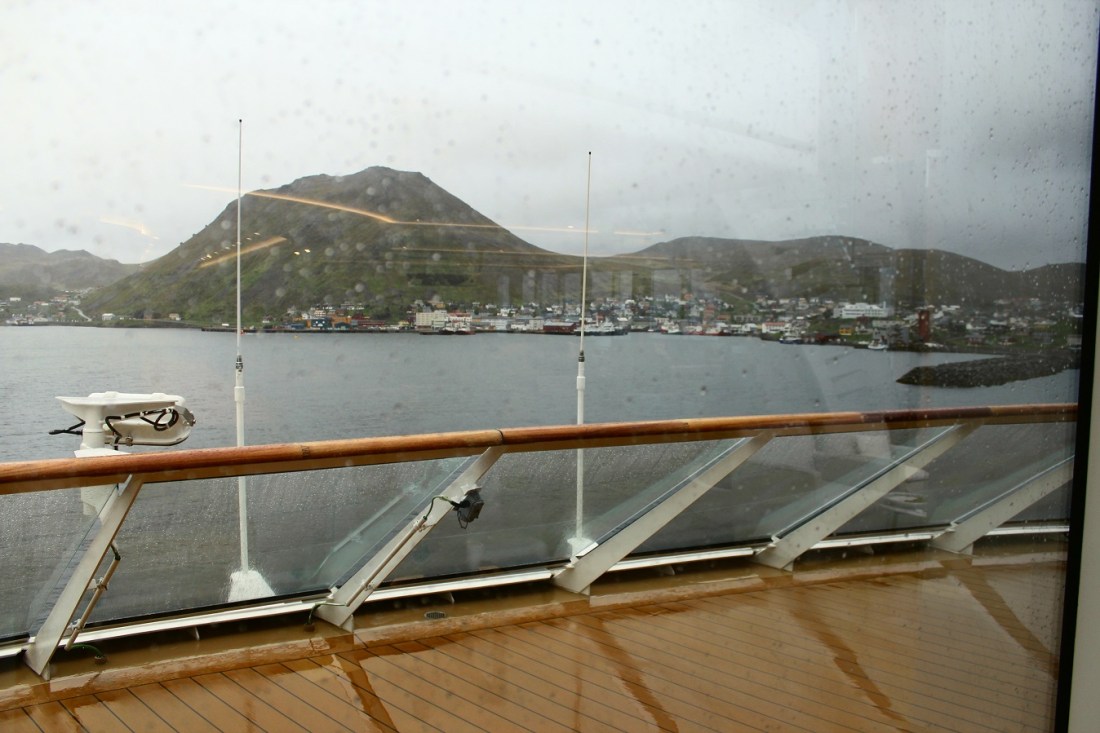
[Honningsvag is the nothernmost [until now, I did not realize “northernmost” was one word] city in Norway.  It is located in Nordkapp Municipality in Finnmark county.  Legislation effective in 1997 states that a Norwegian city/town (same word in Norwegian) must have at least 5,000 inhabitants, but Honningsvåg was declared a city in 1996, thus exempt from this legislation, so it is also one of the smallest cities in Norway.  The 1.05-square-kilometre (260-acre) town has a population (2017) of 2,484.  Honningsvåg is situated at a bay on the southeastern side of the large island of Mageroya, while the famous North Cape and its visitor center is on the northern side of the island. Honningsvåg is a port of call for cruise ships, especially in the summer months.  The ice-free ocean (southwestern part of the Barents Sea) provides rich fisheries and tourism is also important to the town.  Even at 71°N, many private gardens in Honningsvåg have trees, although rarely more than 3 to 4 metres (9.8 to 13.1 ft) tall.  The famous dog Bamse came from Honningsvåg.  Bamse (Norwegian for “teddy bear”) (1937 – 22 July 1944) was a St. Bernard dog that became the heroic mascot of the Free Norwegian Forces during the Second World War.  He became a symbol of Norwegian freedom during the war (Wikipedia).]
6-28-19-6 - Copy

[This would mark a personal record for the farthest north I’ve ever been with a foot on the ground (I did fly over the North Pole on a trip to Japan about 35 years ago) . . . ]
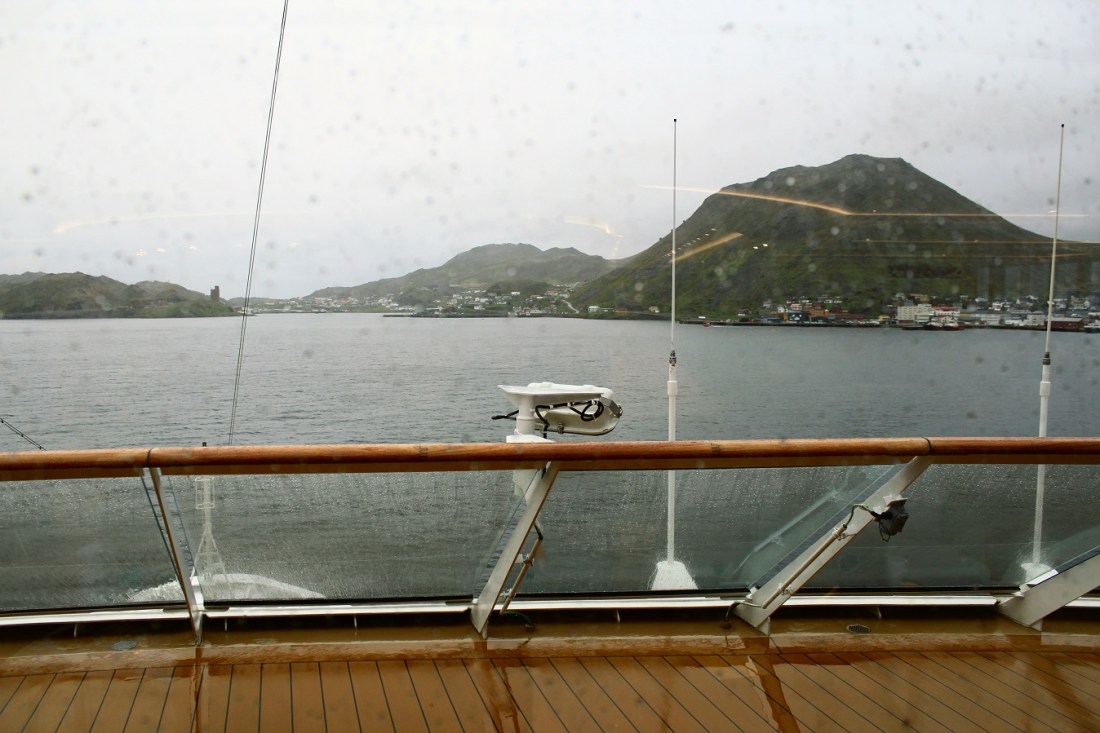
6-28-19-7 - Copy

[As with most things here, the northernmost gas station in the world . . . ]
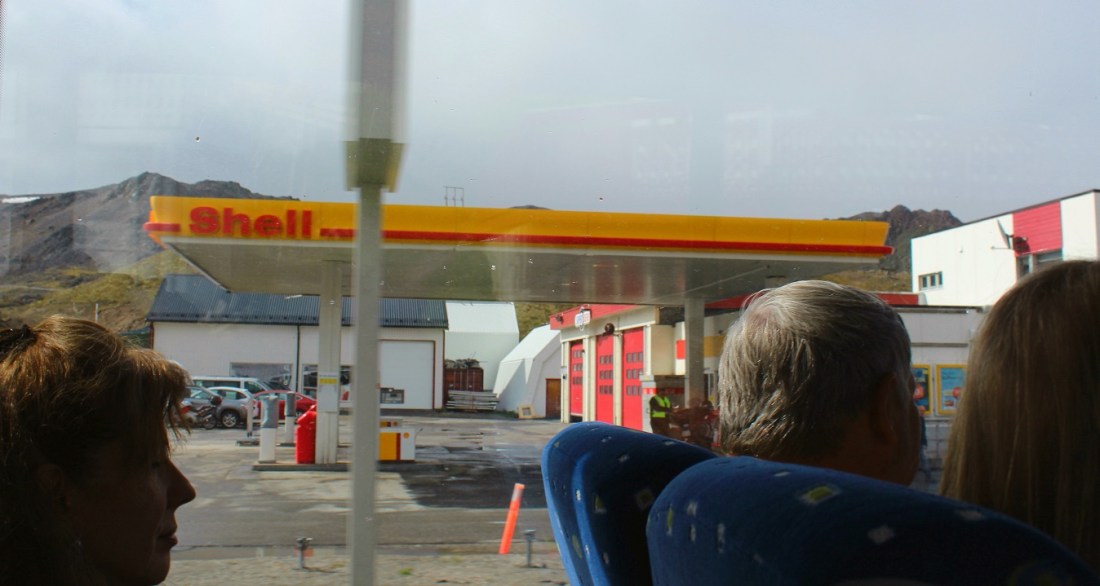
6-28-19-8 - Copy

[The northernmost house until we run into the next one . . . ]
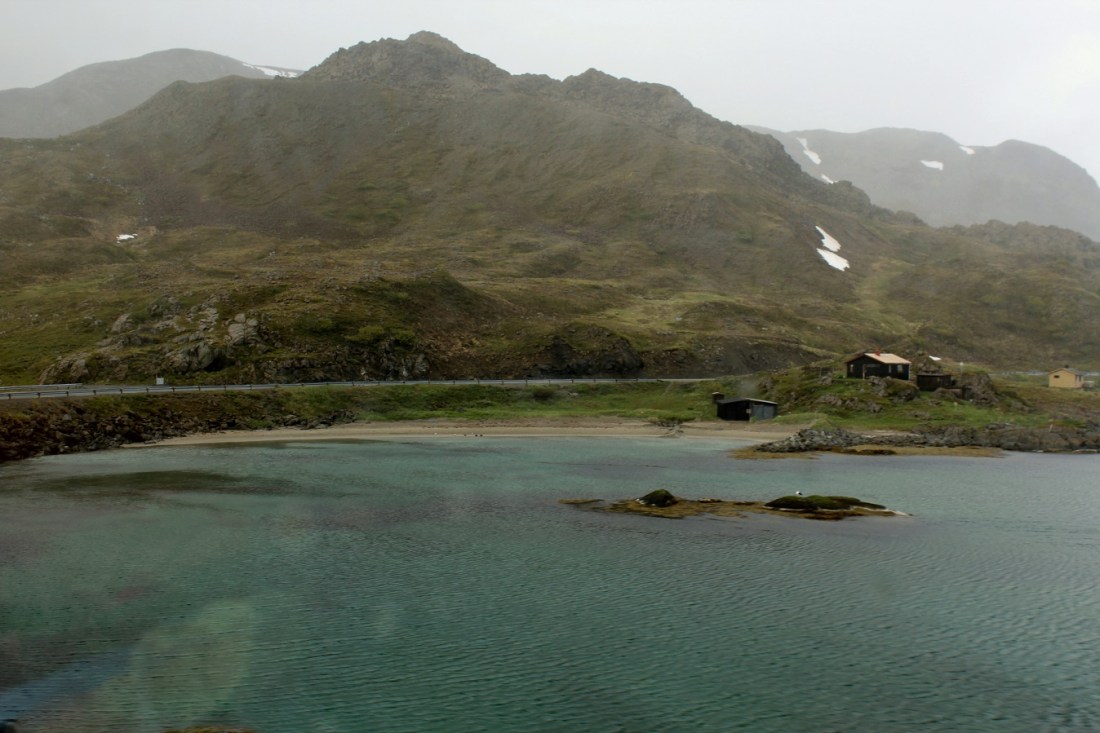
6-28-19-10 - Copy

[The next house . . . ]

6-28-19-11 - Copy

[Another not really lovely day . . . ]
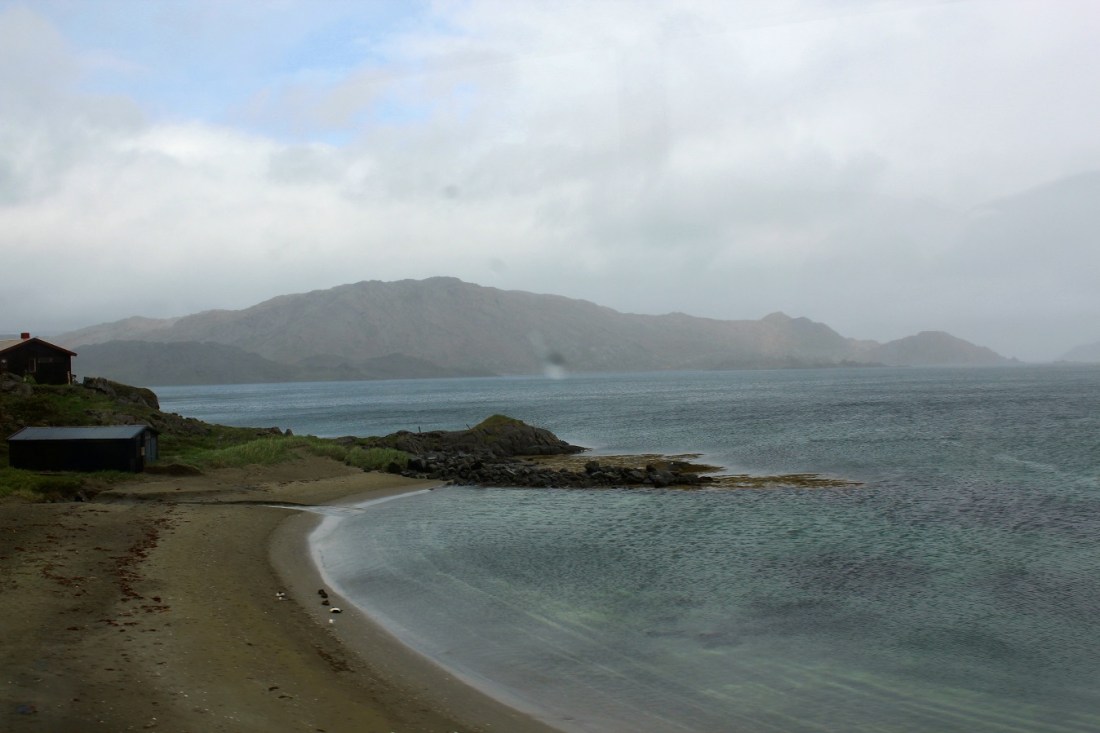
6-28-19-12 - Copy

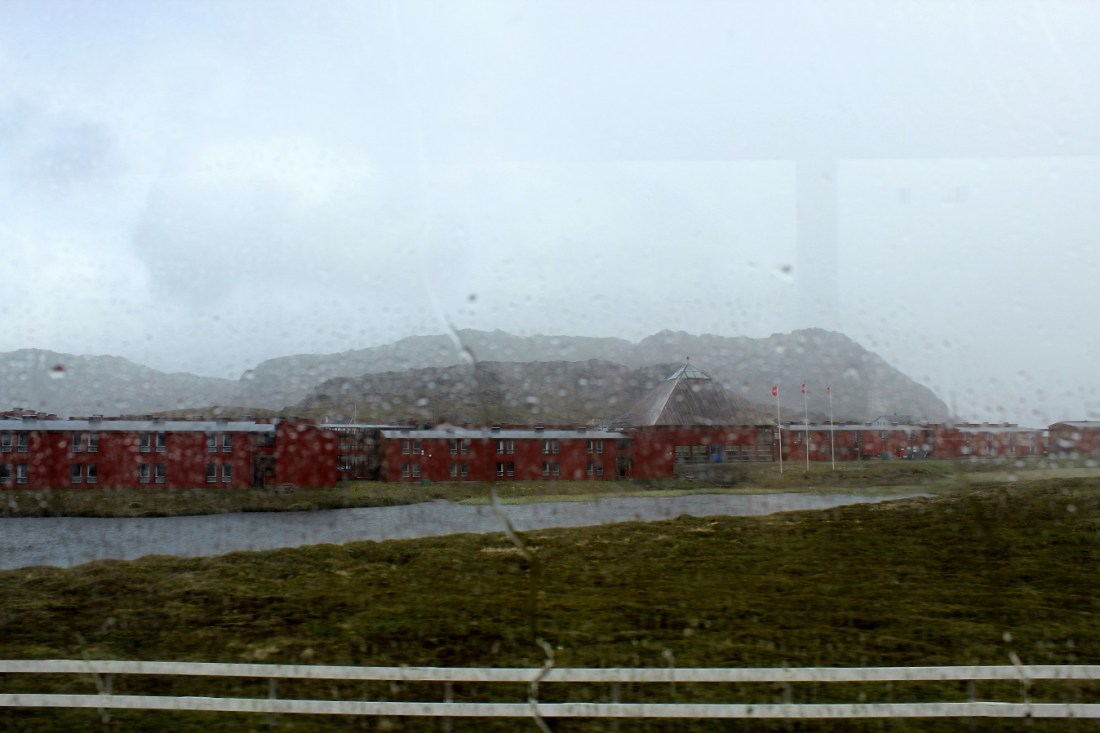
[If truth be told (and why wouldn’t I), this was not a trip to Honningsvag . . . ]

6-28-19-13 - Copy

[It’s just the port for this visit to Nordkapp (North Cape) . . . ]
6-28-19-14 - Copy

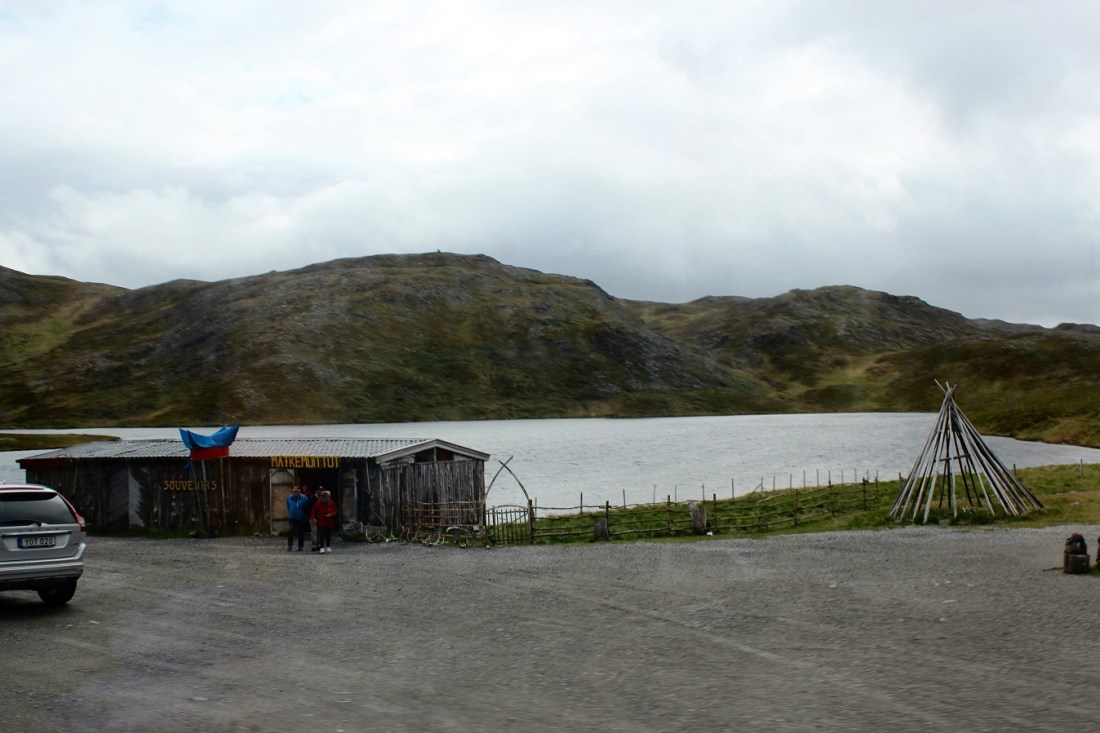
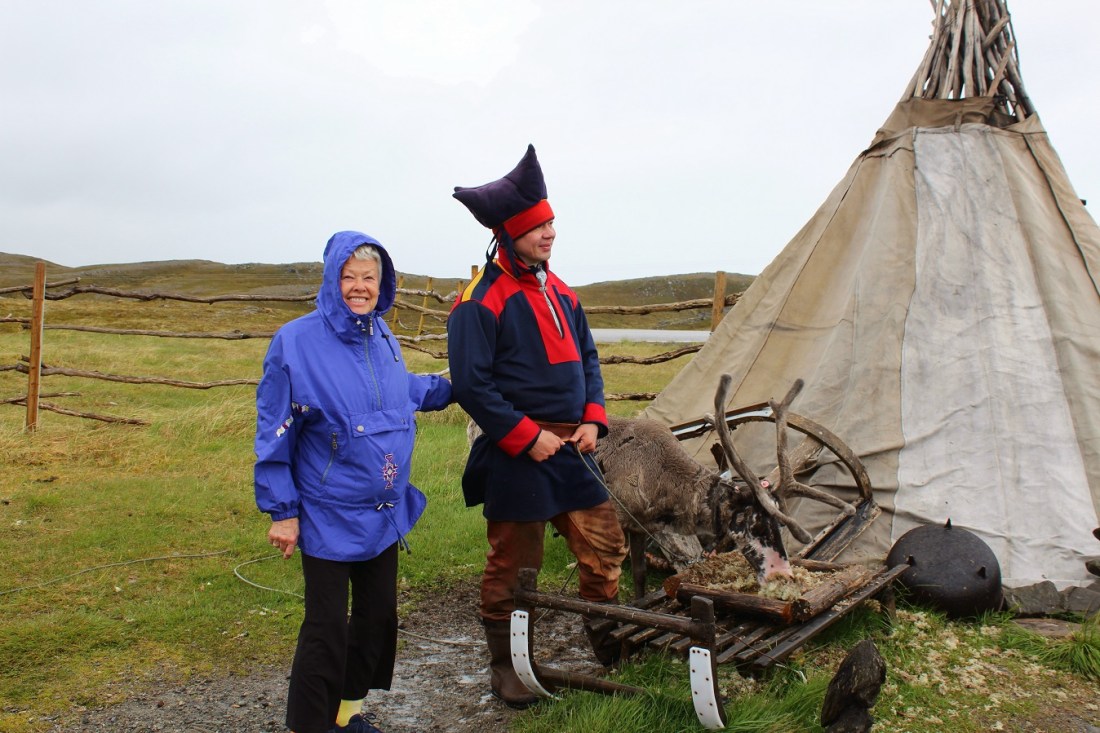
[And on the way, a visit to a Sami household and gift shop . . . ]
6-28-19-16 - Copy

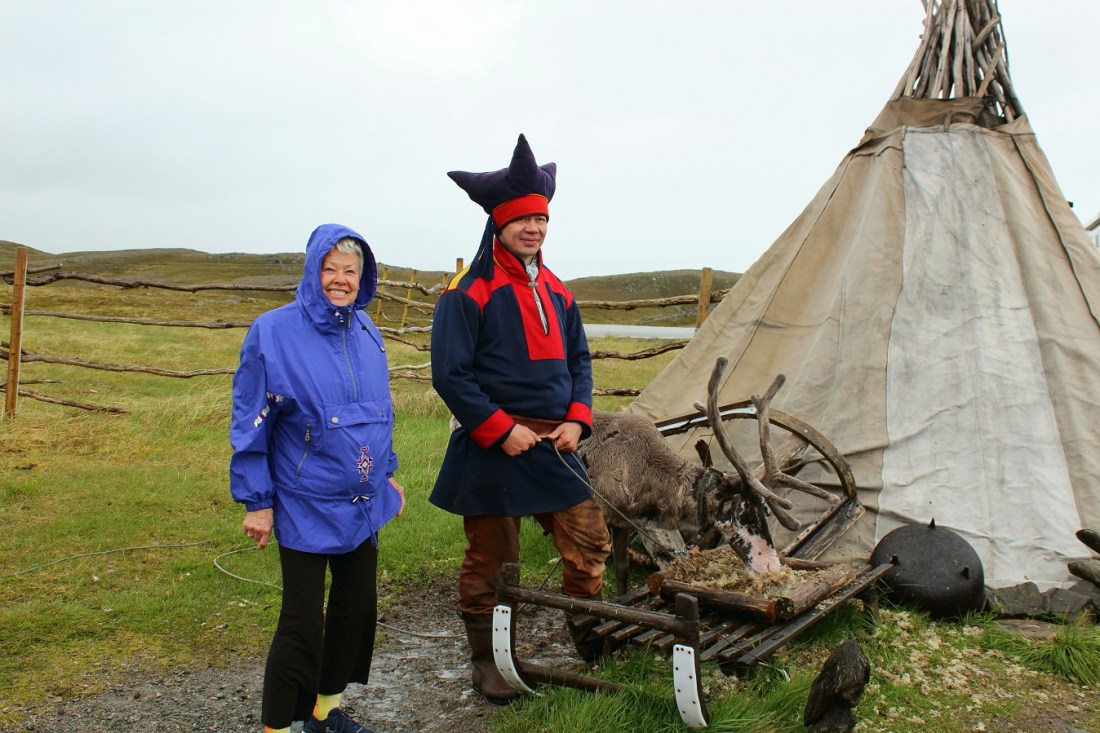
[The Sámi people (also spelled Sami or Saami) are an indigenous Finno-Ugric people inhabiting Sapmi, which today encompasses large northern parts of Norway and Sweden, northern parts of Finland, and the Kola Peninsula within the Murmansk Oblast of Russia. The Sámi have historically been known in English as Lapps or Laplanders. Sámi ancestral lands are not well-defined.  Their traditional languages are the Sami languages and are classified as a branch of the Uralic language family.  Traditionally, the Sámi have pursued a variety of livelihoods, including coastal fishing, fur trapping, and sheep herding.  Their best-known means of livelihood is semi-nomadic reindeer herding. Currently about 10% of the Sámi are connected to reindeer herding, providing them with meat, fur, and transportation.  2,800 Sámi people are actively involved in reindeer herding on a full-time basis.  For traditional, environmental, cultural, and political reasons, reindeer herding is legally reserved for only Sámi people in some regions of the Nordic countries (Wikipedia).]
6-28-19-17 - Copy

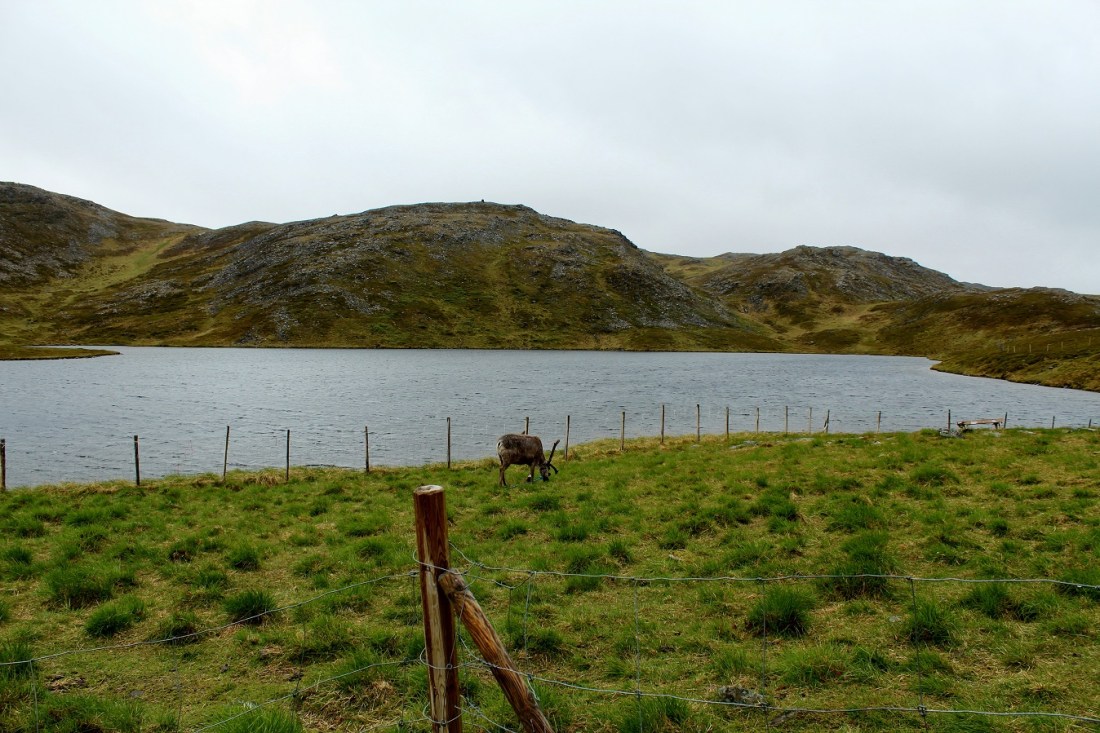
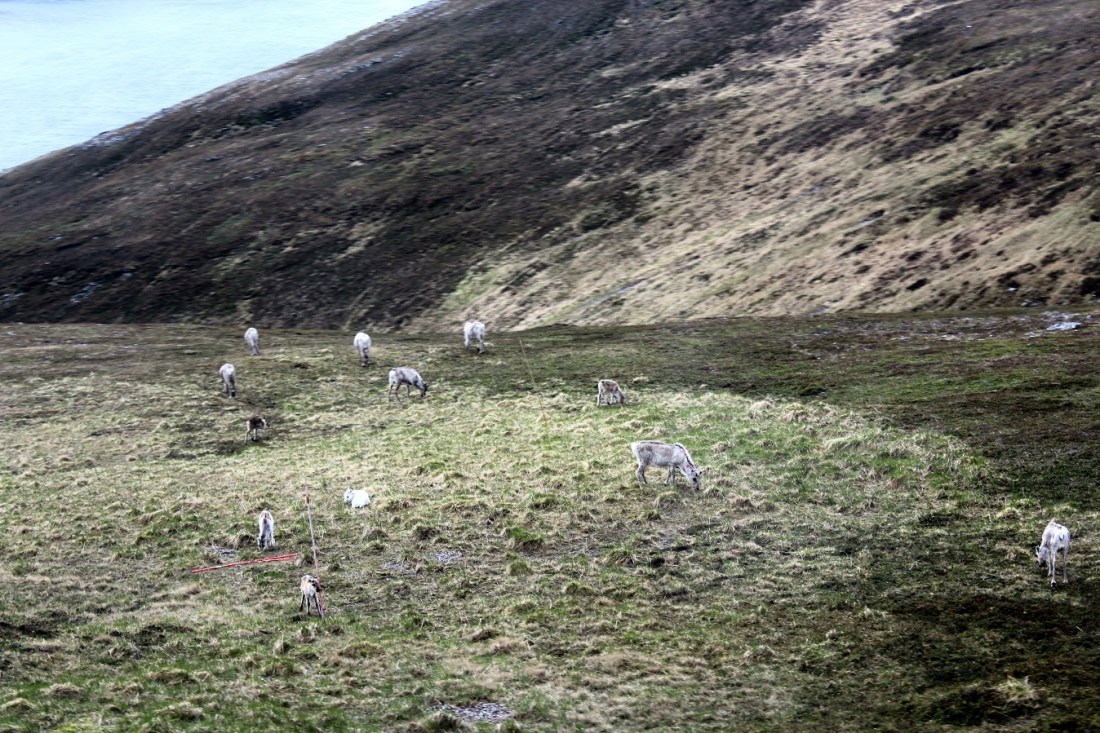
[Reindeer . . . ]

6-28-19-19 - Copy

[Indeterminate if one of Santa’s . . . ]

6-28-19-19-1 - Copy

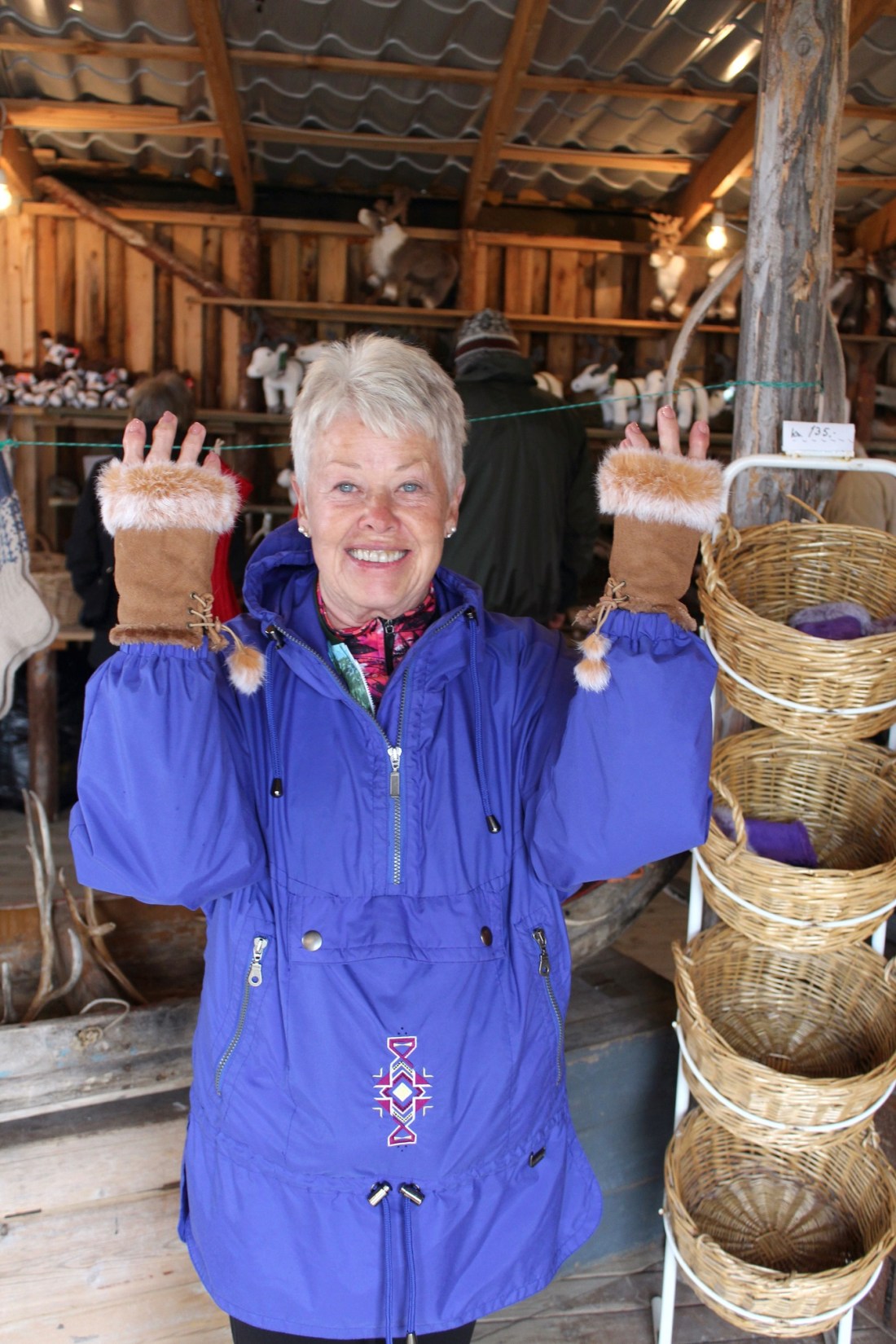
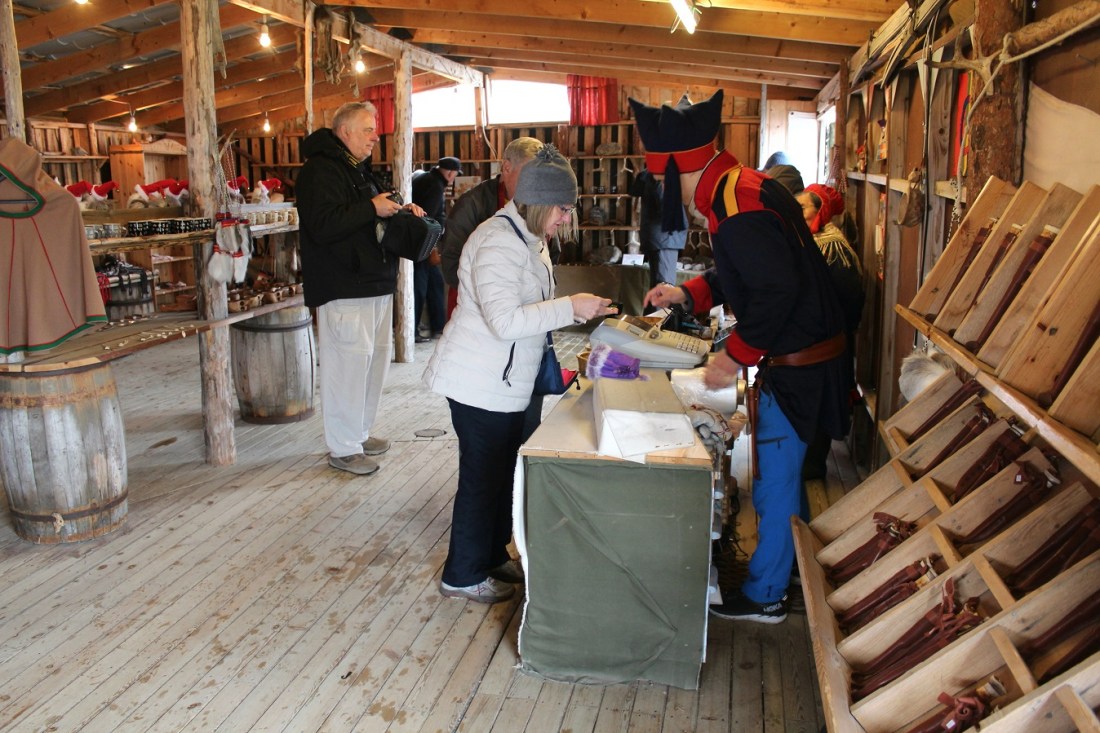
[And now on to the serious business of shopping . . . ]
6-28-19-20 - Copy

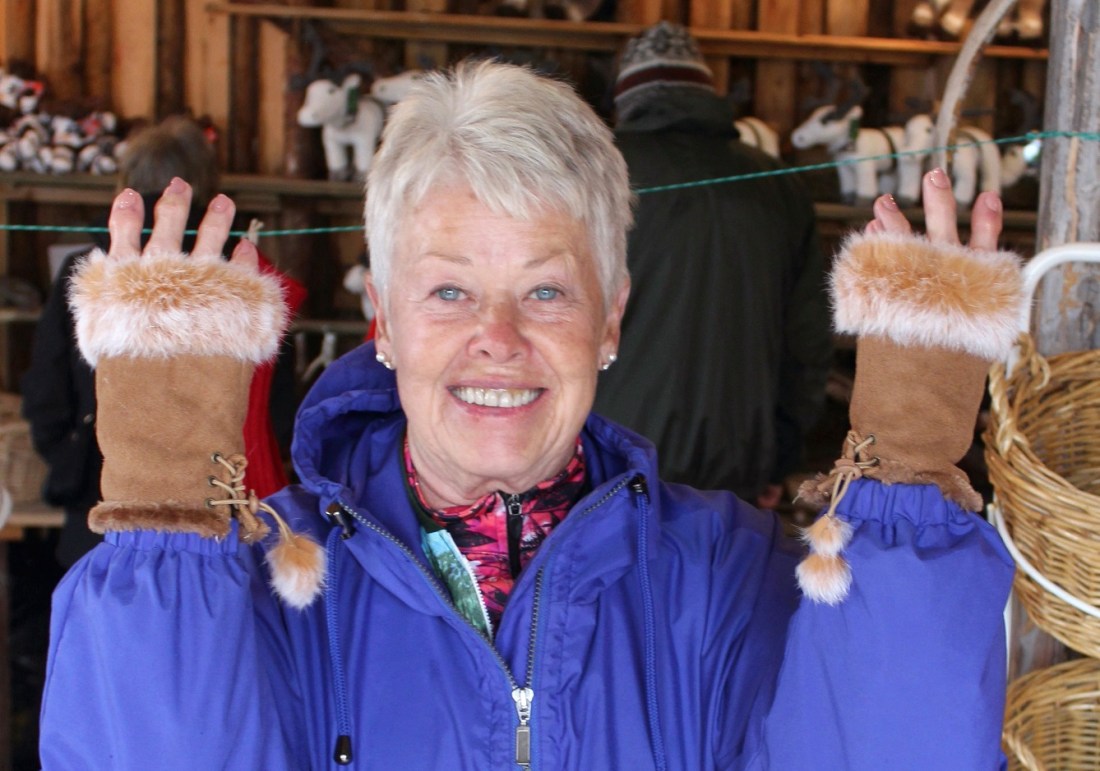
[I think I’ll get these . . . ]

6-28-19-20-1 - Copy

[And Anne joined in on the spree . . . ]
6-28-19-21 - Copy

[On to North Cape . . . ]

6-28-19-22 - Copy

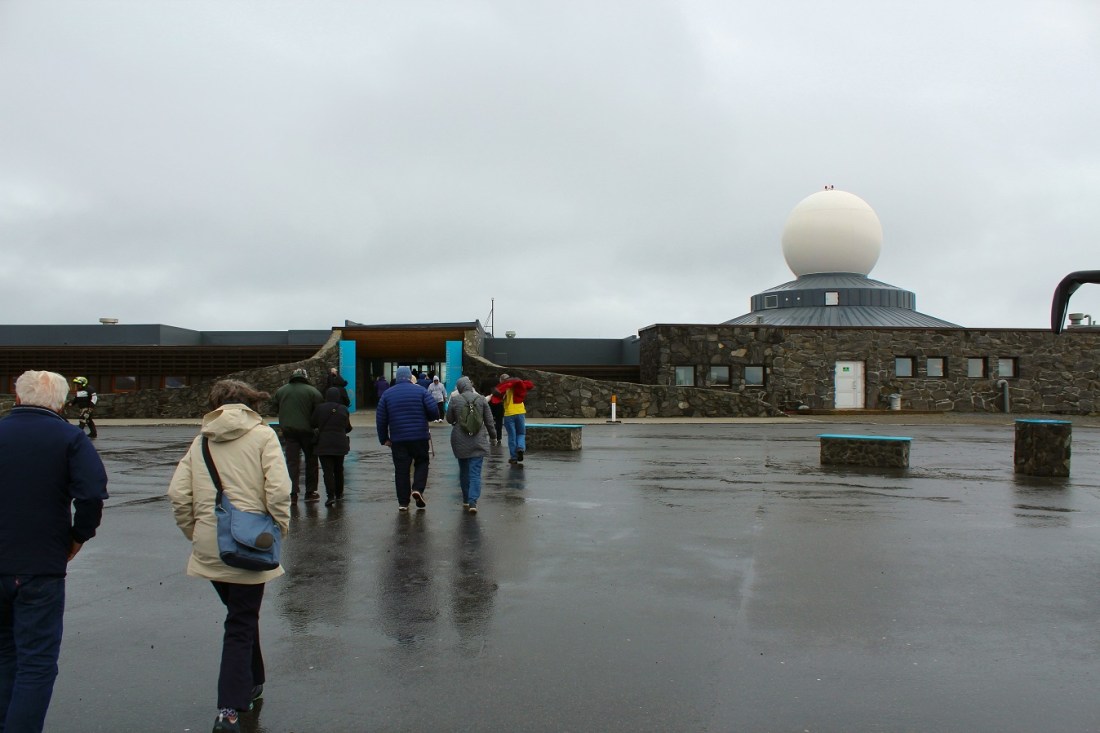
[Good morning sunshine . . . ]

6-28-19-23 - Copy

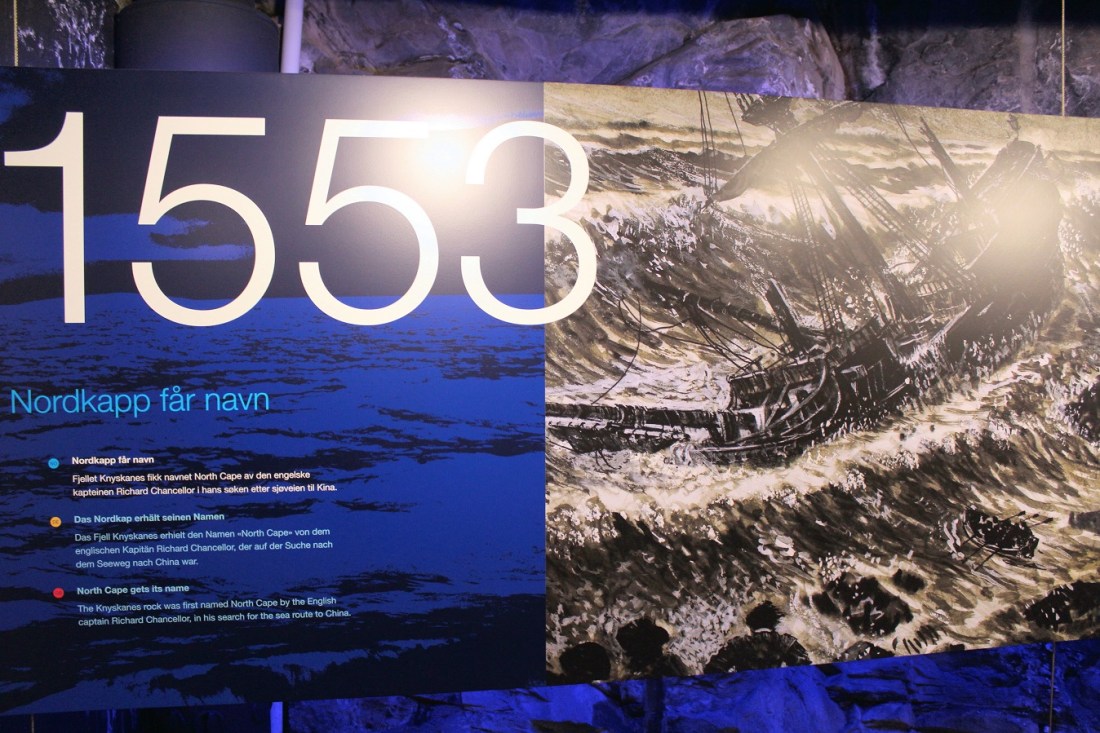
[Nordkapp (English: North Cape) is a municipality in Finnark county. The administrative centre of the municipality is the town of Honningsvag, where most residents live.  The 926-square-kilometre (358 sq mi) municipality is the 120th largest by area out of the 422 municipalities in Norway.  Nordkapp is the 253rd most populous municipality in Norway with a population of 3,239.  Some 200,000 tourists visit Nordkapp annually during the two to three months of summer.  The main tourist attractions are the North Cape and the nearby Knivskjellodden.  The North Cape first became famous when the English explorer Richard Chancellor rounded it in 1553 while attempting to find a sea route through the Northeast Passage.  The municipality is named after Nordkapp (North Cape), a 307-metre-high (1,007 ft) cliff that is commonly referred to as the northernmost point of Europe. However, the true northernmost point of the European mainland is Cape Nordkinn  (Kinnarodden), at 71° 08′ 02″ N, located about 20 kilometres (12 mi) from the village of Mehamn on the Nordkinn Peninsula.  If Europe’s northernmost point is allowed to be on an island, then it still is not the North Cape.  It would be Cape Fligely on Rudolf Island, Rudolf Island, Franz Josef Land in Russia, which is located much further north at 81° 48′ 24″ N.  If Franz Josef Land is not considered to be in Europe, then Europe’s northernmost point is the northern point of the island of Rossoya, an islet in Svalbard, north of Spitsbergen at 80° 49′ 44.41″ N (Wikipedia).]
6-28-19-24 - Copy

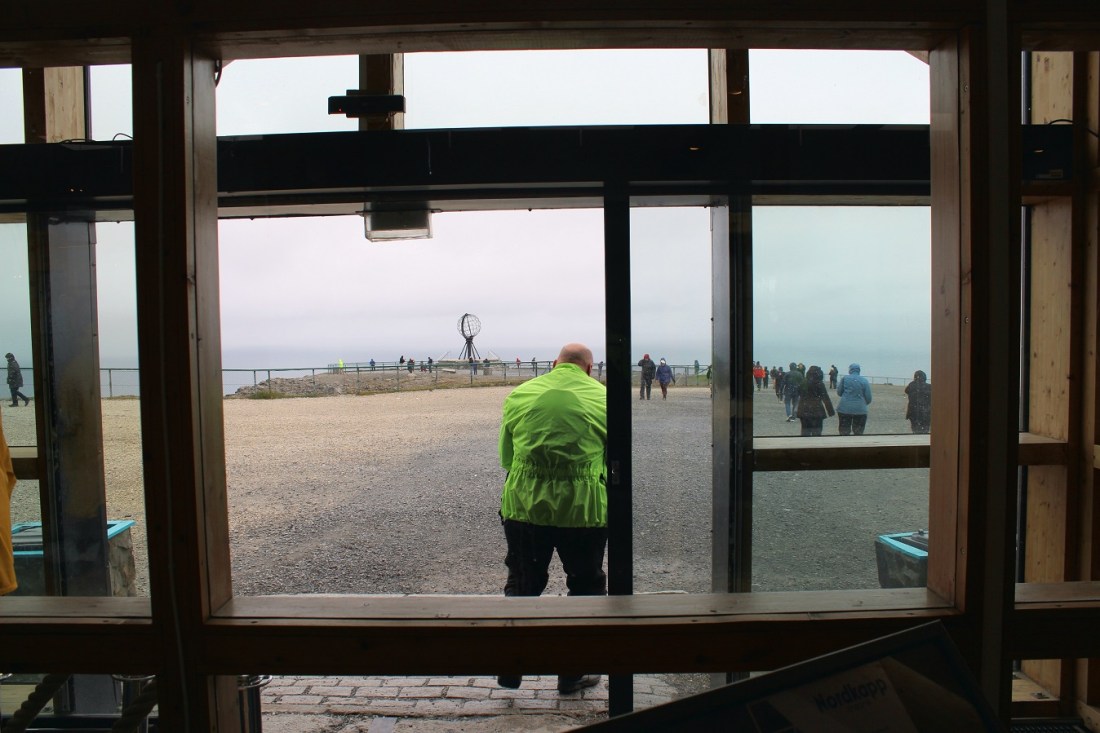
[Of course you all know this now as we enter North Cape Hall . . . ]

6-28-19-25 - Copy

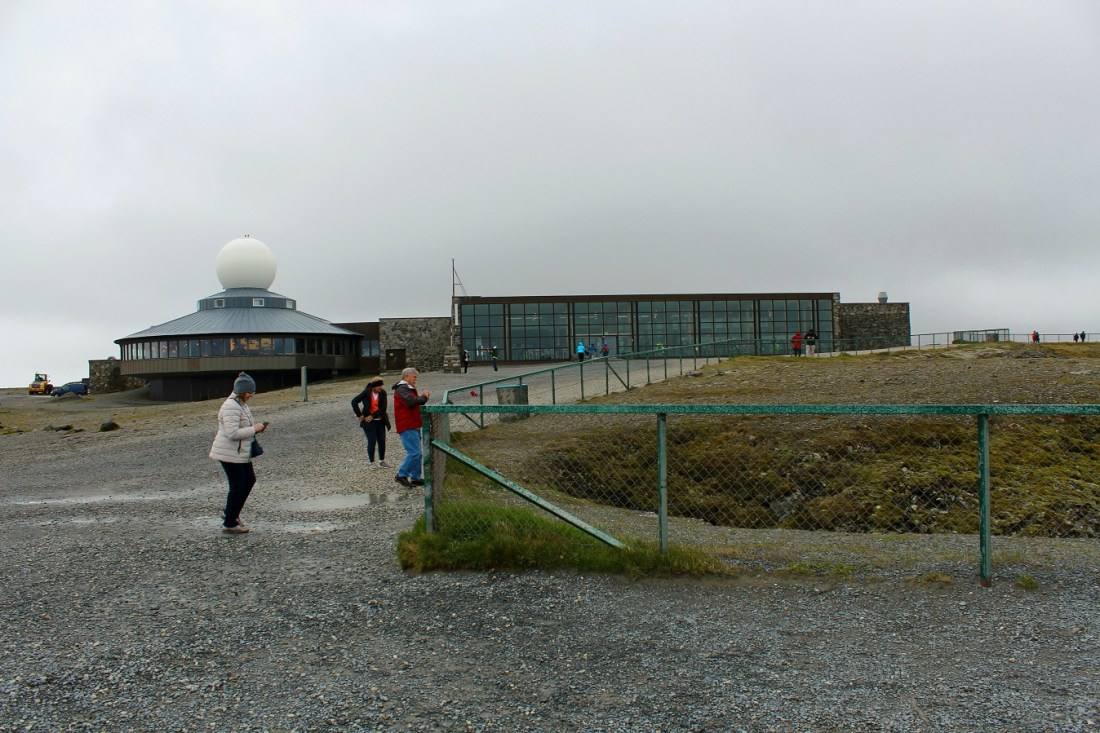
[Looking from inside the Hall to the Globe monument, the identifying feature of North Cape . . . ]
6-28-19-26 - Copy

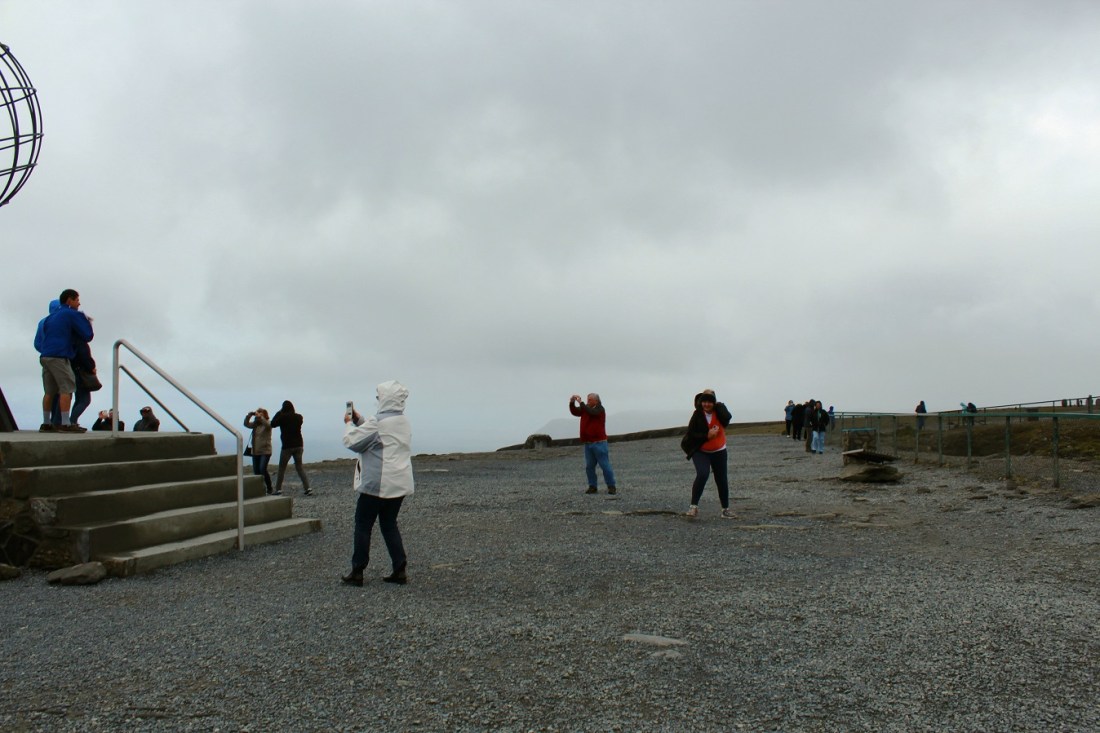
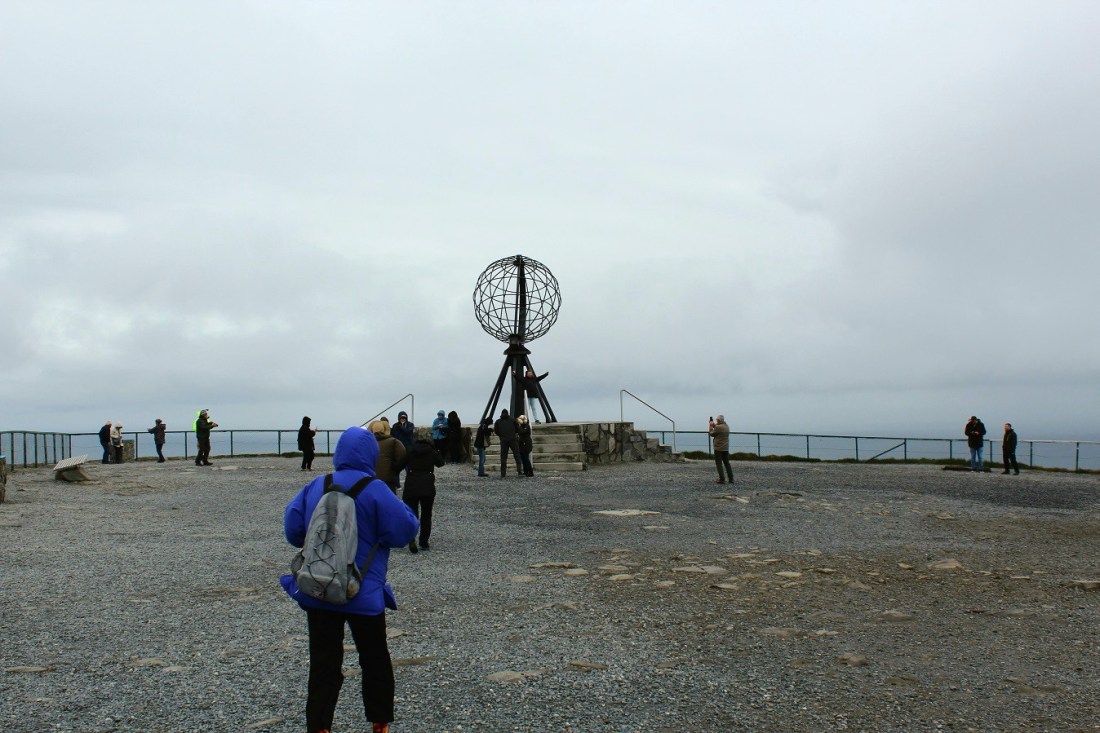
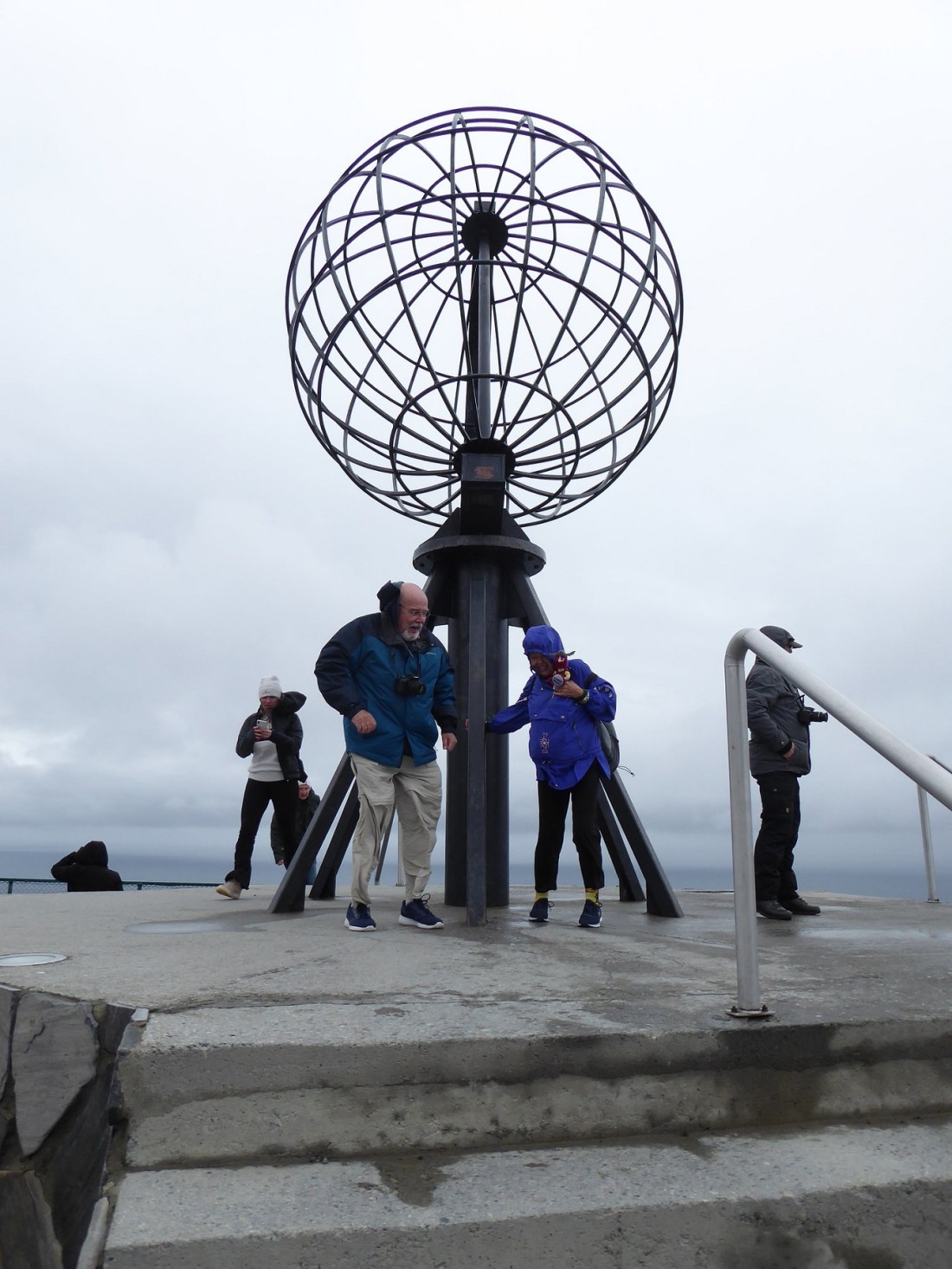
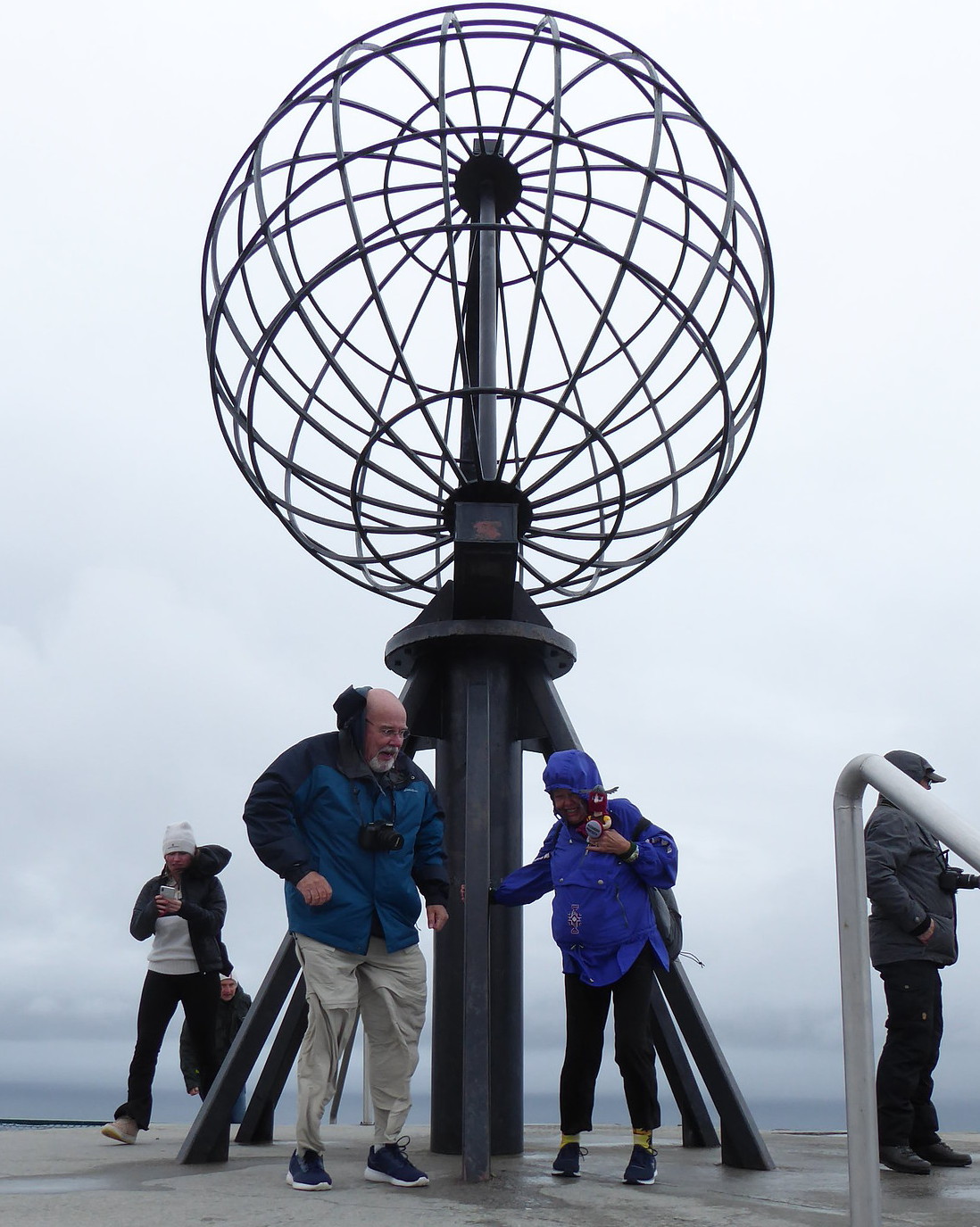
[The temperature was in the high 30’s; we guessed the wind to the in the 40’s mph (it was difficult to just remain standing) . . . ]

north cape-svalbard5

6-28-19-27 - Copy

[Anne and Bill with the Hall in the background . . . ]
6-28-19-28 - Copy

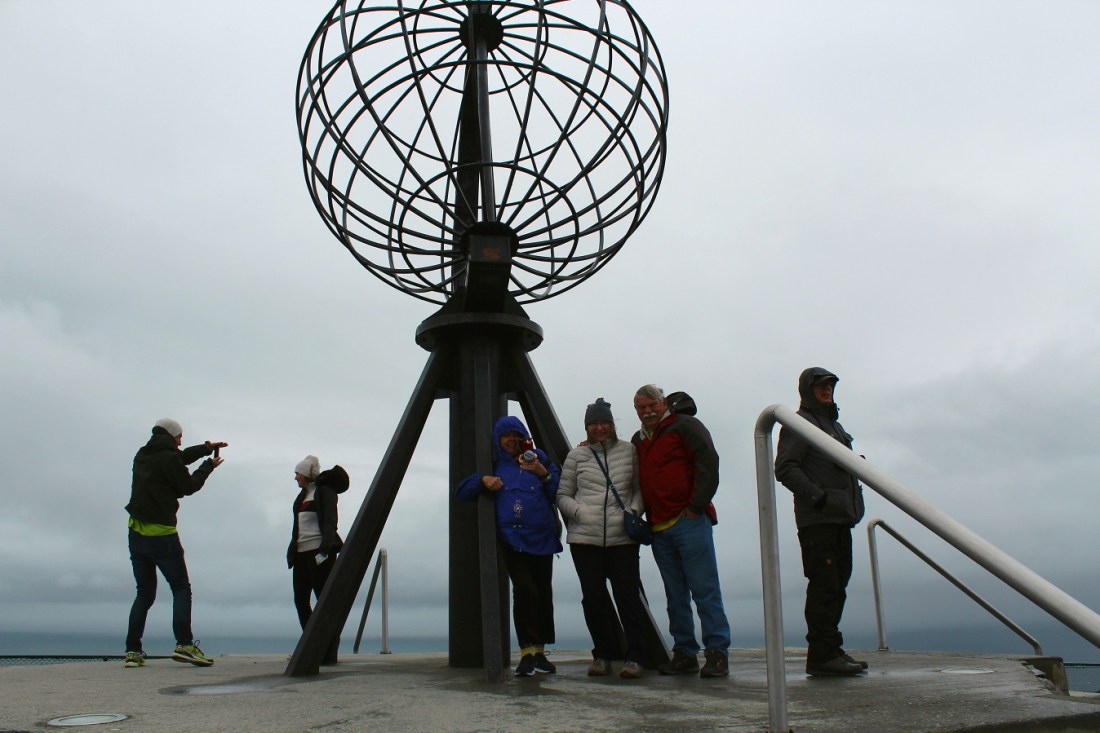
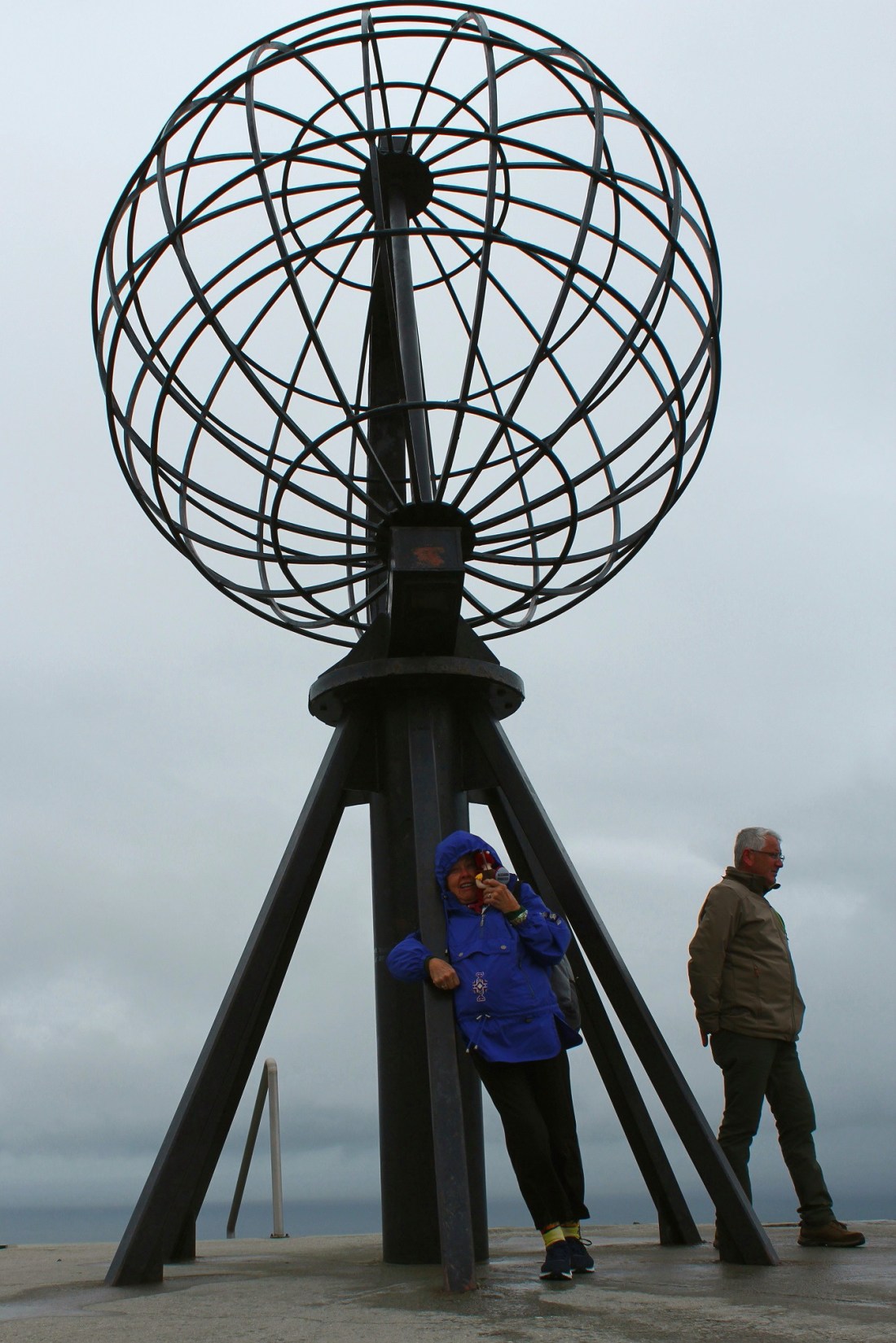
[The Super at the Globe, holding on to not be blown away . . . ]
6-28-19-29 - Copy

[Hang on Sloopy, Sloopy hang on . . . ]

6-28-19-30 - Copy

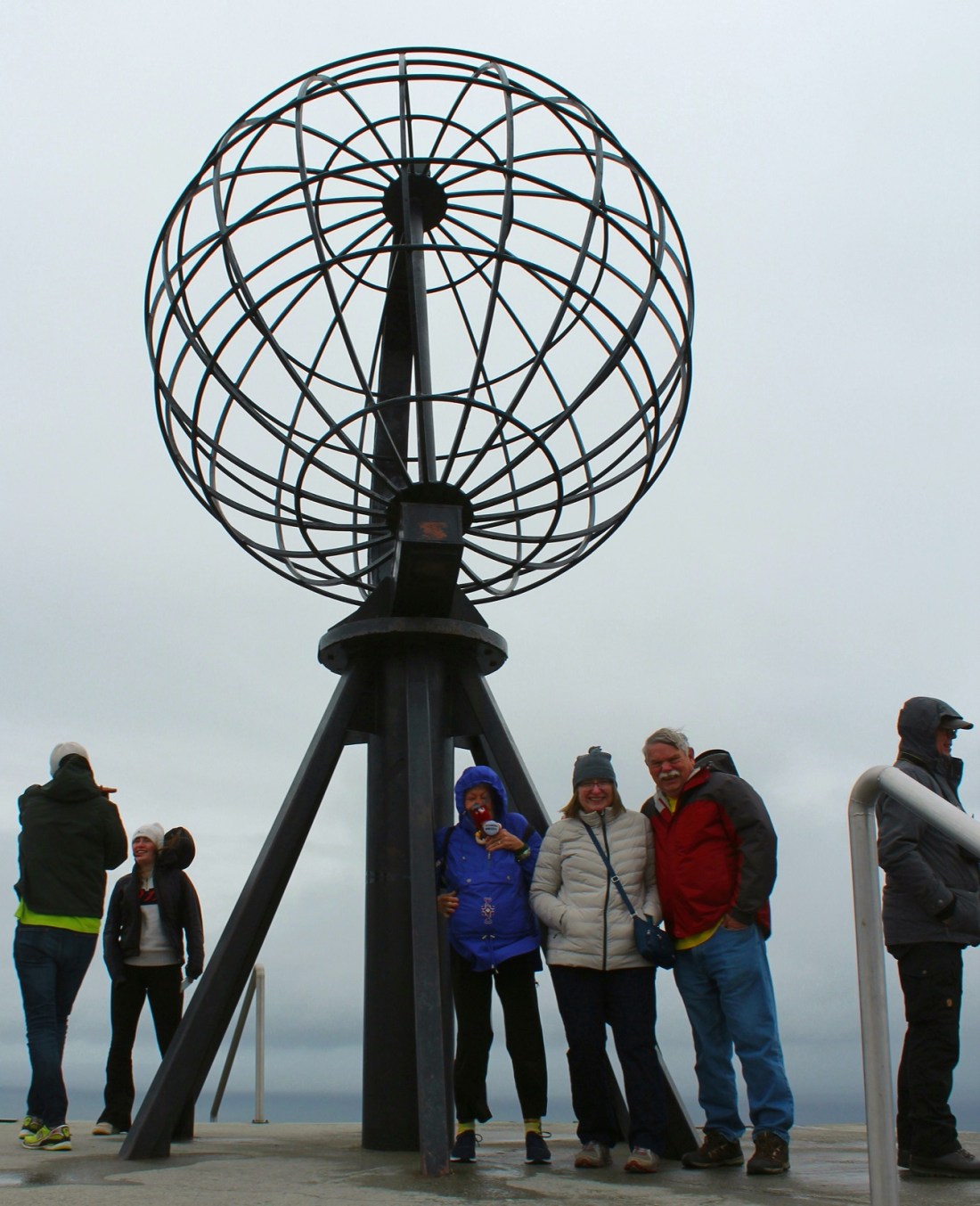
[Spectacular place – oh, if only it would have been sunny and calm . . . ]
6-28-19-32 - Copy6-28-19-33 - Copy

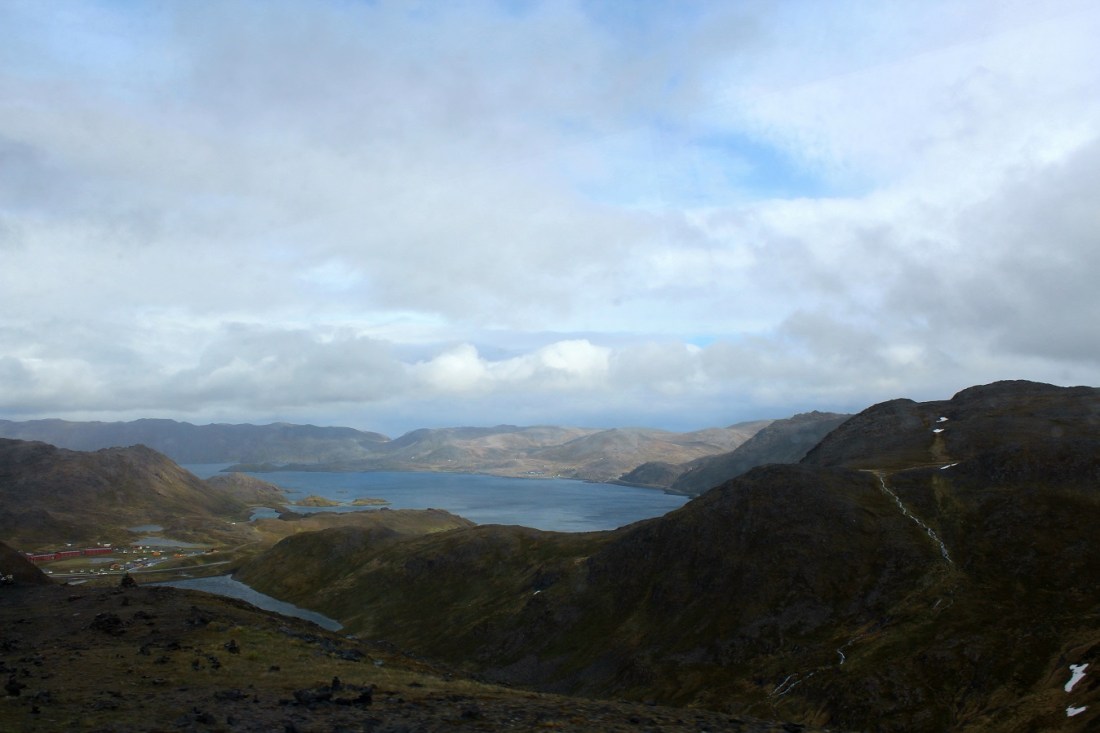
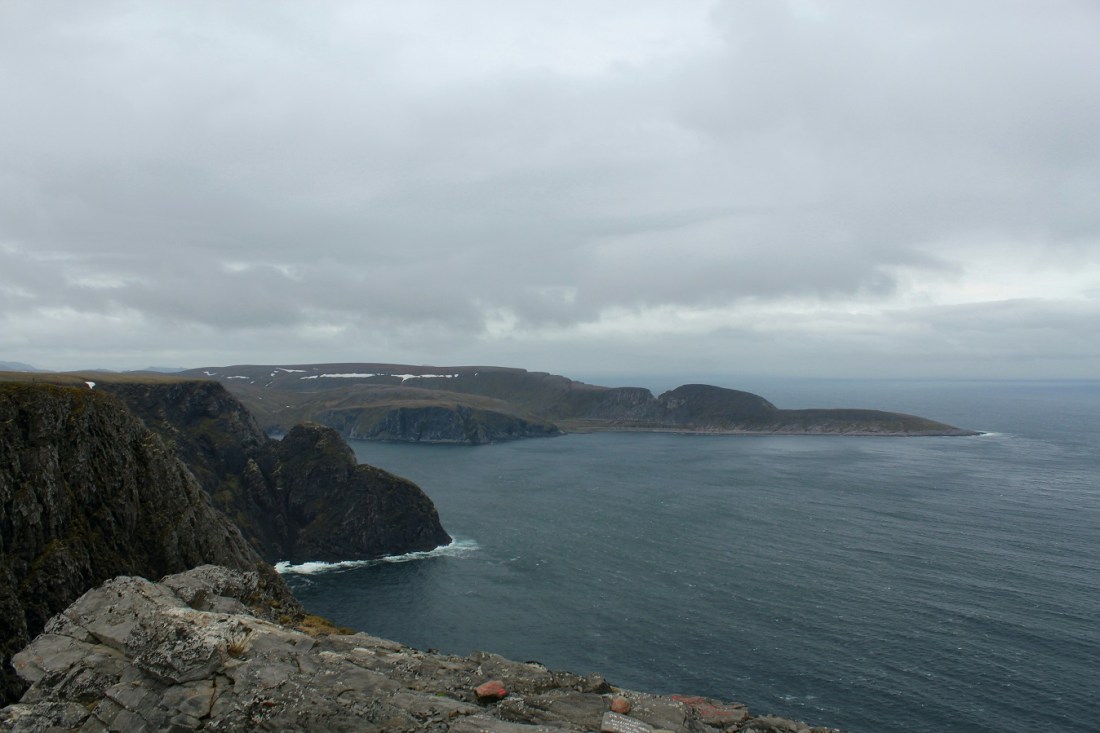
[The view of the neighboring and soon to be recognized Knivskjelodden peninsula . . . ]
6-28-19-34 - Copy

[That’s Bill in the middle . . . ]

6-28-19-35 - Copy

[That’s me and Ruthie in the middle . . . ]
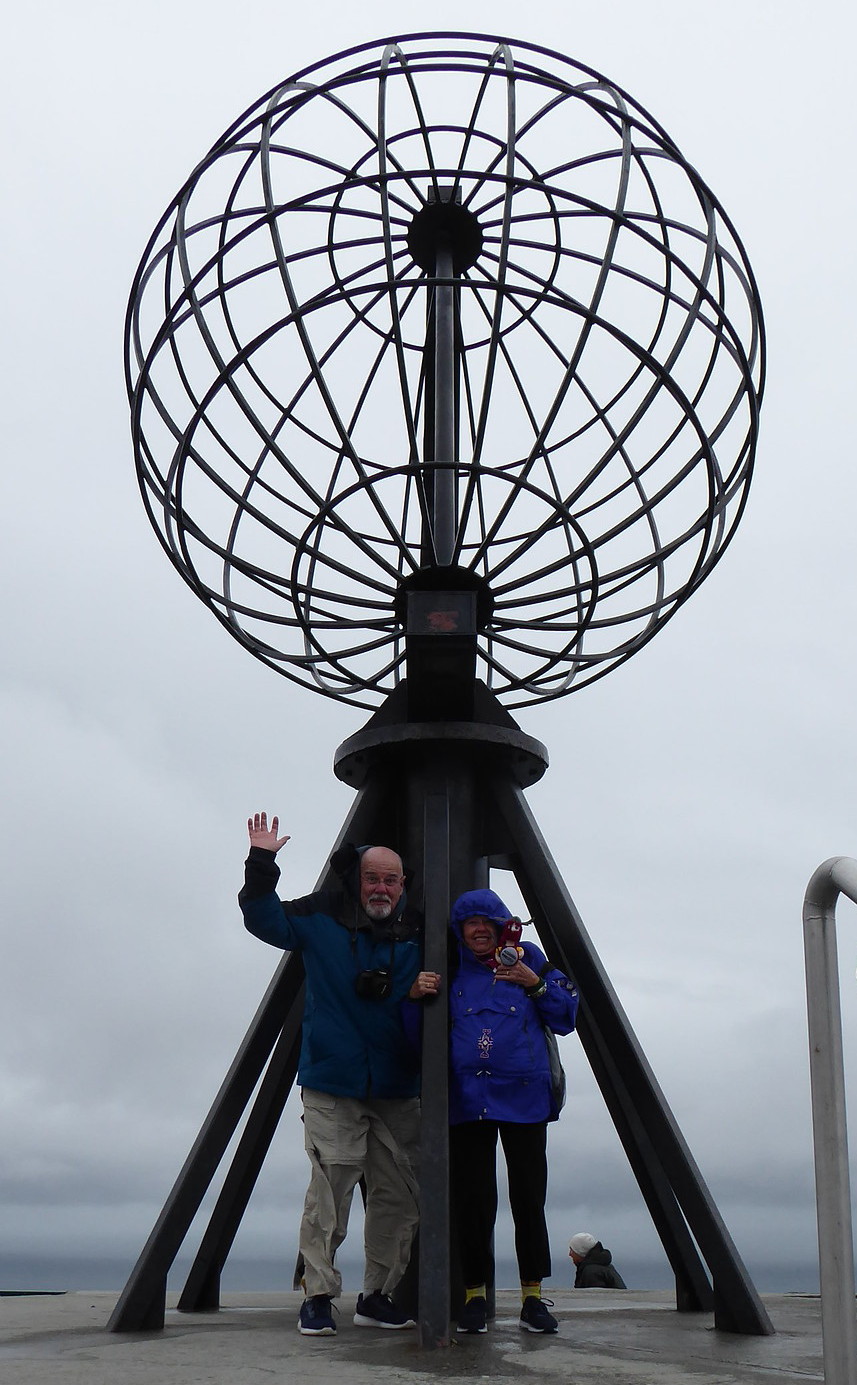
bill1 - Copy

[And this is the Texas two-step . . . ]
bill1-1 - Copy

[Photos by Bill . . . ]

bill2-1 - Copy

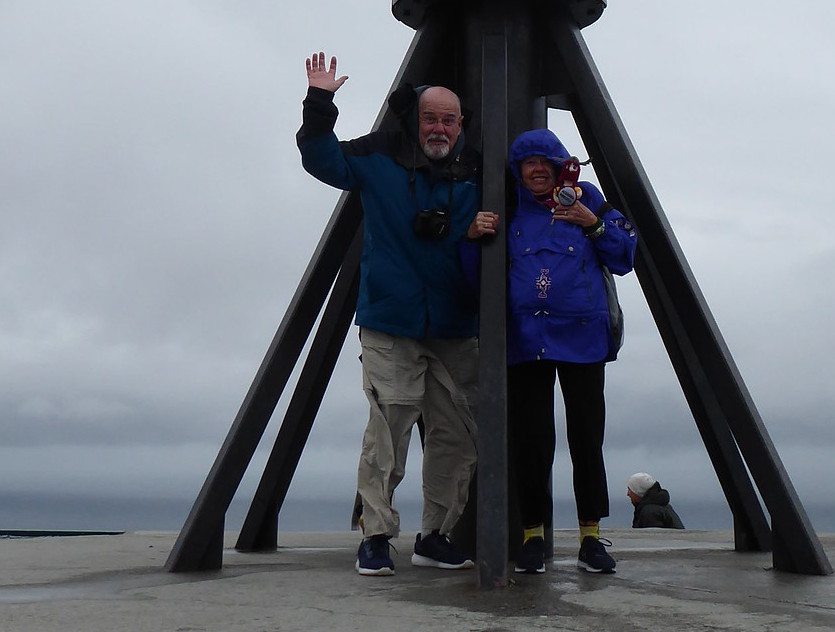
[Ruthie clutching Ole so he doesn’t blow away . . . ]
bill2-2 - Copy

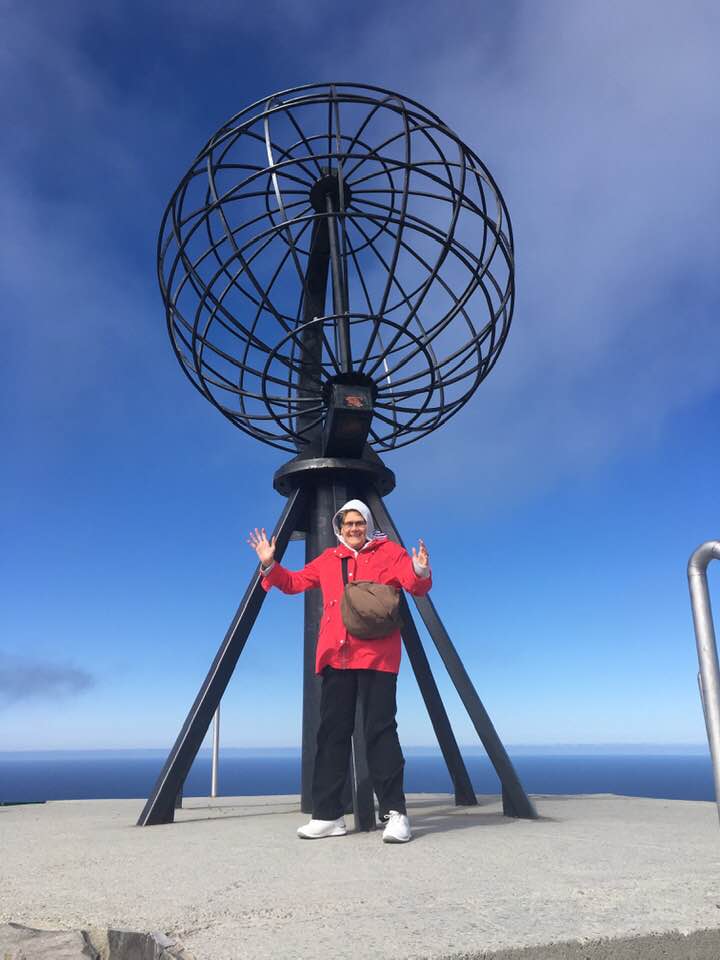
[This is high school classmate, Judy Blanchard.  I stole this from her Facebook page.  She was on a similar cruise a few days ahead of us.  We did not know such until the Facebook posts.  She at least had the sun at Nordkapp . . . ]
judy blanchard north kapp 6-26-19

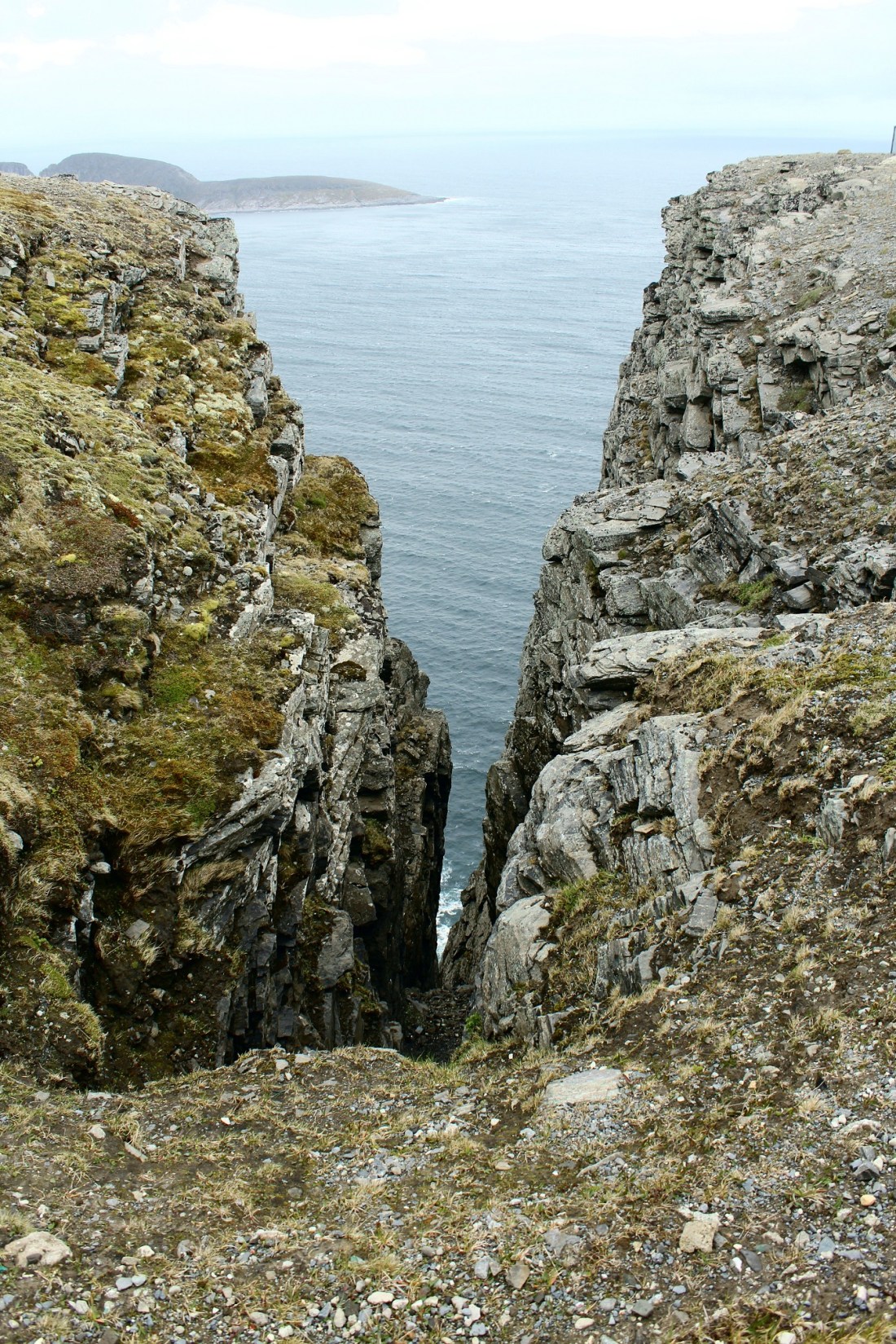
[The view from Nordkapp.  Knivskjellodden or Knivskjelodden is a peninsula located in Nordkapp Municipality in Finnmark county.  It is the northernmost point on the island of Mageroya.  It is sometimes considered the northernmost point of the entire continent of Europe.  The nearby Kinnarodden on the Nordkinn Peninsula is the northernmost point on the mainland.  The northernmost point of the country Norway is in fact Rossoya, in Svalbard, far north.  Knivskjellodden can only be reached on foot, after a 9-kilometre (5.6 mi) long hike from a parking area near the European route E69 highway, 6 km (3.7 mi) south of North Cape.  Travel agencies that organize trips for unaware tourists often advertise the North Cape as the northern extremity of Europe, but this is not true as the Knivskjellodden is 1,450 metres (4,760 ft) further north (Wikipedia).]
6-28-19-37 - Copy

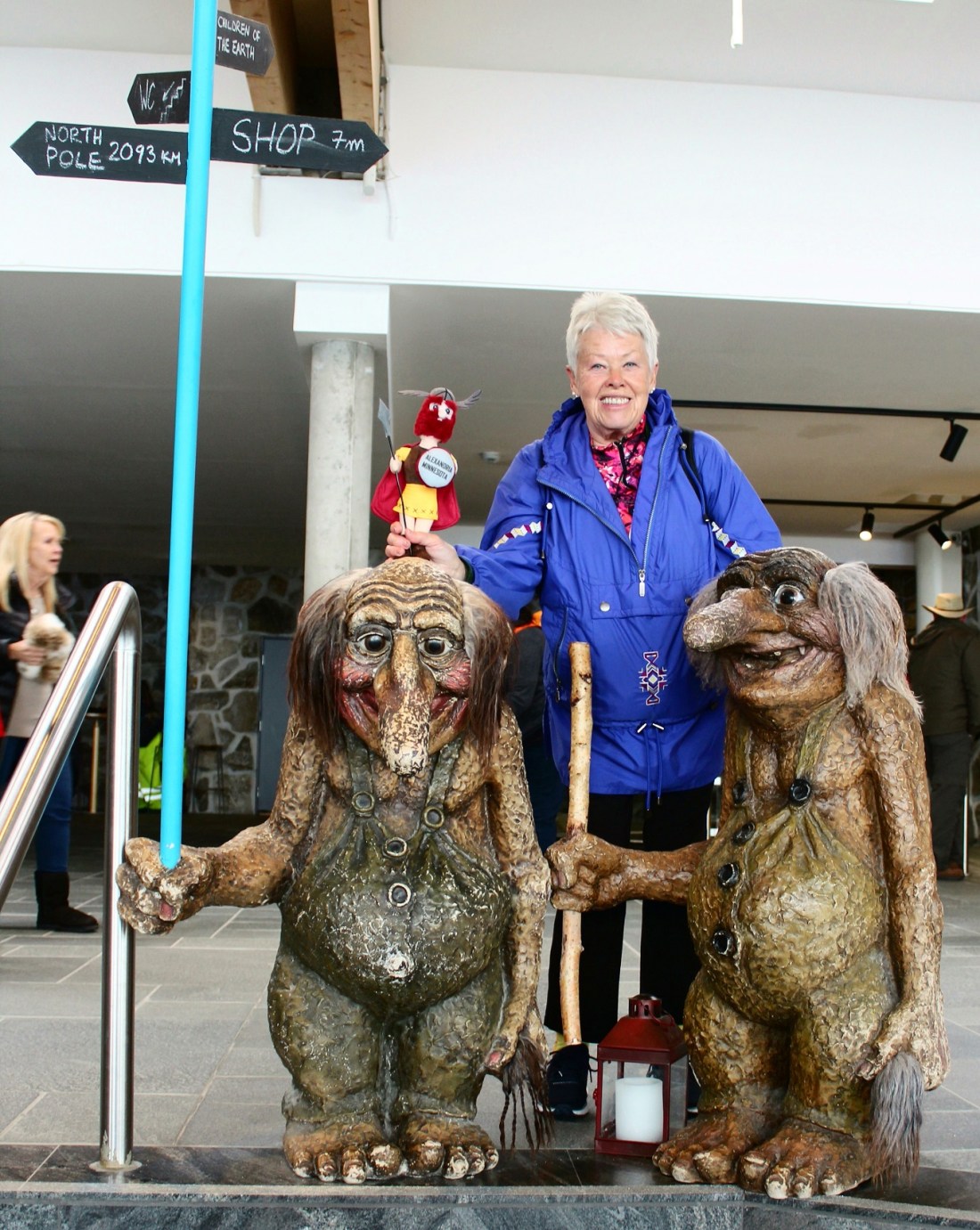
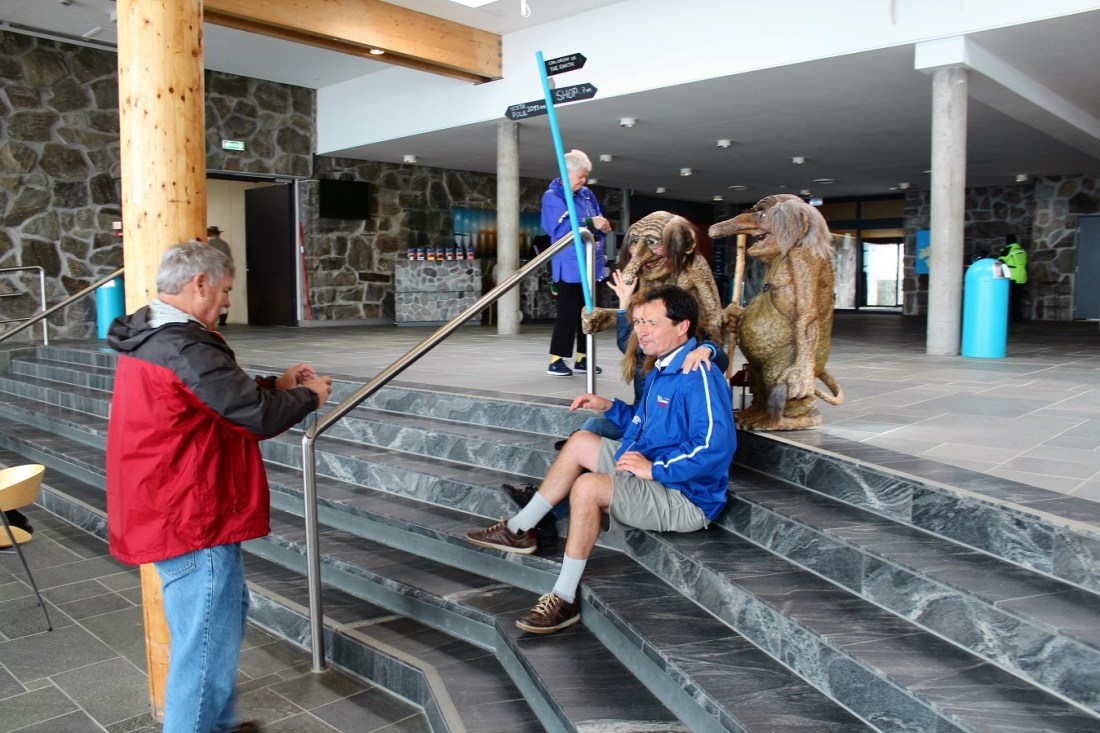
[The Super and Ole showing where we were, with trolls . . . ]
6-28-19-38 - Copy6-28-19-39 - Copy

[From inside the Hall . . . ]

6-28-19-40 - Copy

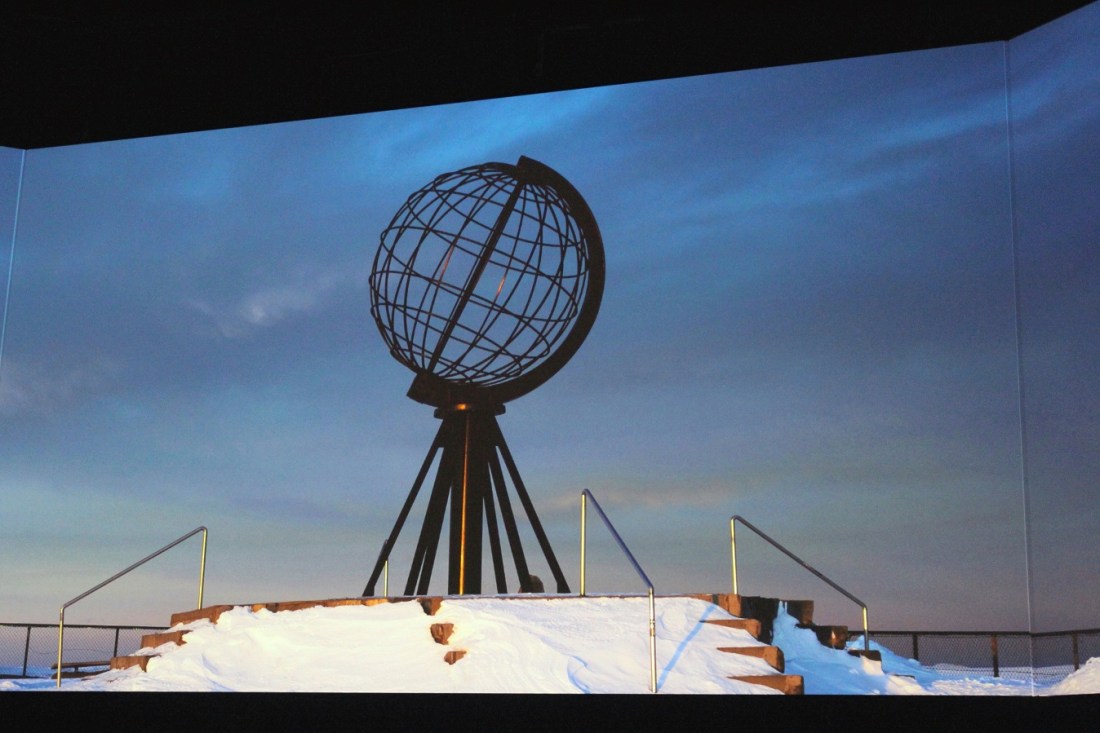
[Photos of photos inside the Hall . . . ]
6-28-19-41 - Copy

[And in the Hall’s museum . . . ]

6-28-19-42 - Copy6-28-19-43 - Copy6-28-19-44 - Copy6-28-19-45 - Copy

[Among the more amazing little factoids from the trip, in the years before there was a road to North Cape ships would anchor offshore and passengers and crew would climb to the top (see cliff pictures following) in the regular attire of the age.  Yes, women climbed to the top in long dresses, bonnets, and likely not Nike climbing boots.  Uff da!!]

6-28-19-46 - Copy6-28-19-47 - Copy

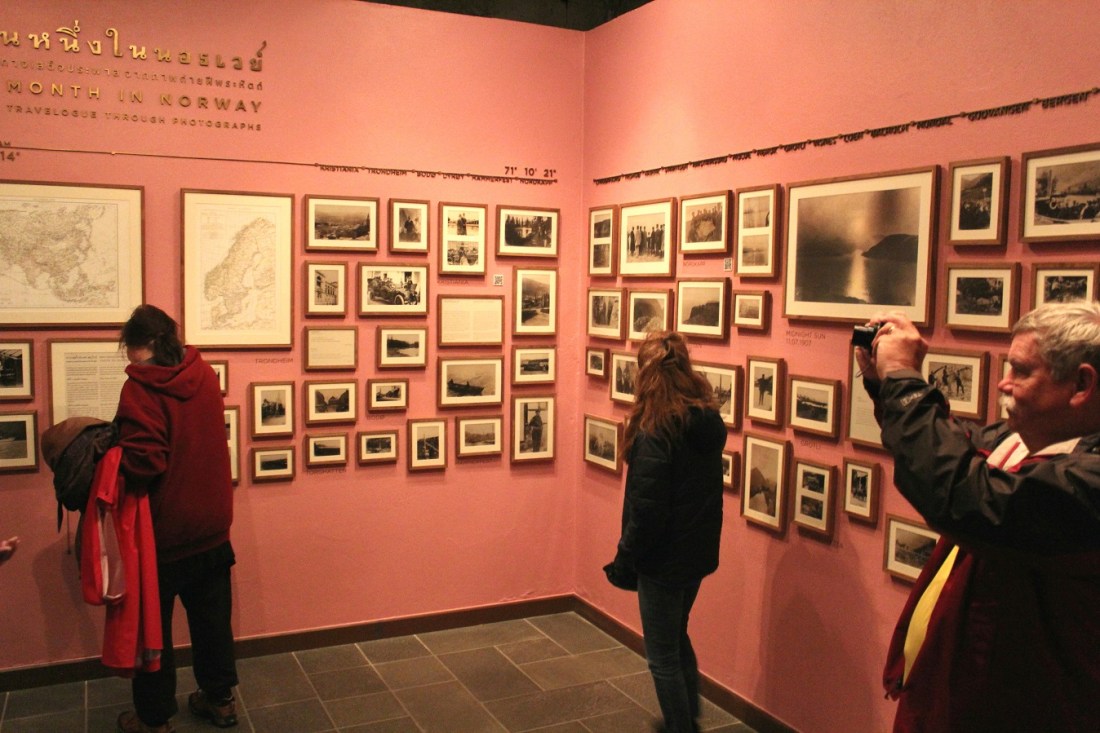
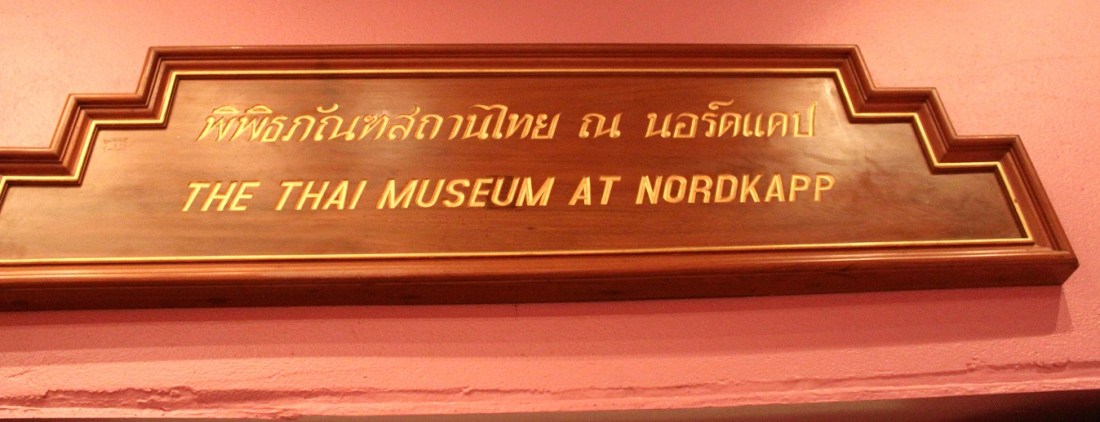
[Why yes, there is a Thai Museum here . . . ]
6-28-19-48 - Copy

[King Chulalongkorn (Rama V),  the King of Thailand, then Siam, paid a visit to Nordkapp in July 1907 . . . ]
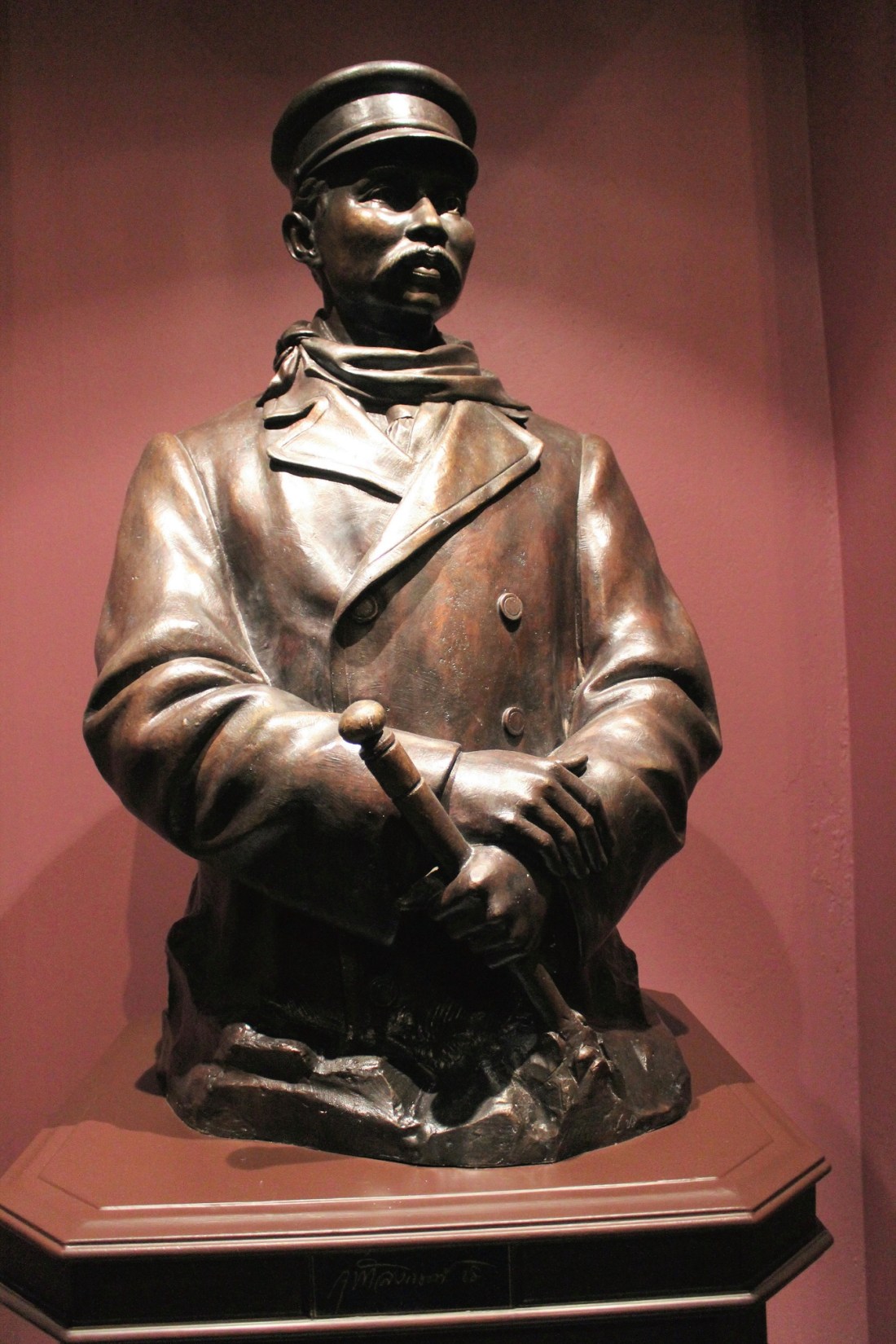
6-28-19-49 - Copy

[Passing some dioramas which illustrate the history and geography of the Cape, most tourists only get as far as the ecumenical chapel, as indeed had I in that summer of 2003. But just beyond on the other side of the tunnel there is a Thai museum, opened in 1989 in commemoration of the King’s visit. I have seen it variously described as “museum” or “pavilion” – a small, rather strange, memorabilia-filled little room, with something of the feeling of a shrine about it. Alone there and now unhurried, I experienced an extraordinarily profound and special sense of place, and of the connections between places and people (www.captainsvoyage-forum.com/forum/club-international-things-from-around-the-world/kingdom-of-thailand/1419-in-north-cape-hall-a-connection-between-norway-and-thailand).]
6-28-19-50 - Copy

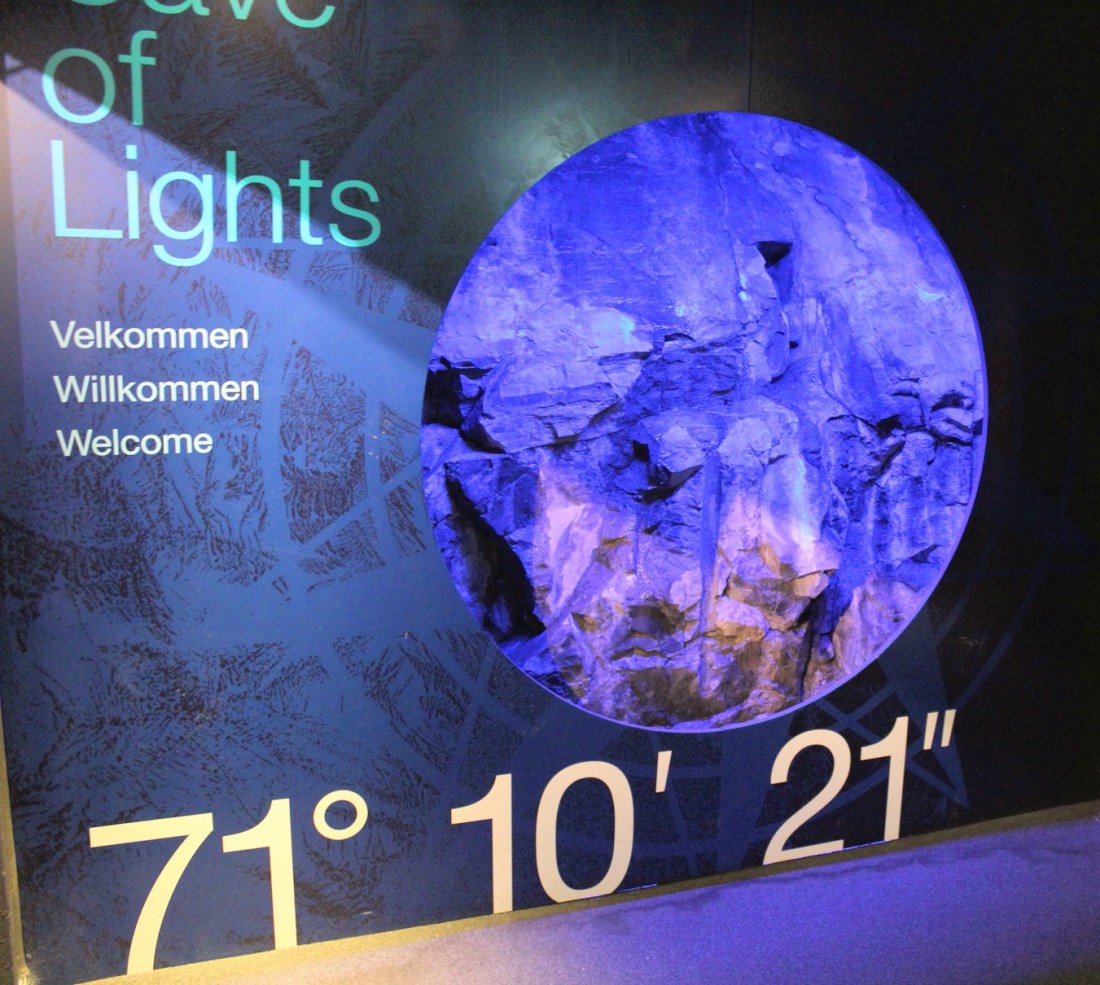
[The Cave of Lights . . . ]

6-28-19-51 - Copy

[As it says right here . . . ]

6-28-19-52 - Copy

[Kinda like a dorm room in the 60’s . . . ]

6-28-19-53 - Copy6-28-19-54 - Copy6-28-19-55 - Copy

[I see Richard Chancellor at the Y every day.  He’s a very good free throw shooter . . . ]
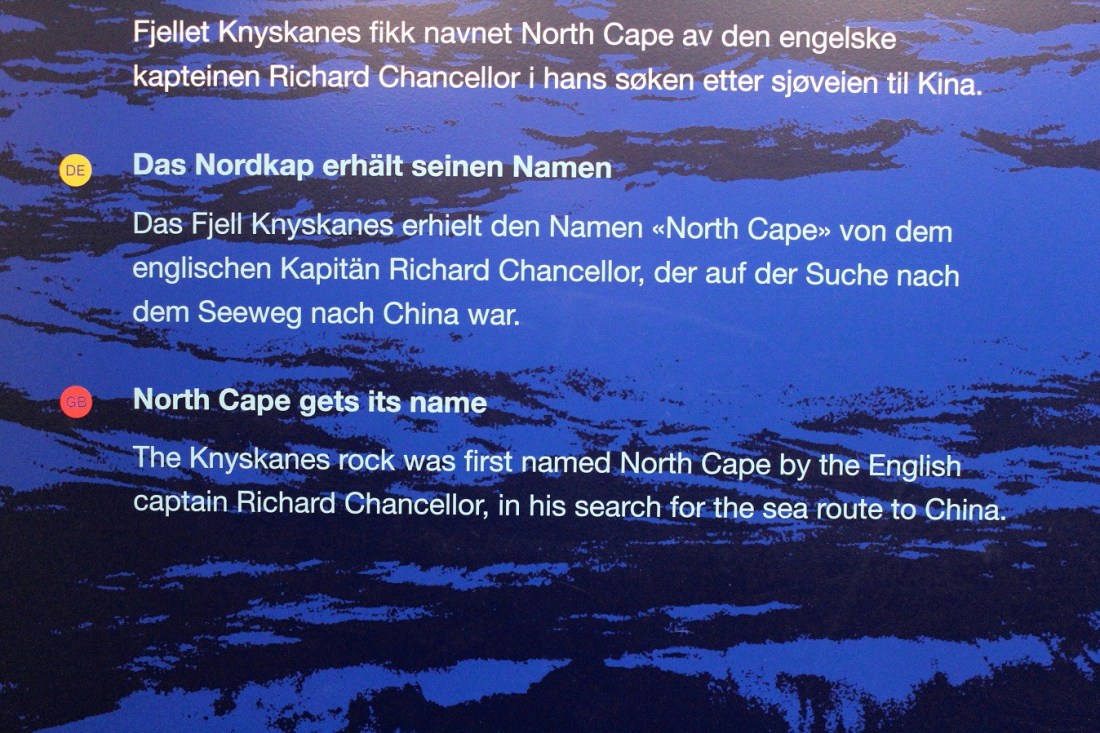
6-28-19-56 - Copy

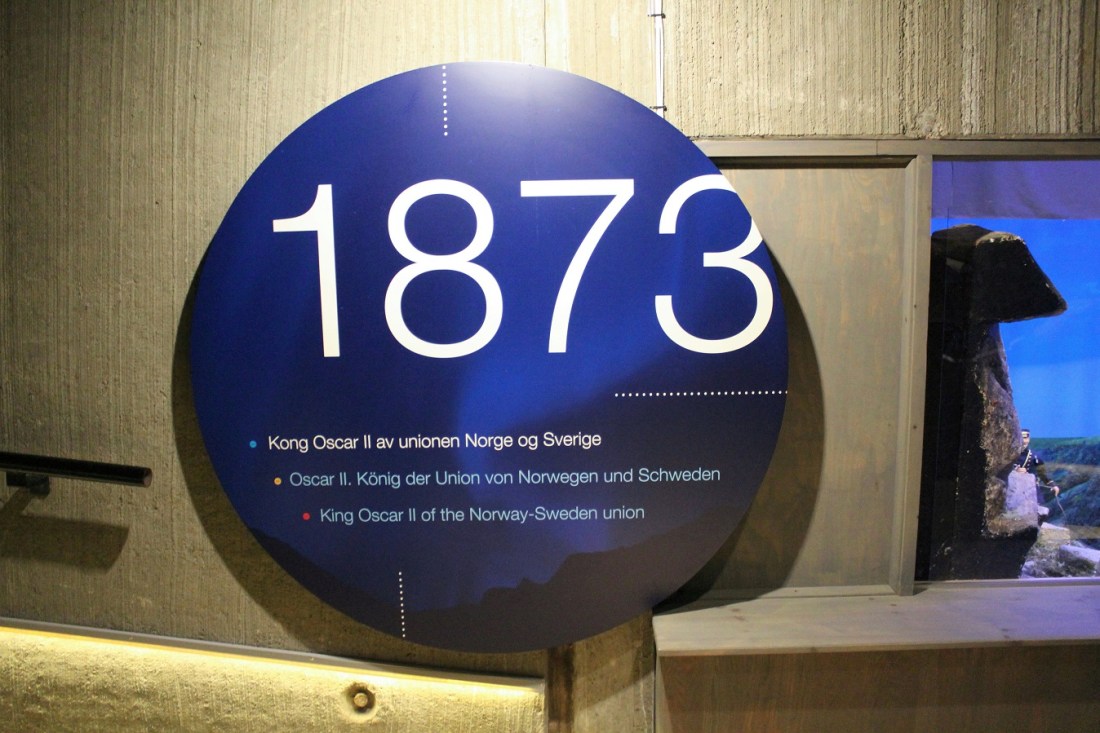
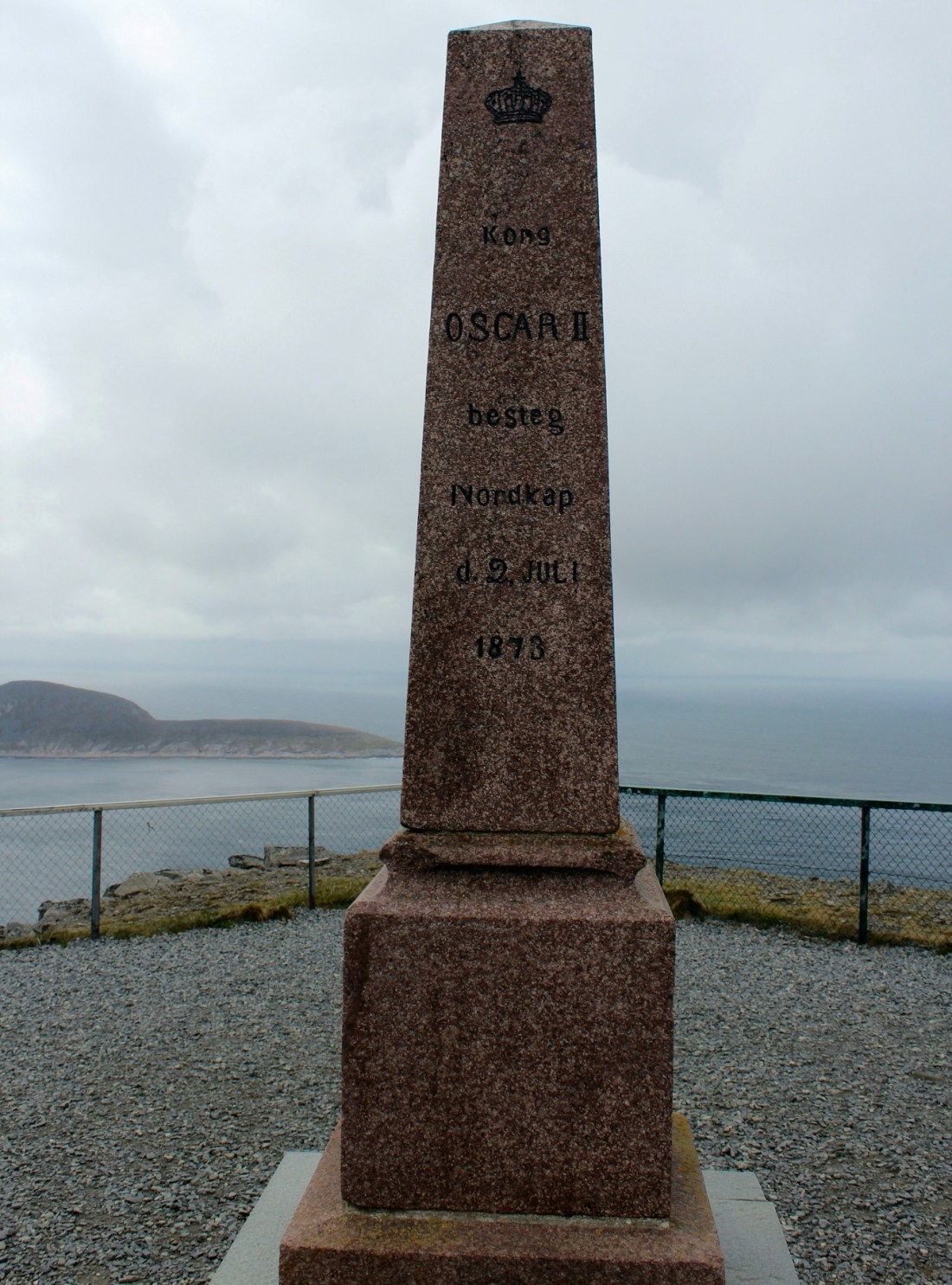
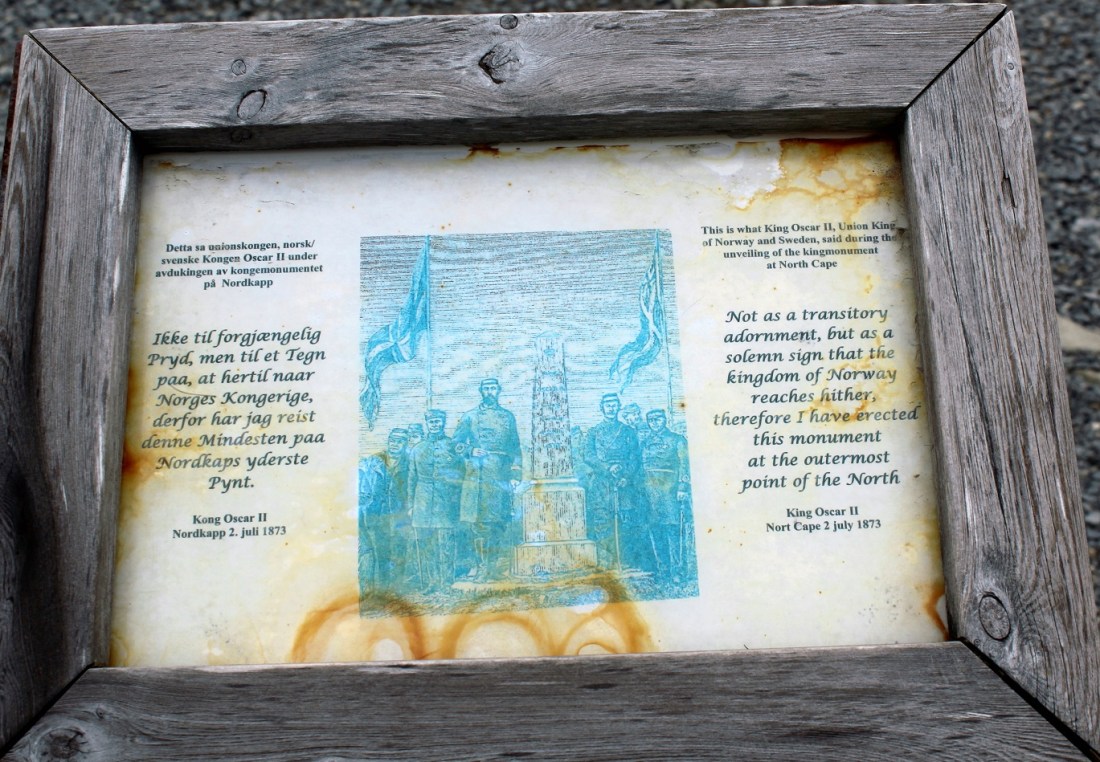
[King Oscar II monument . . . ]

6-28-19-57 - Copy6-28-19-58 - Copy

[Lining up both monuments indicates that you have lined up both monuments . . . ]

6-28-19-61 - Copy

[And, surprise, a place to buy stuff.  That’s Mary from Toronto with the Super . . . ]
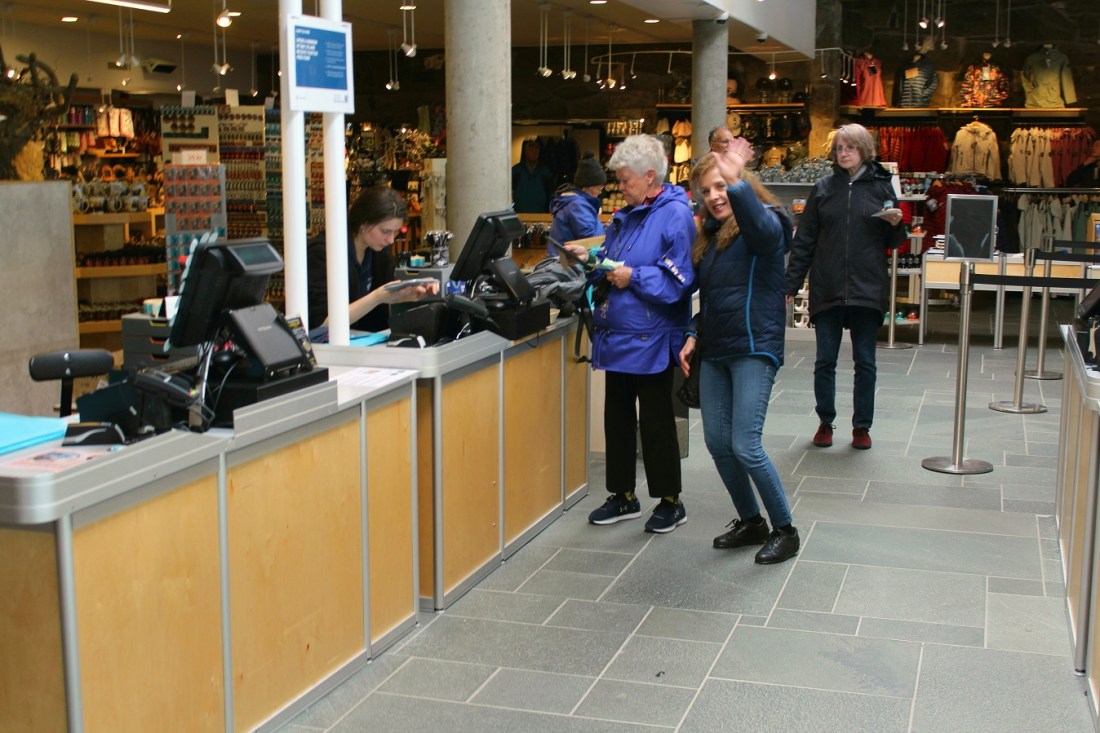
6-28-19-62 - Copy

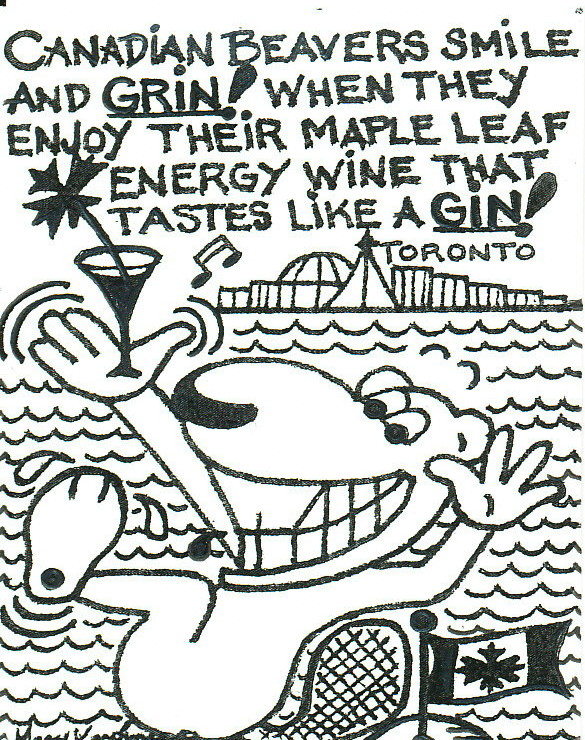
[These are the little cartoons Mary from Toronto made and would hand out to people as an extra tip . . . ]
ship neighbor mary

[This is Bill talking a picture of Mary from Toronto and her significant other whose name now escapes me.  They were just two rooms from us on the ship . . . ]
6-28-19-64 - Copy

[So, Nordkapp is advertised as the farthest north, with a subscript as farthest north accessible by road . . . ]

6-28-19-65-1 - Copy

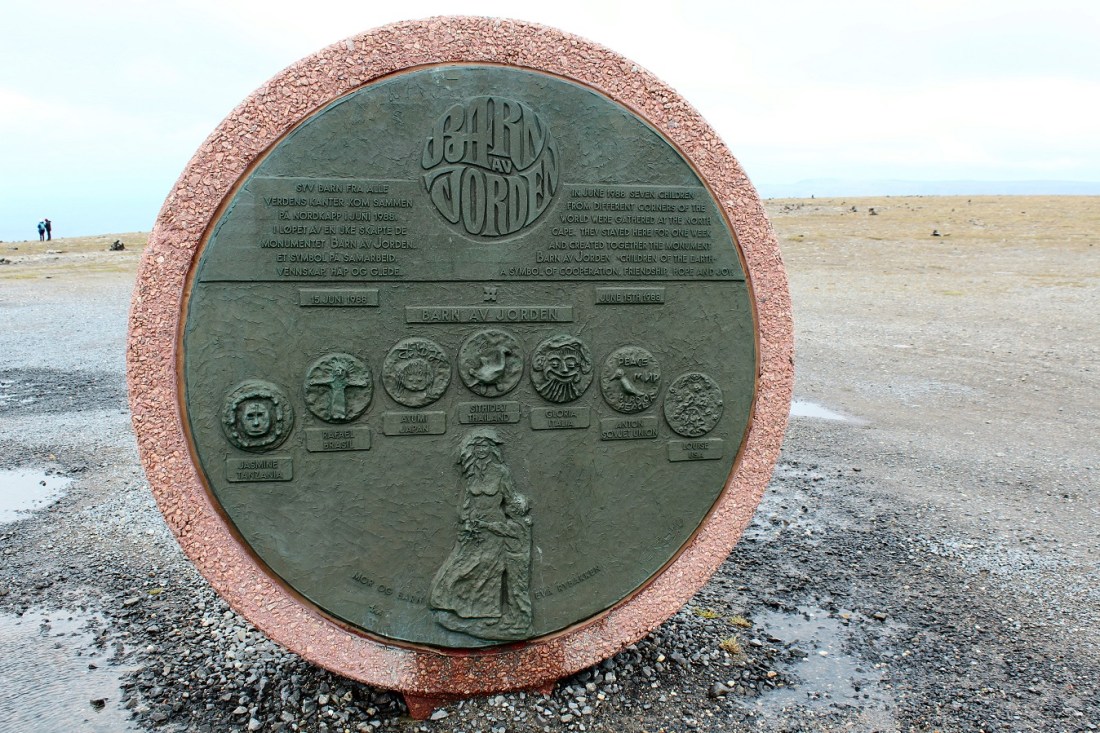
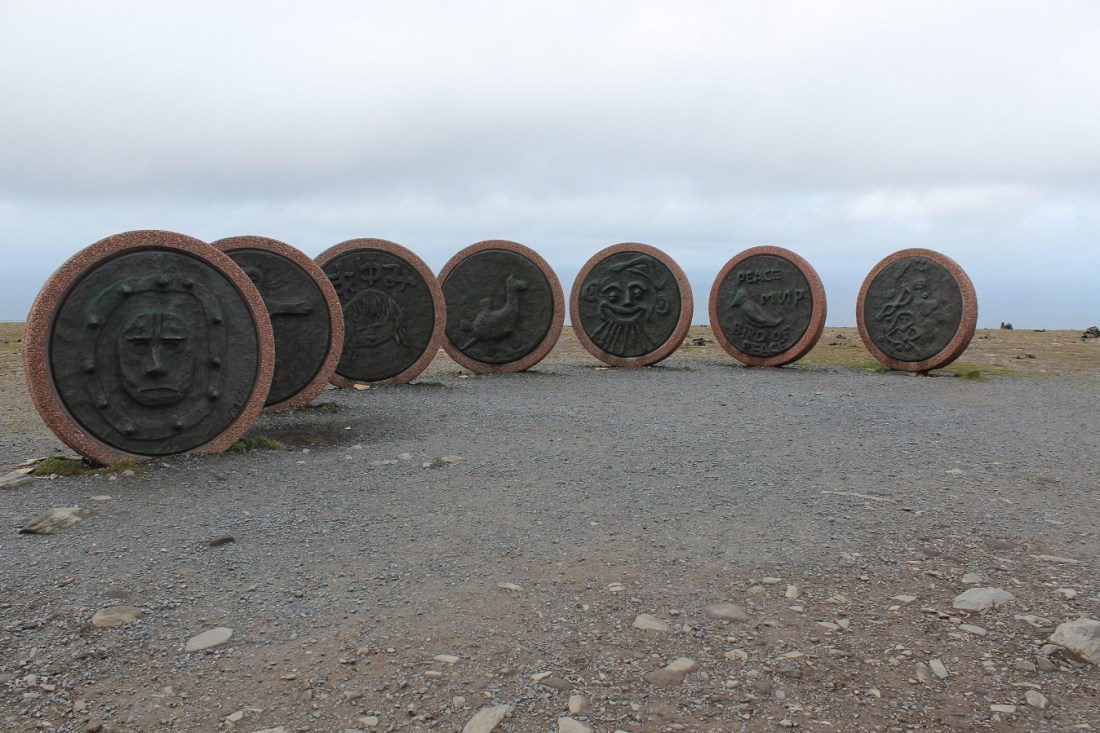
[Barn av Jorden Monument . . . ]

6-28-19-66 - Copy

[Each year in June, The Children of the Earth Prize is awarded during a public ceremony at North Cape, Norway. The prize currently amounts to 150.000 Norwegian kroner (NOK), equal to about 15.500 euros or 17.500 US dollars. The prize is presented to an individual or a project which, over time, has demonstrated compassion and ability to help children that suffer somewhere in the world. Anyone may nominate candidates for this prize (http://www.barnavjorden.org/en/welcome).]
6-28-19-67 - Copy

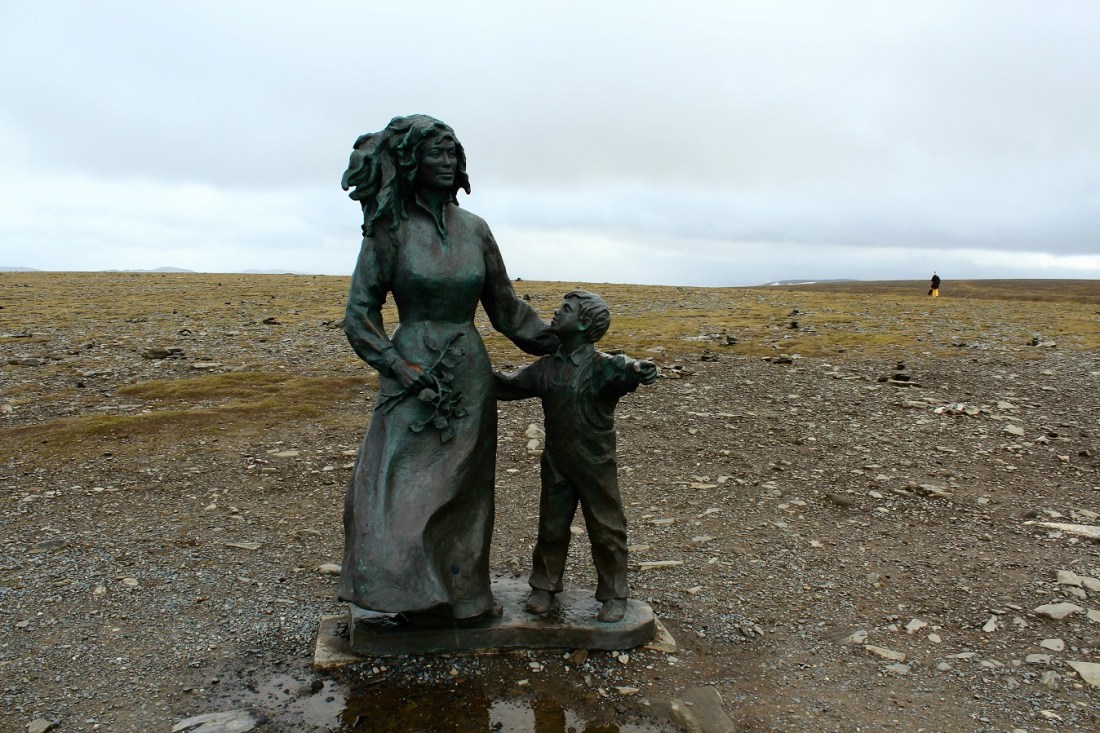
[In 1989, the reliefs, cast in bronze and mounted in a granite frame, were erected on the Nordkapp Plateau outside the Nordkapphallen.  A bronze sculpture by artist Eva Rybakken with the theme of mother and child was placed right next to the reliefs (www.travel-finnmark.no/barn-av-jorden-nordkapp/).]
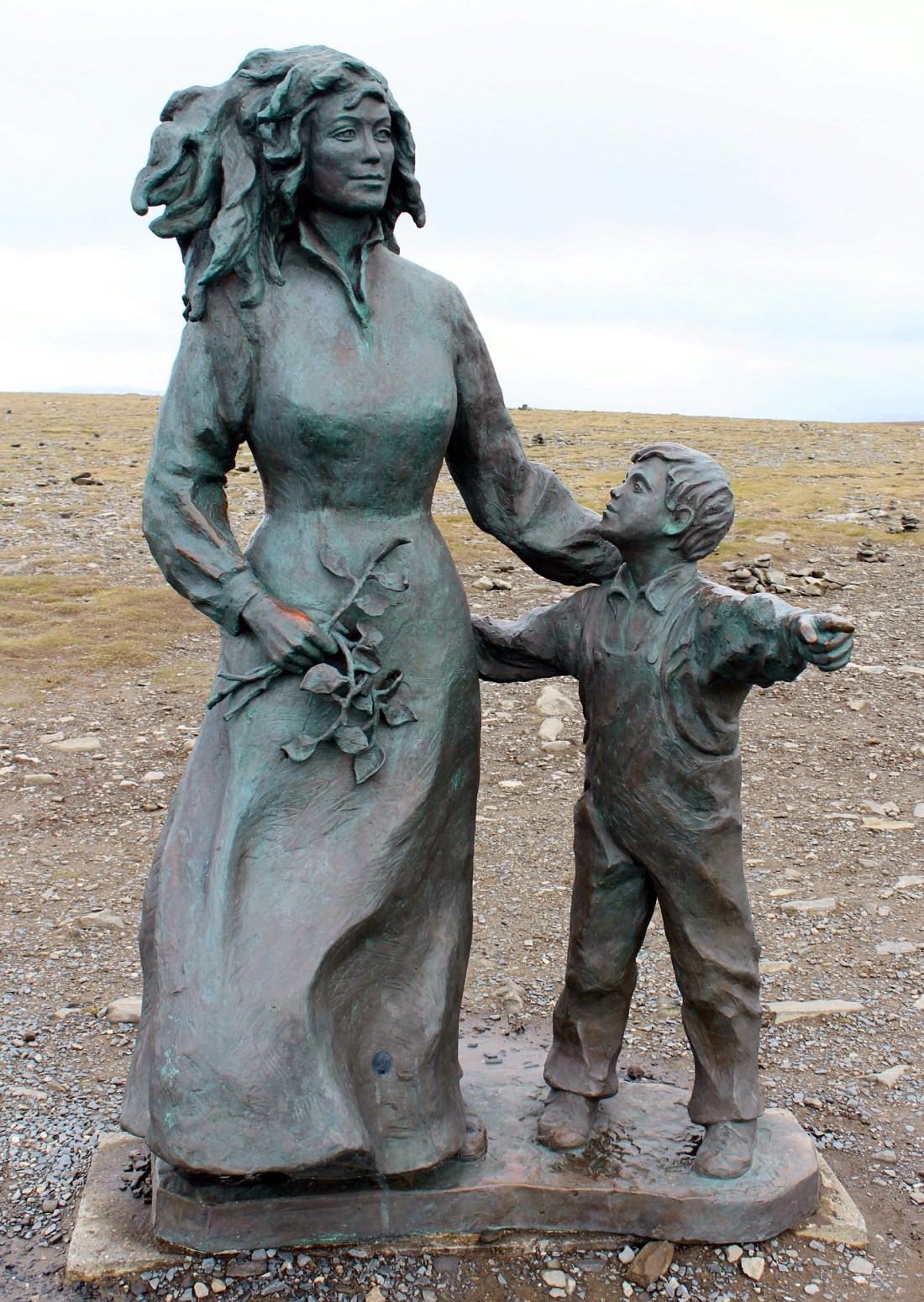
6-28-19-68 - Copy6-28-19-69 - Copy

[Ha det (goodbye), Knivskjelodden . . . ]
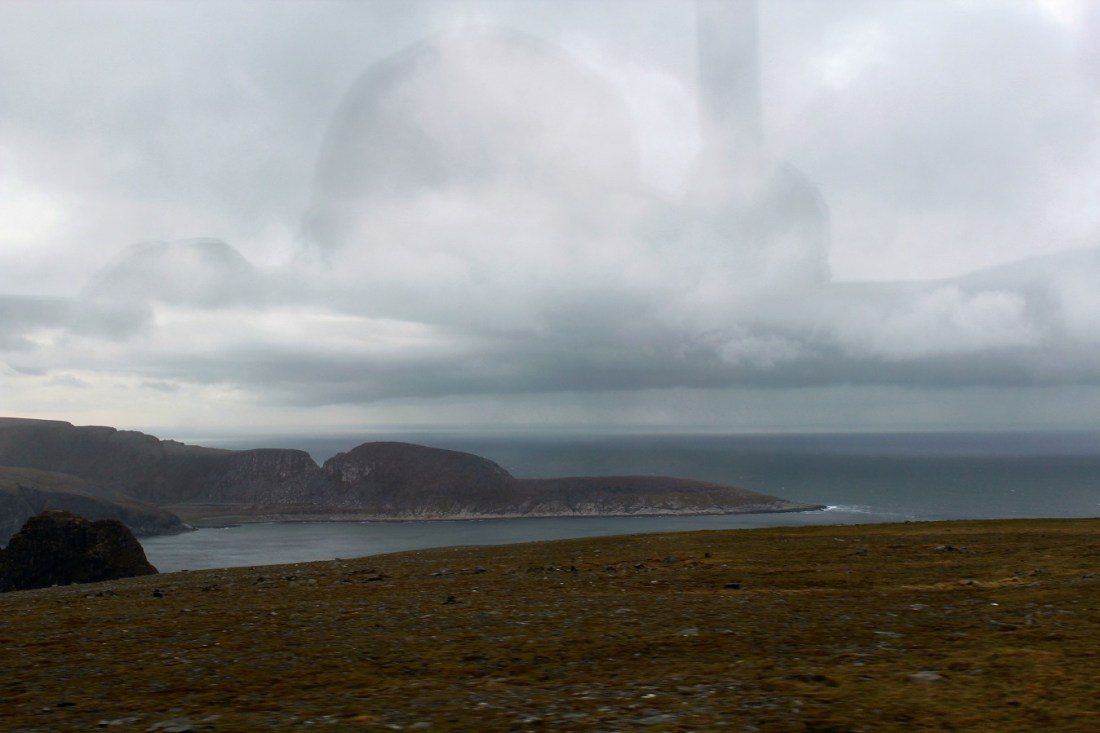
6-28-19-70 - Copy

north cape-svalbard4

[Our Norwegian allies keeping a radar eye on the “Rooskies” . . . ]

6-28-19-71 - Copy

[Walkers on the road, ergo likely Norwegians . . . ]
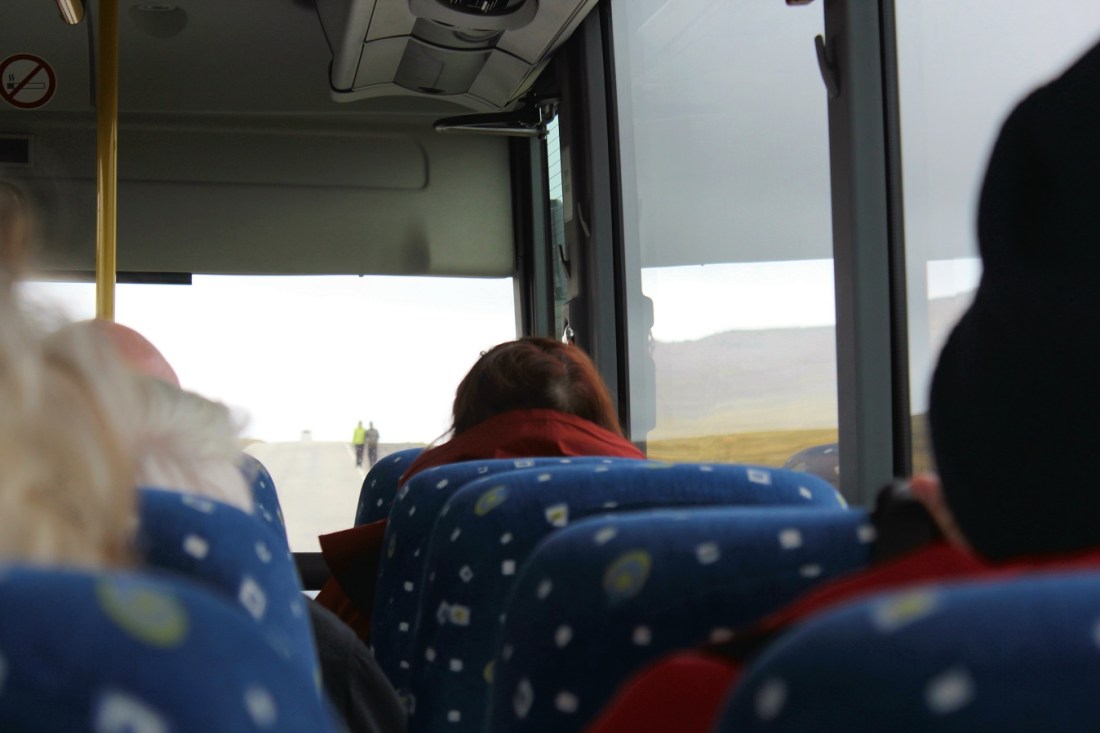
6-28-19-72 - Copy

[On the road back to Honningsvag . . . ]
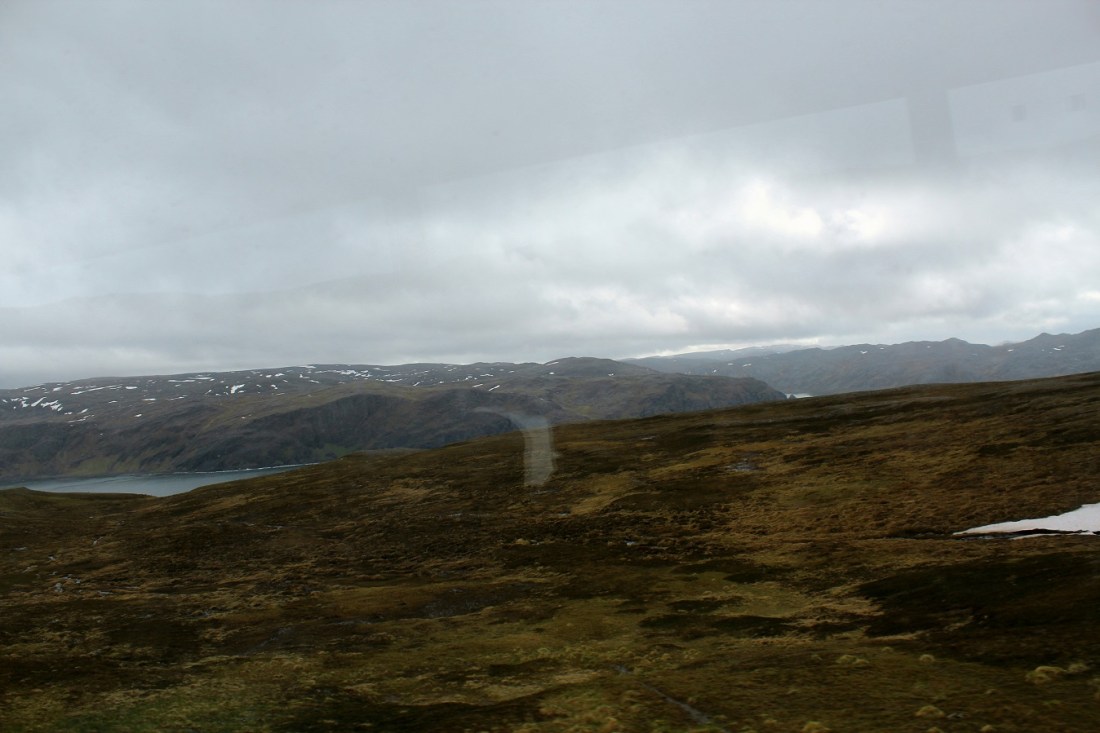
6-28-19-73 - Copy

[Northern grazing critters . . . ]

6-28-19-74 - Copy

[When you really want to get away from it all . . . ]
6-28-19-75 - Copy

[Back at the Sami gift shop . . . ]

6-28-19-76 - Copy

[Honningsvag, suitable for framing?]

6-28-19-77 - Copy

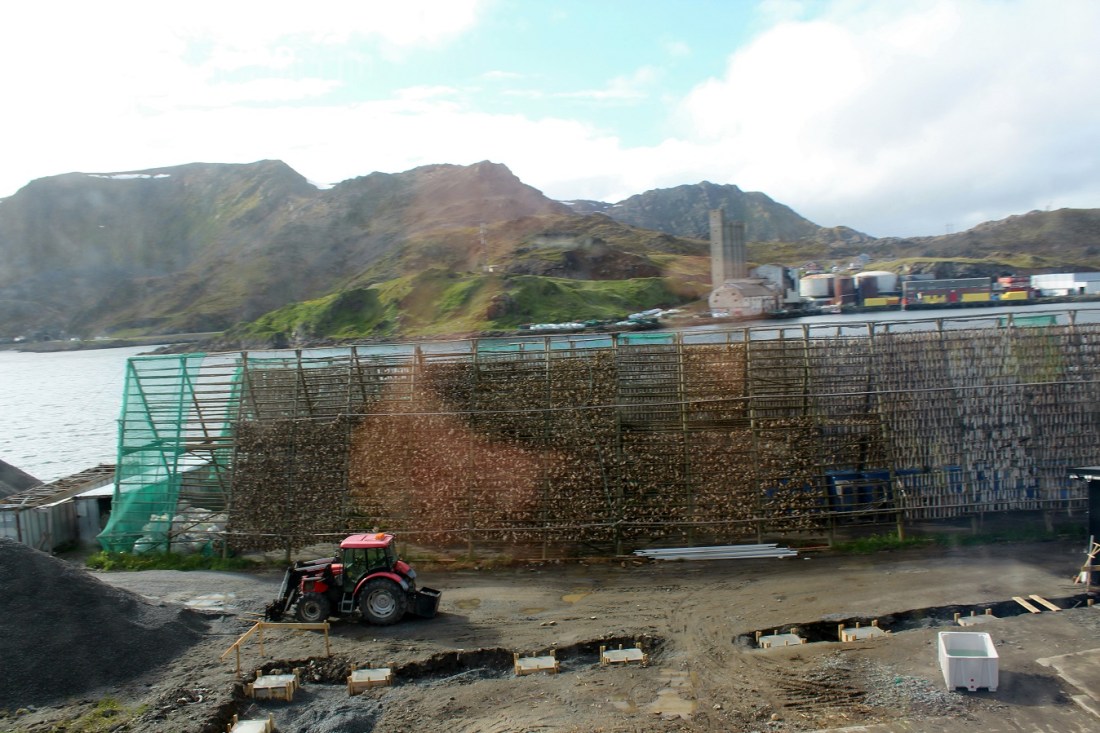
[I can’t remember but has to be dried fish . . . ]
6-28-19-78 - Copy

[Back to the ship . . . . ]

6-28-19-79 - Copy

[You are now 6,208 km (3,857.5 miles) from Alexandria, Minnesota . . . ]
6-28-19-80 - Copy

[Who knew?]

6-28-19-81 - Copy

[The last minute gift from the visitors center on the way to the ship . . . ]
6-28-19-82 - Copy

[And we’re off – Scotland here we come . . . ]
6-28-19-83 - Copy

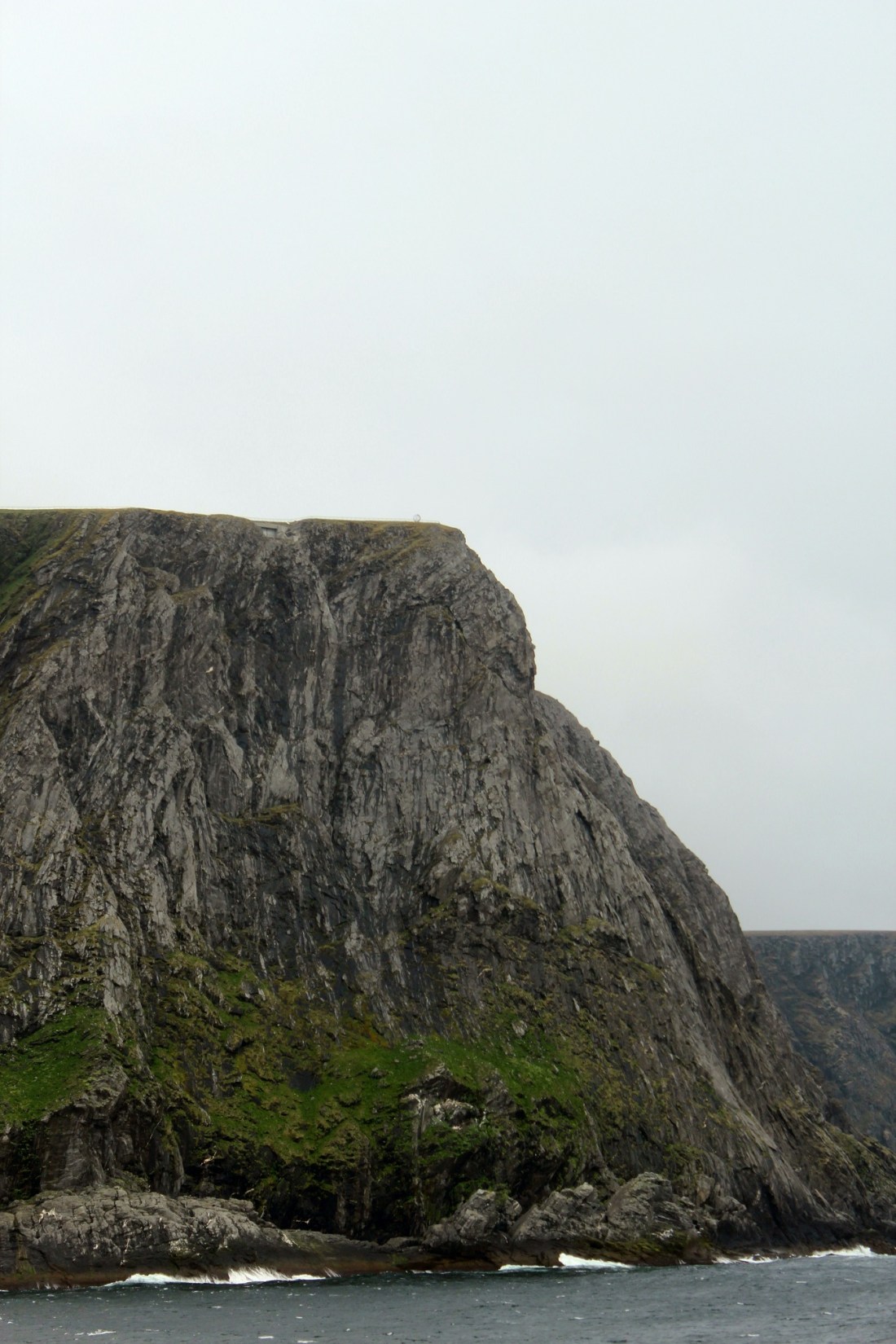
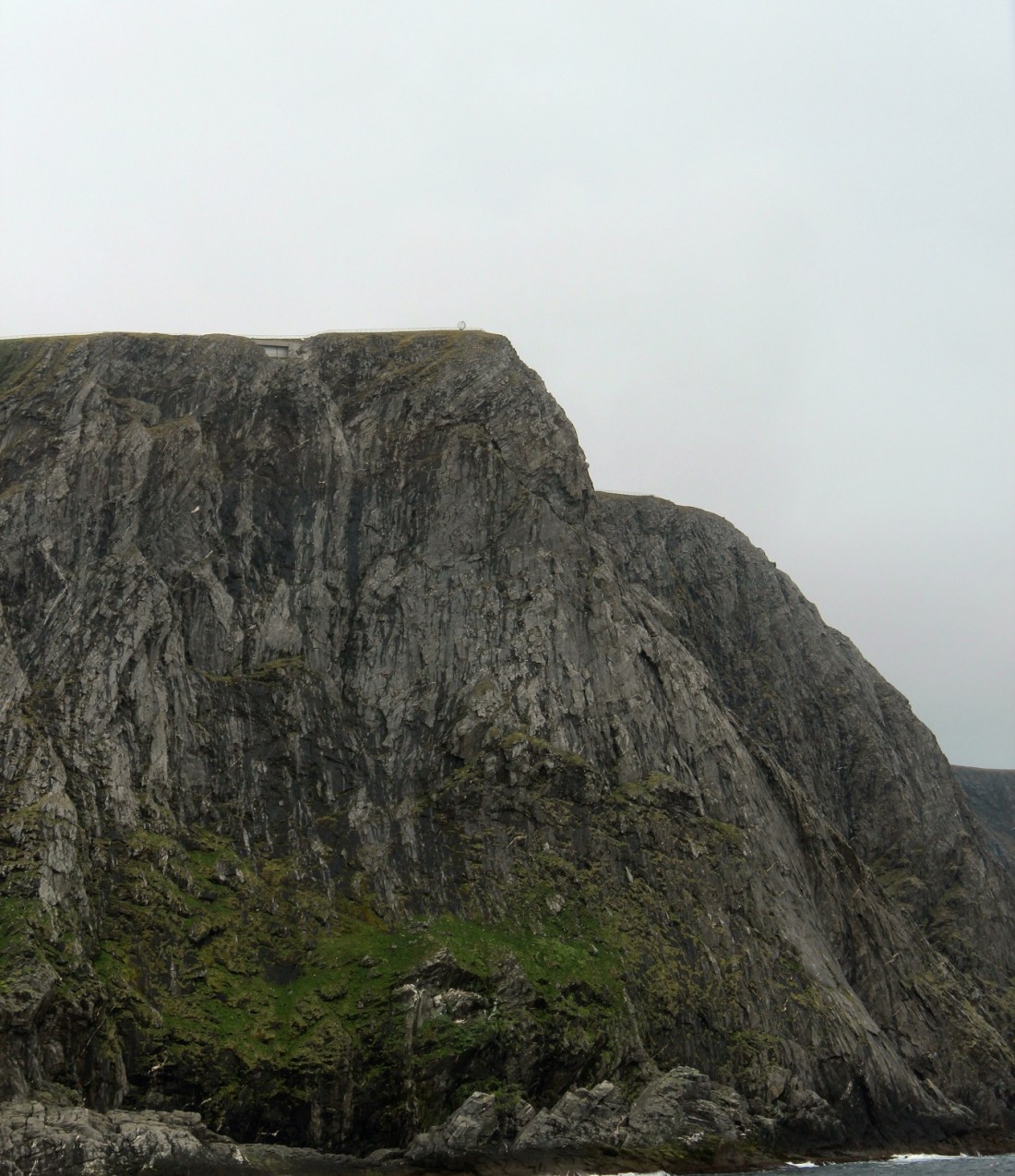
[You can see the globe at the top of the cliff from whence we just came . . . ]
6-28-19-85 - Copy6-28-19-86 - Copy

[Yes, they climbed this from the bottom back in the day . . . ]
6-28-19-87 - Copy

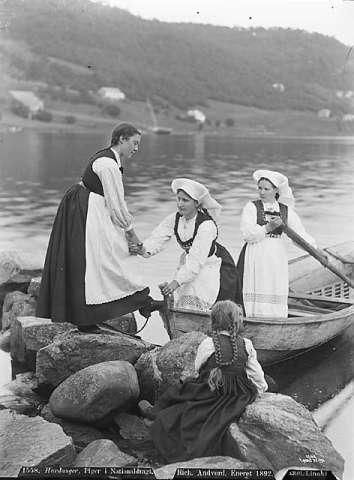
[And women’s climbing attire to get to the top of that cliff . . . ]
norwaynorway2

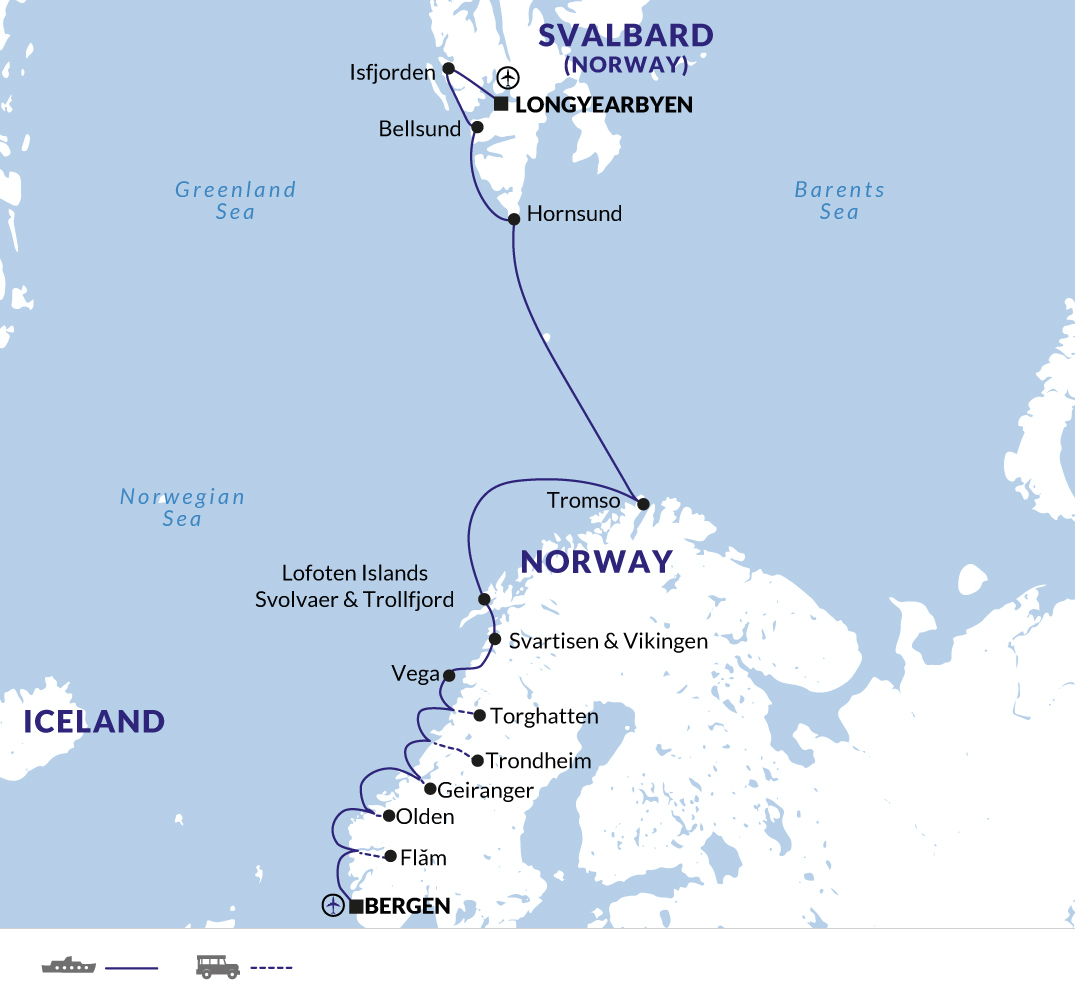
[A final reminder as to where we were – but it’s wrong!  It has Nordkapp misidentified as Tromso.  Don’t mess with tourists who have now acquired a wee bit of knowledge!]
north cape-svalbard7

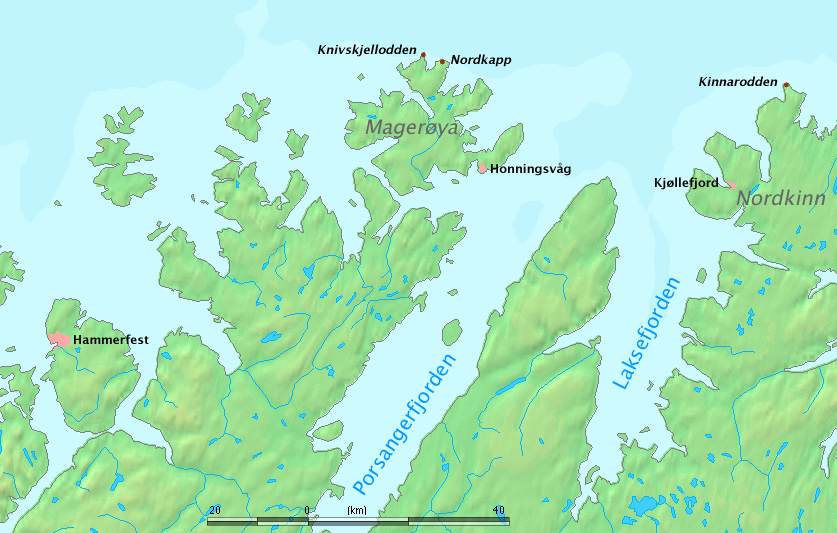
6-28-19-88 - Copy

[The final proof of farthest northest . . . ]
nordkapp map

[As we say goodbye to Knivskjelodden and Norway, we will spend the next two days at sea enroute to the Shetland Islands . . . ]

6-28-19-89 - Copy

Conclusion:  Norway, homeland of my mother, is not really a country.  It’s more like an international national park. ~  Me

I don’t want to achieve immortality through my work.  I want to achieve it through not dying.  ~  Woody Allen

Up Next:  The Biddies are reunited in Alex?
Norway (Day 10, Part 2)

June 27

Tromso

When last we left you, we had just finished our tour of the Polar Museum and had exited again to the great outdoors.  We pick it up again from there . . . 

[Peering off the pier . . . ]

6-27-19-60 - Copy

[This has all the appearances of a harbor . . . ]

6-27-19-61 - Copy

[We restrained ourselves . . . ]

6-27-19-62 - Copy

[And back with the Running Women . . . ]

6-27-19-63 - Copy

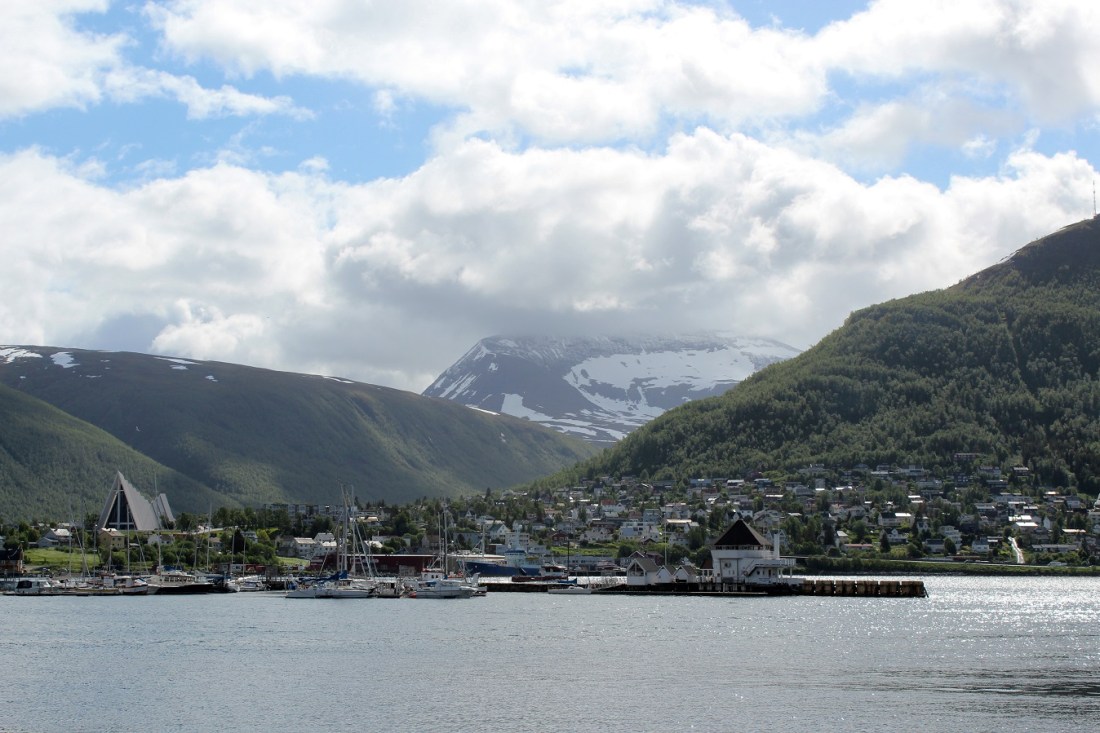
[Looking across the harbor at the Arctic Cathedral and a substantial background . . . ]

6-27-19-64 - Copy

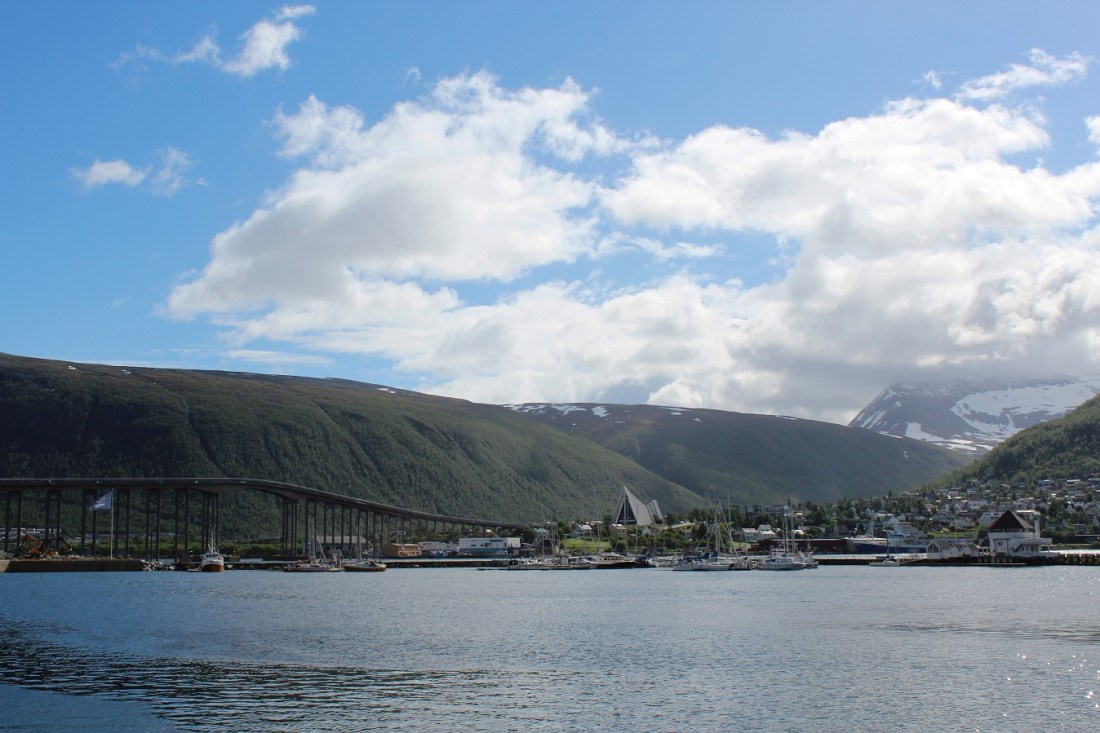
[And with the bridge included . . . ]

6-27-19-65 - Copy

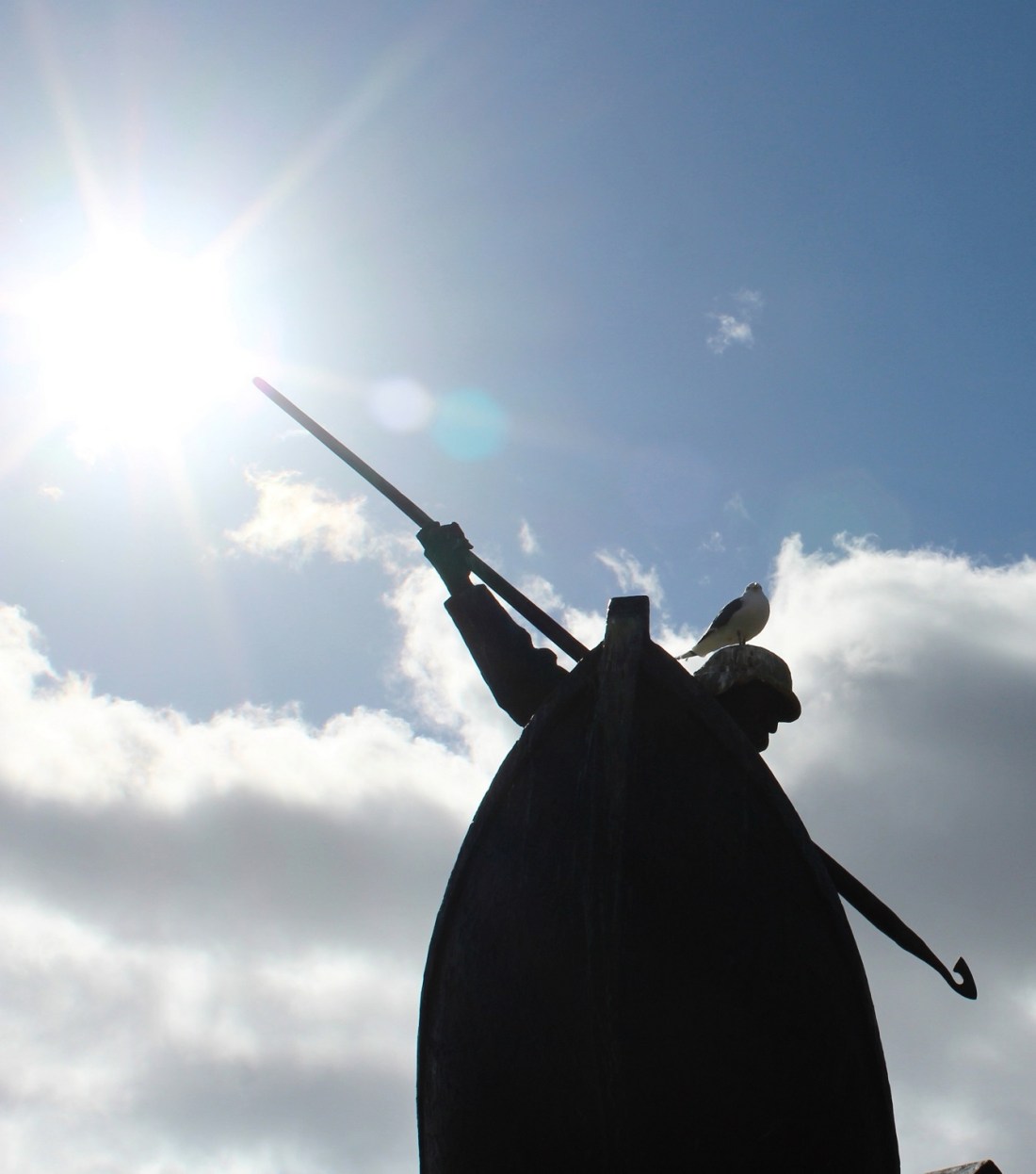
[The Fangstmonument (Arctic Hunter) – a whaler in a boat . . . ]

6-27-19-66-1 - Copy

[Walking through the town square and open air market . . . ]

6-27-19-67 - Copy

[Outside the Amalie Hotel . . . ]

6-27-19-68 - Copy

[Roald Amundsen . . . ]

6-27-19-69 - Copy

[Our boat behind the tourist shop – I believe we went back for lunch . . . ]

6-27-19-70 - Copy

[Back out again, Prostneset port terminal is finished and put into operation.  More than a million people will use the terminal as their hub to depart from or to Tromsø. The terminal is also built for the future, with its 12,000 sqm.  It provides us with a terminal with proper facilities for the city and passenger numbers to grow together.  ~  Jarle Heitmann, Chairman of the Board of Tromsø Harbor KF]

6-27-19-71 - Copy

[Uknown, so I’ll just dub him “Orange Man” . . . ]

6-27-19-72 - Copy

[Almost “Alexandria”?]

6-27-19-73 - Copy

[No, not something naughty. A popular pub game in Denmark, ‘Klask’ is like a fast-paced table-top version of Air Hockey, only it uses multiple magnets and a small round ball. Players must use the magnetic handles under the board to control their playing pieces on top of the board (https://www.amazon.com/Buffalo-Games-182-Klask-Magnetic/dp/B01I21KF8K).]

6-27-19-74 - Copy

[Helmer Julius Hanssen (24 September 1870 – 2 August 1956) was a Norwegian sailor, pilot and polar explorer.  He participated in three of the polar expeditions led by Roald Amundsen and was one of the first five explorers to reach the South Pole (Wikipedia).]

6-27-19-75 - Copy6-27-19-76 - Copy

[A baleen whale (not anatomically correct) . . . ]

6-27-19-77-1 - Copy

[Bill and Anne (both anatomically correct) outside Polaria.  As I recall, we didn’t have enough time to tour . . . ]

6-27-19-78 - Copy

[Polaria is the world’s most northerly aquarium.  Rather than a mainly scientific aquarium such as the one in Bergen in the Norwegian midlands, Polaria, which opened in May 1998, is designed to be an educational experience, with particular emphasis on displays for children.  Most of the displays focus on the northerly islands of Svalbard.  Its centerpiece is an open pool containing a group of bearded seals, Erignathus barbatus.  The building itself is also worthy of note.  Its striking design represents ice floes that have been pressed up on land by the rough seas of the Arctic.  This attractive piece of modern architecture echoes the Arctic Cathedral.  One of Norway’s most famous and successful seal hunting ships, the Polstjerna (T-80-T) has been preserved in a separate mueum building less than a hundred metres away from Polaria (Wikipedia).]

6-27-19-79 - Copy

[On the way back for our bus tour, the Super with “Orange Man” . . . ]

6-27-19-80 - Copy

[And now the bus ride . . . ]

6-27-19-82 - Copy

[First to the Arctic Cathedral, in the rain . . . ]

6-27-19-83 - Copy

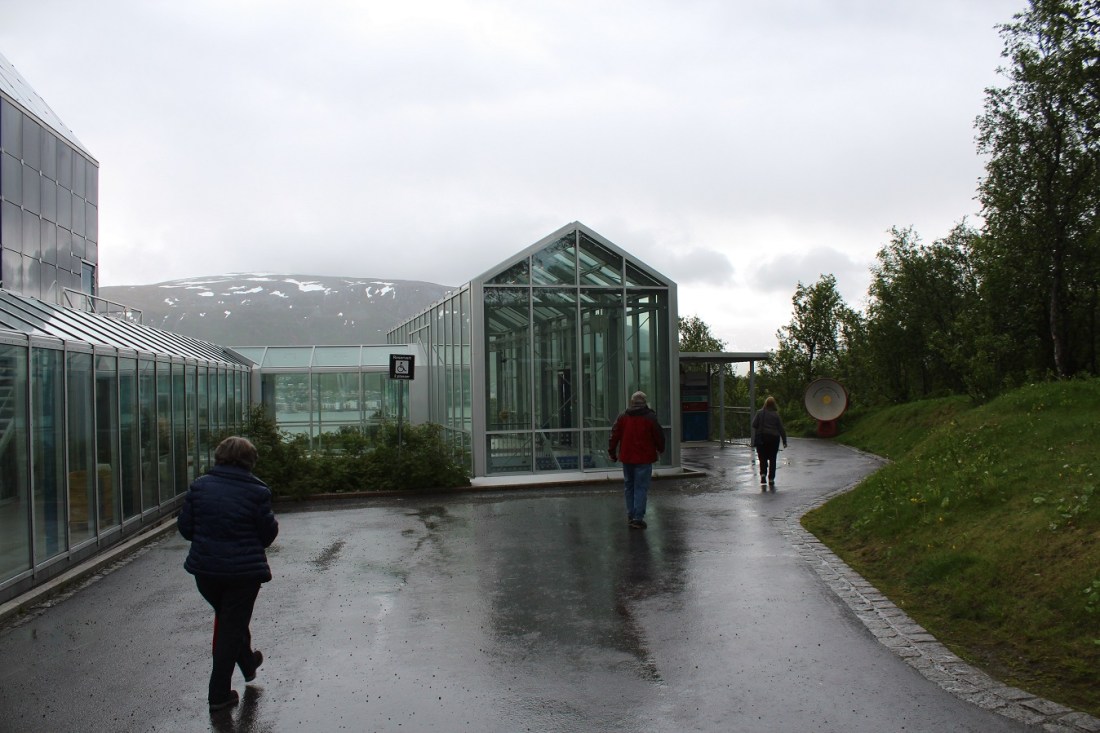
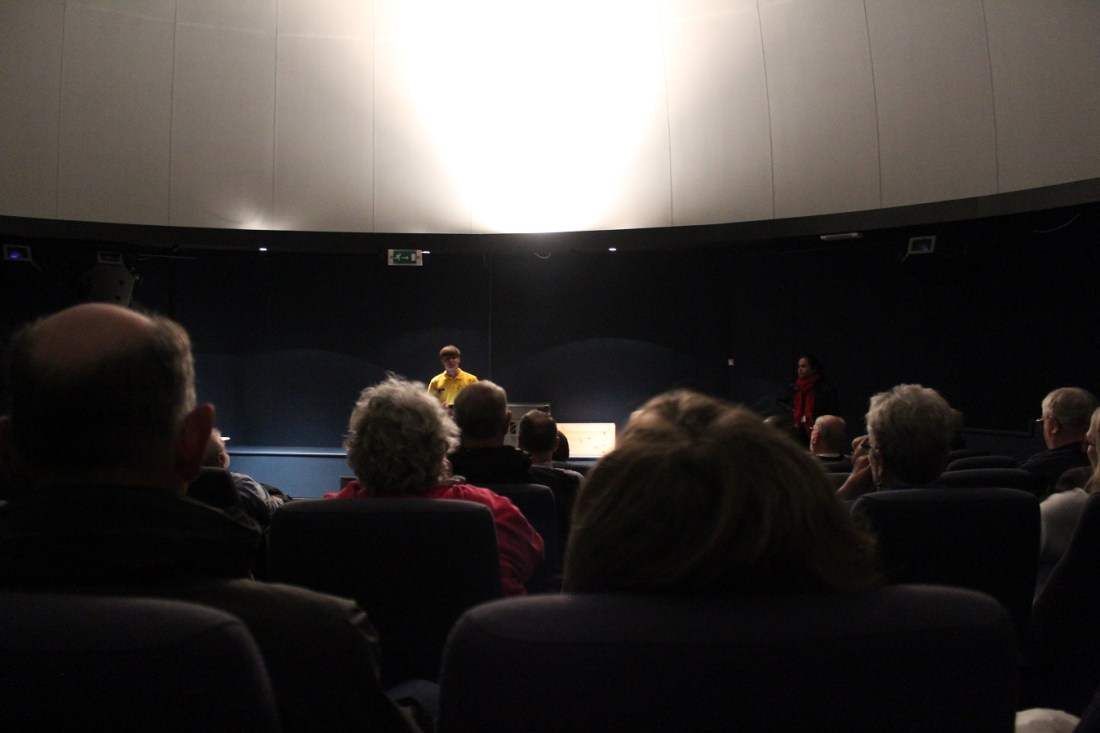
[Then to the Northern Light Planetarium, the largest in Norway . . . ]

6-27-19-84 - Copy6-27-19-85 - Copy

[Our tour of the university was marred by the downpour . . . ]

6-27-19-86 - Copy6-27-19-87 - Copy

[Back in town center . . . ]

6-27-19-88 - Copy

[Statue at the public library . . . ]

6-27-19-89 - Copy

[Take a guess?]

6-27-19-90 - Copy

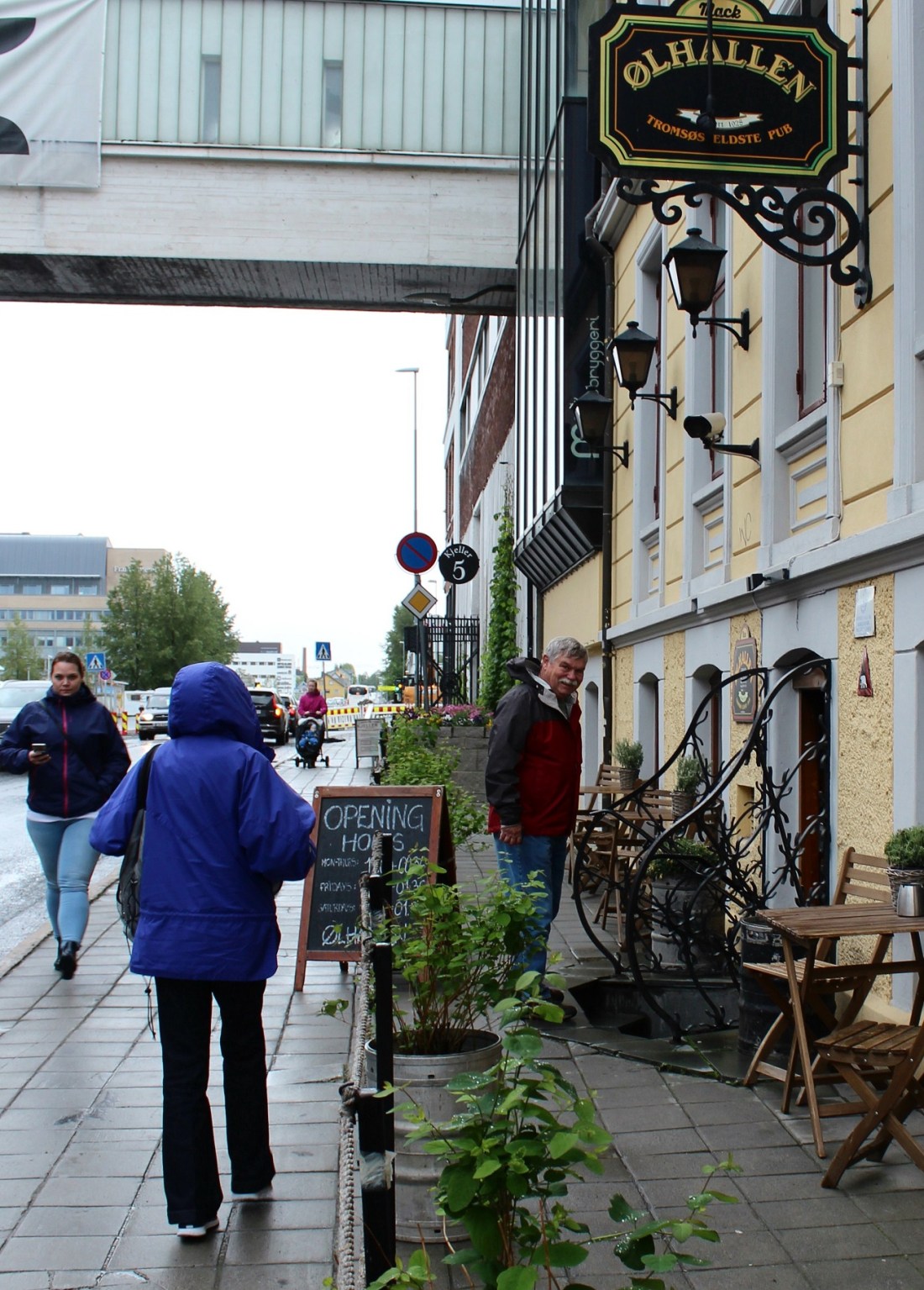
[Back on our own, Bill scoped this out as a must visit . . . ]

6-27-19-91 - Copy

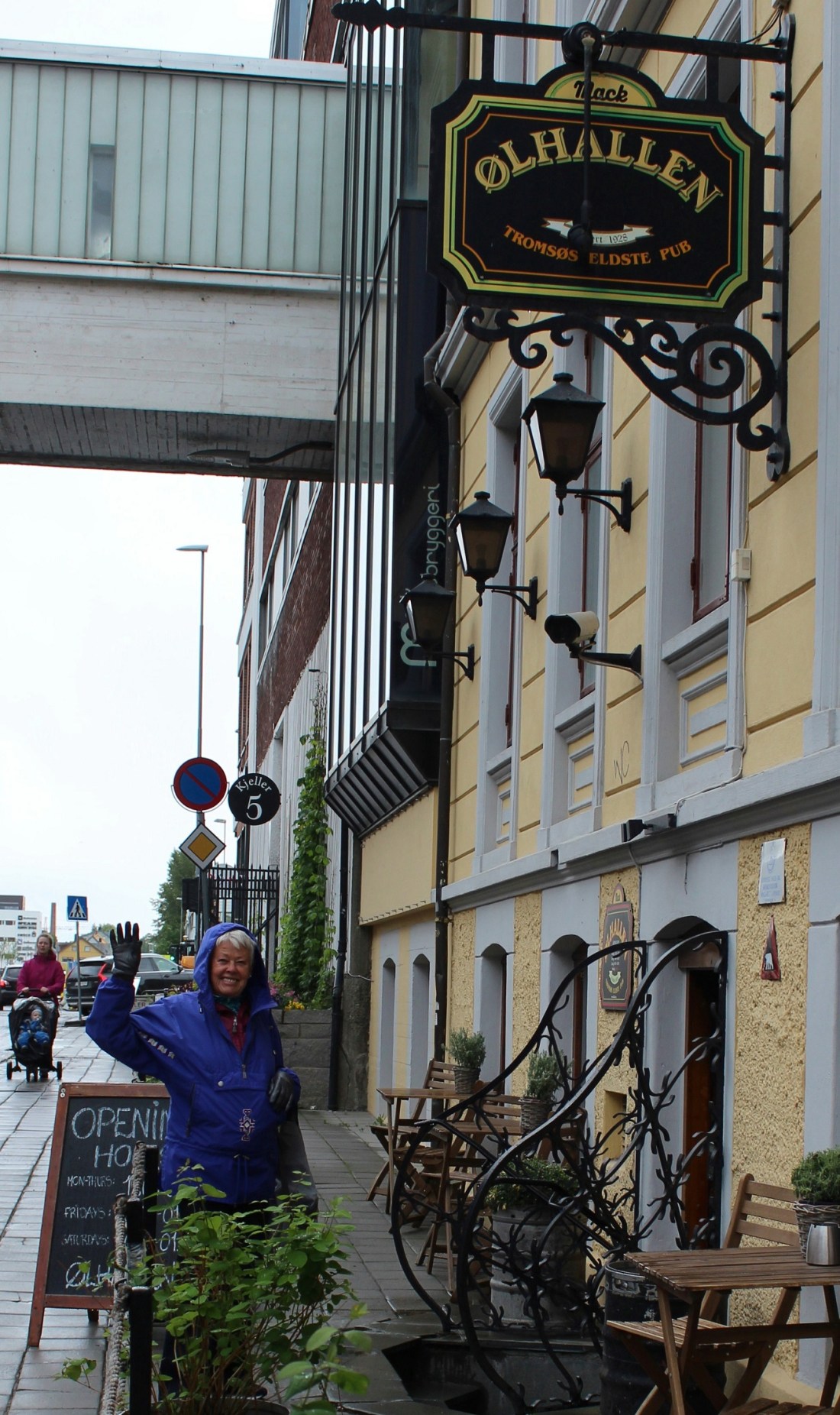
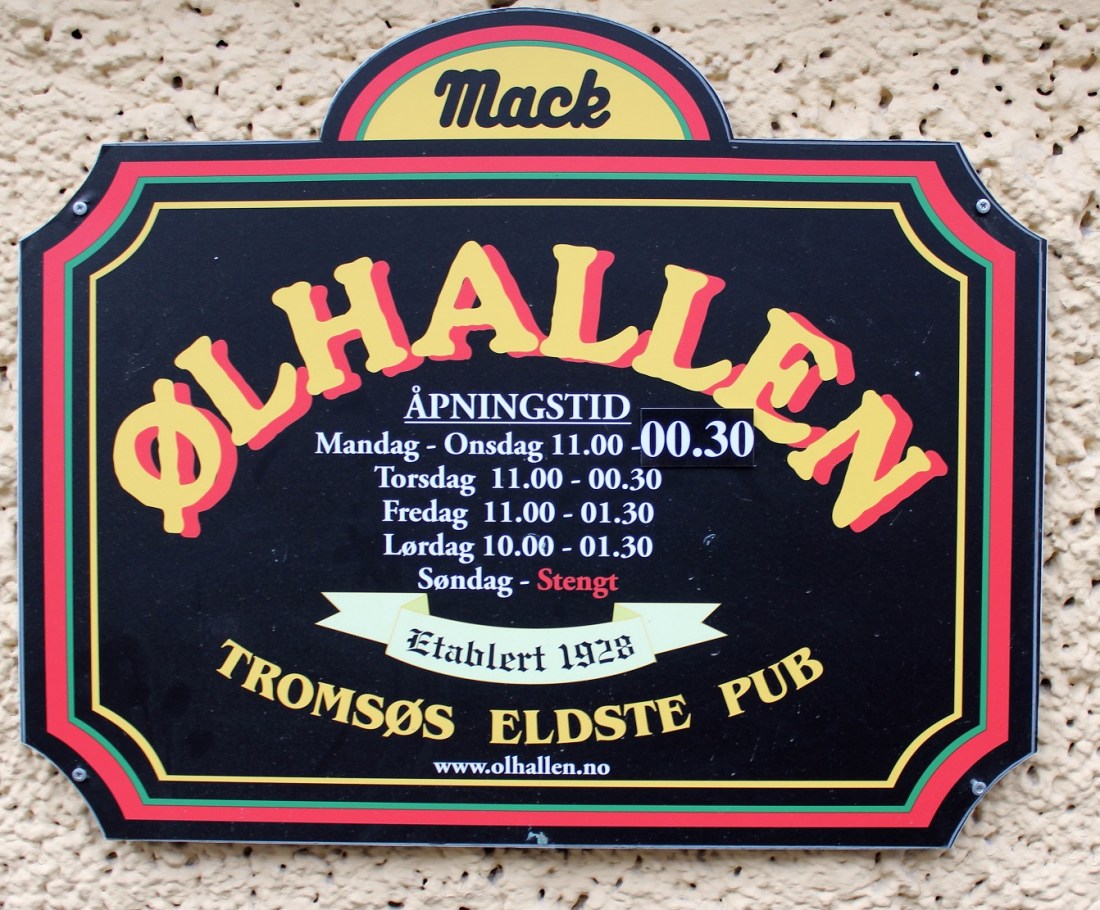
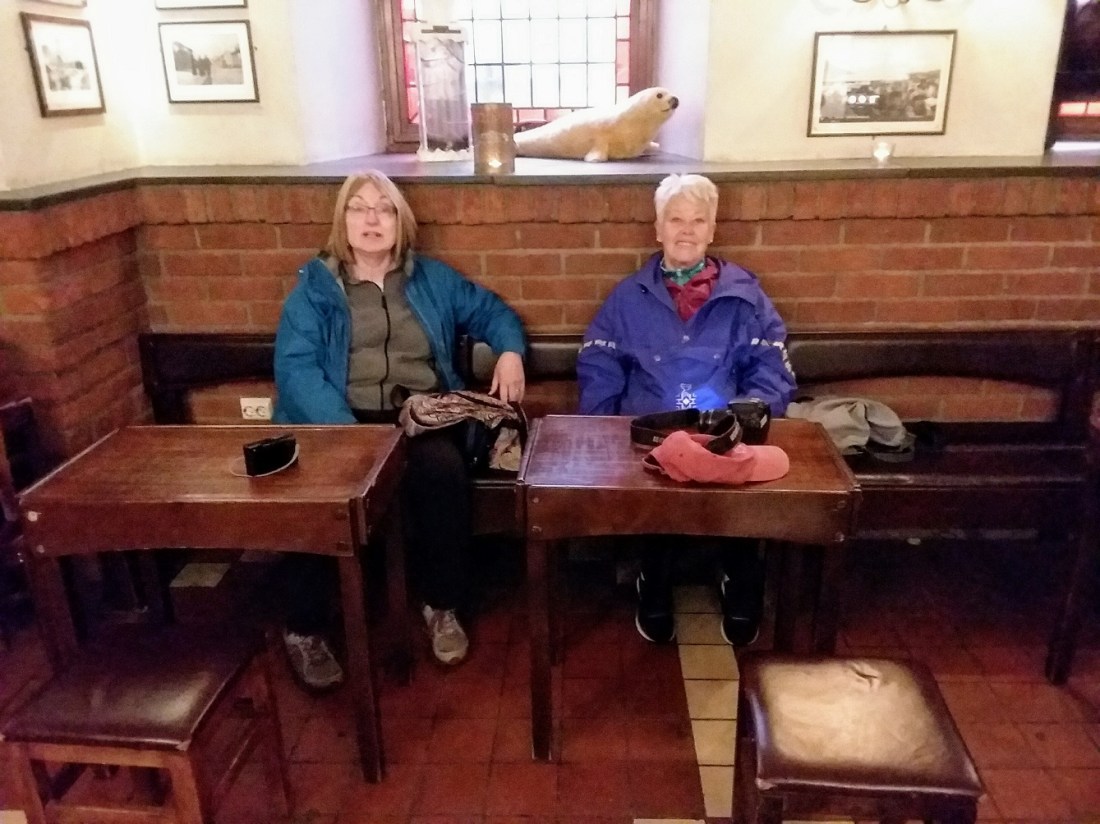
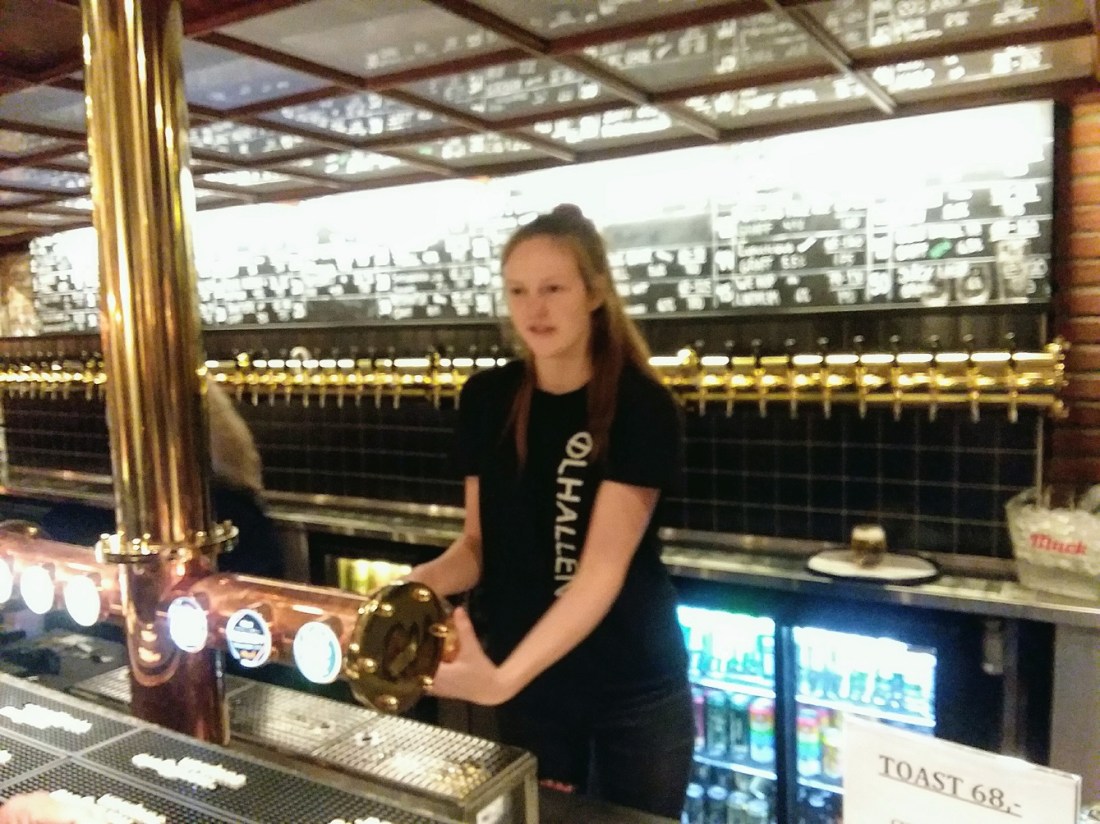
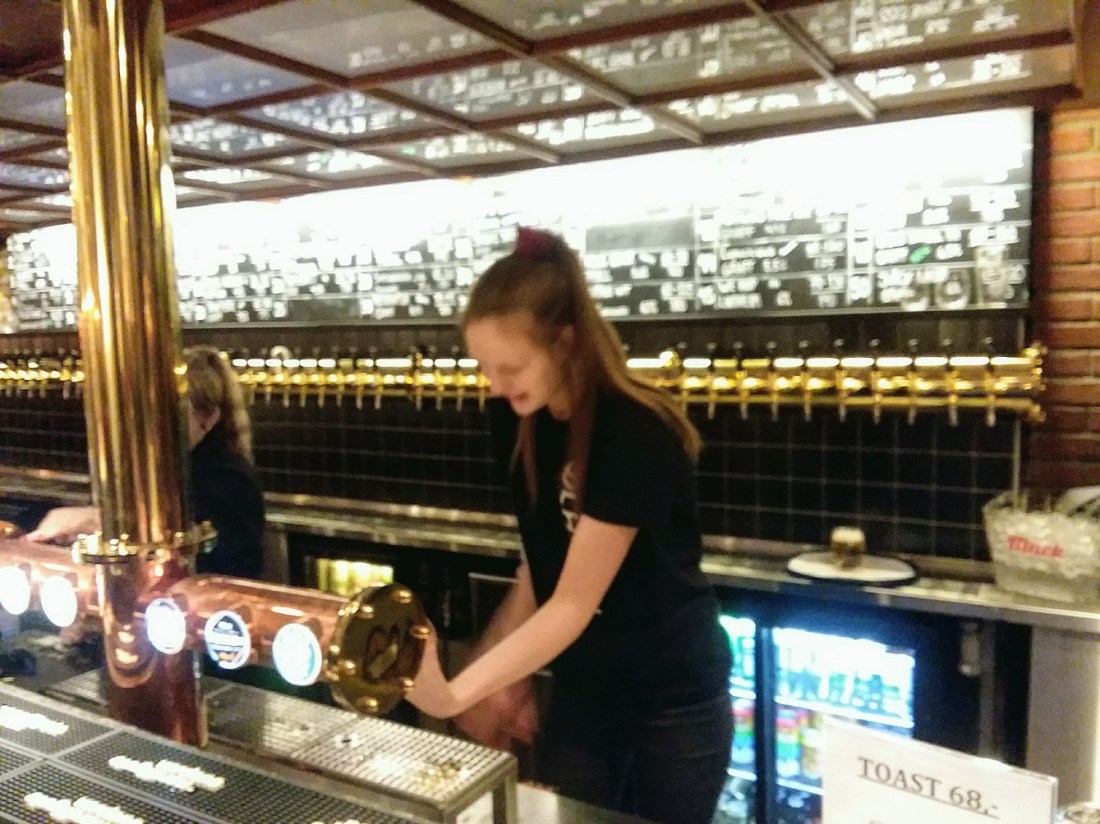
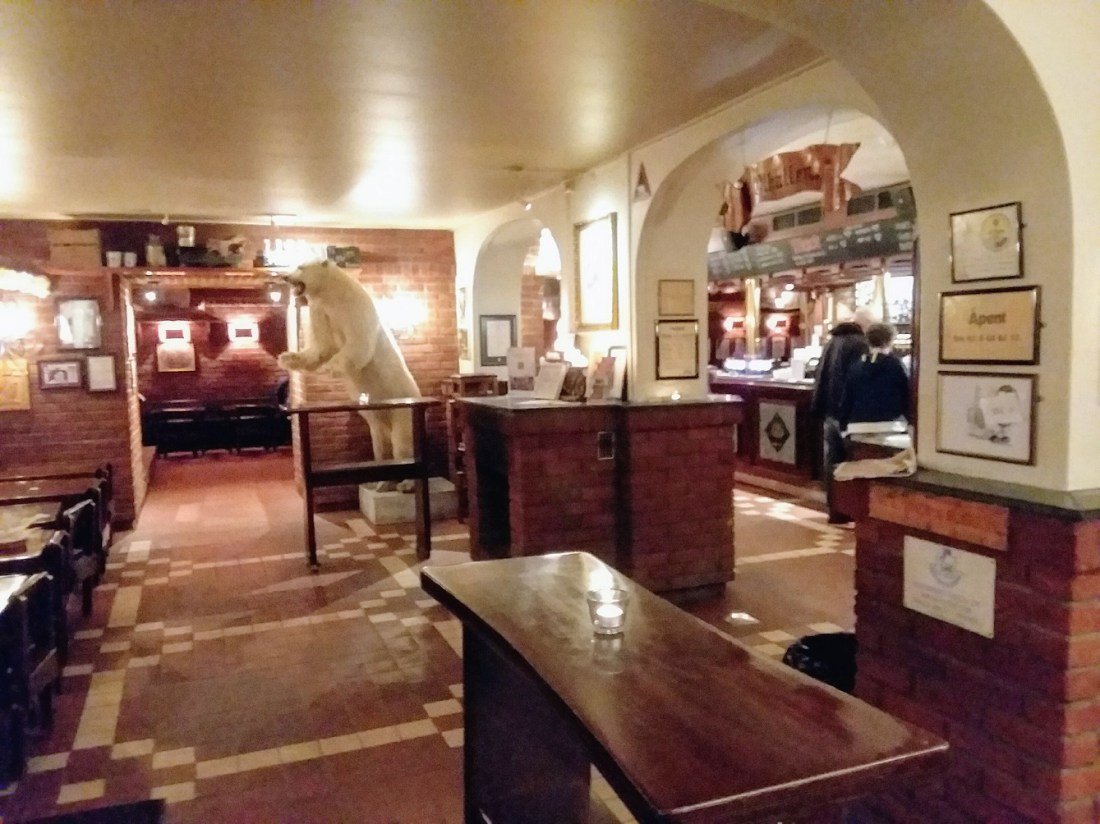
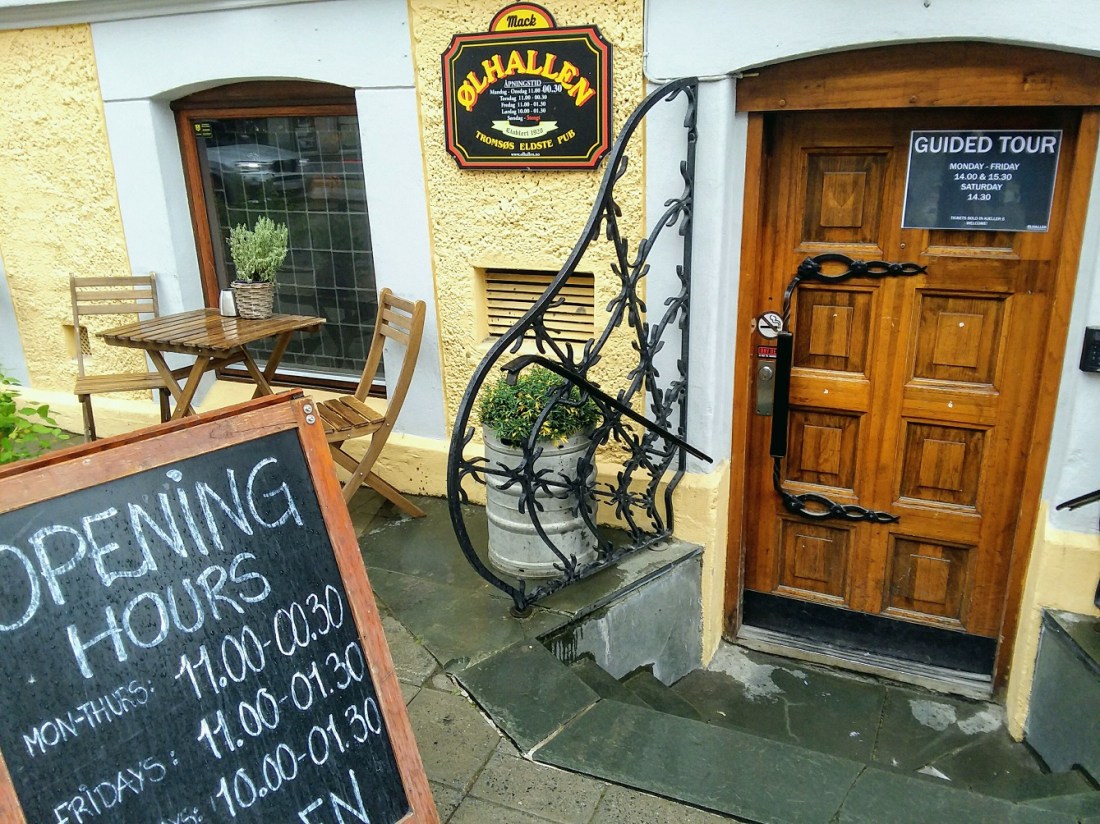
[Mack’s brewpub Ølhallen is the oldest pub in Tromsø.  “The Hall”, as it was called in its younger years was a place of sanctuary.  At that time it was teeming with fishermen, farmers and townspeople.  Today Ølhallen is one of the most iconic places in Tromsø and is serving Norwegian quality beer from 72 differant taps.  It’s a place where townspeople of all ages meet and taste the best beers brewed by Mack – The world’s most northern brewery (https://www.mack.no/en/olhallen).]

6-27-19-91-1 - Copy

[Let’s drop in for a tour . . . ]

6-27-19-92 - Copy6-27-19-93 - Copy

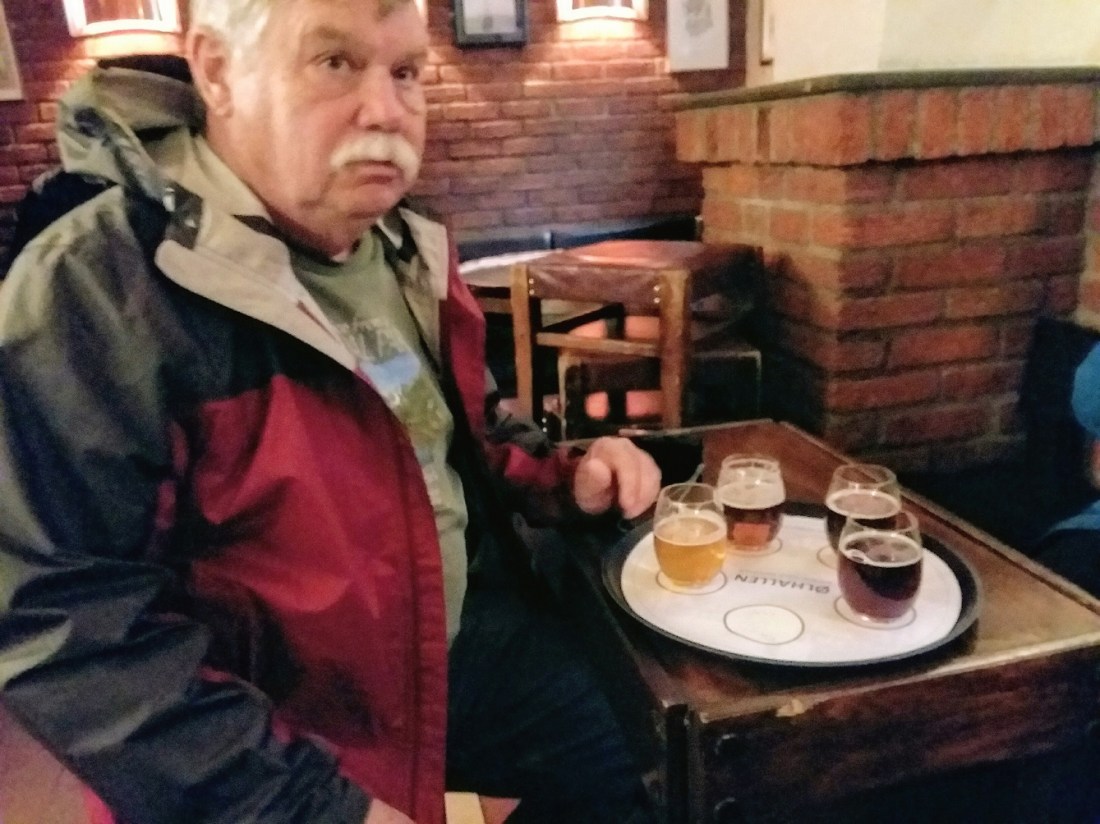
[Bring me something wet . . . ]

20190627-4 - Copy20190627-5 - Copy20190627-6 - Copy20190627-8 - Copy

[A flight’s aways good . . . ]

20190627-9 - Copy20190627-11 - Copy20190627-12 - Copy

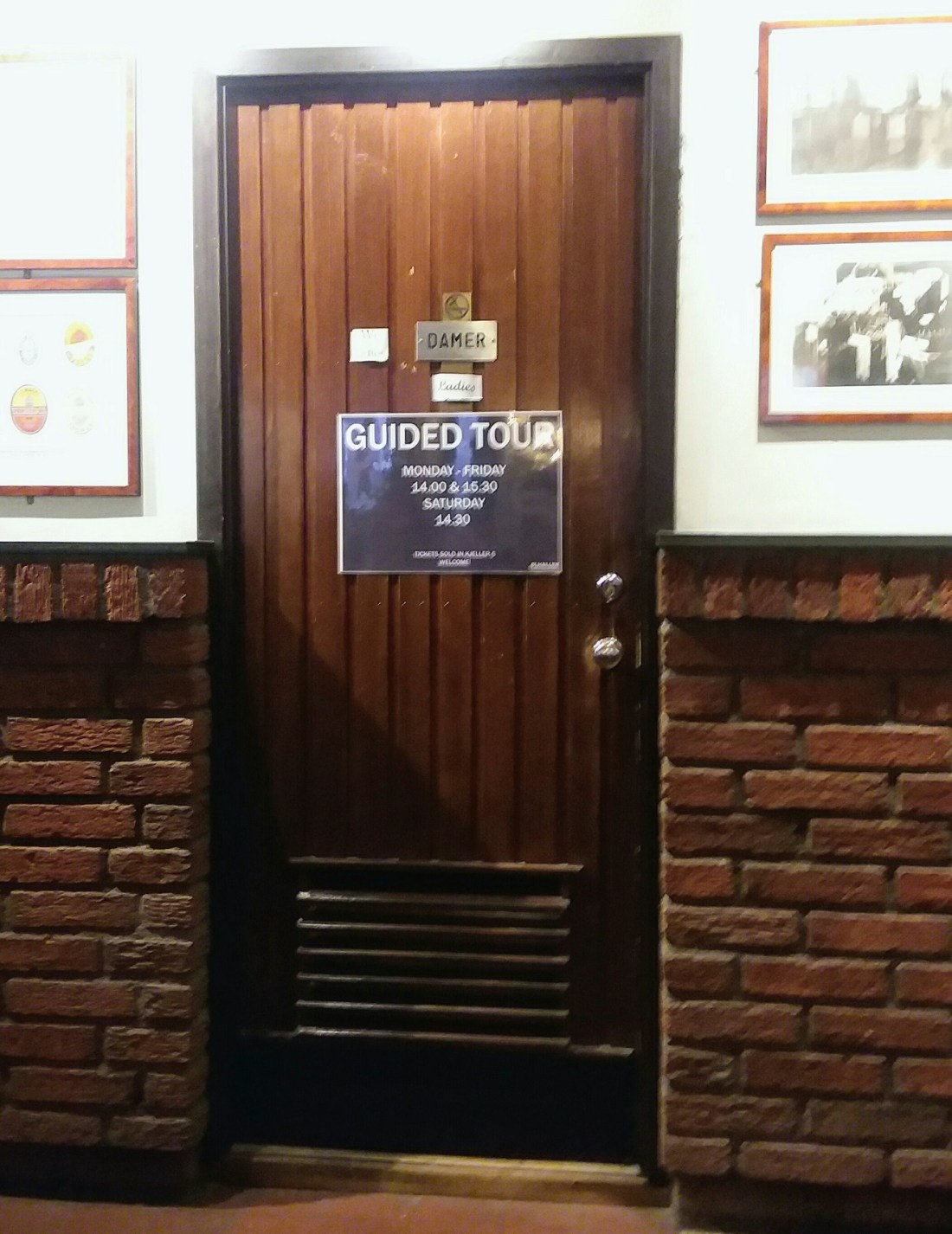
[A guided tour . . . of the ladies room?]

20190627-13 - Copy20190627-15 - Copy

[Back aboard ship and off to the next destination . . . ]

20190627-17 - Copy

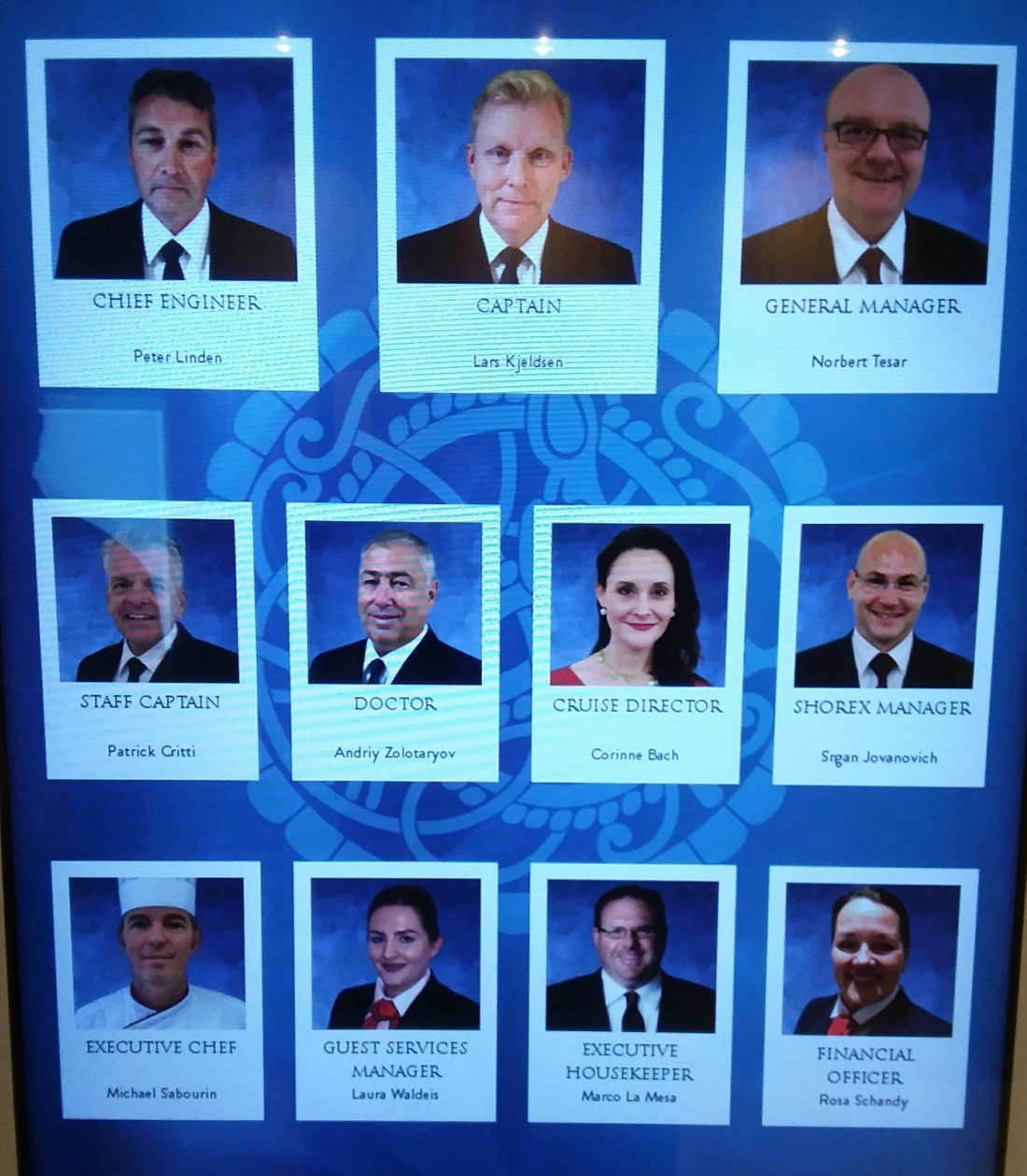
[The ship’s officers . . . ]

20190627-19 - Copy

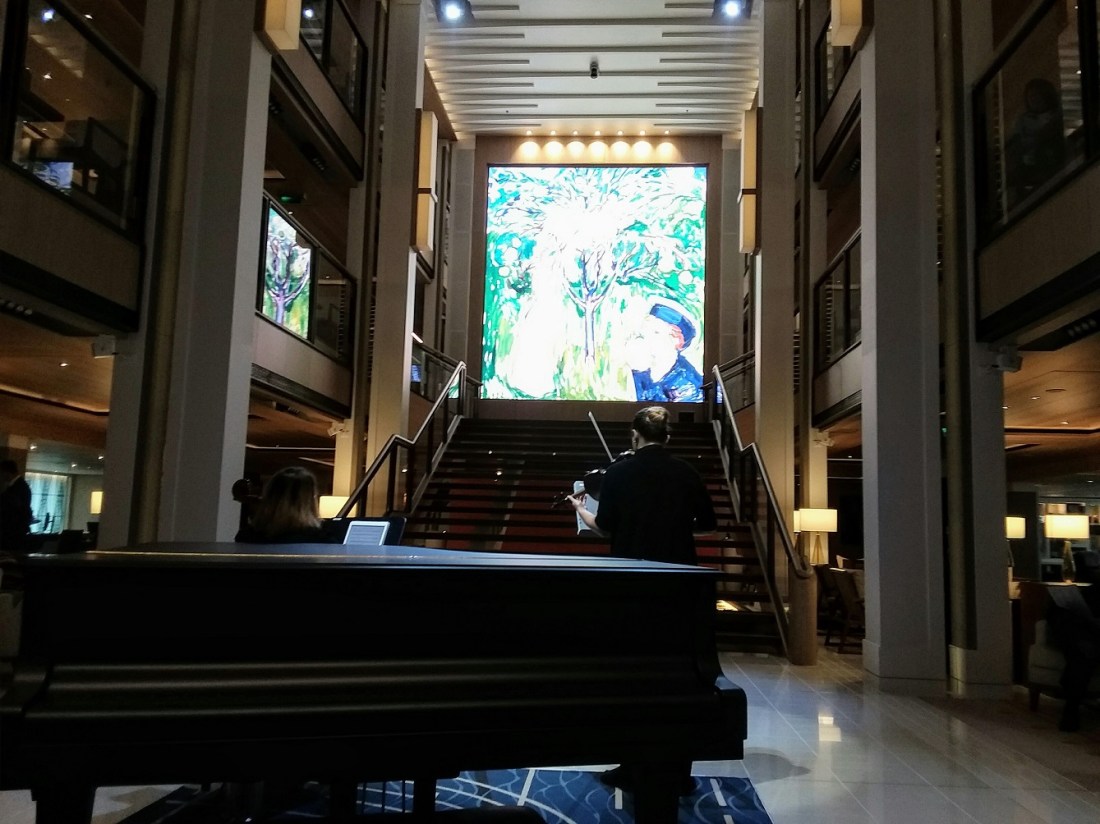
[Chamber music on the atrium . . . ]

20190627-20 - Copy20190627-22 - Copy20190627-23 - Copy

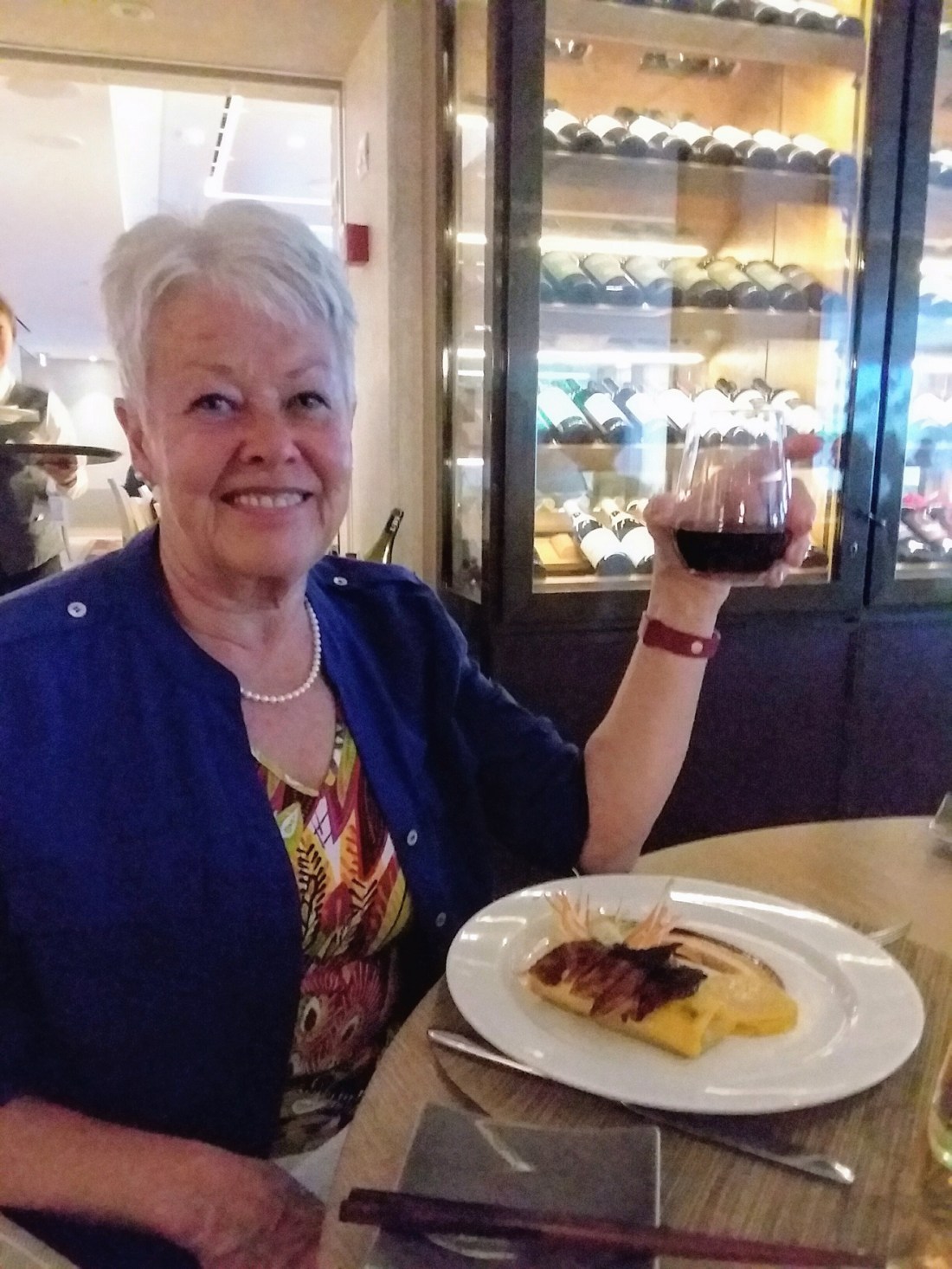
[An Asian panorama meal in the Chef’s Table . . . ]

20190627-25 - Copy

[Wow!  This is special!]

20190627-27 - Copy

[All courses, except Peking duck, were new to me – but very good!]

20190627-28 - Copy

[So what’s not to like?]

20190627-30 - Copy

[On the sea to our northern most destination . . . ]

20190627-31 - Copy

Because in the end, you won’t remember the time you spent working in the office or mowing your lawn. Climb that goddamn mountain.  ~  Jack Kerouac

Up Next:  More stuff . . .

Norway (Day 10, Part 1)

June 27

Tromso

The locals appear to call it “trum-suh.”  I had always called it “trom-soh.”  I will defer.  I had hoped to get a Univesity of Tromso shirt.  But Norwegians are in such good shape I couldn’t find one in size “round” . . . 

june27 - Copy

tromso1 - Copytromso2 - Copytromso3 - Copy

[Sailing, sailing over the bounding main . . . ]

6-27-19-1 - Copy

[Bounding toward Tromso . . . ]

6-27-19-2 - Copy

[We’re in the vicinity . . . ]

6-27-19-3 - Copy

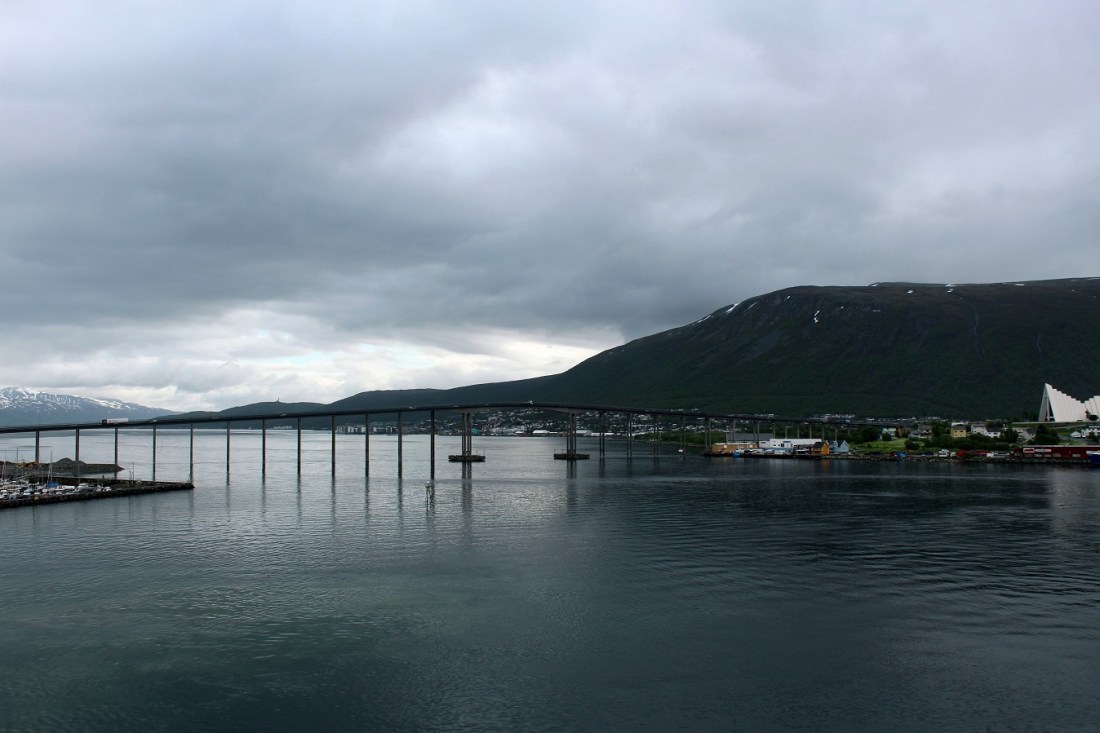
[The Tromsø Bridge is a cantilever road bridge in the city of Tromso which is located in Tromso Municipality in Troms county.  It crosses the Tromsoysundet strait between Tromsdalen on the mainland and the island of Tromsoya.  The 1,036-metre-long (3,399 ft) bridge has 58 spans, of which the longest is 80 metres (260 ft) with a maximum clearance to the sea of 38 metres (125 ft).  Construction began in 1958 and the bridge was opened in 1960.  At the time of its opening, it was the longest bridge in Northern Europe (Wikipedia).]

6-27-19-6 - Copy

[A closer upper of the bridge, the Arctic Cathedral is on the right . . . ]

6-27-19-7 - Copy

[The city . . . ]

6-27-19-8 - Copy

[Looking aft, for no particular reason . . . ]

6-27-19-9 - Copy

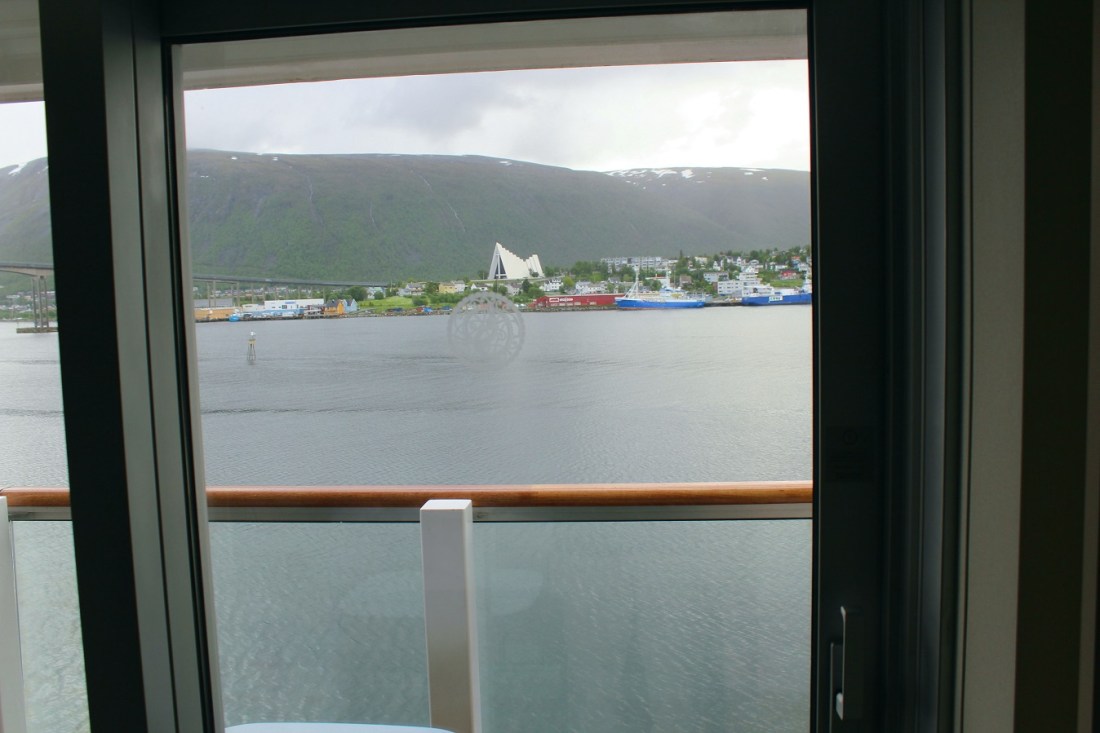
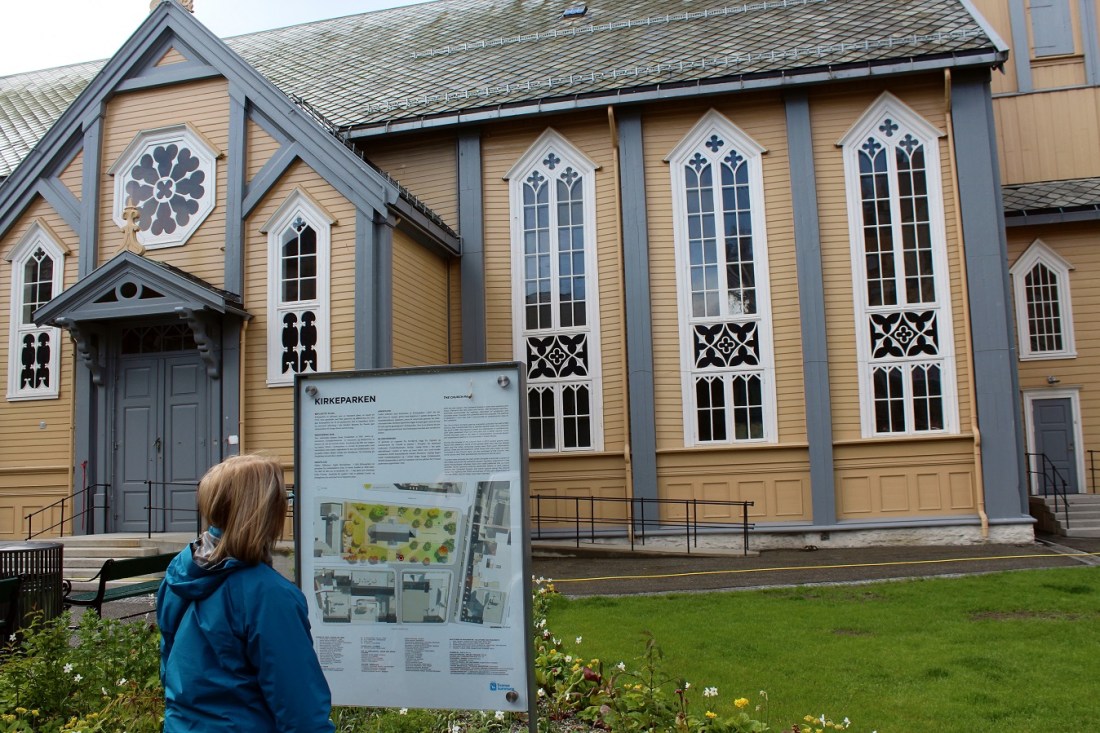
[Tromsdalen Church or the Arctic Cathedral is a parish church of the Church of Norway.  It is located in the Tromsdalen valley on the east side of the city of Tromso.  It is the church for the Tromsøysund parish.  The modern concrete and metal church was built in a long church style in 1965 by the architect Jan Inge Hovig.  The church seats about 600 people (Wikipedia).]

6-27-19-10 - Copy

[The sights, if not sounds, of Tromso, commonly called “The Gateway to the Arctic” because of all the polar expeditions that have departed from here, at 70 degrees north latitude, well inside the arctic circle . . . ]

6-27-19-11 - Copy

[An even closer closer upper of the bridge . . . ]

6-27-19-12 - Copy

[Ship window shot of the Arctic Cathedral . . . ]

6-27-19-13 - Copy

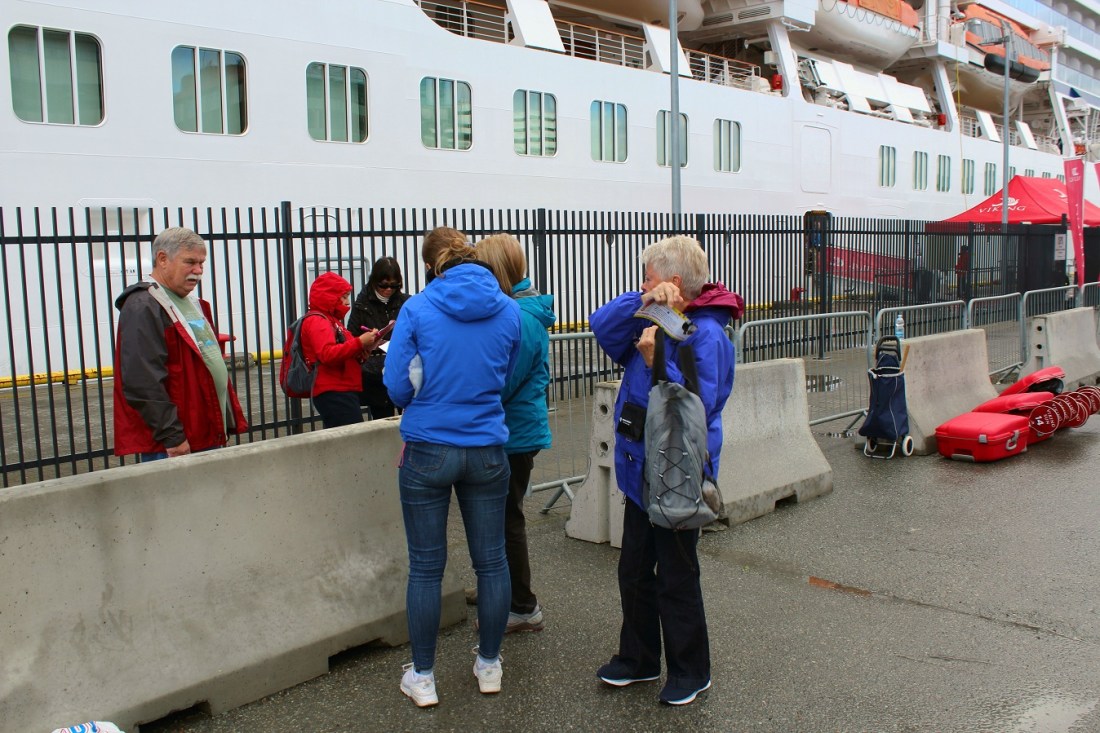
[In the atrium, getting ready to go ashore . . . ]

6-27-19-15 - Copy

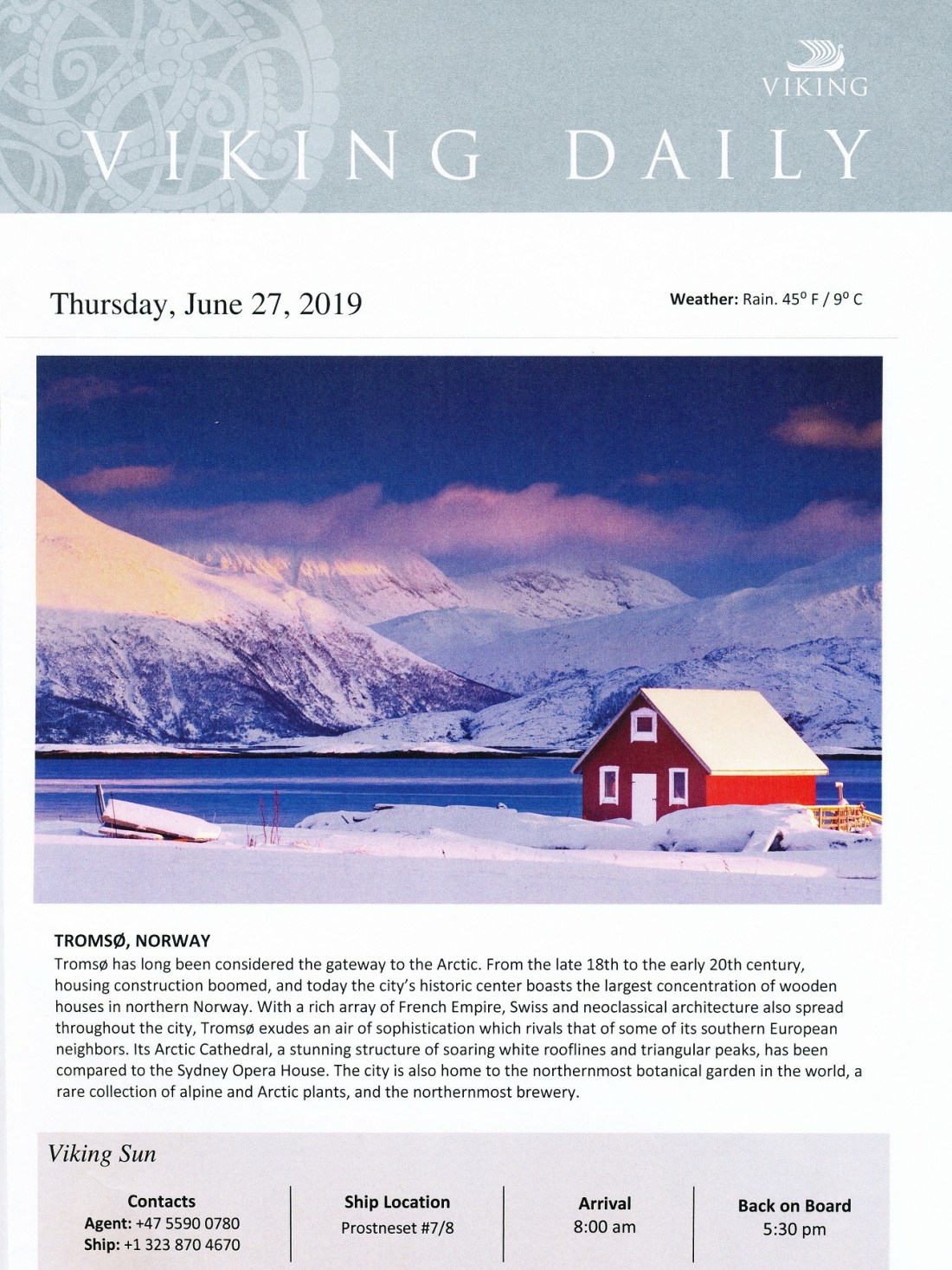
[Tromsø is a 2,521-square-kilometre (973 sq mi) municipality, the 18th largest by area out of the 422 municipalities in Norway.  Tromsø is the 9th most populous municipality in Norway with a population of 75,638.  The municipality’s population density is 30.6 inhabitants per square kilometre (79/sq mi) and its population has increased by 15.9% over the last decade.  It is the largest urban area in Northern Norway and the third largest north of the Arctic Circle anywhere in the world (following Murmansk and Norilsk).  Most of Tromsø, including the city centre, is located on the island of Tromsoya, 350 kilometres (217 mi) north of the Arctic Circle.  In 2017, the city of Tromso had a population of about 65,000 people spread out over Tromsoya and parts of Kvaloya and the mainland.  Tromsøya is connected to the mainland by the Tromso Bridge and the Tromsoyasund Tunnel, and to the island of Kvaloya by the Sandnessund Bridge.  The municipality is warmer than most other places located on the same latitude, due to the warming effect of the Gulf Stream.  Tromsø is even milder than places much farther south of it elsewhere in the world, such as on the Hudson Bay and in Far East Russia, with the warm-water current allowing for both relatively mild winters and tree growth in spite of its very high latitude.  The city centre of Tromsø contains the highest number of old wooden houses in Northen Norway, the oldest house dating from 1789. The city is a cultural centre for its region, with several festivals taking place in the summer (Wikipedia).]

6-27-19-16 - Copy

[Anne is checking with a tour guide as whether she recognizes a picture of a house where Anne’s grandmother once lived.  The photo did not indicate an address . . . ]

6-27-19-17 - Copy

[Oh, I wish I could remember her name.  She is a Viking crew member who always met we passengers outside at every stop to make sure we all got on the right buses.  She was always as happy as her smile indicates (psst, don’t tell our president but as I recall she was from Mexico) . . . ]

6-27-19-18 - Copy

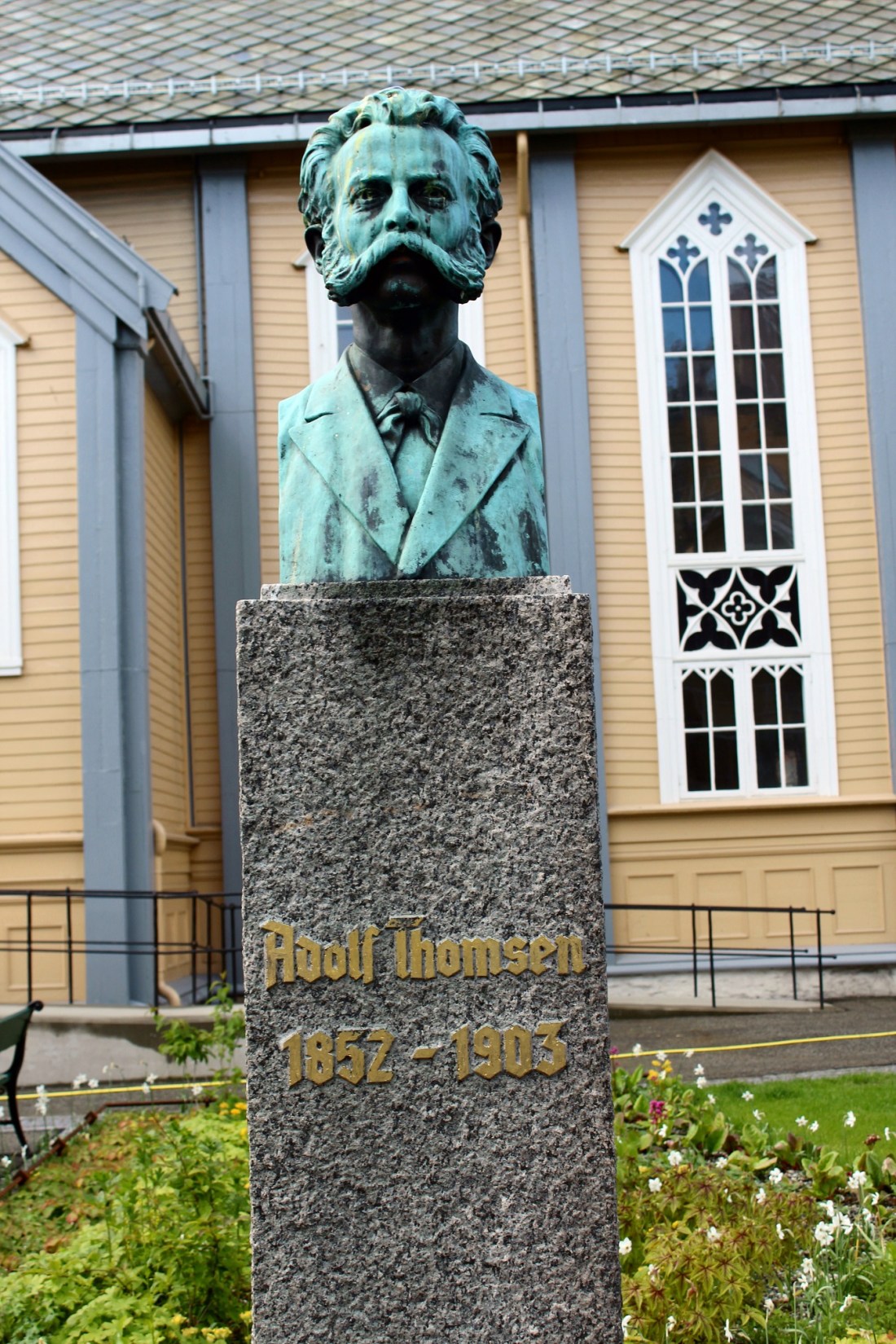
[Adolph Thomsen, on the other hand, was from Norway.  He was a Norwegian composer and musician (born 7-10-1852; died 7-24-19030).  Thomsen lived in Tromso and from 1883 was organist in Tromso Cathedral.  He became acquainted with Edvard Grieg and several of his works are dedicated to Grieg (Wikipedia).]

6-27-19-19 - Copy

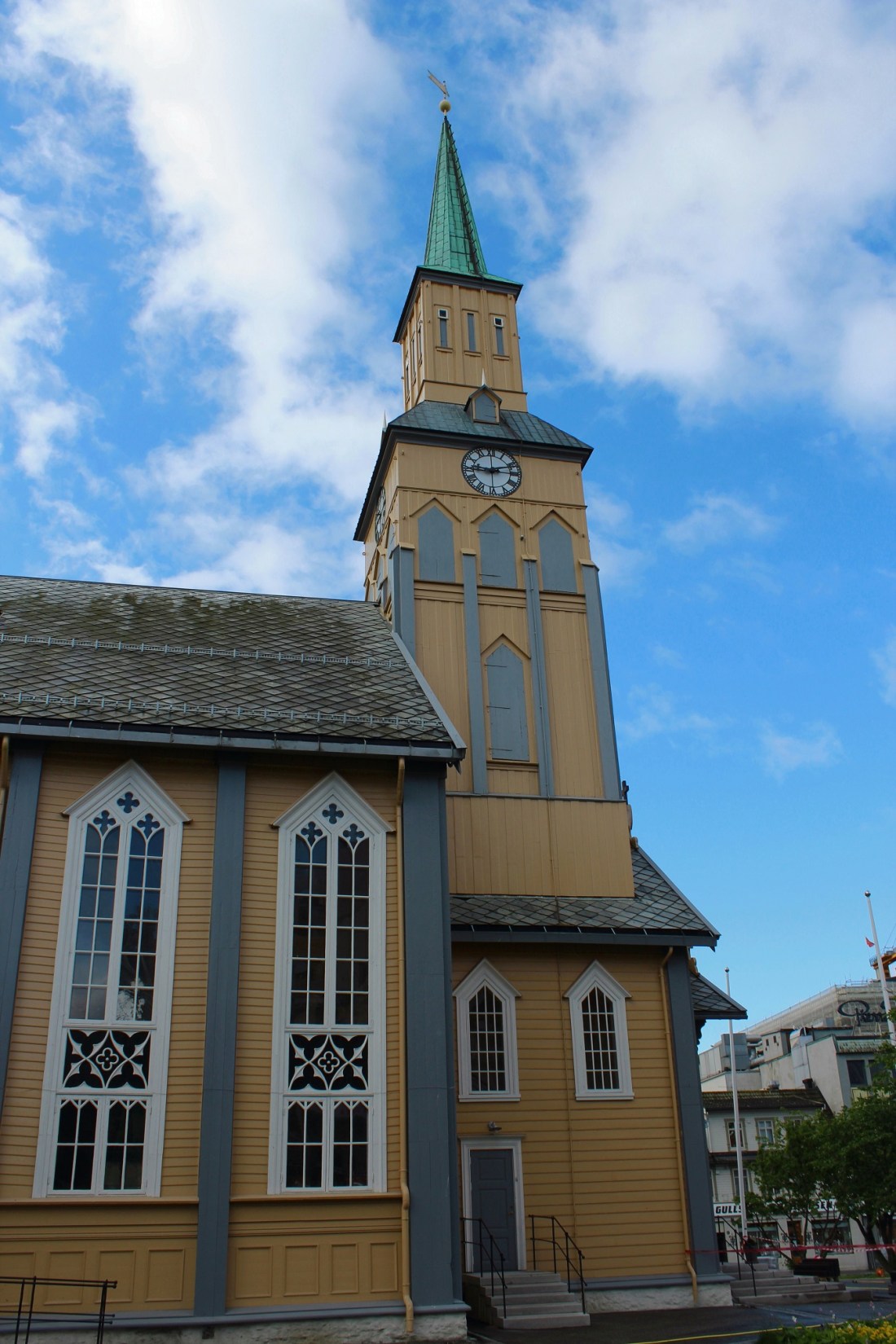
[And here is the Tromso Cathedral . . . ]

6-27-19-20 - Copy

[And its clock spire . . . ]

6-27-19-21 - Copy6-27-19-22 - Copy

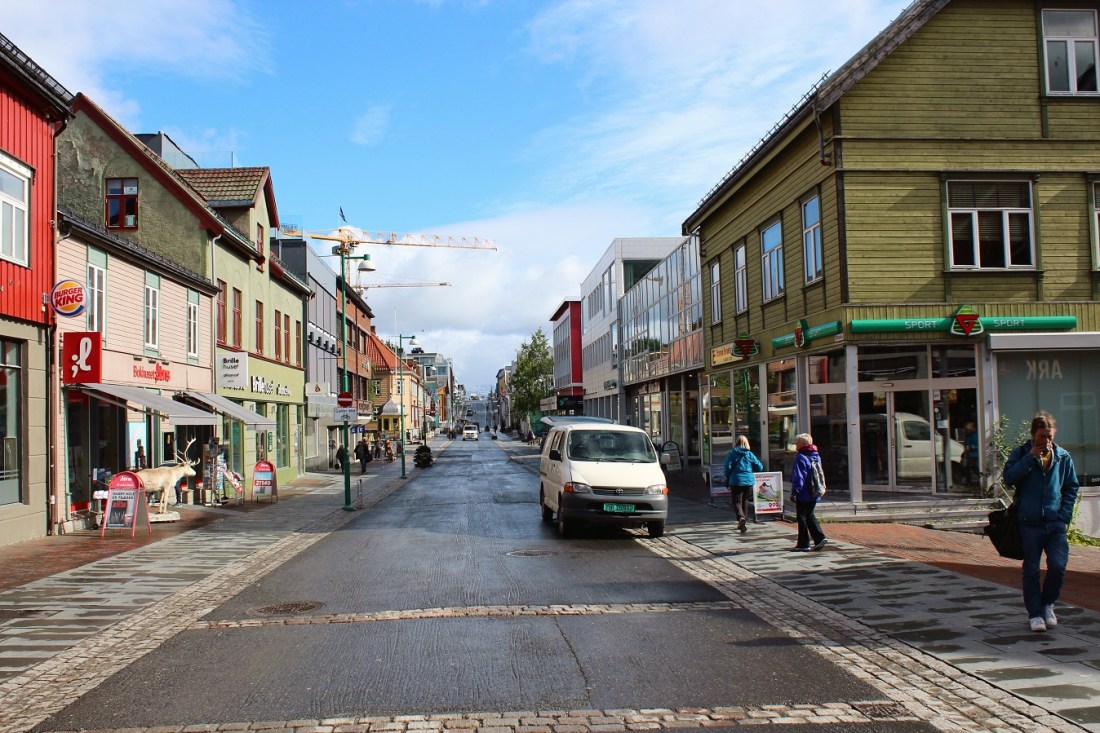
[A pub . . . ]

6-27-19-23 - Copy

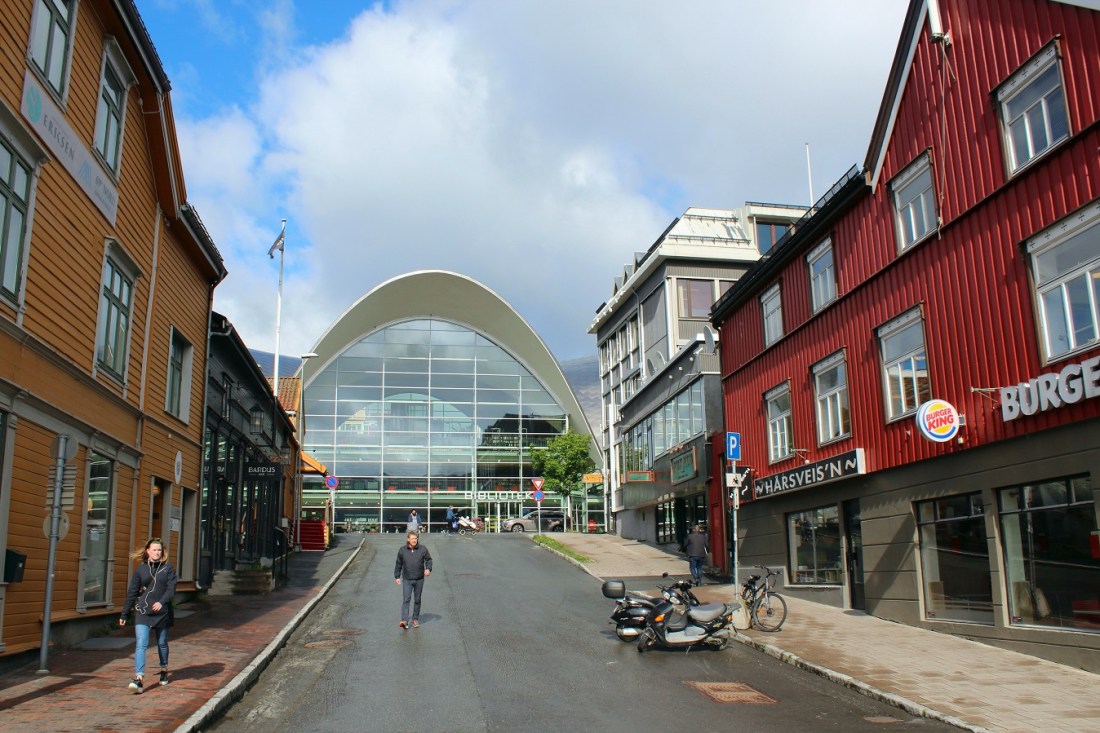
[Burger King.  Oh, and the glass front building in the background is the Tromso Public Library and Archive . . . ]

6-27-19-24 - Copy

[In the neighborhood of wooden buildings, we continue in search of Anne’s grandmother’s house . . . ]

6-27-19-25 - Copy

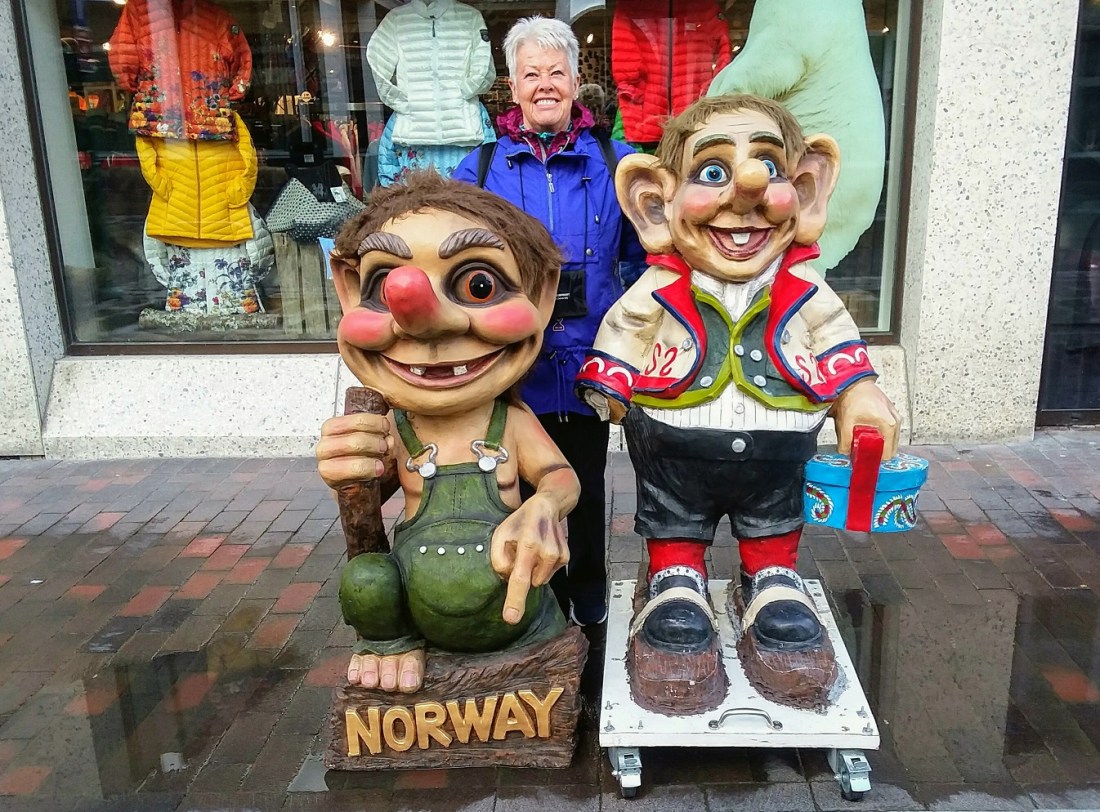
[And the Super found some more trolls . . . ]

20190627-1 - Copy

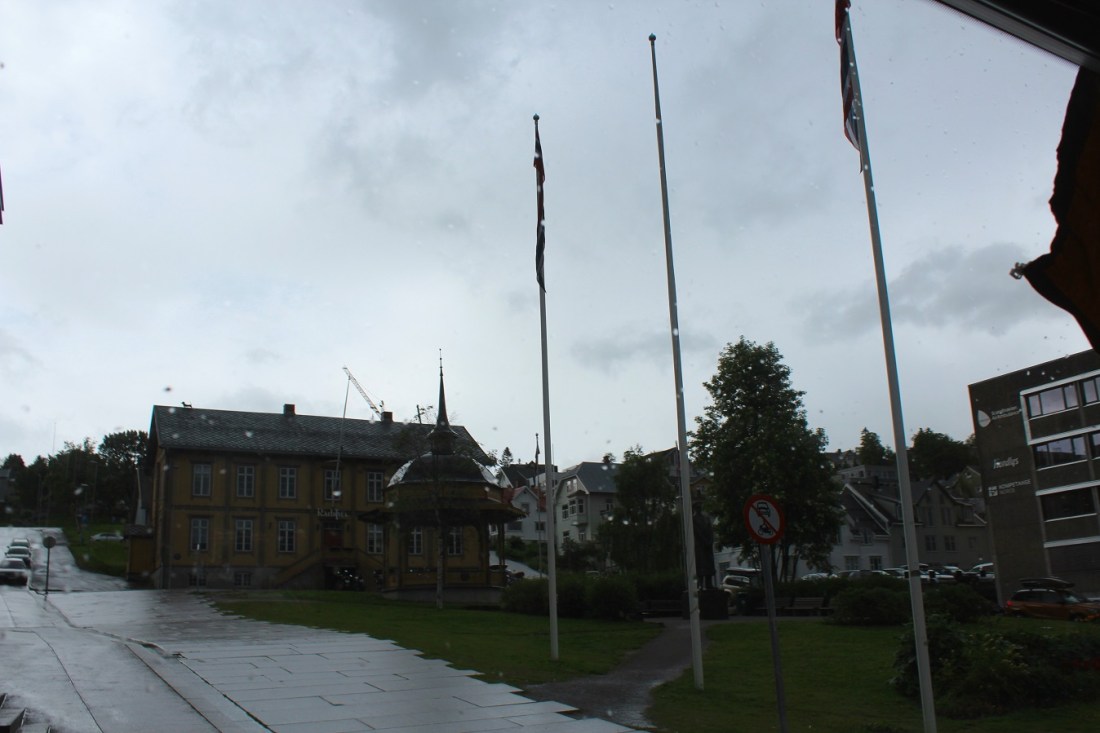
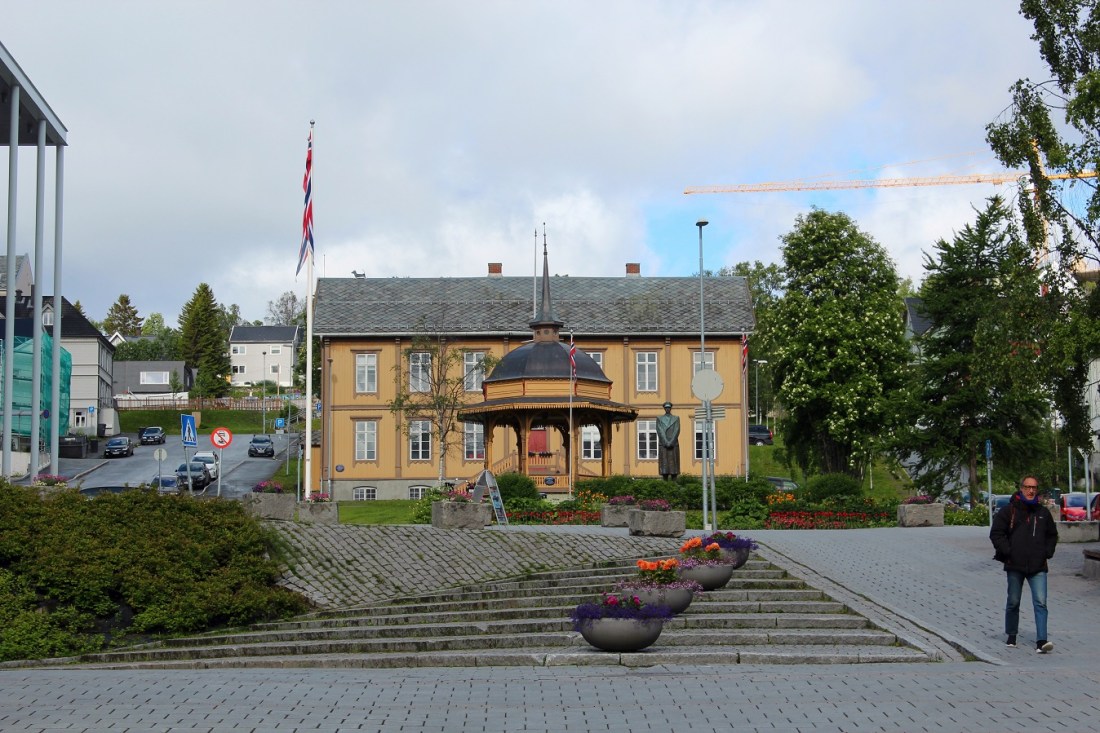
[The former town hall beyond the bandstand on the Green.  The new town hall is just to the left in this photo (the tall columns) . . . ]

6-27-19-26 - Copy

[King Haakon VII (1872-1957), whose monument is in the foreground, was much revered for his resistance to the German occupation of Norway during the Second World War (https://eardleydesign.com/halls/tromso/).]

6-27-19-26-1 - Copy

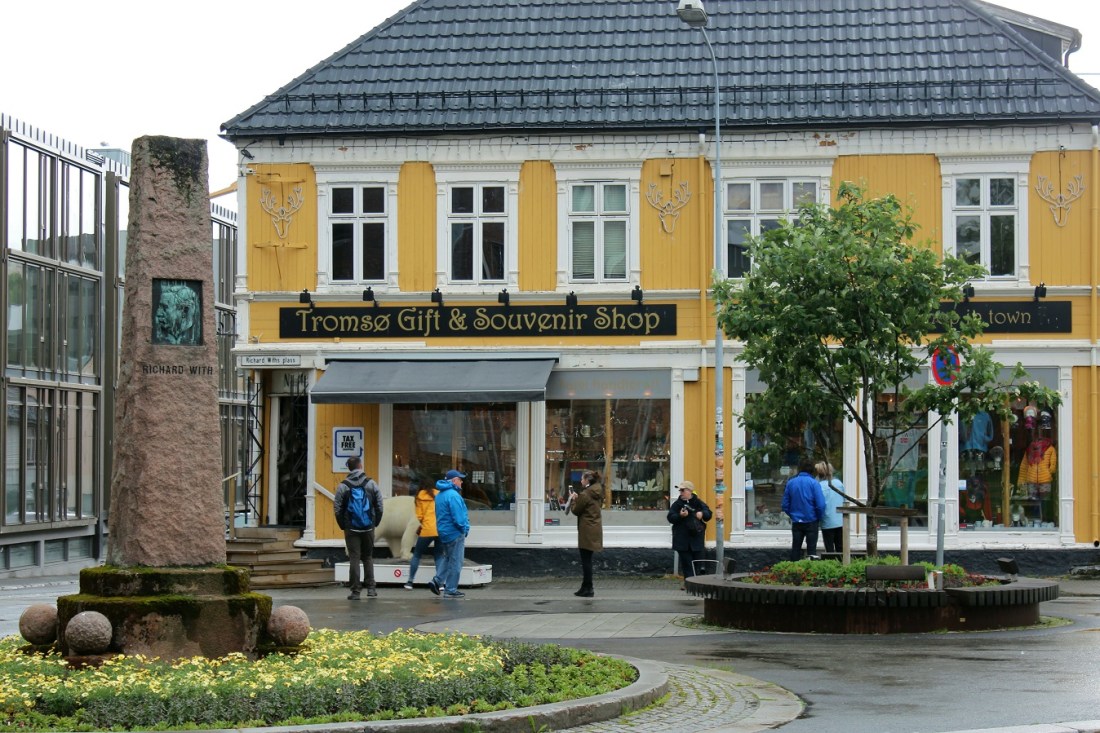
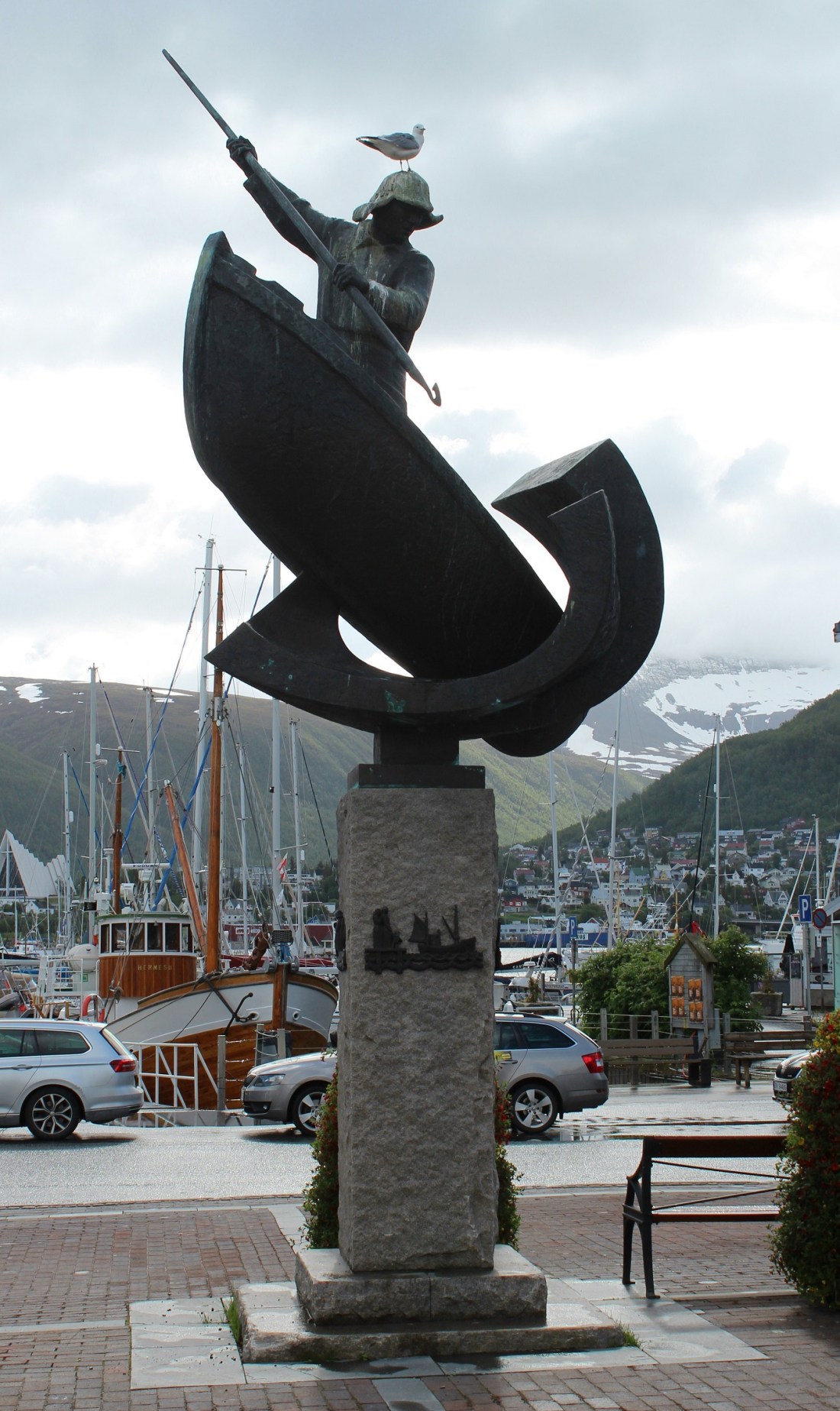
[The fisherman statue in Stortorget Plaza in the center of Tromsø, Norway; across the water is Ishavskatedralen (Arctic Cathedral) – a city landmark to Tromsø, like the Opera House is to Sydney (richedwardsimagery.wordpress.com/2018/08/05/tromso-norway/).]

6-27-19-28 - Copy

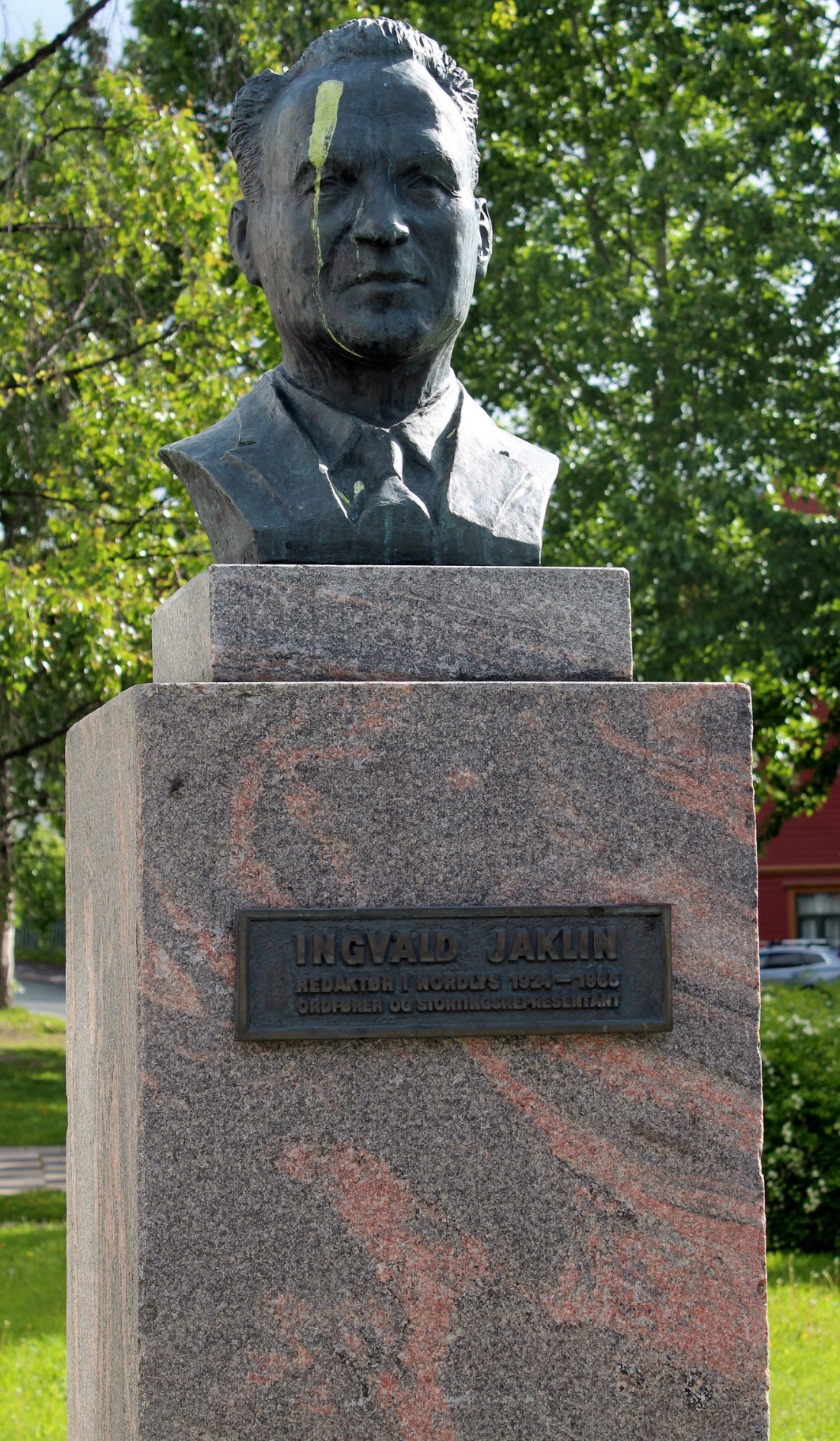
[Ingvald Johannes Jaklin (22 February 1896 – 13 December 1966) was a Norwegian politician for the Labour Party.  He was elected to the Norwegian Parliament in 1950, and was re-elected on two occasions.  He had previously served in the position of deputy representative during the term 1945–1949.  Jaklin held various positions in Tromso city council from 1925 to 1963, serving as mayor in the periods 1945–1947, 1947–1951 and 1951–1953 (Wikipedia).  It appears a member of a large avian species didn’t much care for him . . . ]

6-27-19-29 - Copy

[Could anything be more Norwegian?]

6-27-19-30 - Copy

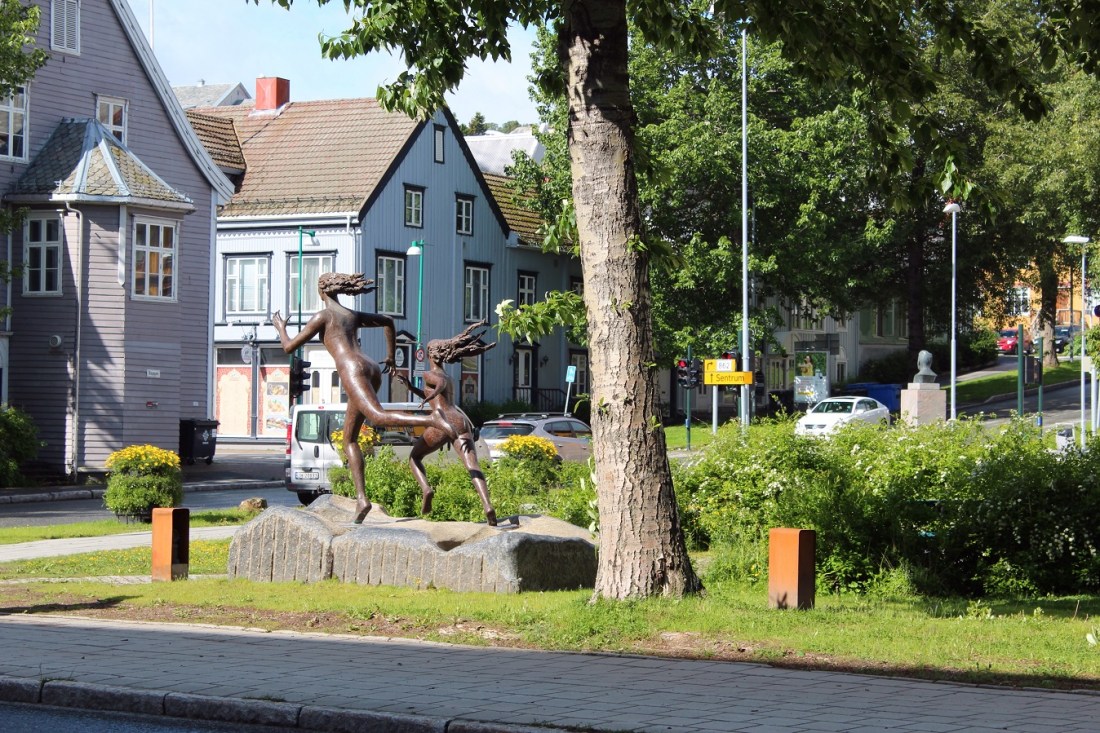
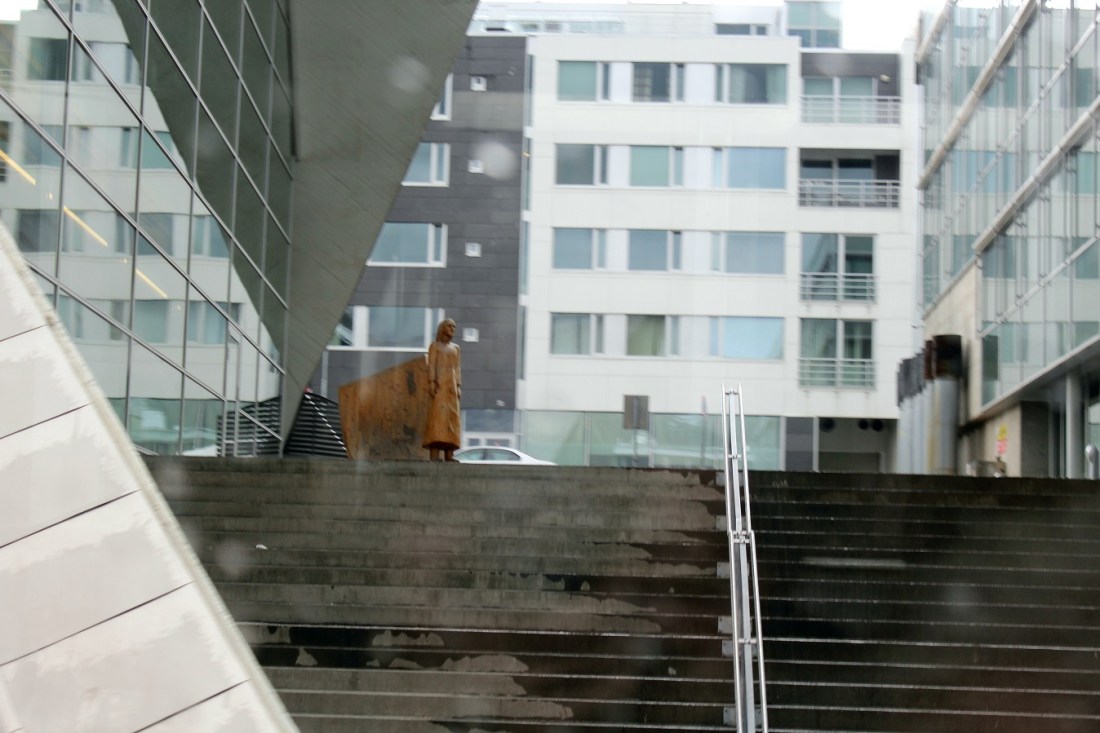
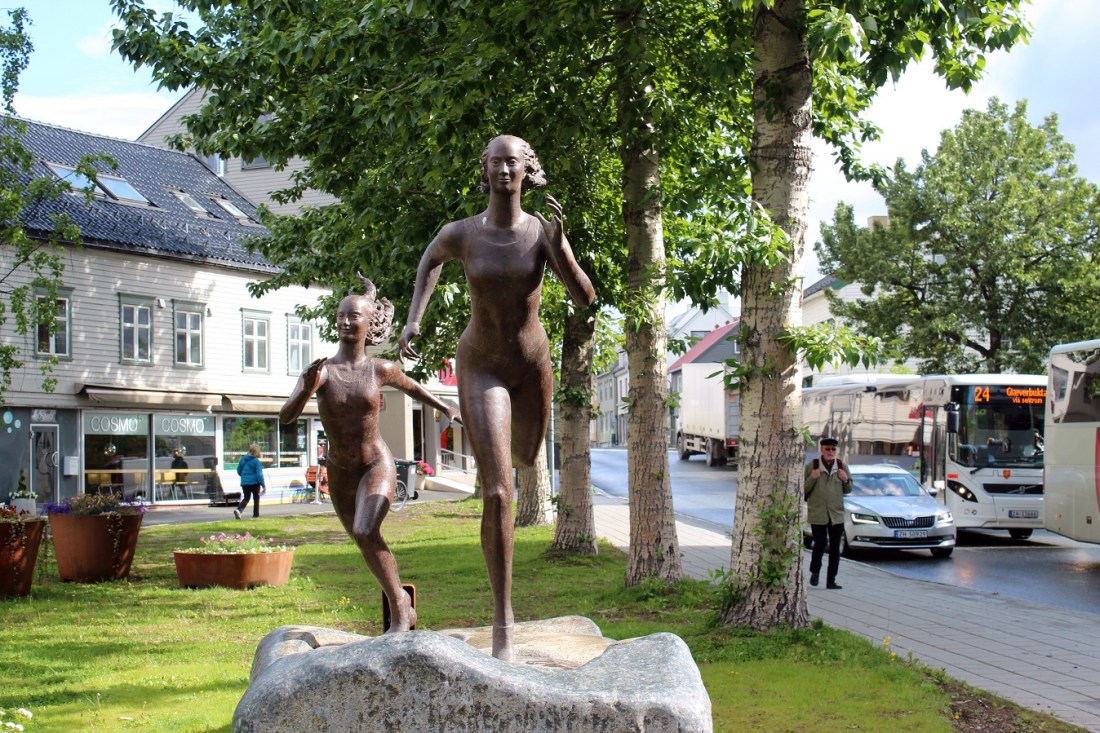
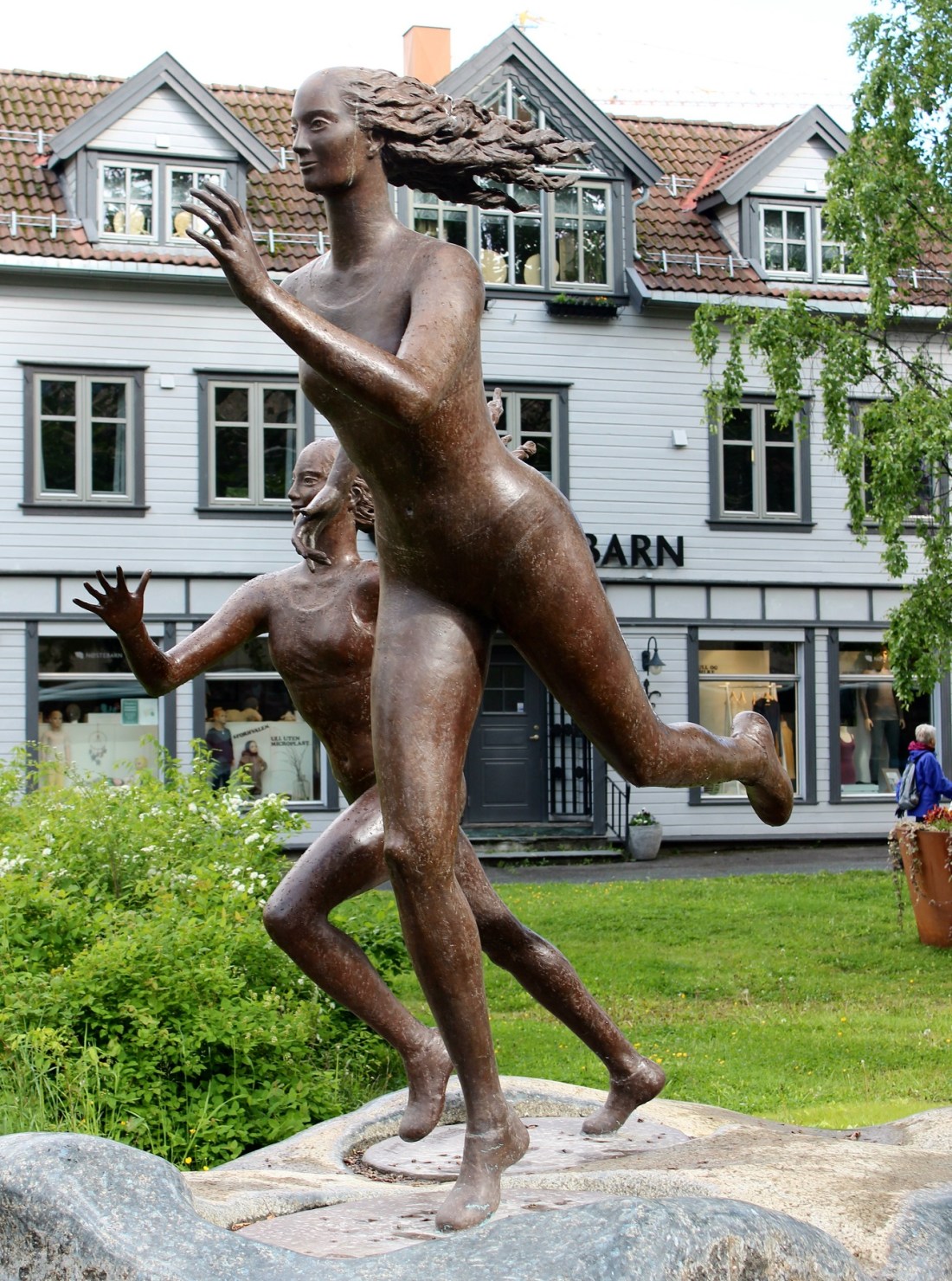
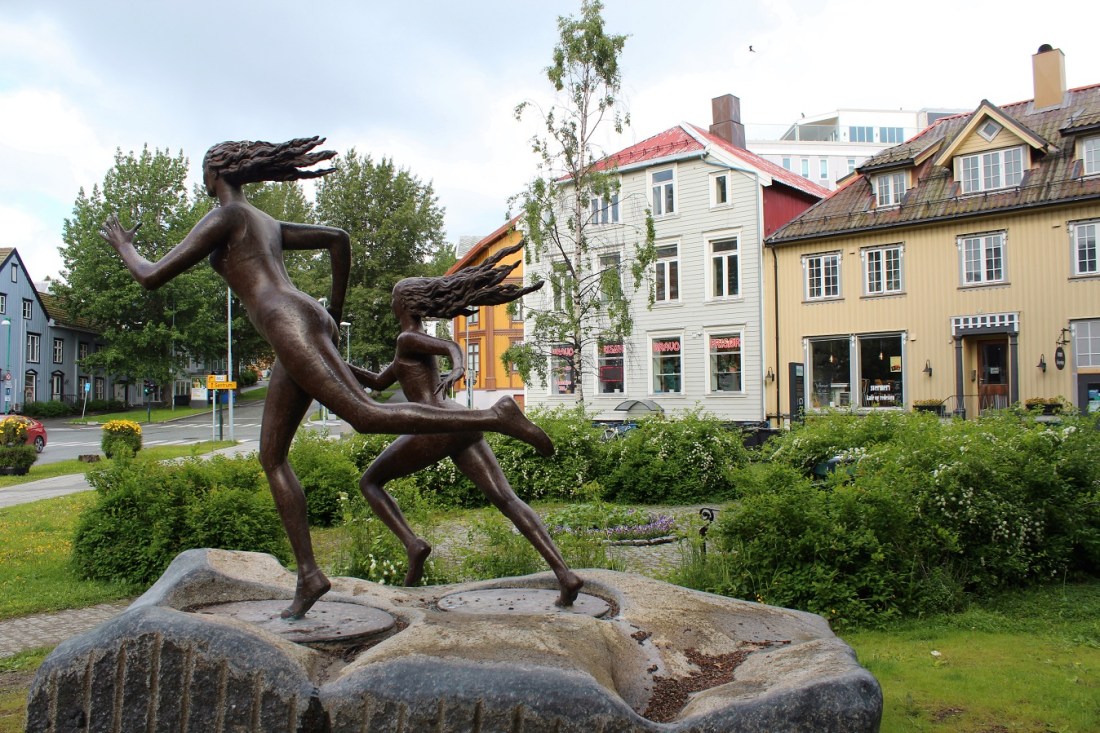
[I guess they are just generically known as the running women statues . . . ]

6-27-19-31 - Copy

[I could find nothing on their origins . . . ]

6-27-19-32 - Copy

[Believe it, or not!]

6-27-19-33 - Copy

[We found Anne’s grandmother’s house!]

6-27-19-34 - Copy6-27-19-35 - Copy

[And this is the street – amazing . . . ]

6-27-19-36 - Copy

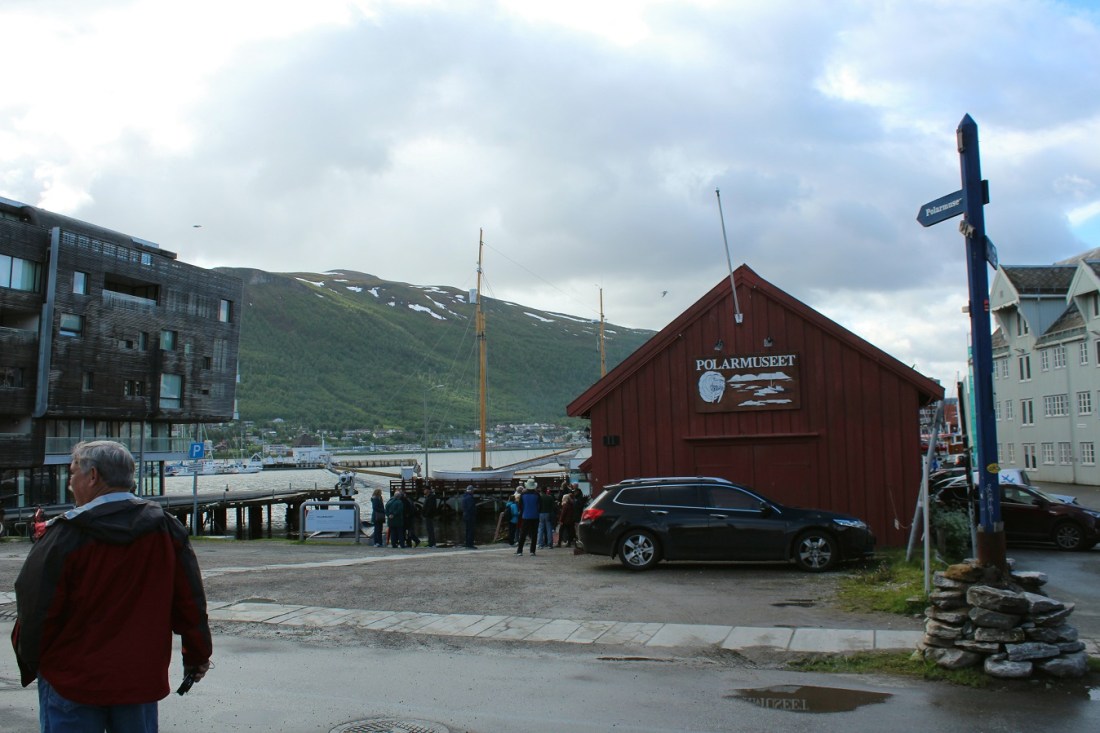
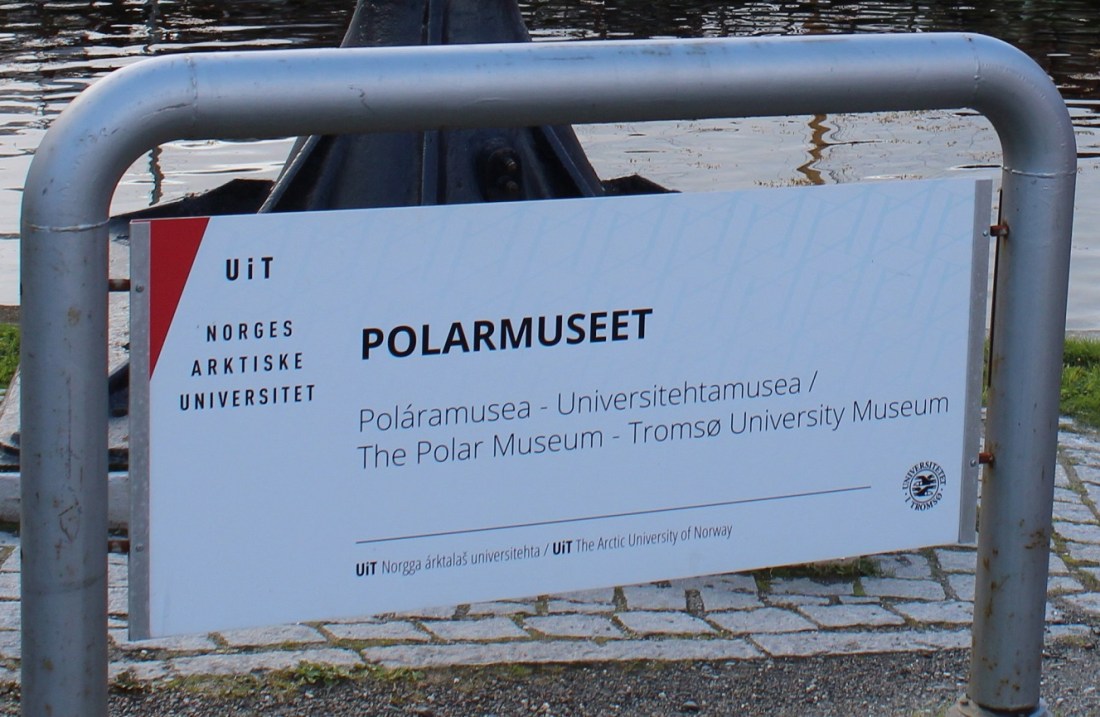
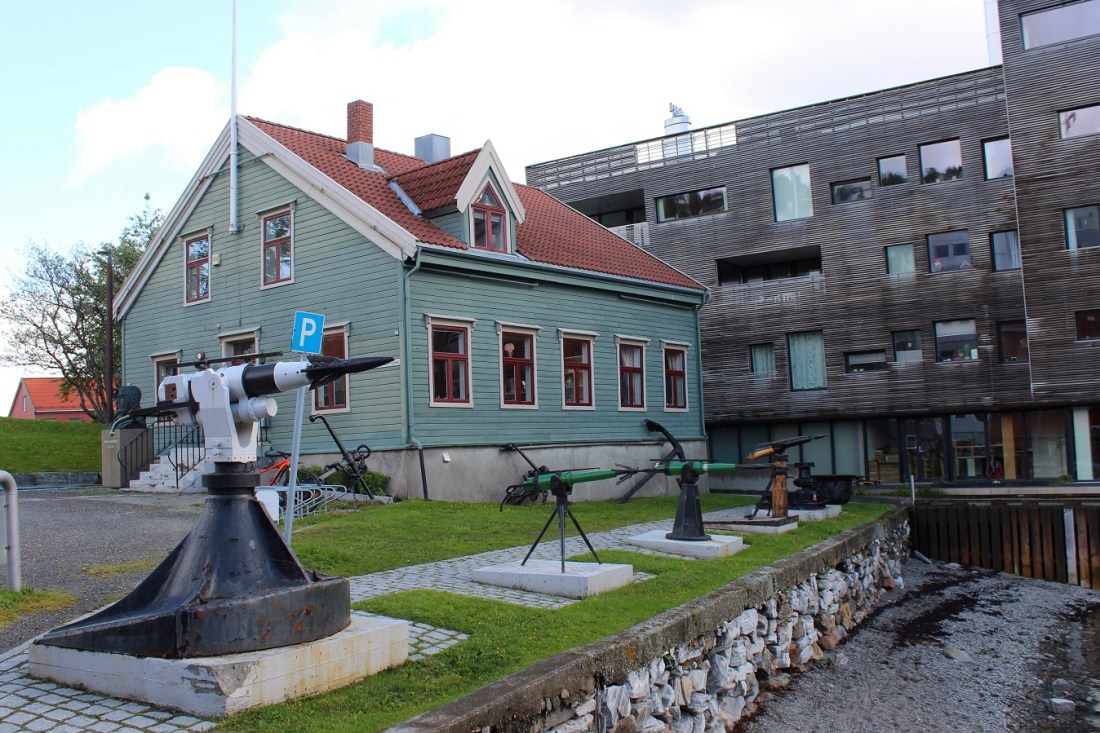
[And then it was off to the Polarmuseet . . . ]

6-27-19-37 - Copy

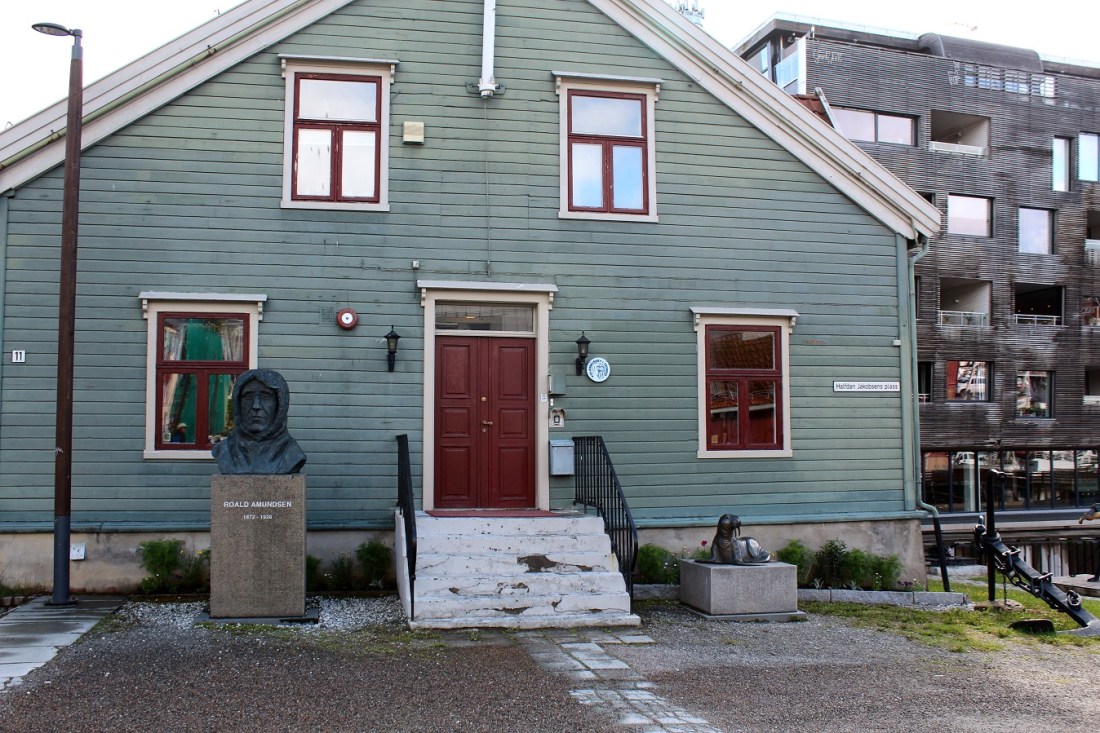
[And its neighboring building . . . ]

6-27-19-38 - Copy

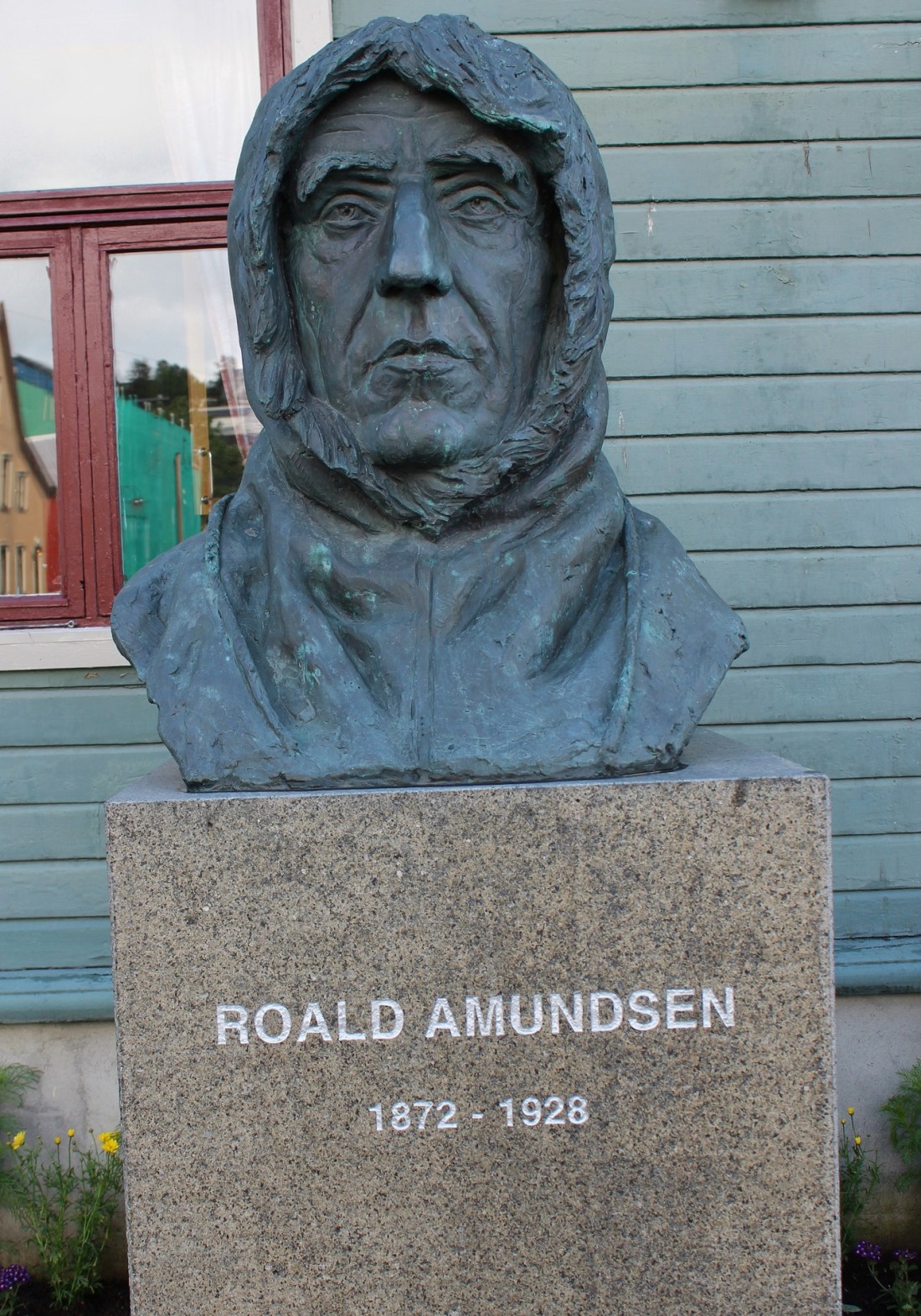
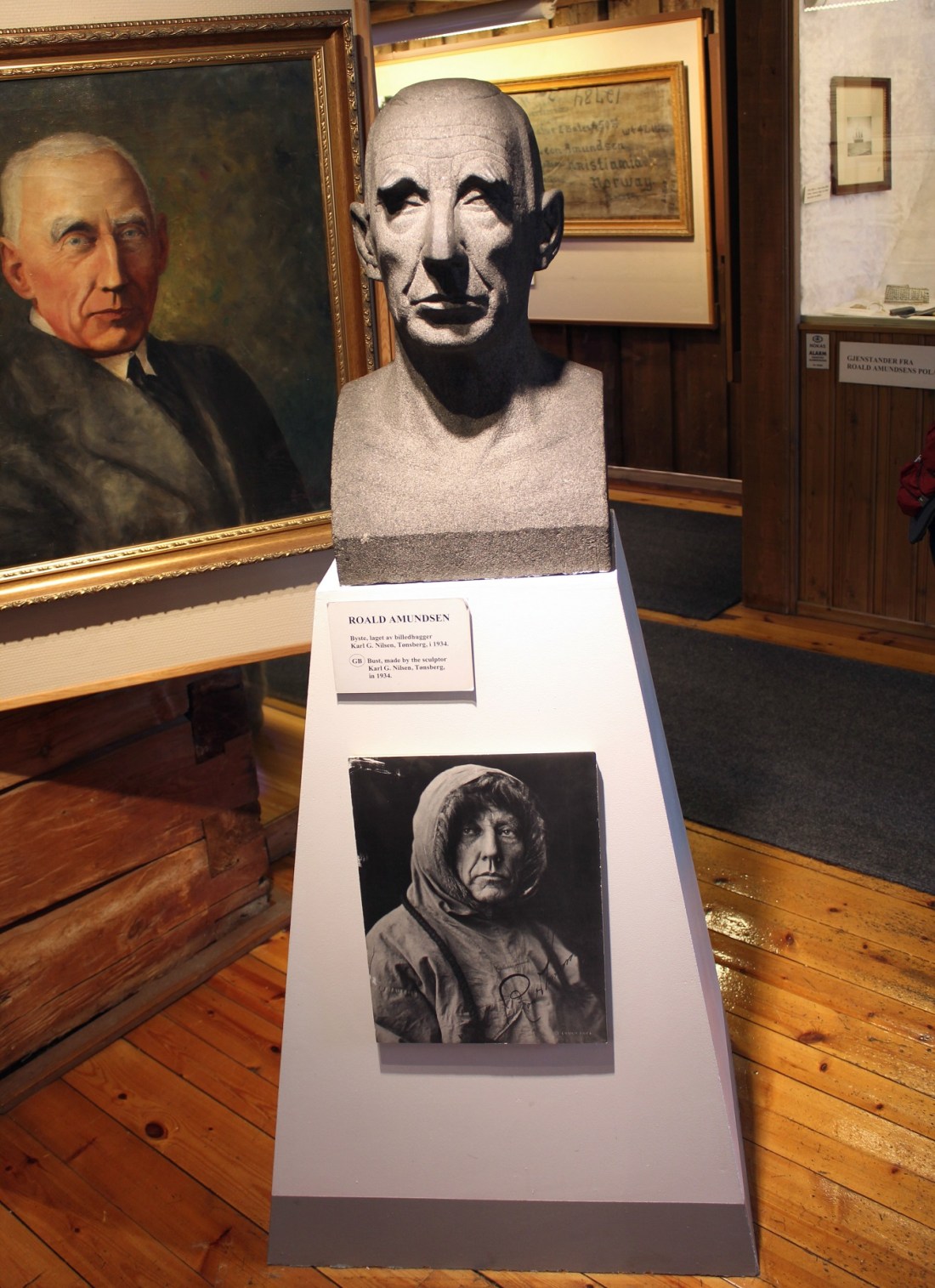
[With the statue of Roald Amundsen, who was a Norwegian explorer of polar regions and a key figure of the Heroic Age of Antarctic Exploration.  He led the first expedition to traverse the Northwest Passge by sea, from 1903 to 1906, and the first expedition to the South Pole in 1911.  He led the first expedition proven to have reached the North Pole in 1926.  He disappeared while taking part in a rescue mission for the airship “Italia” in 1928 (Wikipedia).]

6-27-19-39 - Copy

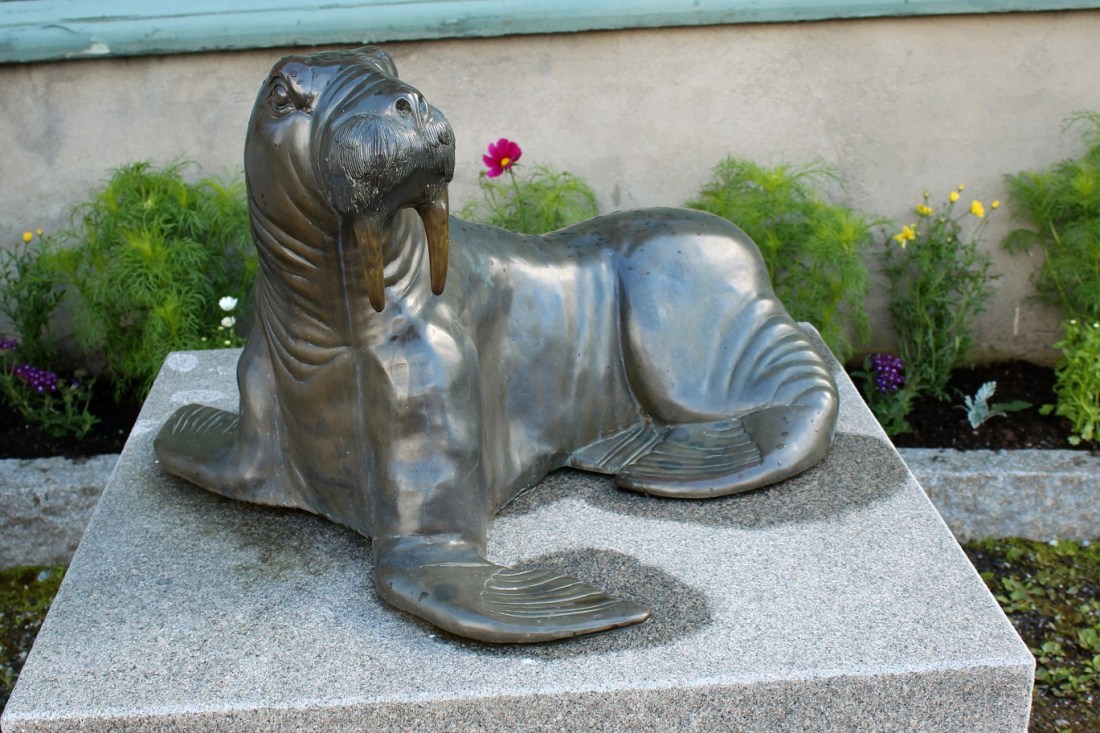
[And his pet dog . . . ]

6-27-19-40 - Copy

[The museum extends out on a pier . . . ]

6-27-19-41 - Copy6-27-19-41-1 - Copy6-27-19-42 - Copy

[And now let’s go in . . . ]

6-27-19-43 - Copy

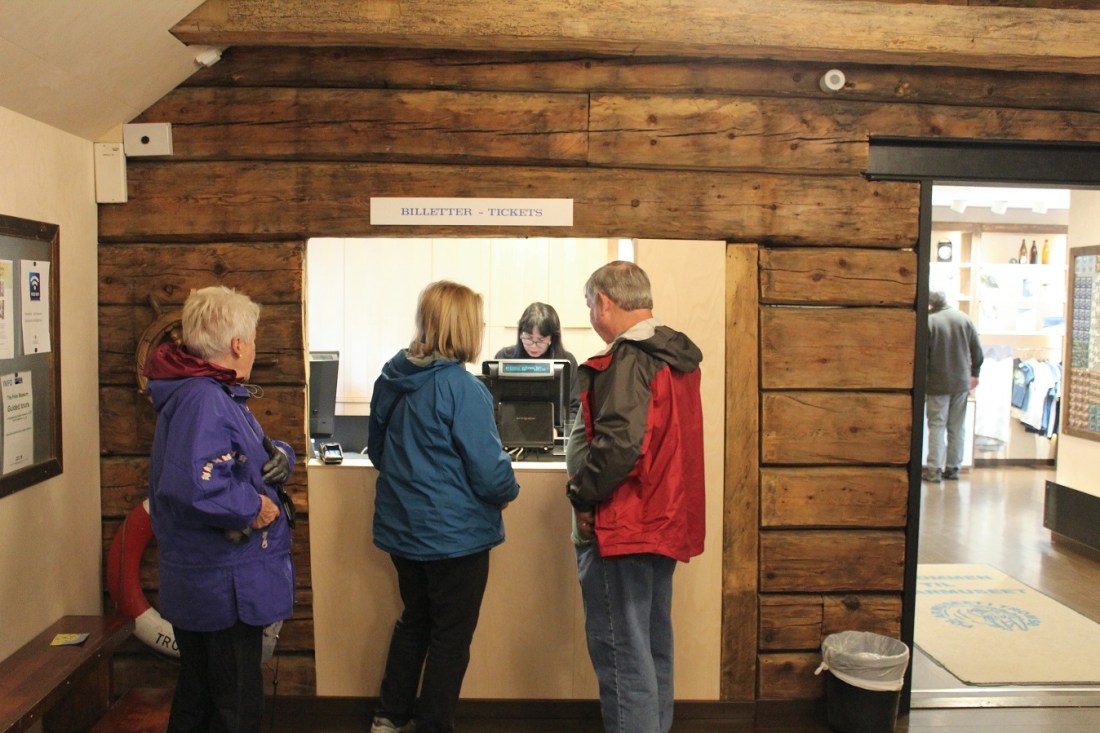
[Oh, but first pay . . . ]

6-27-19-44 - Copy

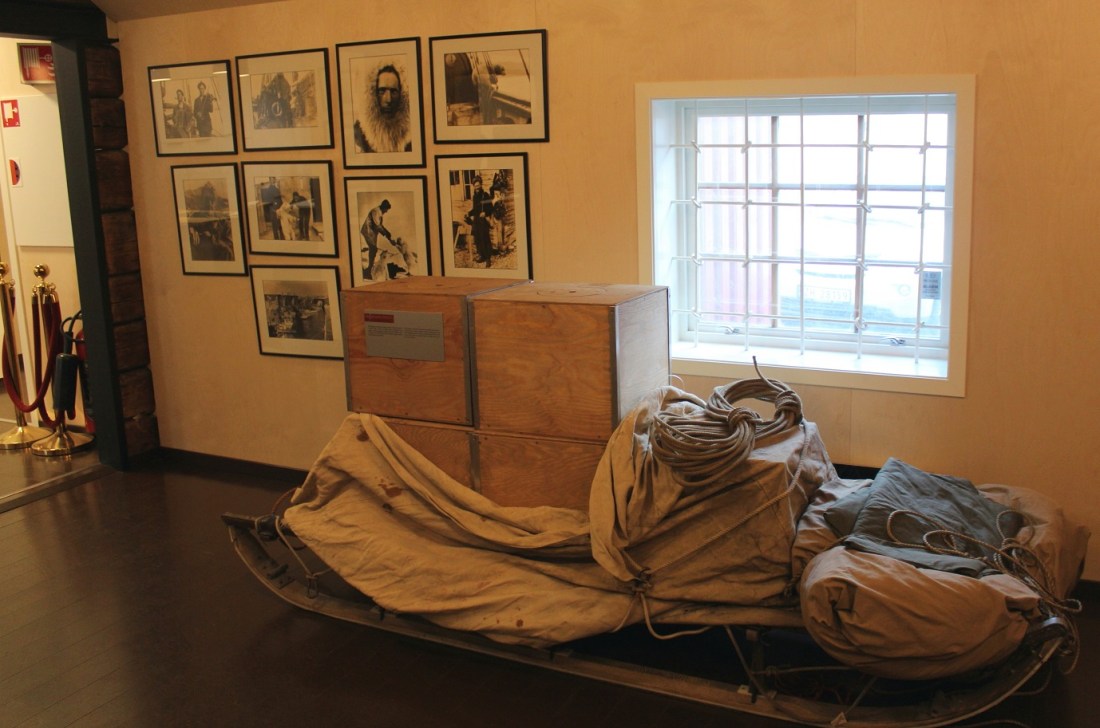
[Let’s just enjoy the displays and exhibits . . . ]

6-27-19-45 - Copy6-27-19-46 - Copy6-27-19-47 - Copy6-27-19-48 - Copy

[The skeleton of Amundsen’s dog, full-size?]

6-27-19-49 - Copy6-27-19-50 - Copy

6-27-19-51 - Copy

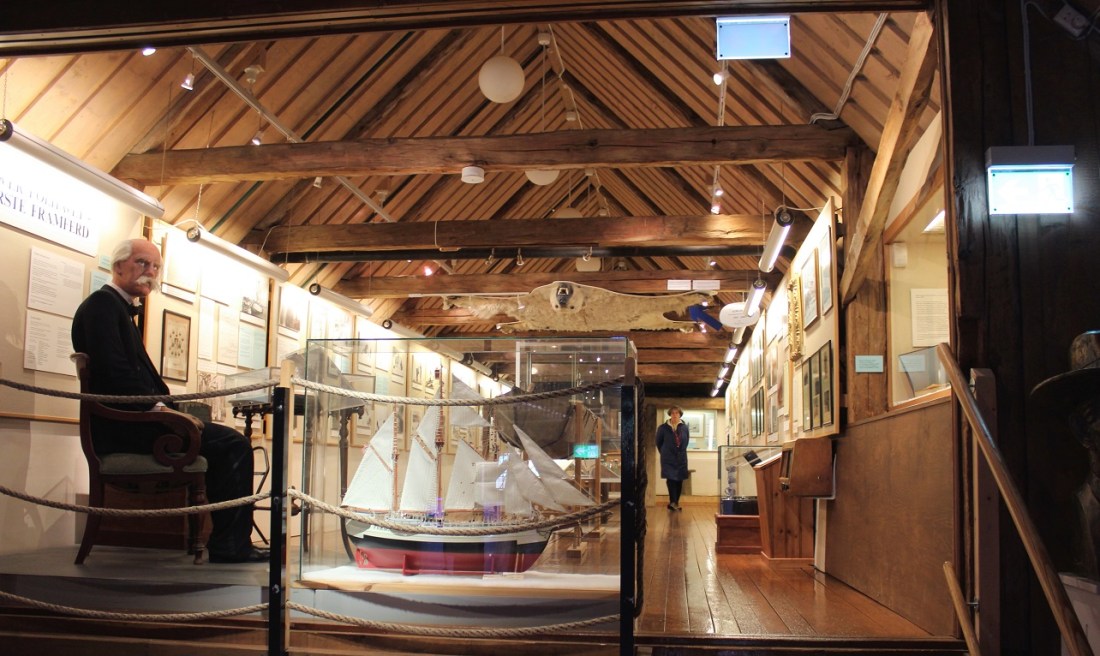
[It’s all about Amundsen, as it should be . . . ]

6-27-19-52 - Copy6-27-19-53 - Copy6-27-19-54 - Copy6-27-19-55 - Copy

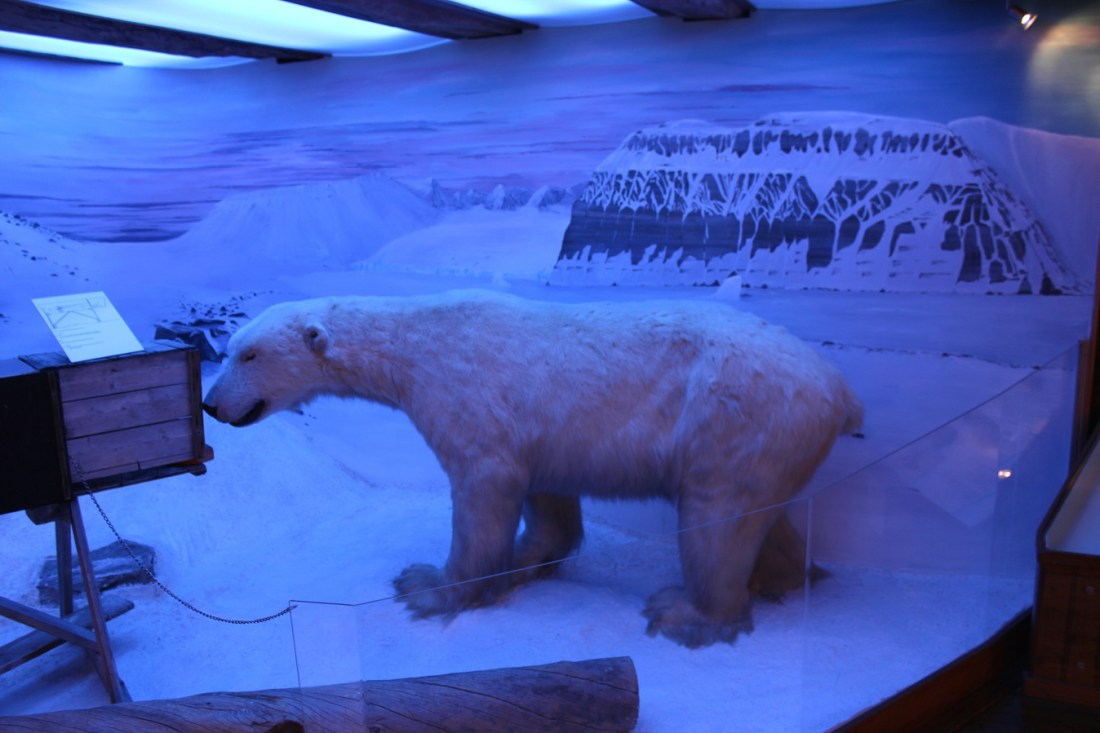
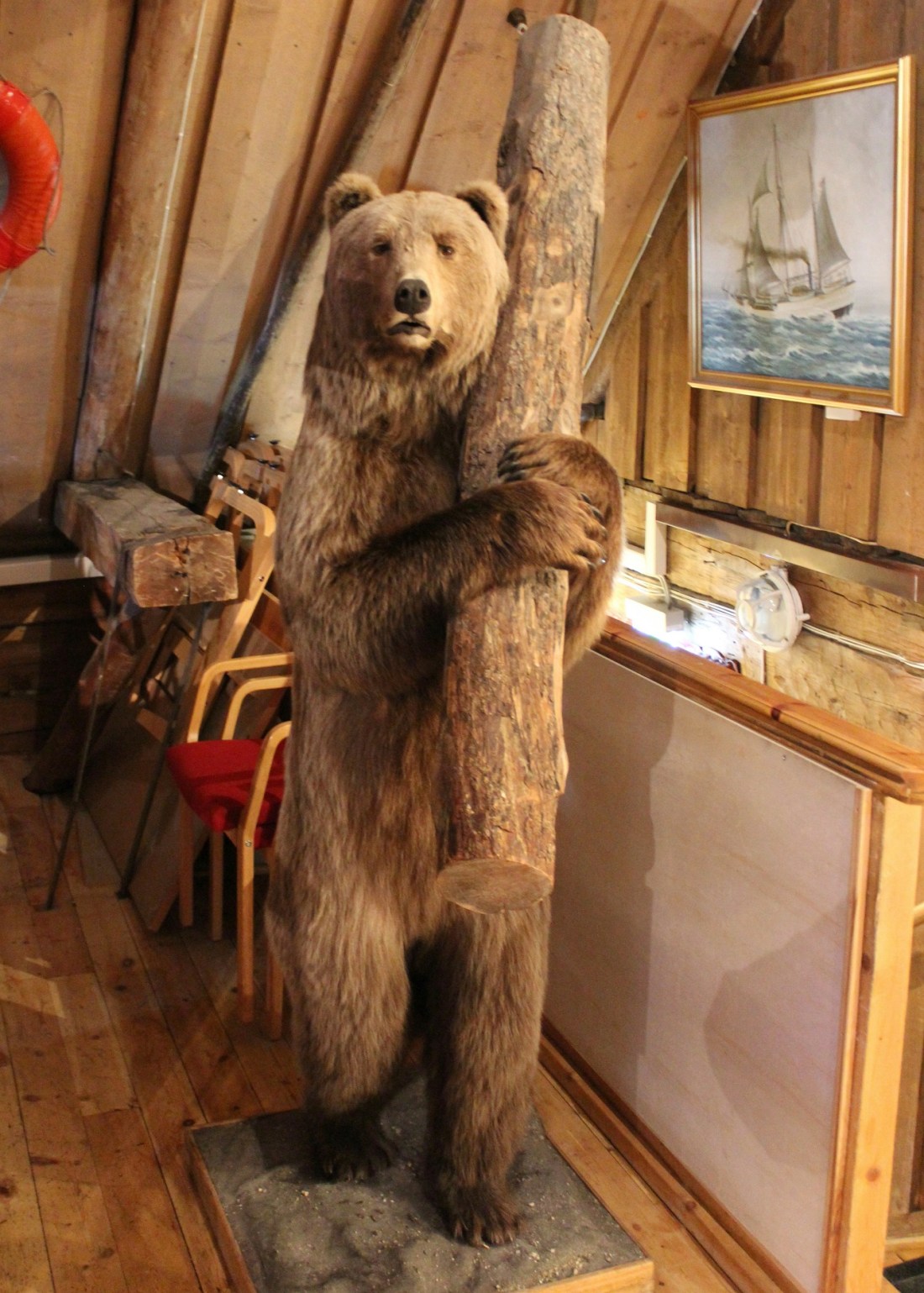
[Yo, bear!]

6-27-19-56 - Copy

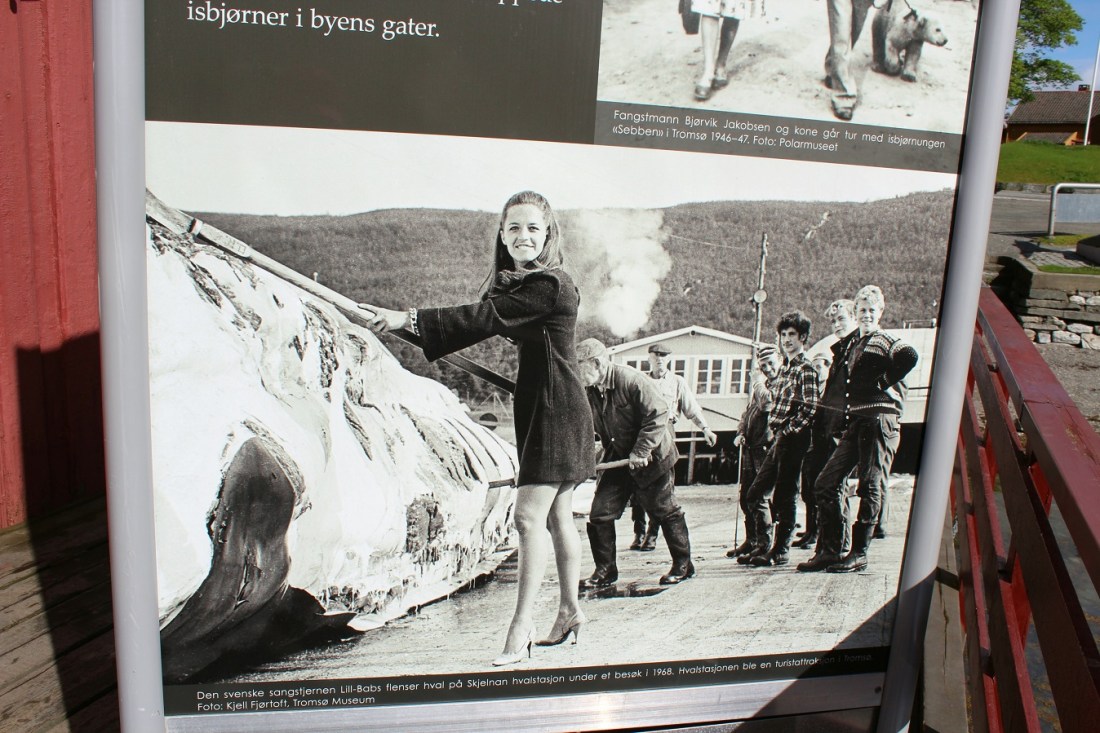
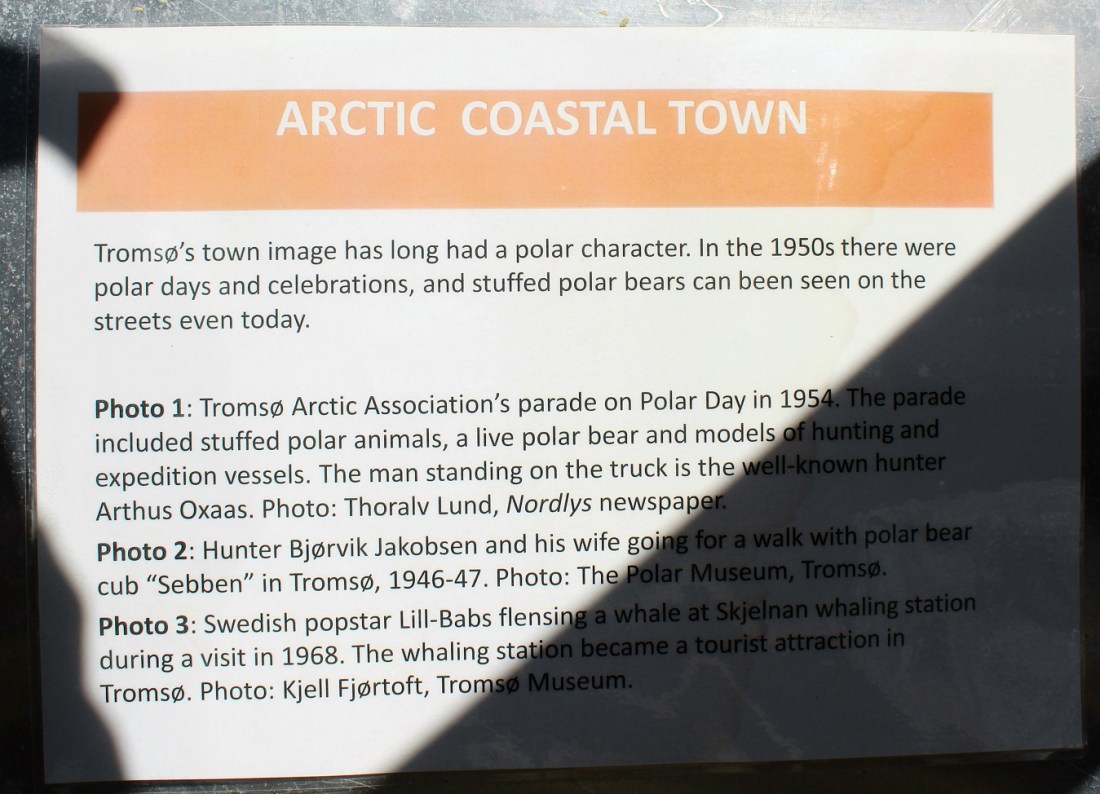
[To readily enjoy this, you have to read the caption (and look at the guys behind) . . . ]

6-27-19-58 - Copy

[We discovered it when we heard Bill laughing, re the Swedish popstar . . . ]

6-27-19-59 - Copy

[Back outside, we’ll continue our tour of Tromso in Part 2 . . . ]

20190627_101725 - Copy

There’s a lot of crappy music that people like, you know, all over the world, and Norway is definitely not an exception.  ~  Sondre Lerche

Up Next: Part 2

Norway (Day 9)

June 26

Lofoten (Leknes)

This place looked spectacular on our pre-trip YouTube studies.  Unfortunately, we encountered really cruddy weather . . . 

june26 - Copy

lofoten

[Arriving on a rainy morn . . . ]

6-26-19-1 - Copy

[Leknes is a town in Nordland county.  The town is also the administrative centre of the municipality of Vestvagoy (with 10,764 inhabitants, it is the most populous municipality in Lofoten).  Leknes was designated a “town” in 2002.  The 2.52-square-kilometre (620-acre) town has a population (2018) of 3,556.  The town is situated in the geographical middle of the Lofoten archipelago on the island of Vestvagoya.  Leknes is one of the few towns in Lofoten that does not depend on fisheries and does not have its town centre by the sea.  Because of this, and because of its rapid growth in recent years, it does not have the same traditional wooden architecture as most other towns in Lofoten, and may thus not be as picturesque as its neighbouring fishing villages.  However, the natural surroundings are among the most stunning in Norway, with mountains, peaks, cliffs, and white sandy beaches.  The town’s harbour Leknes Havn is one of Norway’s most important and visited harbours for cruise ships. The old school in the Fygle neighborhood has been converted into a museum. Hol Church is located on the eastern edge of the town.  In Leknes, the sun (midnight sun) is above the horizon from May 26 to July 17, and in winter the sun does not rise from December 9 to January 4 (Wikipedia).]

6-26-19-2 - Copy6-26-19-3 - Copy

[And before we go anywhere . . . ]

20190626-2 - Copy

[Buksnes Church in the photo center is a parish church of the Church of Norway in Vestvagoy Municipality in Nordland county.  It is located in the village of Gravdal (the twin village to Leknes) on the island of Vestvagoya (Wikipedia).]

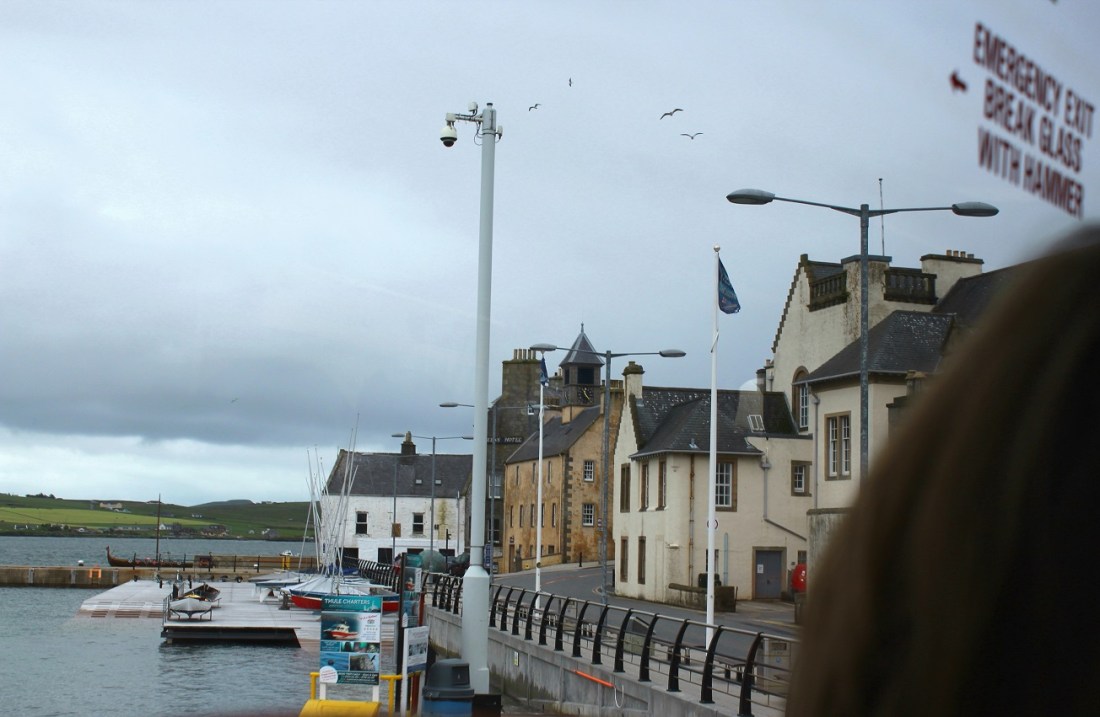
6-26-19-4 - Copy

[On to Leknes . . . ]

6-26-19-5 - Copy

[And here it is . . . ]

6-26-19-6 - Copy

[In port . . . ]

6-26-19-7 - Copy

[On the bus for our tour of Panoramic Lofoten, Majestic Mountains and Fising Villages of the Lofoten Islands . . . ]

6-26-19-8 - Copy

[So we remember where we left the ship . . . ]

6-26-19-9 - Copy6-26-19-10 - Copy

[Mountain mist . . . ]

6-26-19-11 - Copy

[Sheeps . . . ]

6-26-19-12 - Copy

[Even more sheeps . . . ]

6-26-19-13 - Copy

[Not exactly a nice beach day . . . ]

6-26-19-14 - Copy6-26-19-15 - Copy6-26-19-16 - Copy

[My Norwegian is rusty, but this was at the beach . . . ]

6-26-19-17 - Copy

[This is Uttakleiv Beach, the most romantic beach in Europe per the British Times . . . ]

6-26-19-18 - Copy

[Sheeps at the beach . . . ]

6-26-19-19 - Copy

[No sunbathers . . . ]

6-26-19-20 - Copy

[Apparently rock stacking is not always looked upon favorably (in lots of places) . . . ]

6-26-19-21 - Copy6-26-19-22 - Copy6-26-19-23 - Copy

[To the beach . . . ]

6-26-19-24 - Copy

[The weather was not letting up . . . ]

6-26-19-25 - Copy

[Picasso?]

6-26-19-26 - Copy

[The harbor . . . ]

6-26-19-27 - Copy6-26-19-28 - Copy6-26-19-29 - Copy

[Fish processing company . . . ]

6-26-19-30 - Copy

[Our bus, we did “sightseeing” from it . . . ]

6-26-19-31 - Copy6-26-19-32 - Copy

[Cod drying rack . . . ]

6-26-19-33 - Copy6-26-19-34 - Copy6-26-19-35 - Copy

[Buksnes church again, so we must be in Gravdal . . . ]

6-26-19-36 - Copy6-26-19-37 - Copy

[The driver gave notice there was a photo op up the driveway as we drove along . . . ]

6-26-19-38 - Copy

[Back to the Sun . . . ]

6-26-19-39 - Copy6-26-19-40 - Copy6-26-19-41 - Copy

[Cod . . . ]

6-26-19-42 - Copy6-26-19-43 - Copy

[Bad looking dudes (and dudettes) . . . ]

6-26-19-43-1 - Copy

[Have you kept track of the number of troll pics with the Super?]

20190626-4 - Copy

[Back on the ship for a lecture on Norway’s big three:  Munch, Ibsen, and Grieg . . . ]

20190626-6 - Copy

[Having worked up an appetite . . . ]

20190626-7 - Copy20190626-8 - Copy

[Mmmm, good!]

20190626-9 - Copy

[Mine too!]

20190626-10 - Copy20190626-11 - Copy

[Now on to the really good stuff!]

20190626-12 - Copy

[We subsequently “sailed” to Tromso on full stomachs . . . ]

20190626-13 - Copy

Travel is fatal to prejudice, bigotry, and narrow-mindedness, and many of our people need it sorely on these accounts.  Broad, wholesome, charitable views of men and things cannot be acquired by vegetating in one little corner of the earth all one’s lifetime.  ~  Mark Twain

Up Next:  Tromso?