

June 30
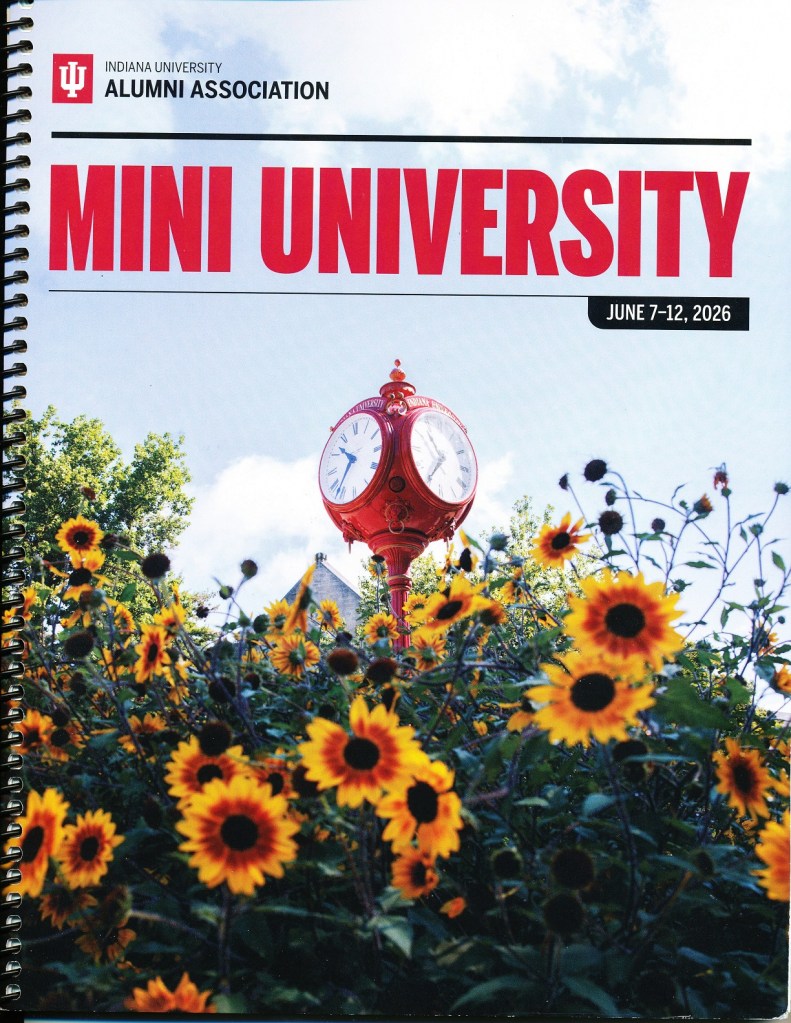
The welcoming . . .
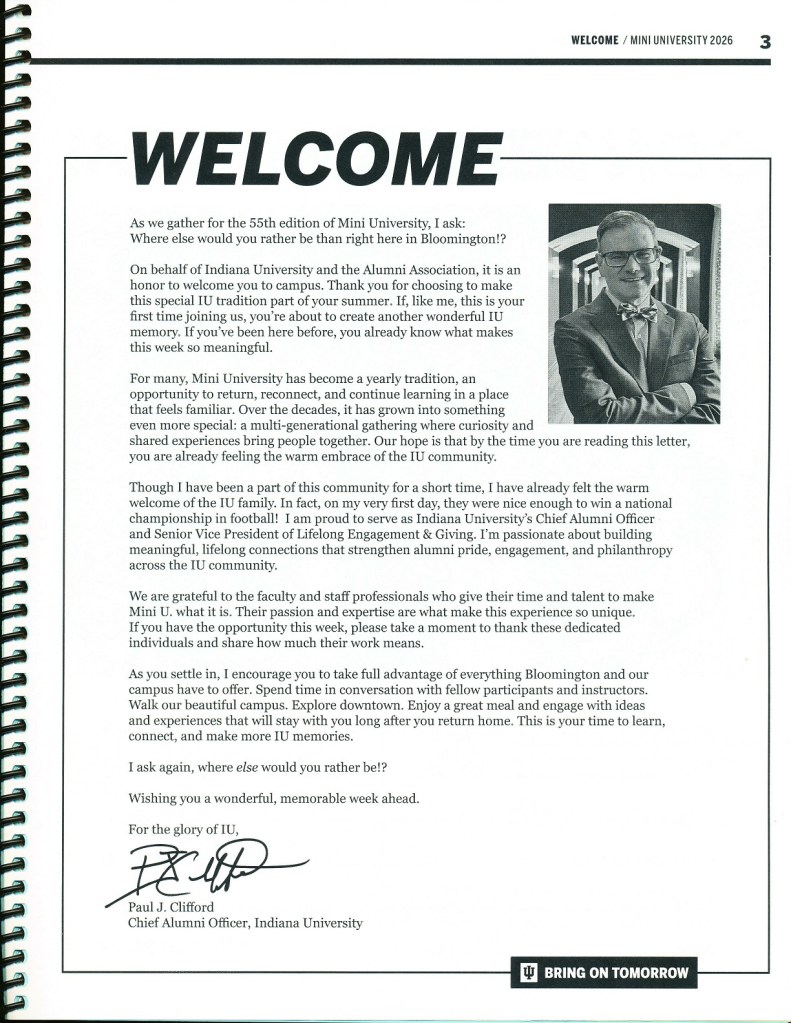
[Our first year at Mini-U was 2017. We missed the COVID year. Classes run from Monday thru Friday, with classes both morning and afternoon and occasional evening. There are multiple class options for each time period. Here was my class schedule:]
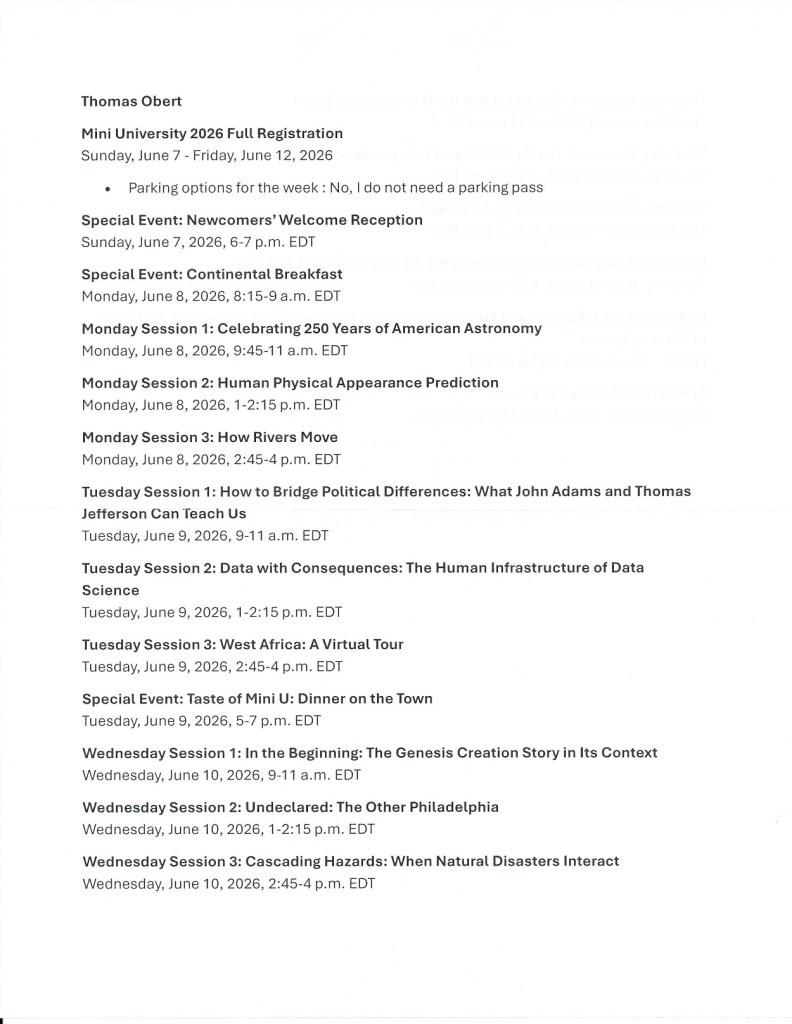
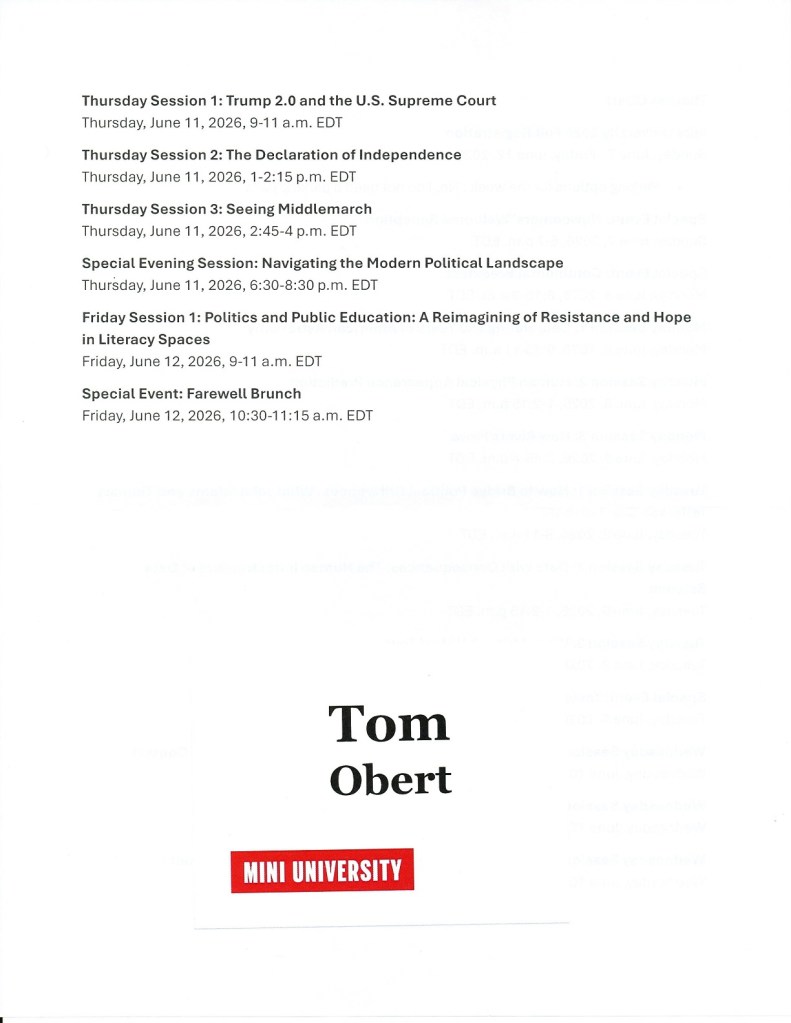
June 5
Nashville, Indiana is a cozy, quiet artist colony tucked into the rolling, forested hills of Brown County. Known as the “Art Colony of the Midwest,” it captures hearts with its small-town charm, pioneer history, and spectacular leaves. ~ AI Overview
[It was a two-day 800-mile drive from Alexandria to Nashville, Indiana (about 16 miles east of the university in Bloomington) with an overnight in Champaign, Illnois. Nashville is the home of Ruthie’s sister, Rita, and here we are in her backyard . . . ]
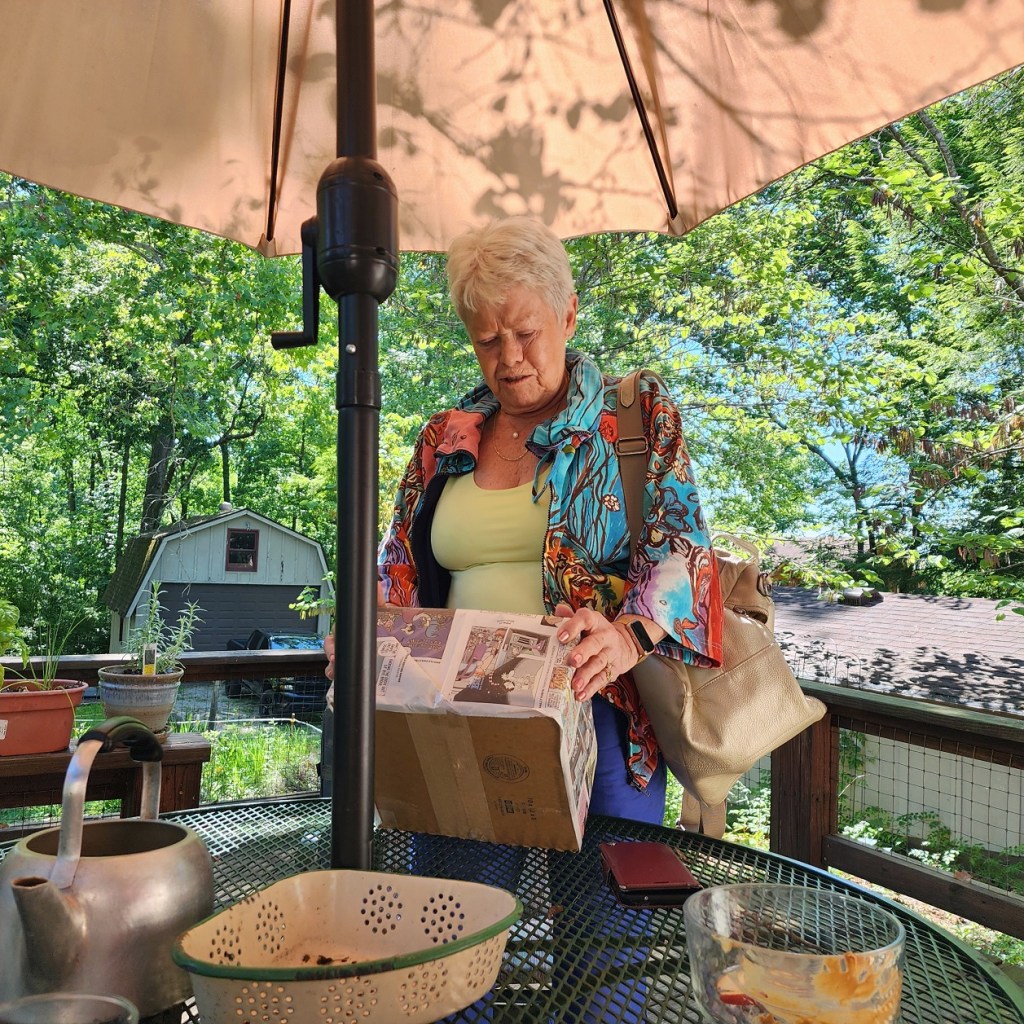
Having children is like living in a frat house—nobody sleeps, everything’s broken, and there’s a lot of throwing up. ~ Ray Romano
[Ruthie’s son Rob joined us from his home in Ohio . . . ]
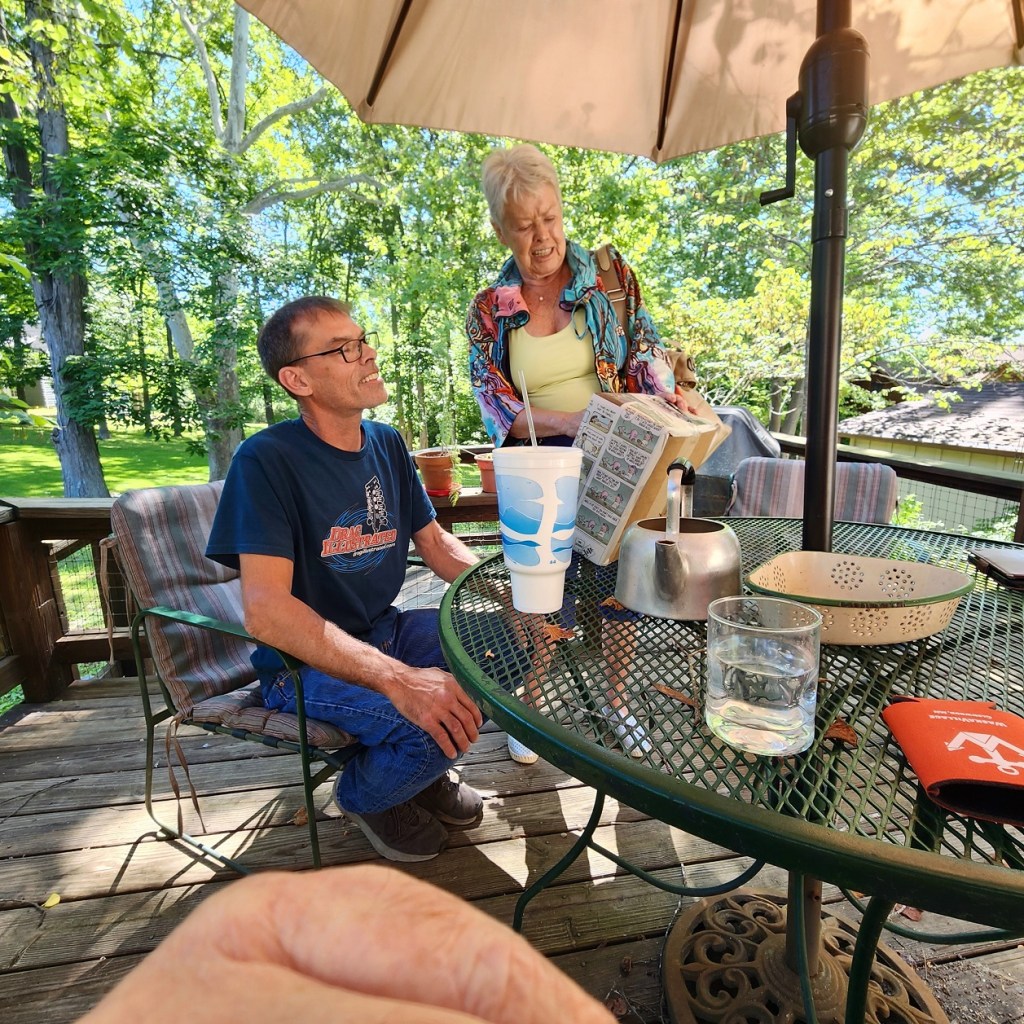
I know family comes first, but shouldn’t that mean after breakfast? ~ Jeff Lindsay
[This is Rita and Ruthie with their boys, David (age 50 and single) and Rob (age 56 and single). Scott Pelley was going to do a feature on this page as to how the men involved manage to avoid marital bliss (well, me until age 53) . . . ]
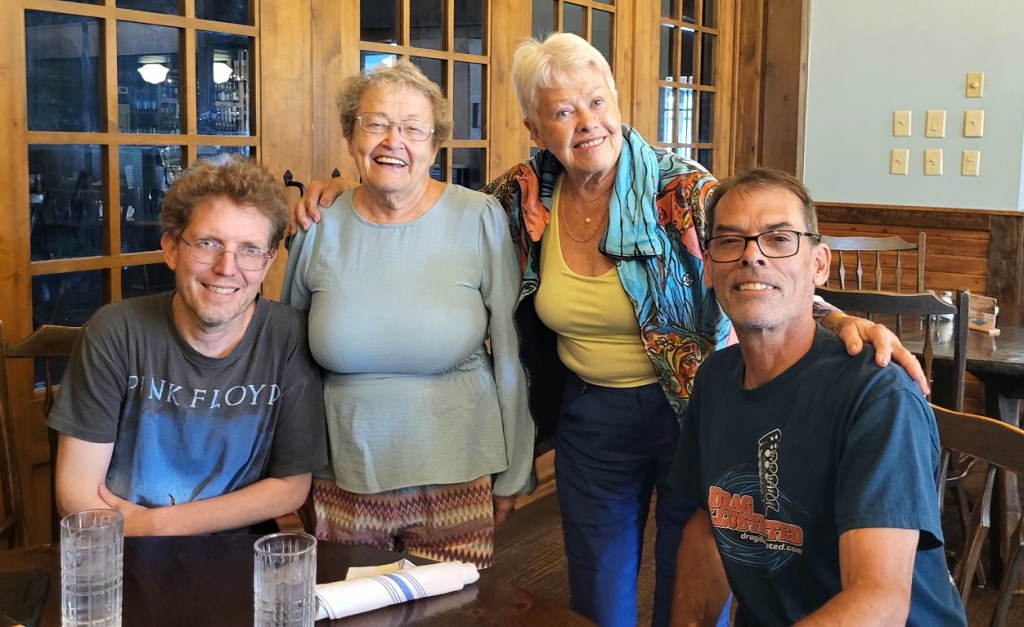
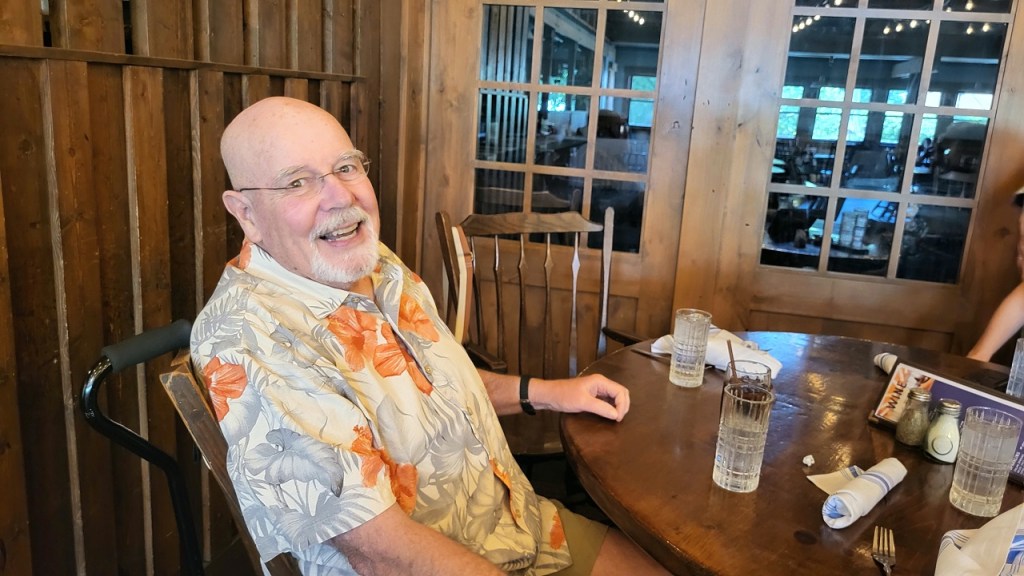
Nouvelle cuisine, roughly translated, means: I can’t believe I paid $96 and I’m still hungry. ~ Mike Kalin
[Said formerly 53-year old guy. (This fine dining lunch took place at the Brown County Inn.) ]
To put it rather bluntly, I am not the type who wants to go back to the land; I am the type who wants to go back to the hotel. ~ Fran Lebowitz
[We have arrived at our final destination – the Biddle Hotel & Conference Center on the IU campus. We stayed at the hotel and most of the classes were in the conference center . . . ]
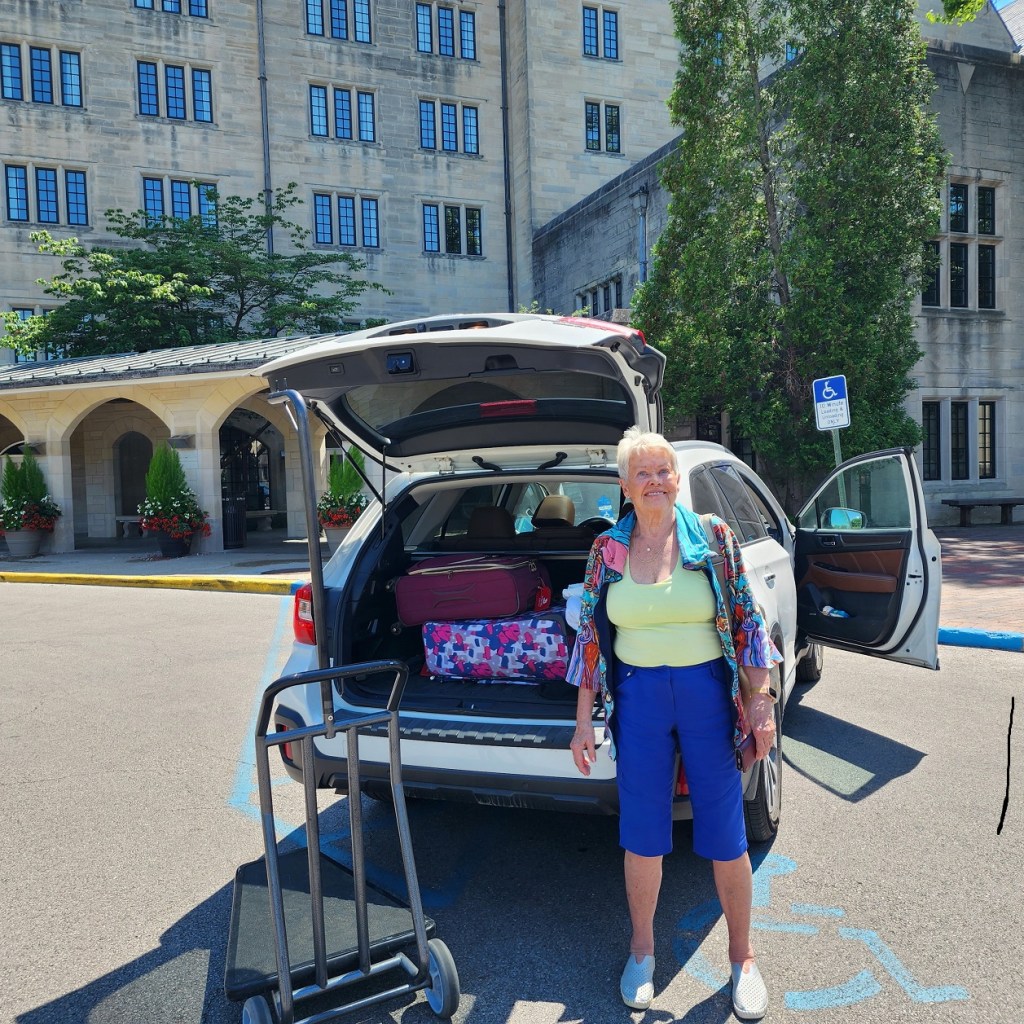
June 6
When my time on earth is gone, and my activities here are passed, I want them to bury me upside down, and my critics can kiss my ass. ~ Bobby Knight
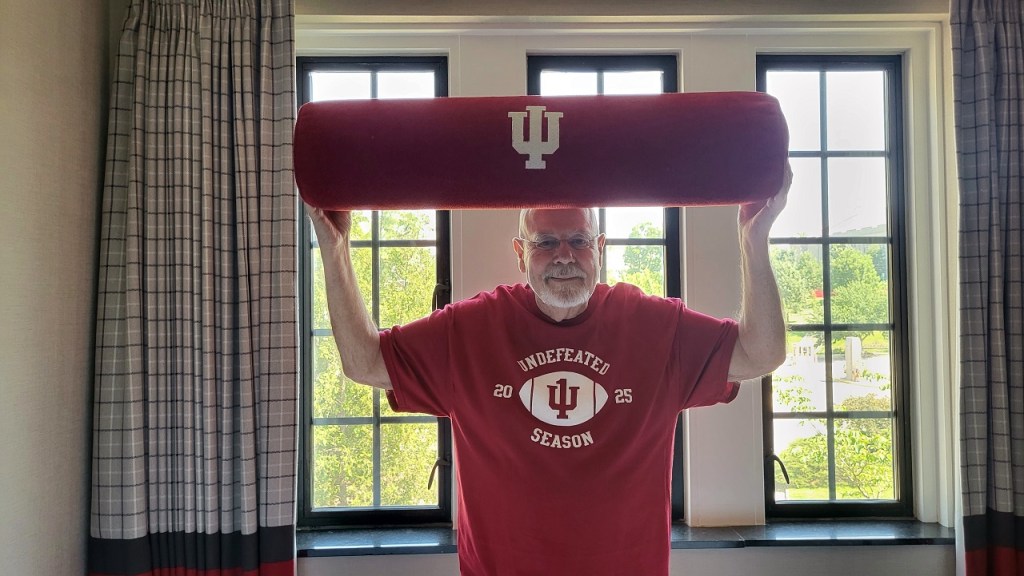
[Lest you were unaware, the Hoosiers were the undefeated national football champions this year. (I, however, was taken aback that the university had done nothing (that I could tell) to recognize that 50 years ago the Hoosier basketball team was the last undefeated men’s basketball team. The 1976 Hoosiers beat Michigan in the championship game played at the Spectrum in Philadelphia – and even more importantly I was at that game (my first of 25 attended Final Fours.)]
The reason grandparents and grandchildren get along so well is that they have a common enemy. ~ Sam Levenson
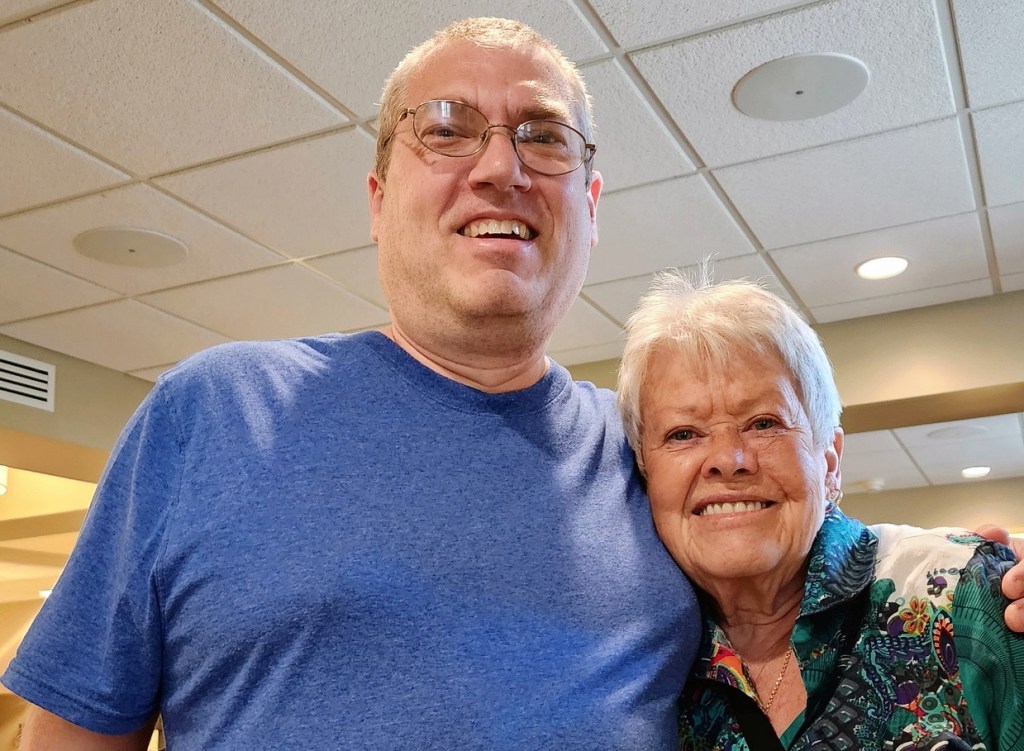
[Our nephew, Aaron, an IU alum and, like his aunt Ruthie, a native of Terre Haute. And we learned on this trip that his daughter Liz will be starting a PhD program in political science at Minnesota this fall . . . ]
Strength is the capacity to break a chocolate bar into four pieces with your bare hands – and then eat just one of the pieces.
~ Judith Viorst
[On Bloomington’s far east side – the exit from and entrance to the city . . . ]

June 7
The only difference between me and a madman is that I’m not mad. ~ Salvador Dali
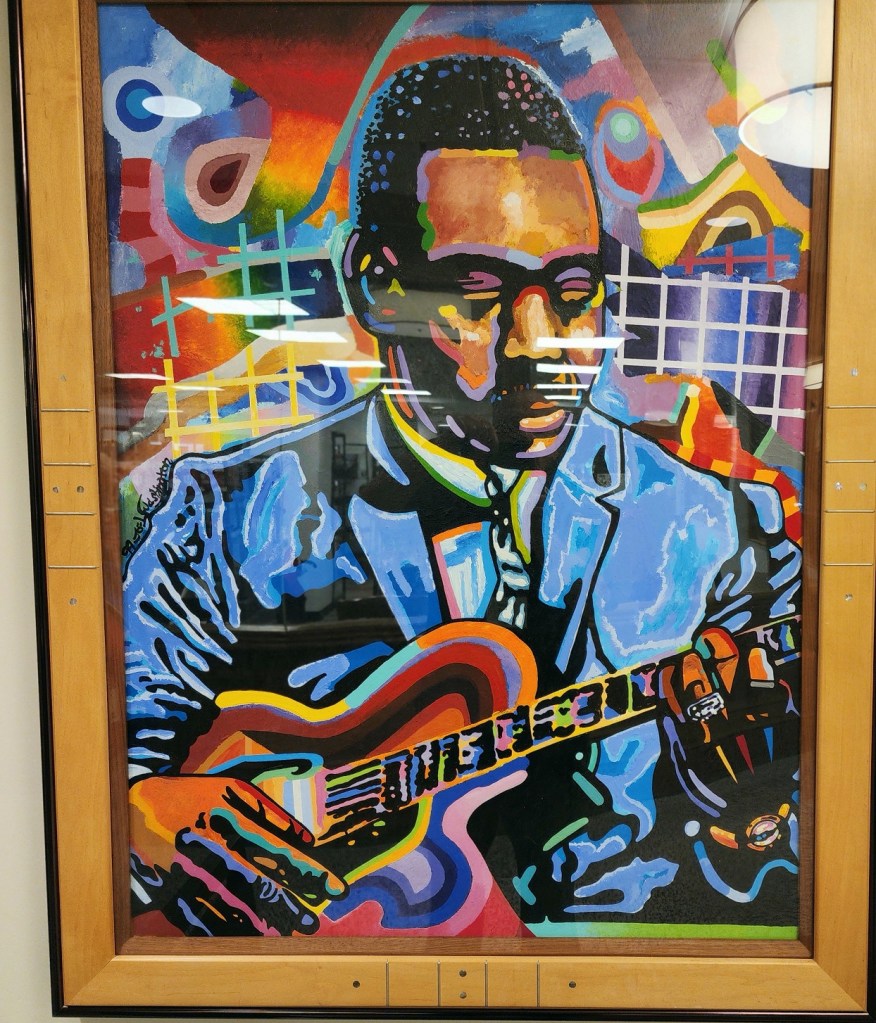
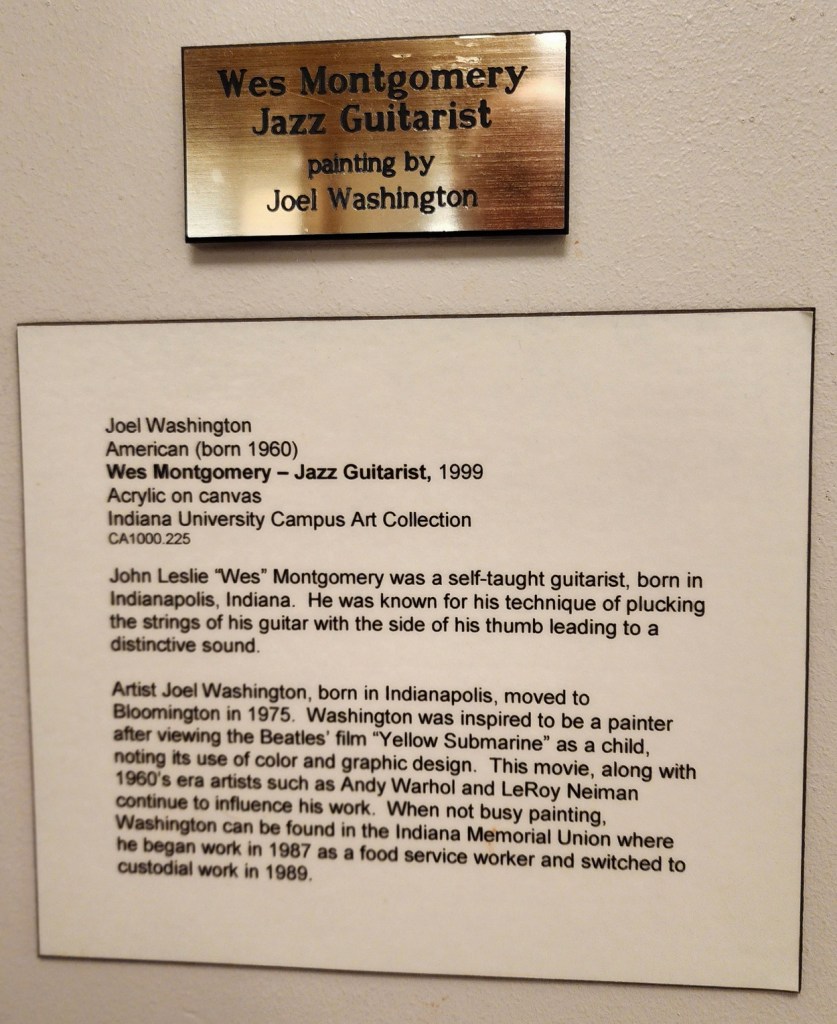
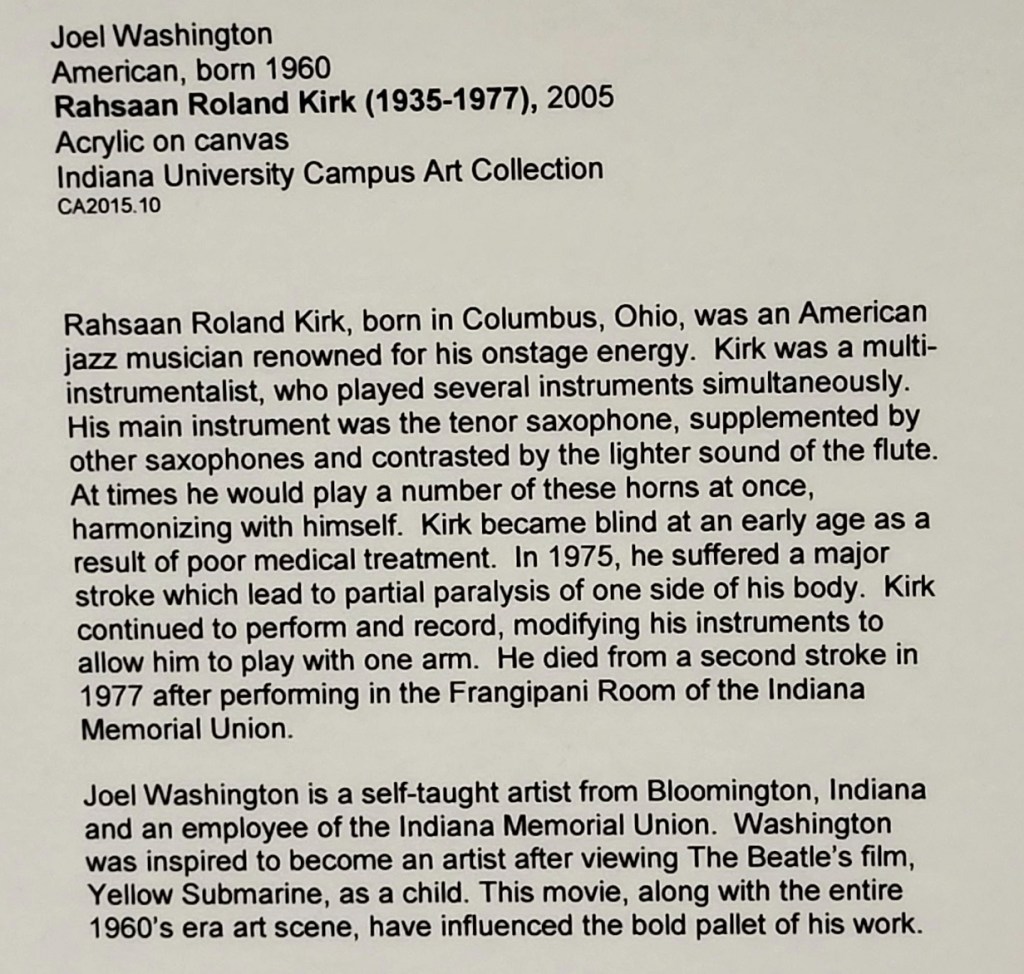
[Ruthie’s new best friend, the artist Joel Washington . . . ]
Art is the only way to run away without leaving home. ~ Twyla Tharp
June 8
If they can make penicillin out of moldy bread, they can sure make something out of you. ~ Muhammad Ali
[Classes begin with a continental breakfast and . . . ]
If at first you don’t succeed, find out if the loser gets anything. ~ William Lyon Phelps
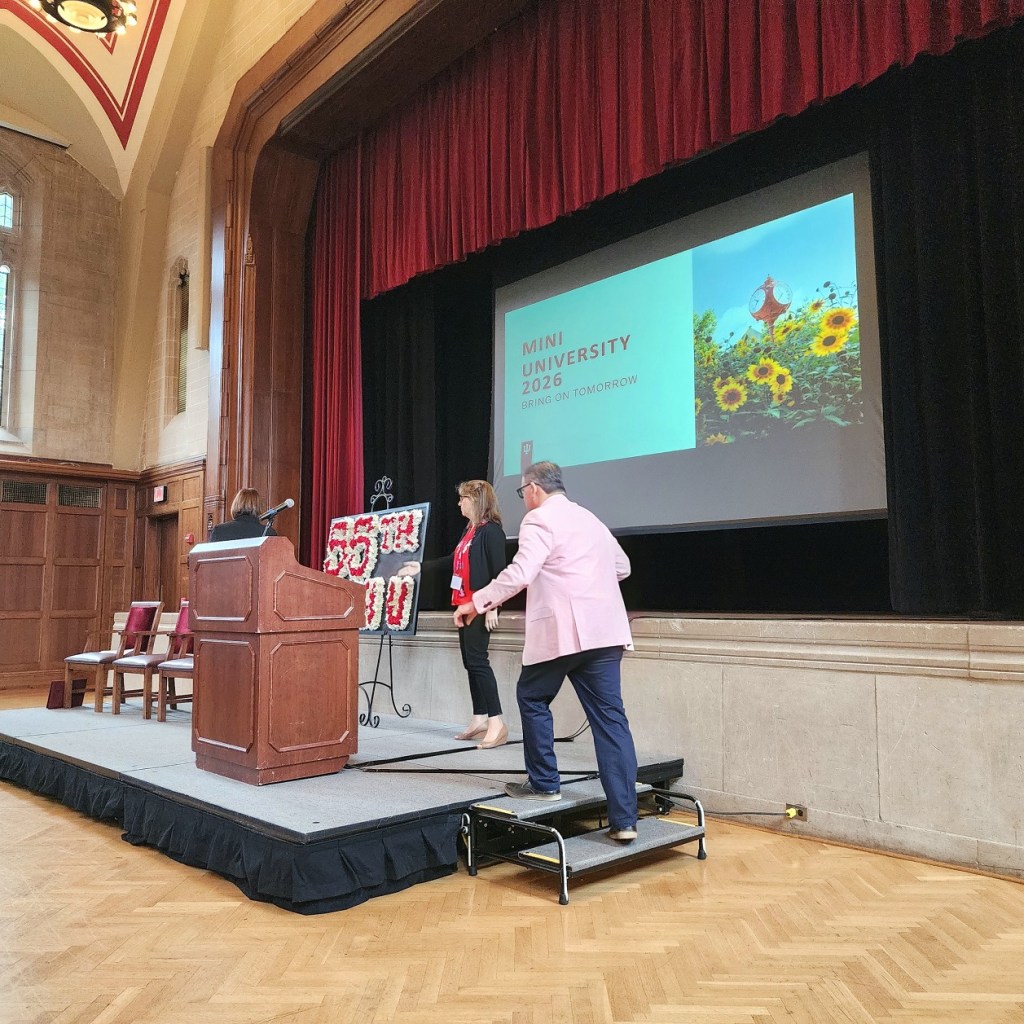
[Opening convocation (Alumni Hall & Solarium) – we heard rumors of around 600 student attendees at a cost of $470 each for the week (for classes and other university events) . . . ]

Her name was Ann, and I’ll be damned if I recall her . . . last name?
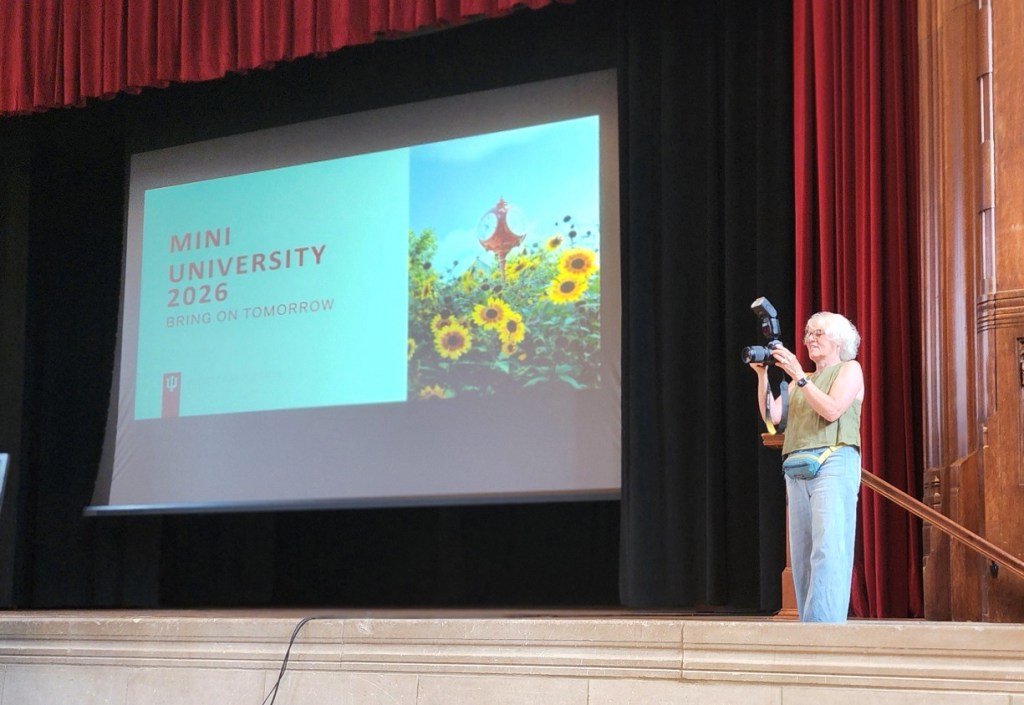
[She has been the Mini-U photographer for as long as we’ve been coming . . . ]
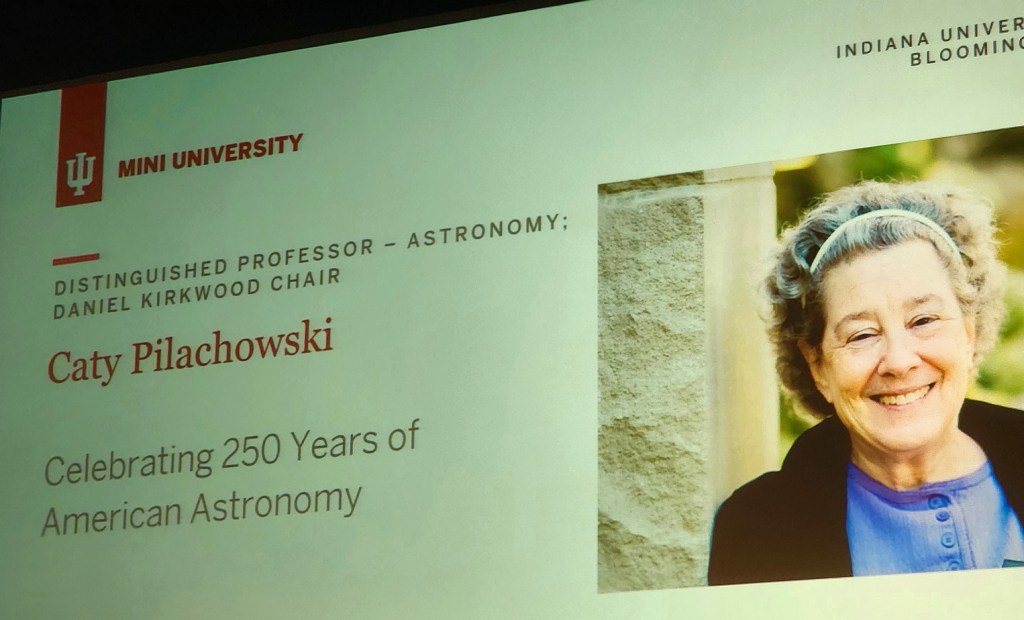
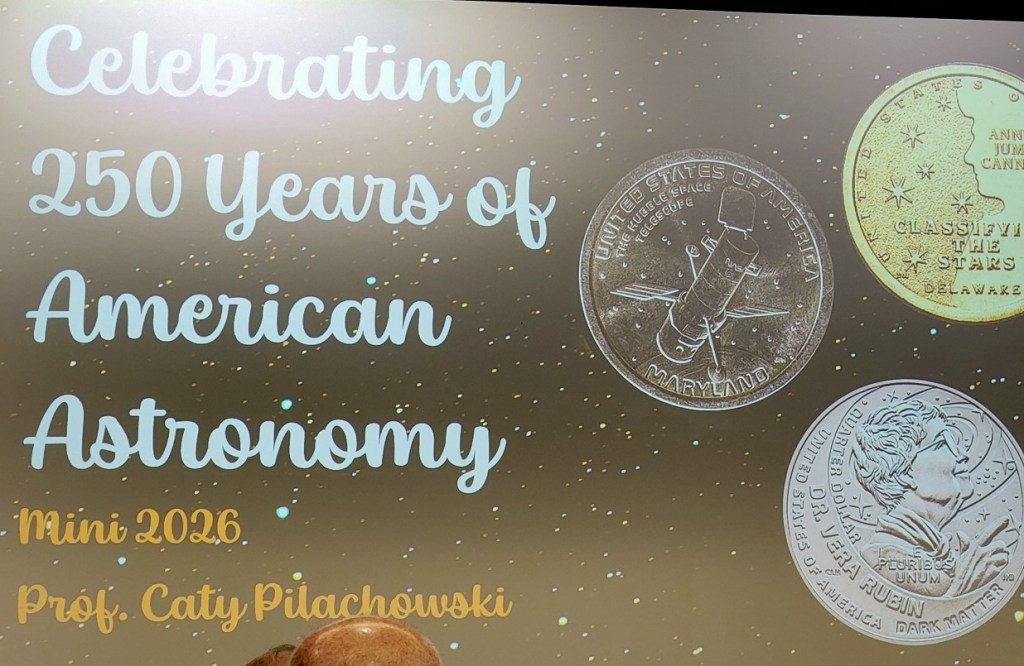
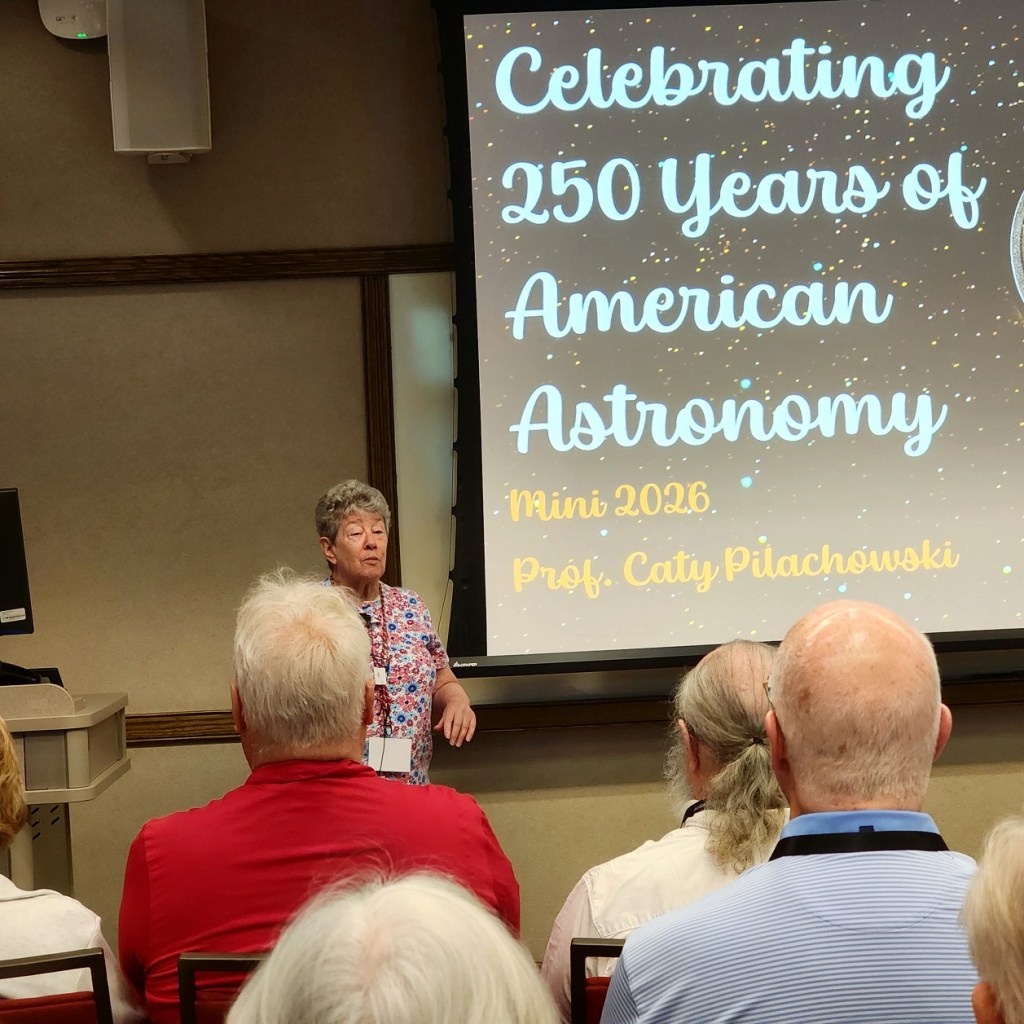
About Catherine A. Pilachowski
Professor Pilachowski holds the Kirkwood Chair in Astronomy at Indiana University Bloomington, where she teaches and conducts research on the evolution of stars and the chemical history of the Milky Way Galaxy from studies of chemical composition of stars and star clusters. She served for more than 20 years on the scientific staff of the NSF’s National Opticall-Infrared Astronomy Research Laboratory in Tucson. While at NOAO, she served as Project Scientist for the design and construction of the 3.5-meter WIYN Telescope. Professor Pilachowski received a B.S. in Physics from Harvey Mudd College in California, and her M.S. and Ph.D. from the University of Hawaii (astro.indiana.edu).
If we ever travel to far in the universe to another planet with intelligent life, let’s just make patterns in their crops and leave. ~ anonymous
Two things are infinite: the universe and human stupidity; and I’m not sure about the universe. ~ Albert Einstein
[Well, it is a classroom . . . ]
When science finally locates the centre of the universe, some people will be surprised to learn they’re not it. ~ anonymous
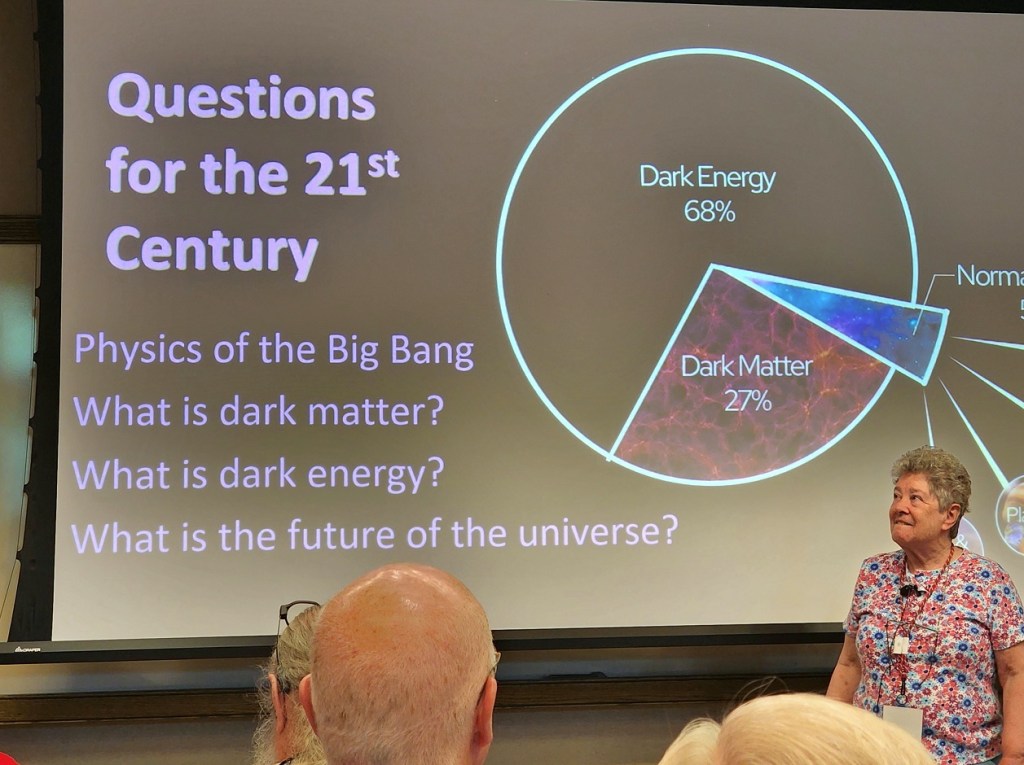
[Professor Pilachowski is excellent, particularly in emphasizing the contributions of women astronomers . . . ]
In order to make an apple pie from scratch, you must first create the universe. ~ Carl Sagan
An artist never really finishes his work, he merely abandons it. ~ Paul Valéry
[Ruthie’s new best friend again . . . ]
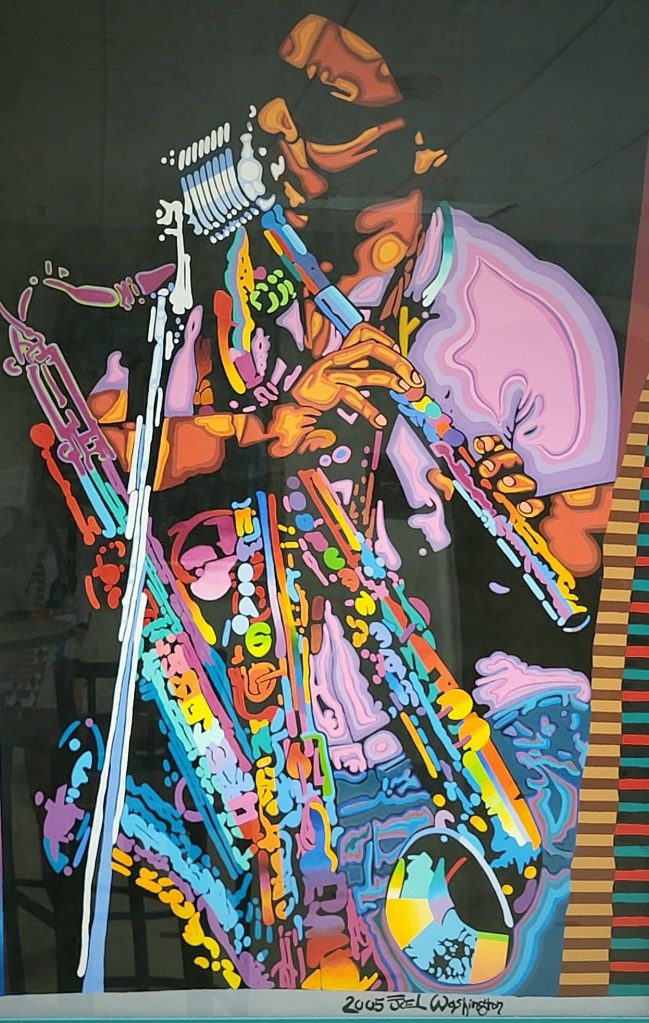
Every child is an artist. The problem is how to remain an artist once he grows up. ~ Pablo Picasso
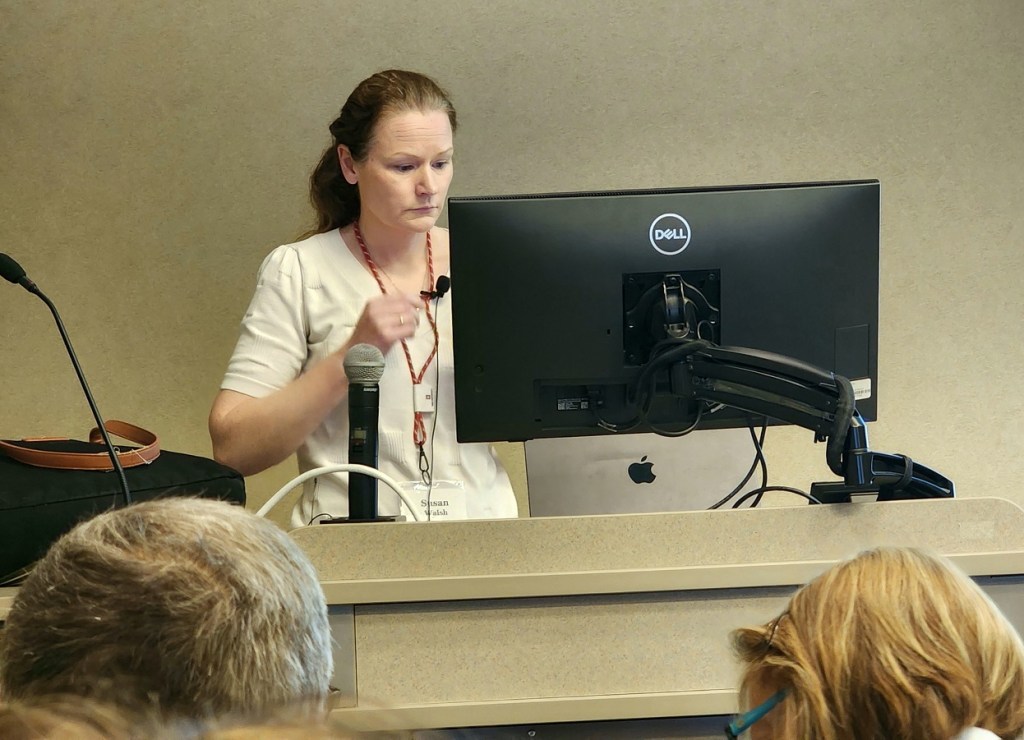
Professor Susan Walsh is an Associate Professor at the Department of Biology and Forensic and Investigative Sciences at Indiana University Indianapolis. Dr. Walsh completed her PhD in Forensic Genetics at Erasmus University in the Netherlands. She went on to complete post-doctorate work at Yale University before joining IUI in 2014 (walshlab.indianapolis.iu.edu). The goal of the lab is to enhance our understanding of the genetic basis of human physical appearance and ancestry. In a forensic context, retrieving information on the externally visible characteristics of a sample donor found at a crime scene can provide valuable intelligence information, e.g. eye, hair or skin color, to name a few. As we deal with quantitative traits where different genes and also environmental factors can contribute to the phenotype, we try to unveil the genetic basis of certain traits using genome-wide association approaches and next-generation sequencing, amongst others. We then try to determine what are the most-predictive biomarkers, and develop molecular tools to predict these traits for practical applications in forensics and anthropological studies (science.indianapolis.iu.edu).
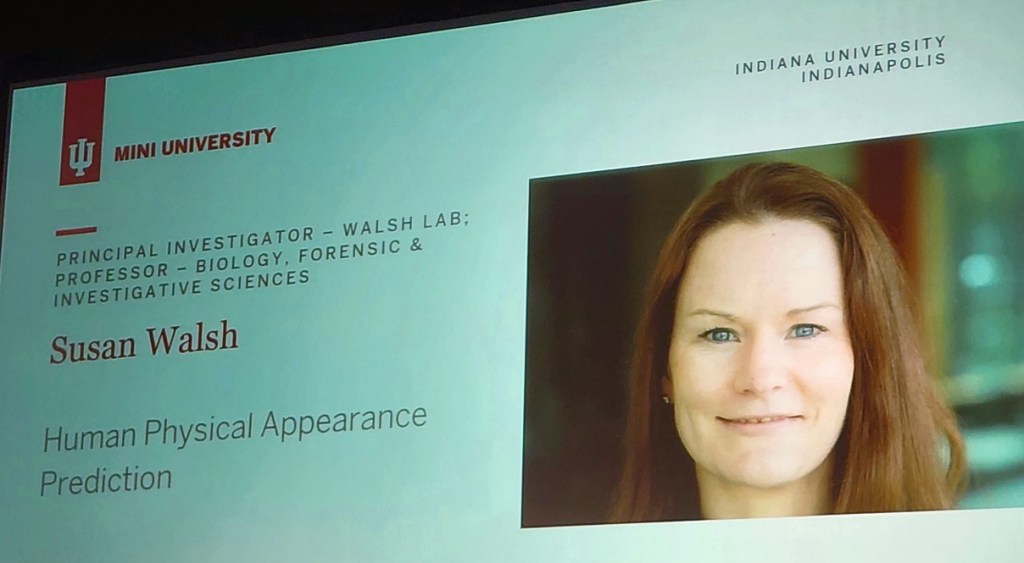
Basic research is like shooting an arrow into the air and, where it lands, painting a target. ~ Homer Burton Adkins
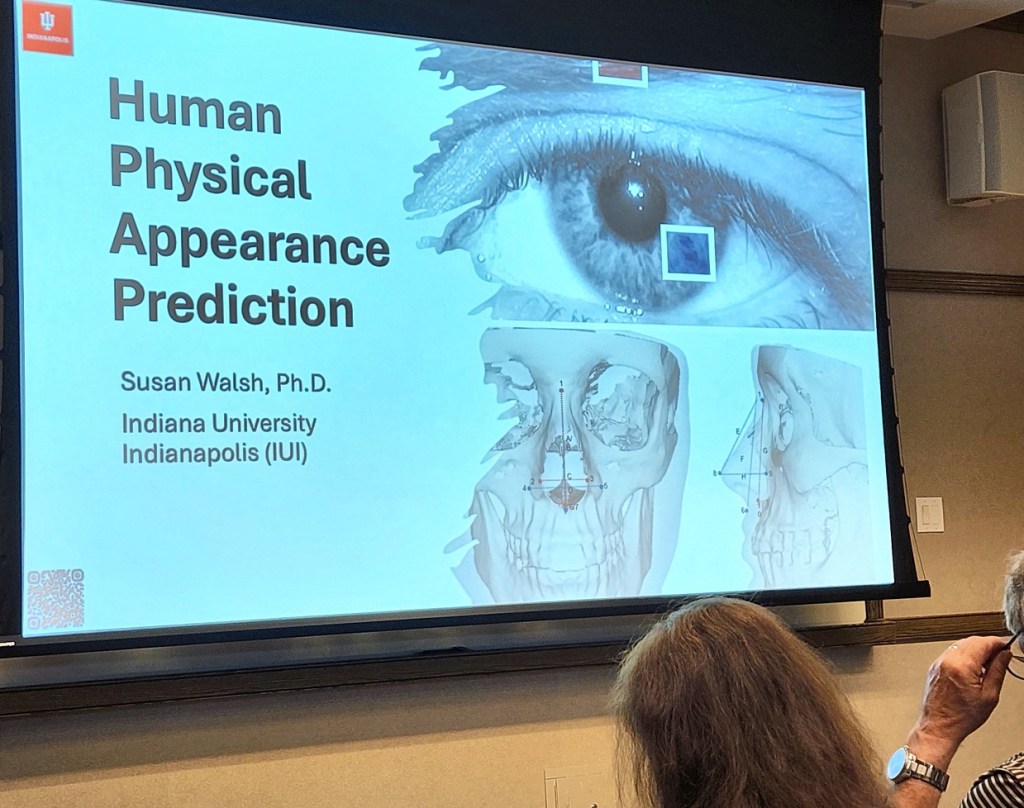
Science is like sex: sometimes something useful comes out, but that is not the reason we are doing it. ~ Richard Feynman
[Terrific teller of this story, way beyond my expectations . . . ]
[Yes, I did miss his identifying slide . . . ]
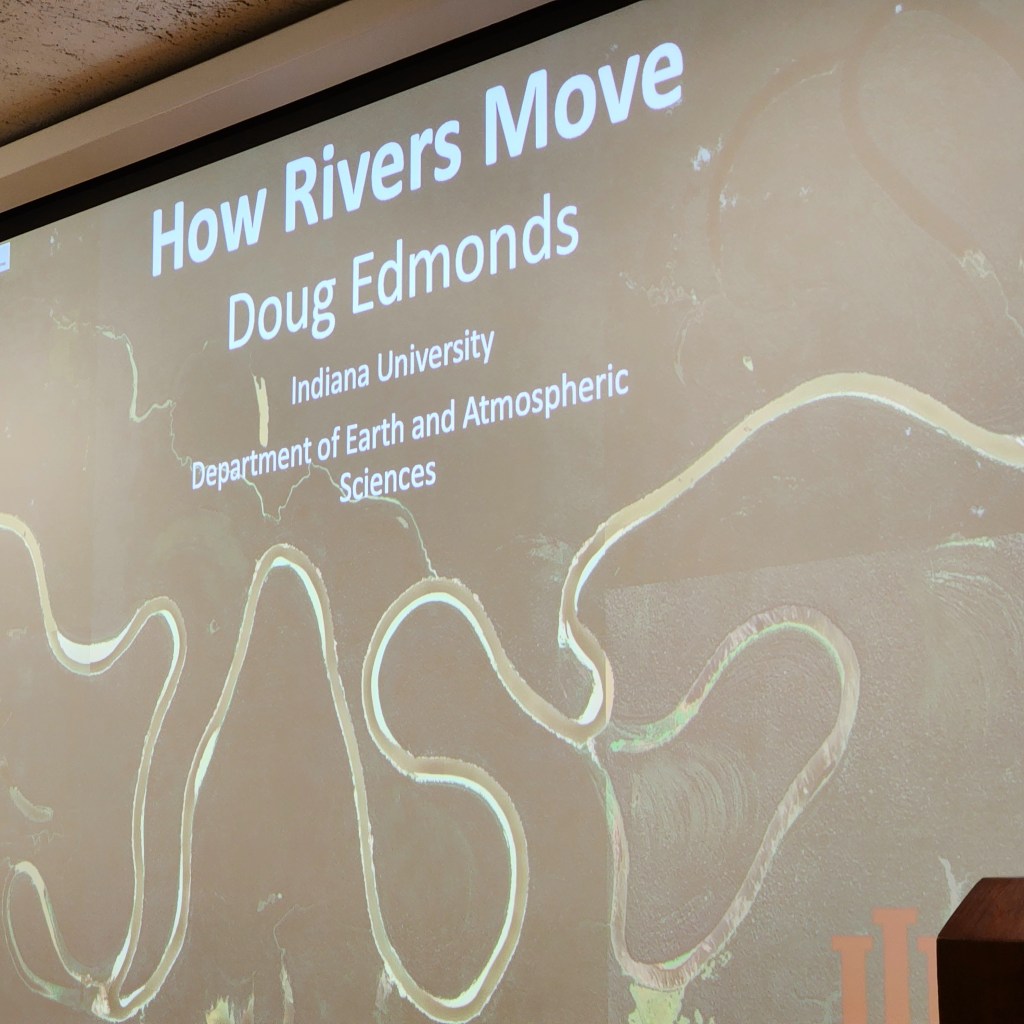
Douglas Edmonds, PhD, The Pennsylvania State University, 2009
My research focuses on the sedimentology, stratigraphy, and geomorphology of depositional sedimentary systems. Example projects and scales of interest range from: secondary circulation and turbulence to formation of reach-scale features such as levees, to whole system behavior of deltas and river belts. I use a combination of mathematical modeling, field observation, and occasionally experimentation to understand these systems. My research is generally directed toward understanding the coupled surficial and sedimentological evolution of these systems (earth.indiana.edu).
I have no special talent. I am only passionately curious. ~ Albert Einstein
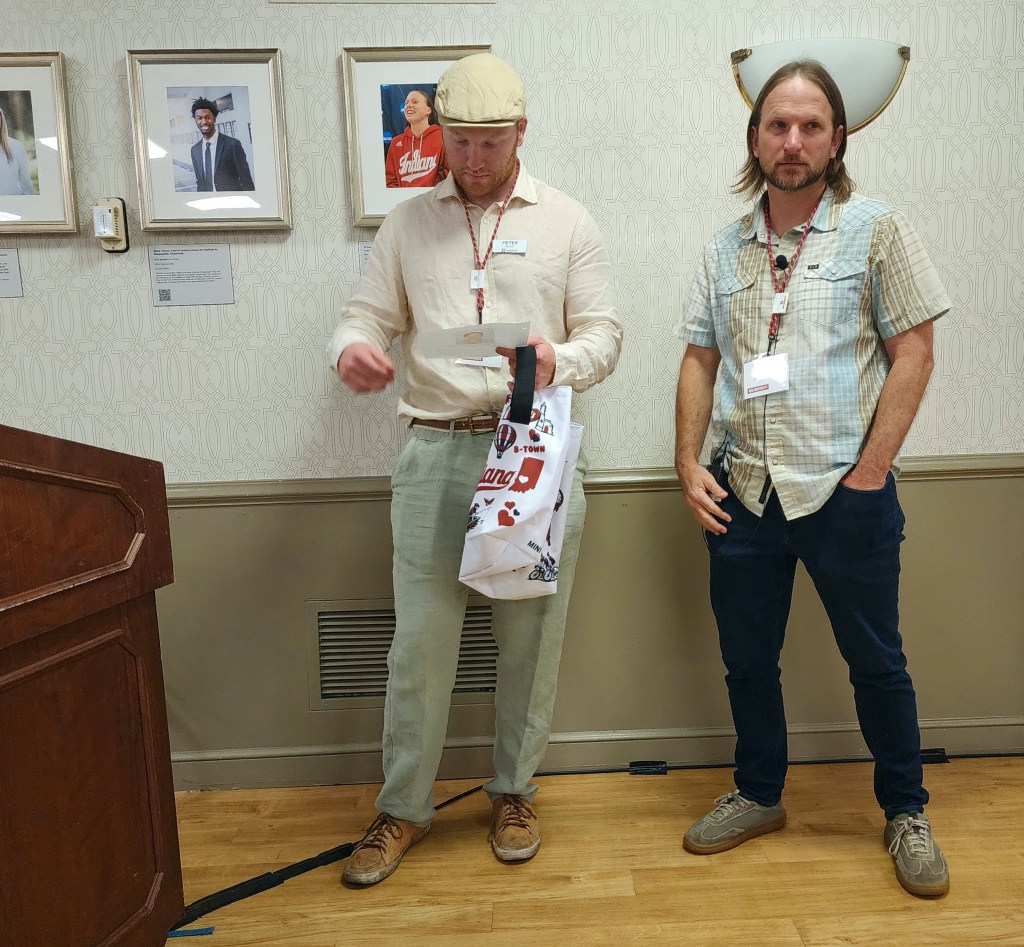
[Professor Doug Edmonds, on the right, got into the swing of this . . . ]
The Roots of Rock . . . And an Elvis Celebration . . .
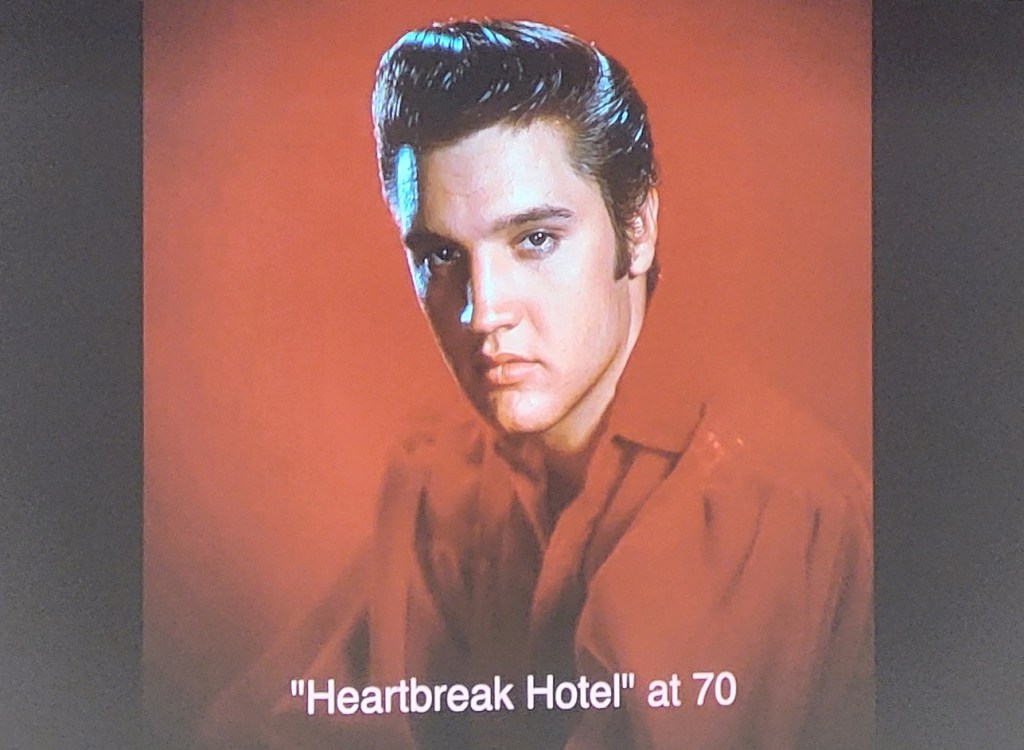
In celebration of the 70th aaniversary of “Heartbreak Hotel” and “Don’t Be Cruel.” Ruthie went solo. I thought it was just about Elvis. Even though he knocked us over with Bob Dylan and The Beatles the previous two years I thought the 2-block walk to get to class too taxing. But Ruthie came home with tears in her eyes. Attendees will examine the many diverse American artists and influences that gave birth to rock and roll . . .
[Our nephews at IU had him as a professor – always worth the price of admission . . . ]
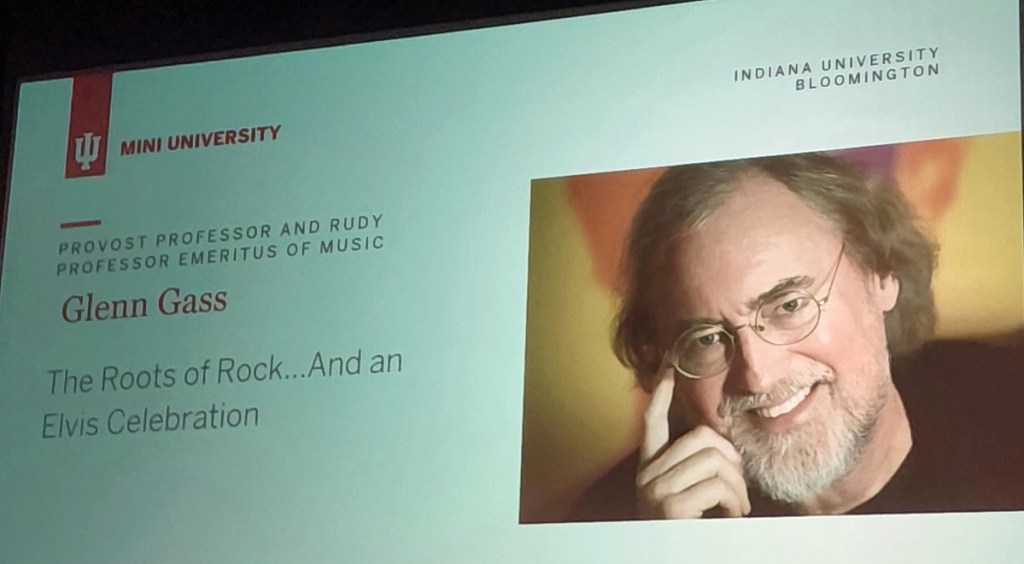
Provost Professor and Rudy Professor Emeritus of Music (Music in General Studies), D.M., Doctor of Music, Indiana University, 1985, M.M., Master of Music, Indiana University, 1981, B.M., Bachelor of Music, New England Conservatory of Music, 1977
Glenn Gass is Provost Professor and Rudy Professor Emeritus of Music in Music in General Studies at the Indiana University Jacobs School of Music. He teaches a series of courses that he developed on the history of rock and popular music that were the first to be offered through a music school and are now the longest-running courses of their kind in the world. He is the recipient of the Herman B Wells Lifetime Achievement Award, Indiana University Sylvia Bowman Distinguished Teaching Award, IU Student Alumni Association Student Choice Award, Society of Professional Journalists Brown Derby Award, and other teaching awards and honors. He was inducted into the Faculty Colloquium on Excellence in Teaching and is author of A History of Rock Music: The Rock & Roll Era (McGraw-Hill, 1994). Gass is a member of the Education Advisory Board of the Rock and Roll Hall of Fame and Museum in Cleveland. He is the recipient of grants in composition from the National Endowment for the Arts, Meet the Composer, and Indiana Arts Commission (music.indiana.edu).
June 9
How to Bridge Political Differences: What John Adams and Thomas Jefferson Can Teach Us
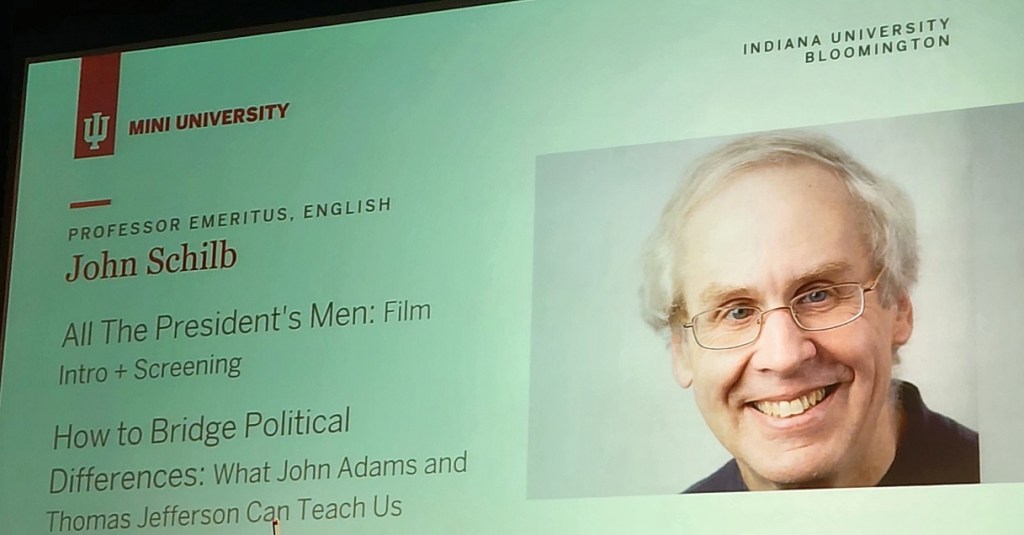
John Lincoln Schilb
M.A., English Literature, Hofstra University, 1974, Ph.D., State University of New York, Binghamton, 1978
I specialize in composition, rhetoric, and literary theory, as well as being interested in how these areas connect. I explore possible links among them in my current work as editor of the journal College English, in my 1992 book Between the Lines: Relating Composition Theory and Literary Theory (Boynton/Cook), and in two collections I co-edited for the Modern Language Association: Contending with Words: Composition and Rhetoric in a Postmodern Age (1991) and Writing Theory and Critical Theory (1994). In my most recent book, Rhetorical Refusals: Defying Audiences’ Expectations (Southern Illinois University Press, 2007), I turn to examining a specific kind of persuasive act, one in which the writer or speaker deliberately breaks with rhetorical conventions to achieve some higher aim. Here at IU, I regularly teach both graduate and undergraduate courses, including a seminar on Holocaust representations for the University’s summer Intensive Freshman Seminars Program. Also, I train Indiana and Michigan high school instructors to teach our undergraduate course in Literary Interpretation at their home institutions (english.indiana.edu).
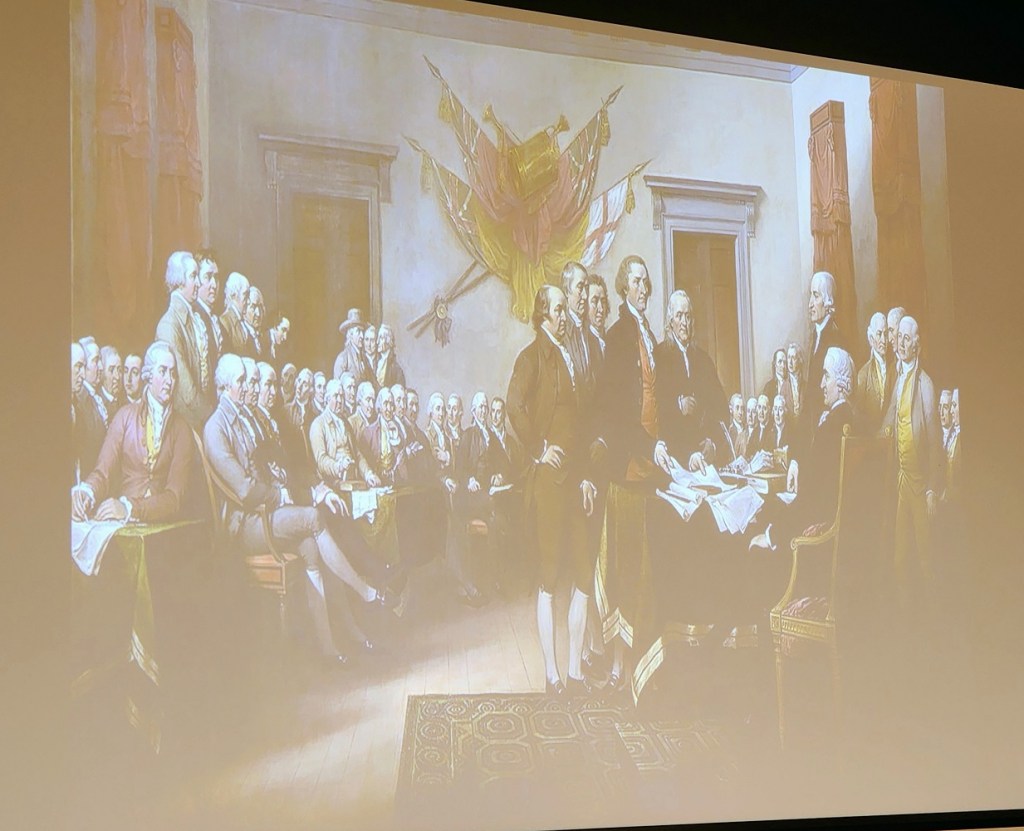
Instead of seeking congressional approval for a war on Iran, Trump turned to the co-equal autocratic strongmen of Saudi Arabia and Israel. ~ Jamie Raskin
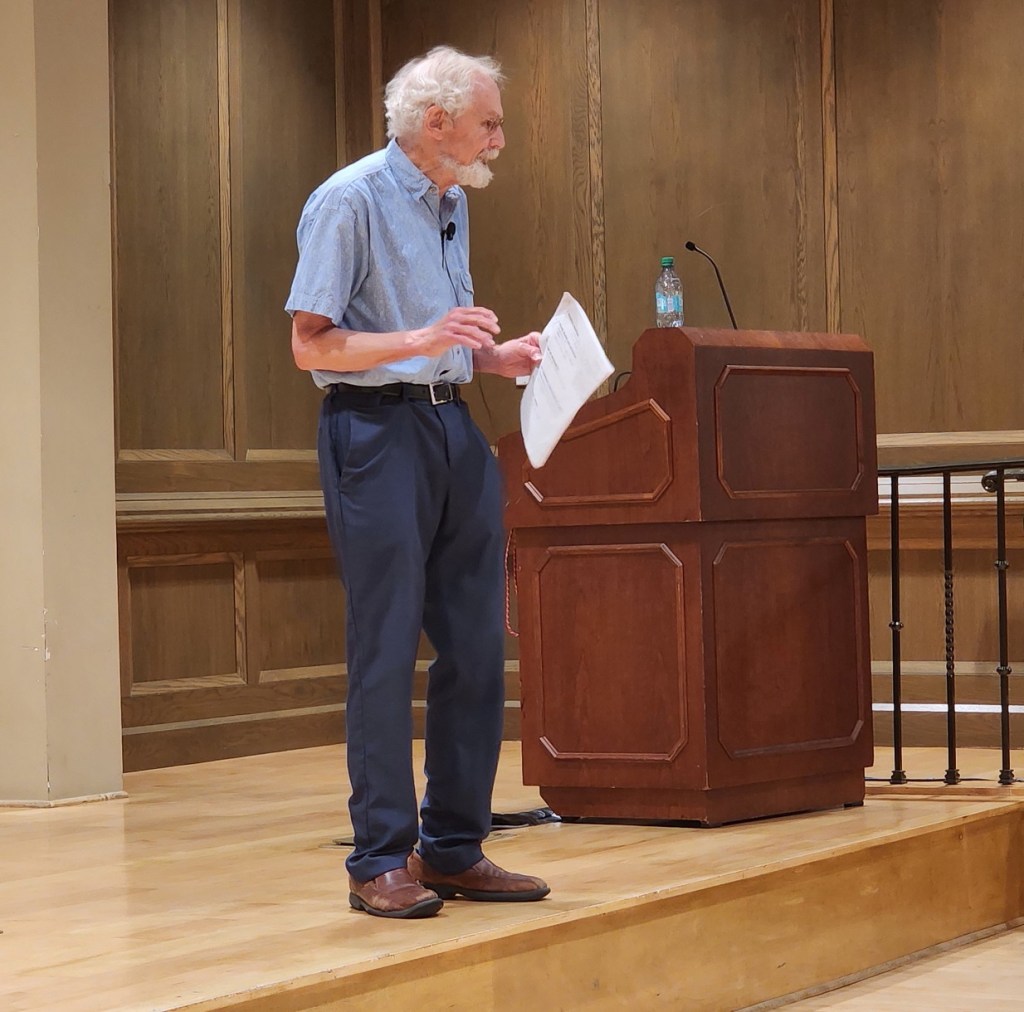
[Schilb is an old pro, with good humor. I’ve had him previously . . . ]
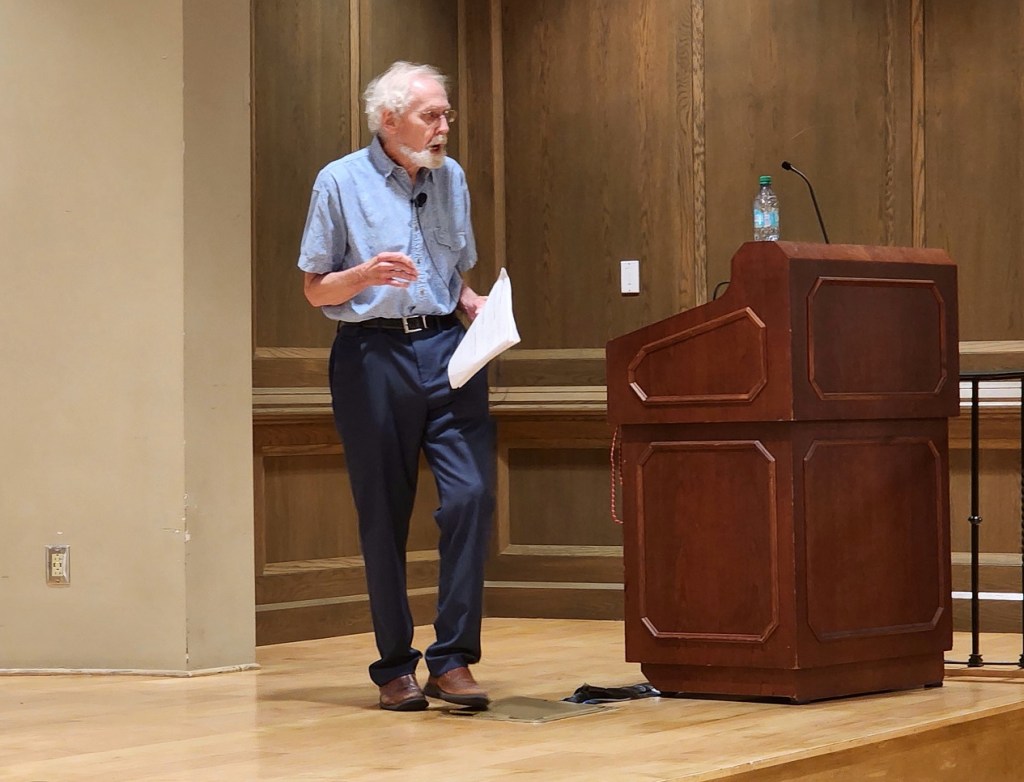
For Thomas Jefferson, freedom meant protection against gross corporate power. ~ Zephyr Teachout
[Why aren’t there any statues of John Adams? ~ Professor Schilb]
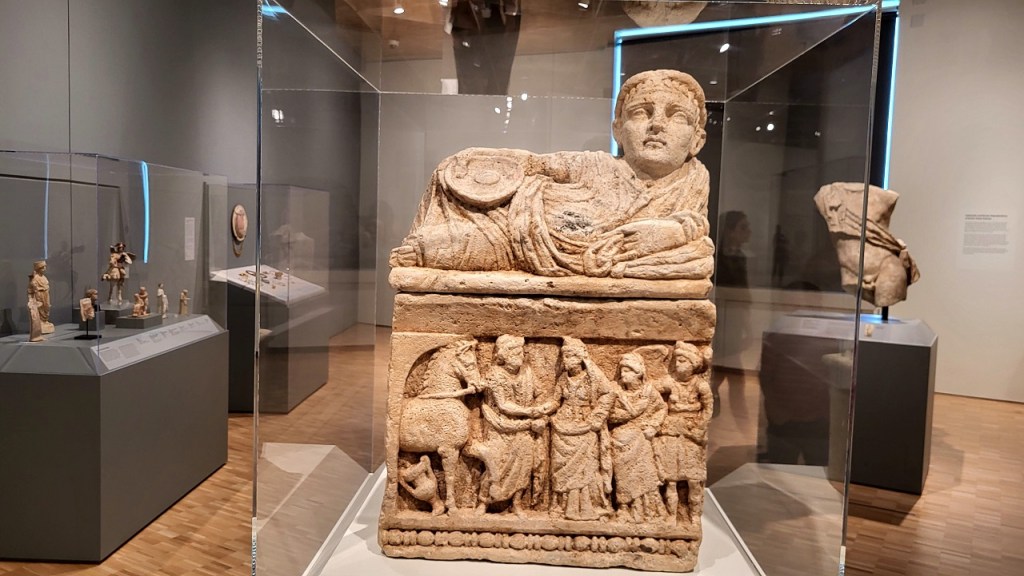
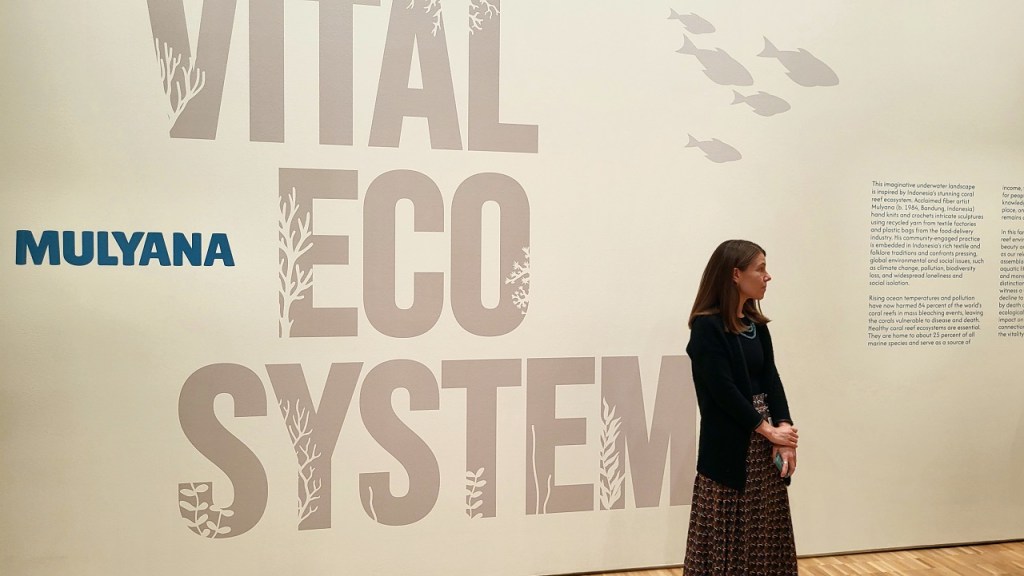
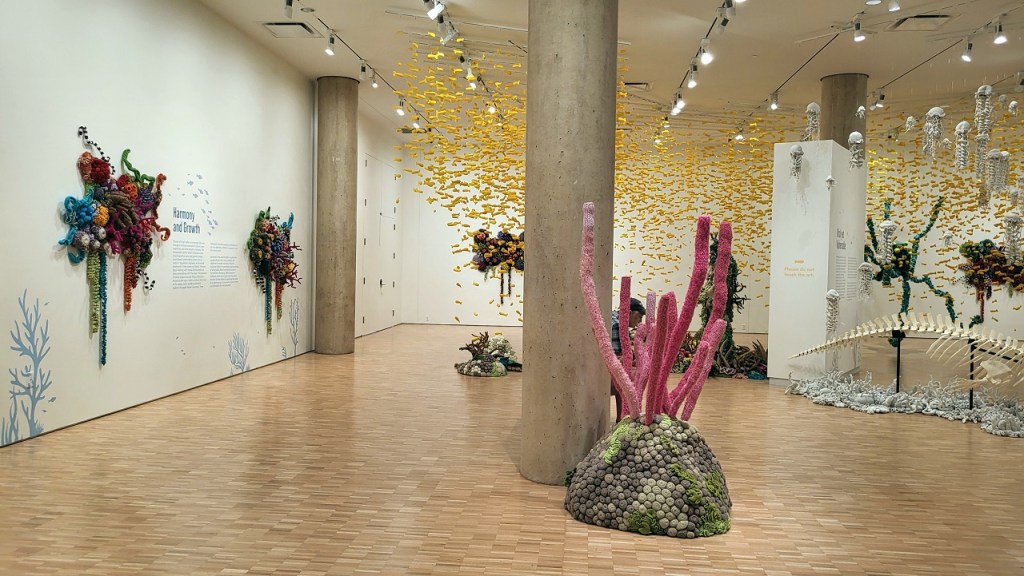
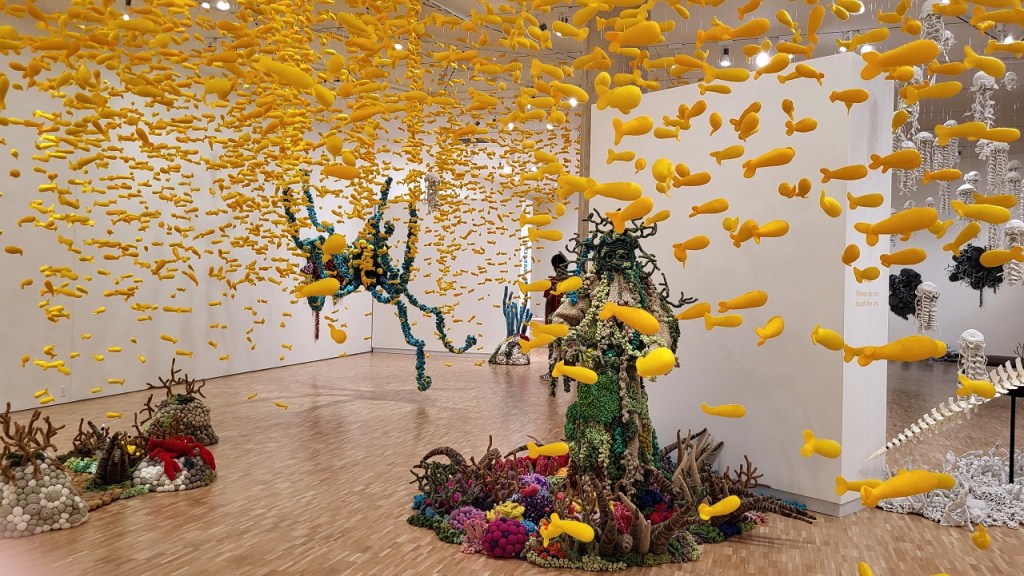
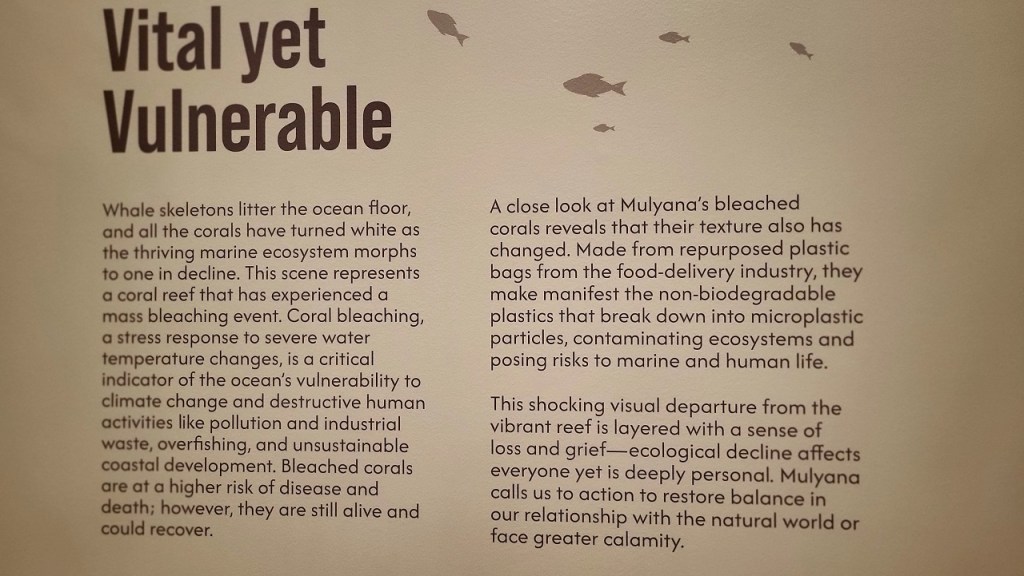
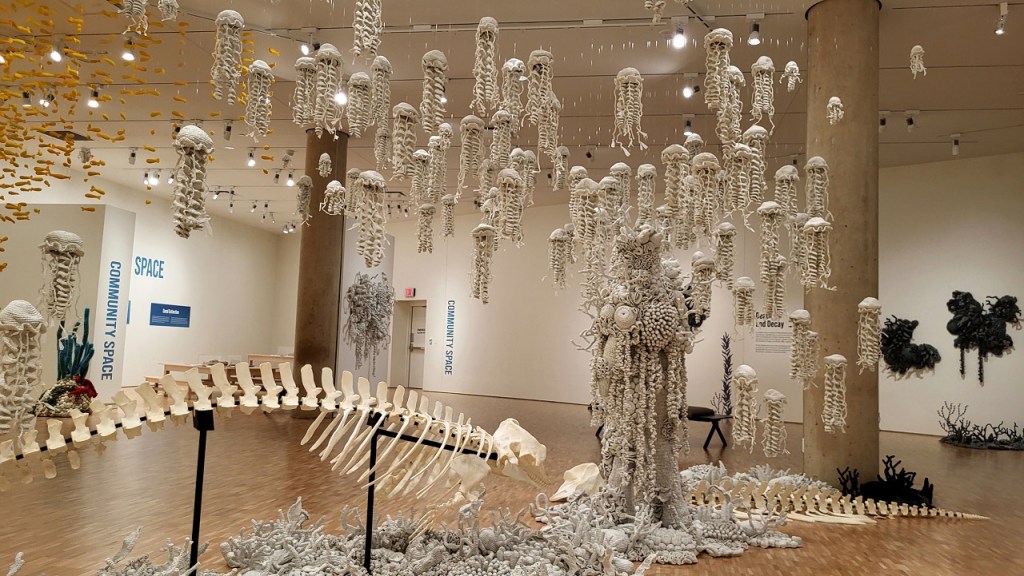
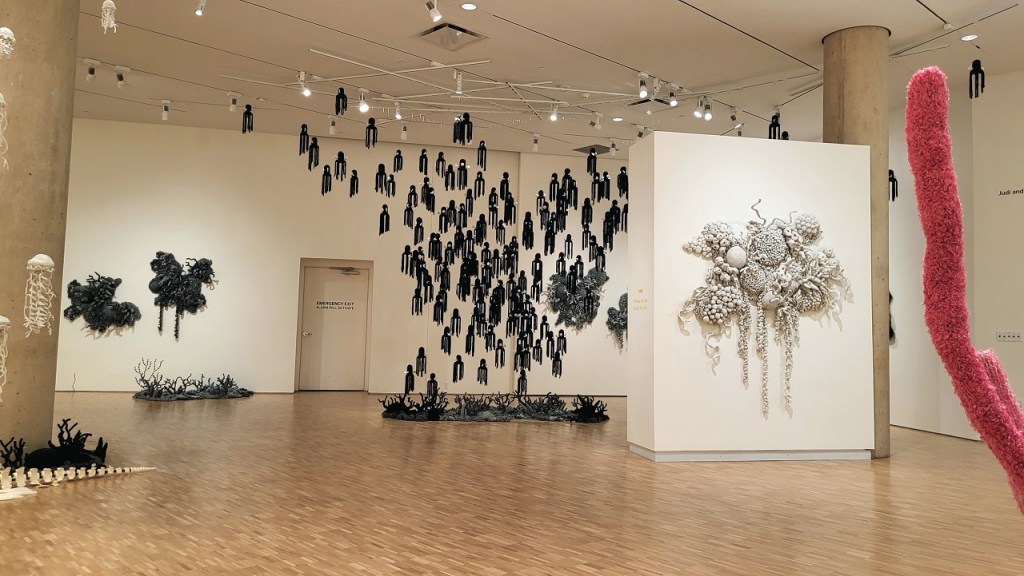
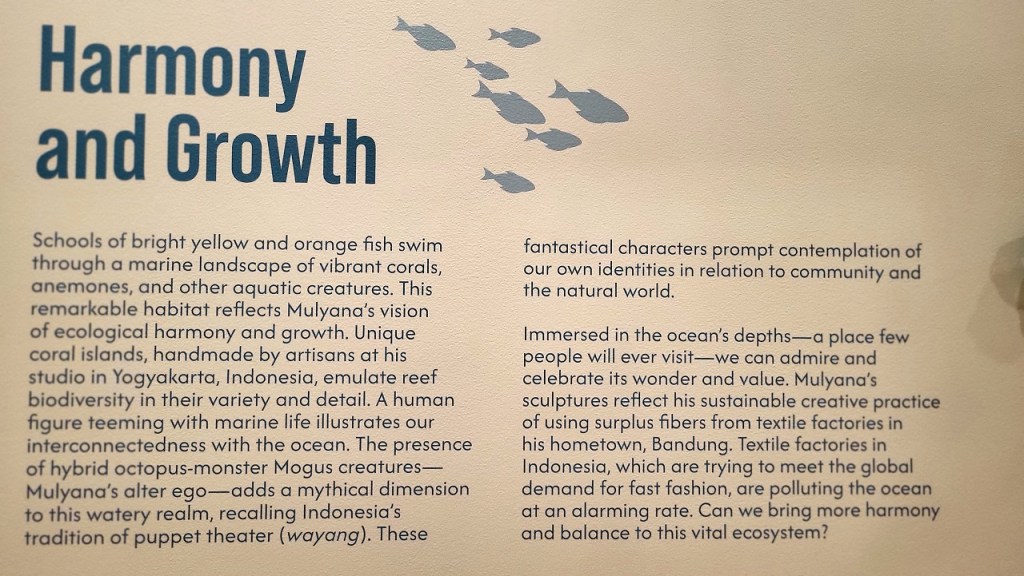
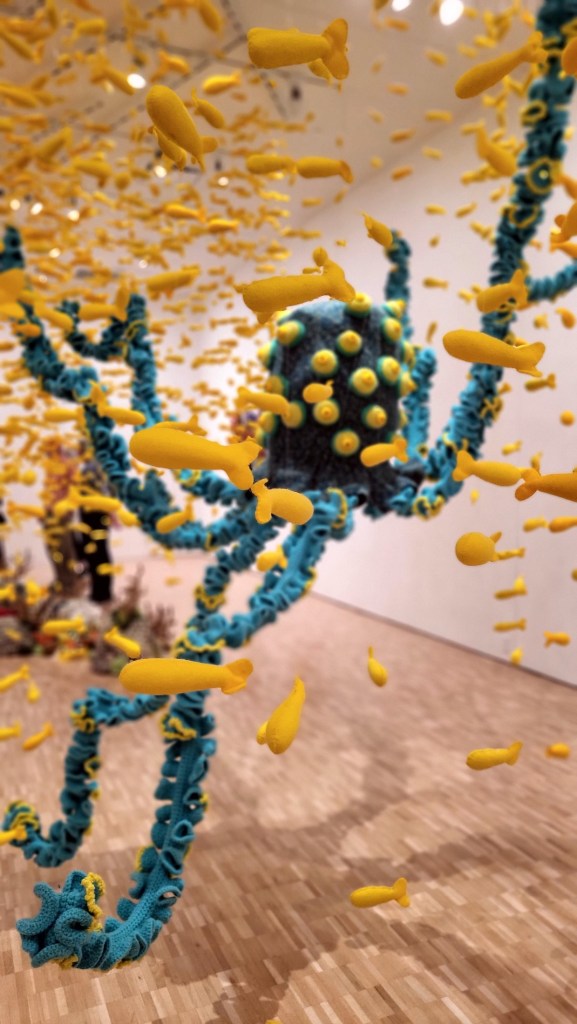
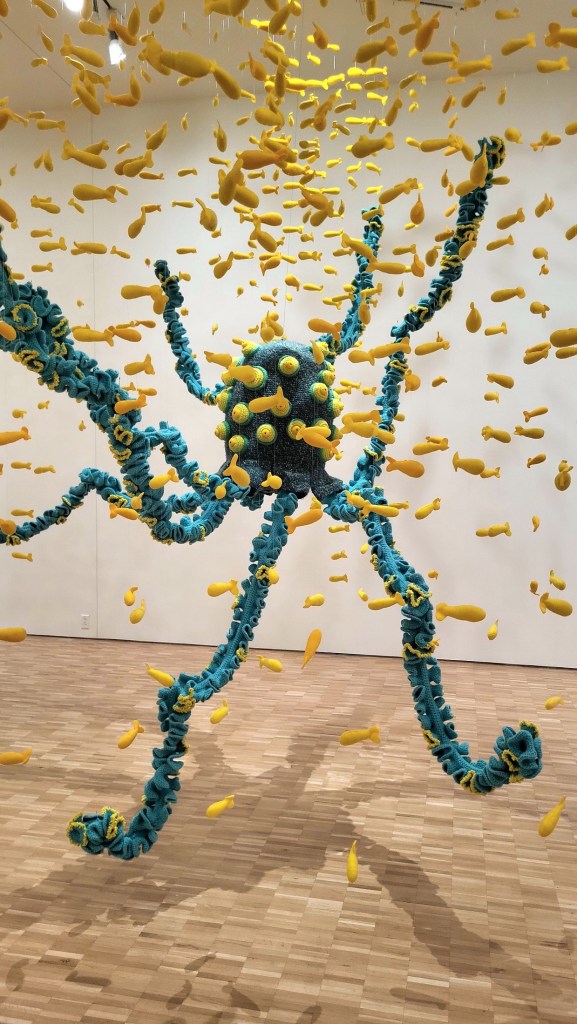
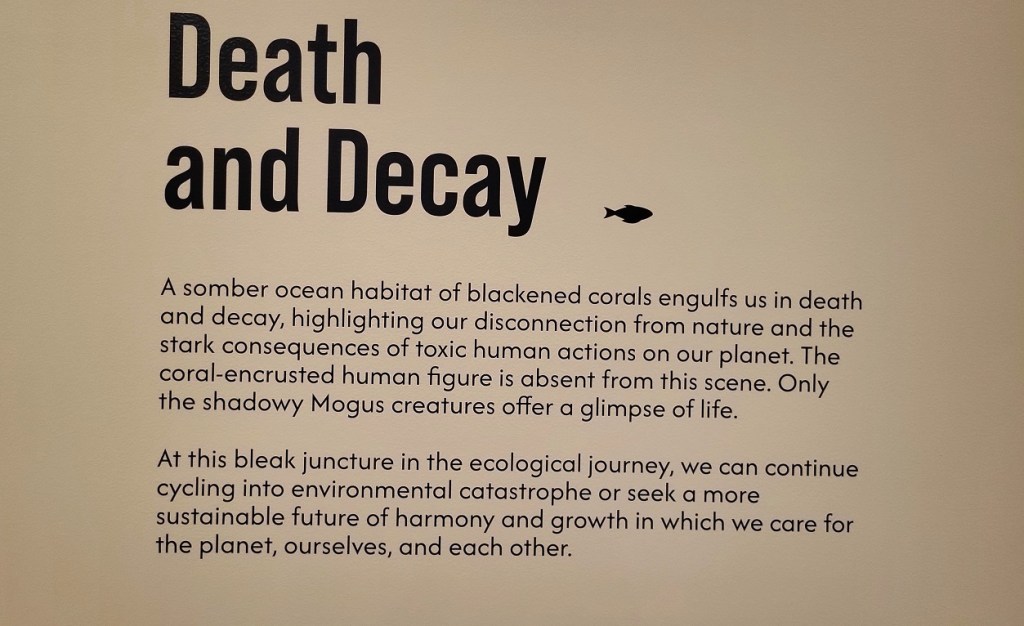
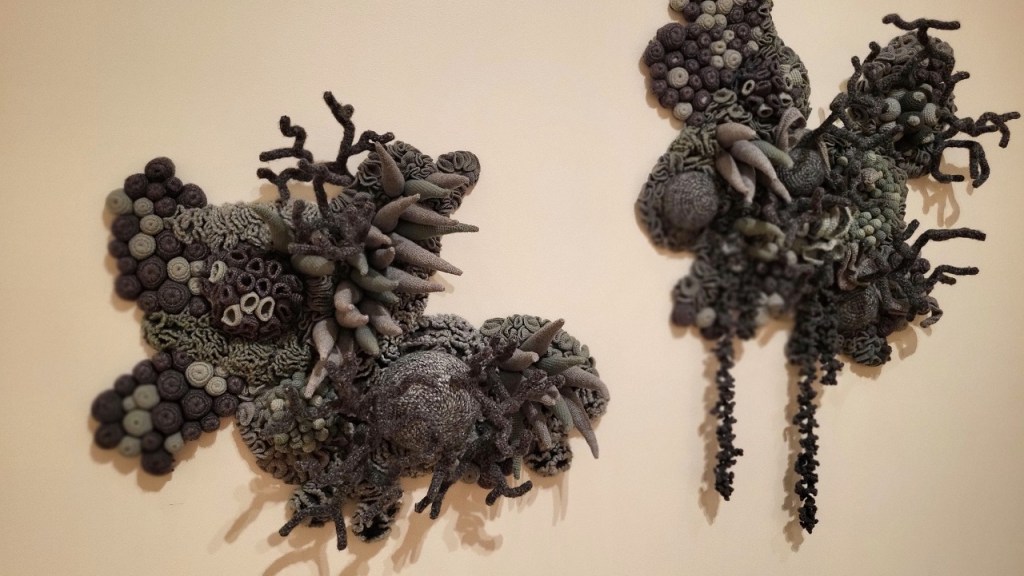
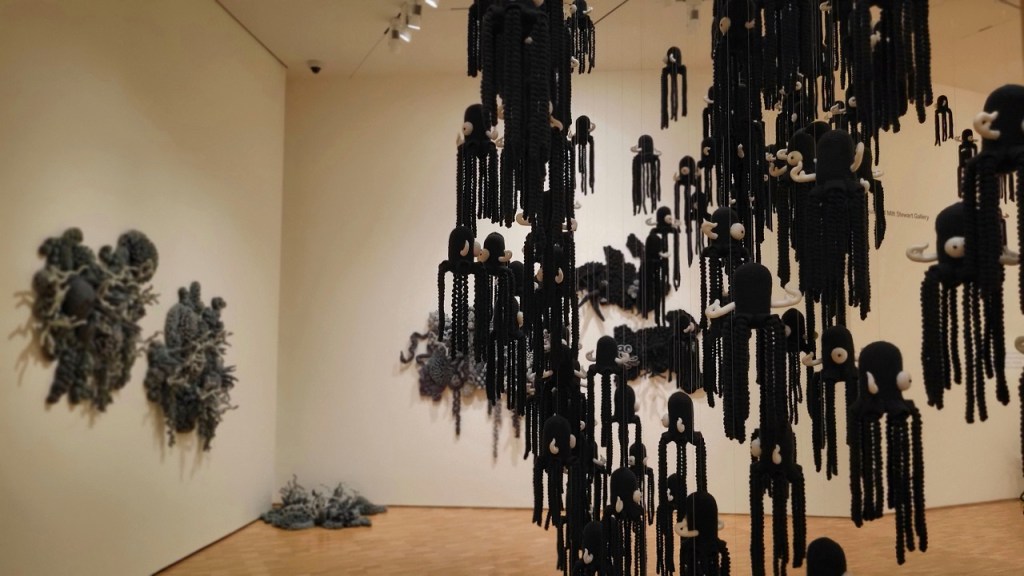
Ecology and Folklore in Southeast Asian Art: Tour of the Special Exhibition – “Mulyna: Vital Ecosystems” and related work ~ Natasha Kimmet
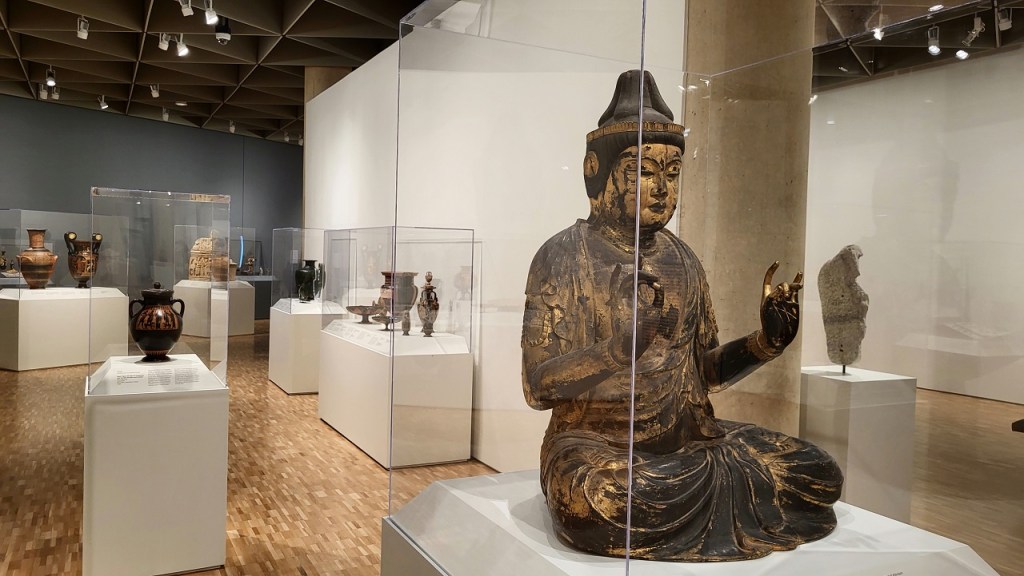
Natasha Kimmet
Pamela Buell Curator of Asian Art

Sidney and Lois Eskenazi Museum of Art Campus: IU, IU BloomingtonSidney and Lois Eskenazi Museum of Art As Pamela Buell Curator of Asian Art, Natasha Kimmet manages the museum’s collection of approximately 3,500 Asian and Islamic art objects. Her research interests include the art and architecture of South Asia, Tibet, and the Himalayas, with an emphasis on Buddhist temple sites and sculpture and Himalayan vernacular architecture. Previously, she was Postdoctoral Researcher at the University of Vienna and Austrian Academy Sciences, Curatorial Fellow at the Rubin Museum of Art, and an Editor at Shambhala Publications. She curated the exhibition Monumental Lhasa: Fortress, Palace, Temple (Rubin) and has taught Buddhist art in the Kabul Museum Project Curatorial Training Program for curators at the National Museum of Afghanistan. Kimmet has contributed to publications on Tibetan and Himalayan art and is co-editing Exploring the Contributions of the Shahi Kingdoms to Inner and South Asia (forthcoming, 2026). She has received grants from the Austrian Science Fund and Austrian Academy of Sciences for collaborative digital humanities projects to develop the Shahi Kingdoms Database and integrated digital publication. She received her PhD in the history of art at the University of Vienna, MA in the history of art and archaeology at the School of Oriental and African Studies, and BA in the history of art and visual culture at Bates College.
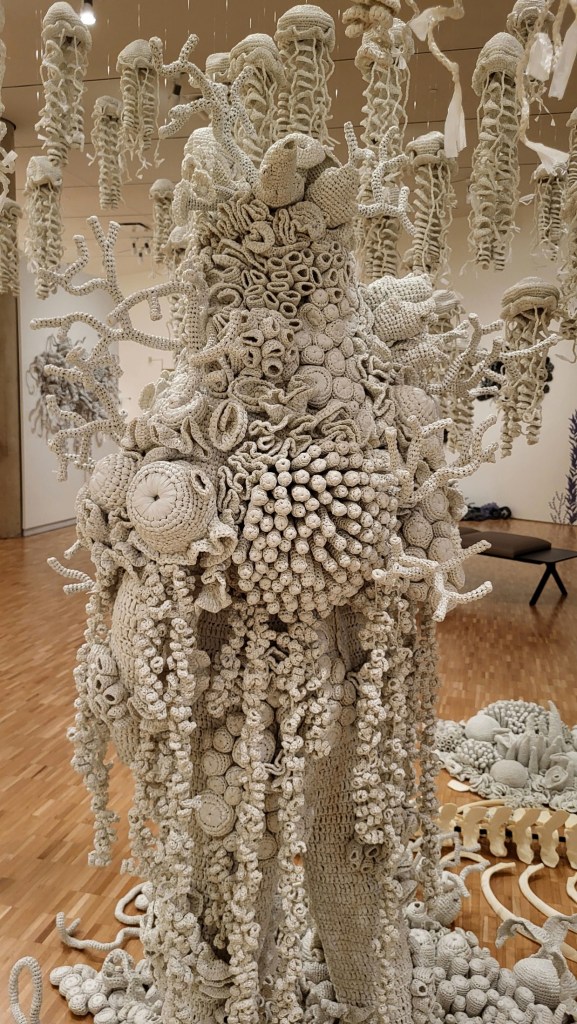
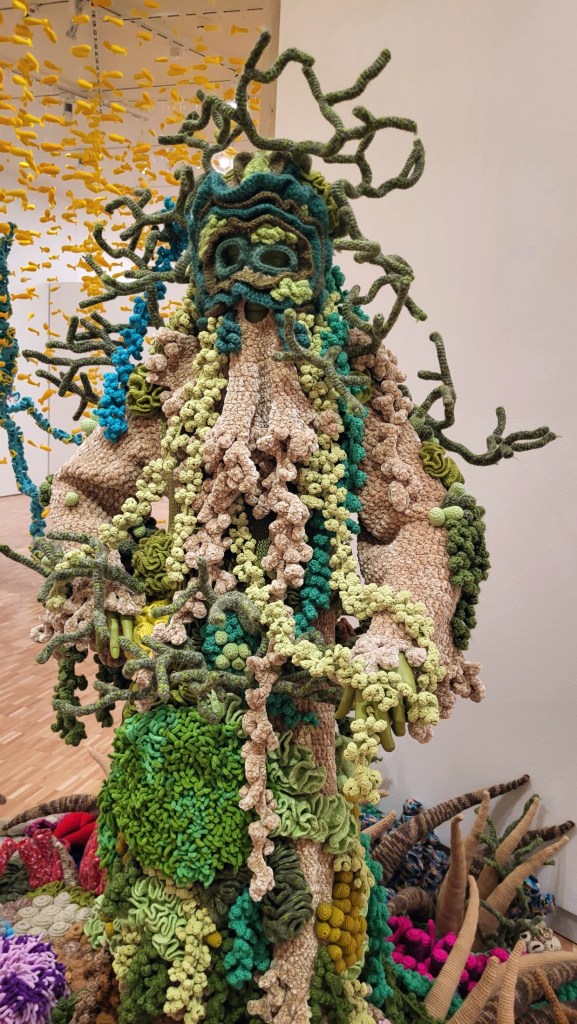
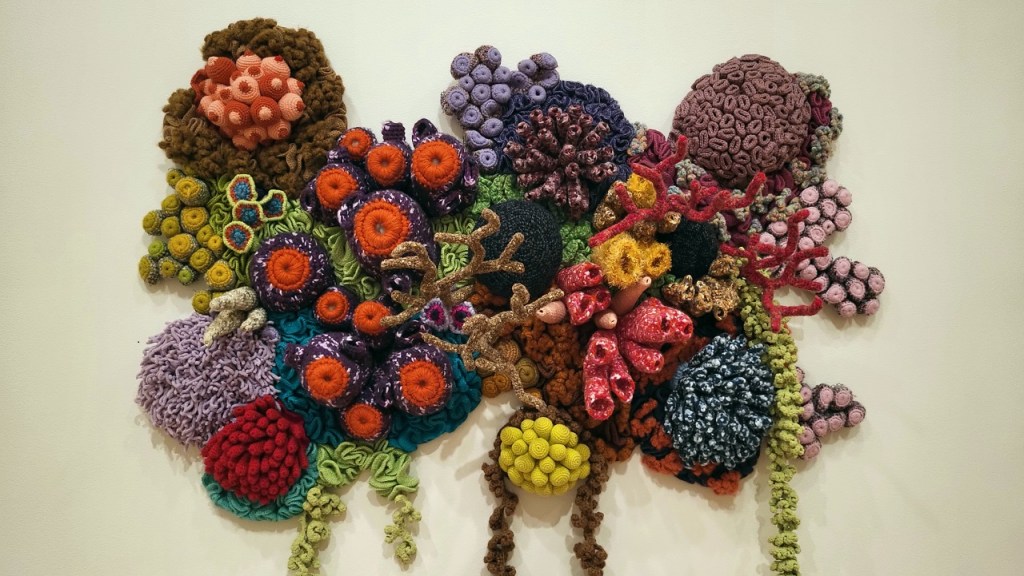
Acclaimed Indonesian fiber artist Mulyana hand knits and crochets intricate sculptures using repurposed fibers from textile factories and plastic bages from the food delivery industry.
[This was Ruthie’s class about which, “I know nothing.”]
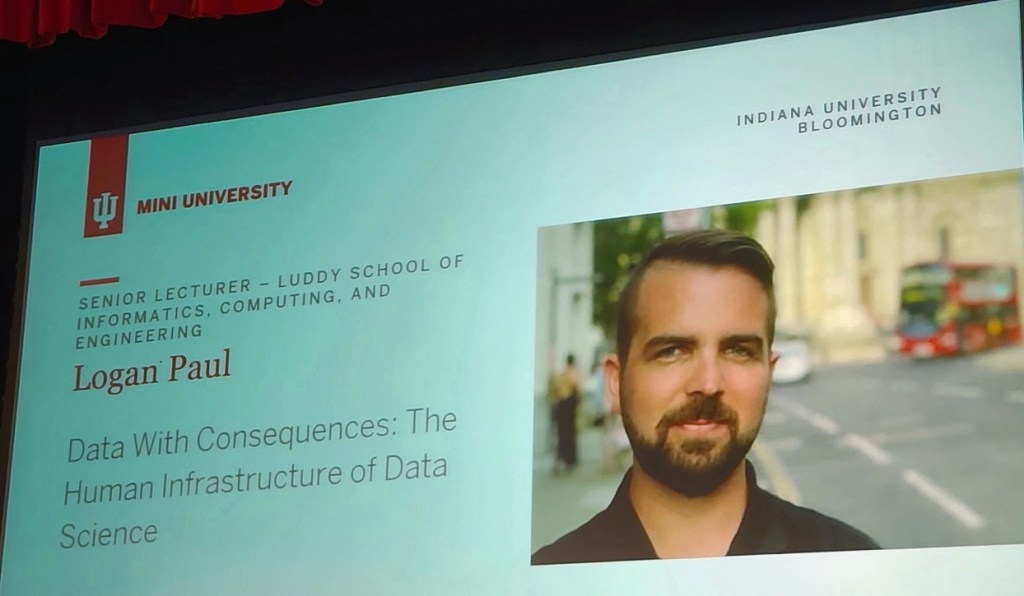
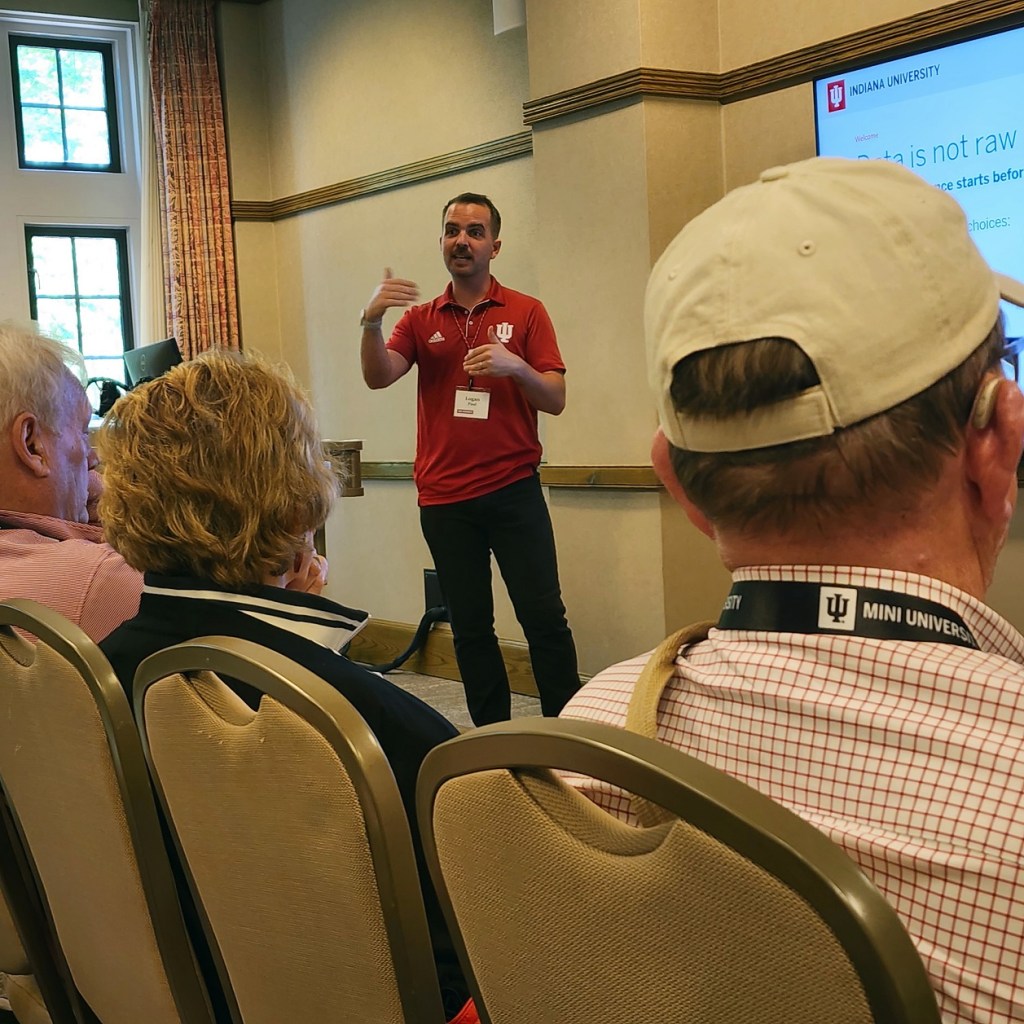
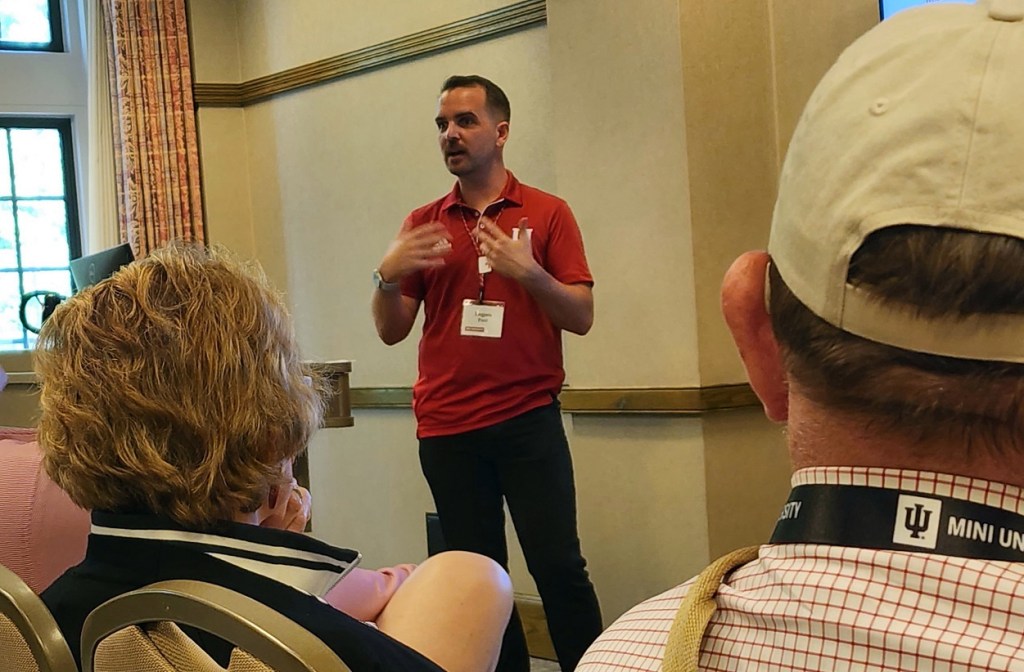
Logan teaches Luddy’s large introductory course, courses covering project management and databases, and the informatics capstone course. In addition to teaching, Logan administers the department’s internship for credit opportunities and is engaged in pedagogical research with collaborators around the campus funded by the Association of American Universities. He has been with the Luddy School since 2016 (luddy.iu.edu).
[Worked without notes . . . and without a net!]
There were 5 exabytes of information created between the dawn of civilization through 2003, but that much information is now created every two days. ~ Eric Schmidt, Executive Chairman at Google
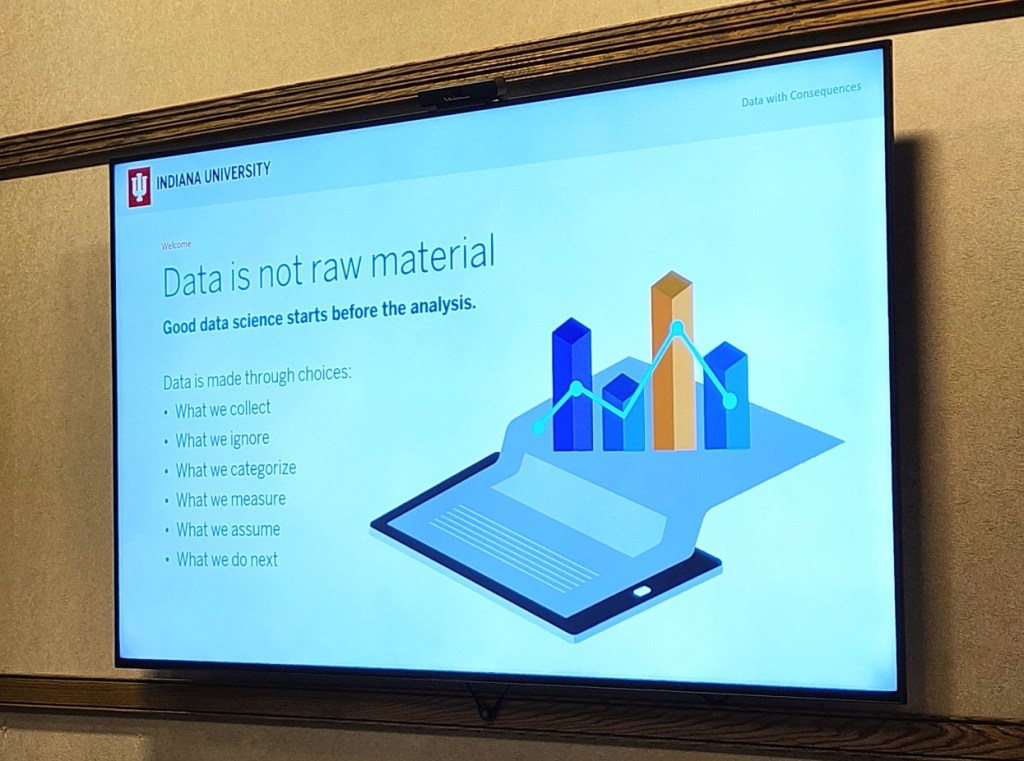
Data is like garbage. You better know what you are going to do with it before you collect it. ~ Mark Twain
Information is the oil of the 21st century, and analytics is the combustion engine. ~ Peter Sondergaard
Art is what you can get away with. ~ Andy Warhol
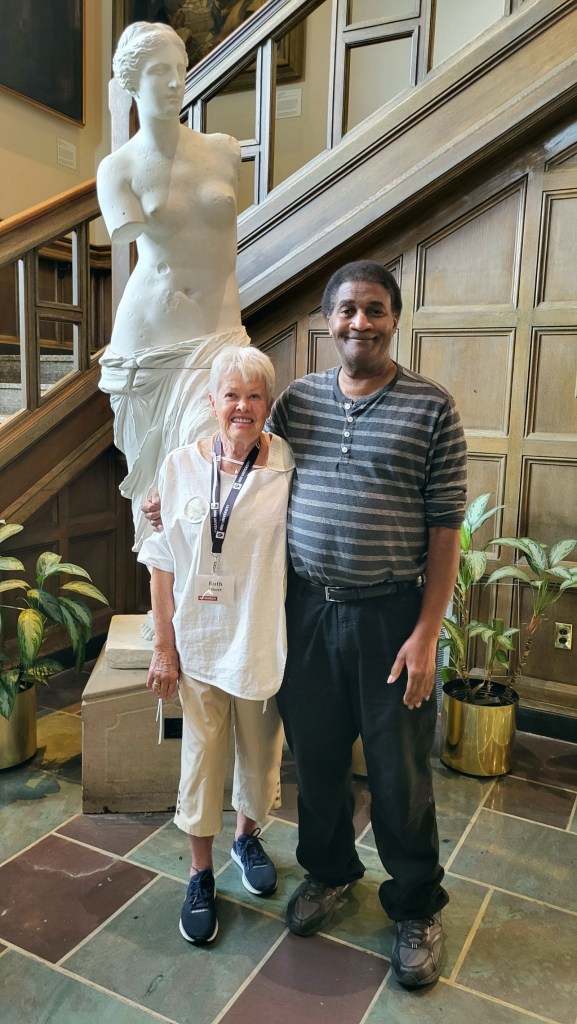
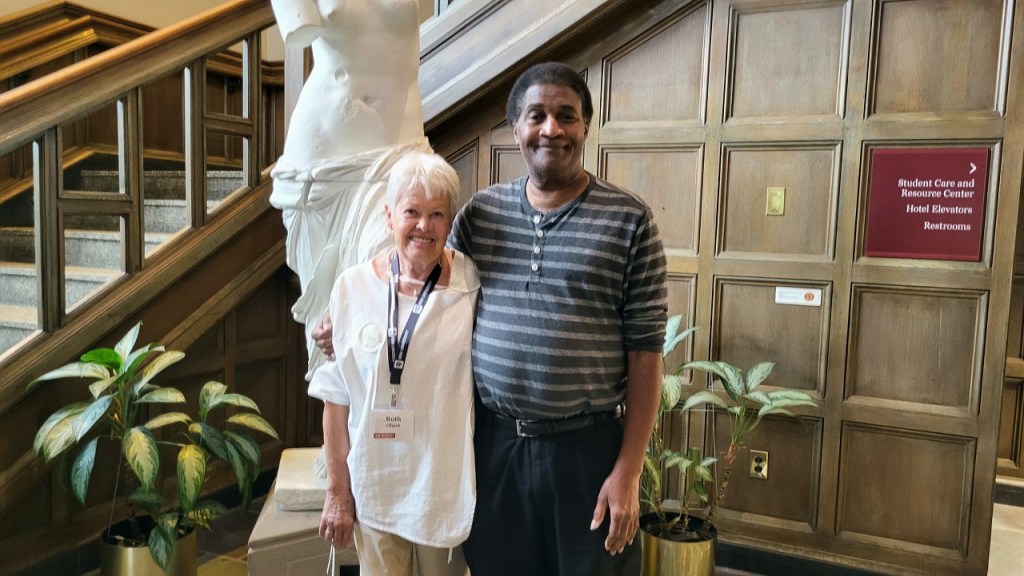
[Ruthie with Joel Washington, her new best friend again . . . ]
I don’t know anything about art, but I know what I like. ~ Elvis Presley
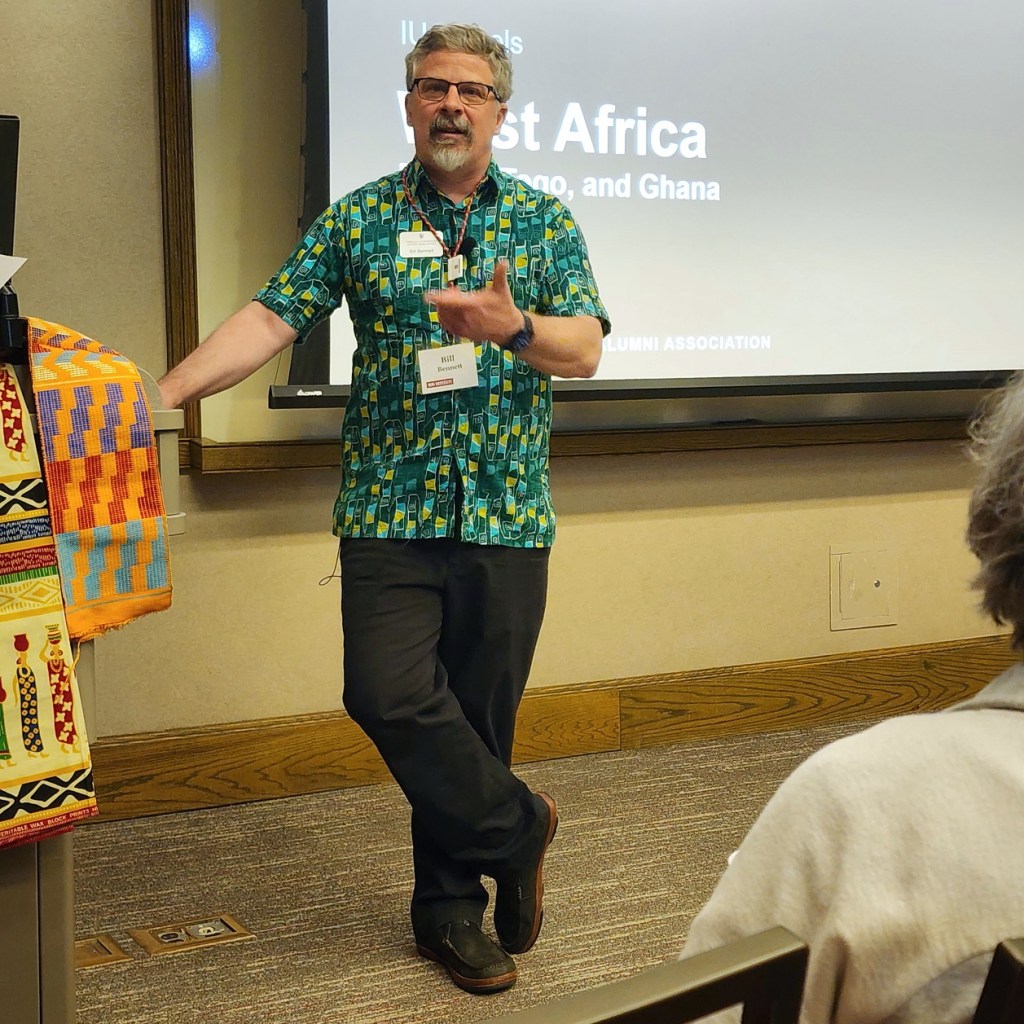
Bill Bennett, director of IU Alumni Association Alumni Travel, will speak about his “Journey to Antarctica: The White Continent.” With more than 21 years of experience in travel planning, Bill has led groups through more than 60 countries and 48 states, including trips to Cuba, the Galapagos Islands and the Arctic Circle (to see polar bears) (bloomington rotary club, january 7, 2024) (Not the former Secretary of Education.)
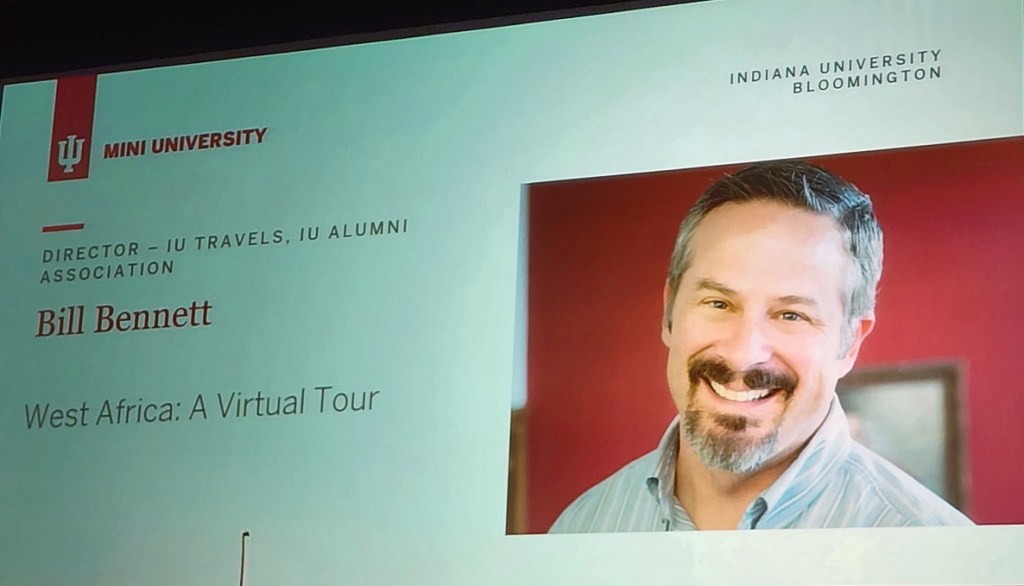
I wanna hang a map of the world in my house. Then I’m gonna put pins into all the locations that I’ve traveled to. But first, I’m gonna have to travel to the top two corners of the map so it won’t fall down. ~ Mitch Hedberg
What’s the capital of Burkino Faso? A: Ouagadougou. An icebreaking question for any occasion . . .
[He had some lovely slides of Benin, Togo, and Ghana, three countries along the southern border of Burkina Faso . . .]
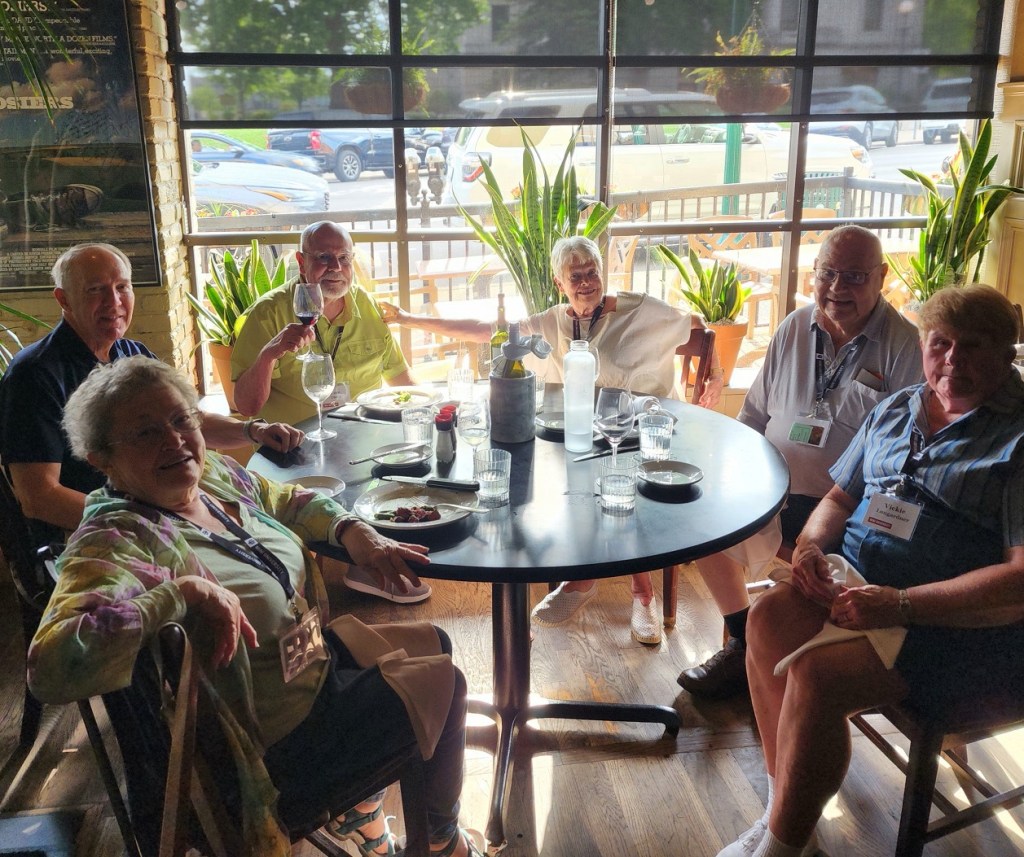
Taste of Mini U: Dinner on the Town
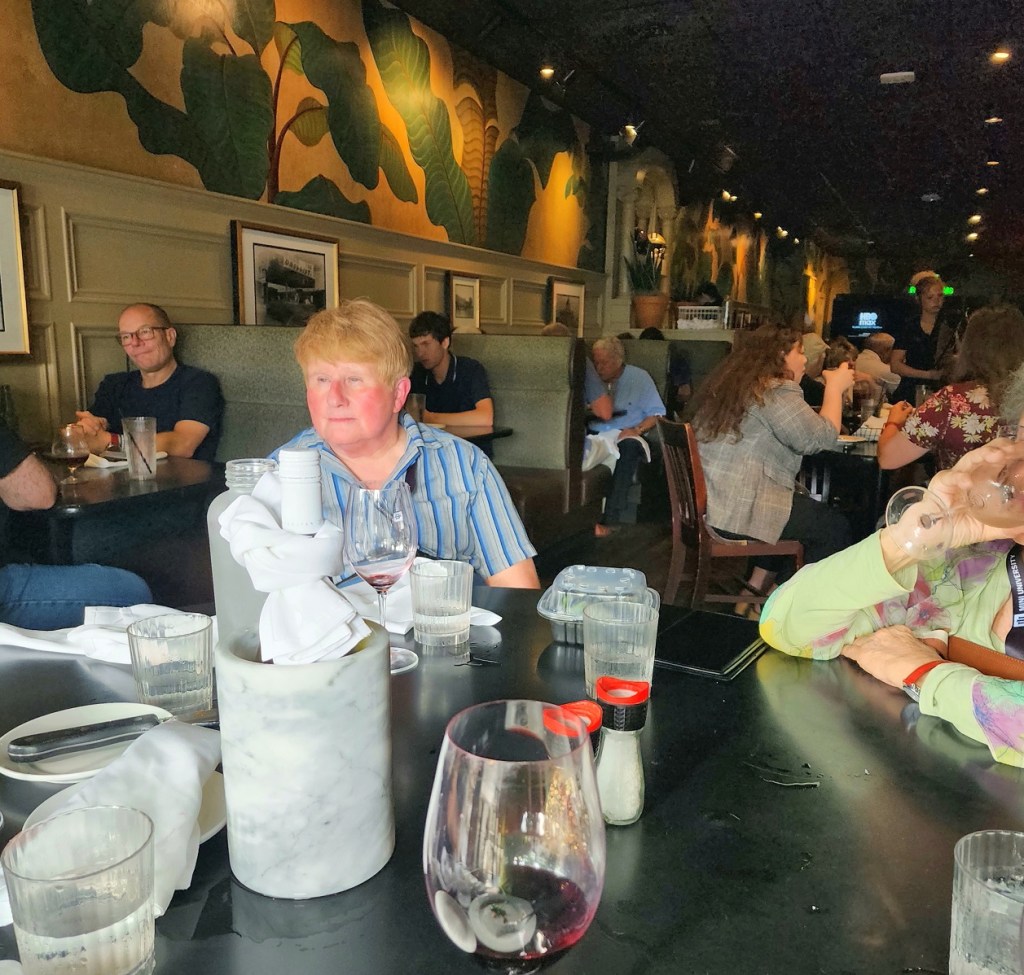
Malibu Grill is one of Bloomington’s most popular downtown restaurants. The innovative menu features hand cut steaks, fresh seafood, unique pastas, wood fired pizzas, great burgers, amazing appetizers and an unparalleled selection of drinks. Voted B-town’s best restaurant multiple times, Malibu Grill is the perfect choice for a unique dining experience in the heart of downtown. The bar features a wide variety of memorable martinis, local draught beer and an extensive wine list. (tripadvisor.com/restaurant).
[A bus drove us around downtown, dropped us at restaurants of our choices, then picked us up later on a continuous loop. This place received excellent reviews from all of us . . . ]

I went to a fancy French restaurant called Deja Vu. The headwaiter said, ‘Don’t I know you?’ ~ Rod Schmidt
[The usual gang, fond of food and beverage . . . ]
The murals in restaurants are on par with the food in museums. ~ Peter De Vries
[This is Rita . . . ]
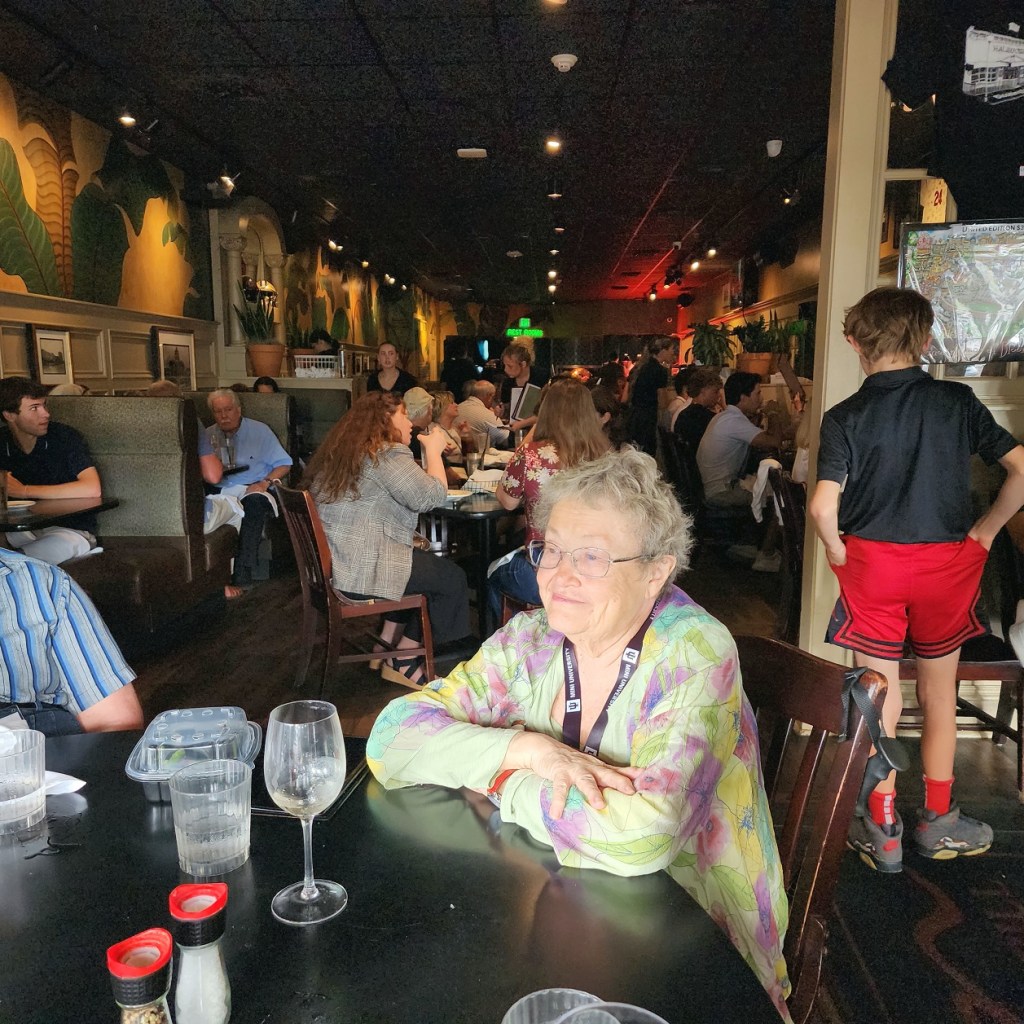
In a restaurant, choose a table near a waiter. ~ Jewish Proverb
[This is Vicki, a regular to this event and Camp Brosius with her husband, Scott. Natives of Fort Wayne . . . ]
June 10
. . . as we mark the 250th anniversary of the United Srates, let’s remember that the founders were quite clear about the vital importance of this being a deliberately secular nation. They even wrote it down – and more than once. ~ John Fugelsang
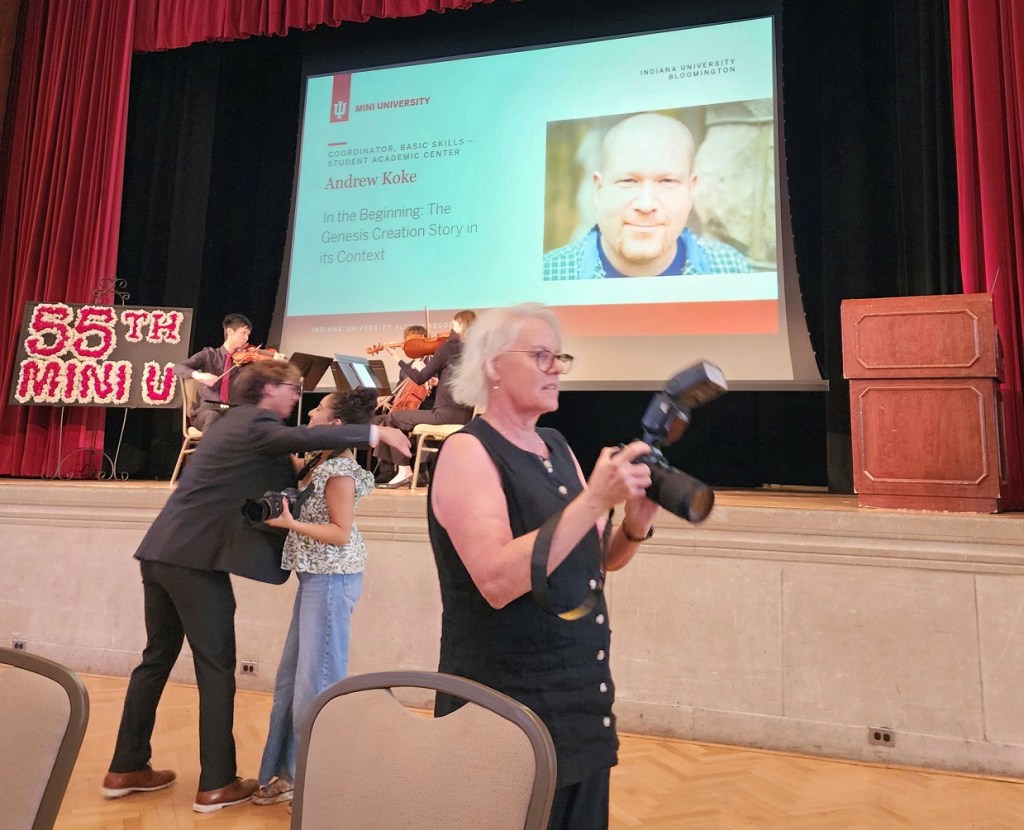
Dr. Andrew (Drew) Koke is a faculty member and academic coordinator at Indiana University Bloomington (IUB). He specializes in student success, academic coaching, and teaching. He holds a Ph.D. in History from Indiana University, focusing his historical research on colonial America, British imperial religious history, and theology. At IU’s Student Academic Center, Dr. Koke plays a major role in helping students improve their learning skills and academic performance (AI Overview).
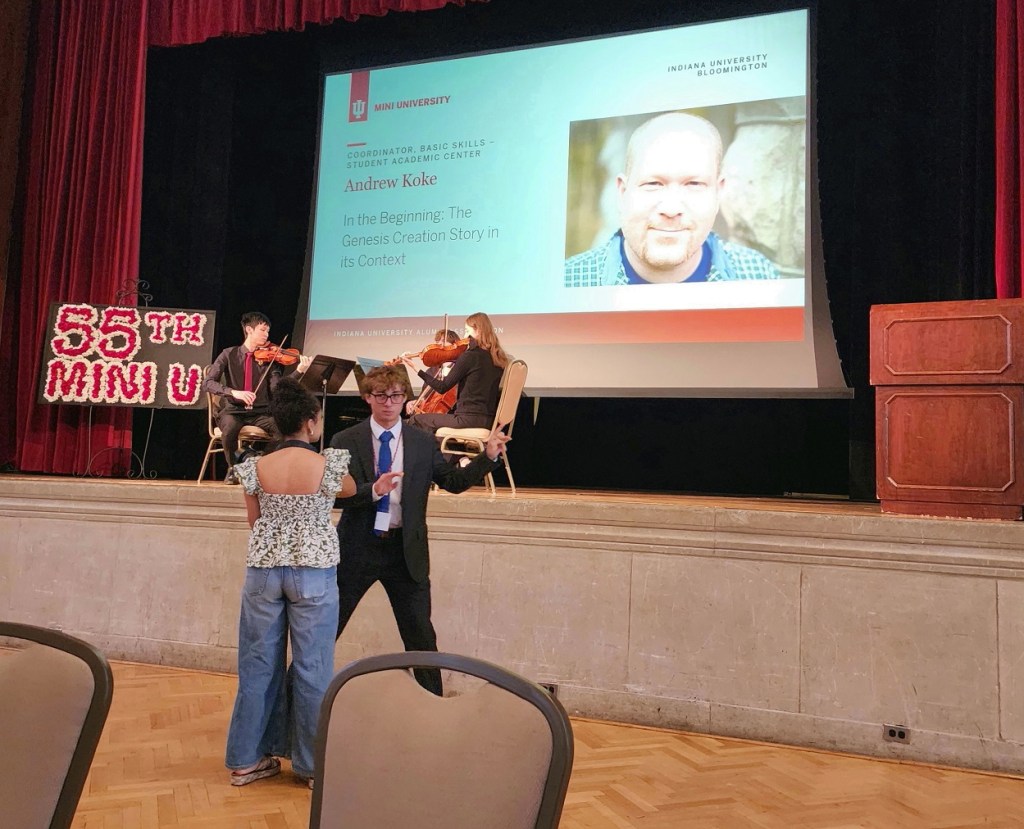
America is not, has never been, and was ne..ver intended to be a Christian nation. ~ John Fugelsang
[Koke is a superstar . . . ]
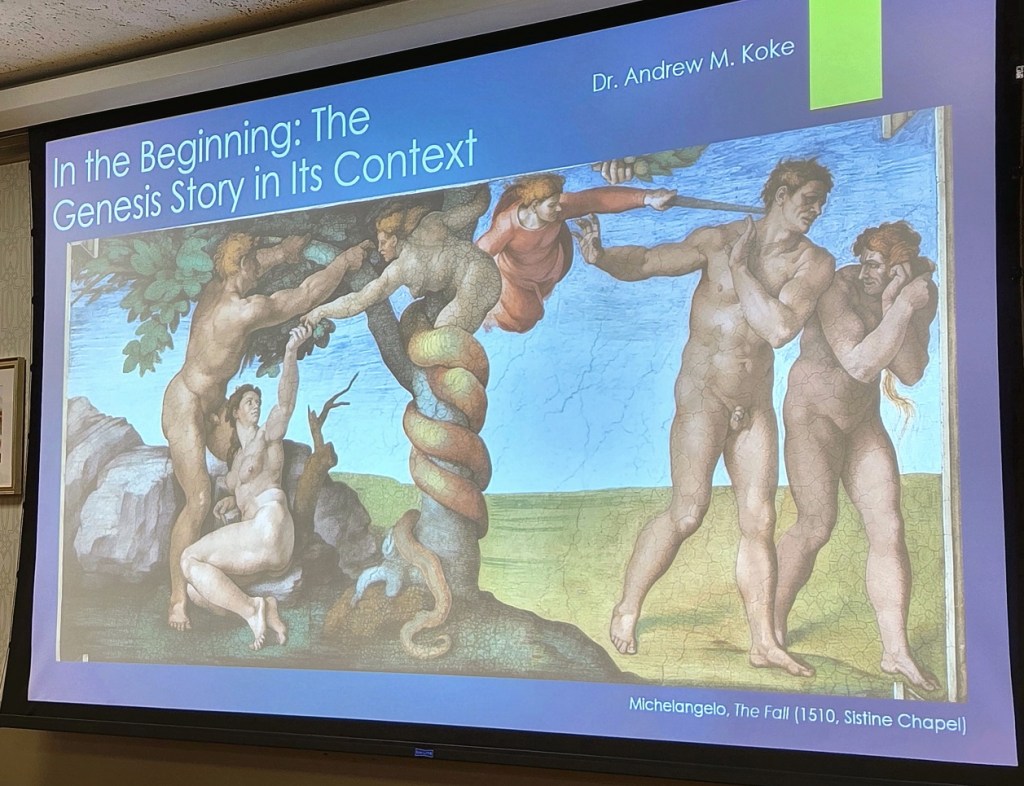
But the truth is that America is something far more ambitious, and far more fragile: a secular republic where every belief is protected, because none is imposed. ~ John Fugelsang
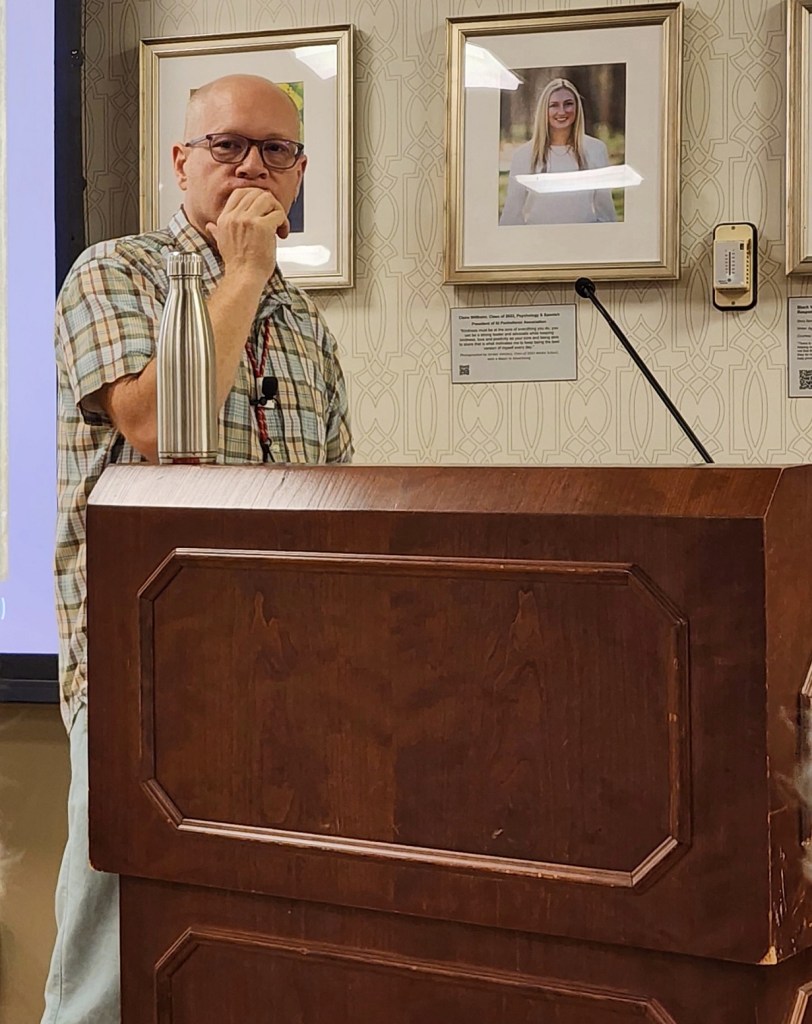
. . . the founders got one very simple and moral concept just right: a system under which the government can’t dictate how you can or cannot pray, or whether you should pray at all. ~ John Fugelsang
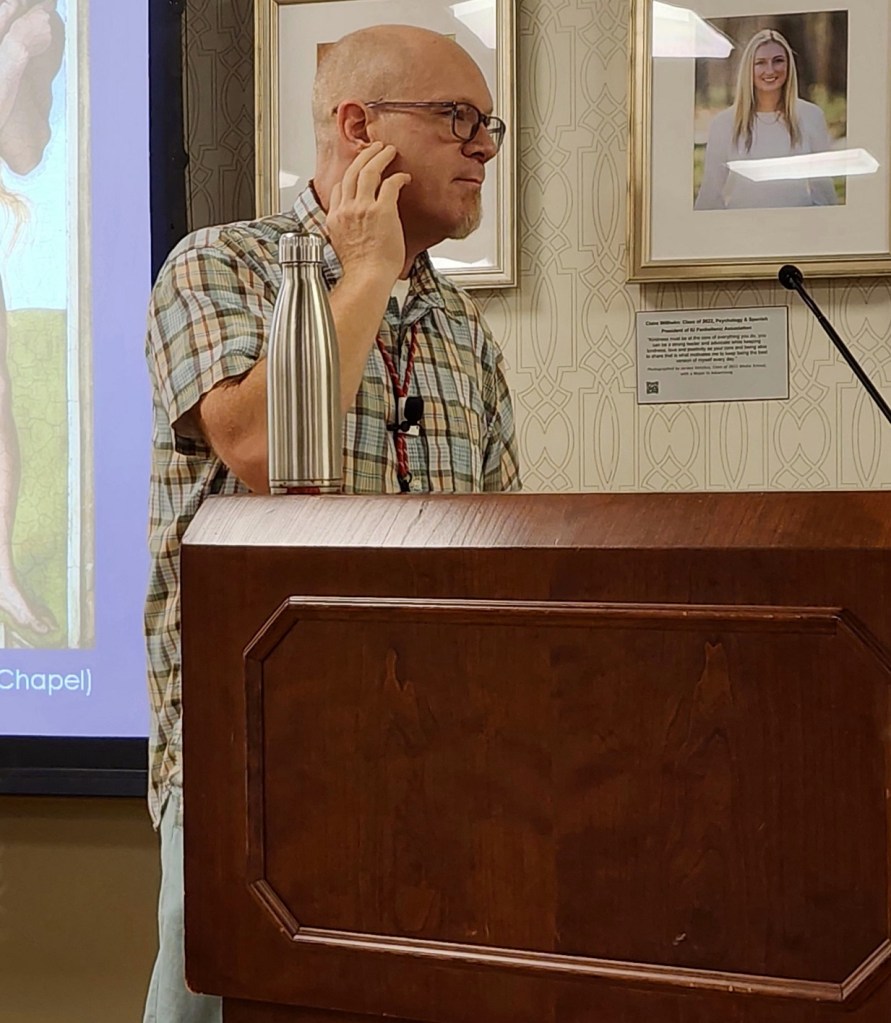
Louisiana recently became the first state to pass a law requiring the Ten Commandments to be displayed in every public-school classroom, so 7-year-olds will know not to covet their neighbors’ wives. ~ John Fugelsang
Part 2 will make its debut when chronologically appropriate. Thank you for your attention to this matter.

