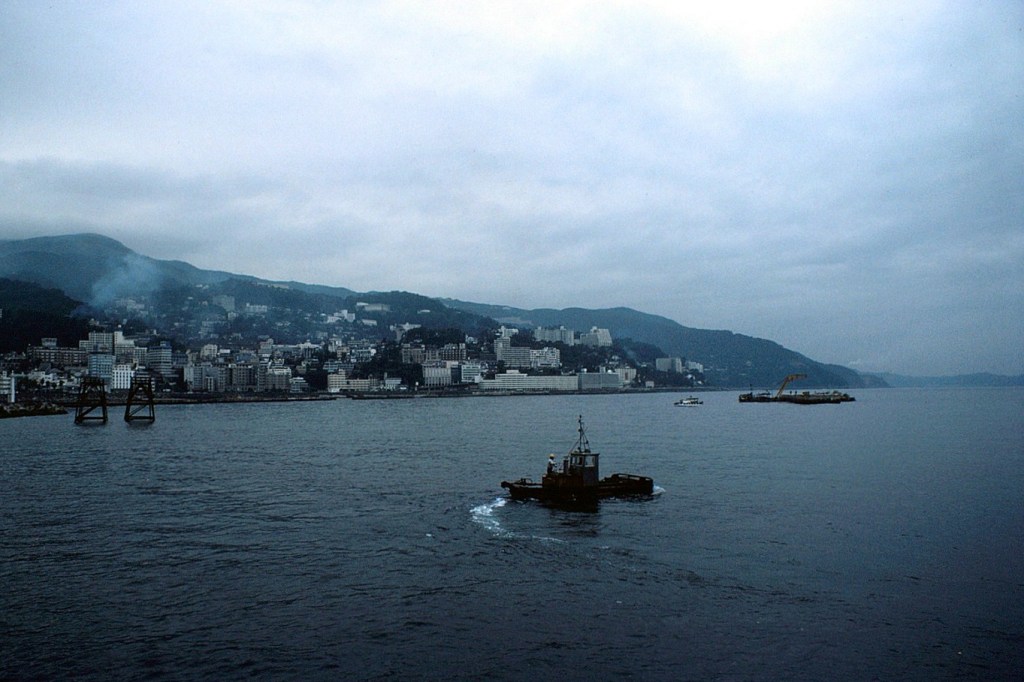
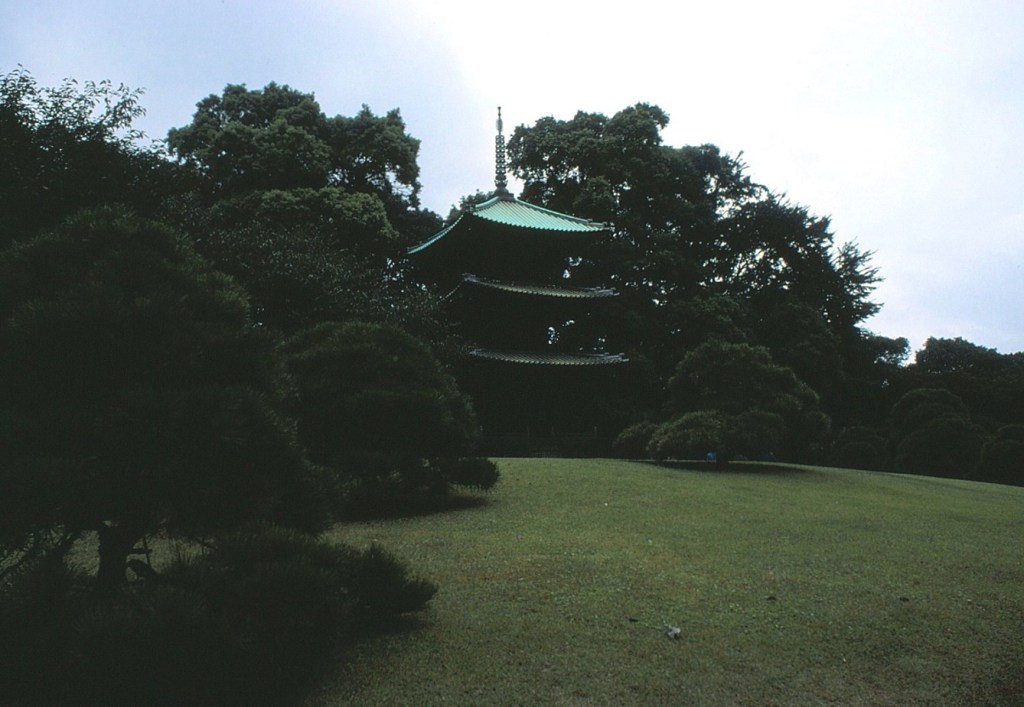
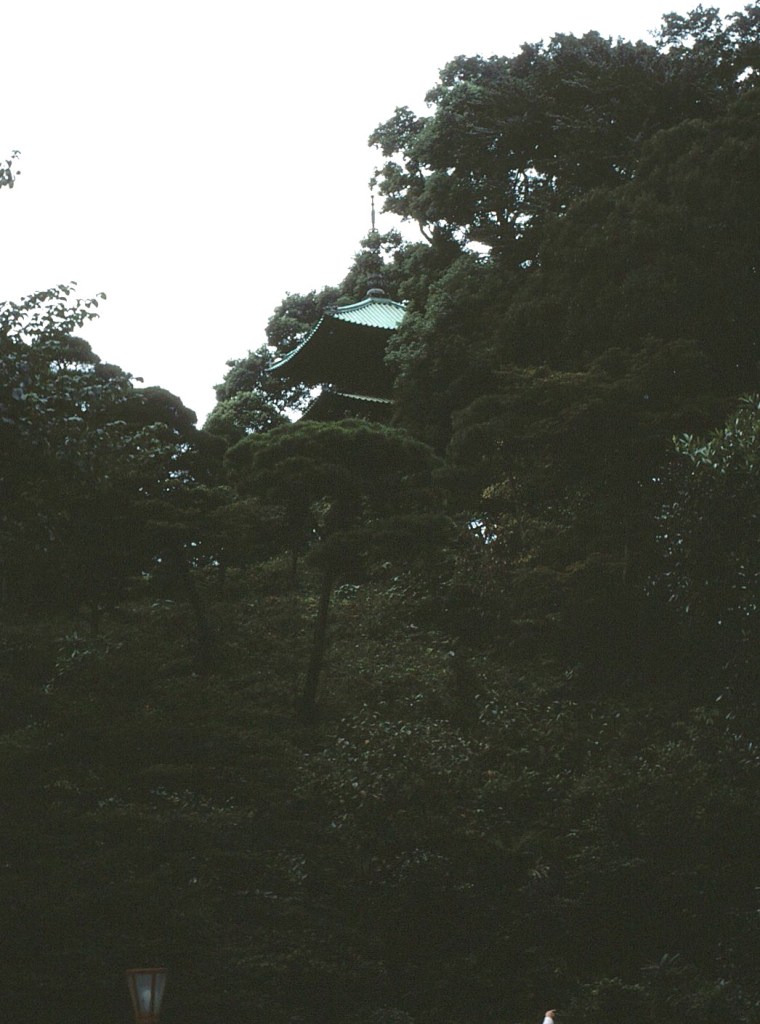
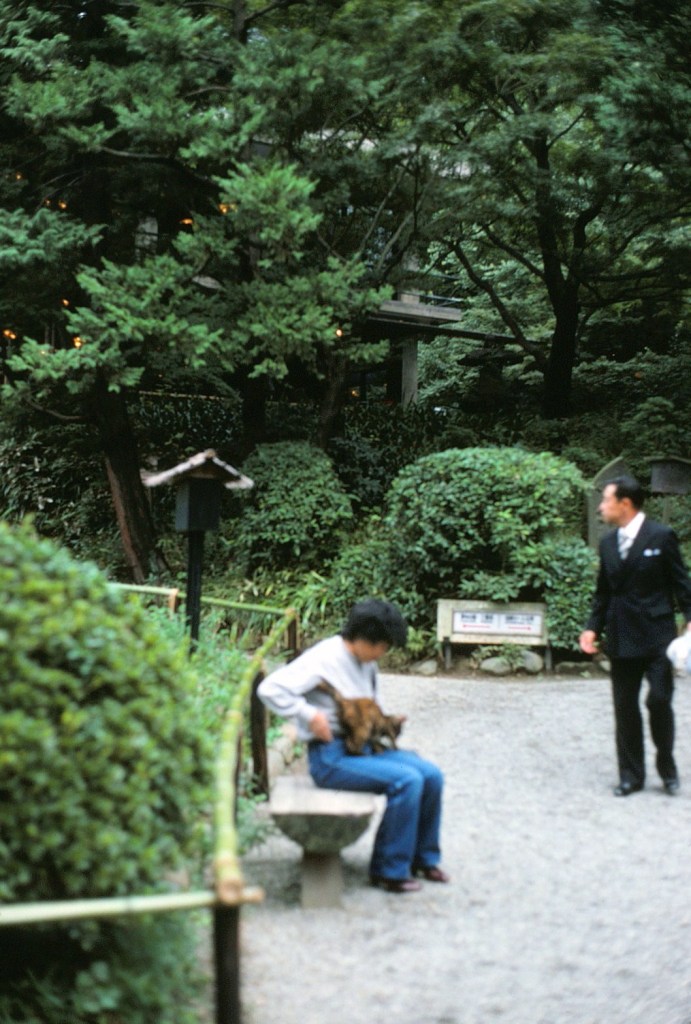
Japan 1983 (Part 6)

October 17

Due to the lack of experienced trumpeters, the end of the world has been postponed for three weeks. ~ Unknown

Picking up where we left off in Shuzenji, “located in an inland region of Izu Peninsula and noted for its numerous onsen hot spring resorts. The area is also noted for its production of wasabi and shiitake” (Wikipedia).

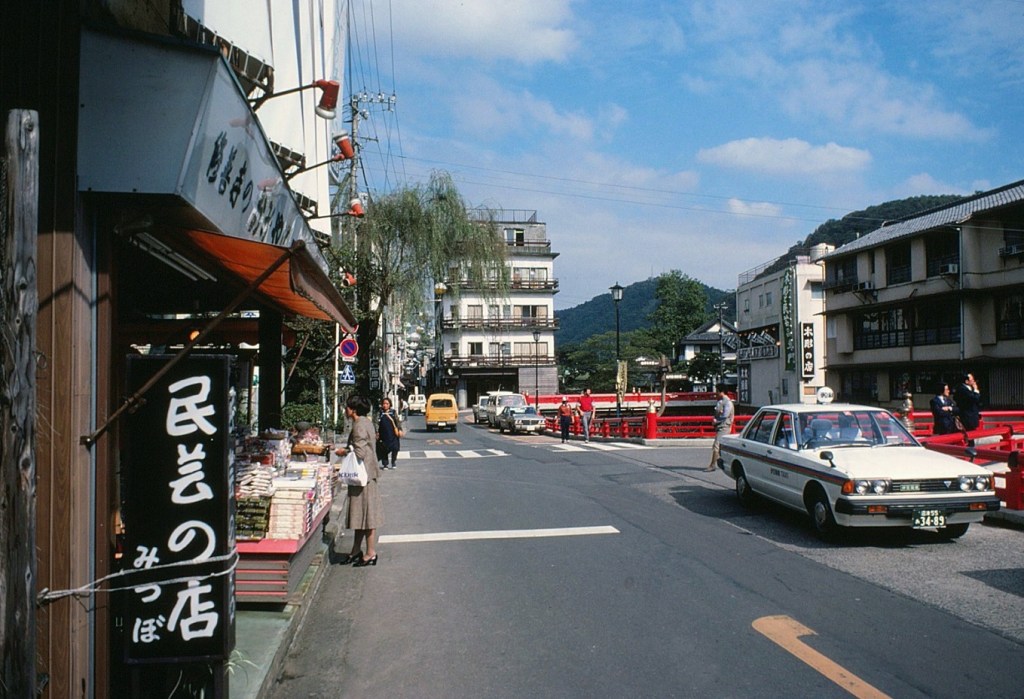
[There are five red bridges crossing the Katsura River, which runs through the center of Shuzenji Onsen. If you cross all five bridges while making a wish for love, it is said to come true (ana.co.jp). I didn’t know about that wish at the time . . . ]
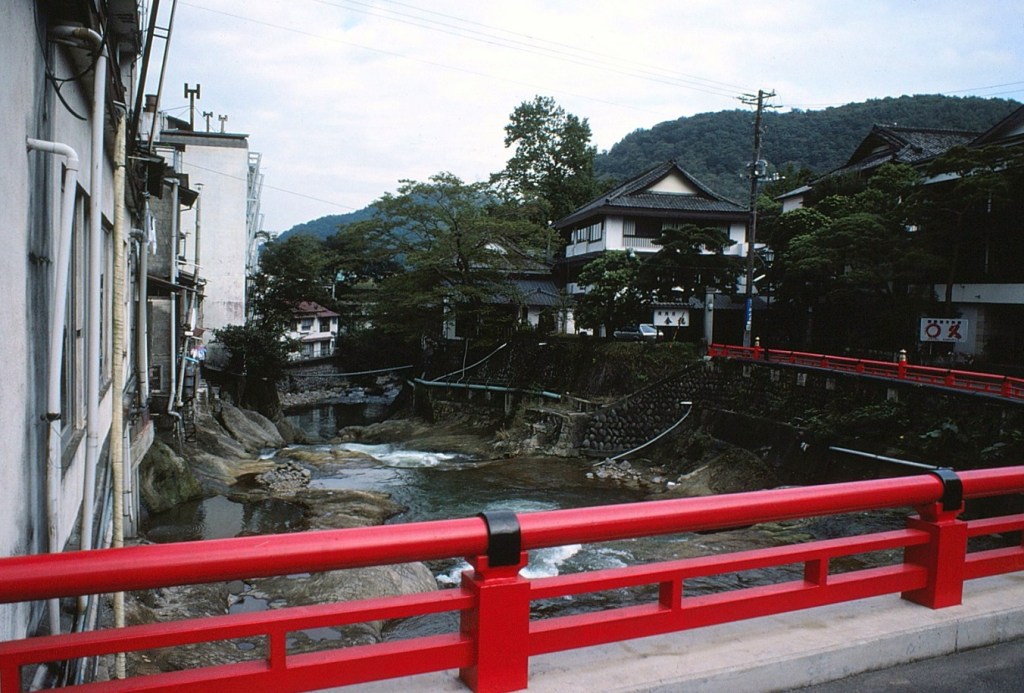
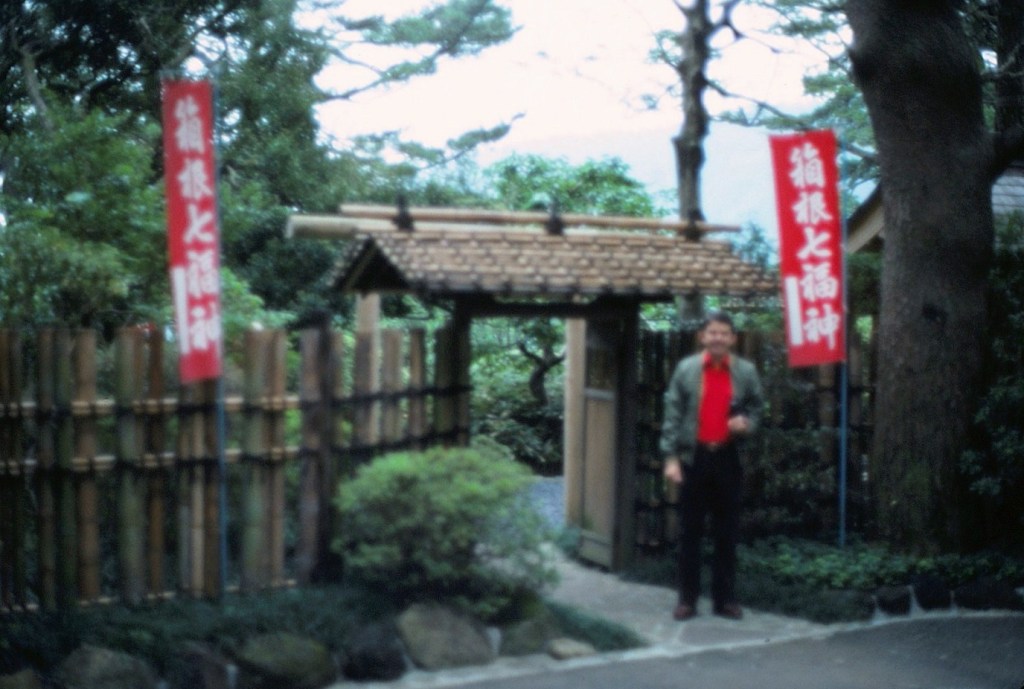
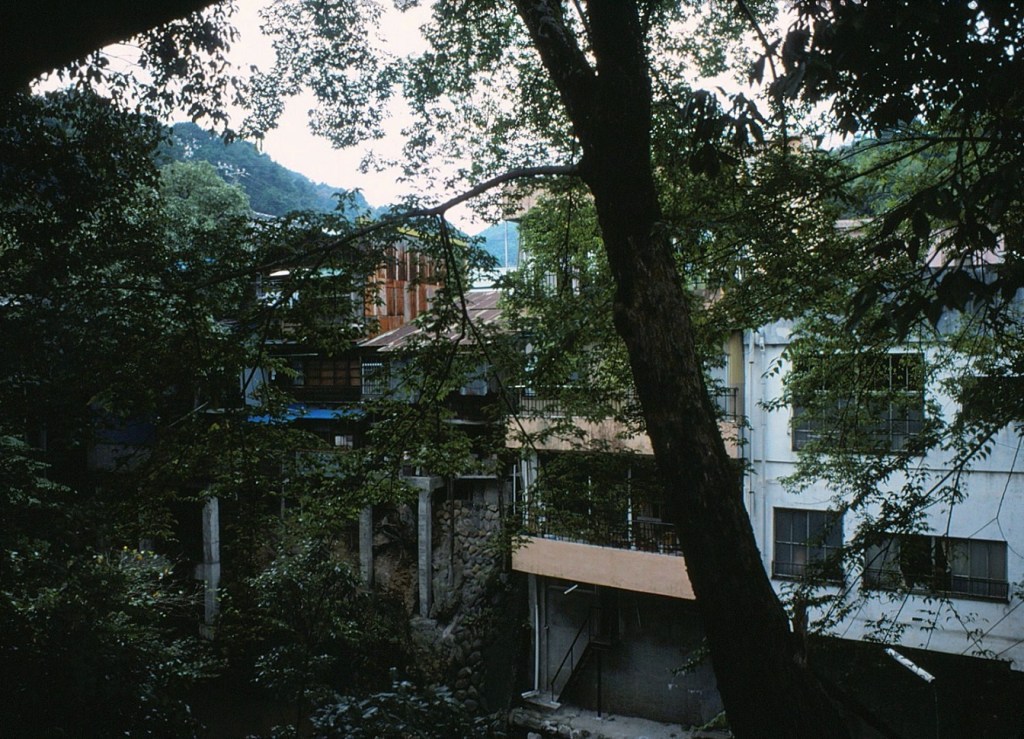
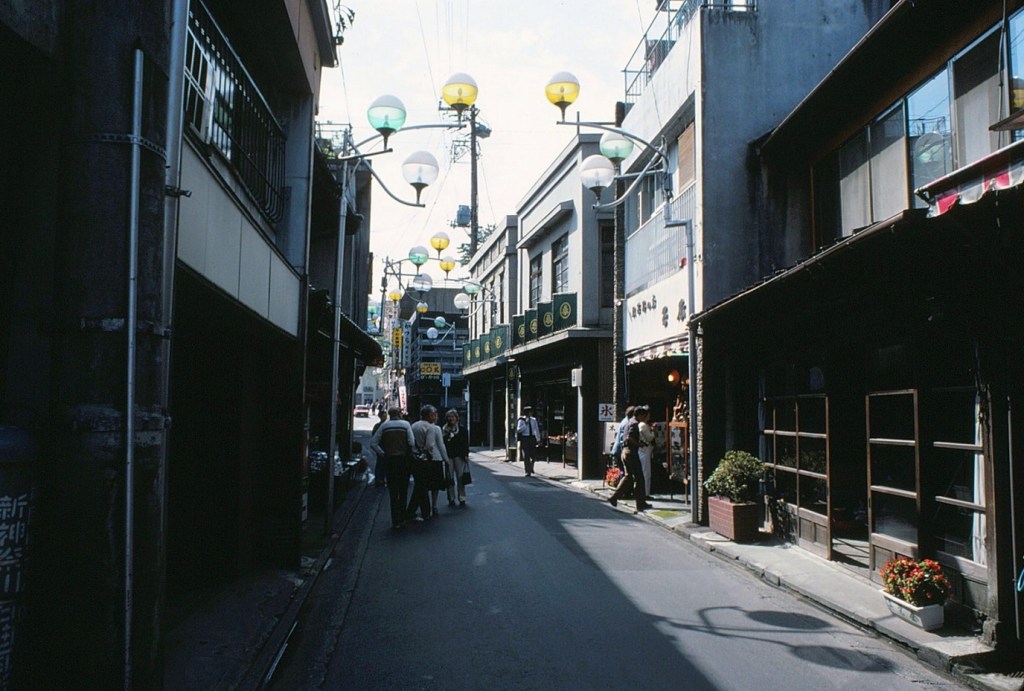
[Toku leads a walk through the downtown area. I believe that is the entry to our ryokan . . . ]

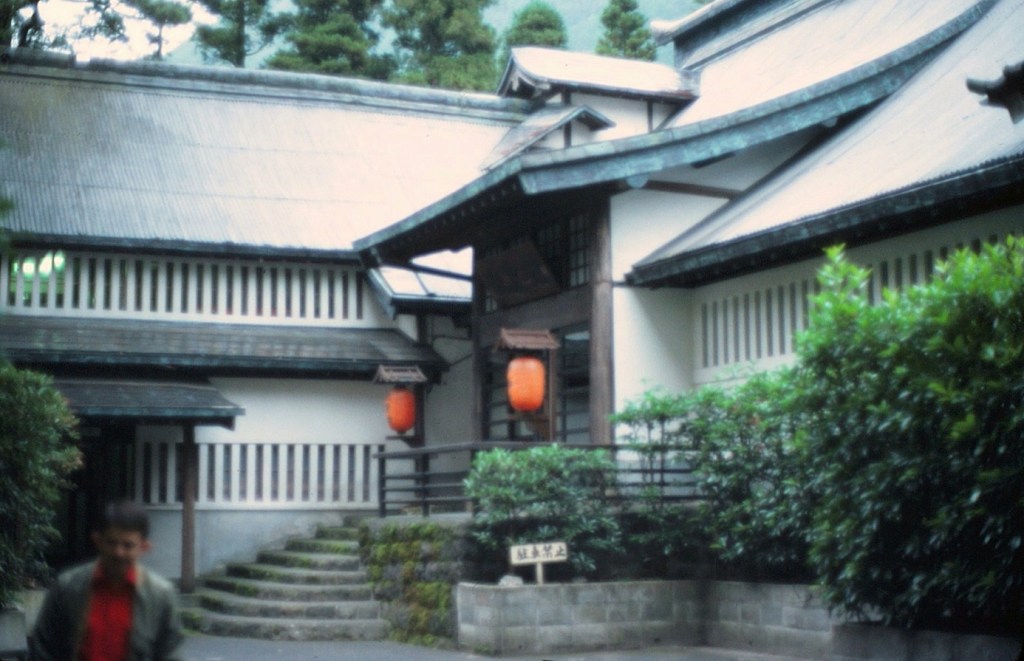
[And from the entry, you cross over the river in an enclosed bridge to the guest rooms . . . ]

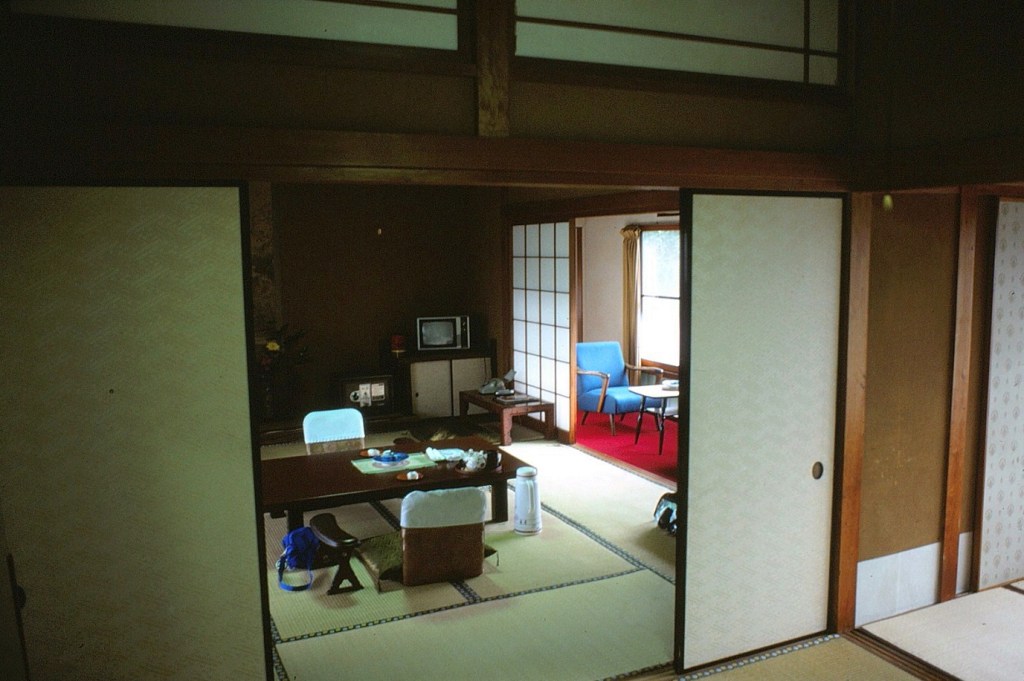
[And here’s ours. Classic Japan with the rice paper walls and tatami mat floors . . . ]

[The sit on the floor tables, with full size chairs on the “porch” for tourists. The room likely looks exactly the same today . . . except for the TV!]
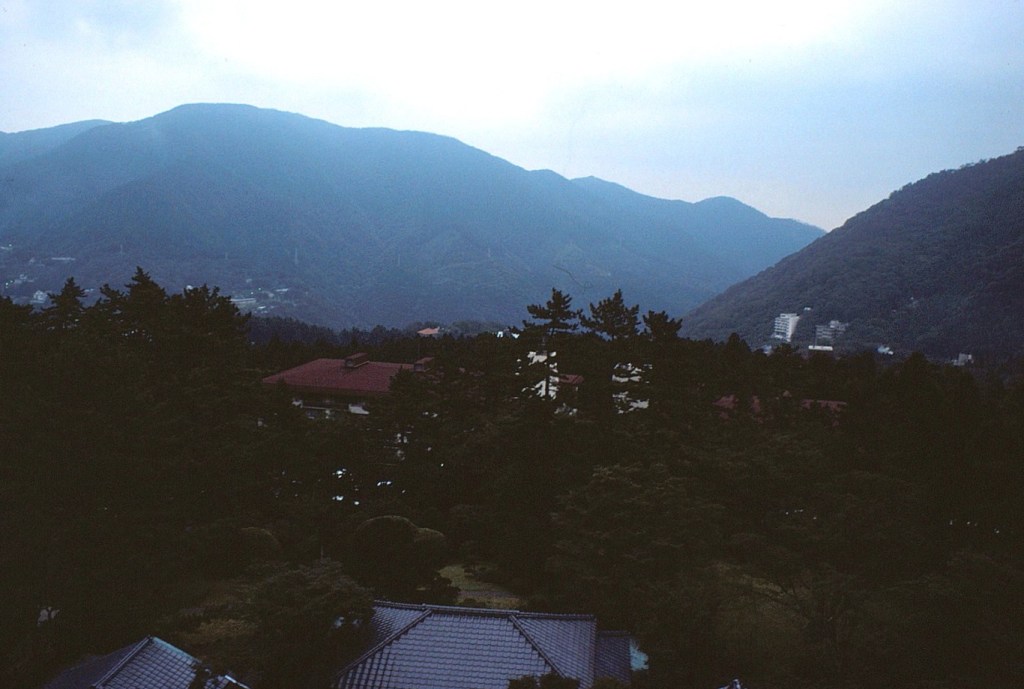
[Looking out our bedroom window . . . ]
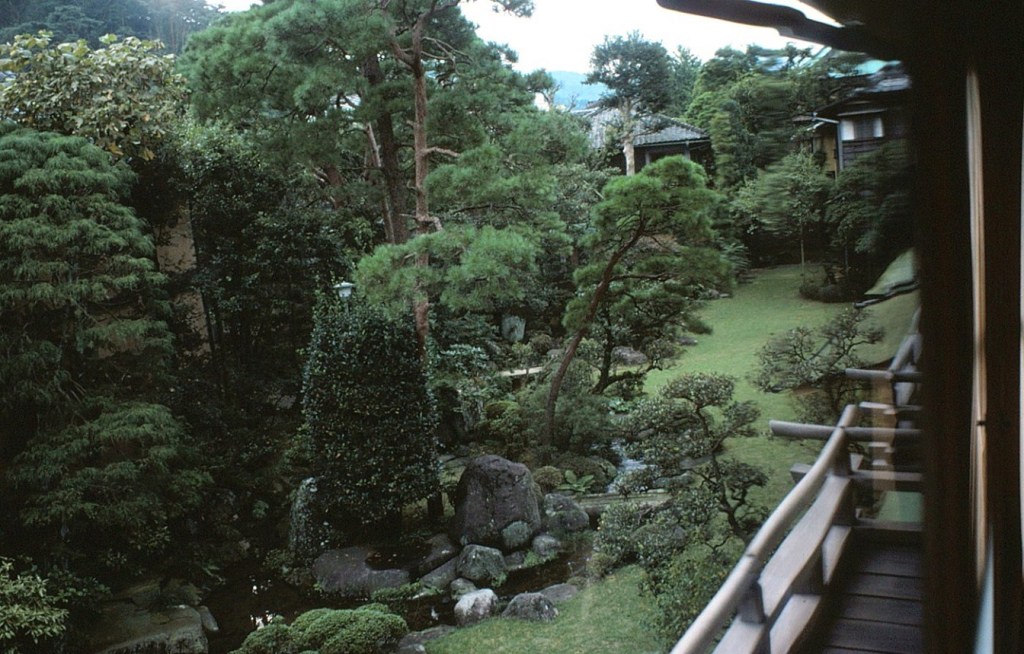
[I still have vivid memories of this because it was so cool. The enclosed bridge back to the office and main entryway . . . ]
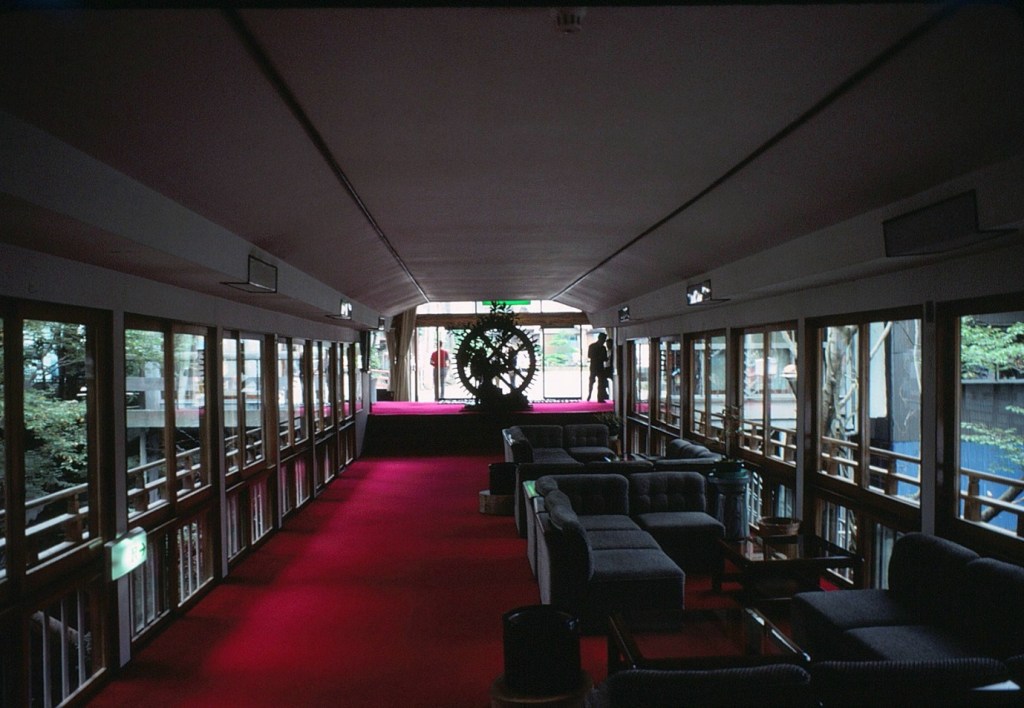
[And the view from that side . . . ]
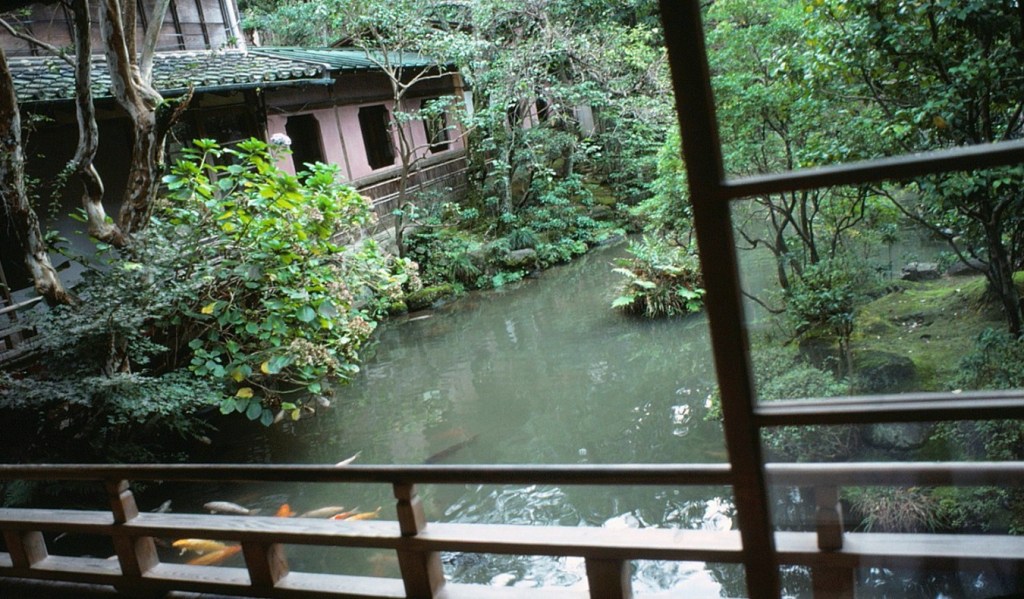
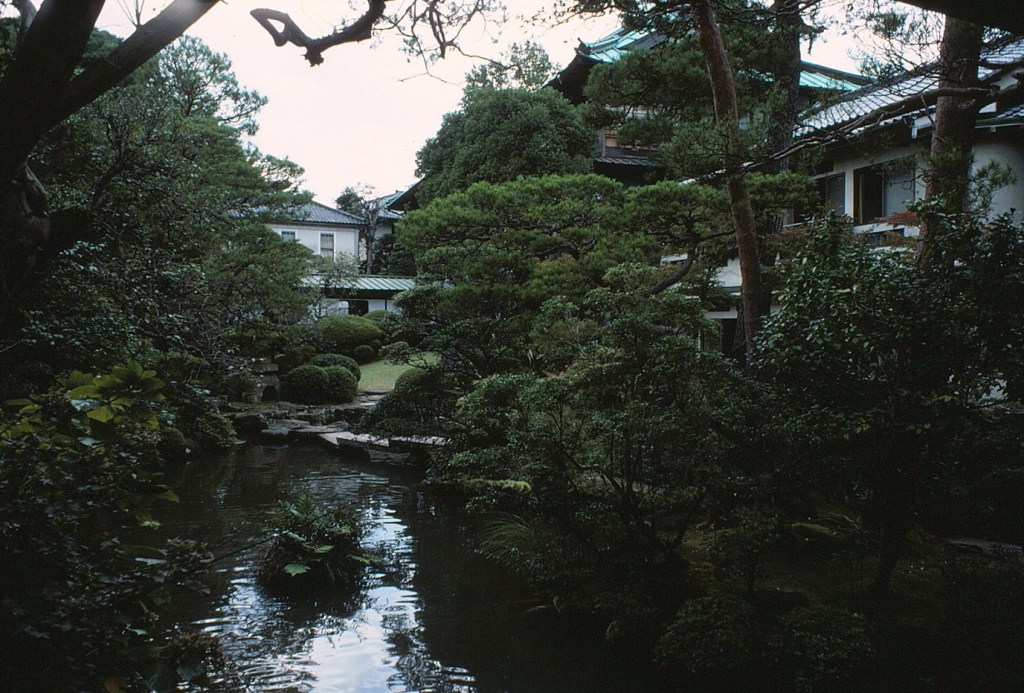
[Beautiful example of Japanese shakkei, the principle of incorporating background landscape into the composition of a garden . . . ]
Design is a vital component to the enrichment of our everyday lives. Japan has a very rich history and culture of design, and I feel it is a very important dialogue to open and keep evolving. ~ Issey Miyake
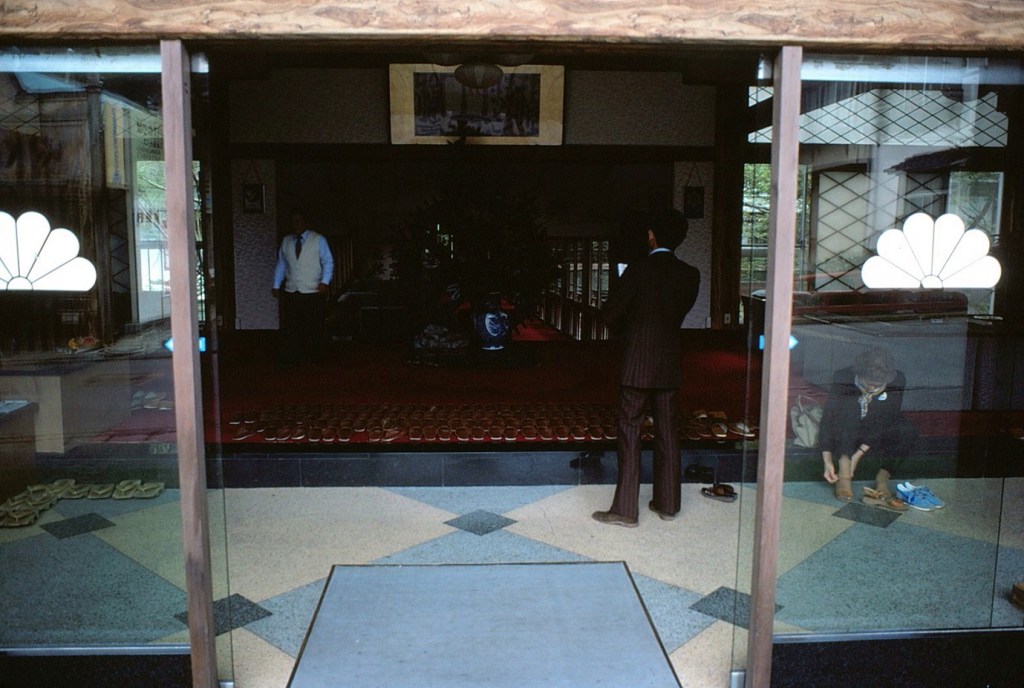
[The office, with our guide in his ever present brown suit, where one drops off one’s shoes in favor of slippers. A Japanese tradition nonpareil (I seldom wear shoes in the house) . . . ]
It seems the best approach for any venture is a combo platter – Japan’s quality-consciousness paired with America’s willingness to experiment and (sometimes) fail. ~ Daniel H. Pink
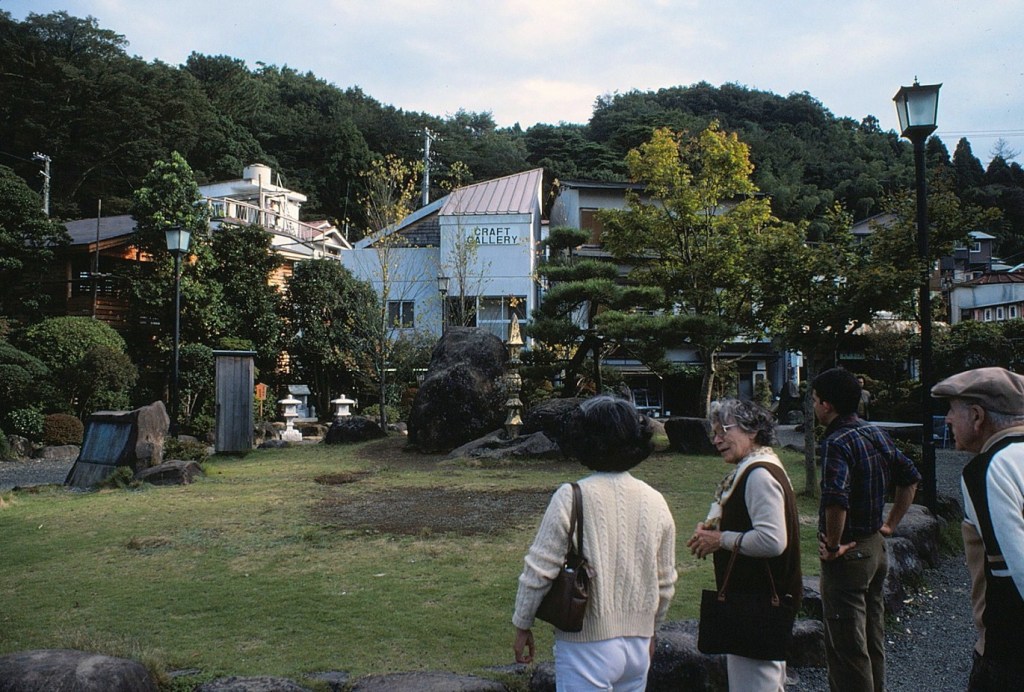
[With Toku and Roy in the foreground and Craft Gallery in the background. Craft Gallery? You think this place caters much to American tourists?]
[Daruma stone at the Shuzenji Temple. A Daruma doll is a hollow, round, Japanese traditional doll modeled after Bodhidharma, the founder of the Zen tradition of Buddhism. These dolls, though typically red and depicting a bearded man (Bodhidharma), vary greatly in color and design depending on region and artist. Though considered a toy by some, Daruma has a design that is rich in symbolism and is regarded more as a talisman of good luck to the Japanese. Daruma dolls are seen as a symbol of perseverance and good luck, making them a popular gift of encouragement. The doll has also been commercialized by many Buddhist temples to use alongside the setting of goals (Wikipedia).]
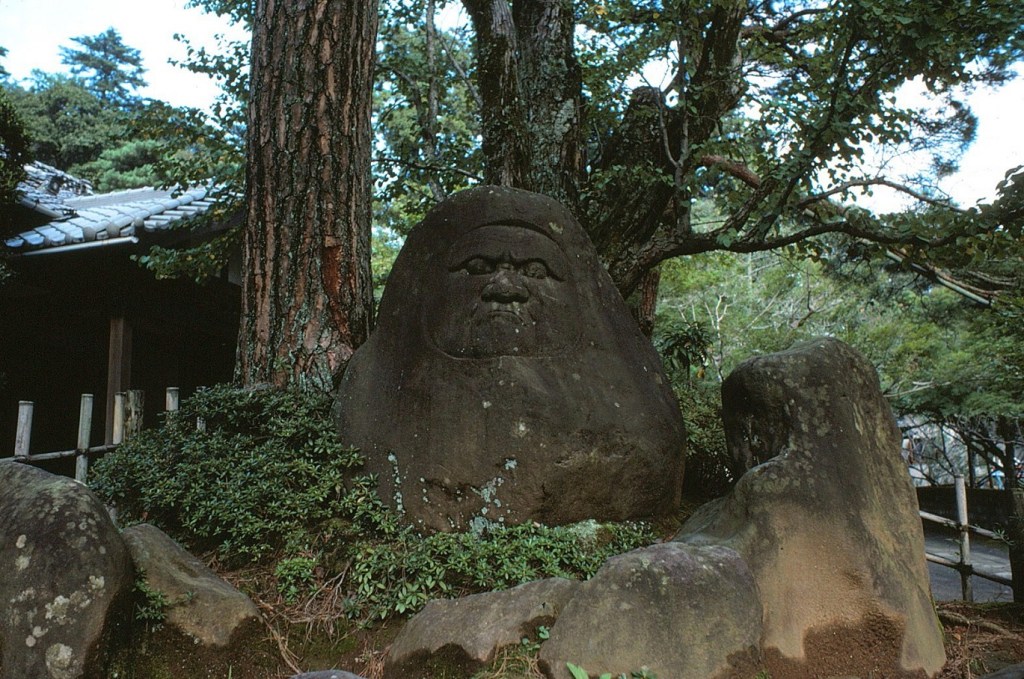
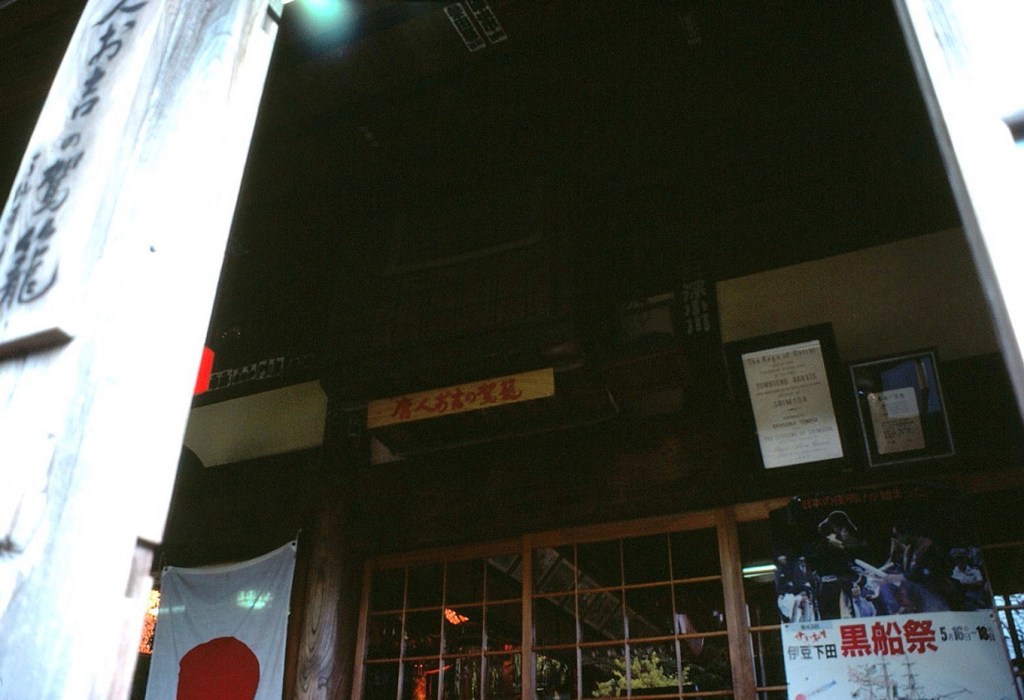
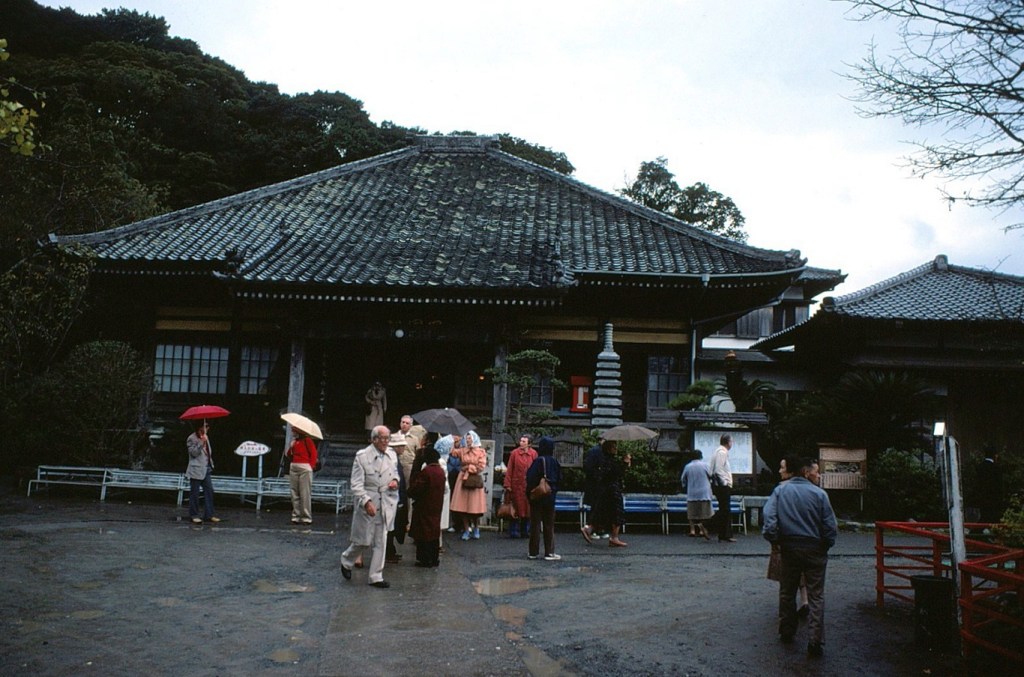
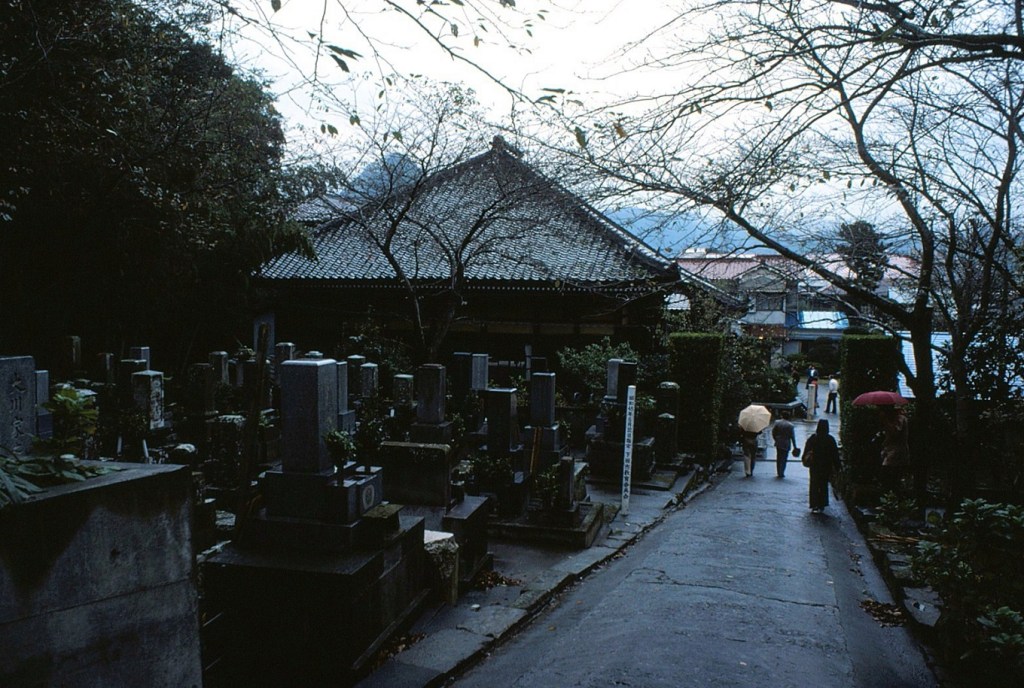
[At the temple . . . ]
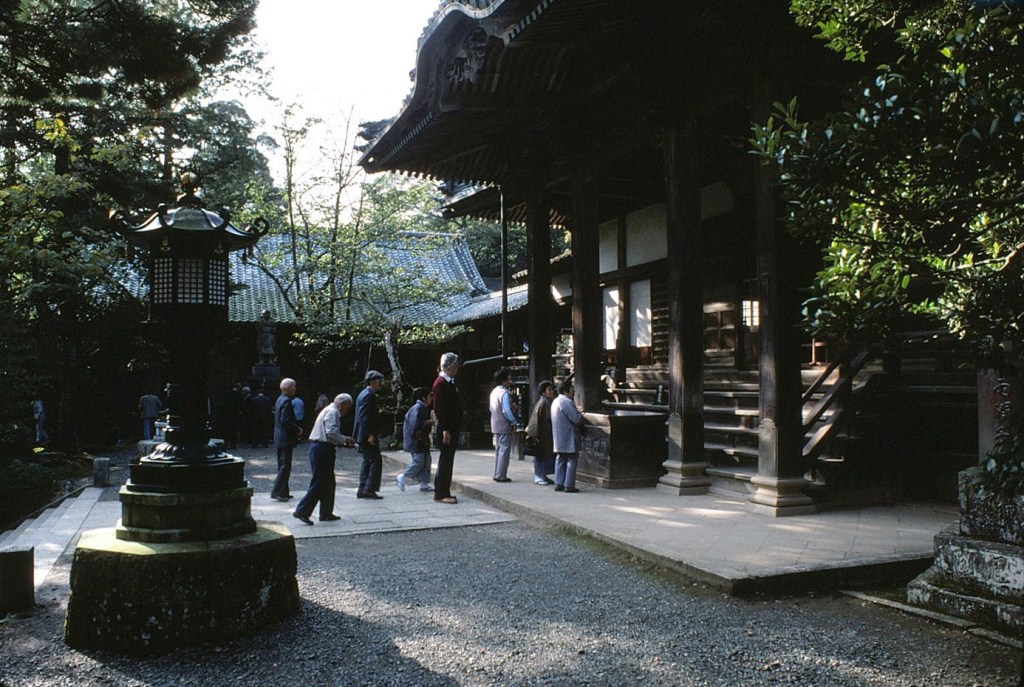
[Shuzenji Temple]

The rest of the world may devour Japanese hardware – from Honda Civics to Sony Walkmans – but Japanese software, such as books, movies and recordings, has had little impact outside Japan. The exception is video games. ~ David Scheff
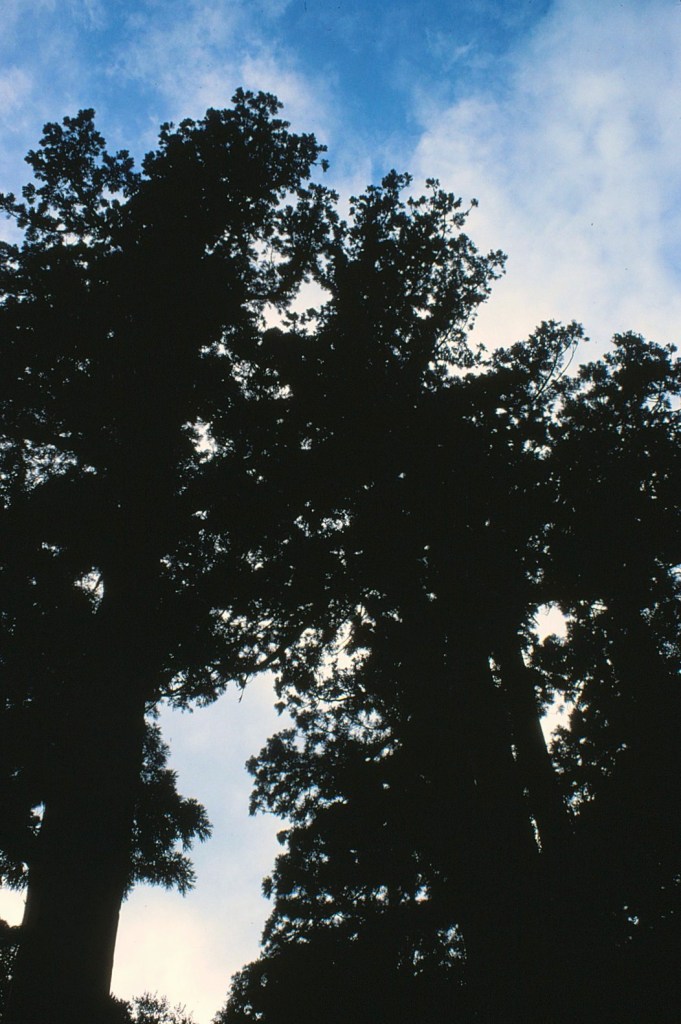
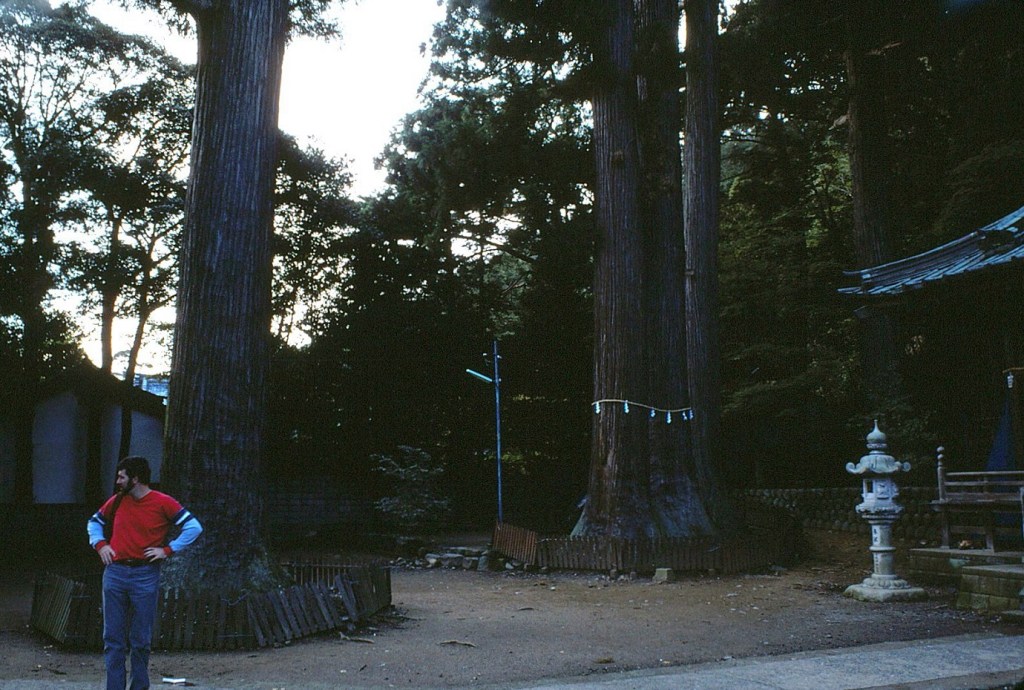
[With Randy providing perspective, a tall, evergreen coniferous tree, the Hinoki cypress hails from southern Japan. The soaring tree is often used for privacy screens because it’s so tall and dense. It is also a favorite for ornamental plantings, and dwarf forms of this tree are popular for bonsai. Hinoki cypress trees feature globose cones that are 8 to 12 millimeters in diameter. Although dwarf cultivars exist that are just a couple of feet tall, Hinoki cypress trees can grow to be as tall as 130 feet in its native areas (thespruce.com).]
[Stairway to town . . . ]
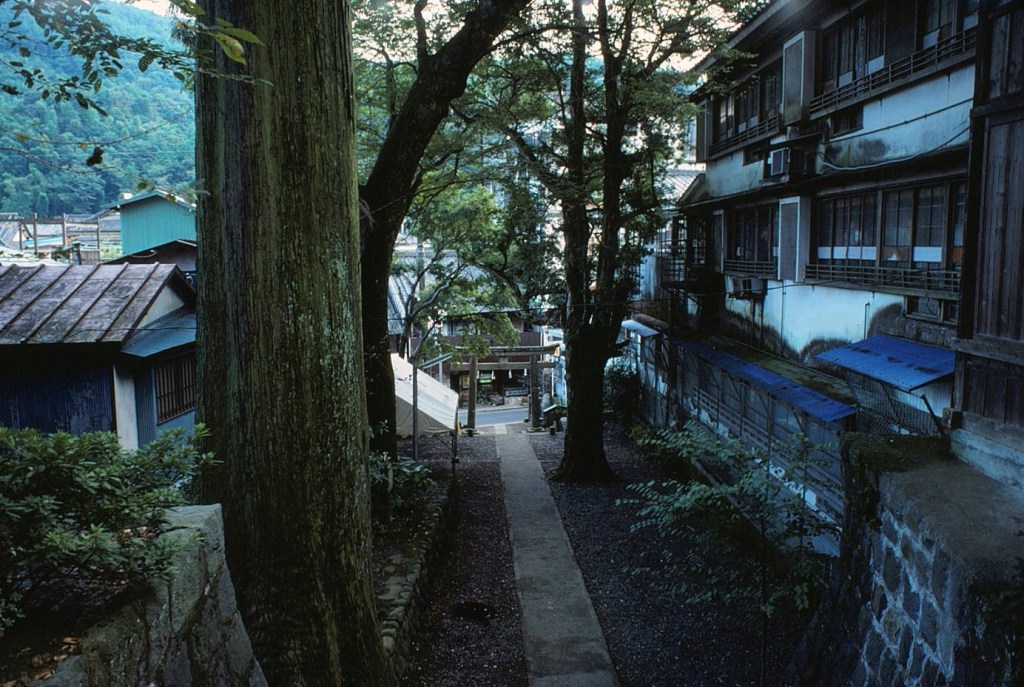
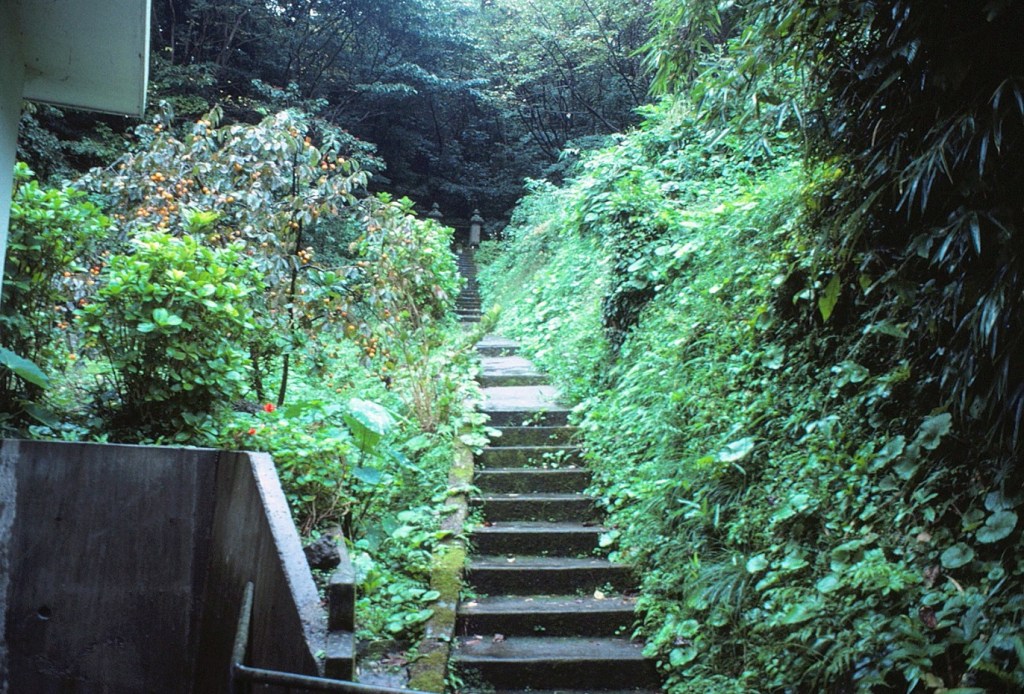
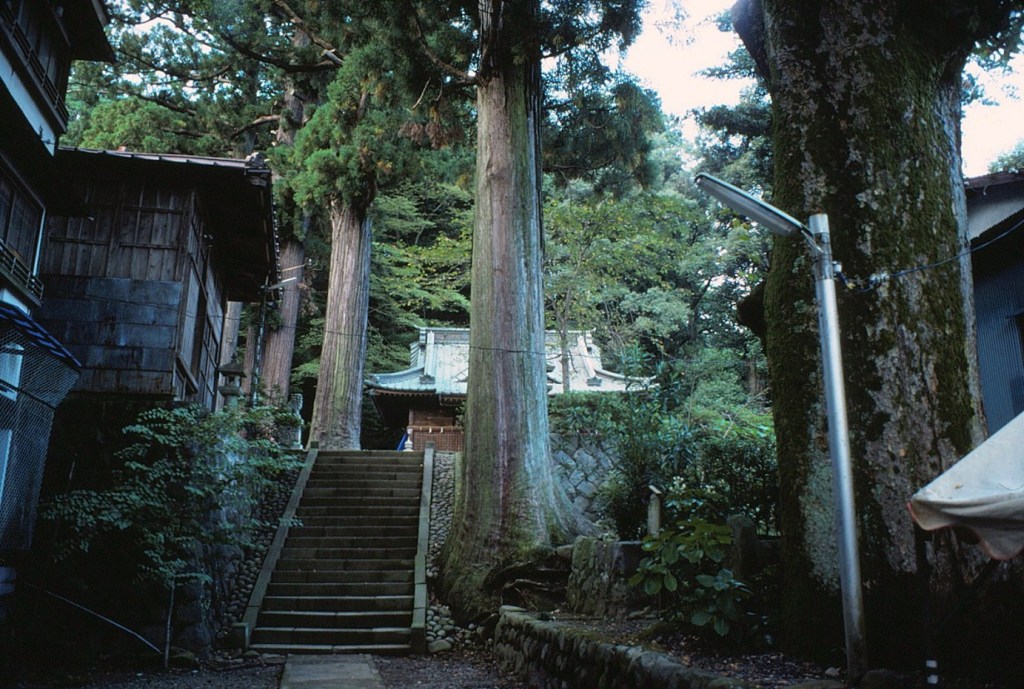
[Stairway to temple, lined with beautiful, huge cypress trees . . . ]
[I thought I told you not to move?]

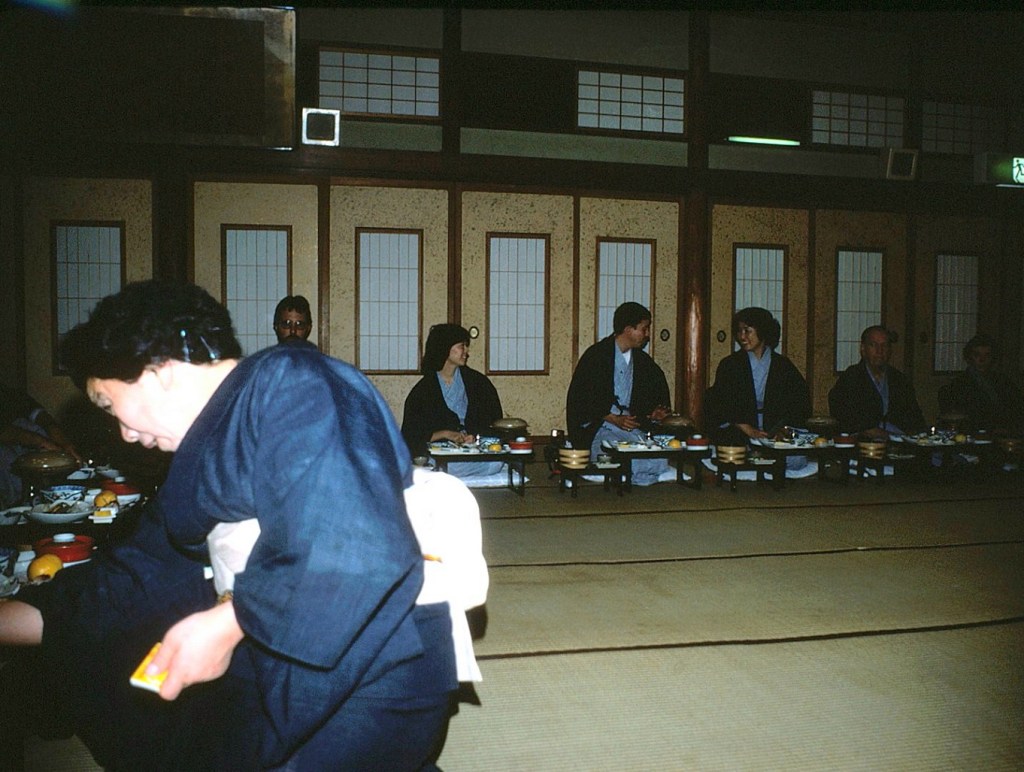
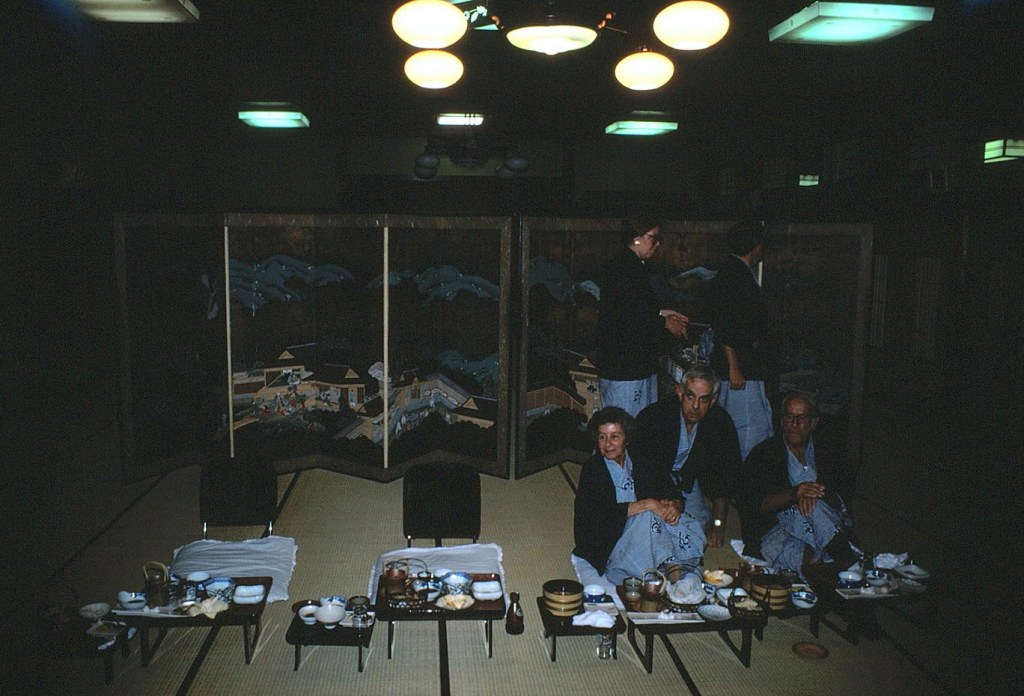
[Fine dining in the ryokan. My body was not designed for sitting on the floor . . . ]
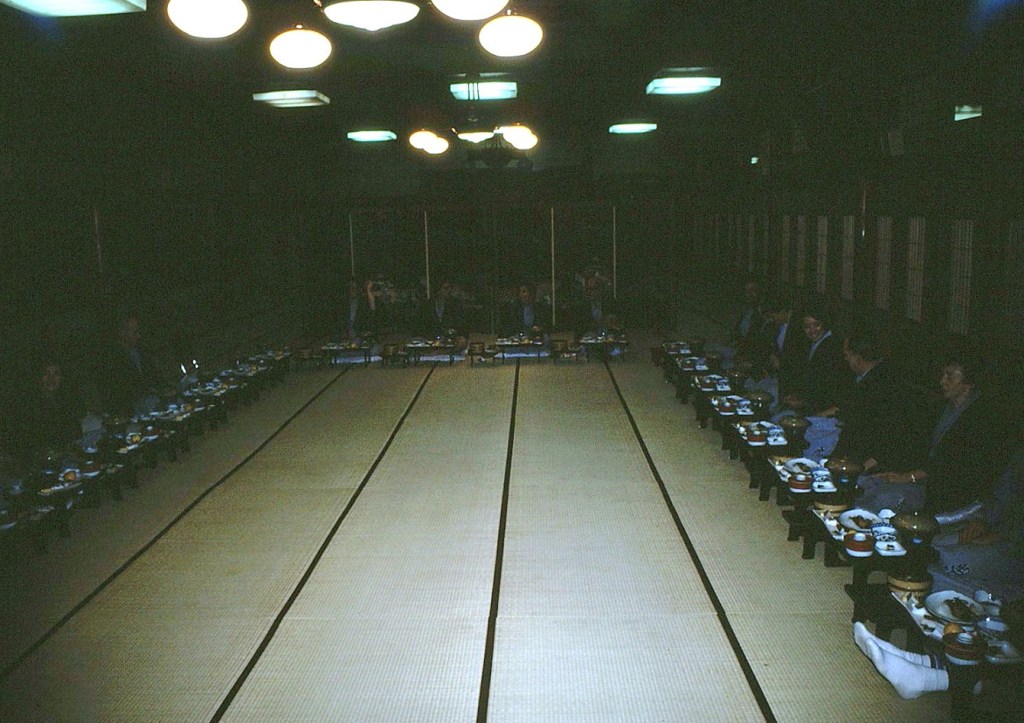
[Nevertheless, a marvelous dining experience with Randy, Marsha, Roy and Toku . . . ]
There’s nothing in Chinese culture that is an equivalent of the geisha. It’s so different, so special to Japan. ~ Zhang Ziyi
I’ve been interested in Japan since the 1930s, when I read about Japan’s vicious crimes in Manchuria and China. ~ Noam Chomsky
Japan is a great nation. It should begin to act like one. ~ John C. Danforth
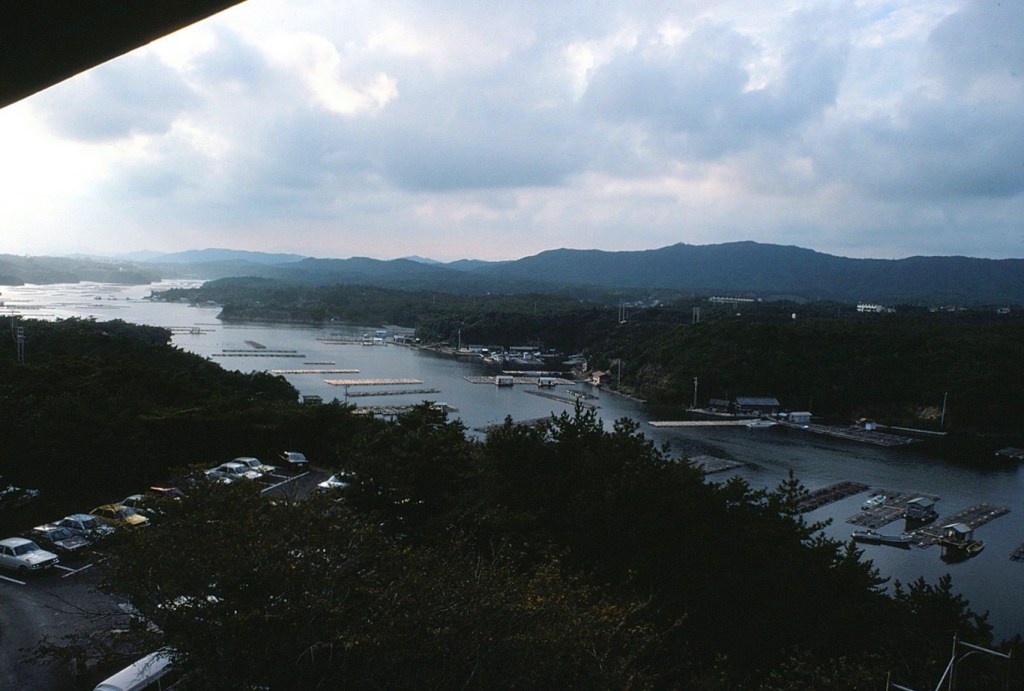
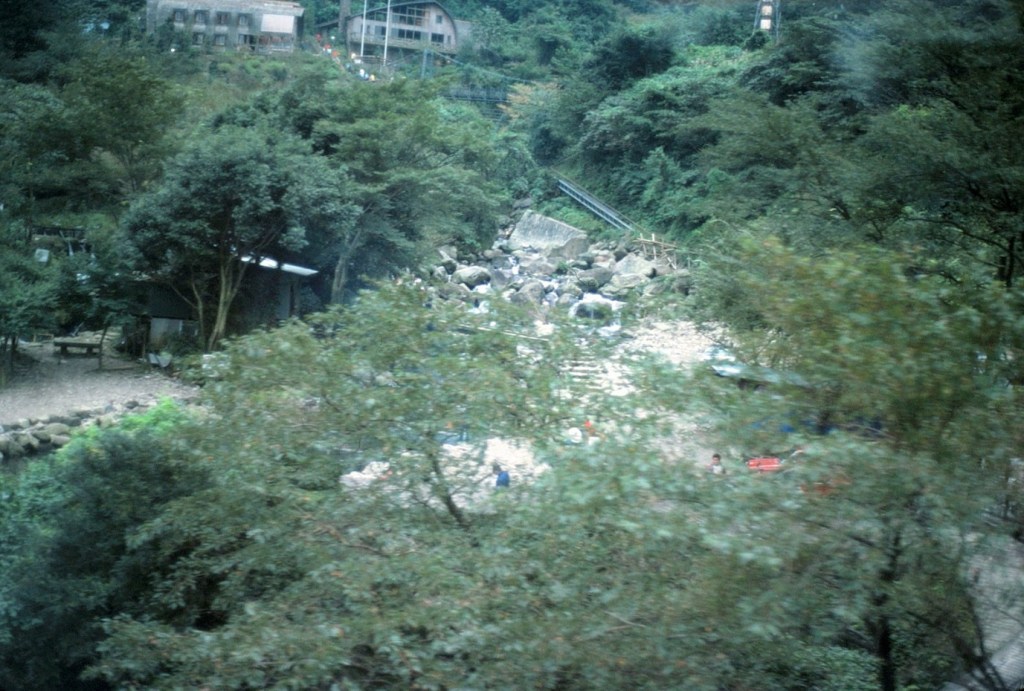
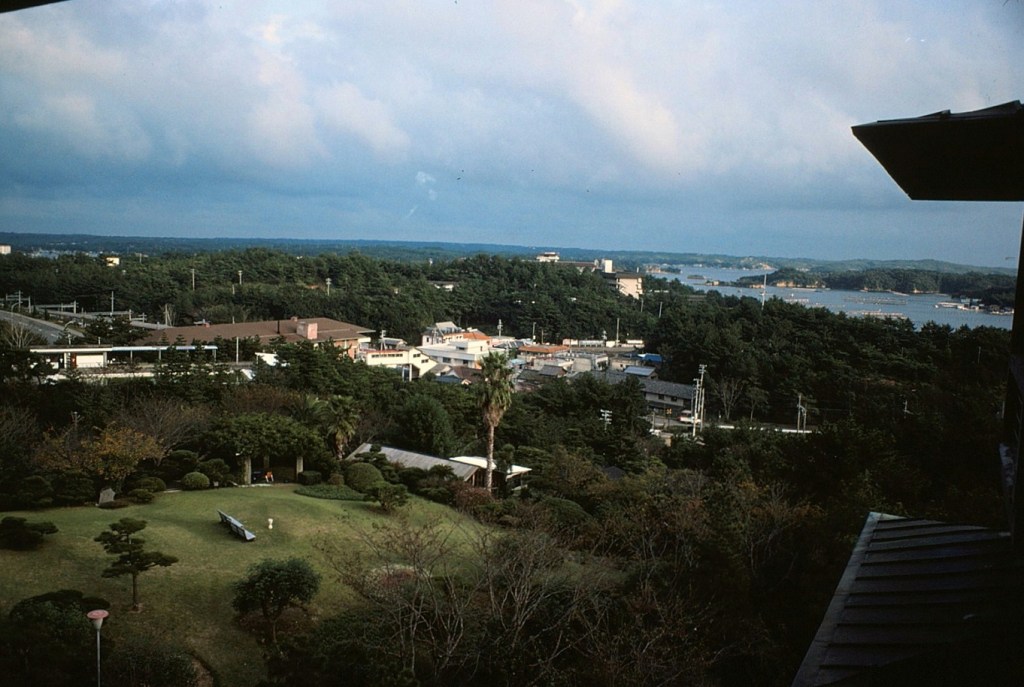
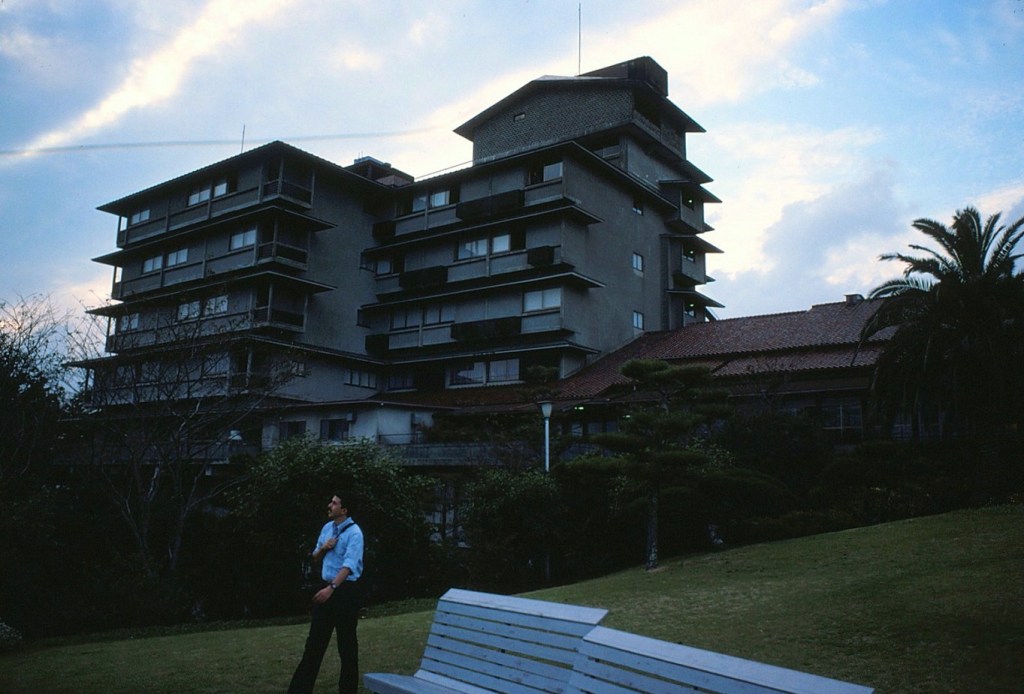
[This is either still on Izu Peninsula, or 131 miles south on Kii Peninsula, or somewhere in between. I have no recollections of this place . . . ]
Well the least favourite question is the one that one’s asked particularly about in Japan is what’s the difference between theatre and cinema and I think, well, that’s about eighty bucks. ~ Andrew Lloyd Webber
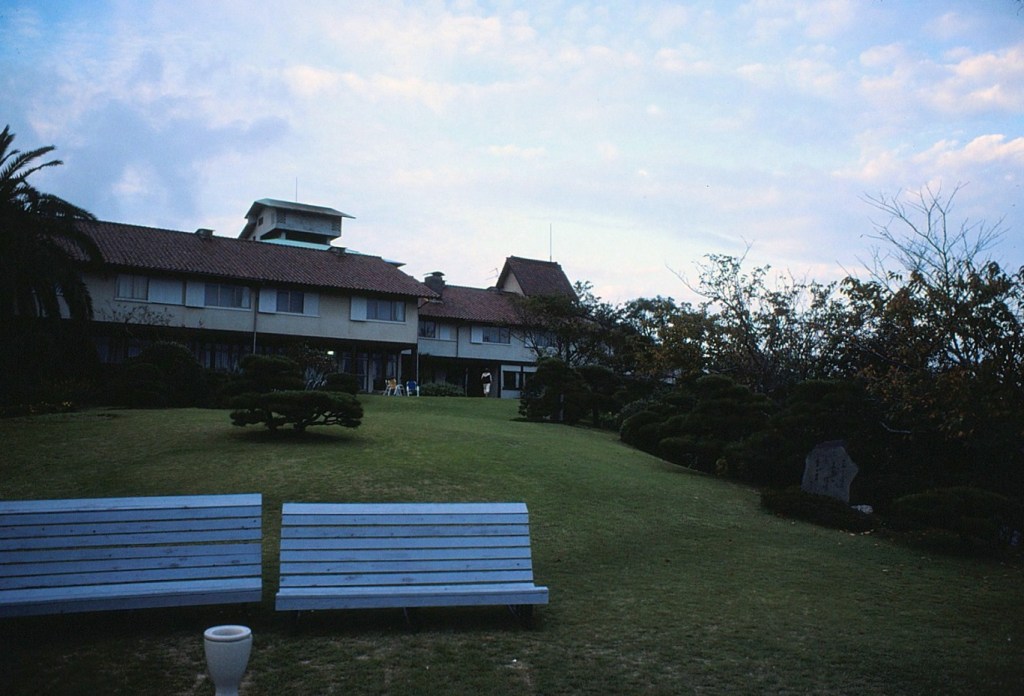
[But Roy peruses its beautiful property . . . ]
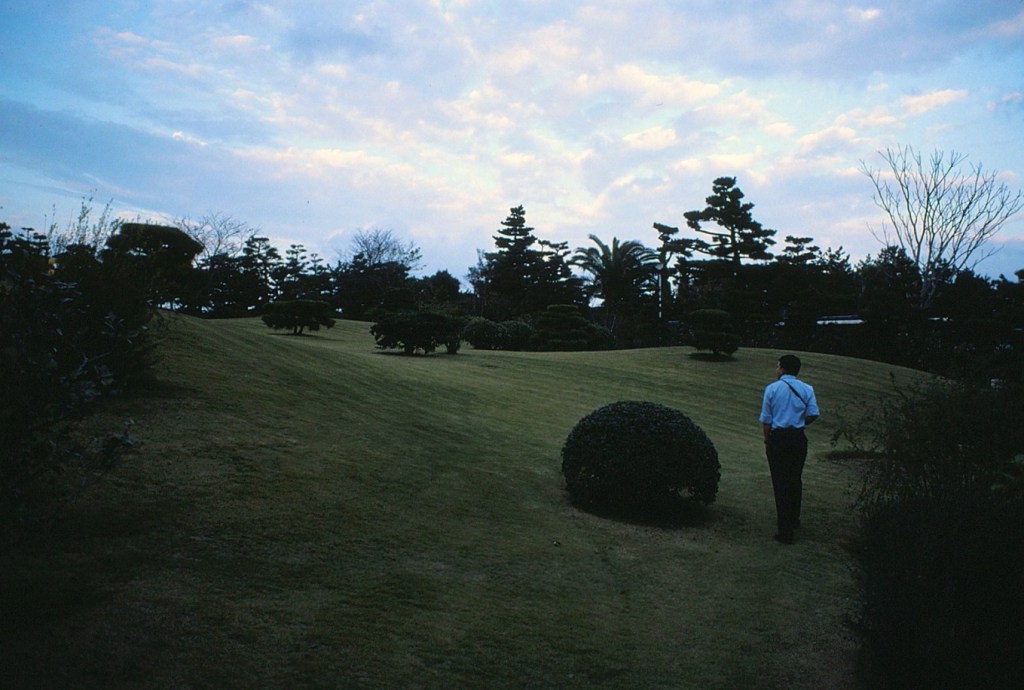
Japan’s humid and warm summer climate, as well as frequent earthquakes resulted in lightweight timber buildings raised off the ground that are resistant to earth tremors. ~ Harry Seidler

[I like it! Classic Japanesey . . .]

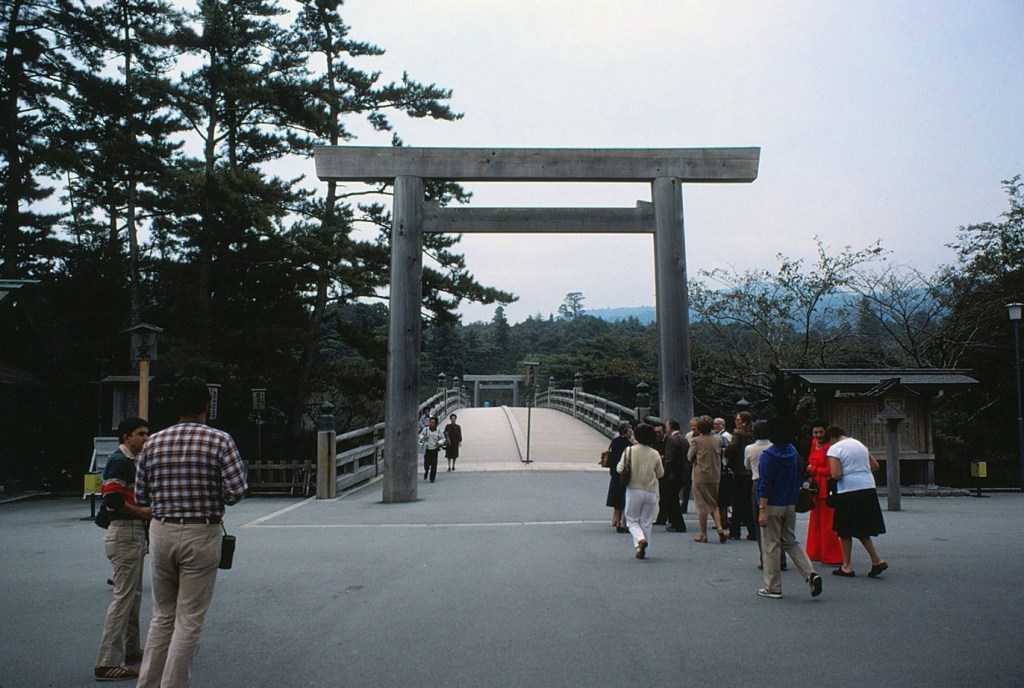
[Our group is about to enter Ise Grand Shrine, Japan’s most sacred Shinto shrine and dates back to the 3rd Century. It is considered to be the spiritual home of the Japanese and its national religion Shinto, and as such receives over six million pilgrims and tourists every year (blog.guijinpot.com).]
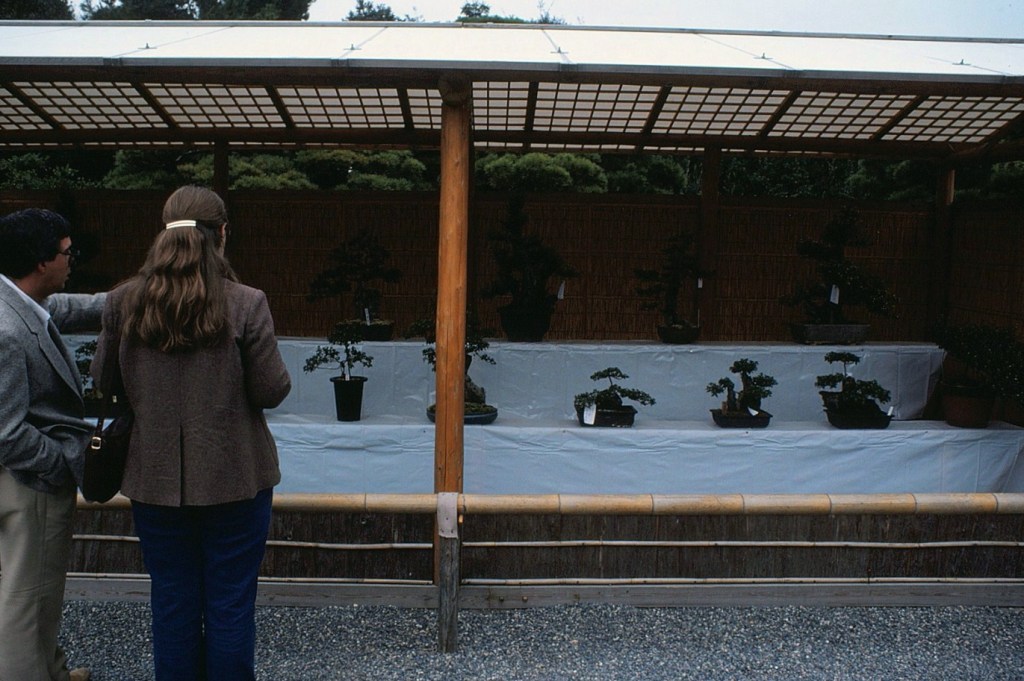
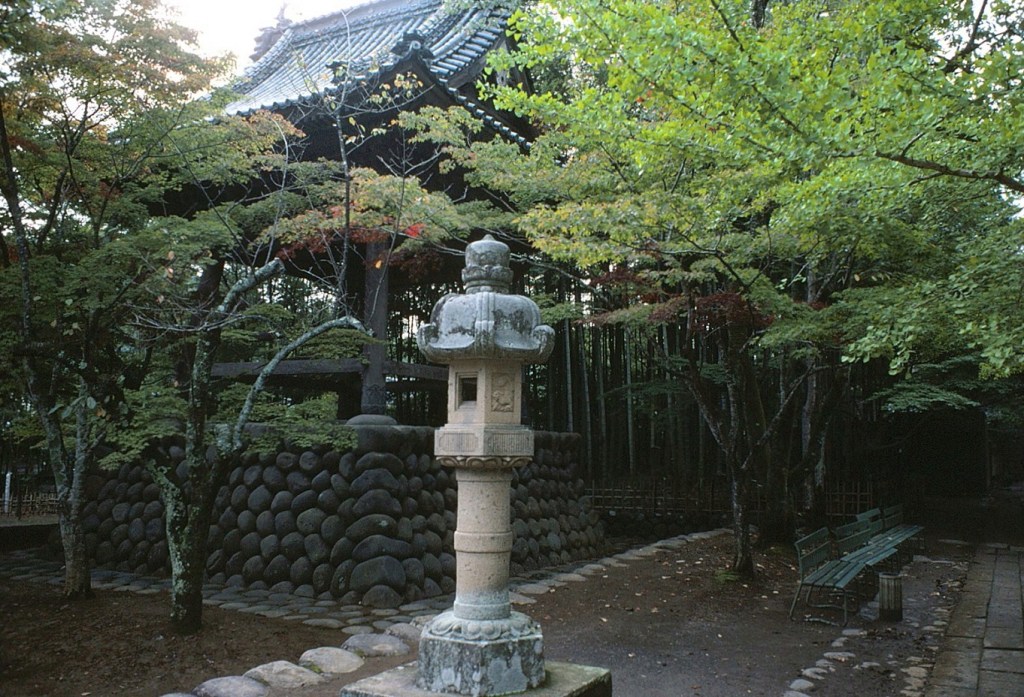
[A bonsai display in the temple . . . ]
Sure, President Bush can say that the U.S. government won’t fund stem cell research, but believe me, Japan is applauding. Because they will just do it first and get all the patents. ~ Kevin J. Anderson
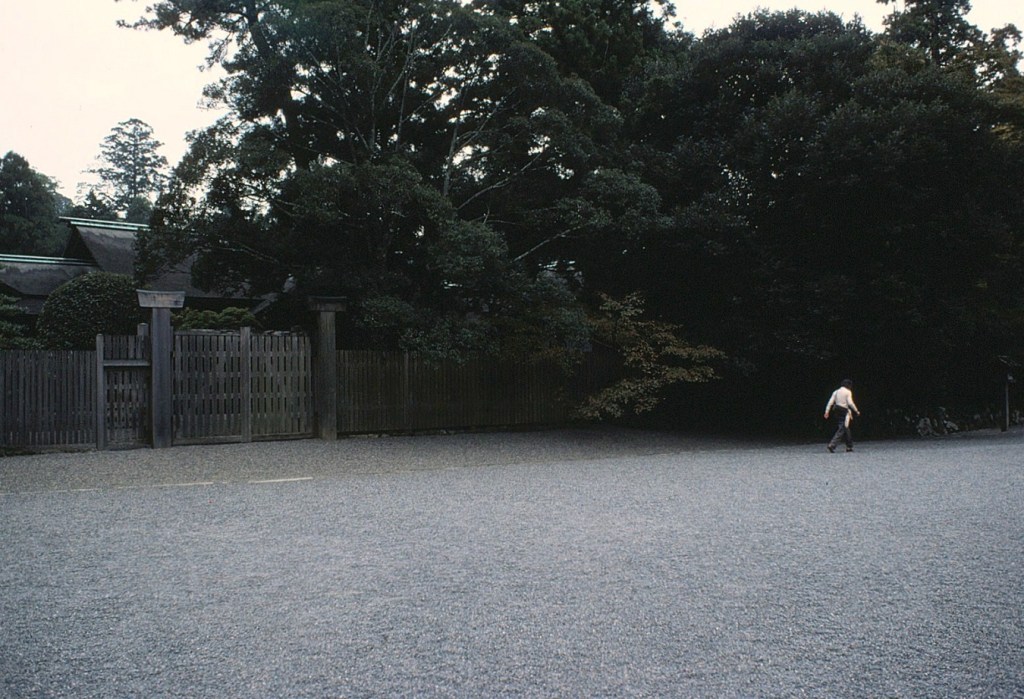
[The Ise Grand Shrine, located in Ise, Mie Prefecture, is a Shinto shrine dedicated to the sun goddess Amaterasu. Officially known simply as Jingū, Ise Jingū is a shrine complex composed of many Shinto shrines centered on two main shrines, Naikū and Gekū. The Inner Shrine, Naikū (also officially known as “Kōtai Jingū”), is located in the town of Uji-tachi, south of central Ise, and is dedicated to the worship of Amaterasu, where she is believed to dwell. The shrine buildings are made of solid cypress wood and use no nails but instead joined wood. The Outer Shrine, Gekū (also officially known as “Toyouke Daijingū”), is located about six kilometers from Naikū and dedicated to Toyouke-Omikami, the god of agriculture, rice harvest and industry.  Besides Naikū and Gekū, there are an additional 123 Shinto shrines in Ise City and the surrounding areas, 91 of them connected to Naikū and 32 to Gekū (Wikipedia)].
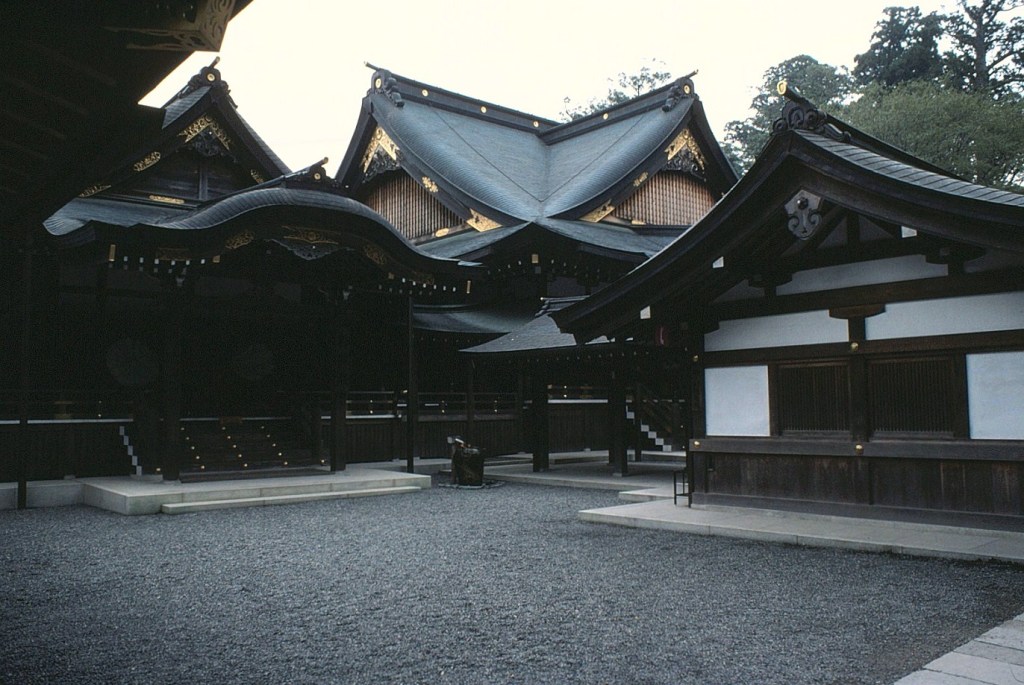
[Purportedly the home of the Sacred Mirror, the shrine is one of Shinto’s holiest and most important sites. Access to both sites is strictly limited, with the general public not allowed beyond sight of the thatched roofs of the central structures, hidden behind four tall wooden fences. However, tourists are free to roam the forest, including its ornamental walkways which date back to theMeiji period. During the Edo period, it is estimated that one out of ten Japanese conducted an Okage Mairi pilgrimage to the shrine. According to historical documents, 3.62 million people visited the shrine in 50 days in 1625, and 1.18 million people visited the shrine in three days in 1829 when the grand festival held every 20 years was held.  Because the shrine is considered sanctuary, no security checkpoints were conducted, as it was considered sacrilege by the faithful. The two main shrines of Ise are joined by a pilgrimage road that passes through the old entertainment district of Furuichi (Wikipedia).]
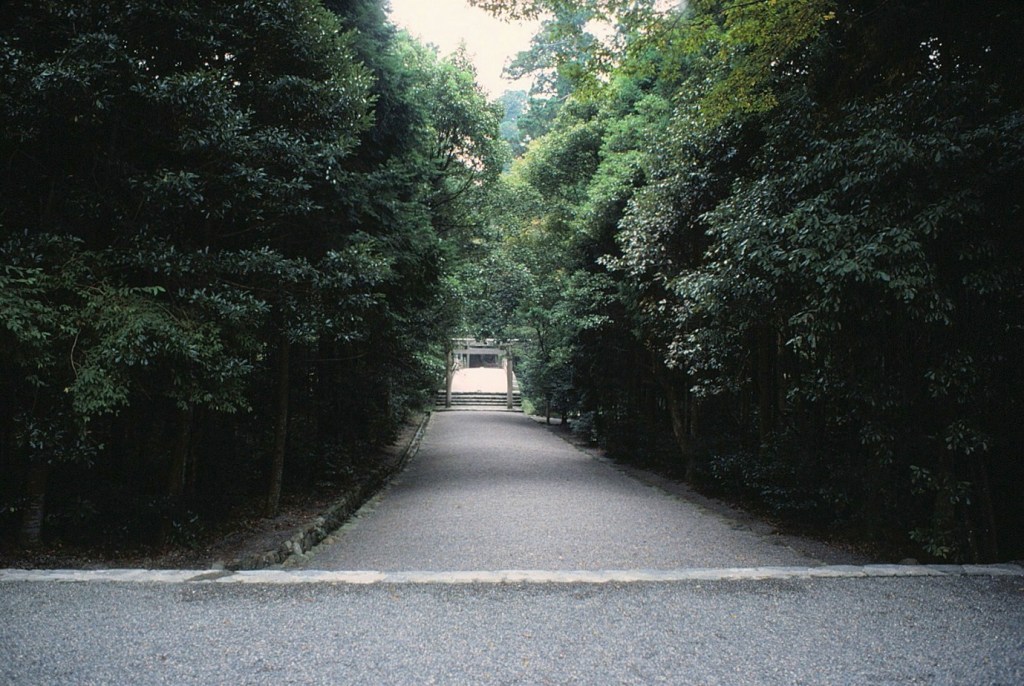
[From one of my all-time favorite books, The Woman in the Dunes, by Kobo Abe (I also would recommend a similarly bizarre novel by Abe, The Box Man) . . . ]

I’m sure that President Johnson would never have pursued the war in Vietnam if he’d ever had a Fulbright to Japan, or say Bangkok, or had any feeling for what these people are like and why they acted the way they did. He was completely ignorant. ~ J. William Fulbright

Up Next: Part 7, or the complete history of music . . .

Japan 1983 (Part 5)

October 16

Today, Japan is one of the few countries in the world where one hears laughter everywhere. ~ David Douglas Duncan

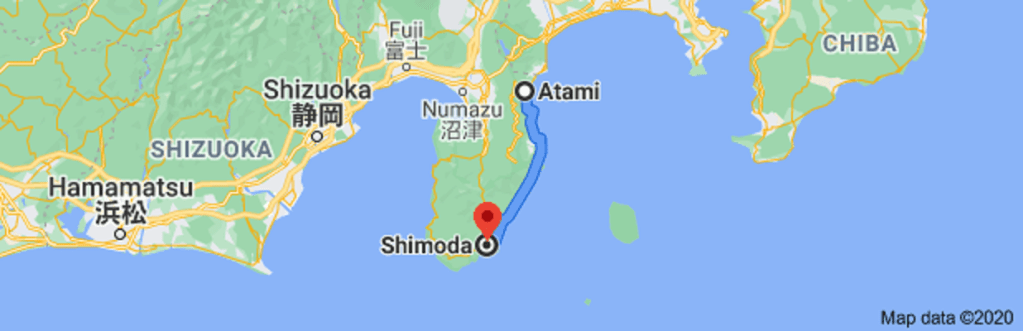
We are now slipping further and further into the land of missing memories. I’m pretty sure with everything in this post that we’re still on the Izu Peninsula. Thus, a map is always helpful . . .

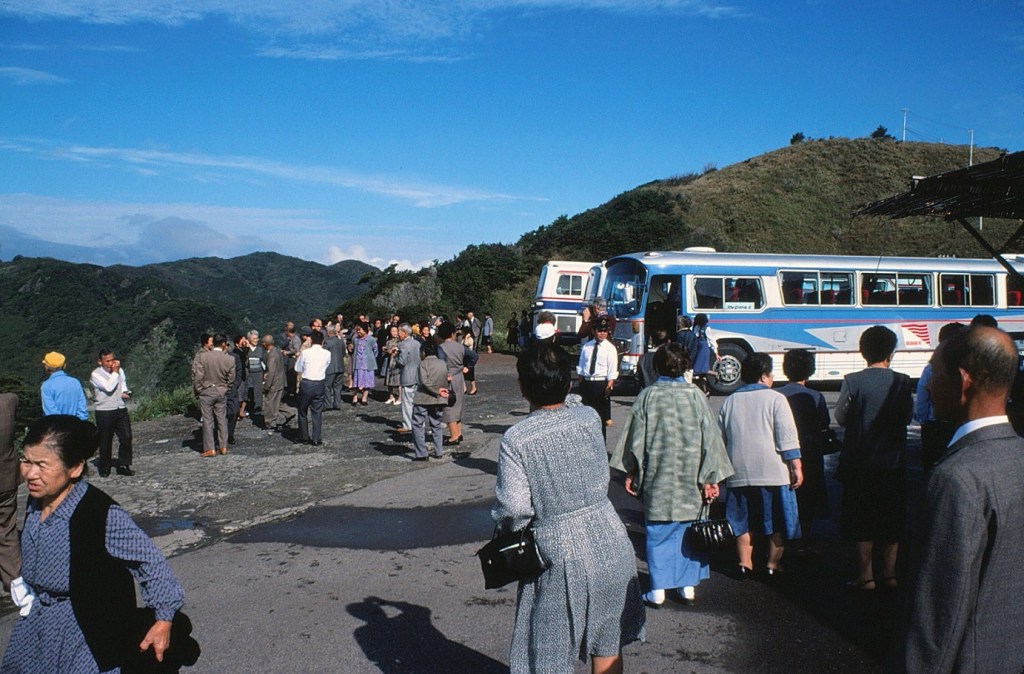
[This, for instance, really bothers me that I can’t find an identification. I know that’s Marsha and Randy on the path ahead of me, I remember this, and I remember the photo, because I thought everything about it was splendiferous. And because it is splendiferous, I can’t believe I can’t find it anywhere on the Google machine . . . ]

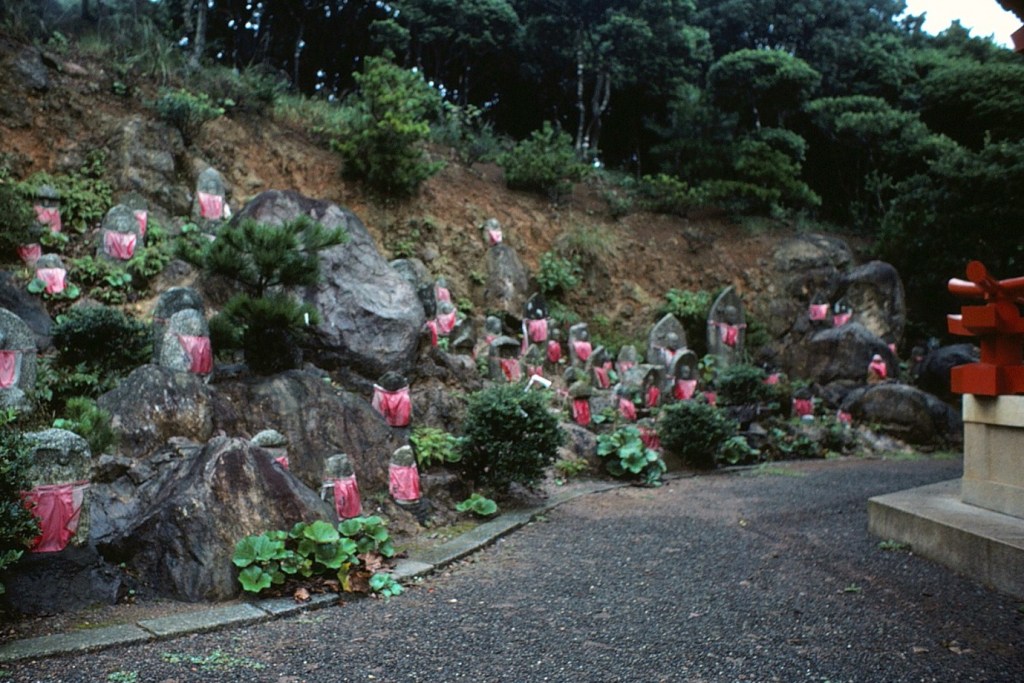
[Any tourist trekking Japan’s countryside and visiting roadside temples will quickly notice the many stone statues that litter the rural streets of Japan. These are the statues of Jizo. They are often clothed in stone robes and hold canes and are dressed in red bibs. They are often bald, smiling serenely, with eyes closed. Some, however, are faceless formless stones, only distinguished by the red bibs and aprons wrapped around them. Traditionally it is believed that Jizo is the guardian of unborn children. One often finds the ojizosan in graveyards. According to one legend, children who die before their parents are punished for making their parents grieve, and must build small stone towers to gather good karma. Demons often come to smash the stone towers and beat the children, but Jizo protects the children by hiding them in his sleeves and robe. Flower and water and food offerings, and even small towers of stones are often visible in front of ojizosan, placed there by grieving parents hoping for protection for the souls of their children (buddhistchannel.tv/index).]

[Again, I’m guessing this is Shimoda . . . ]

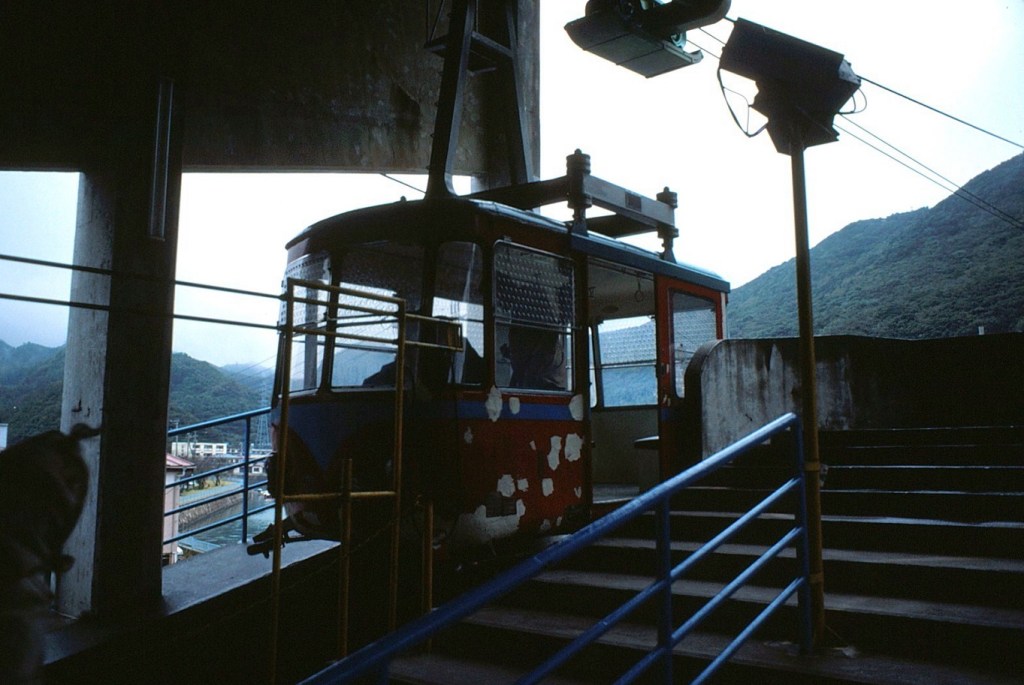
[White House sources believe this to be the Shimoda Ropeway, an aerial life line in Shimoda, Shizuoka. The line is also called Nesugatayama Ropeway as it climbs Mount Nesugata. The observatory has a view of Port of Shimoda and Pacific Ocean. The line began operation on April 1, 1961 (Wikipedia).]

[Stairway to heaven?]

[See the following photo . . . ]

[Gyokusenji Temple, a Zen Buddhist temple of the Soto sect with its history older than 430 years over 27 generations, used to be a thatch hut belonging to the Singon sect, another sub-sect of the Zen Buddhism, which was converted to Soto sect in the 1580s by Priest Ichirei shunei. The present main hall was completed in the days of its 20th Priest Suigan Bimo. In March 1854, The Japan-U.S Treaty of Peace and Amity was concluded and Shimoda was opened to foreign shipping. When The Shimoda Treaty was appended to it in May 1854, Gyokusenji Temple was officially designated as a resting place as well as a cemetery for American sailors (izu-gyokusenji.or.jp).]

[A room with a view, a place to kick up your heels after a hard day of touring, and wait for a Geisha to bring you a peeled grape . . . ]

[Said view . . . ]

[Not the Geisha I was anticipating . . . ]

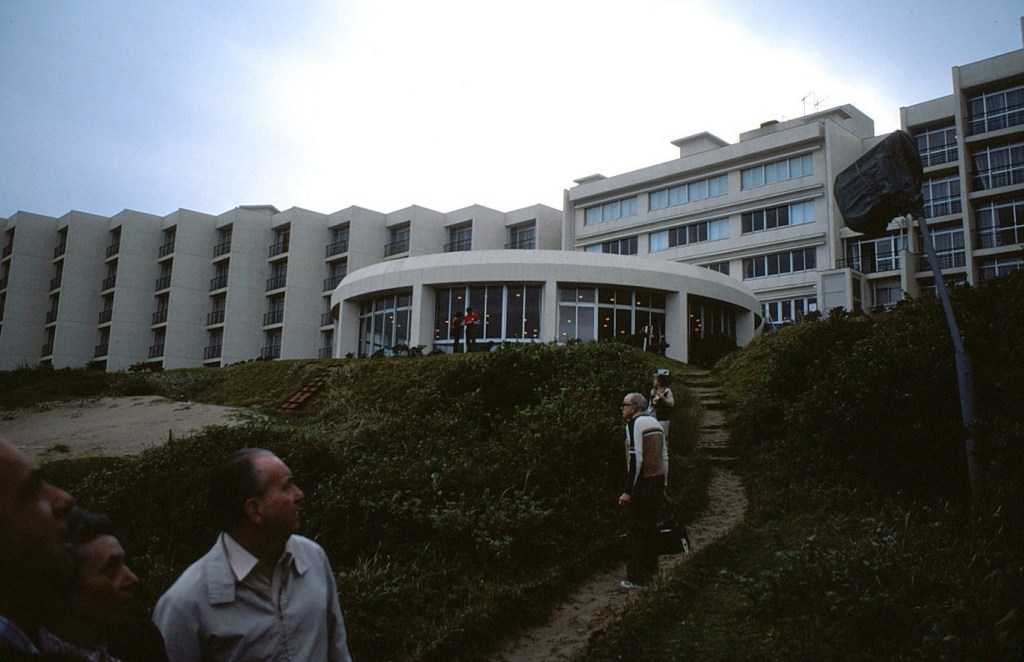
[I was shocked and amazed that I found this place where we stayed. The Shimoda Prince Hotel (following photo) looks the same today (in current literature) as it did 37 years ago . . . ]

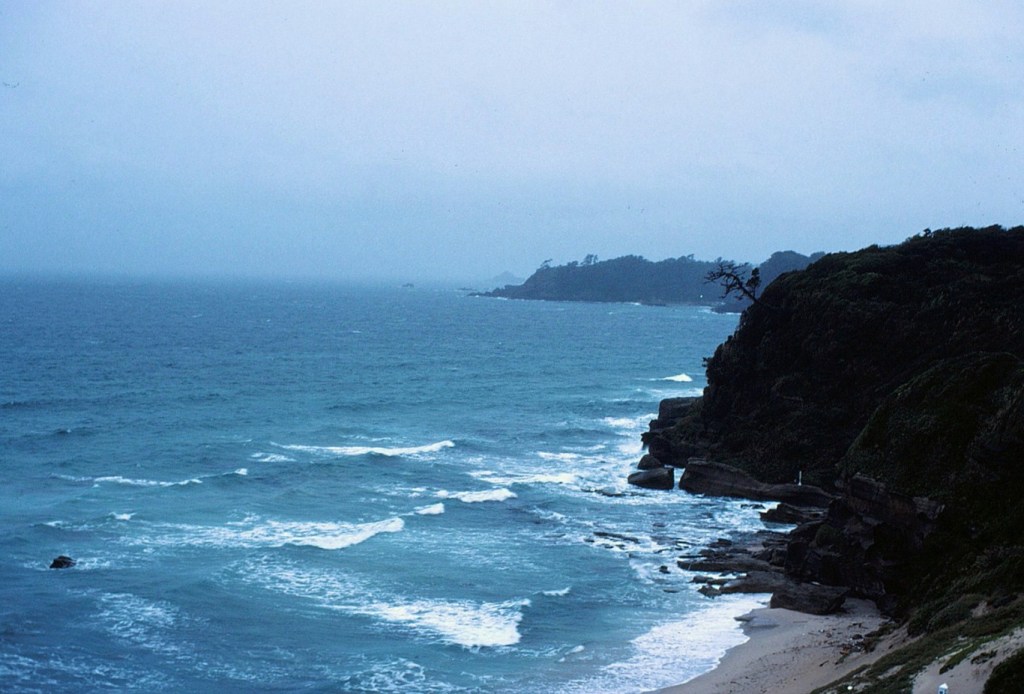
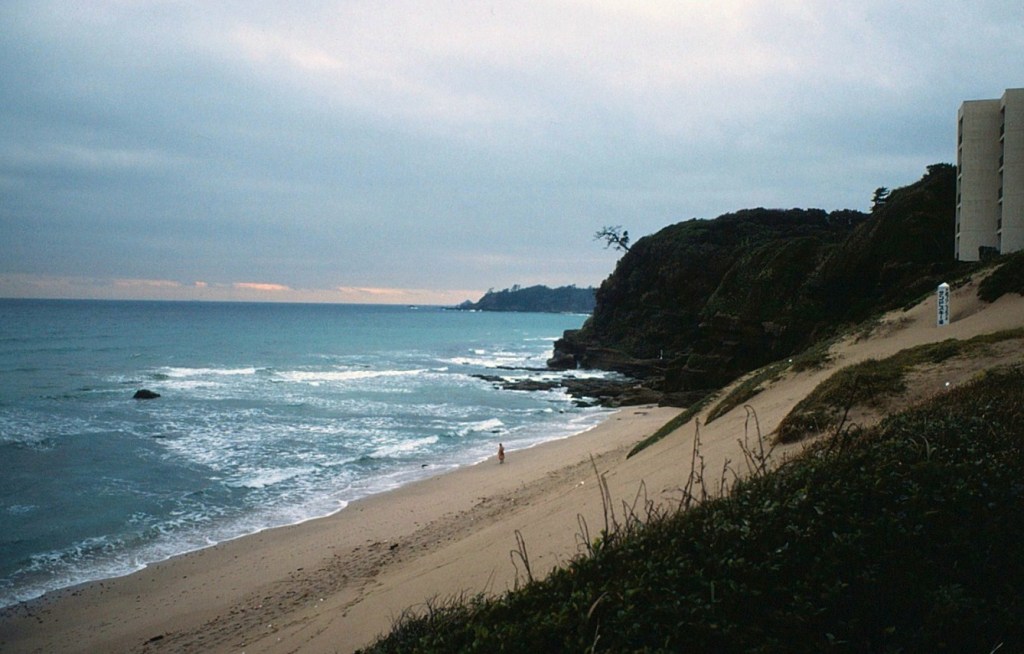
[Shimoda Prince Hotel is located on the Izu Peninsula, an area known for its beautiful, graceful coastline. This seaside hotel faces the magnificent Shirahama Chuo Beach, known for its pristine sands. Our location affords incredible views of the sunrise over the endless ocean, and scenery that changes over time (princehotels.com).

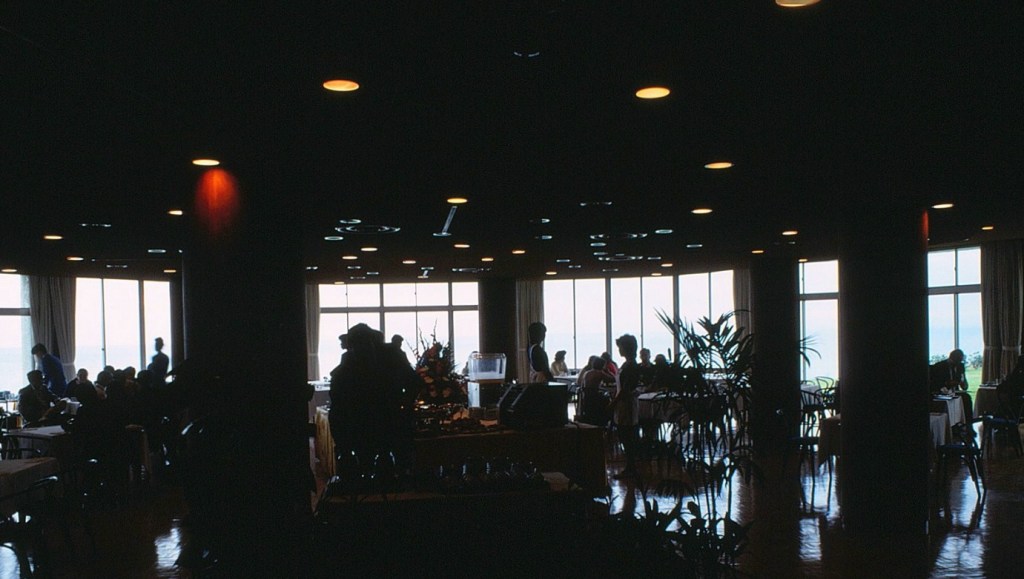
[A really not too shabby dining room!]

[On the road again . . . ]

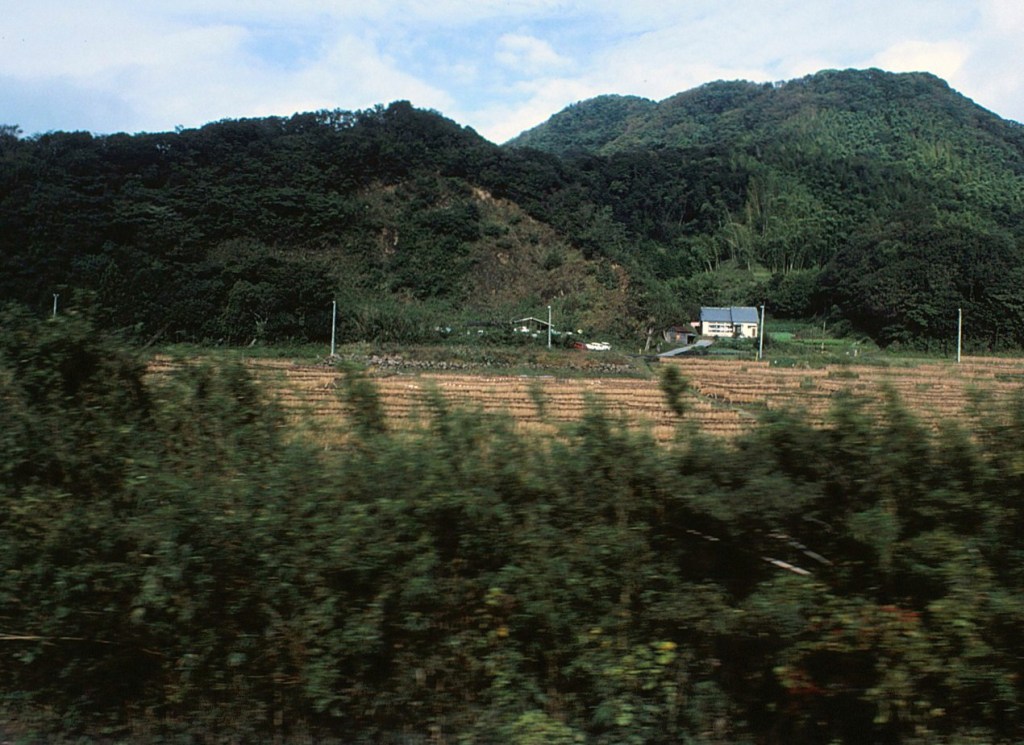
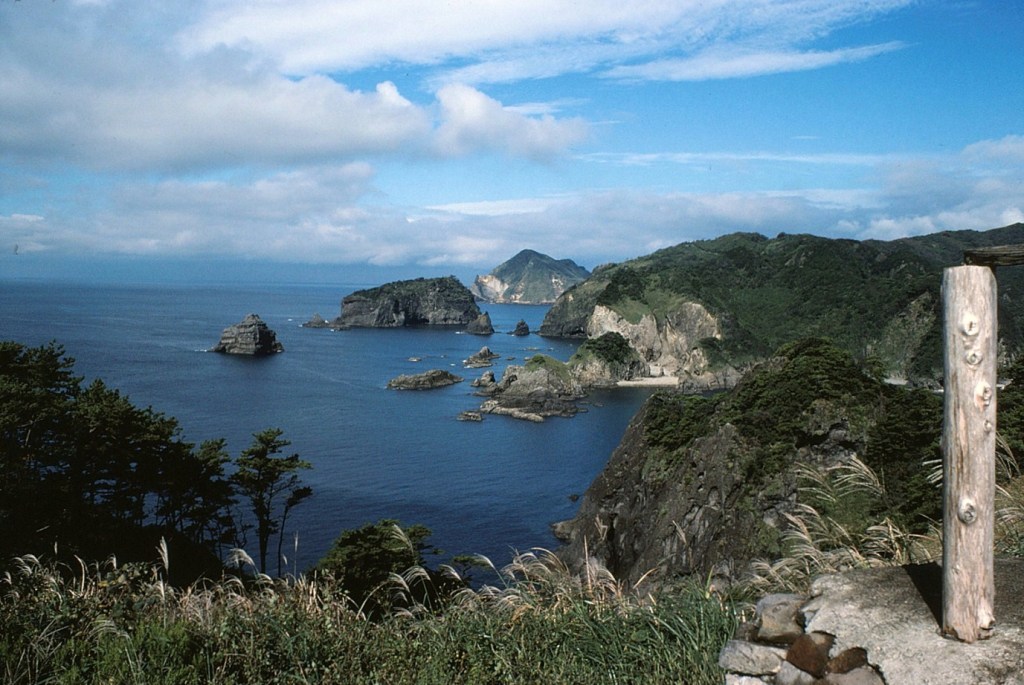
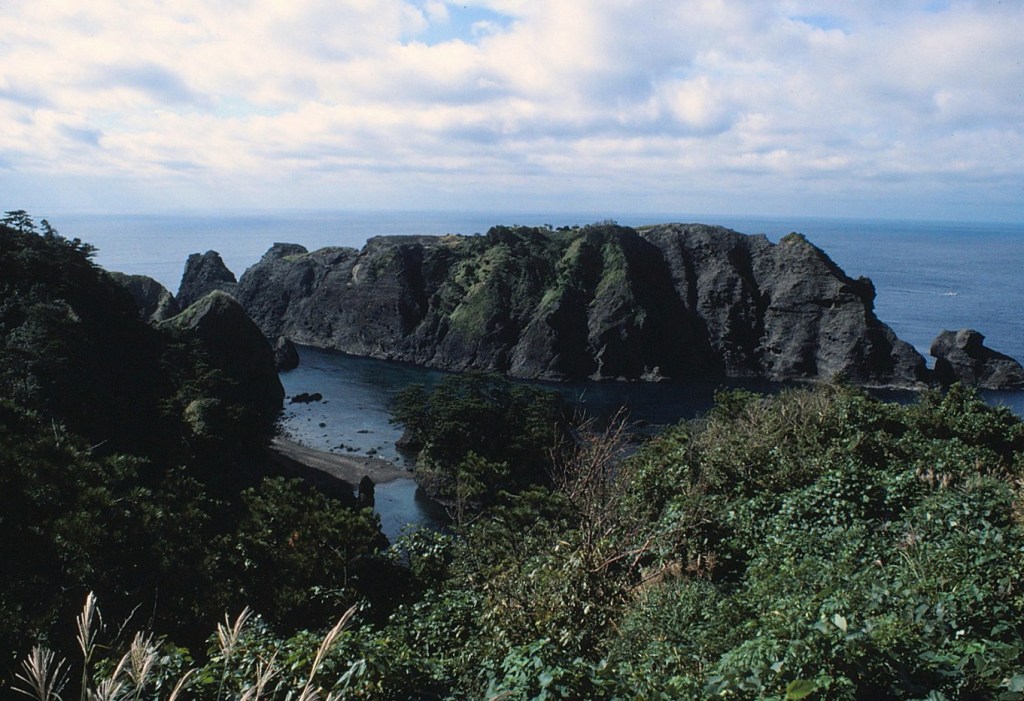
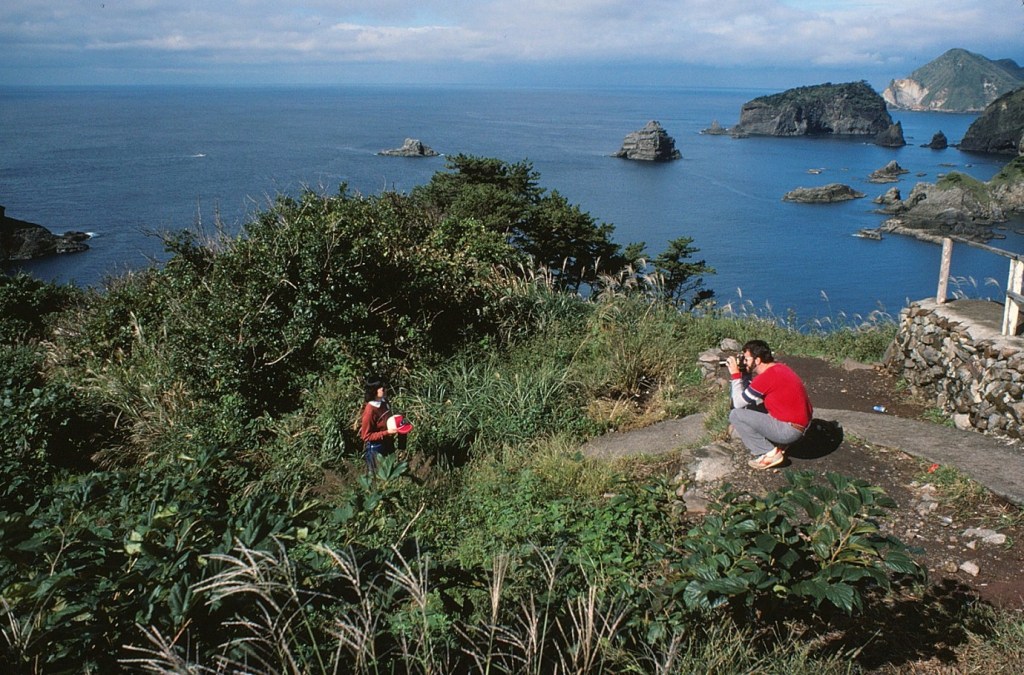
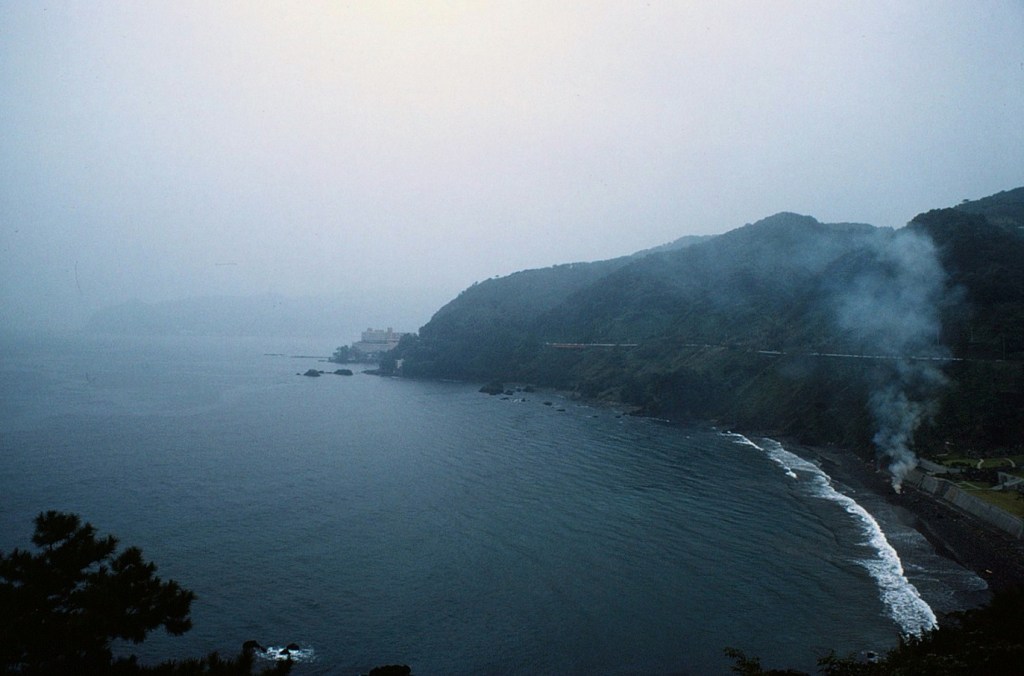
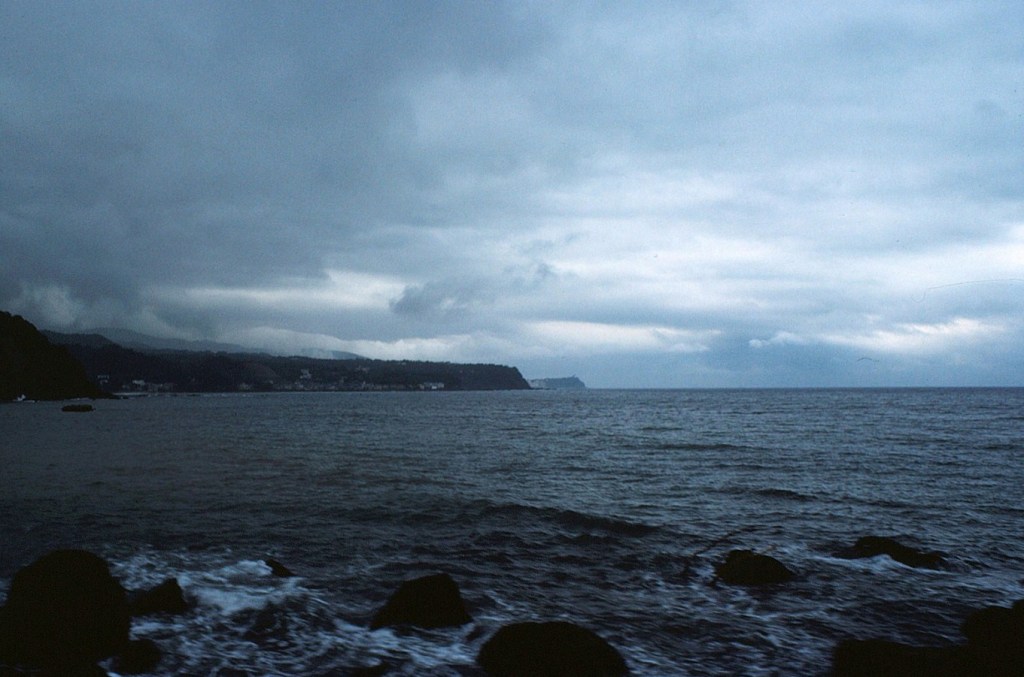
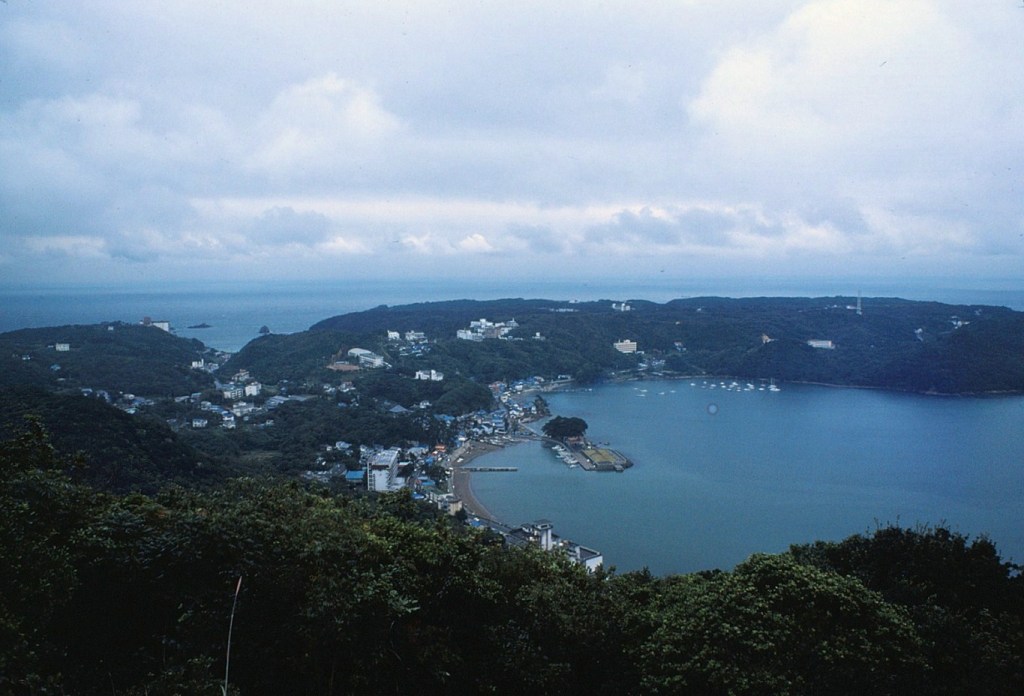
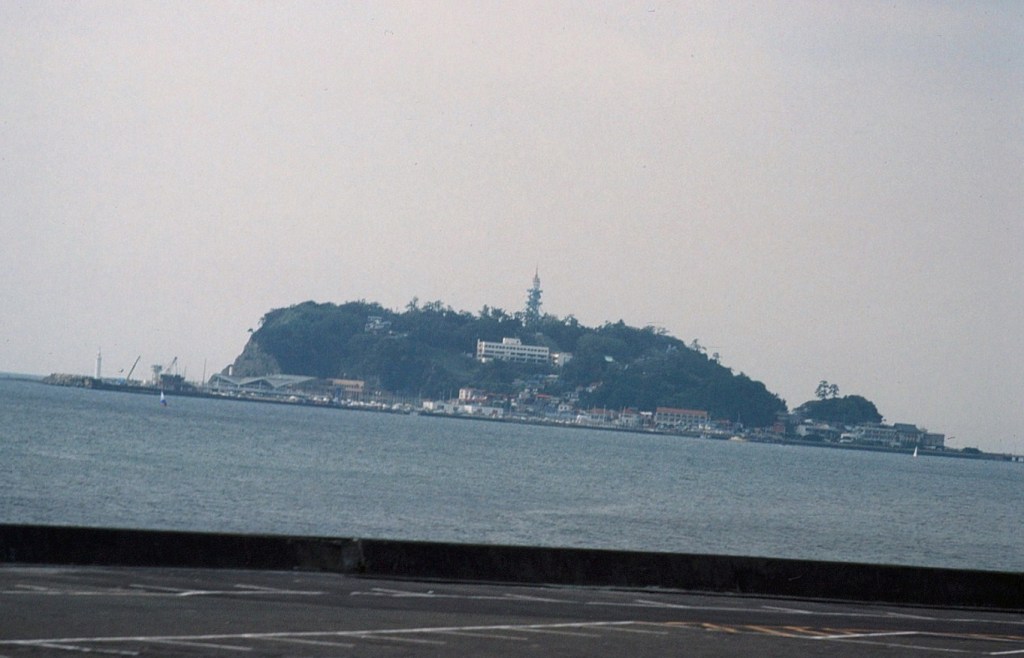
[I actually found several identical pictures, but they’re just identified as natural coastal landscape of Izu Peninsula, Shizuoka . . . ]

I was born into a very important family in Japan. My grandfather was a descendant of the Emperor, and we were very wealthy. ~ Yoko Ono

[Masha models for Randy . . . ]

[I model for Roy (or something like that) . . . ]

It is inhumane, in my opinion, to force people who have a genuine medical need for coffee to wait in line behind people who apparently view it as some kind of recreational activity. ~ Dave Barry

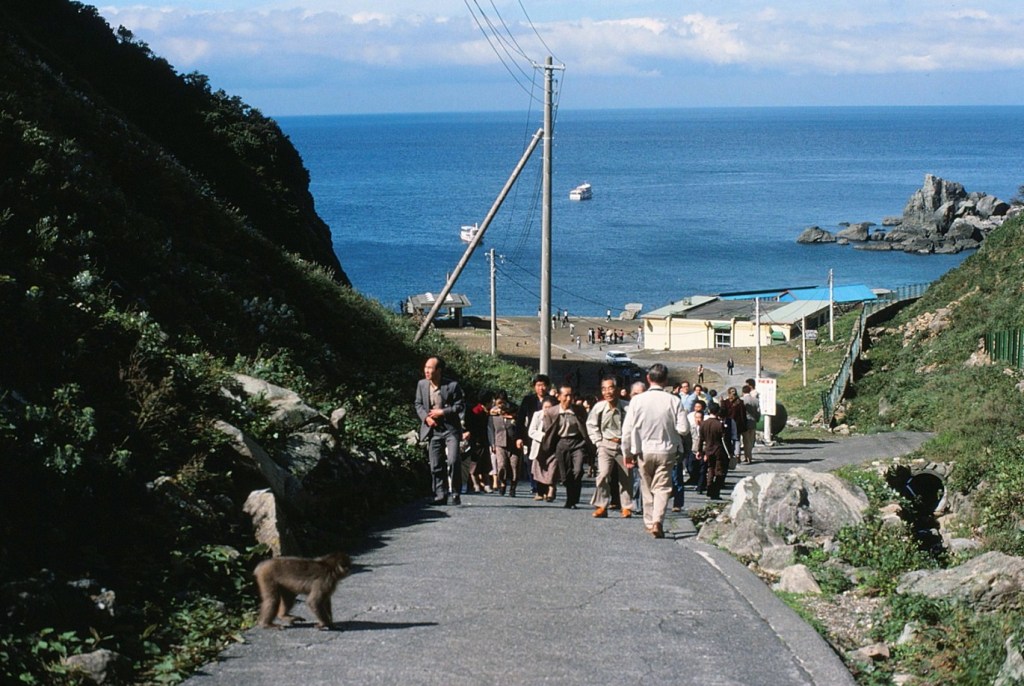
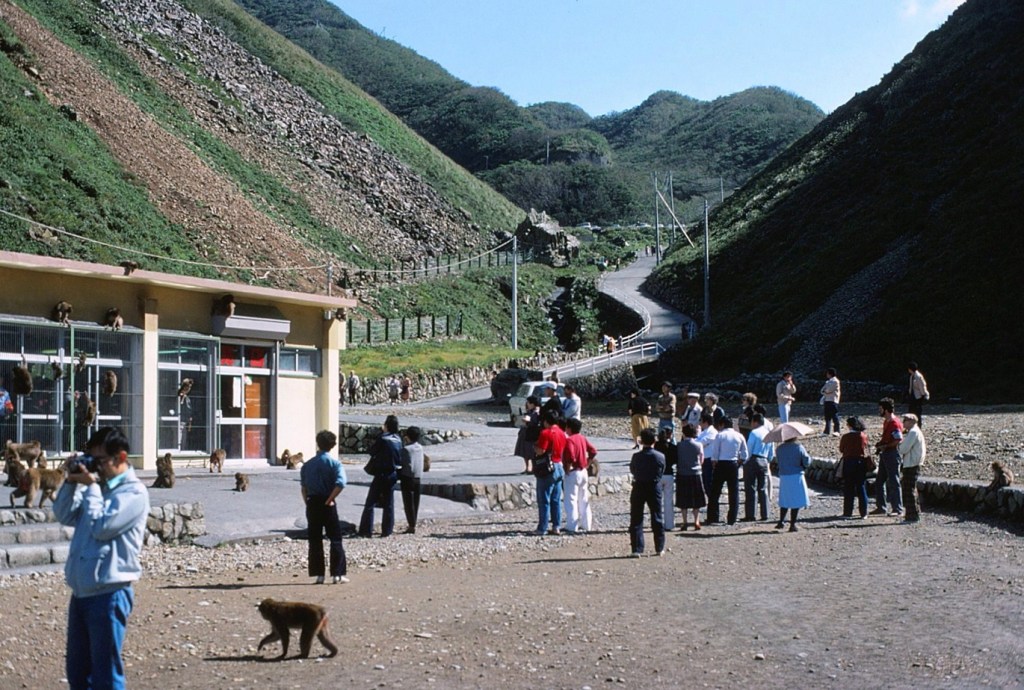
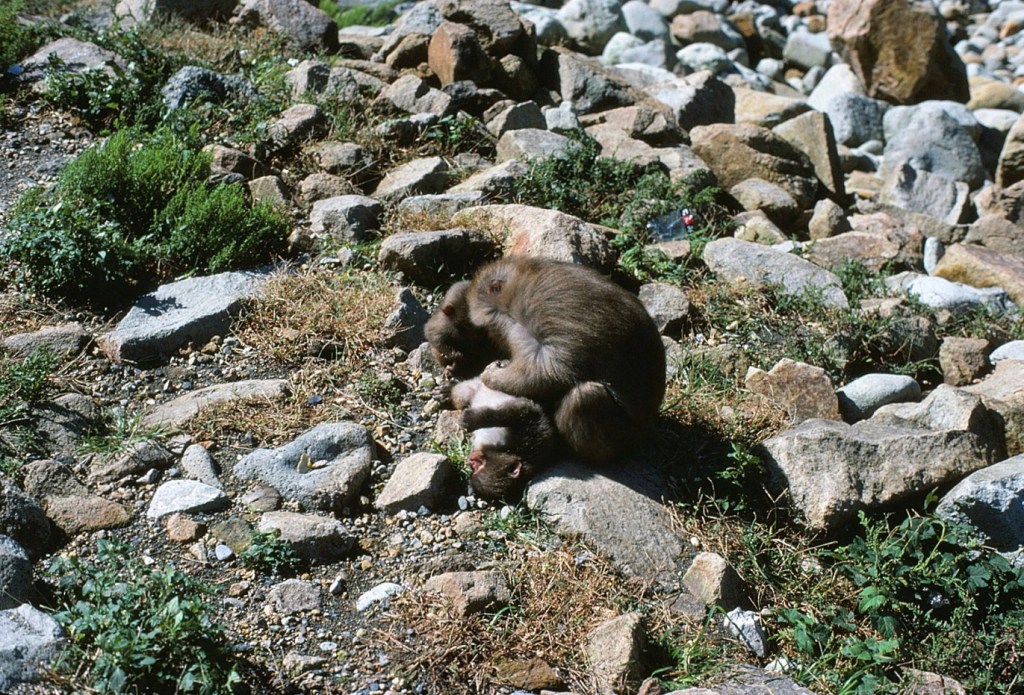
[In Nishi Izu, you can visit a park by the ocean where a troop of over 300 Japanese macaque monkeys reside. The wild monkeys play freely on their playground, groom, and feed on grains, vegetables, and fruits. Visitors can walk amongst the monkeys or feed them from behind a cage wall (en.japantravel.com).]

[And here comes a mob of homo sapiens, allegedly close personal relatives of the monkeys . . . ]

[Paradise of the overseas beauty and monkey: Because it is in the southernmost tip of theIzu Peninsula, and the Kuroshio Current flows through the offshore, flowers bloom throughout the year because of the warmth, and the beauty spots of a precipice and the reef zone are continuing, which makes it a rich-nature area (veryjapanese.jp).]

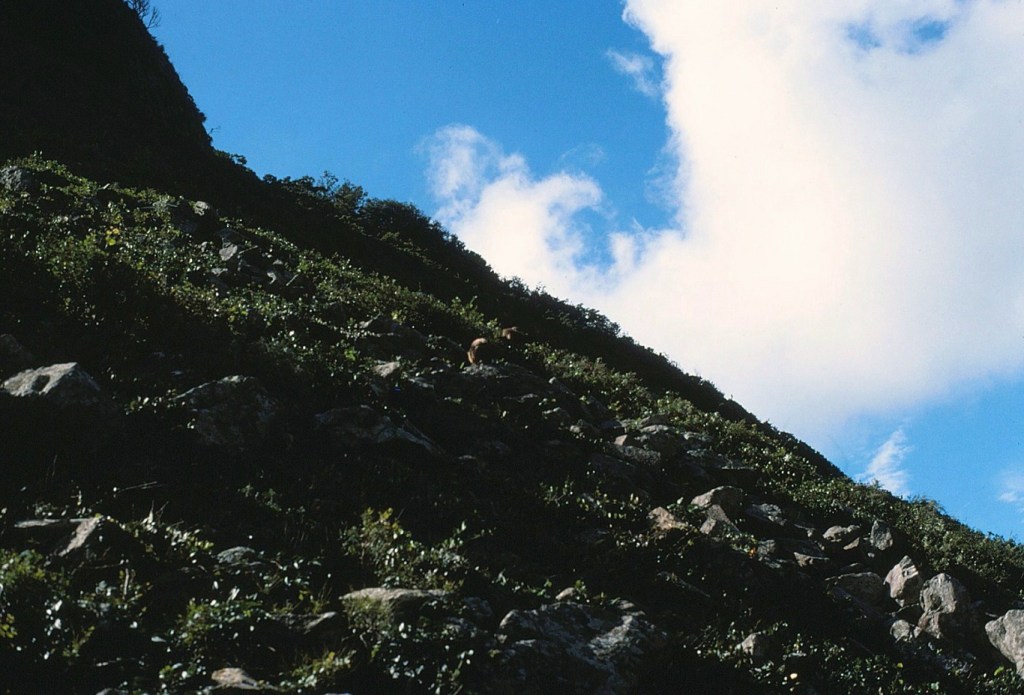
[Said local denizens . . . ]

Despair is always rational, but hope is human. ~ Richard Flanagan

[Our taxi has arrived . . . ]

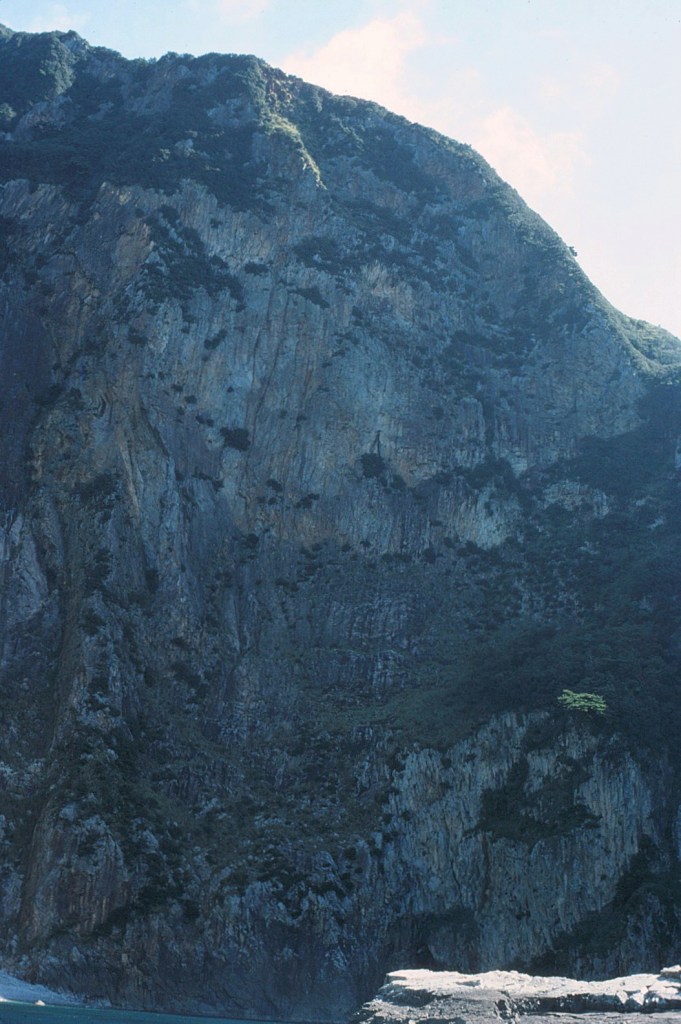
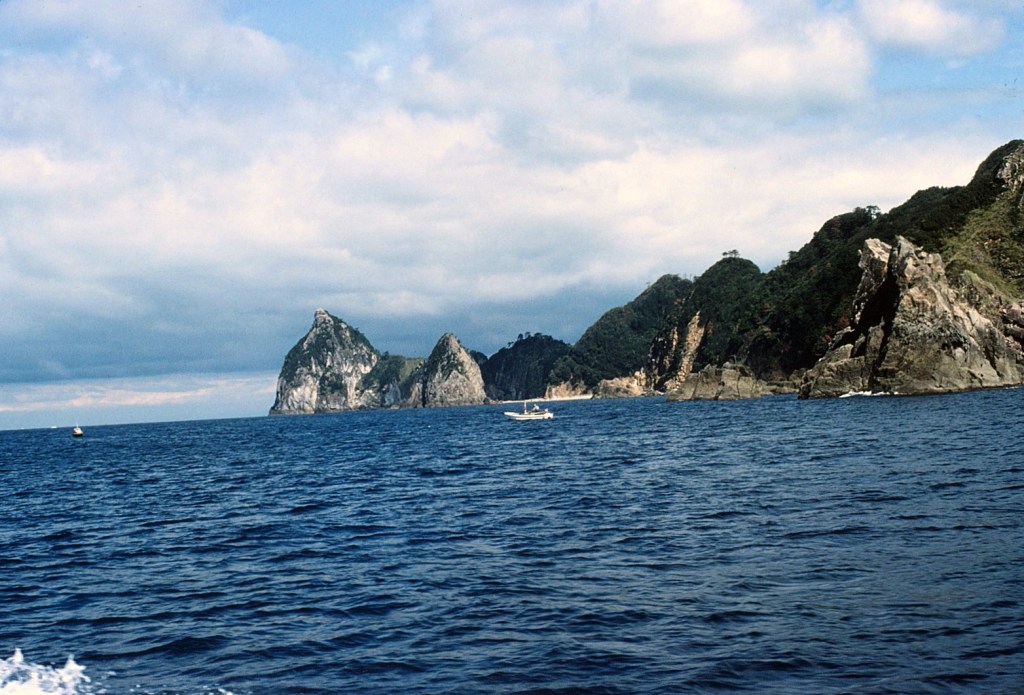
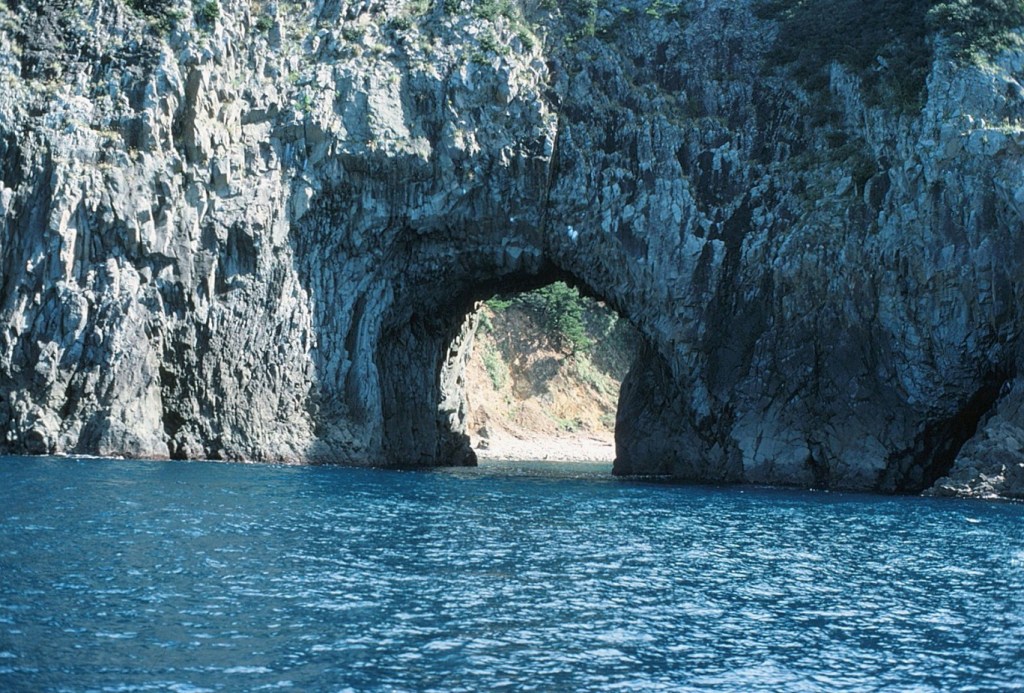
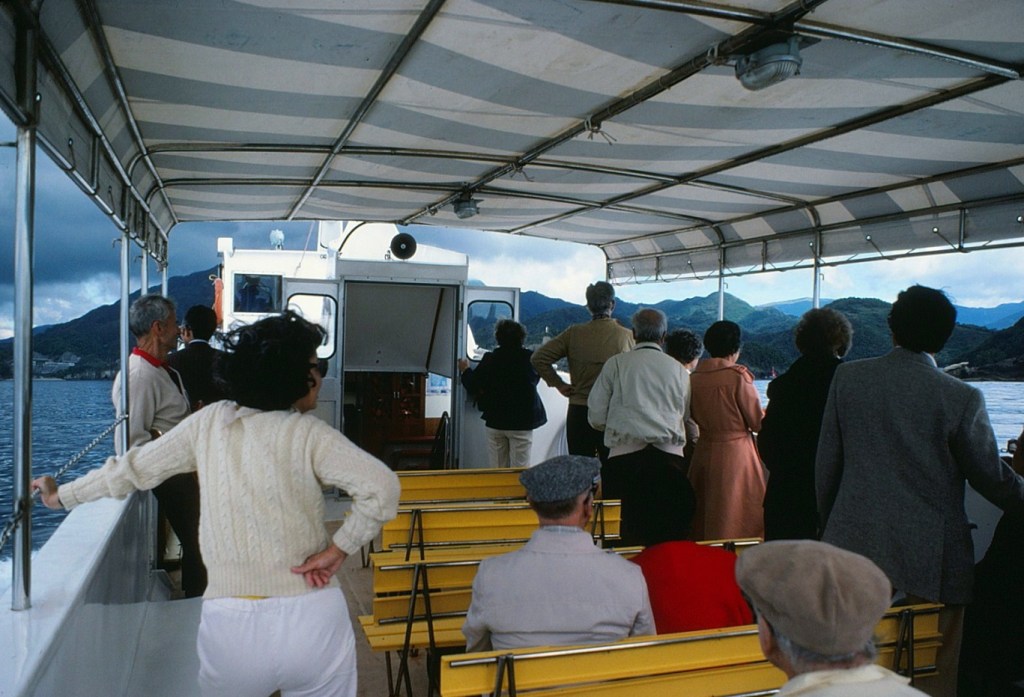
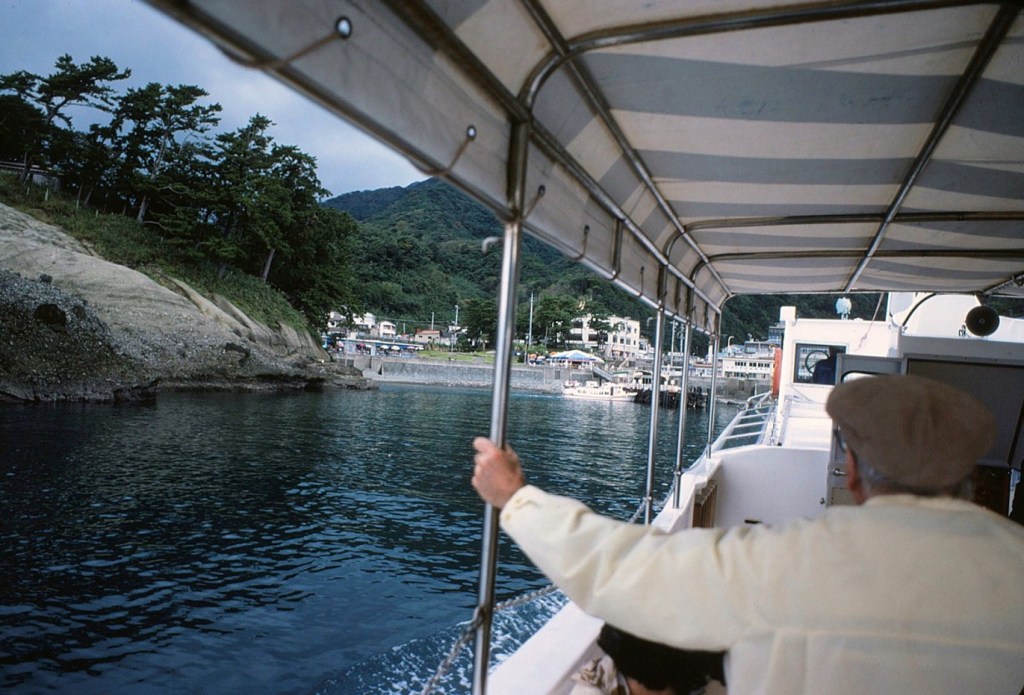
[View from the boat . . . ]

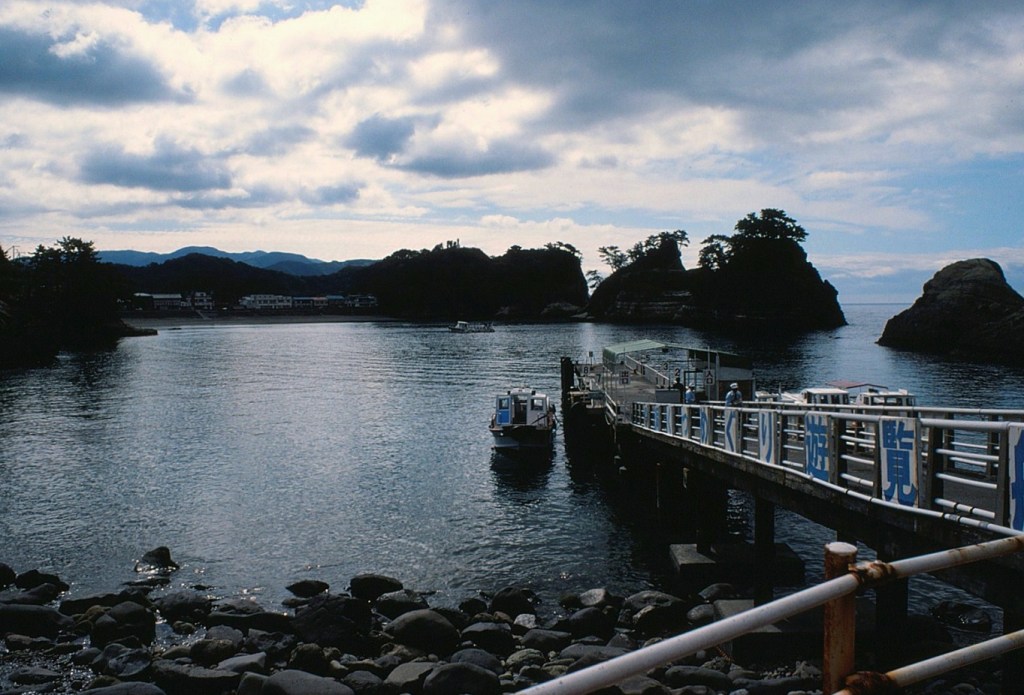
[Almost Gibraltar . . . ]

Every drop in the ocean counts. ~ Yoko Ono

There’s a long life ahead of you and it’s going to be beautiful, as long as you keep loving and hugging each other. ~ Yoko Ono

[Toku, just ahead of me . . . ]

Land ho! ~ Some sailor somewhere

When I was modeling in Japan, I could blend in a little because of my hair, but my roommates with blonde hair got harassed. People would touch their hair and grope them in the subway. Actually, a lot of groping happens in the subway in Japan, but that’s probably true of subways everywhere. ~ Emmanuelle Vaugier

[When I undertook this undertaking (though never say “undertaking” around an older person), Roy had a specific memory of a “Shuzenji hot spring resort where we stayed in modern Ryokan (Japanese style hotel) dressed up in Kimono and had a formal Japanese meal” . . . ]

[So, I looked it up, et voila – it probably was my favorite part of the trip . . . ]

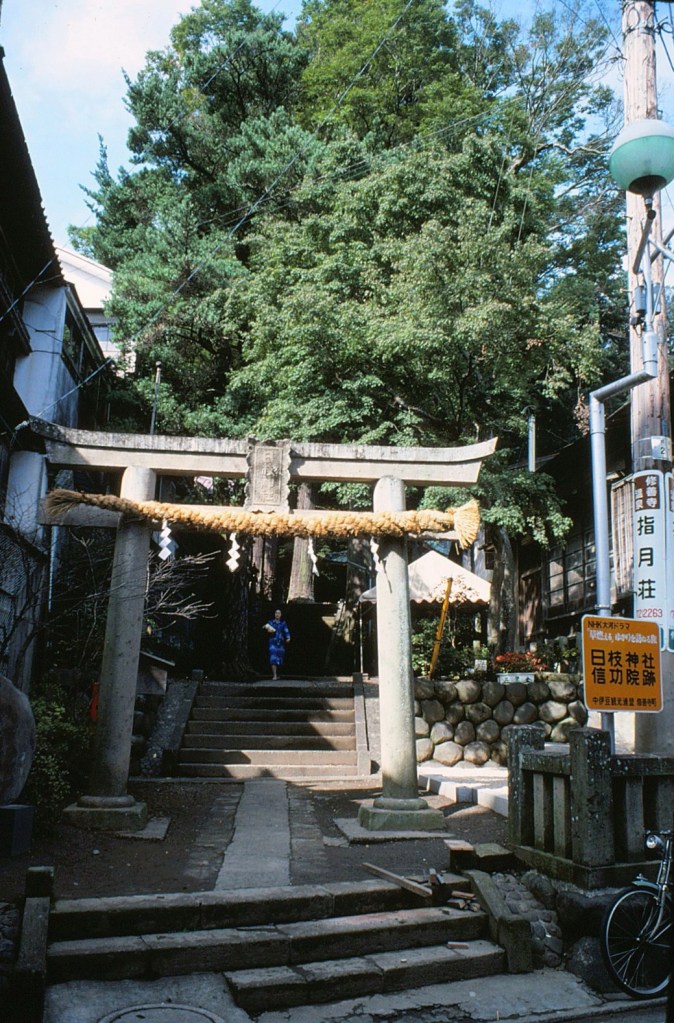
[Hie Jinja Shrine is one of the 3800 branch shrines under San-no So Honsha (The main shrine of San-no located in Hie-zan). In 807, Kukai (or Kobo Daishi) set up this shrine at the same time he established Shuzen-ji Temple. Although Hie Jinja doesn’t have a big precinct, huge trees are scattered about, and show its sacredness. Two cedar trees attached together at their roots is a symbol of blessing of children (Kodakara-no-sugi). The trees are more than 800 years old and decorated with holy straw ropes. Go through between the trees, making a wish about your children, and then you and they will be blessed (en.japantravel.com).]

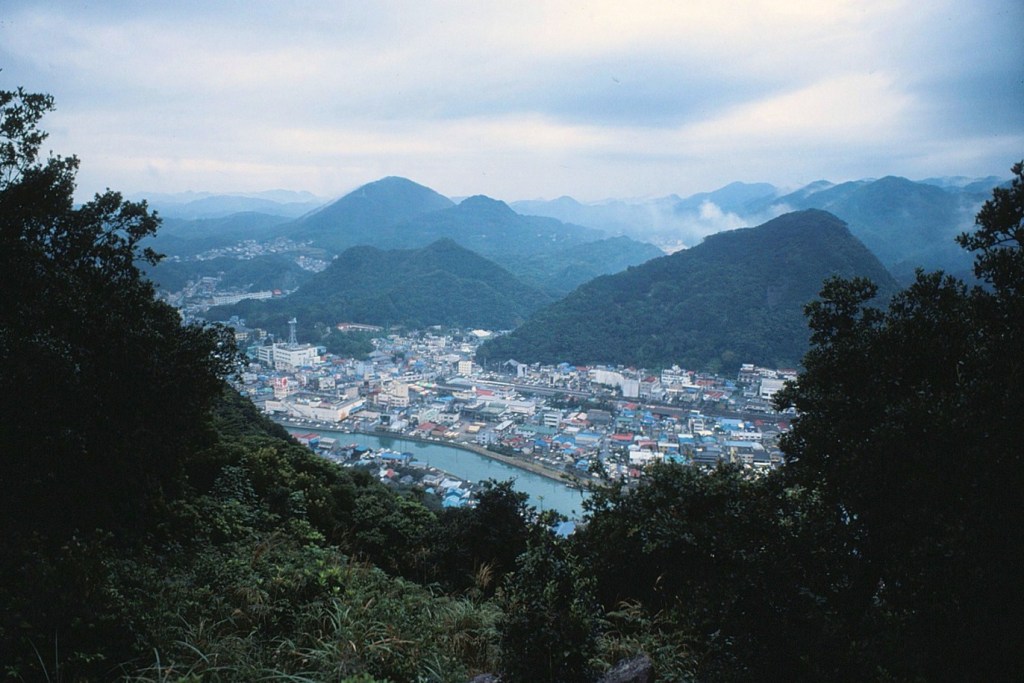
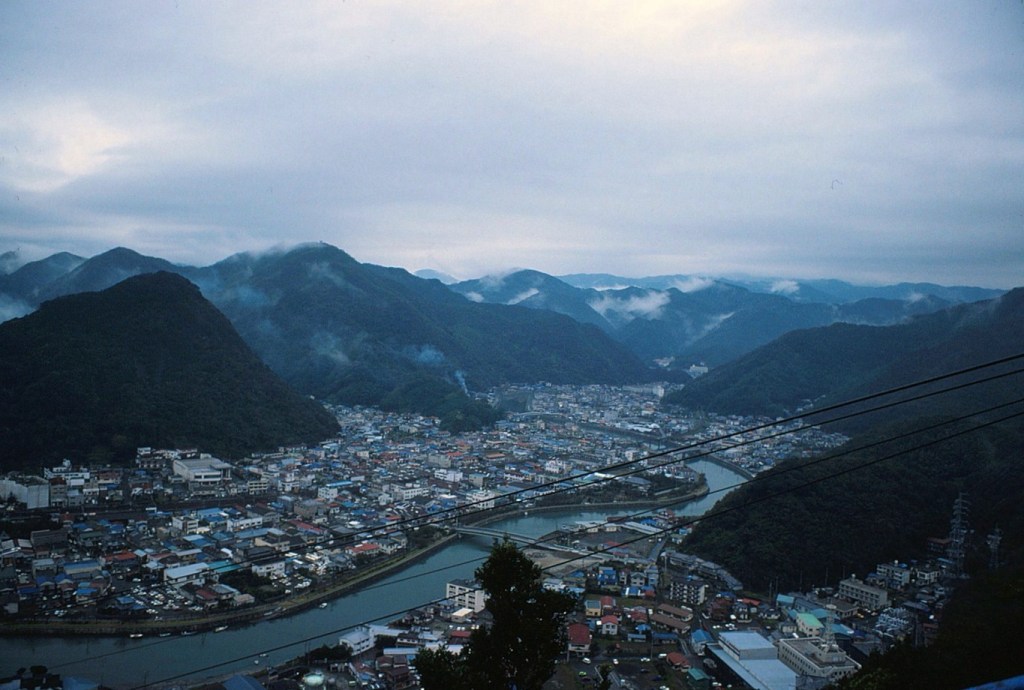
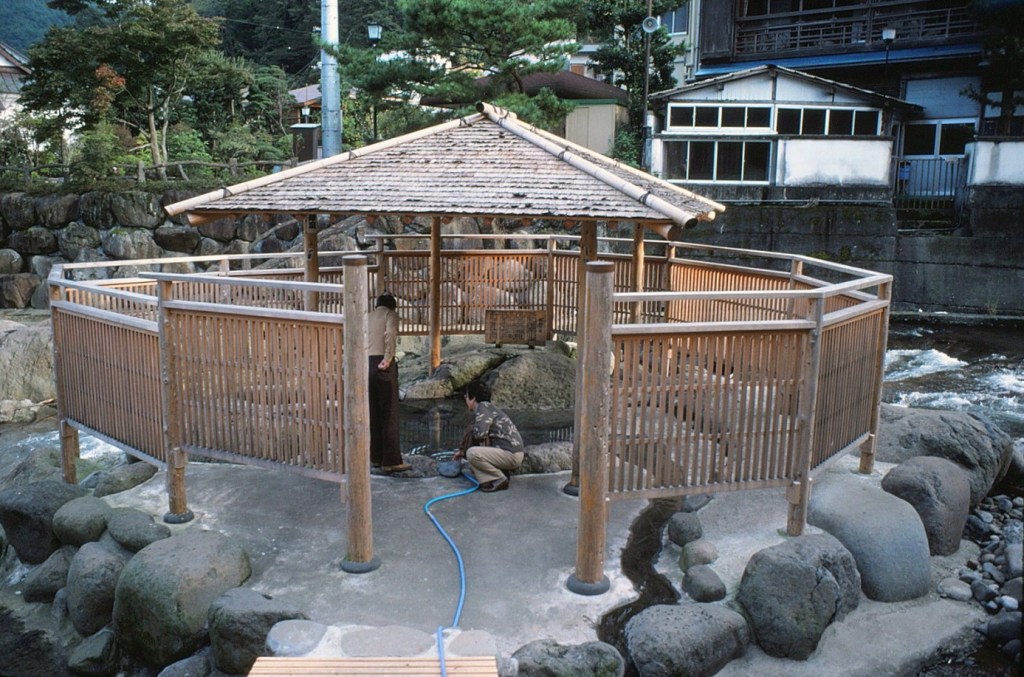
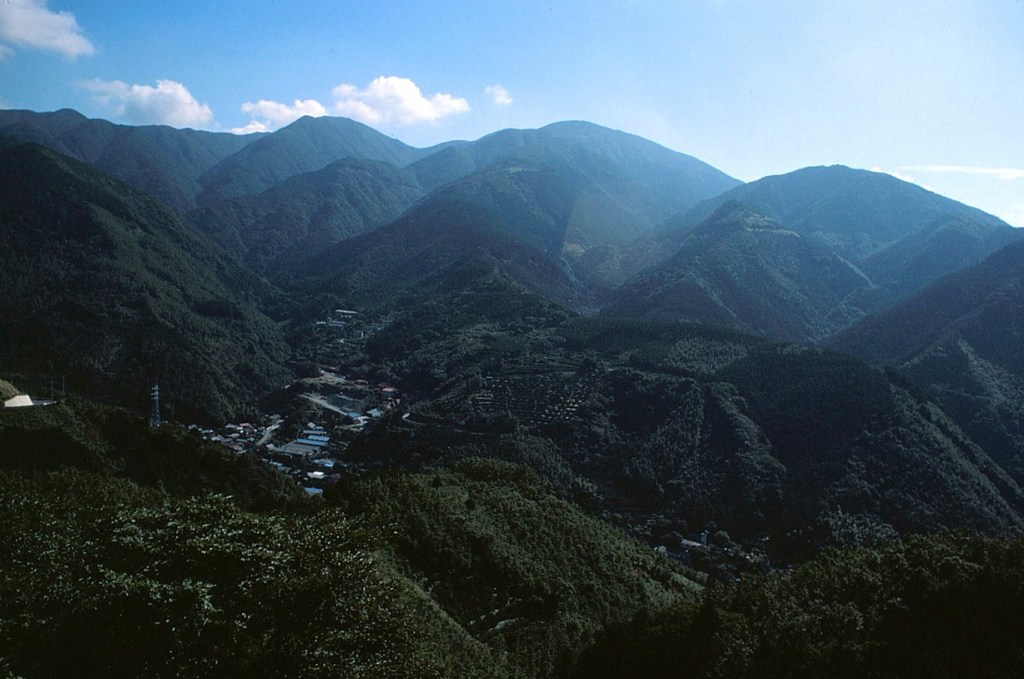
[Shuzenji, the town; the wonderful Shuzenji Onsen will be featured in the nest post . . . ]

[See the following photo . . . ]

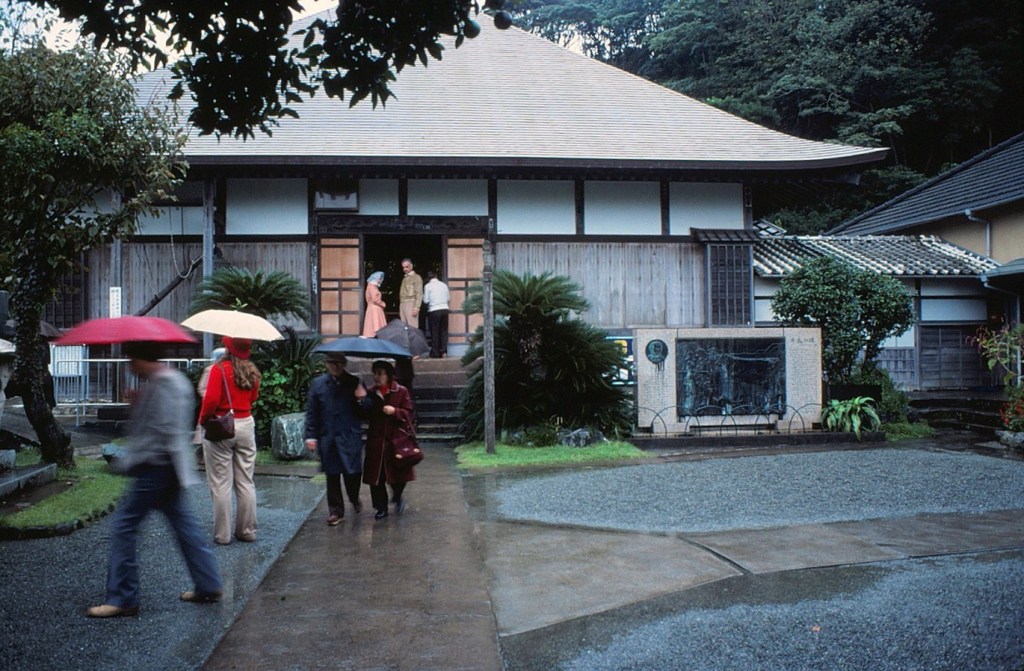
[The Shuzenji Temple is said to have been founded by Kobo Daishi in the 9th century, and became a major temple with many buildings supported by the Hojo family in the Kamakura period. In 1194, Minamoto no Noriyori was arrested and confined here by his elder brother, the shogun Minamoto no Yoritomo, and eventually committed suicide when Kajiwara no Kagetoki attacked. The second shogun Yoriie, the first son of Minamoto no Yoritomo, was also confined here because of a plot by his mother Masako and grandfather Hojo Tokimasa, and was assassinated in 1204 while taking a bath. This was the scene of tragedies caused by the bad blood in the Minamoto family, and is known as the place where the family historically met its end (shizuoka-guide.com).]

Go to any Shinto temple in Japan and you’ll see it: a simple stand from which hang hundreds of wooden postcard-size plaques with a colorful image on one side and, on the other, densely scribbled Japanese characters in black felt-tip pen, pleas to the gods for help or succor. ~ Hanya Yanagihara

Human reactions to robots varies by culture and changes over time. In the United States we are terrified by killer robots. In Japan people want to snuggle with killer robots. ~ Daniel H. Wilson

Up Next: Part 6

Japan 1983 (Part 4)

October 8

If you understand everything, you must be misinformed. ~ Japanese proverb

Depend on your walking stick, not on other people. ~ Japanese (and Fat Boys Walking Club) proverb

When last we left you we were in an as yet unidentified ryokan in the Japanese Alps . . .

[In my Facebook tease, I noted that I couldn’t remember what it was that I liked so much about Japan – and then I ran across these photos . . . ]

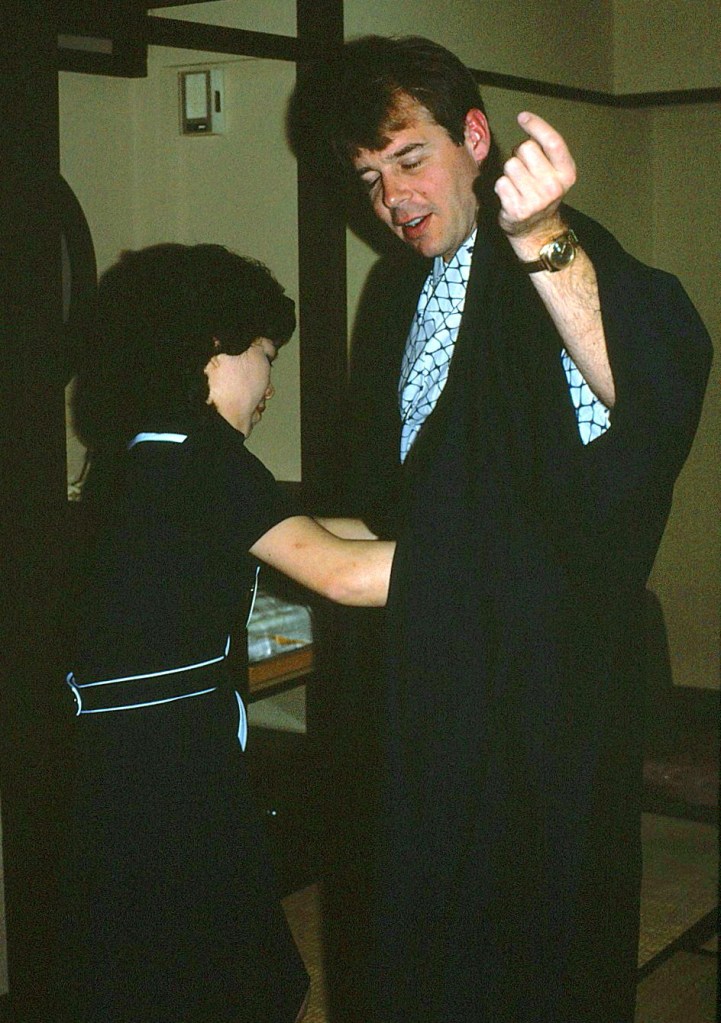
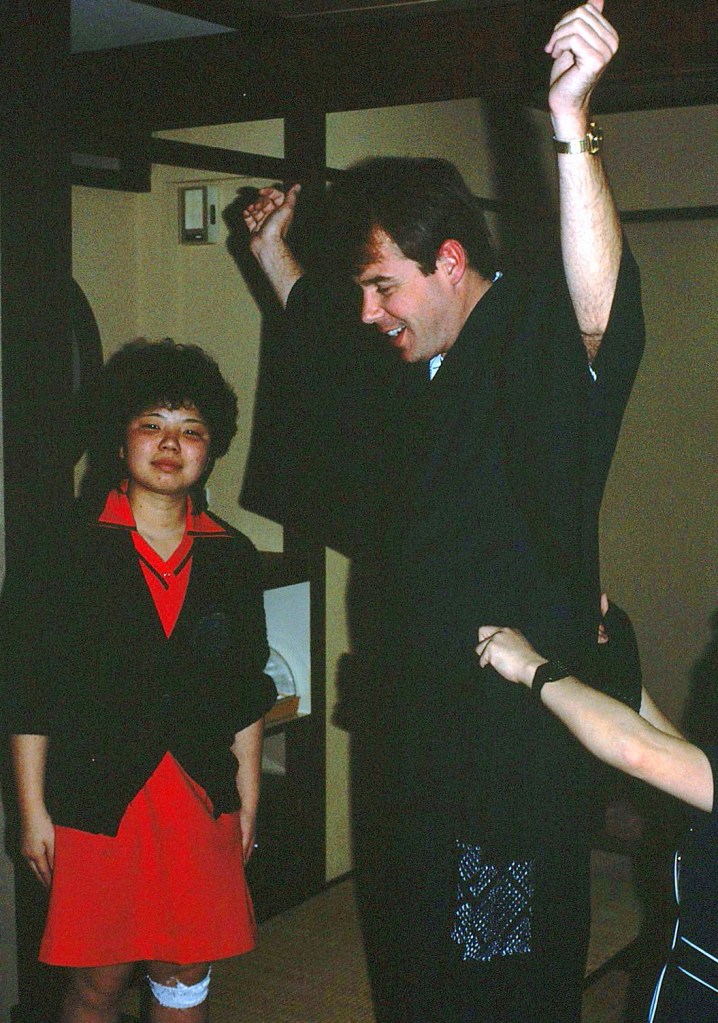
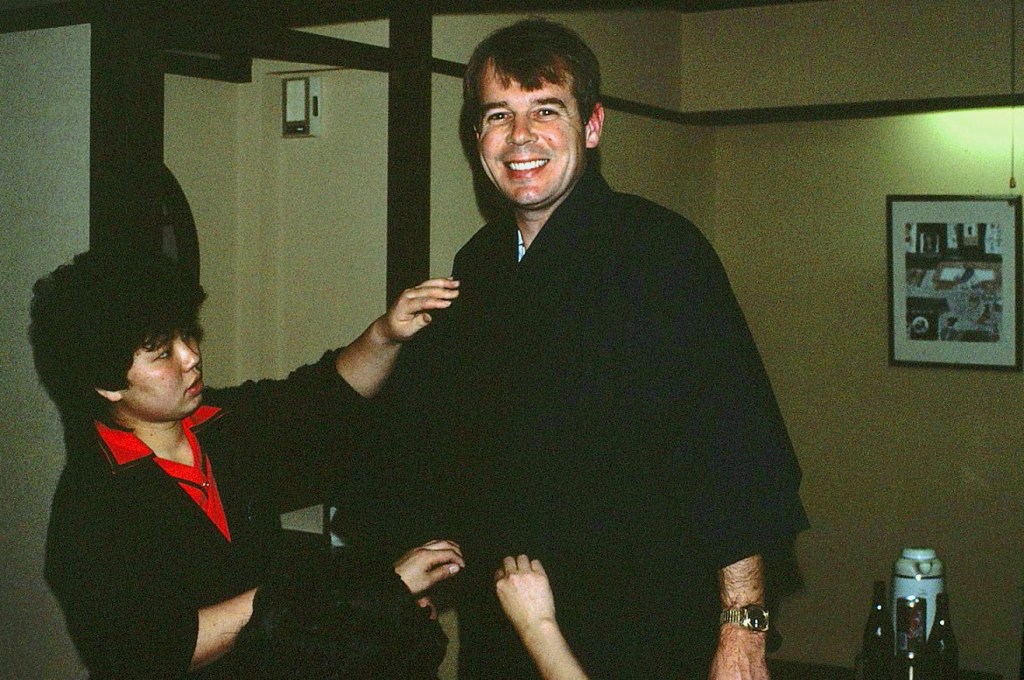
[So, what’s not to like about women valets helping you to dress before dinner?]

[A little tuck here, a little tuck there . . . ]

[Et voila . . . ]

[You’re good to go . . . ]

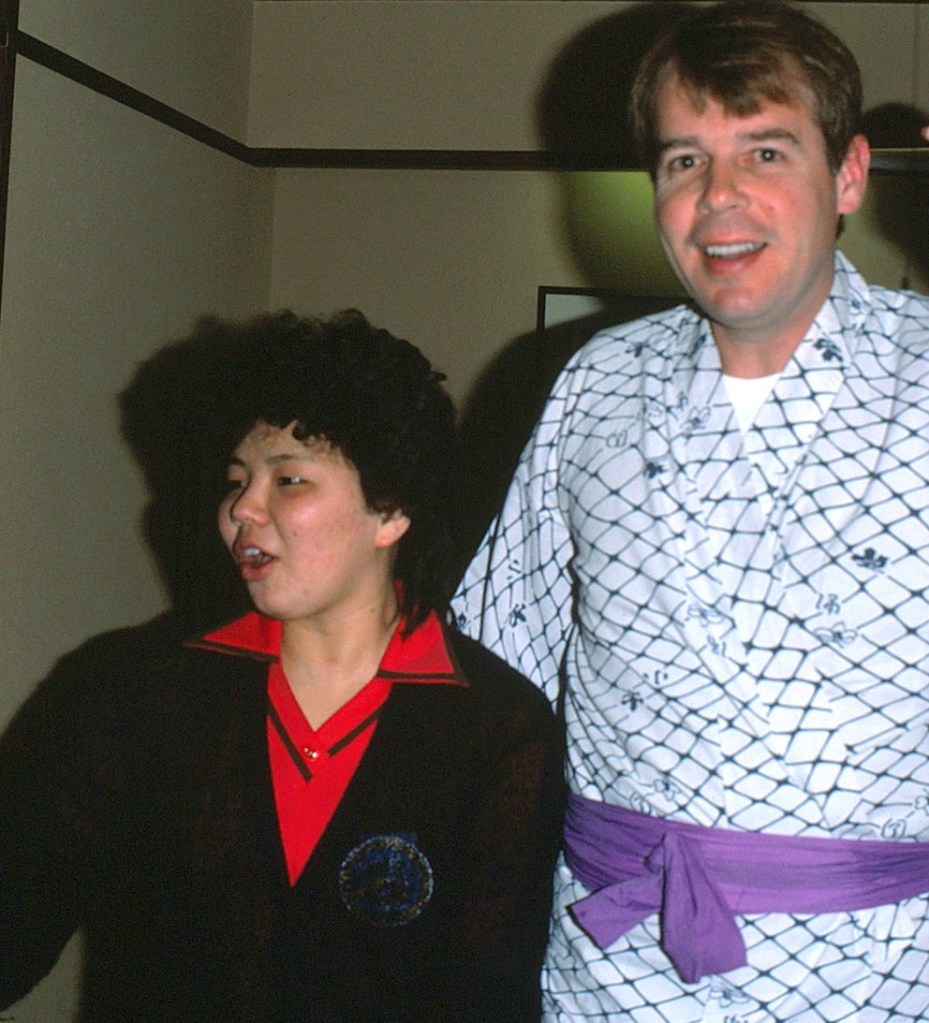
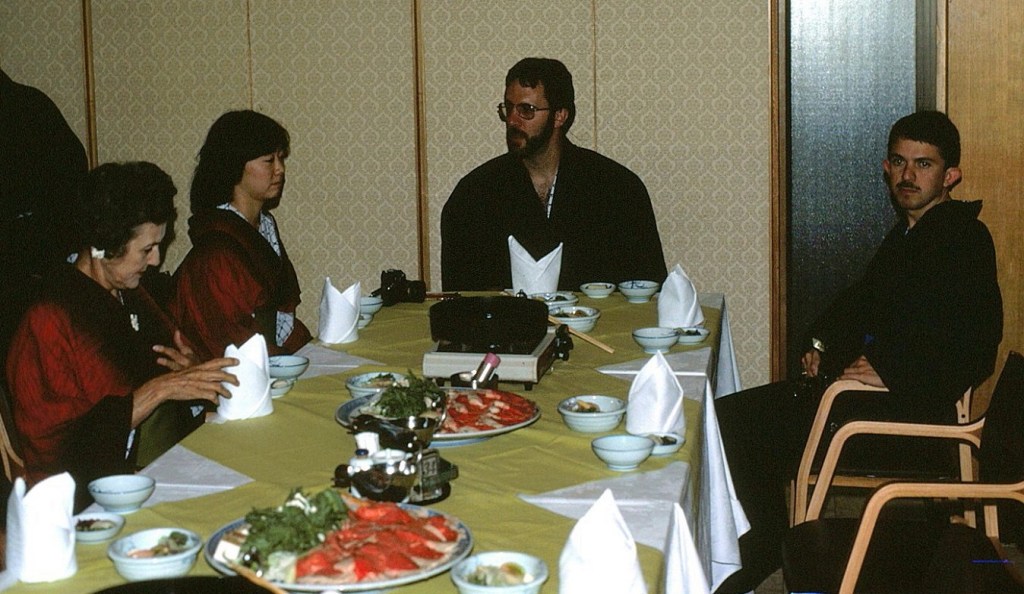
[With Randy and Marsha, guess who’s going to dinner? Your classic kimonos for men and women over the yukata tied up with an obi . . . ]

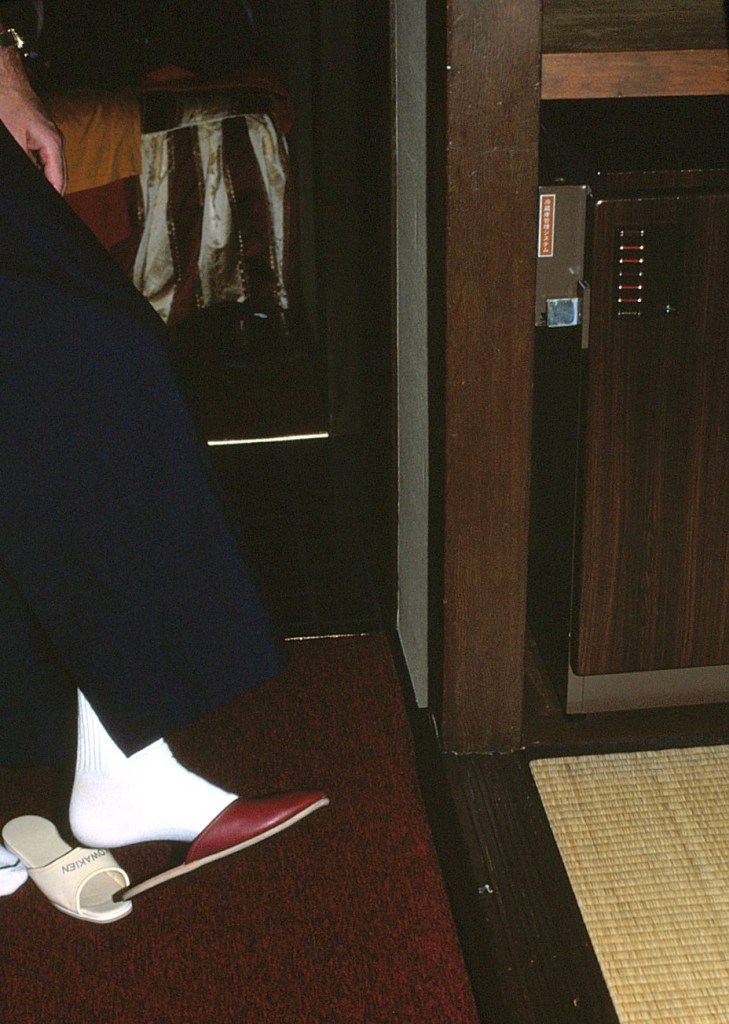
[Our valets got a big laugh out of my trying to put my size 10 1/2 gaijin (foreigner) foot into about a size 7 slipper . . . ]

[Though not always the case – chairs at the dinner table! Woo-woo!]

[The neighborhood from our perch . . . ]

There’s a reason that there are oodles of young Aussies, Germans, Japanese, even Chinese backpackers traipsing around the world. They are unencumbered by debilitating student loans. No such luck for the American Theater Arts major with $120,000 in loans. ~ J. Maarten Troost

[To my knowledge, I don’t recall being on a submarine though Roy looks such . . . ]

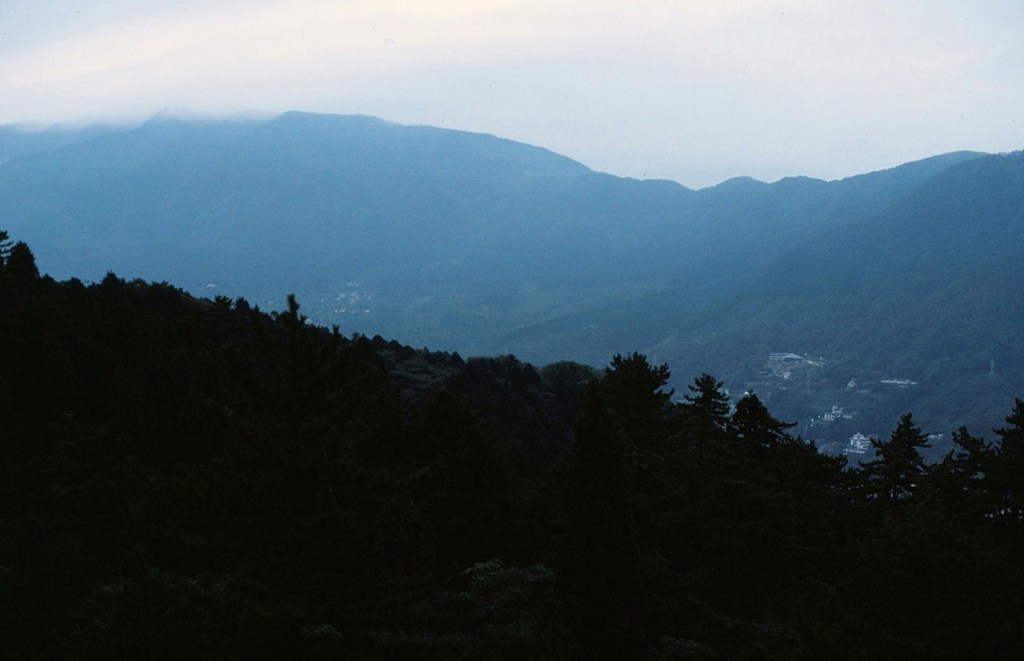
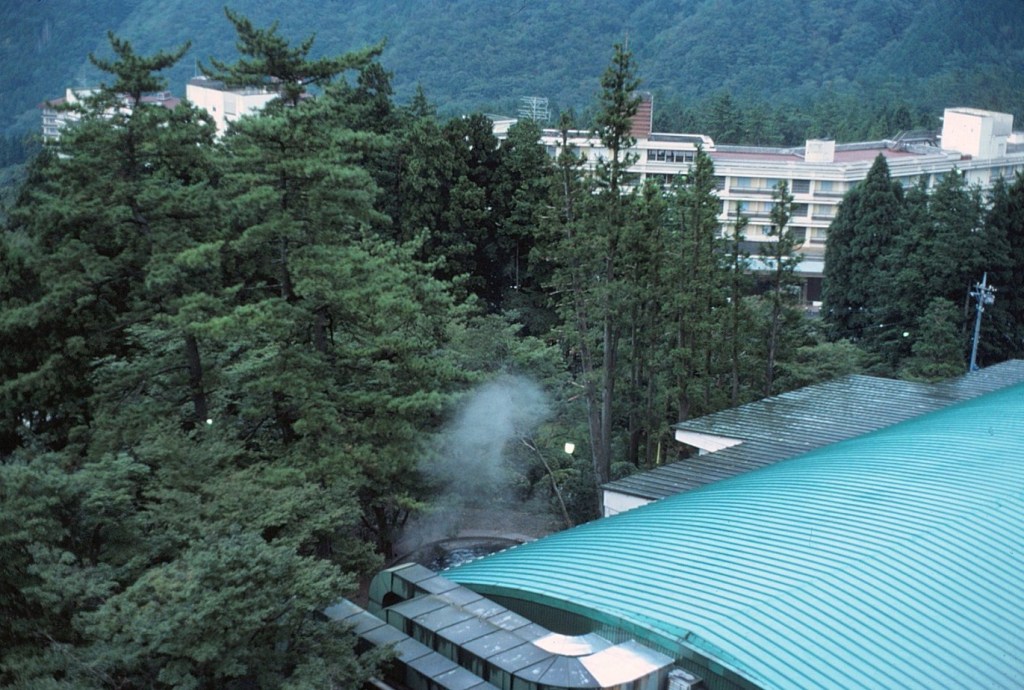
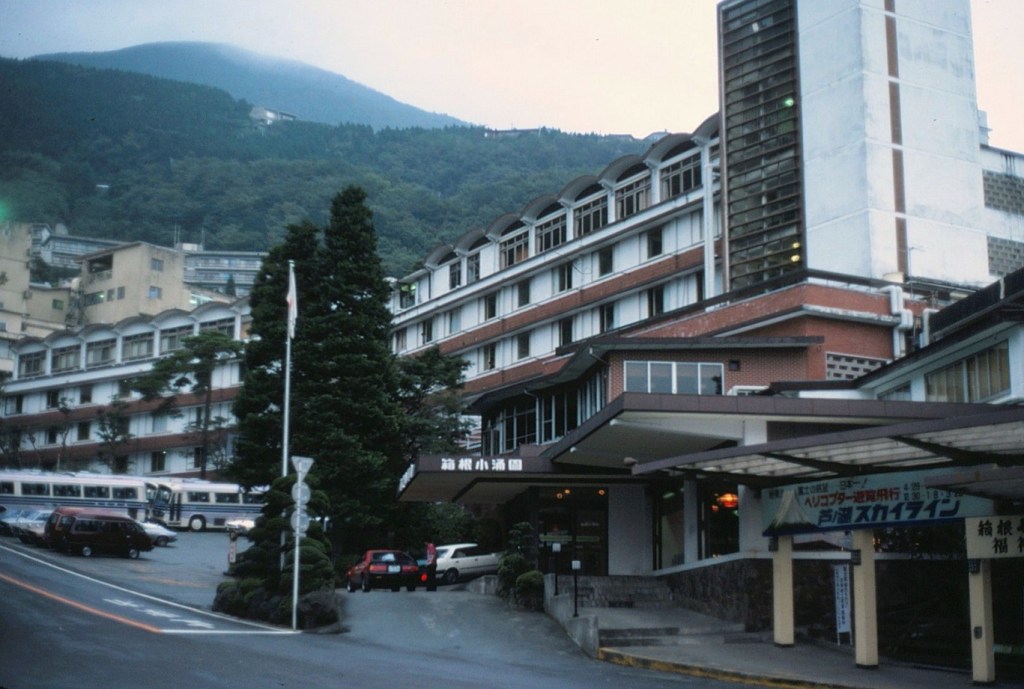
[OK, now either as a result of incredible piece of sleuthing, or more likely pure dumb like, I believe I have discovered where we were. Go back up to the slipper photo. I noticed writing on the shower footwear underneath the slipper. And from that a scouring of the Google machine led me to discover the Hakone Kowakien Ten-yu. The current hotel looks like it has had a makeover from its appearance 37 years ago . . . ]

[Roy and I both had top secret-crypto clearances in the Army. Accordingly, he is necessarily out of focus on some pictures. . . ]

It’s a myth that generally Asians are mostly vegetarians. The Japanese are the kings of red meat, but it’s expensive. The Chinese and Vietnamese love their pork. Many Indians, especially the Muslims, can’t live without their lamb. ~ Wolfgang Puck

[And now we’re heading down out of the Alps . . . ]

Thanks to the Japanese and Geronimo, John Wayne became a millionaire. ~ Pat Morita

[Back at sea level . . . ]

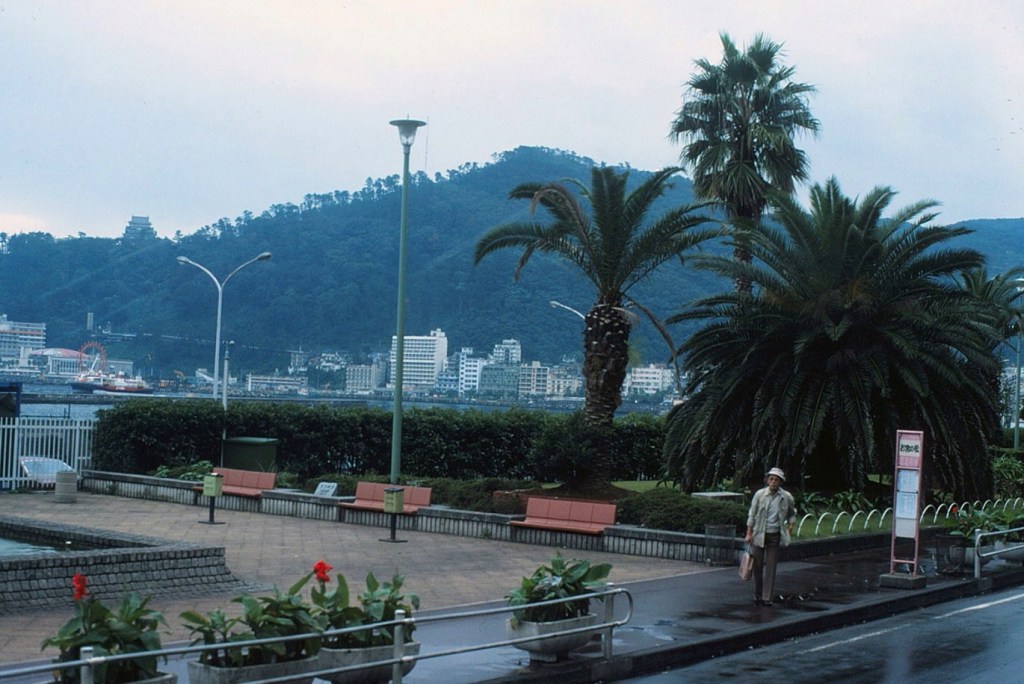
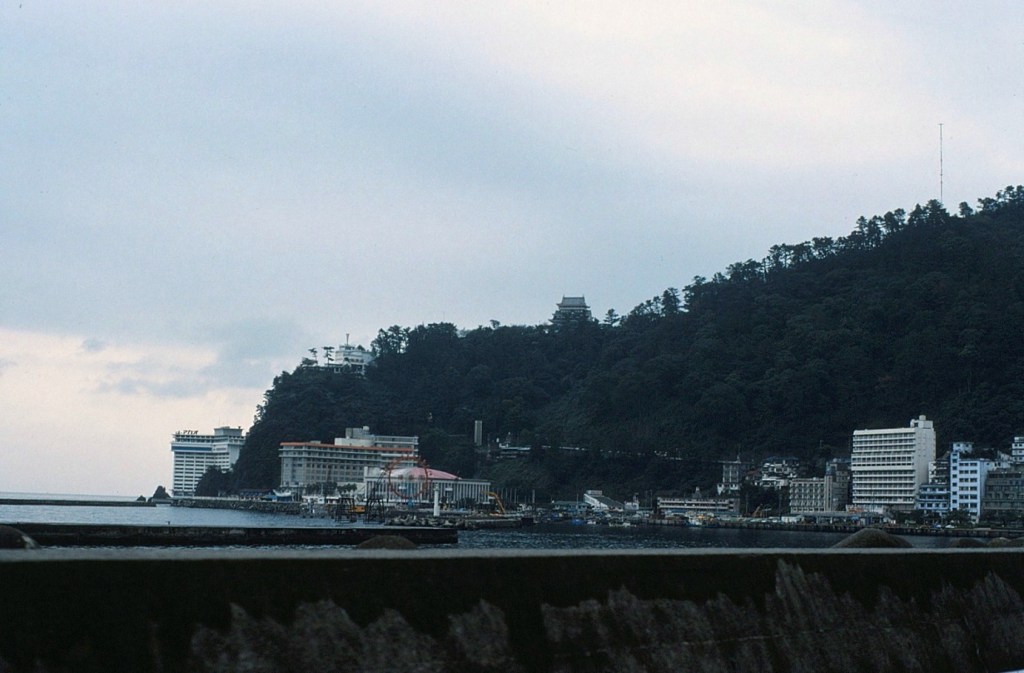
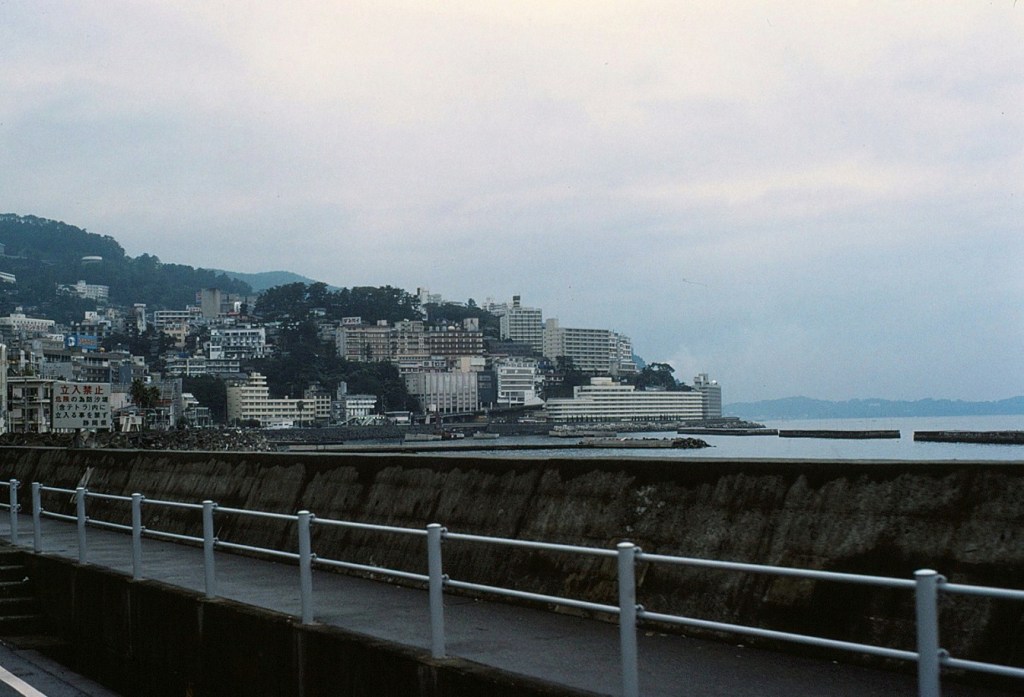
[I have reason to suspect this may be Atami City on Sagami Bay . . . ]

[But I probably wouldn’t put a lot of yen on it . . . ]

[My next best estimate is that the following photos will be along the 50-mile route from Atami to Shimoda along the eastern coast of the Izu Peninsula . . . ]

Forget sushi, yakitori and tempura, ramen is what really gets the Japanese excited. ~ Rachel Khoo

My fake Japanese was smooth enough to earn me the title of ‘The Emperor of Pleasing Graciousness’ in that country. ~ Wolfman Jack

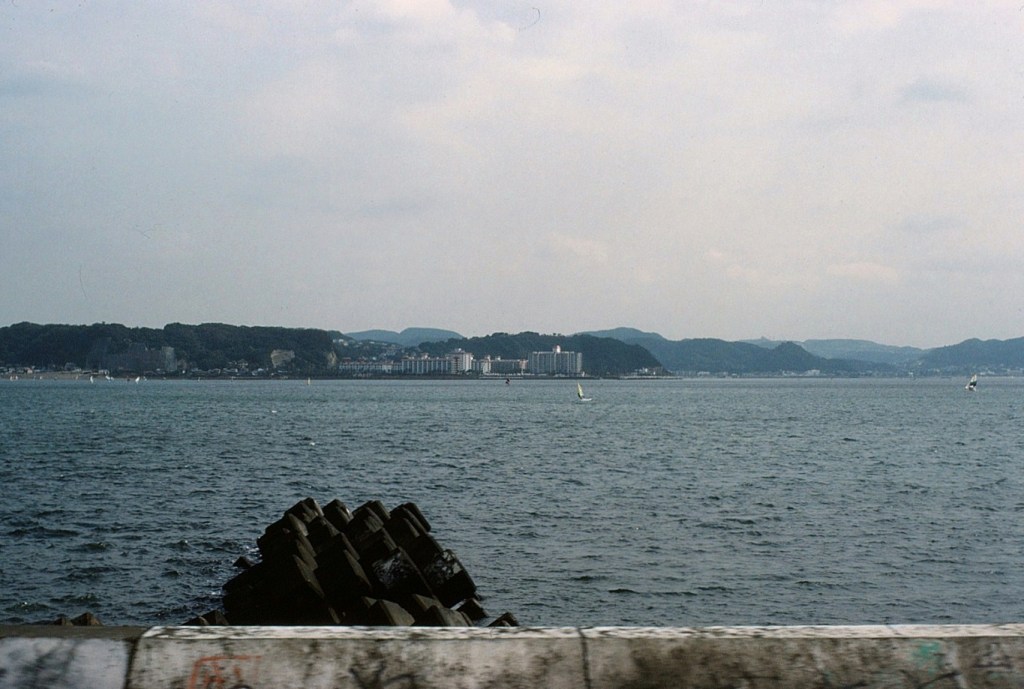
[I guess this is s’pose to be a shot of the curvy coastal road we’re on . . . ]

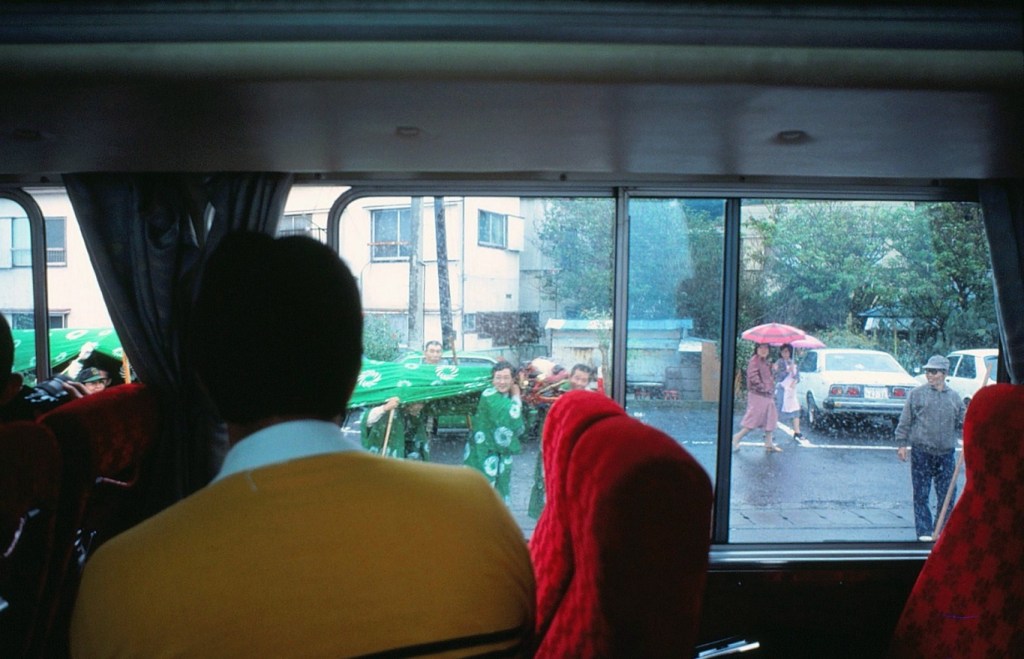
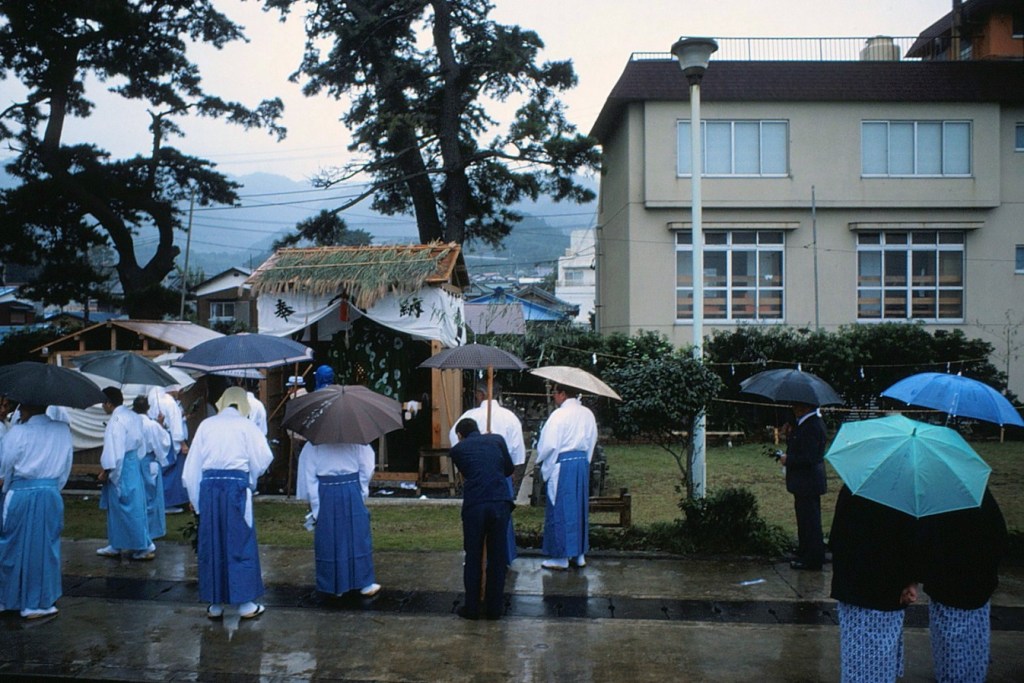
[It may be raining, but I love a parade . . . ]

[I’m not sure what this is about, but I hope it was joyously associated with the parade . . . ]

[We were probably getting a little tired of this November weather . . . ]

I didn’t understand the American fascination with the Japanese schoolgirl. No, I don’t think I can, really. ~ Chiaki Kuriyama

[It looks like we’re approaching a port city . . . ]

[Very much Japan . . . ]

[Ryōsen-ji is a Nichiren-sect Buddhist temple in the city of Shimoda. It is noteworthy as the location of the signing ceremony for the Treaty of Amity and Commerce (also known as the Harris Treaty) between the Tokugawa shogunate of Japan and the United States of America on July 29, 1858. Due to this connection, the temple grounds and main hall have been designated as a National Historic Site by the Japanese government (Wikipedia).]

[The temple grounds . . . ]

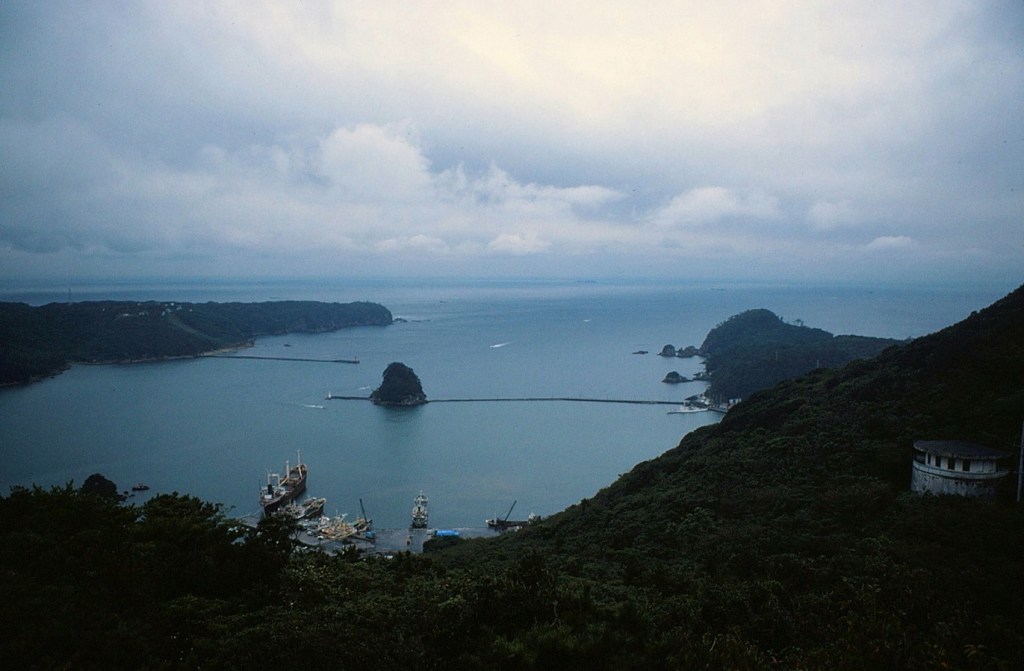
[The Shimoda Ropeway is a Japanese aerial lift in Shimoda. The line is also called Nesugatayama Ropeway as it climbs Mount Nesugata. The observatory has a view of Port of Shimoda and Pacific Ocean. The line began operation on April 1, 1961 (Wikipedia).]

[Would have been a beautiful view on a beautiful day . . . ]

[Shimoda is a city and port located in Shizuoka Prefecture. As of 1 August 2019, the city had an estimated population of 21,402 in 10,787 households. In the 1850s, Japan was in political crisis over its increasing inability to maintain its national seclusion policy and the issue of what relations, if any, it should have with foreign powers. For a few years, Shimoda was central to this debate (Wikipedia).]

[And the Pacific beyond . . . ]

I could never understand how we could put 120,000 Japanese behind a fence in World War II. I remember being bewildered about that. ~ Phil Donahue

Up Next: Part 5

THE KITTIES

October 8

We’re taking a short break from blogging the Japan of the previous century to talk about . . .

In ancient times cats were worshiped as gods; they have not forgotten this. ~ Terry Pratchett

[Our story began a decade ago, give or take, when we first met Jess Lourey. Although Jess had taught at Alexandria Technical College, I seem to recall we didn’t meet her until she had taken a similar position in St. Cloud. And that was when she was on a book signing tour on behalf of her murder-by-month mystery novels. I believe the first time was at Cherry Street books in 2012 (below), though we had become pen pals (email, FB) prior to that . . . ]

[And this was at Cherry Street in 2014. Jess, of course, subsequently went on to international stardom as a full-time writer living in Minneapolis. Nevertheless, in her spare time, she is a foster parent for the Golden Valley Humane Society. And Jess sells them well . . . by cheating! How can anyone not get addicted when she continuously posts videos of the kitties in her charge? The Super finally caved . . . ]

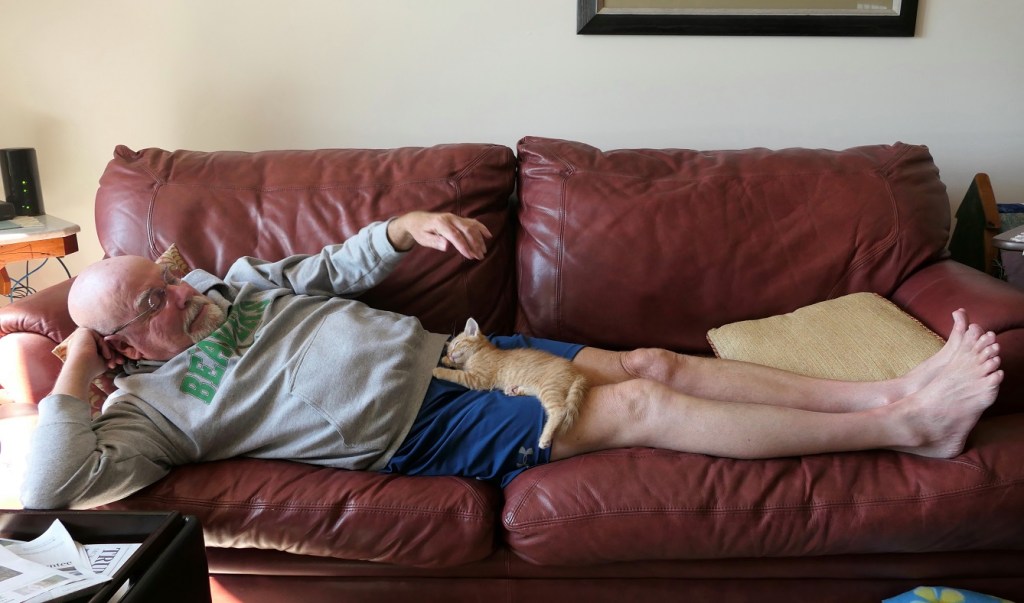
[So, on October 2 we trundled down to Golden Valley to pick up Guinevere and Galahad, two 2-pound siblings born on July 28 . . . ]

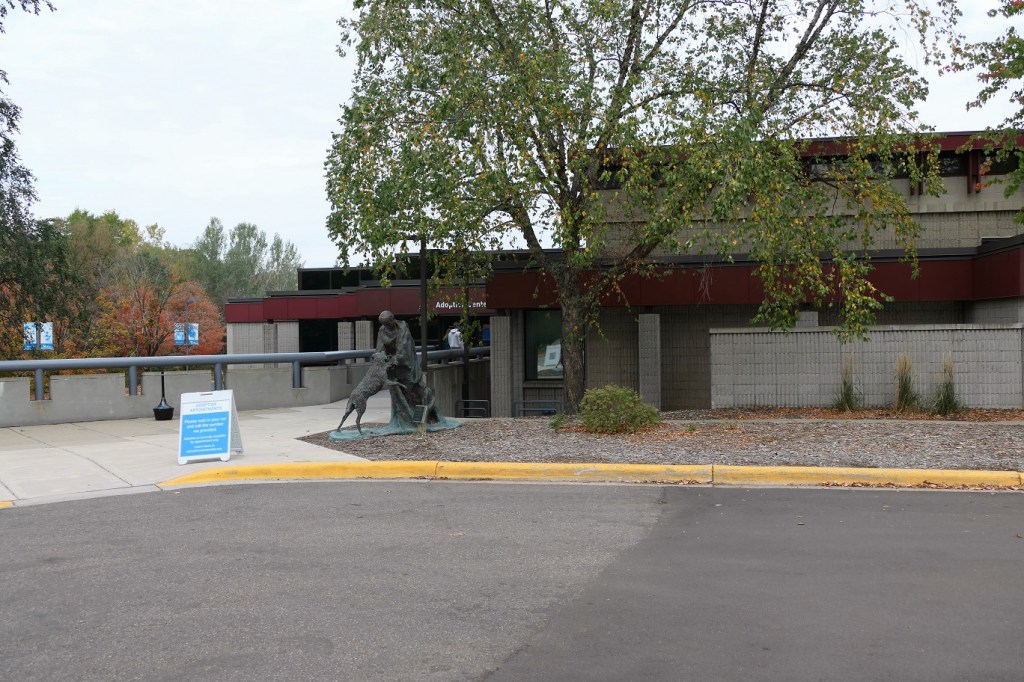
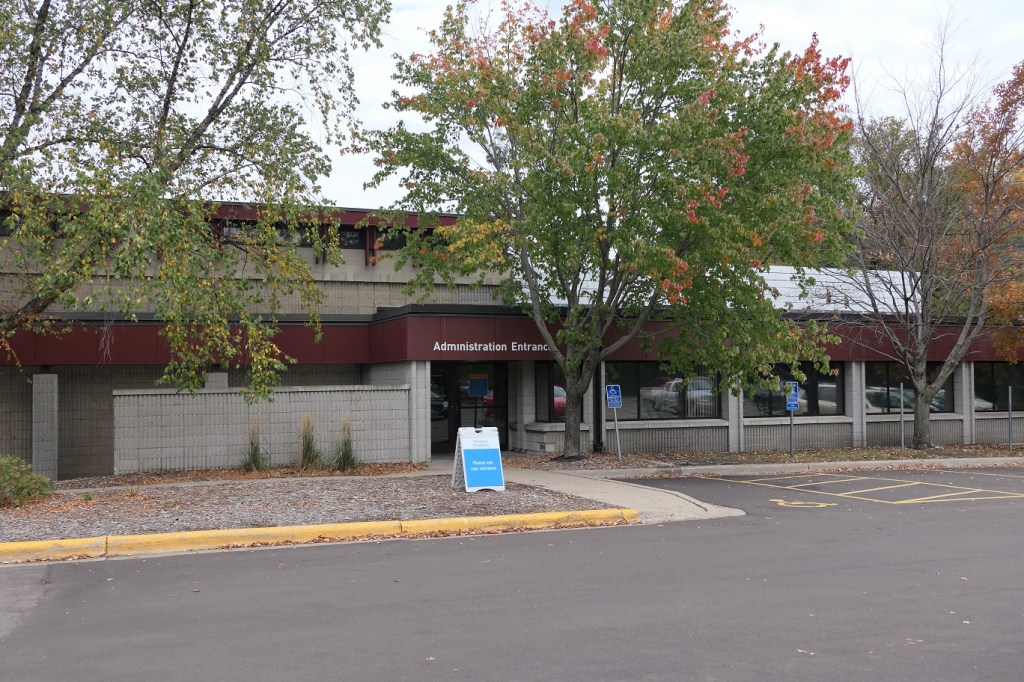
[This is quite an operation, but because of COVID visits are by appointment only . . . ]

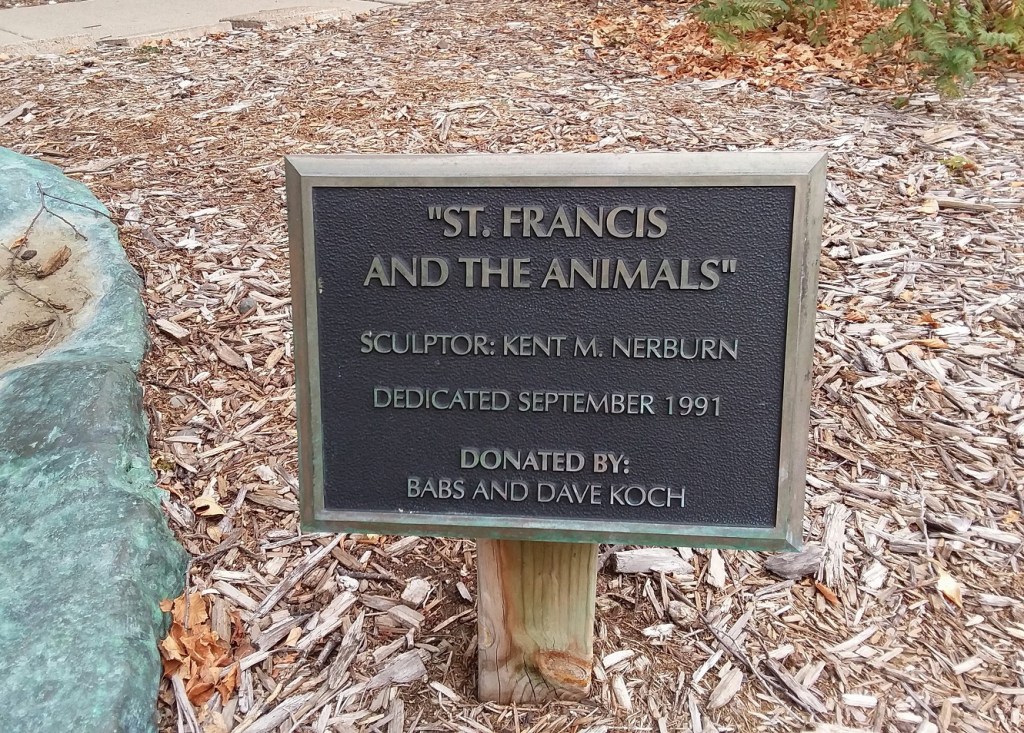
[Ordinarily, I might have only given this sculpture a passing glance . . . ]

[But then I noticed the sculptor . . . ]

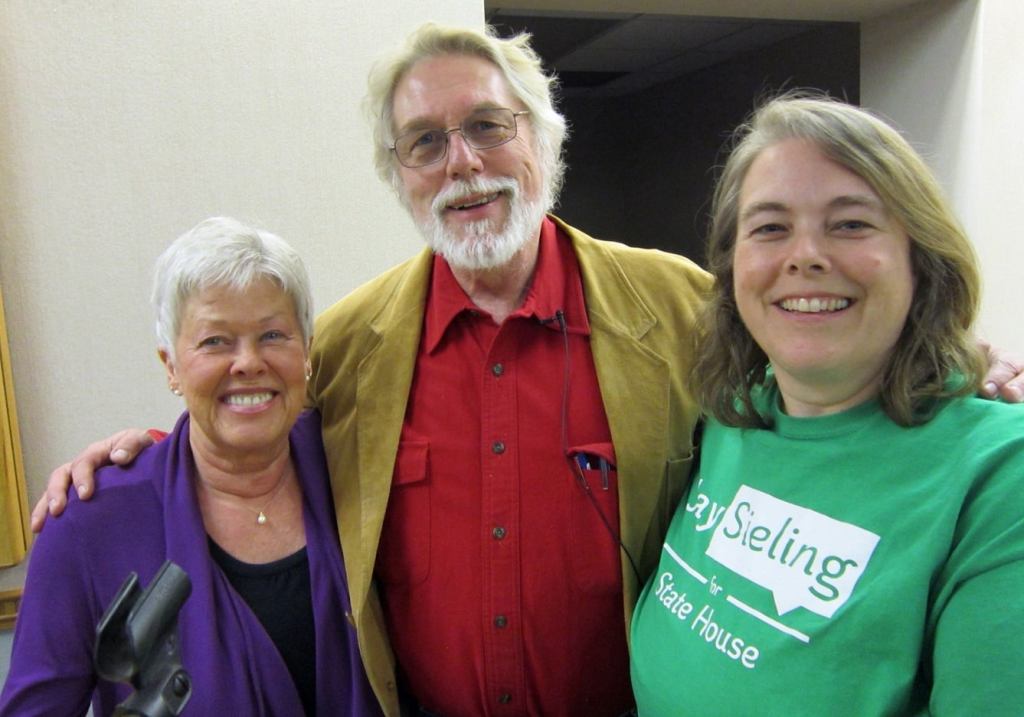
[This is Kent Nerburn with a coupla babes. He has also written such books as the Wolf at Twilight, Neither Wolf nor Dog, The Girl Who Sang to the Buffalo . . . ]

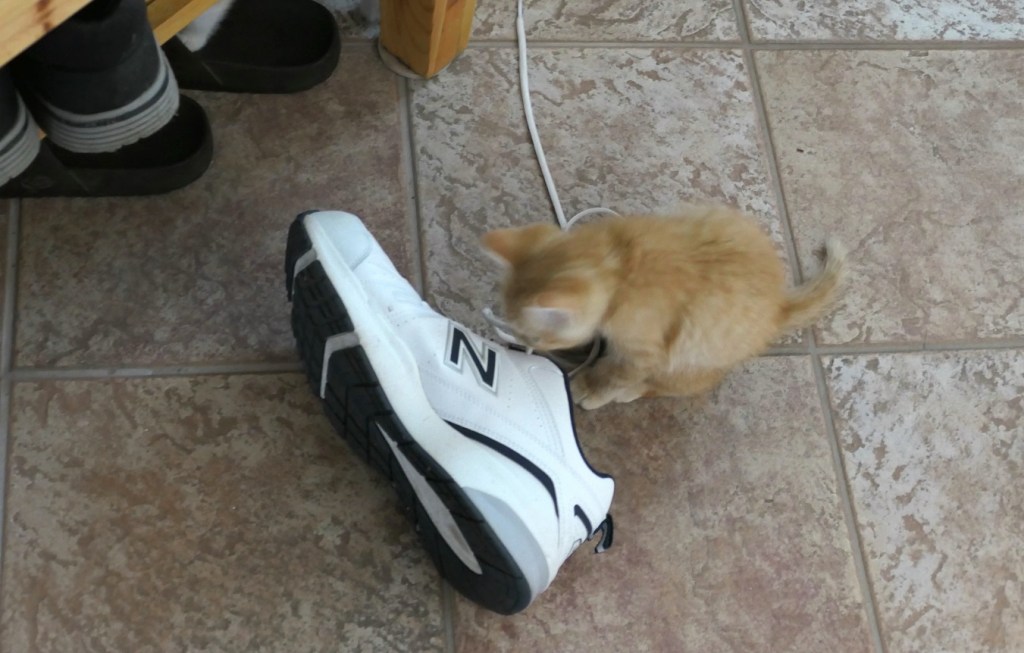
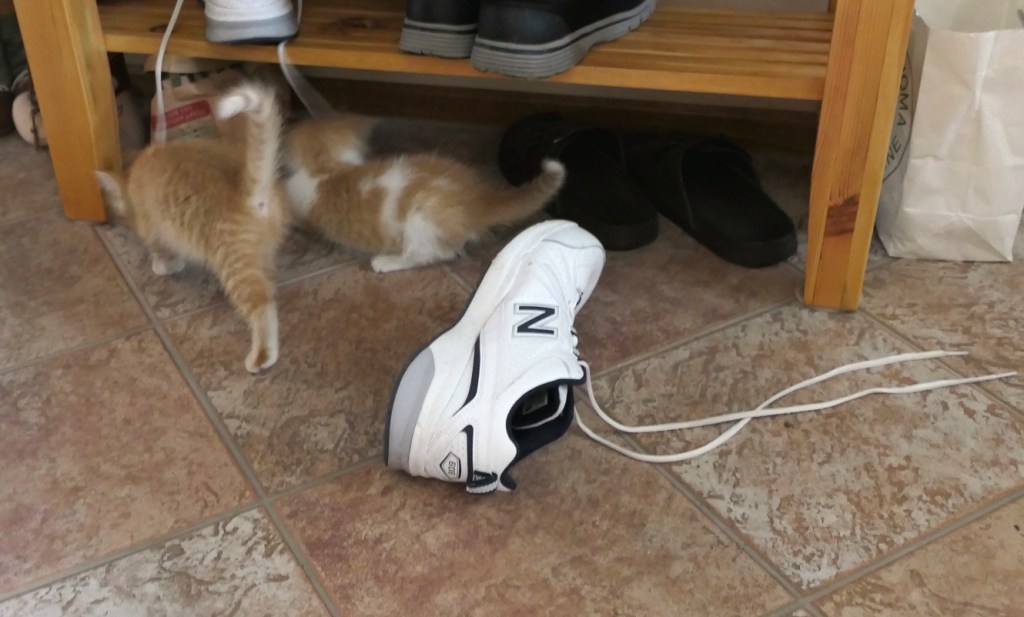
[After the trip down through the bomb-cratered I-94, we decided to come home on 169 until we hit 10 which we took all the way to Clear Lake before cutting back to the interstate – much better. Then the kitties in their new home immediately went for the laces on my walking shoes, pulling the shoes off the bench shelf. Let the excitement begin . . . ]

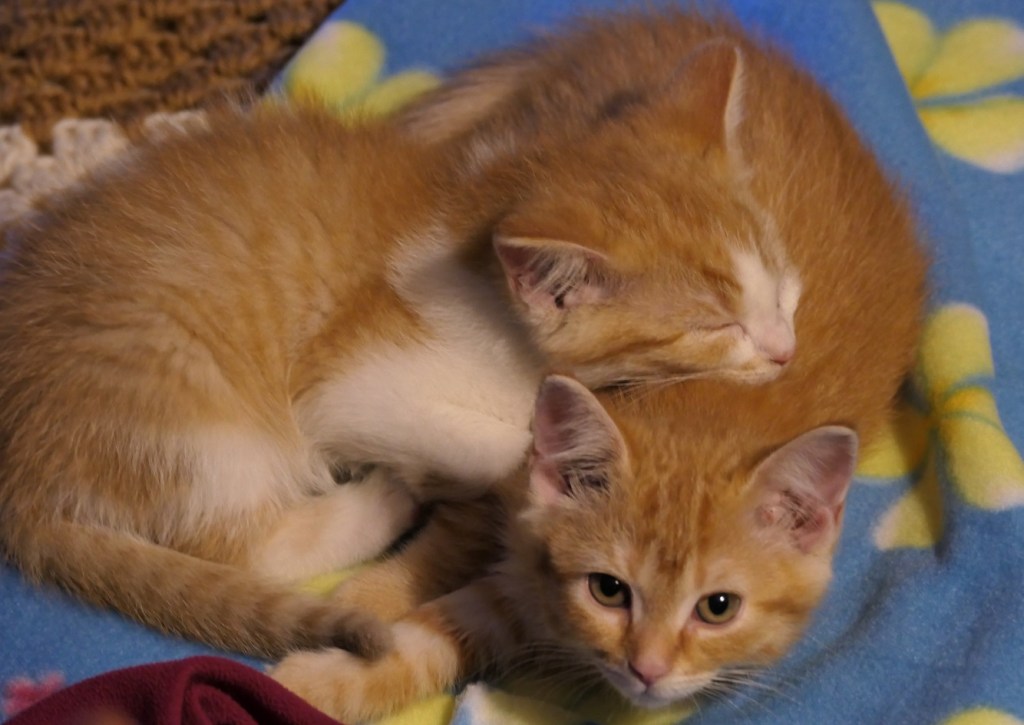
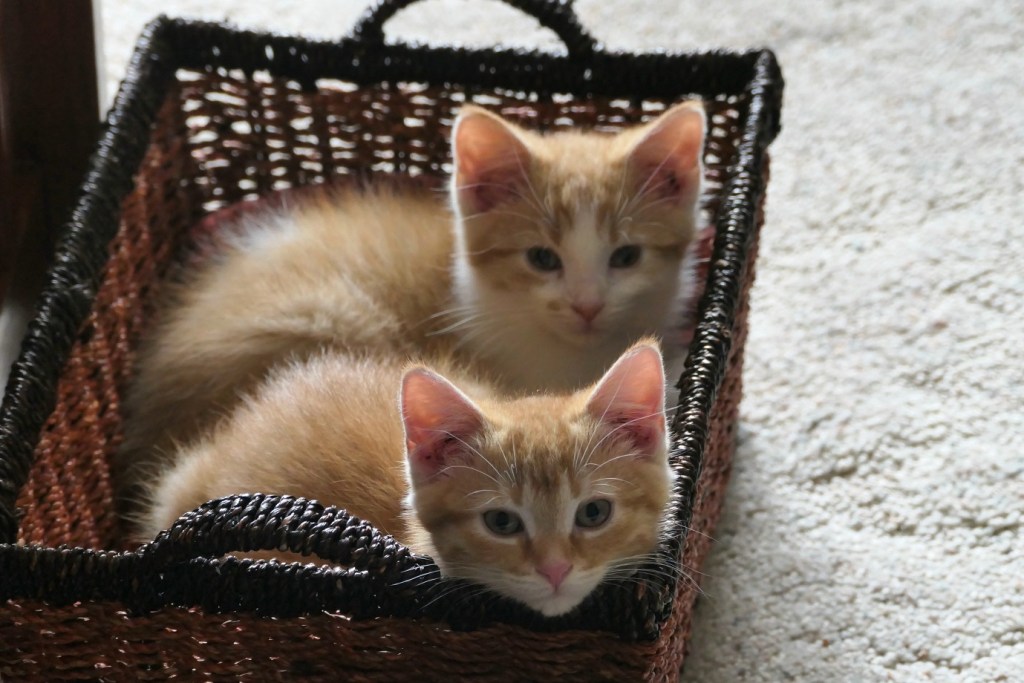
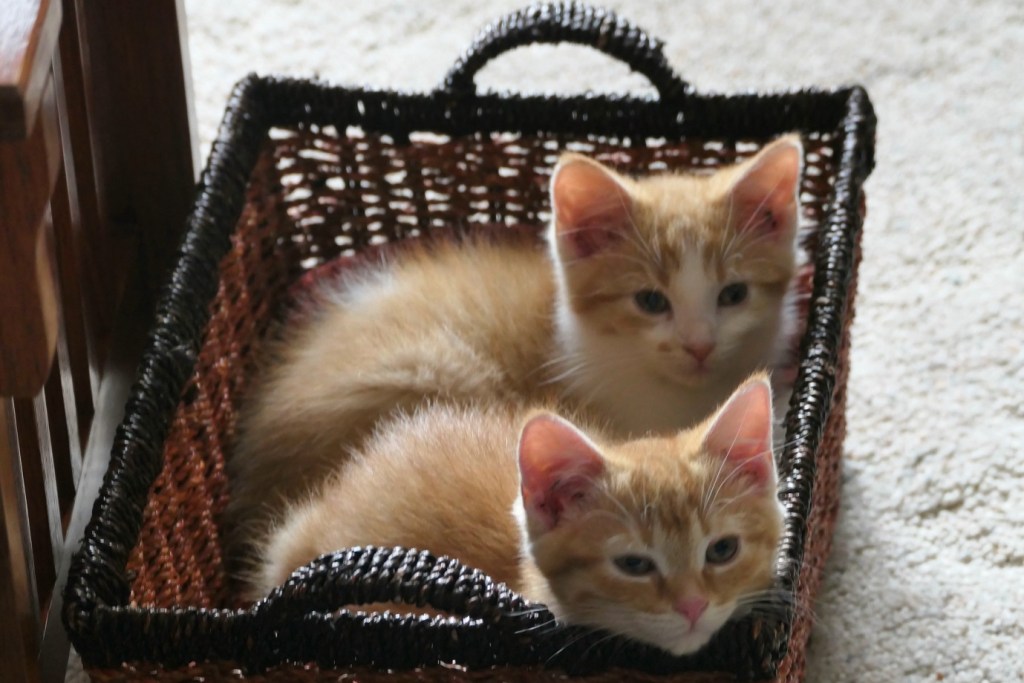
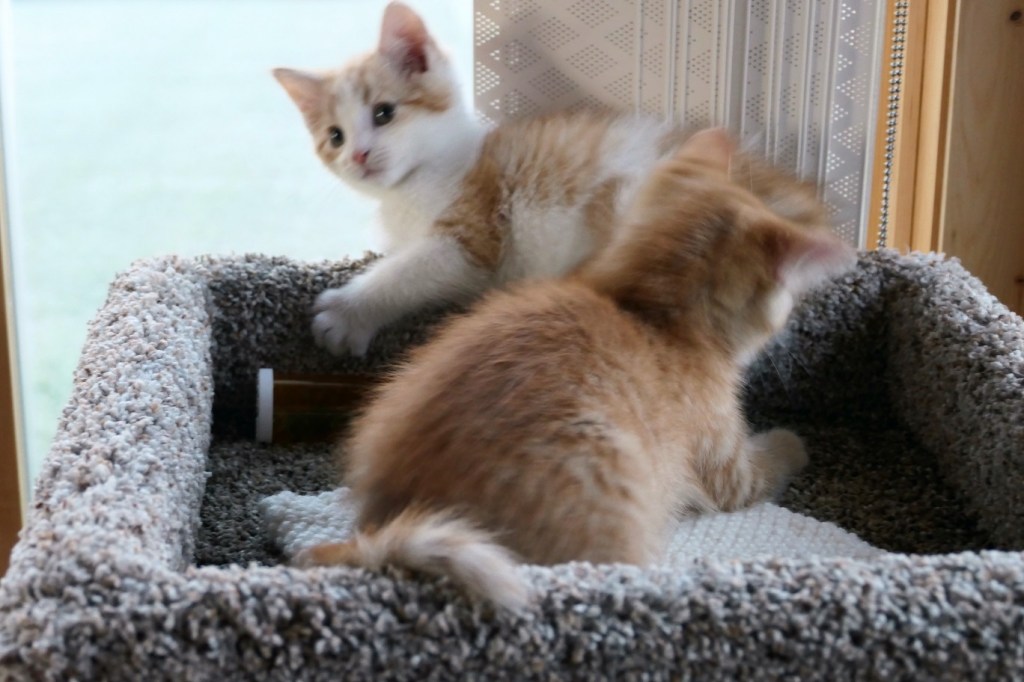
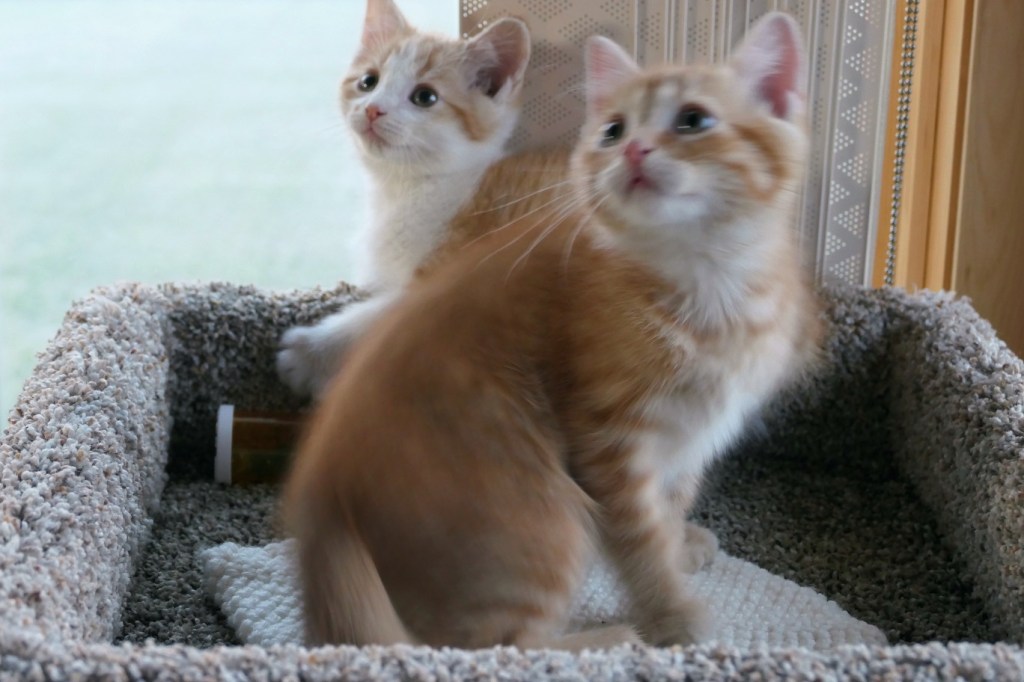
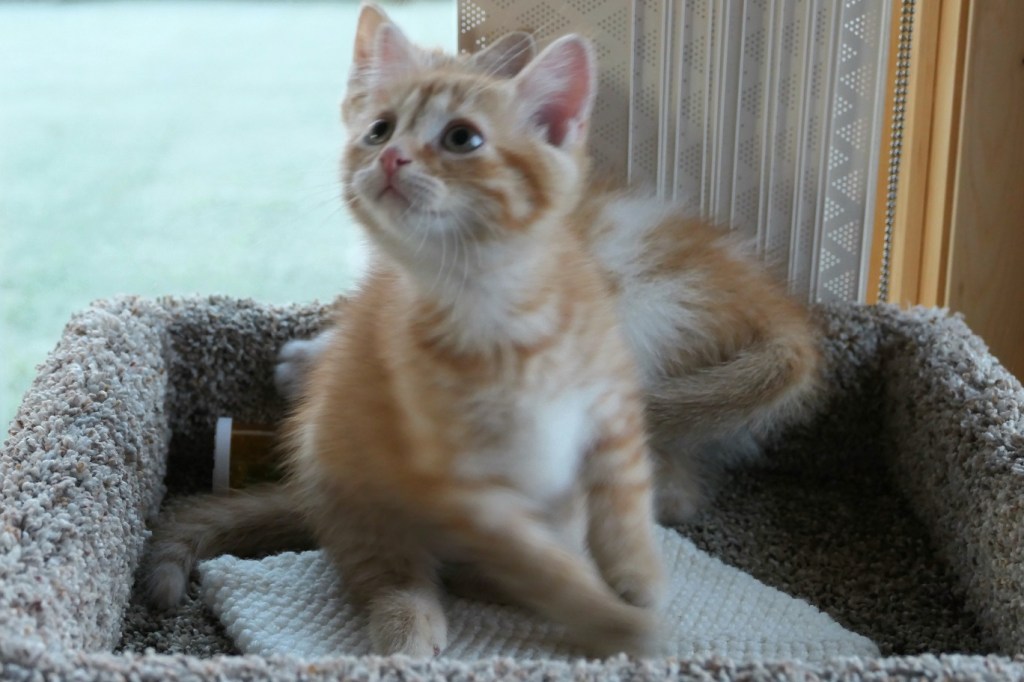
[Guinevere is mostly all ginger, and Galahad has white splotches and mostly white front legs. My shoe is mostly white, though totally defeated . . . ]

[Guinie on a search mission in her new home. . . ]

[The best thing about cats, particularly kitties, is that they peter out in a hurry . . . ]

Cats can work out mathematically the exact place to sit that will cause most inconvenience. ~ Pam Brown

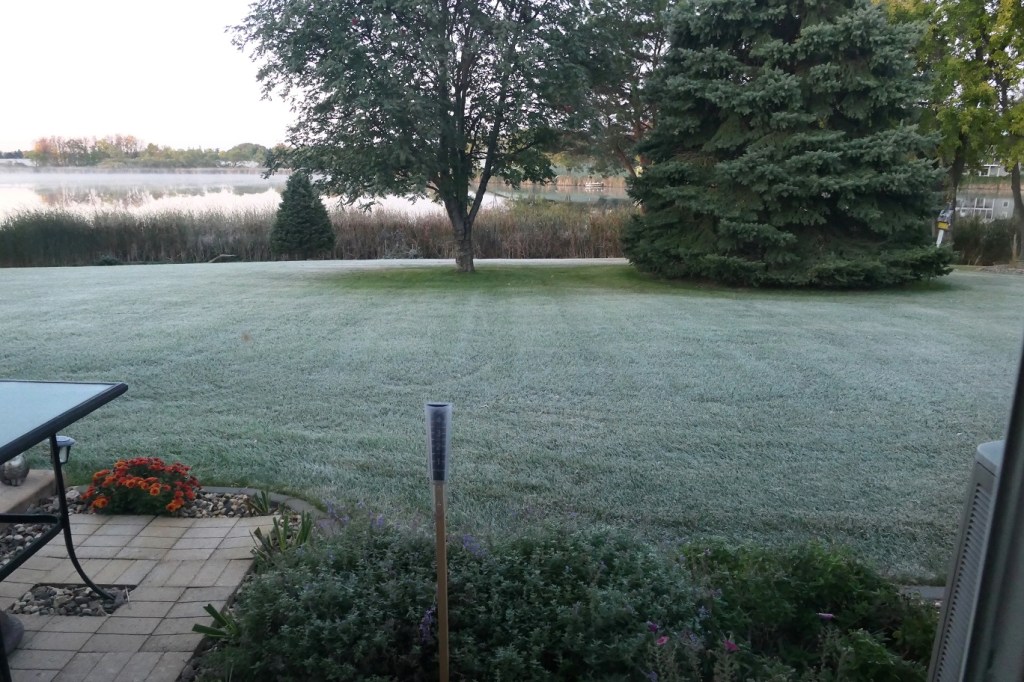
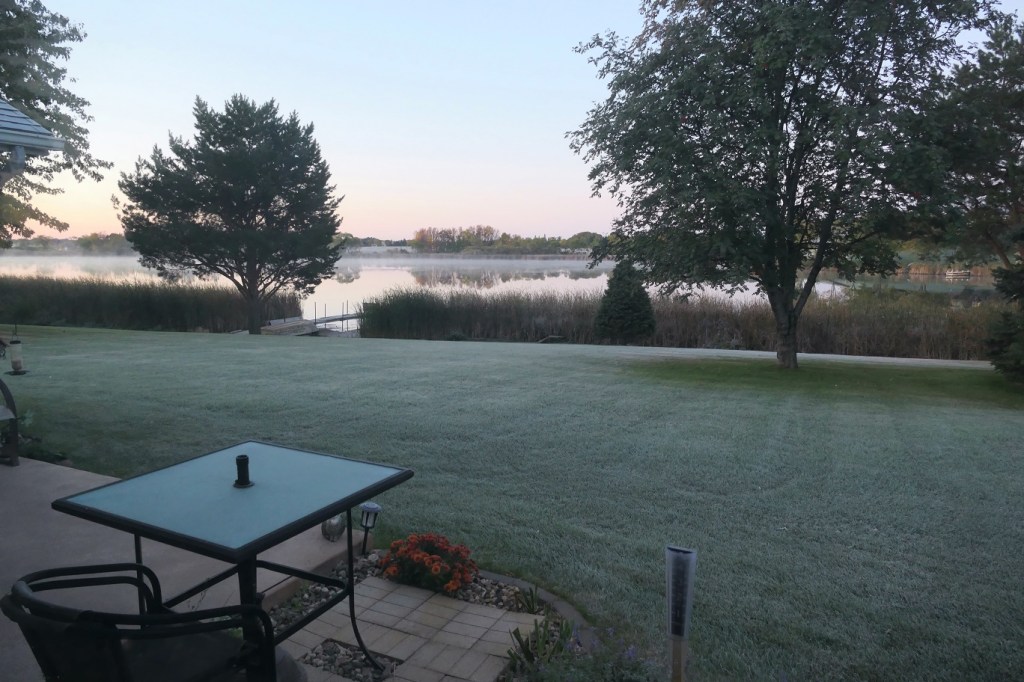
[Waking to their first morning here, we had our first frost . . . ]

Cats’ hearing apparatus is built to allow the human voice to easily go in one ear and out the other. ~ Stephen Baker

[Their first wake up, wondering does this guy always get up this early?]

The problem with cats is that they get the same exact look whether they see a moth or an ax-murderer. ~ Paula Poundstone

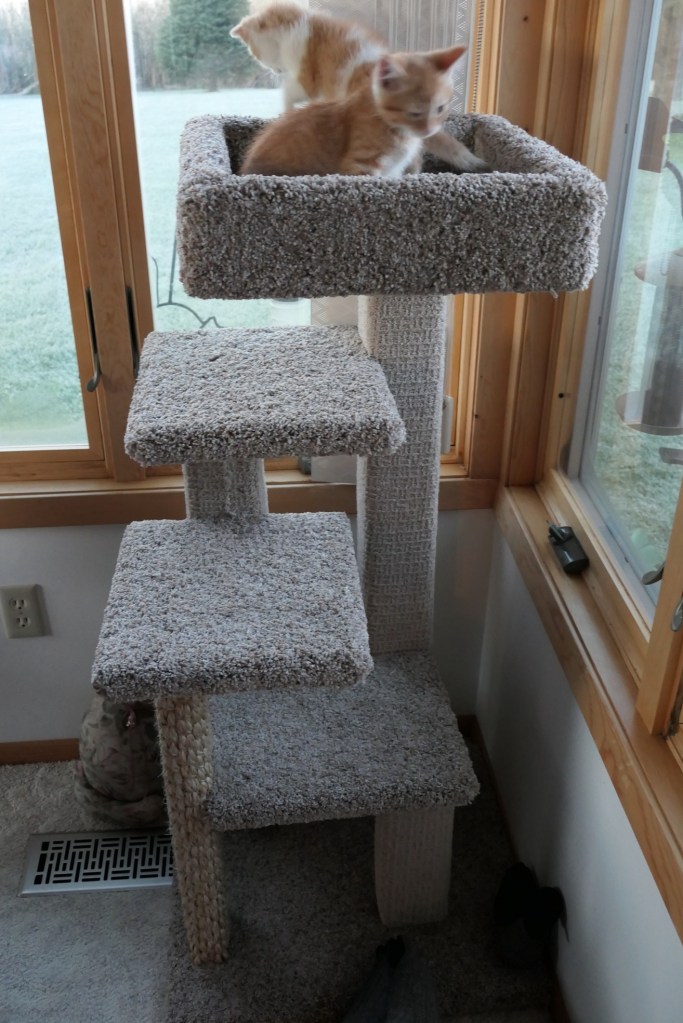
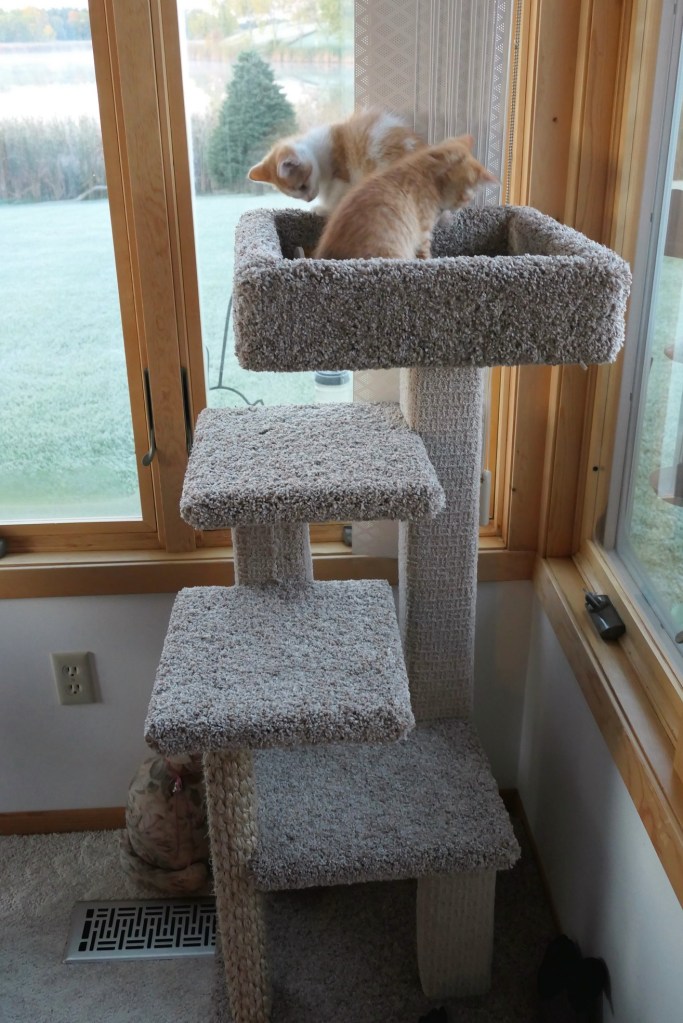
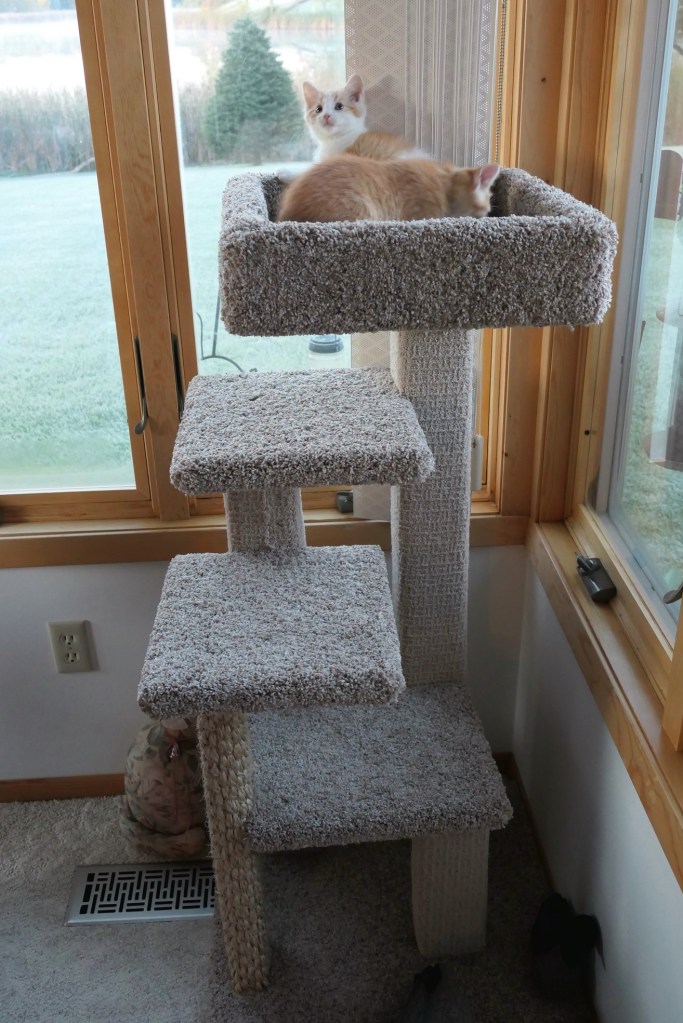
[The requisite tower – the Super put them up there, but they soon discovered they could do it themselves . . . ]

There is, incidentally, no way of talking about cats that enables one to come off as a sane person. ~ Dan Greenberg

Dogs come when they’re called; cats take a message and get back to you later. ~ Mary Bly

No amount of time can erase the memory of a good cat, and no amount of masking tape can ever totally remove his fur from your couch. ~ Leo Dworken

Dogs have owners, cats have staff. ~ Unknown

Women and cats will do as they please, and men and dogs should relax and get used to the idea. ~ Robert A. Heinlein

Cats do care. For example they know instinctively what time we have to be at work in the morning and they wake us up twenty minutes before the alarm goes off. ~ Michael Nelson

If only cats grew into kittens. ~ R. Stern

[Well, I had been looking for a codpiece . . . ]

[(Can you say codpiece on TV?)]

Kittens are born with their eyes shut. They open them in about six days, take a look around, then close them again for the better part of their lives. ~ Stephen Baker

Cats have it all – admiration, an endless sleep, and company only when they want it. ~ Rod McKuen

I gave my cats a bath the other day … they love it. He sat there, he enjoyed it, it was fun for me. The fur would stick to my tongue, but other than that… ~ Steve Martin

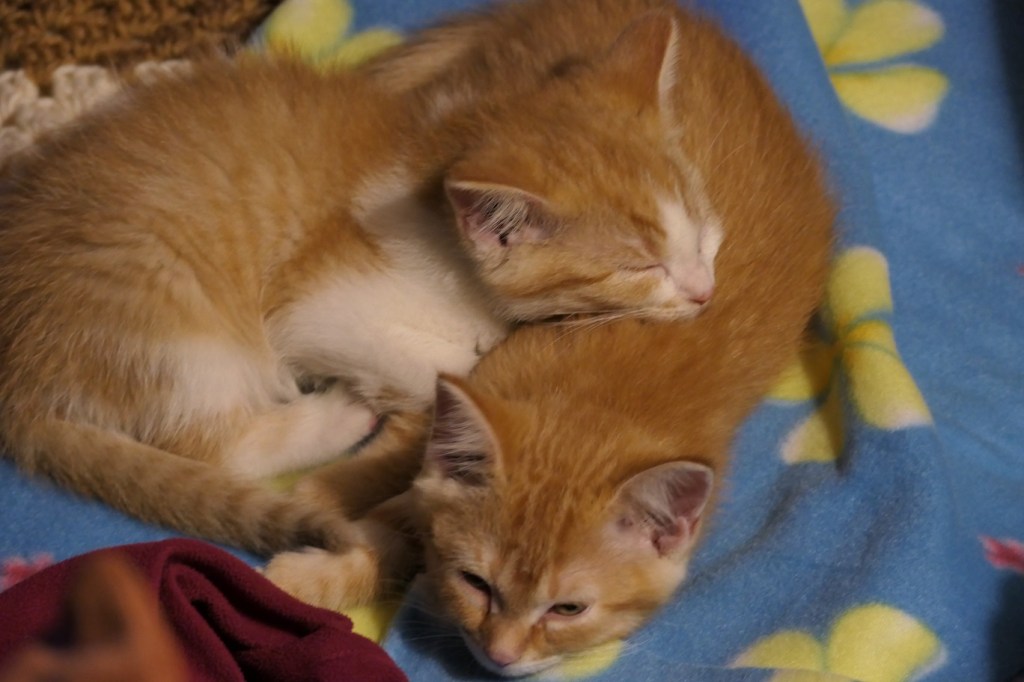
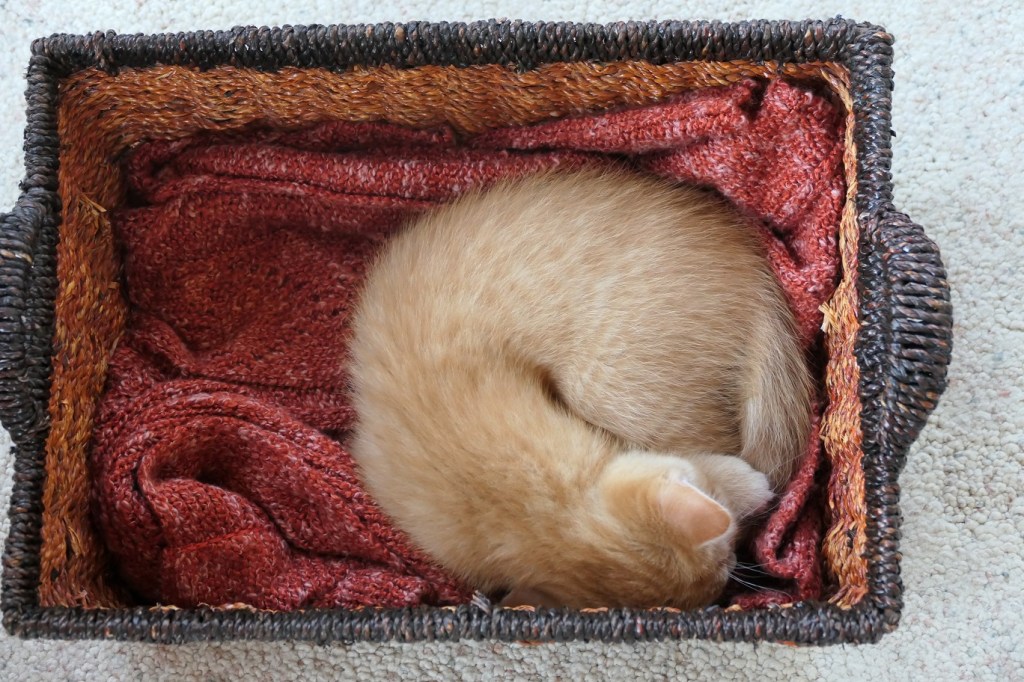
[The Doughnut . . . ]

[There always comes a time when it’s time to refuel, even while being photographed . . . ]

[Going . . . ]

[Going . . . ]

[Gone!]

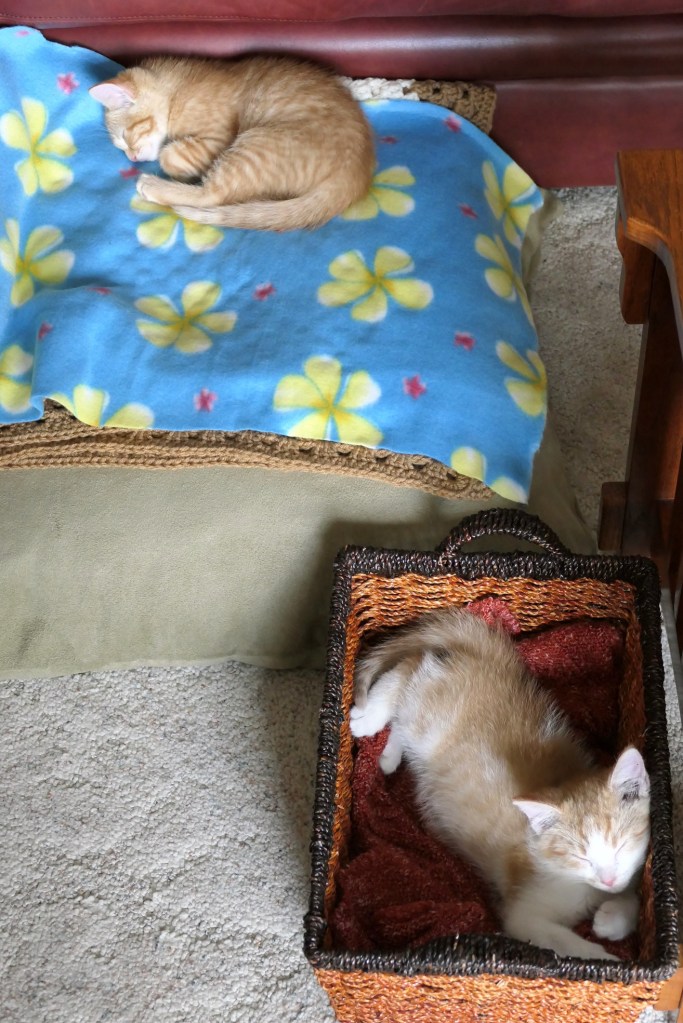
[Then separate beds . . . ]

Everything I know I learned from my cat: When you’re hungry, eat. When you’re tired, nap in a sunbeam. When you go to the vet’s, pee on your owner. ~ Gary Smith

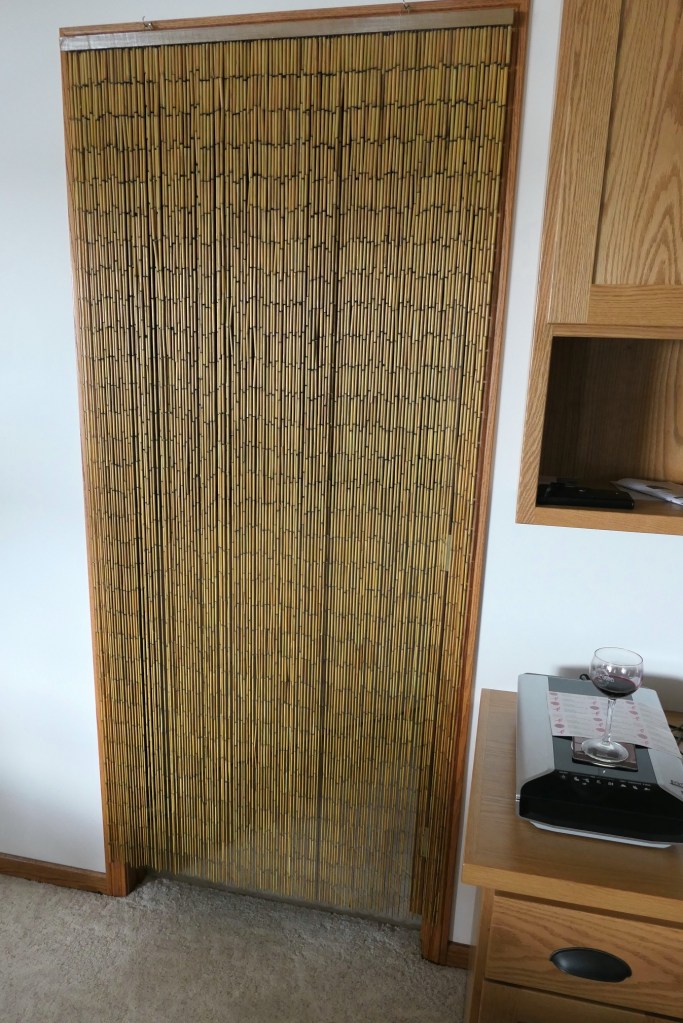
[A concession to our down-sized house. The laundry room opens into the living room. The cat’s unisex bathroom is in the laundry room. The laundry room door, accordingly, must remain open. It’s not a pretty sight, particular from my office there on the right. Thus, we decided this bamboo curtain would work for all parties involved . . . ]

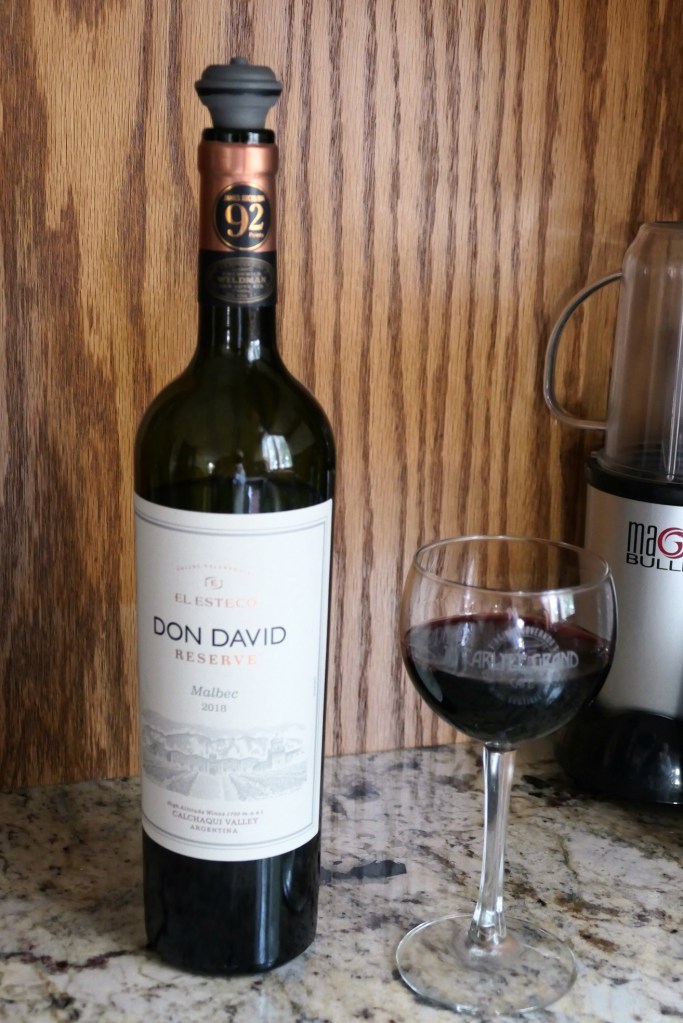
[Nothing to do with cats. It’s just that it’s Don David Reserve Malbec poured into a Carlyle Grand Cafe wine glass!]

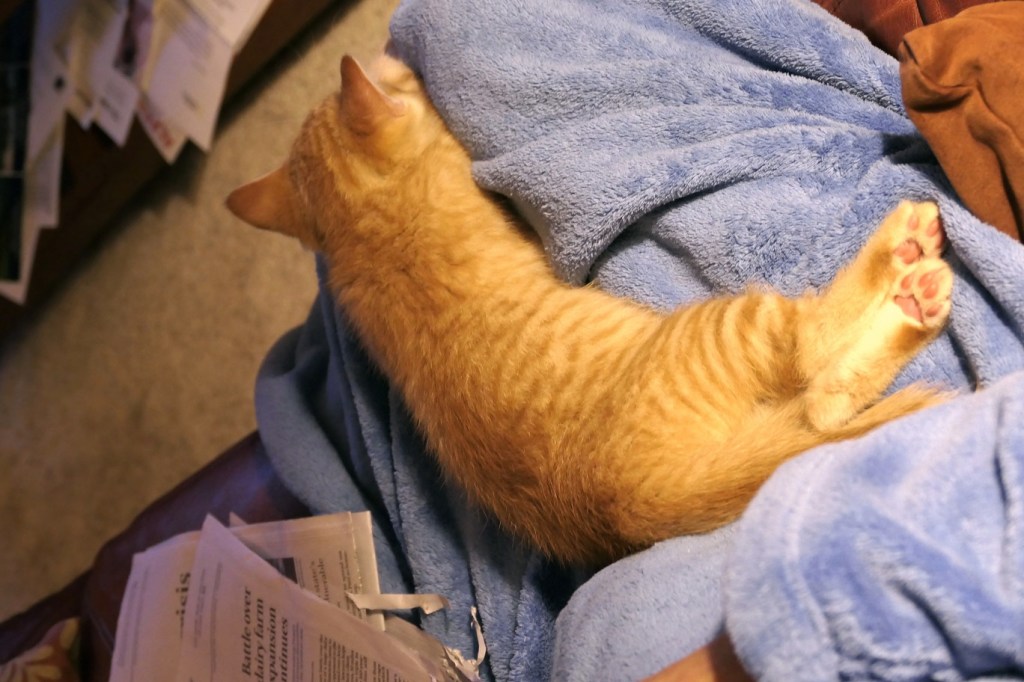
[This morning (October 7) by the Super . . . ]

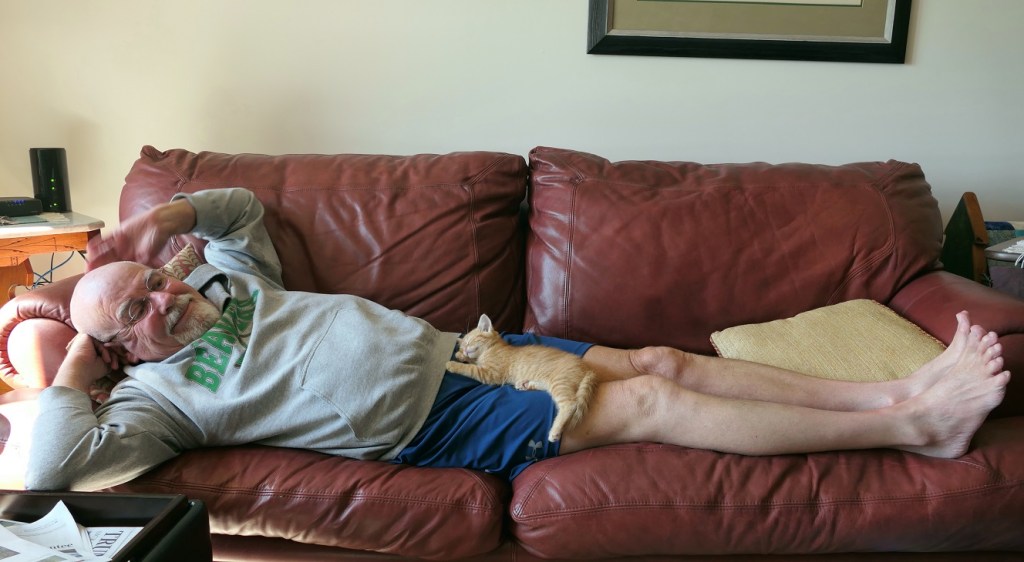
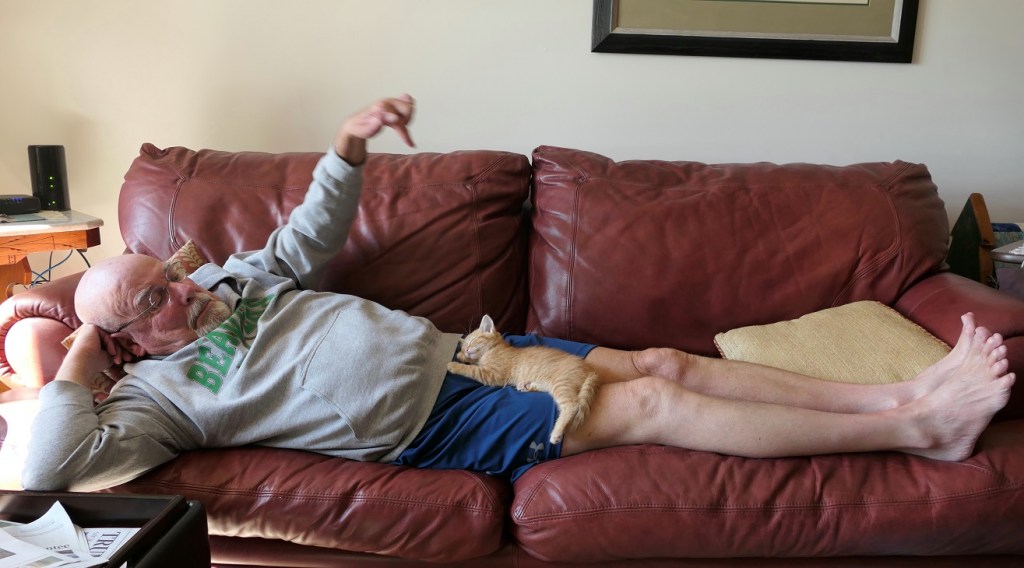
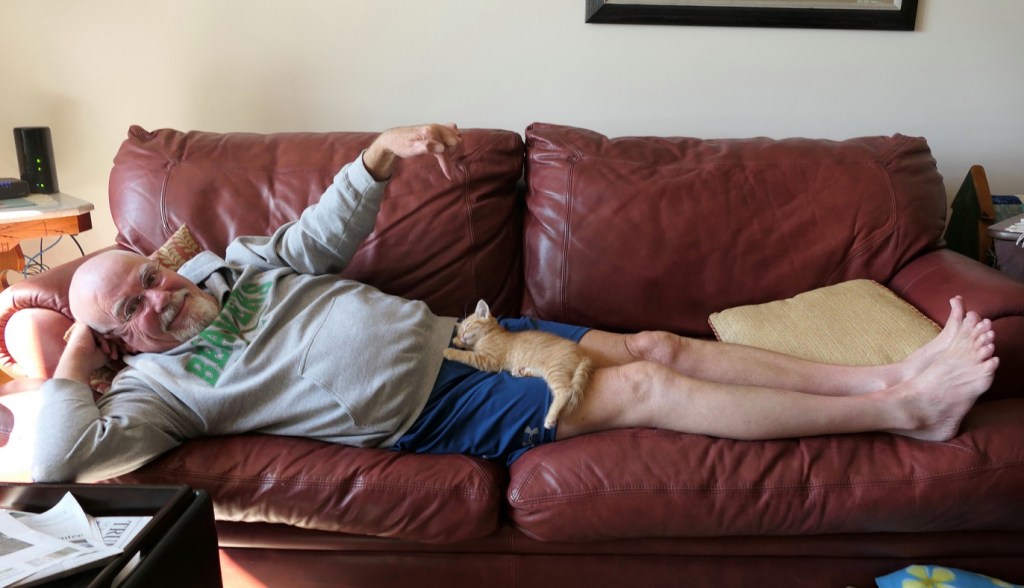
[But previous to that, napping on or next to Mom . . . ]

It is impossible to keep a straight face in the presence of one or more kittens. ~ Cynthia E. Varnado

[It was a unanimous vote for two kitties . . . ]

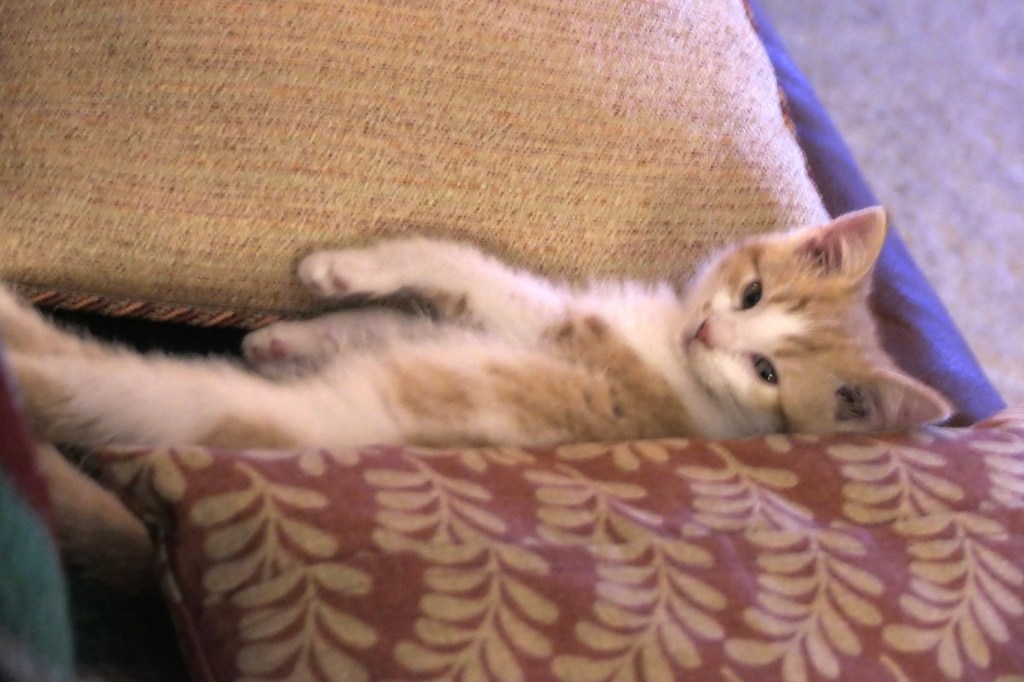
“Meow” means “woof” in cat. ~ George Carlin

Up Next: Japan 1983 (Part 4)

Japan 1983 (Part 3)

October 3

I can take pot or leave it. I got busted in Japan for it. I was nine days without it and there wasn’t a hint of withdrawal, nothing. ~ Paul McCartney

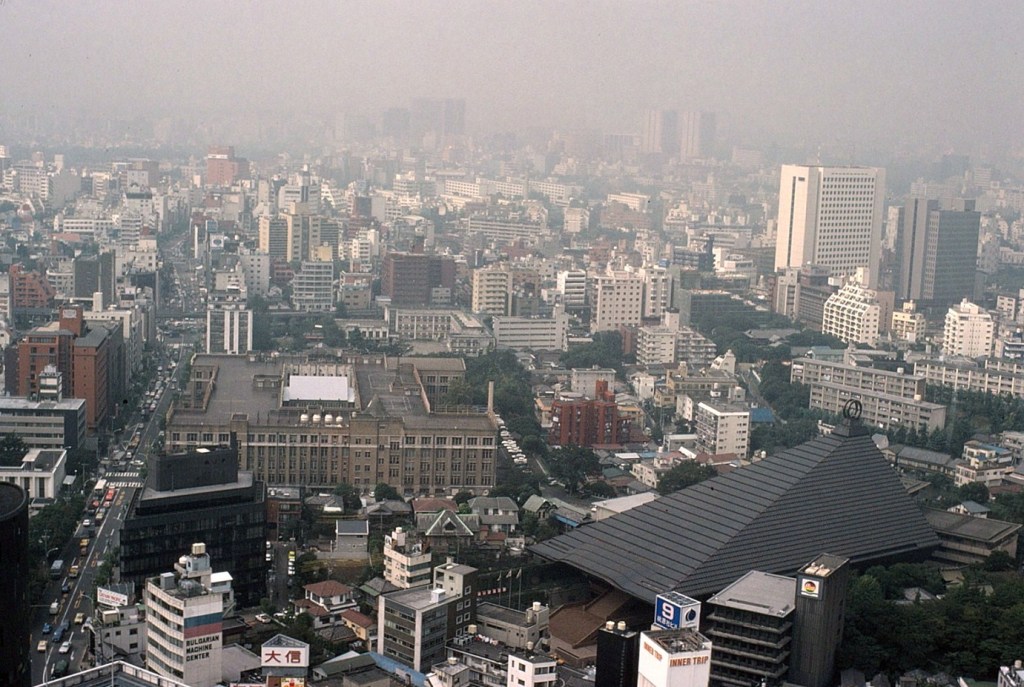
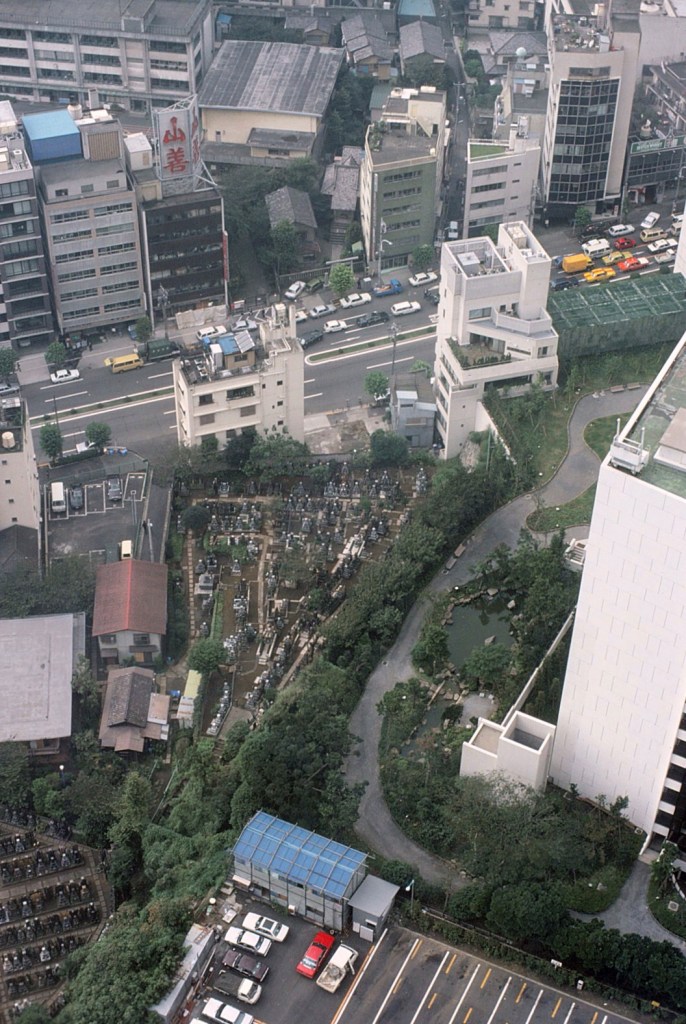
[Reiyukai Shakaden Temple, which translates to “Inner Trip”, is the headquarters of a modern Buddhist religion that sprang up in Japan in the 1930s. With pacifist goals of promoting world peace, the organisation welcomes anyone to visit the headquarters free of charge. As part of its mission, the organisation also offers free Japanese lessons for foreigners. And oddly stores 400,000 litres of drinking water in case of emergency (rethinktokyo.com). In the lower right of the photo is the starship building. But I seem to recall hearing when we were there that the roof is designed like a shogun’s helmet.]

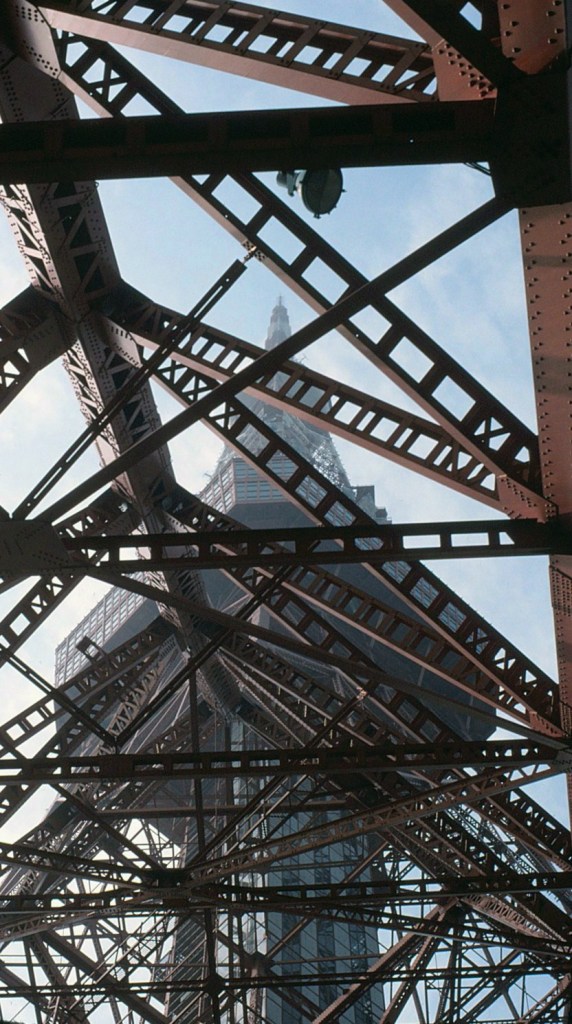
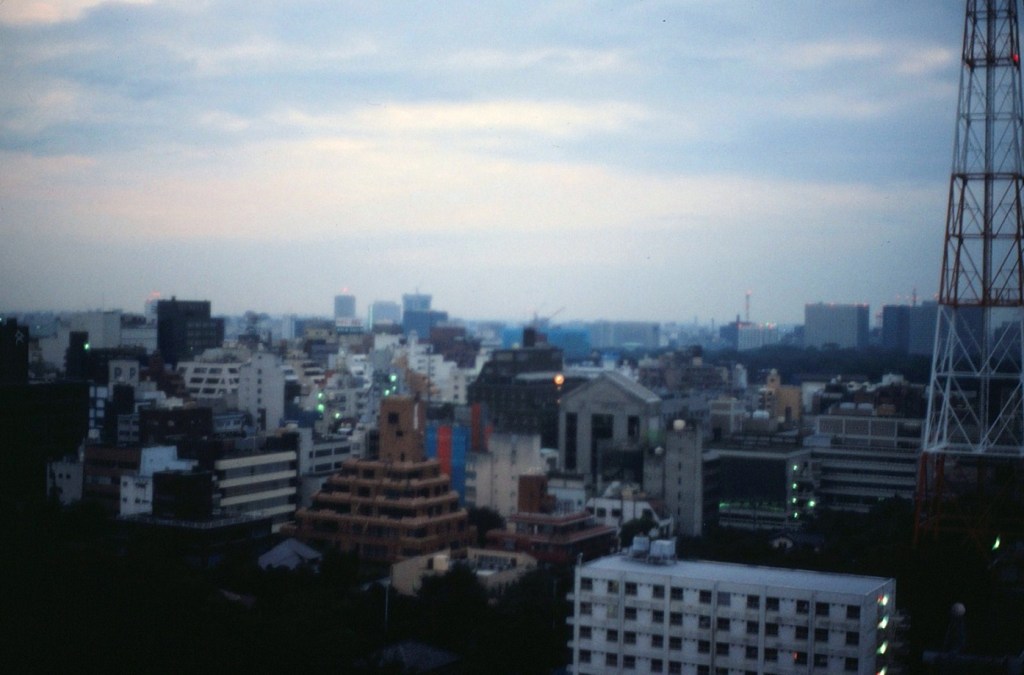
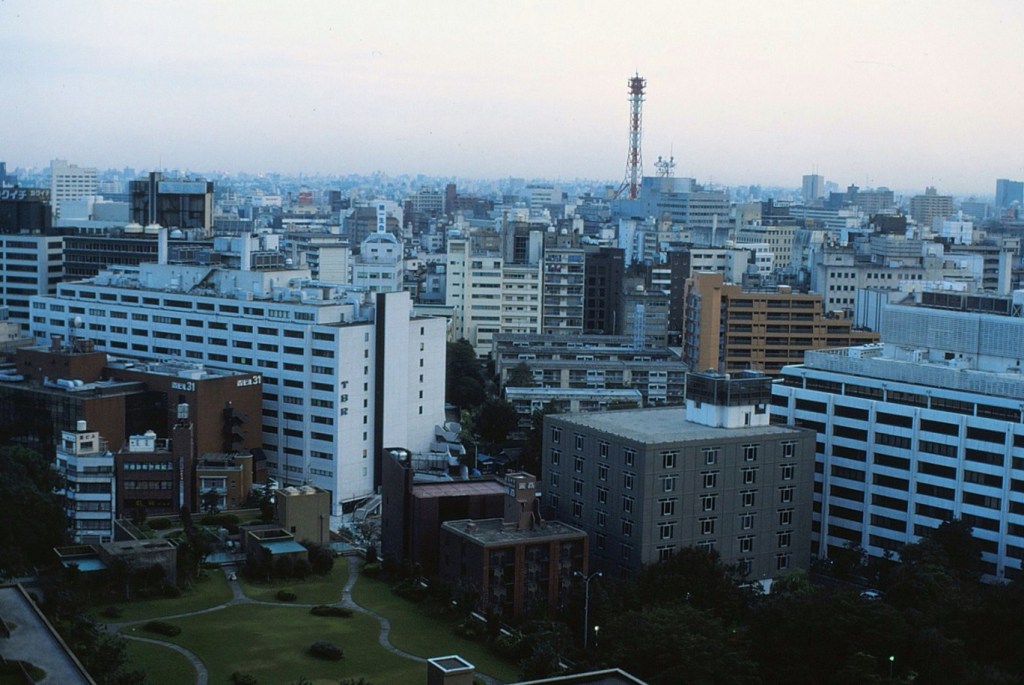
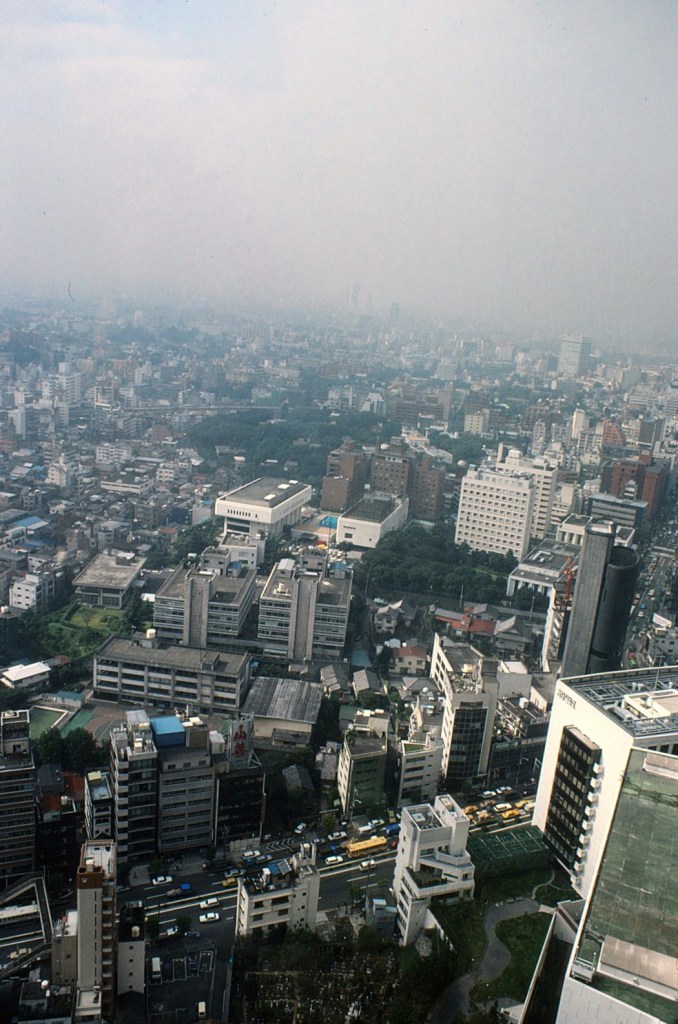
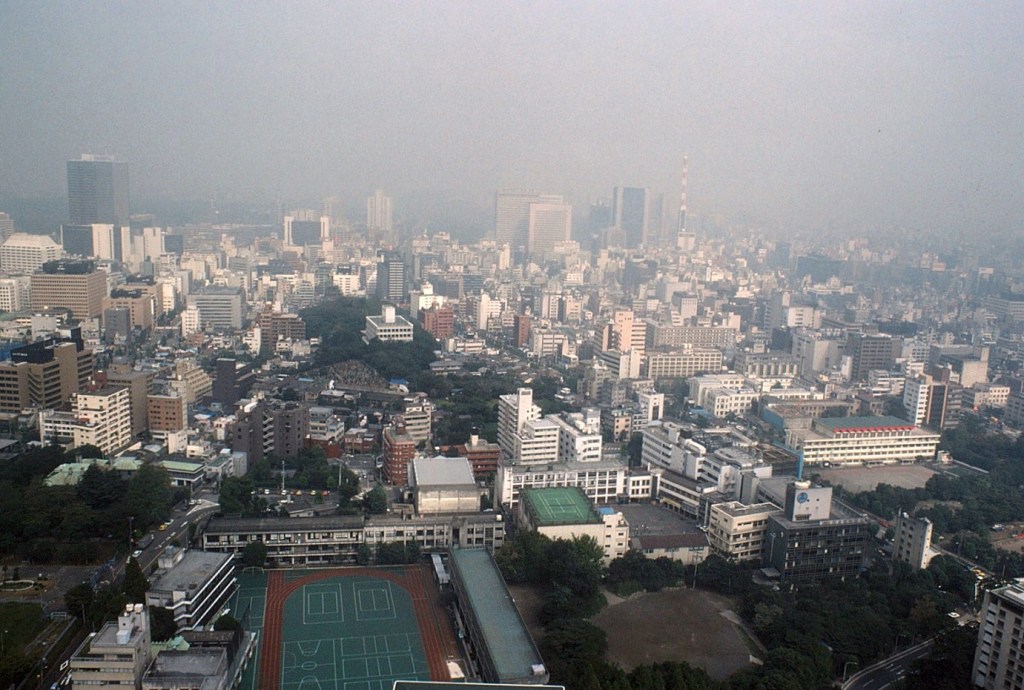
[Tokyo Tower (“Japan Radio Tower”) is a communications and observation tower in the Shiba-koen district of Minato, Tokyo. At 332.9 meters (1,092 ft), it is the second-tallest structure in Japan. The structure is an Eiffel Tower-inspired lattice tower that is painted white and international orange to comply with air safety regulations. Built in 1958, the tower’s main sources of income are tourism and antenna leasing. Over 150 million people have visited the tower (Wikipedia). The above photo was taken from the tower . . . ]

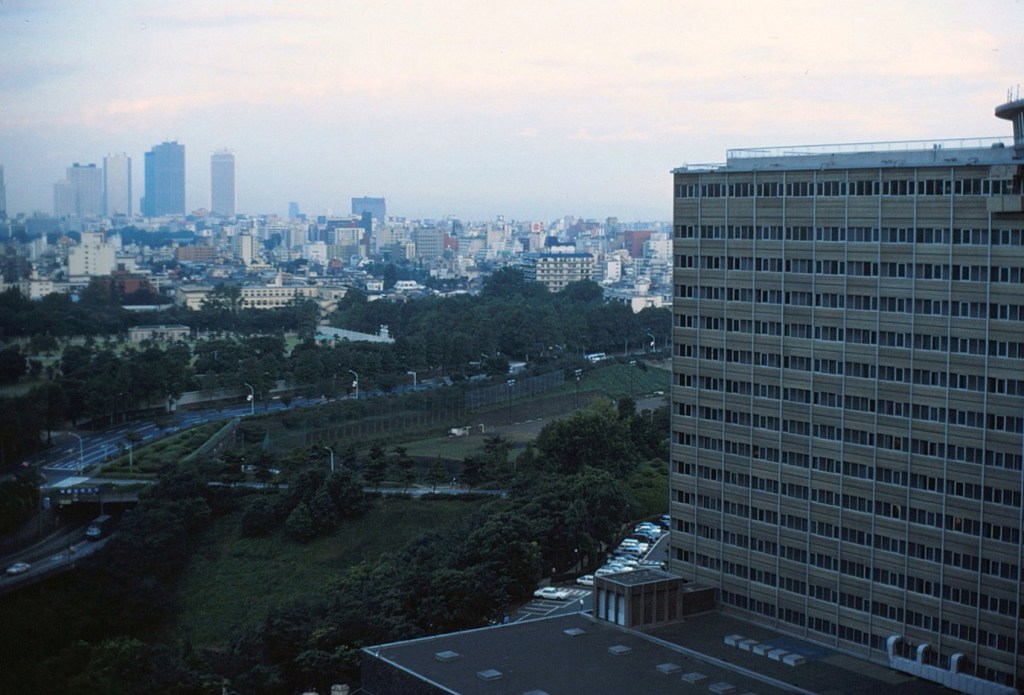
[I suspect this shot was taken from back at the New Otani Hotel because the next shot is definitely.]

When you go to Japan, there is such a talent shortage that the debate about AI taking jobs is almost non-existent. The debate is, how can we automate this so we can get all the work done? ~ Andrew Ng

[Tokyo Tower from the New Otani Hotel . . . ]

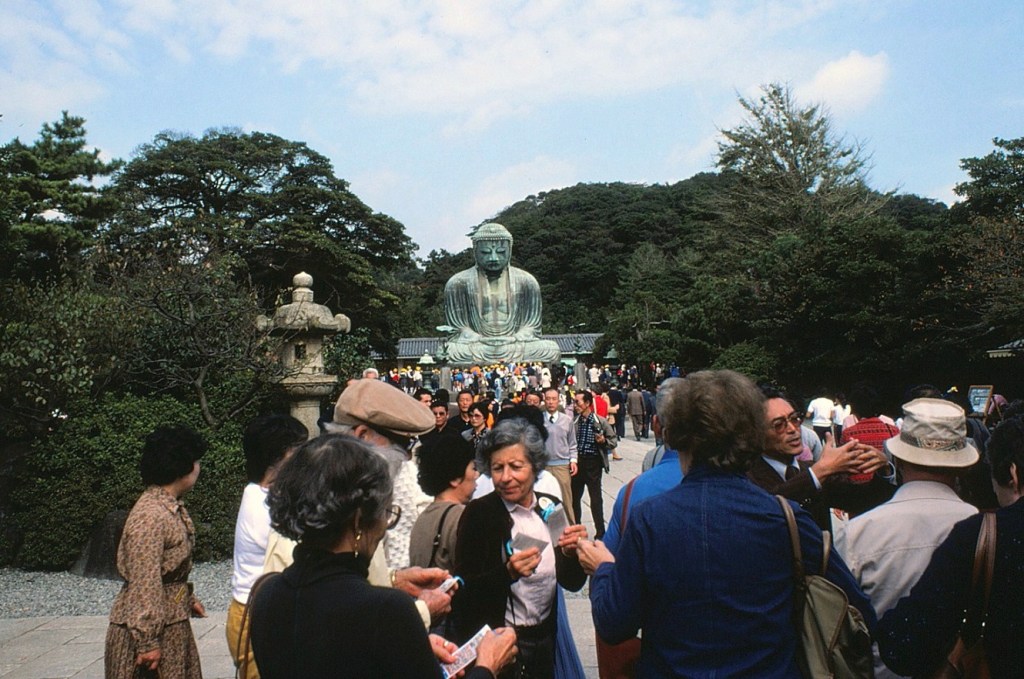
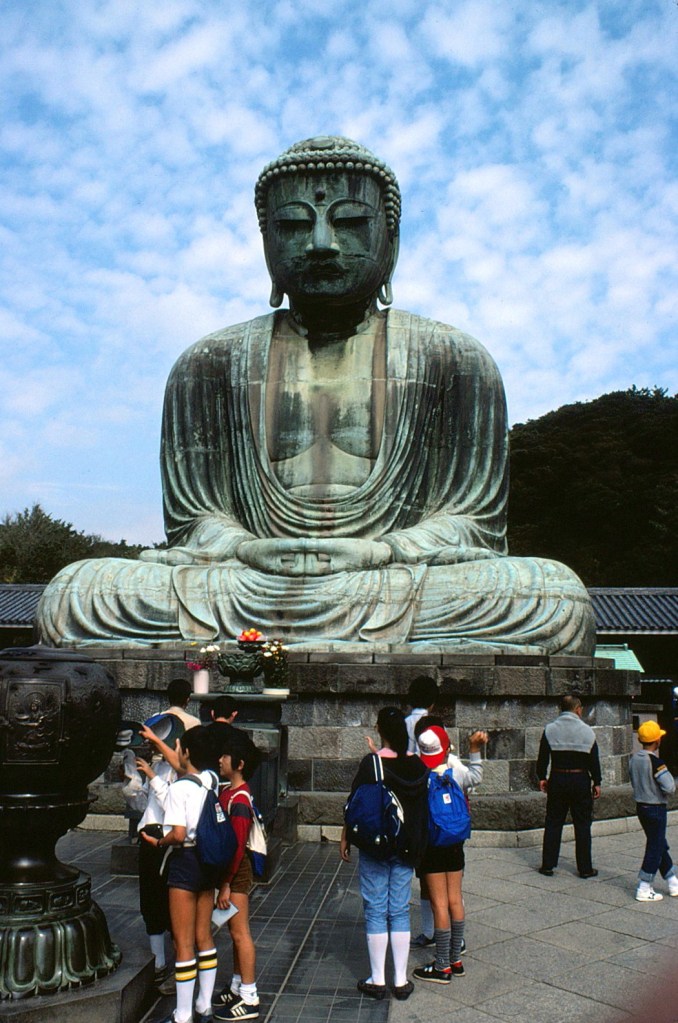
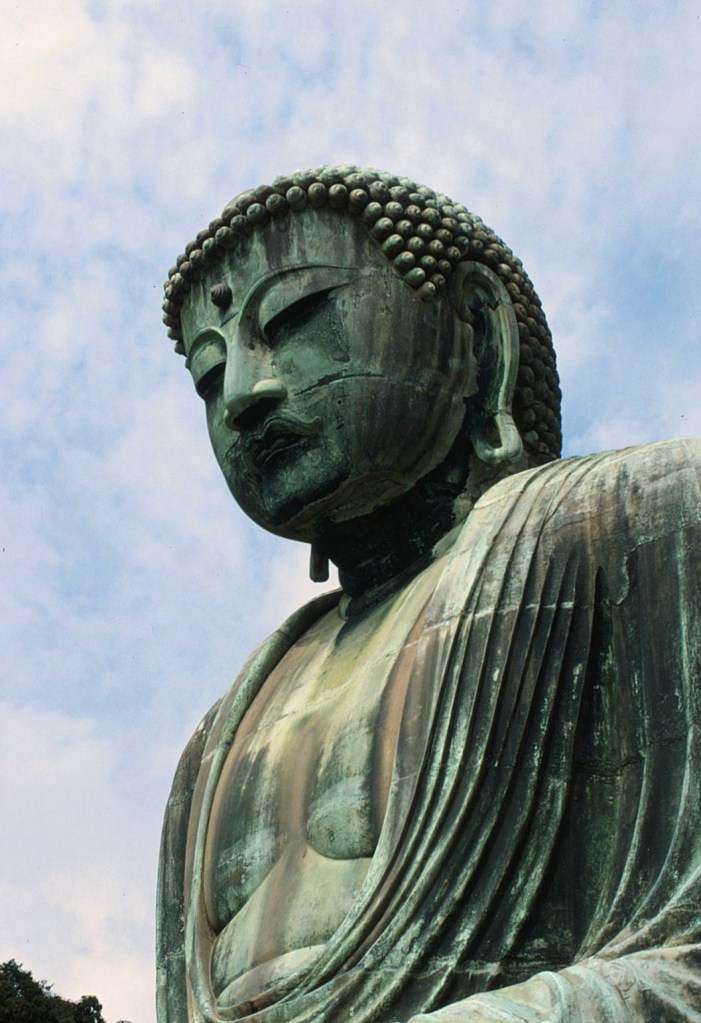
[The Great Buddha of Kamakura is a bronze statue of Amida Buddha, which stands on the grounds of Kotokuin Temple. With a height of 11.4 meters, it has long been the second tallest bronze Buddha statue in Japan, surpassed only by the statue in Nara’s Todaiji Temple (which we will see later) and some recent creations. The statue was cast in 1252 and originally located inside a large temple hall. However, the temple buildings were destroyed multiple times by typhoons and a tsunami in the 14th and 15th centuries. So, since the late 15th century, the Buddha has been standing in the open air (japan-guide.com). Daibutsu or ‘giant Buddha’ is the Japanese term.]

Do not what is evil. Do what is good. ~ Buddha

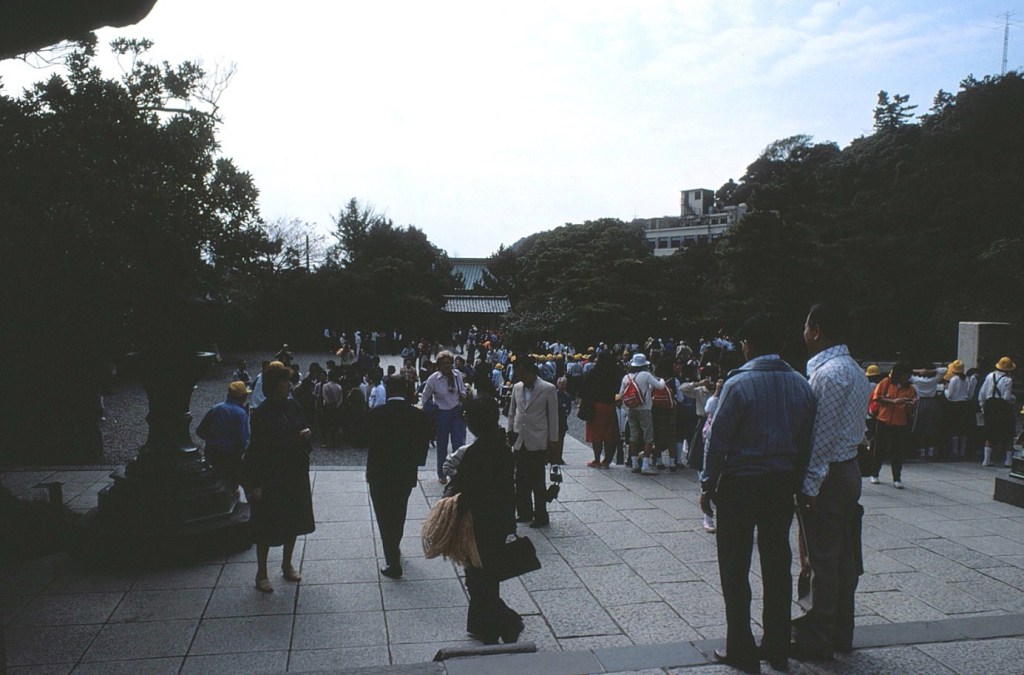
[FOB’s, i.e., Friends of Buddha . . . ]

Never speak harsh words. For they will rebound upon you. Angry words hurt. And the hurt rebounds. Like a broken gong. ~ Buddha

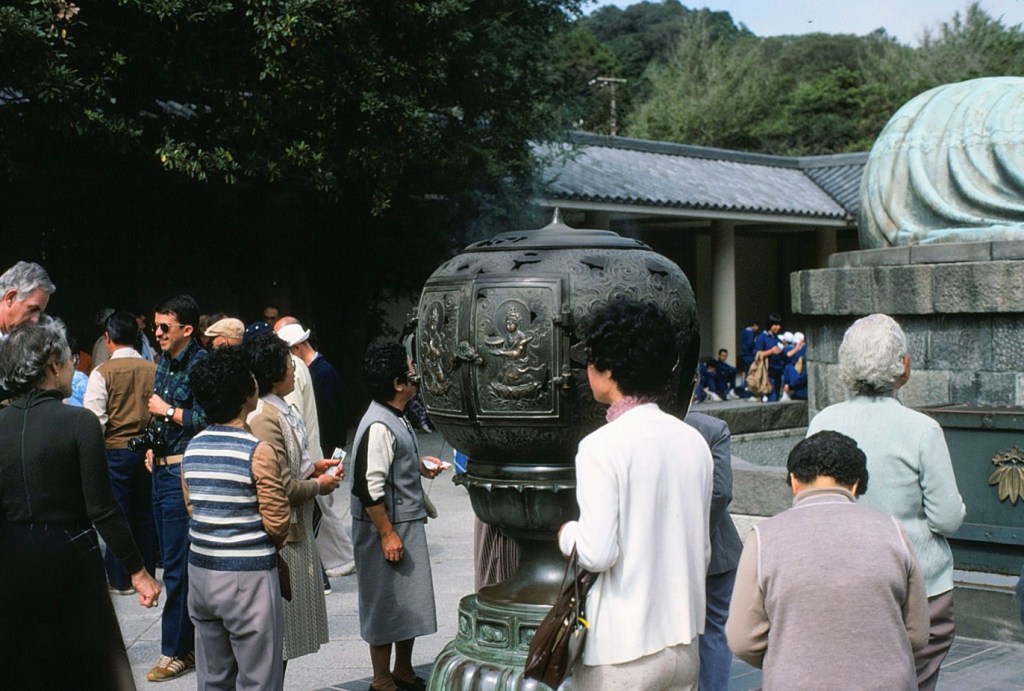
[Our party on the left of the Dharma incense burner in front the Daibutsu. Although it is a significant piece of work itself, I could find no particulars on it . . . ]

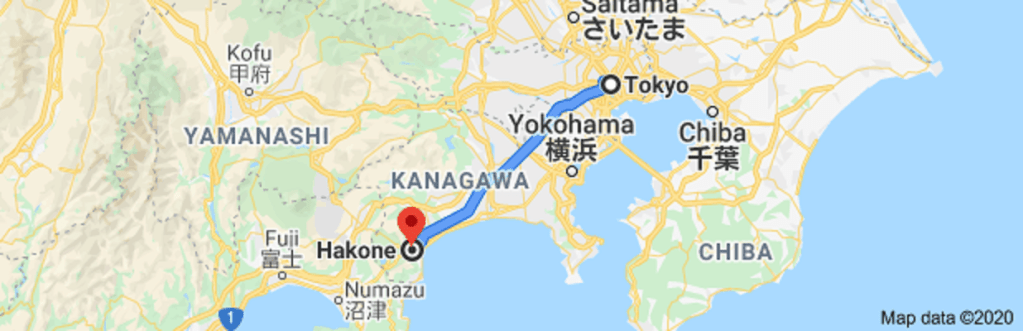
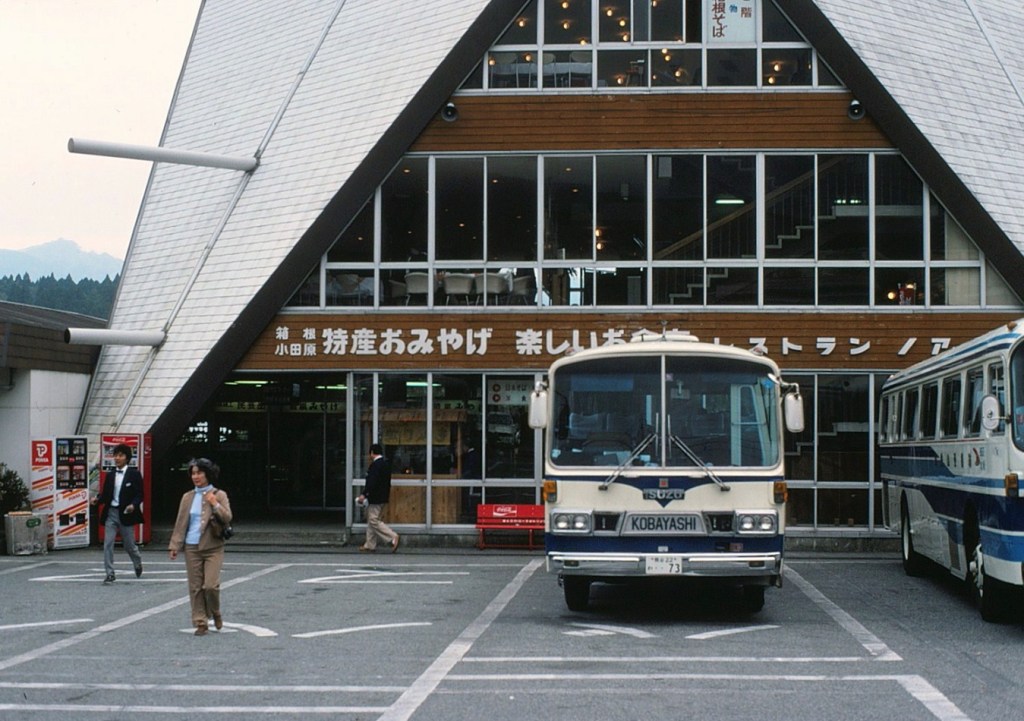
[Road trip. Absent specific info, this may be when I start making things up. All information points to a bus trip south of Tokyo to Hakone along Sagami Bay and the Pacific . . . ]
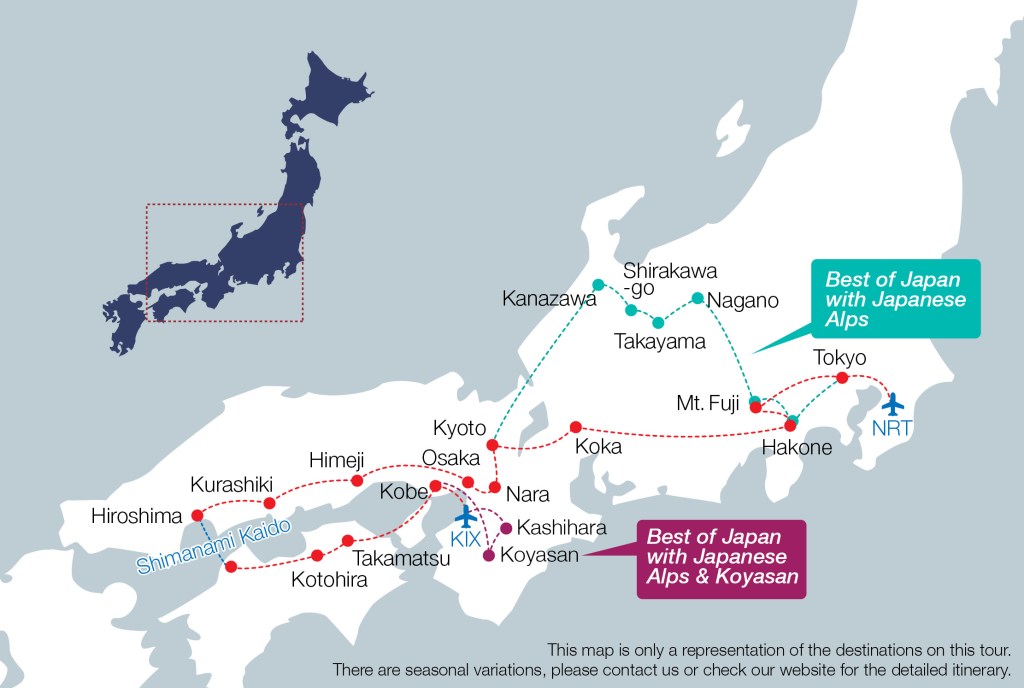
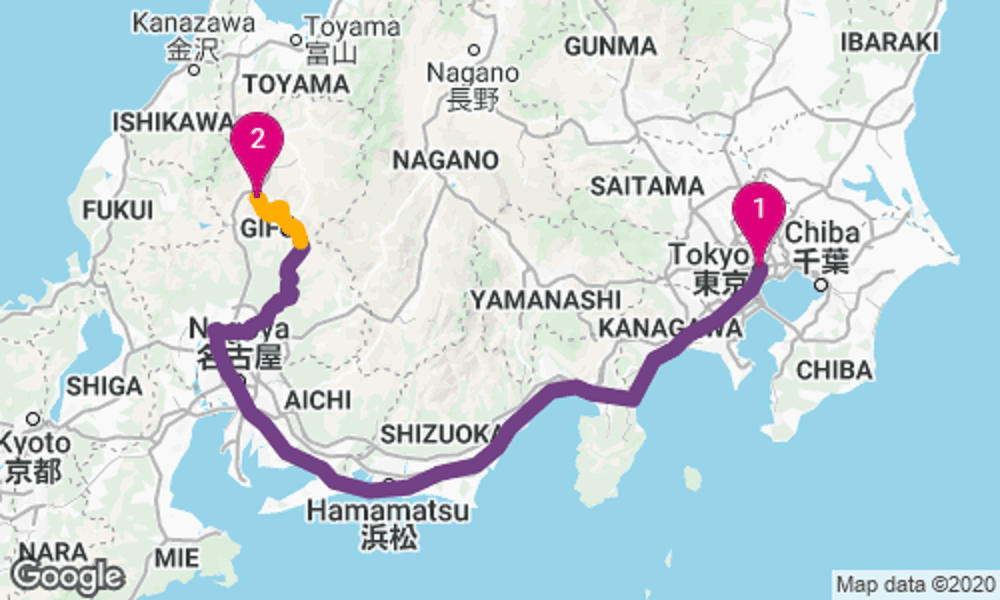
[So, here are some maps showing the general area of our trip . . . ]
The Japanese chose the principle of eternal peace as the basis of morality for our rebirth after the War. ~ Kenzaburo Oe

Japanese maps tend to come in two varieties: small, schematic, and bewildering; and large, fantastically detailed, and bewildering. ~ Charles C. Mann

[Seaside resort?]

[An island seaside resort?]

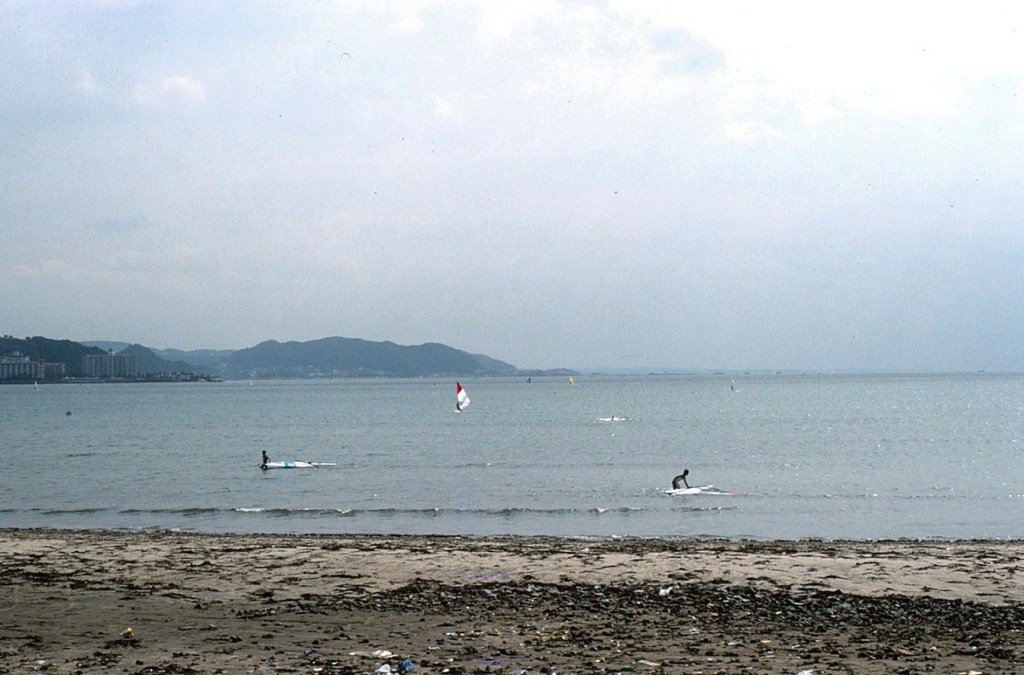
[Reminds me of the East China Sea shots I took in Okinawa a dozen years previous . . . ]
[I wish this photo would have focused a little better. I remember thinking at the time she was very attractive . . . ]
[I’m not sure what the goal was here. But we are now inland in the realm of the Japanese Alps . . . ]
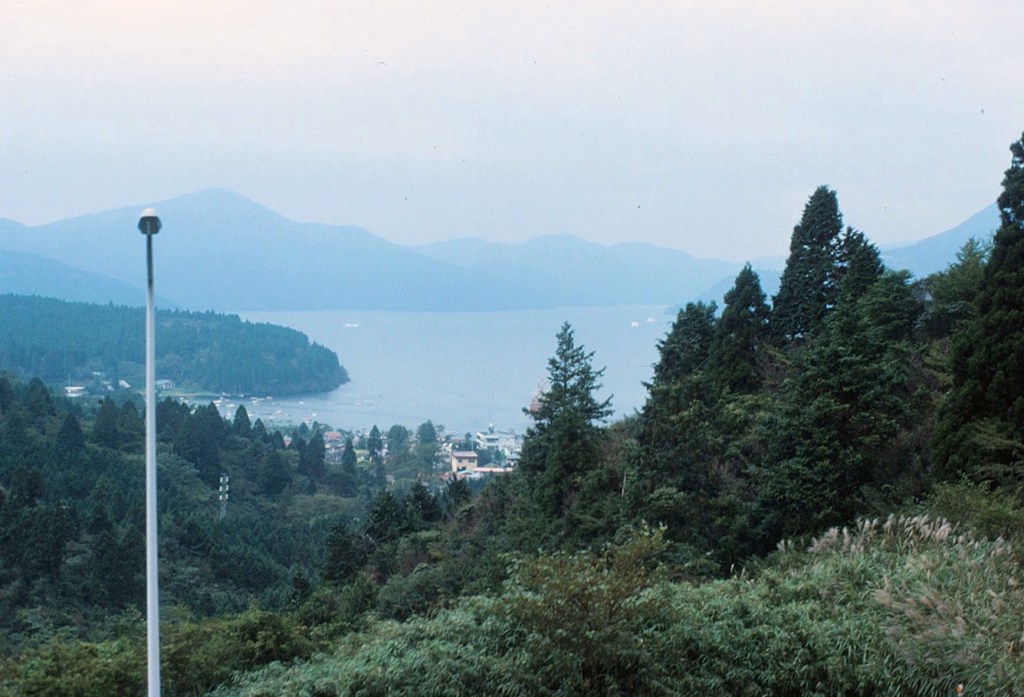
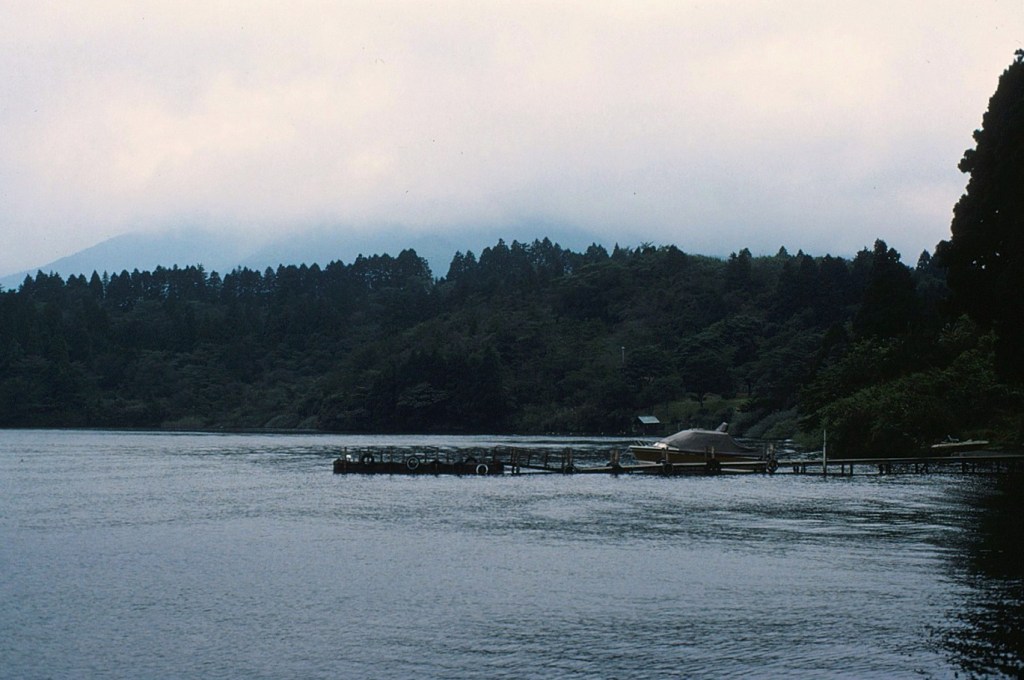
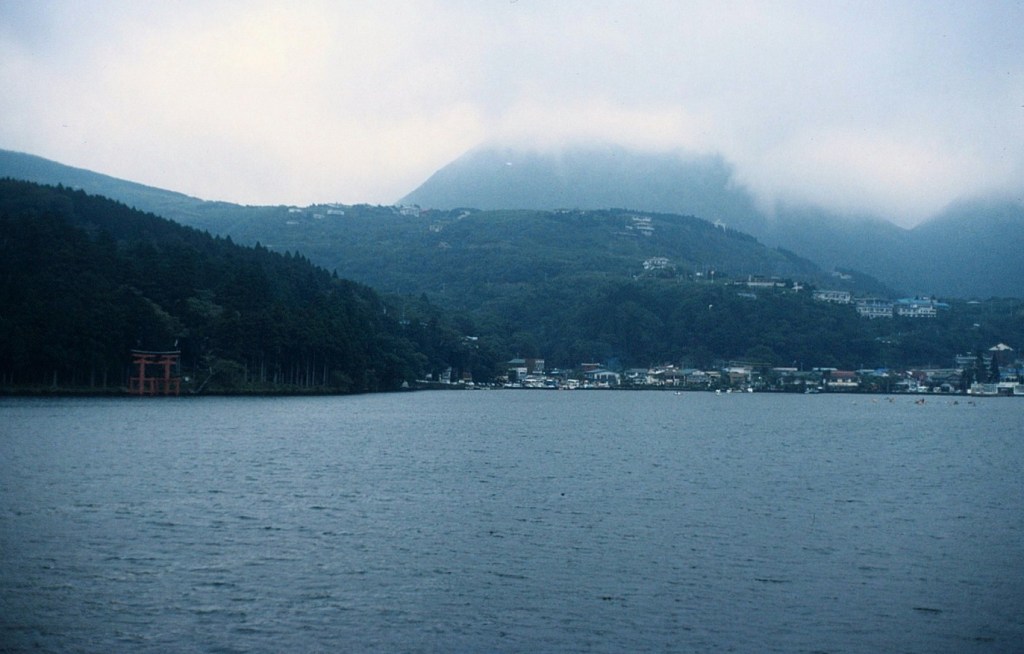
[Our goal, which upon further review, I believe to be Lake Ashinoko (or Hakone Lake).]

[Our bus has “landed.” And I finally got a photo of Toku Kamei (nearest the camera). She was part of our trip clique with Randy and Marsha. Toku was from Oakland and worked in San Francisco. Roy kept in contact with her for many years and said she would be 90 this year . . . ]

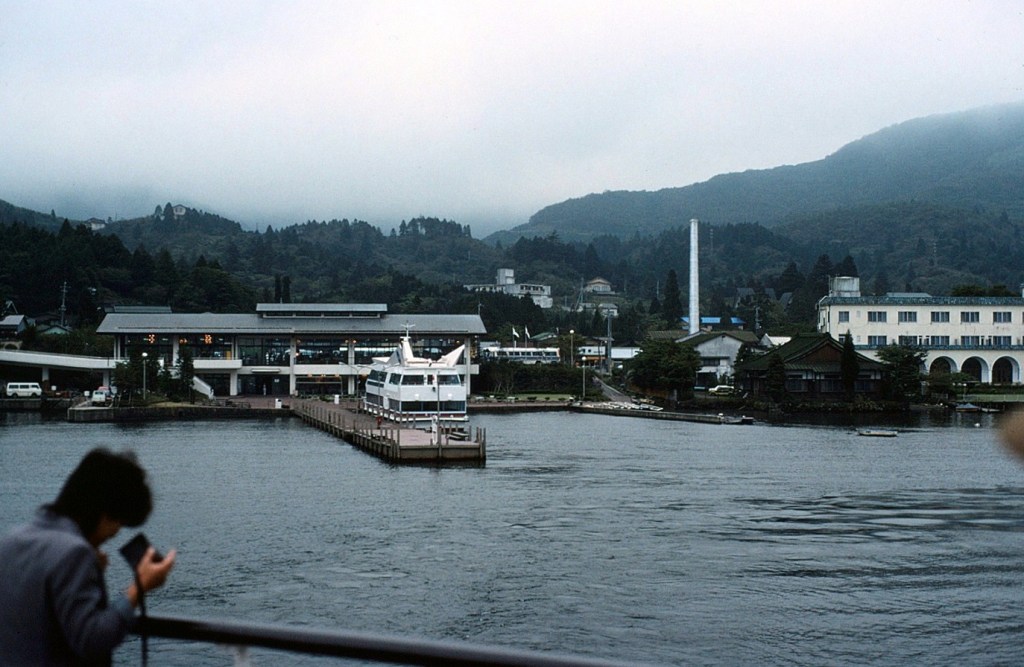
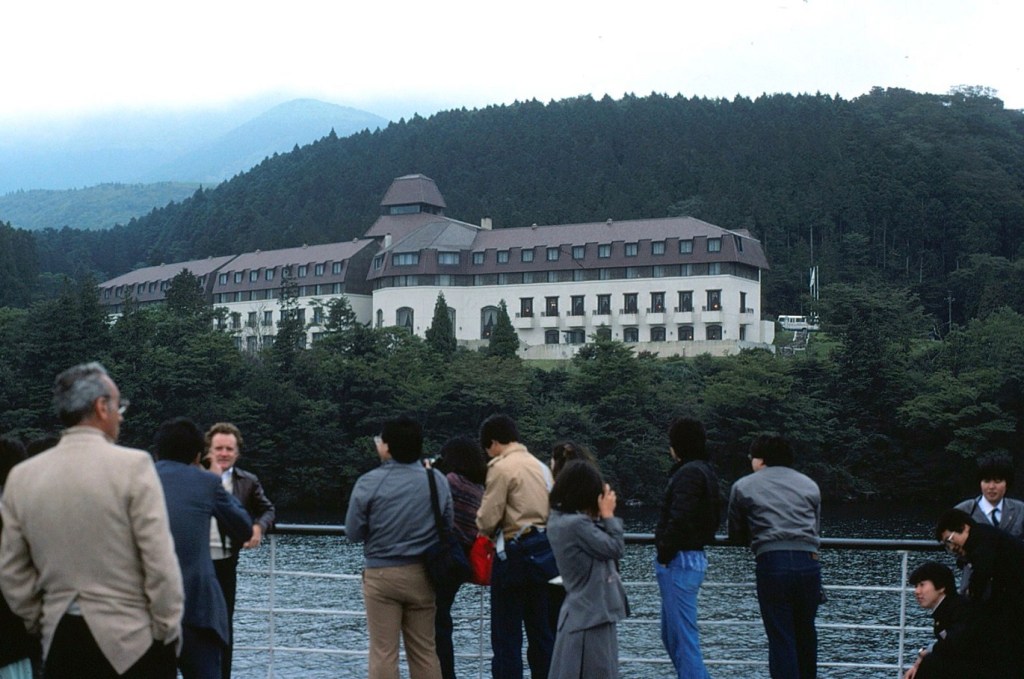
[We cluster (pre-COVID) to board our boat for a tour of the lake . . . ]
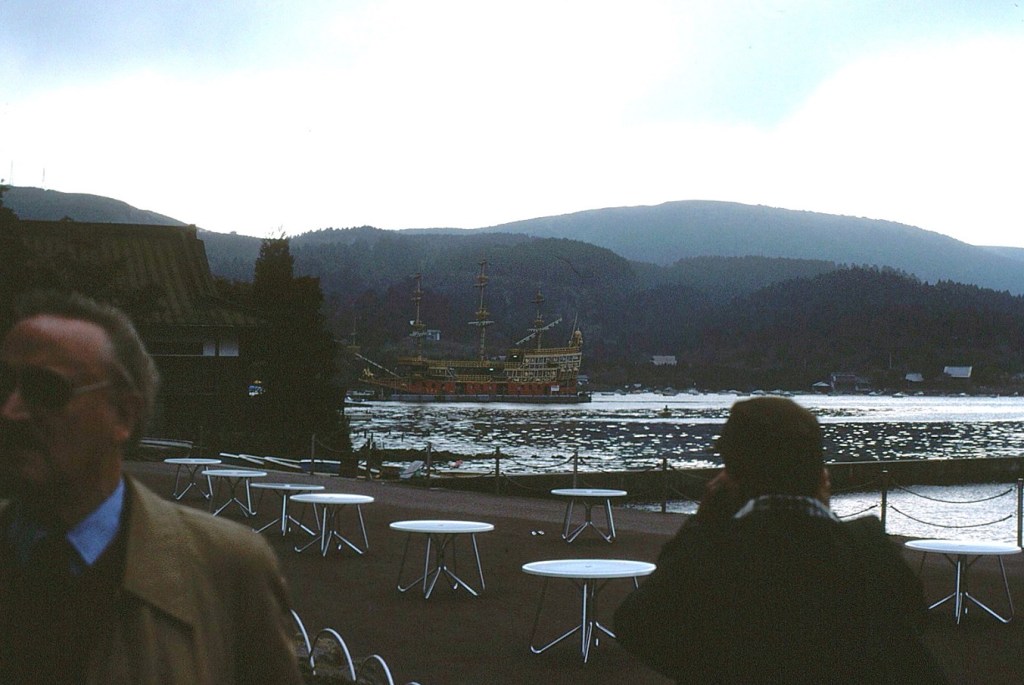
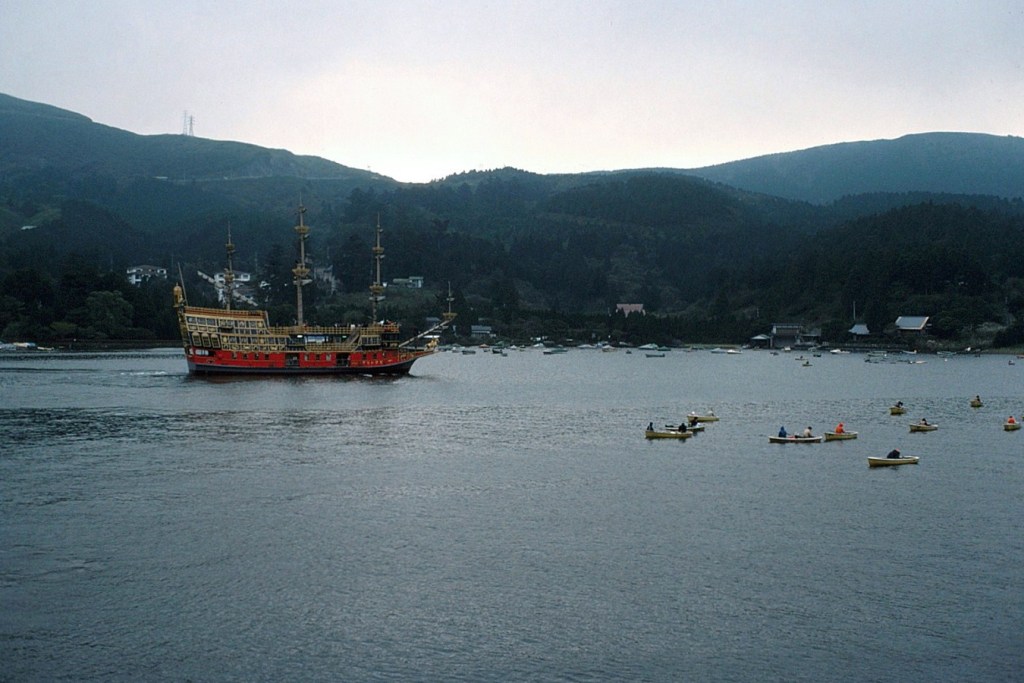
[The goal of the cruise boats was to not be captured by the pirate ships (OK, also known as tour boats) . . . ]

[Kinda why we retired to our chain of lakes . . . ]

[Randy poses for Marsha . . . ]

[The pirate ship, and its supporting row boats (?) . . . ]

Animal smell is beyond philosophy. ~  Kōbō Abe, The Woman in the Dunes (a personal favorite)

[Odakyu Hotel de Yama (Hakone lake side), a feeling of the Austrian Alps . . . ]

[That is Mount Fuji (Fujiyama) in the background. Unfortunately, this was about as good a shot I got of Japan’s premier mountain the entire trip . . . ]

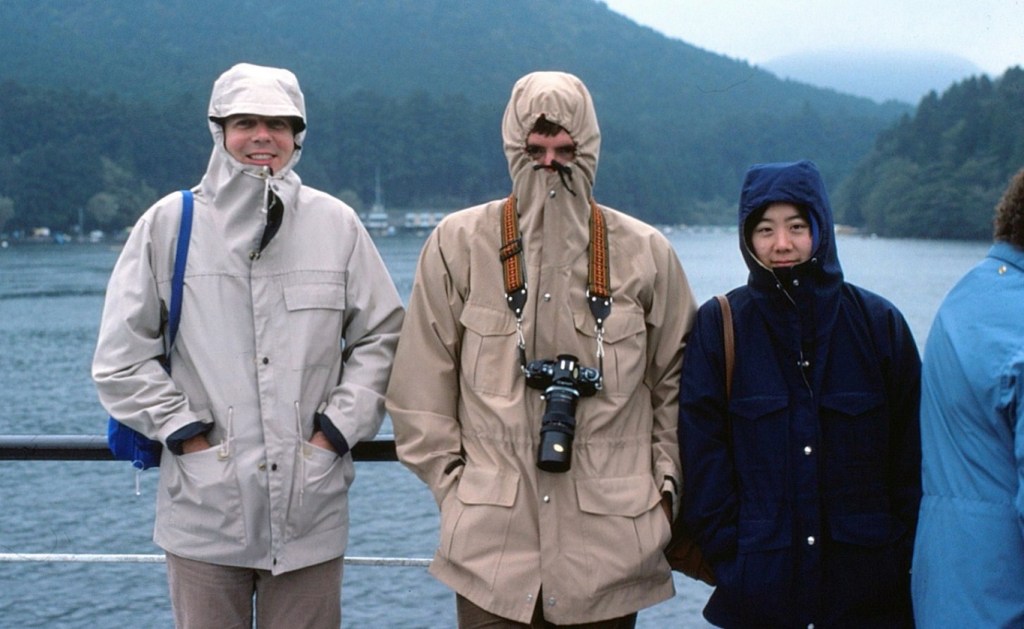
[Well, it was November as me, Randy, and Marsha pose resplendent in our hoodies . . . ]

[Closer upper of Hotel de Yama . . . ]

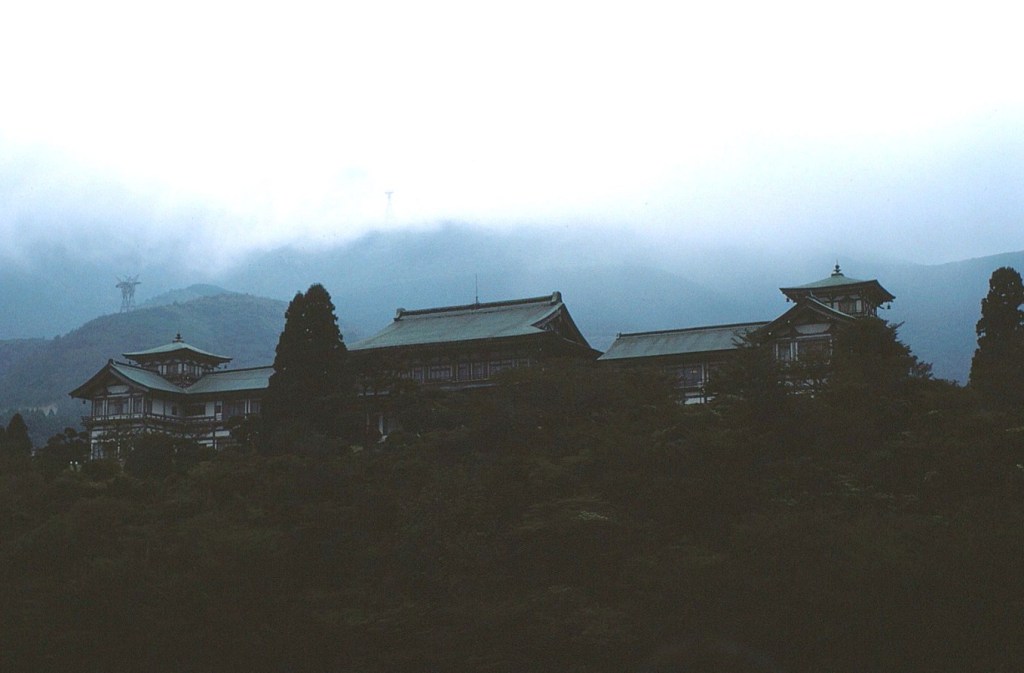
[Suspected to be the hot springs ryokan where we stayed? (A ryokan is a type of traditional Japanese inn that typically feature tatami-matted rooms, communal baths, and other public areas where visitors may wear yukata and talk with the owner (Wikipedia)). I peeked ahead – we do get a peek of the sun in two more days . . . ]

[Hot springs, definitely . . . ]

[Onsen and sento (public bathhouses) are an indispensable part of Japanese bathing culture. There are around 20,000 onsen facilities across Japan due to its many volcanoes. Rural regions especially boast many hot spring resorts with clusters of onsen and traditional inns (matcha-jp.com). Remember, when enjoying an onsen you may run into a person of the opposite sex wearing a similar amount of clothing (i.e., none) as you. Roy and I had such a pleasing experience . . . ]

[After much review, I cannot for certain identify the ryokan where we stayed. There are many in the Hakone area. The view from our window . . . ]

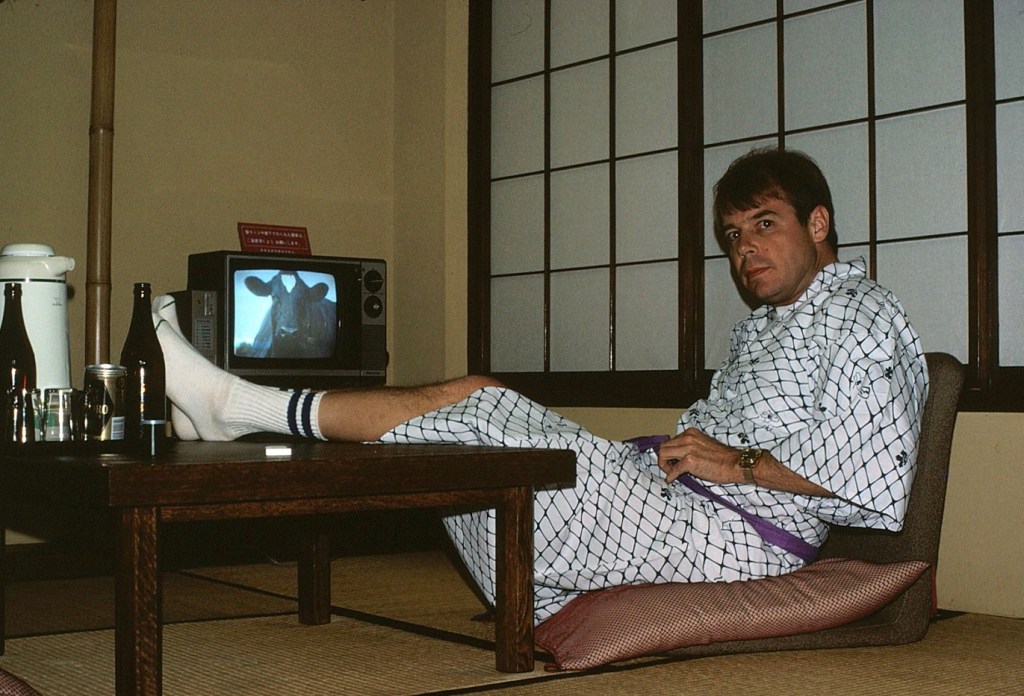
[But they are all quite lovely and comfortable for sitting in the window with a brewski.]

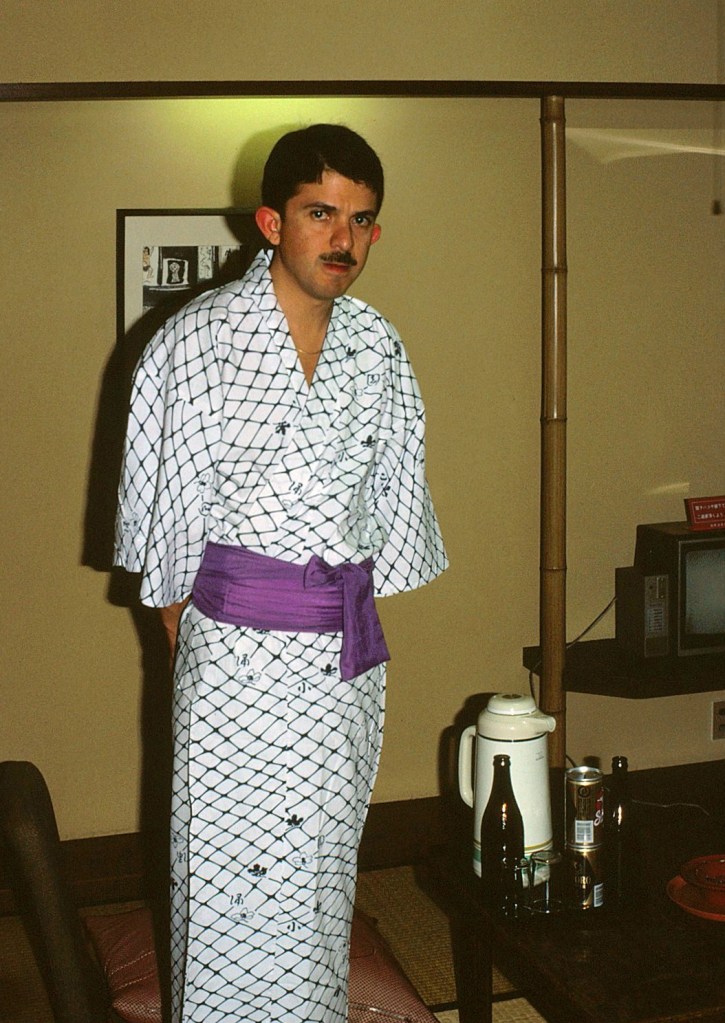
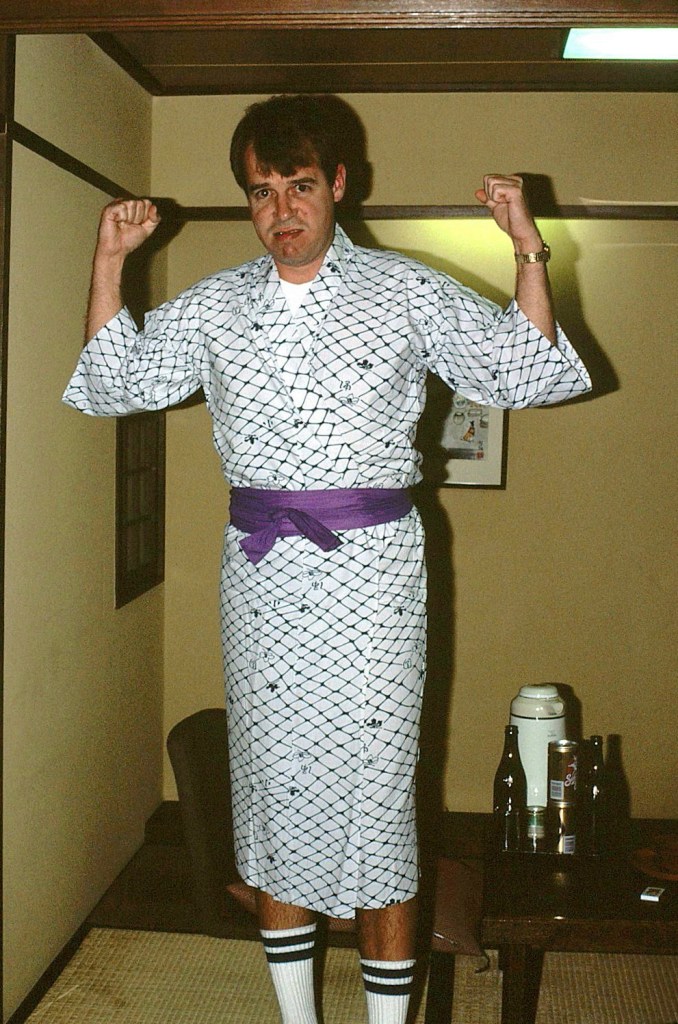
[And the cool part, you dress for dinner . . .

[Yukata (literally “bathing clothes”) are a traditional garment, similar in style to kimono, but lighter, much more casual, and made of cotton. Yukata function both as a bathrobe and loungewear, which can be worn at all times during your stay, including to the bath, to both dinner and breakfast, and to bed as sleepwear. In some onsen resort towns it is also common to see guests strolling around town in their yukata and geta (wooden sandals) (japan-guide.com).]

[Science-deniers will say this is proof we were not in Japan. The cow on TV shrieks Wisconsin . . . ]

Japan is a model already to the lie that economic growth is the key to our future. If they can really show an alternative to nukes and fossil fuels, then they will be the poster boy for the renewable energy for the future. ~ David Suzuki

Up Next: Part 4, or the kitties . . .

Japan 1983 (Part 2)

October 1

You go to a Japanese restaurant and have a wonderful dish, and the thing to do is take a picture with your phone, put it on Facebook, and see how many likes you get. If you don’t share your experiences, they don’t become part of the data processing system, and they have no meaning. ~ Yuval Noah Harari, Sapiens author

Japan is a unique country, one that is both very modern and also very traditional. In the heart of Tokyo, there is a shrine dedicated to one of the most important Japanese Emperors and his wife. This Shinto Shrine is one of the most popular in Japan, and is an oasis of Zen, set in a vast forest at the heart of the hectic metropolis of Tokyo. ~ ancient-origins.net

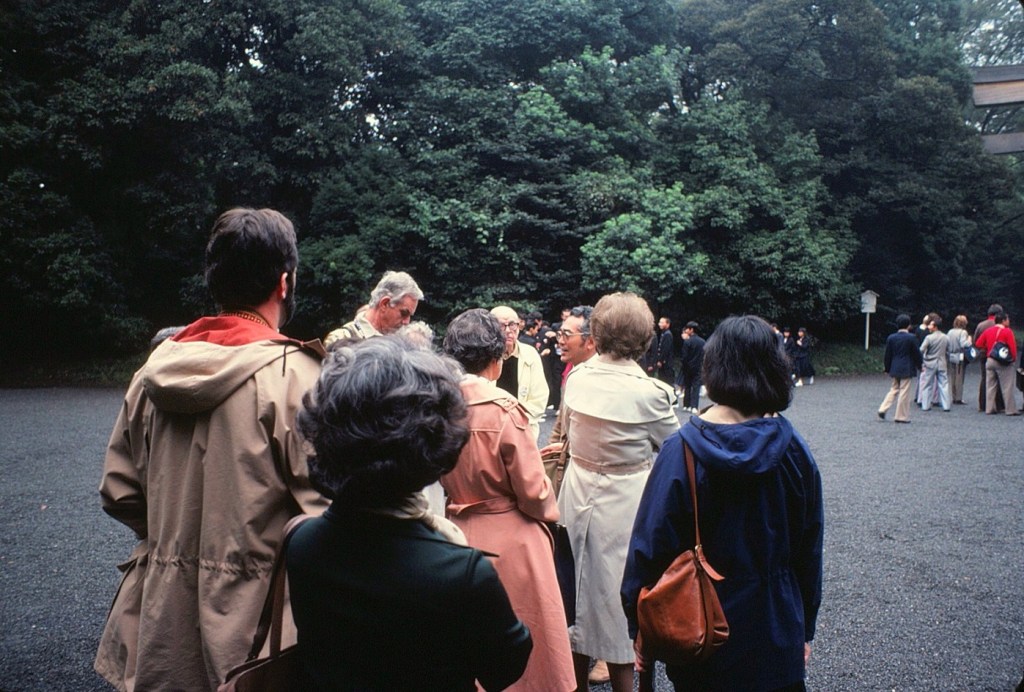
[Continuing from Part 1 in the Meiji Shrine in Tokyo. Our group gathers for the tour . . . ]

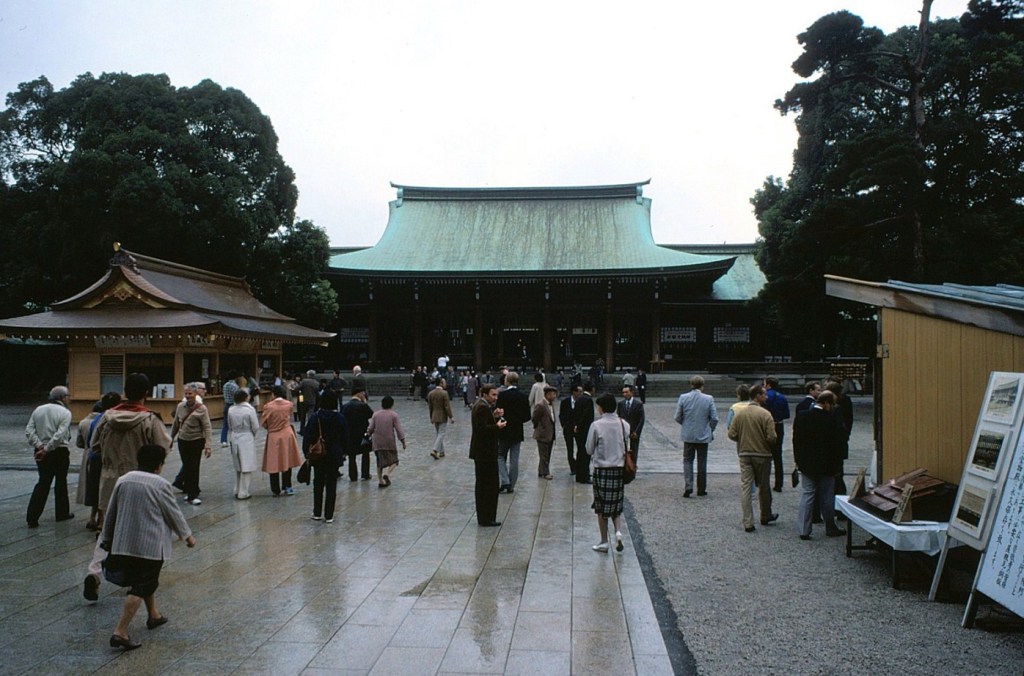
[This is the inner courtyard facing the Honden (main hall) which enshrines the Emperor Meiji and his consort. According to “Sacred Space in The Modern City”, the shrine’s architect was Ito Chuta, also a Tokyo University professor and the architect of Yasukuni Shrine, Heian Shrine and Tsukiji Honganji Shrine. He sought to establish the architecture of Meiji Shrine as the standard for all Japanese shrines (flickr.com).]

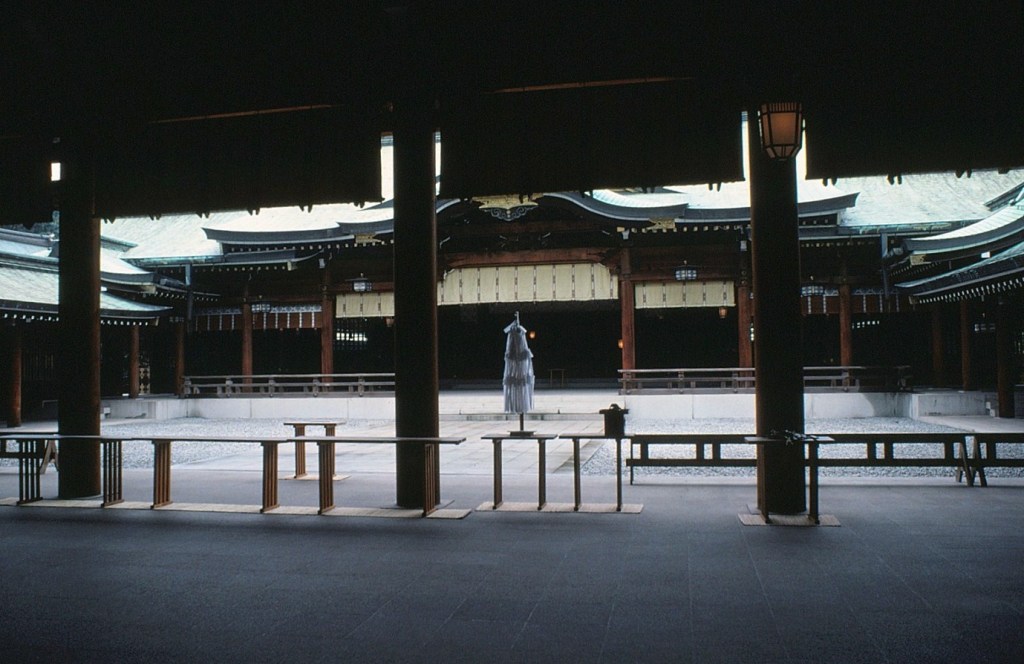
[Offering Hall (haiden) – the place of worship at the Meiji Shrine . . . ]

[The National Diet Building is the building where both houses of the National Diet of Japan meet. Sessions of the House of Representatives take place in the left wing and sessions of the House of Councillors in the right wing. The Diet Building was completed in 1936 and is constructed out of purely Japanese materials, with the exception of the stained glass, door locks, and pneumatic tube system (Wikipedia).]

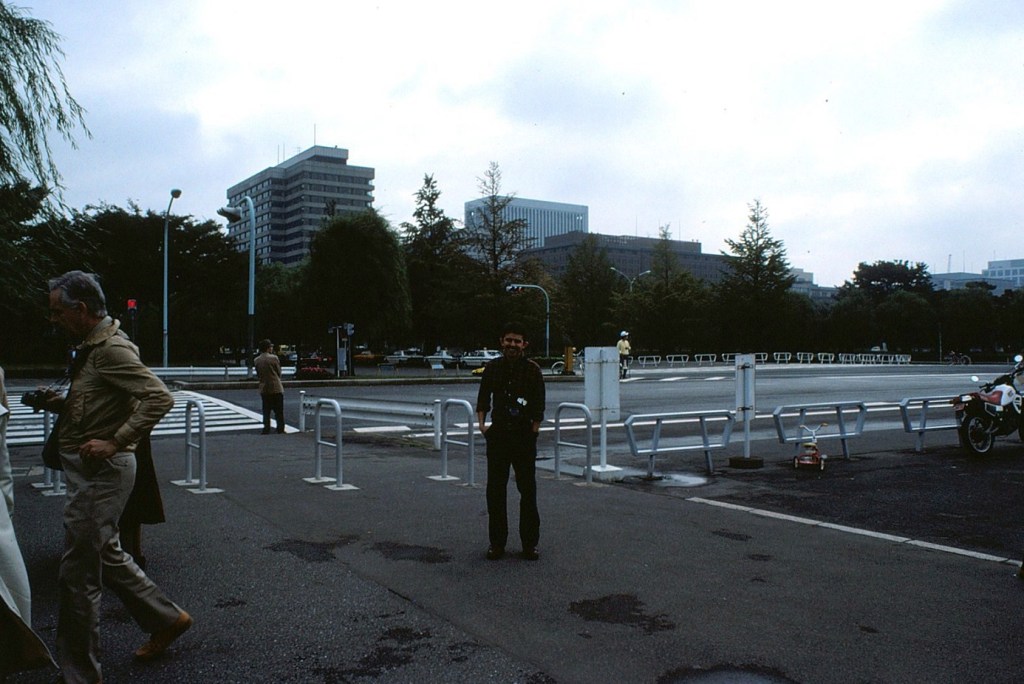
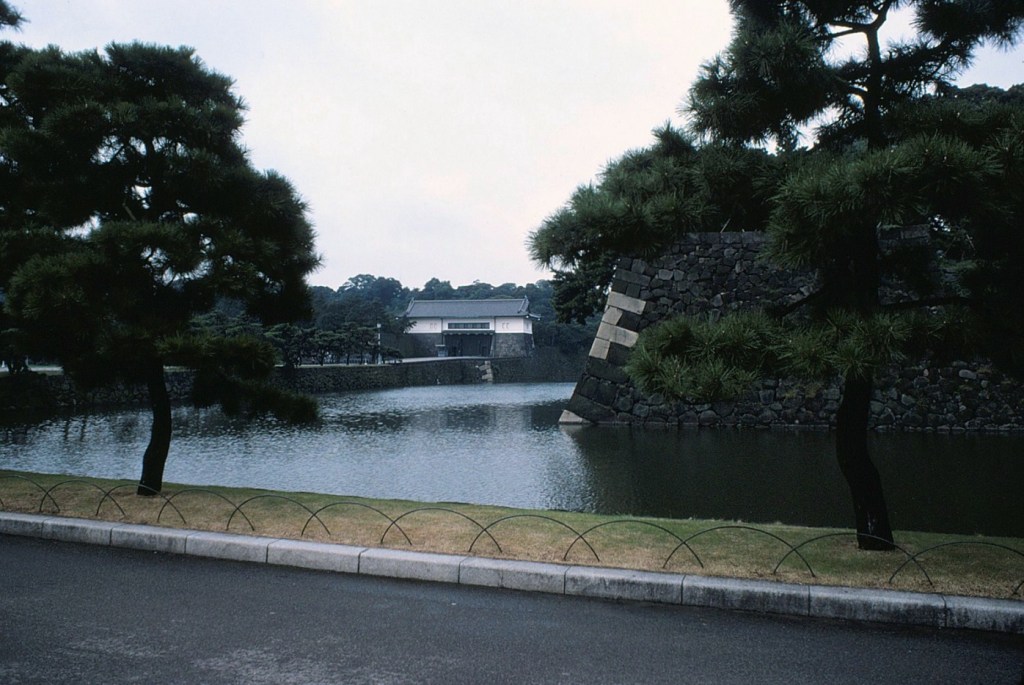
[The Tokyo Imperial Palace (Kōkyo, literally ‘Imperial Residence’) is the usual residence of the Emperor of Japan. It is a large park-like area located in the Chiyoda district of the Chiyoda ward of Tokyo and contains several buildings including the main palace (Kyūden), some residences of the Imperial Family, an archive, museums and administrative offices. It is built on the site of the old Edo Castle. The total area including the gardens is 1.15 square kilometres (0.44 sq mi).  During the height of the 1980’s Japanese property bubble, the palace grounds were valued by some to be more than the value of all of the real estate in the state of California (Wikipedia).]

[Roy, somewhere in Tokyo. I remember the gentleman on the far left – not his name, but I believe he was retired military . . . ]

[Edo Castle was enormous. Historians debate whether it encompassed six or up to ten miles. It was divided into a labyrinth of six wards defended by 60 foot stone ramparts (walls), wide moats and 38 gates. The Imperial Palace is considerably smaller. This is Sakashita-mon Gate leading to the former castle’s West Citadel. It is now the entrance to the Imperial Household Agency. As its name implies, Kunai-chō is responsible for managing the state activities of the Emperor and the Imperial Family (encirclephotos.com).]

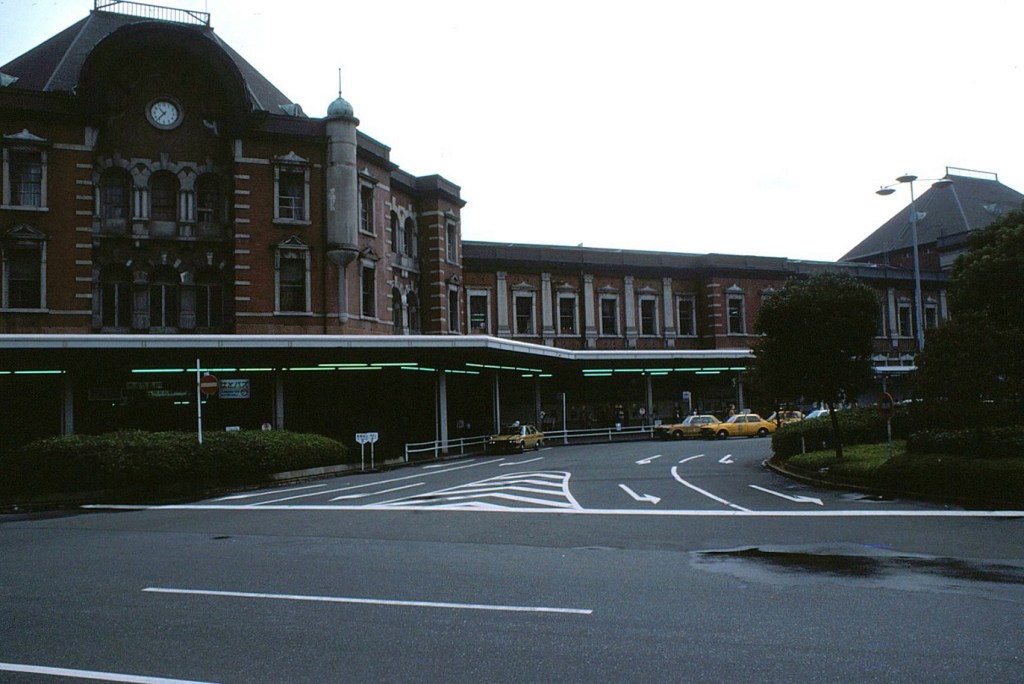
[Tokyo Station (Tōkyō-eki) is a railway station in Chiyoda, Tokyo, Japan. The original station is located in Chiyoda’s Marunouchi business district near the Imperial Palace grounds. The newer eastern extension is not far from the Ginza commercial district. Due to the large area covered by the station, it is divided into the Marunouchi (west) and Yaesu (east) sides in its directional signage. Served by the high-speed rail lines of the Shinkasen network, Tokyo Station is the main inter-city rail terminal in Tokyo. It is the busiest station in Japan, with more than 4,000 trains arriving and departing daily, and the fifth-busiest in Eastern Japan in terms of passenger throughput; on average, more than 500,000 people use Tokyo Station every day.  The station is also served by many regional commuter lines of Japan Railways, as well as the Tokyo Metro network (Wikipedia).]

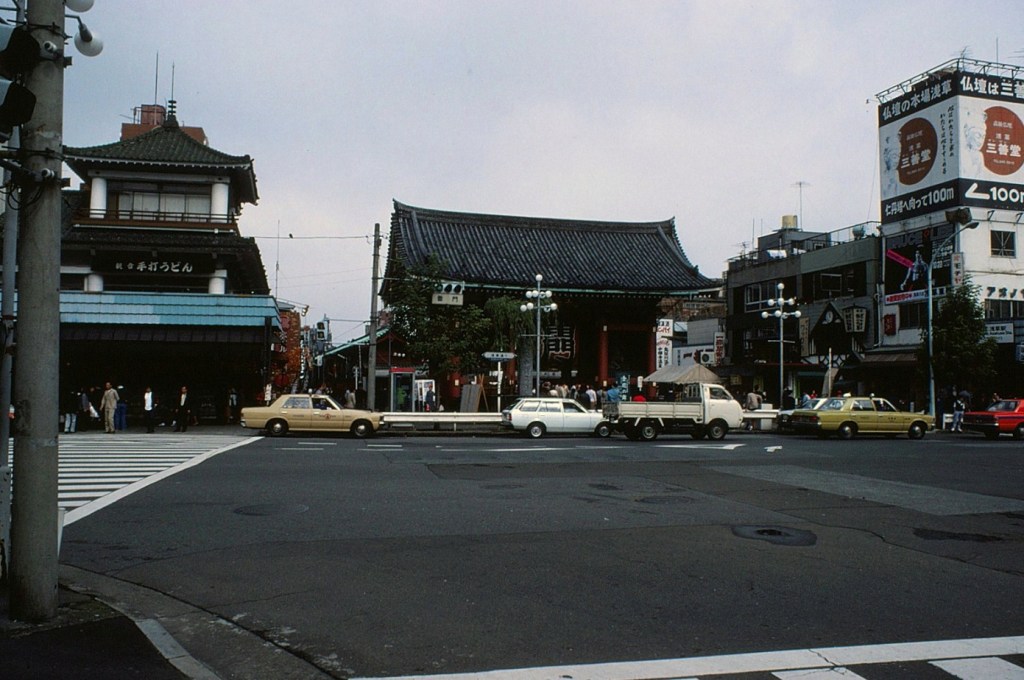
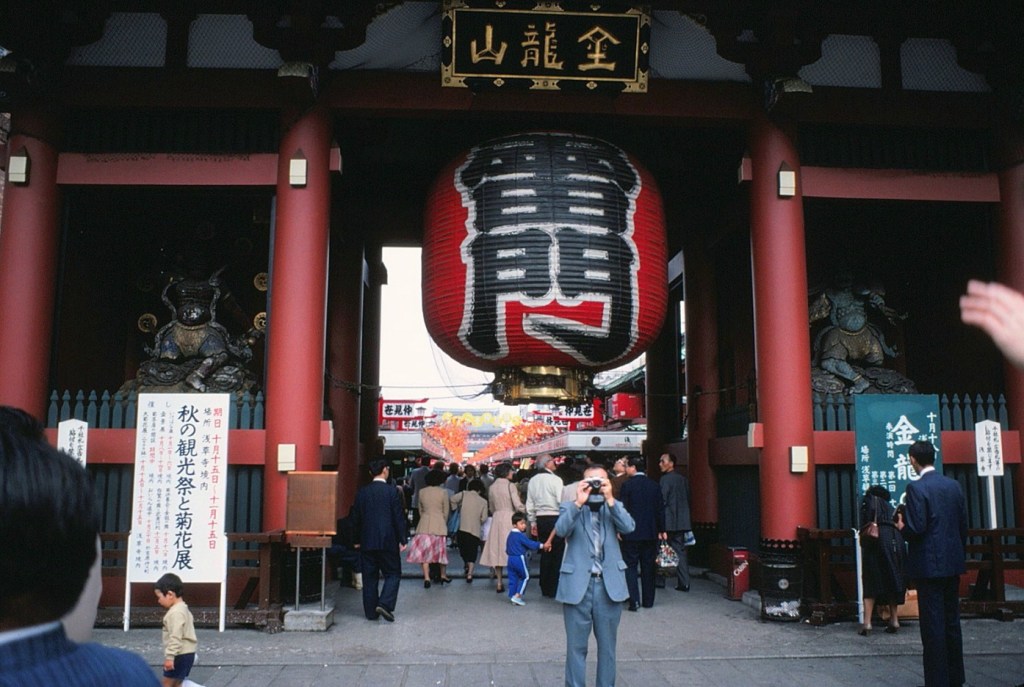
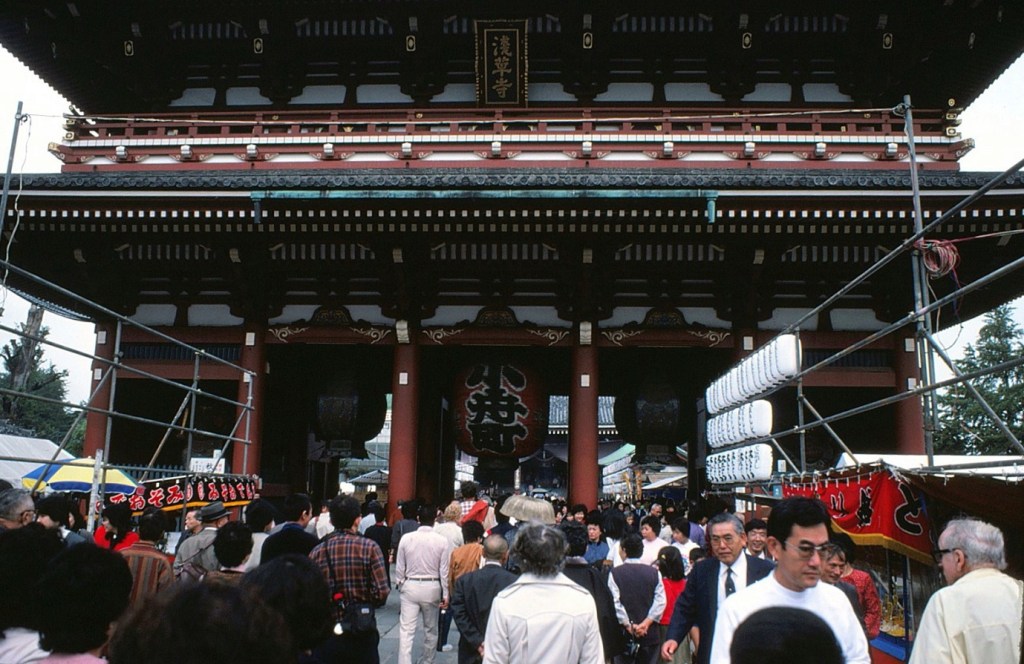
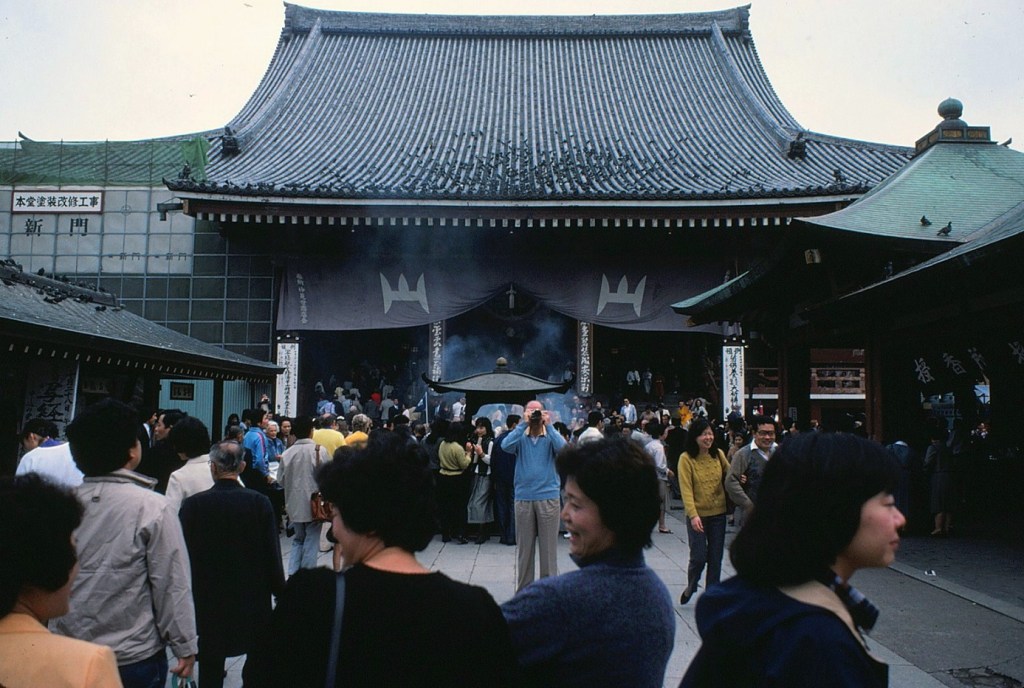
[During the Edo period, Sensoji Temple was used as the main temple of prayer for the Tokugawa shogunate and resultantly, Sensoji Temple flourished in the city of Edo. Asakusa as a whole is representative of this shitamachi (downtown-style) culture during the Edo Period, and Sensoji Temple is the sightseeing spot that represents this history and culture of Asakusa largely due to the number of visitors it receives on a yearly basis. There are over a staggering 30 million worshippers whom visit the temple yearly and of this total, many are visitors from abroad. The main outer gate of Sensoji Temple, Kaminarimon, is the most famous landmark for this attraction and the large lantern connected to this gate is the top ranking photo opportunity location for visitors to the temple. This sizable lantern is 4 meters in height and weighs a whopping 640 kilograms. To the left and right hand side of the gate are images of the wind god and thunder gods. Derived from these images, the gate formerly was called the wind-thunder gate but eventually was abbreviated to the shorter thunder gate. The temple was destroyed in the great fire in the first year of the Keiou era (1865- 1868) but in 1955, the world-famous company Panasonic donated funds to rebuild this landmark of Asakusa (triplelights.com).]

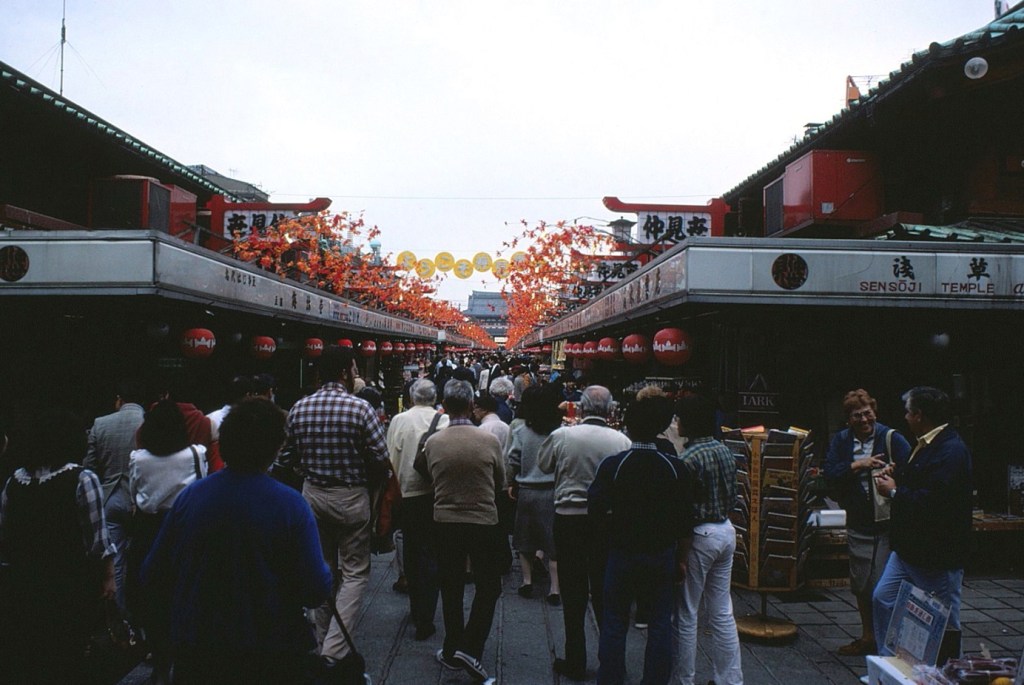
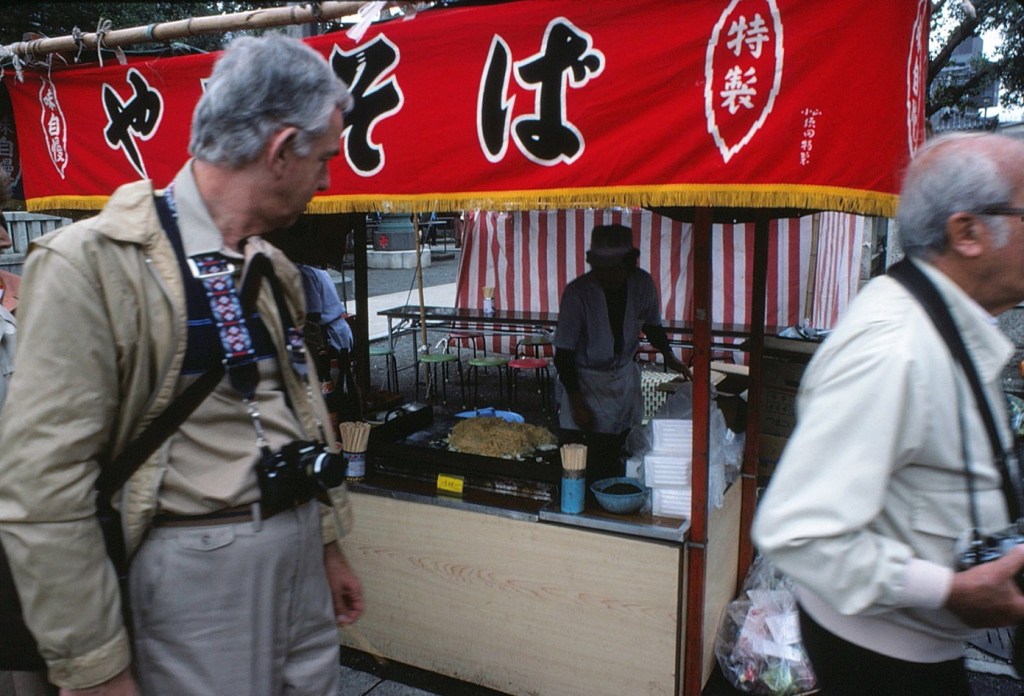
[After entering from the outer gate, there is a street heading to the main temple called Nakamise-dori lined with stores that sell various traditional local foods and merchandise. The local specialties of Aasakusa that you can find here are ningyo yaki, which are bean jam cakes formed in the shape of dolls, as well as sweet rice snacks. Since there are many options to try local specialties on this street, you should certainly attempt to sample a few different foods. As you proceed further down this street, you will eventually approach Hozomon gate which has been preserved as an Important Cultural Property. Also, you will encounter the main temple and the surrounding 5-story pagoda as well as Asakusa Shrine. The architecture of this five-story pagoda can withstand the intense pressures of the earthquake-ridden Japan and accordingly, the newly constructed Skytree has been constructed with the architecture of the five-story pagoda in mind. From Senosoji Temple, it is possible to also catch sight of the Skytree and compare the similarities and differences between the two towers.

Admission: Free (triplelights.com)]

[We were now free to wander the wonders of Sensoji Temple . . . ]

[Always a nice place to visit with thousands of your close personal friends . . . ]

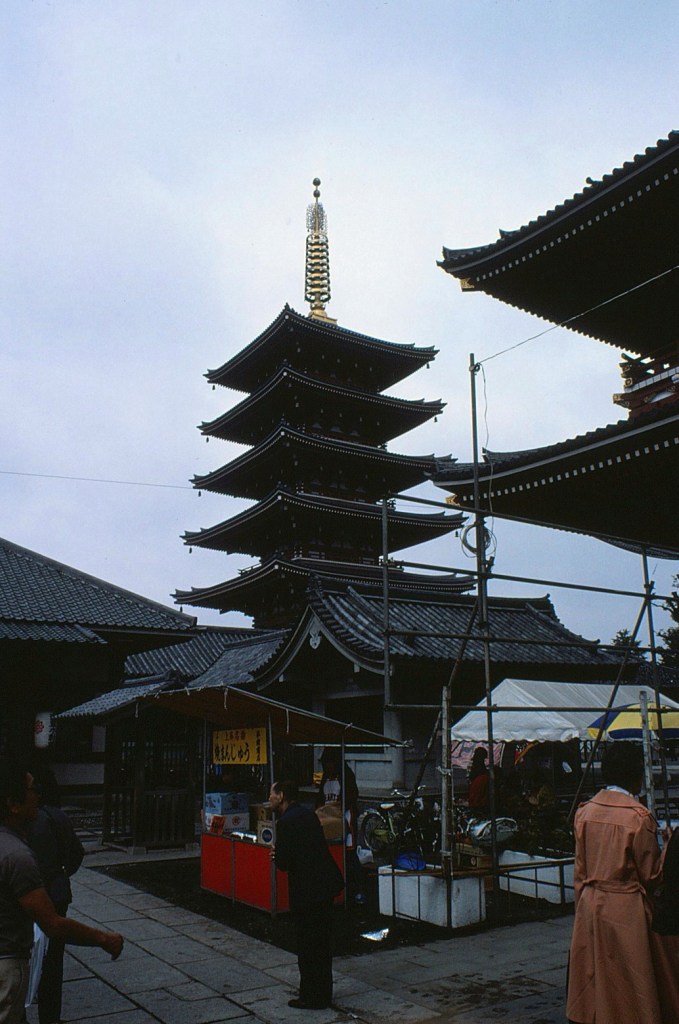
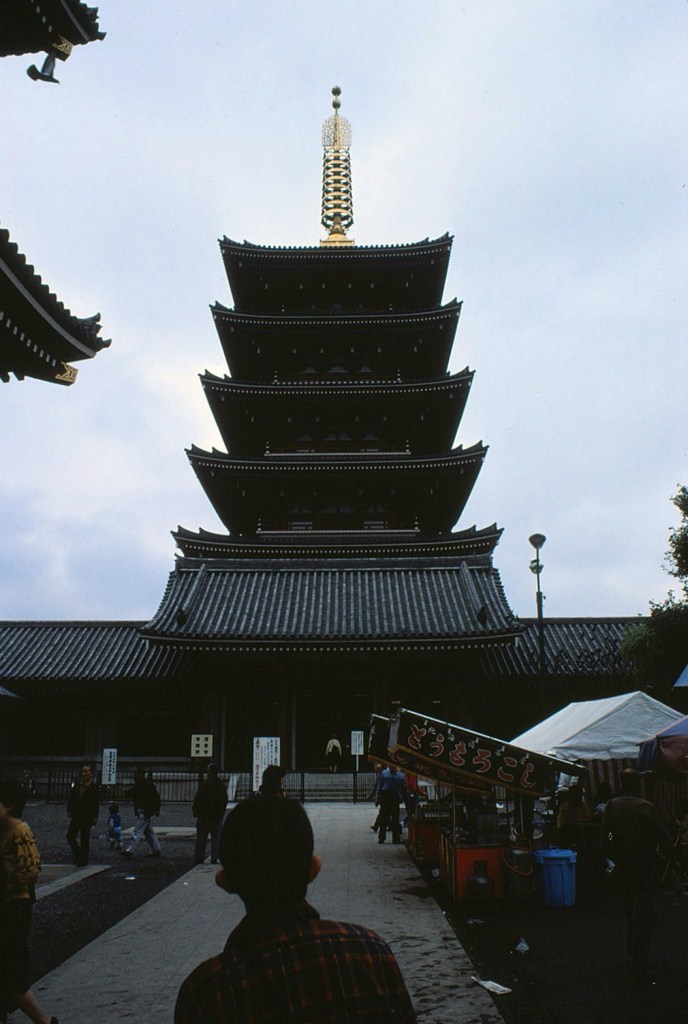
[So, let’s talk tiered pagodas. The Sensoji Temple is a five-storied pagoda, one of the most famous in Japan. Its height is 53.32 meters, which is about the height of an 18-story building . . . ]

[Five tiered stupas represent the five natural elements of the universe, earth, water, fire, wind and metal. A lotus flower, the symbol for Buddha, crowns the top of the pagoda. Contrary to local legend, Roy does not represent any part of a stupa . . . ]

[As we re-gather, Roy is out front, our tour guide center in the coat and tie, and we cliqued up with Randy and Marsha Moorey (far right of our group), from the Bay Area as I recall . . . ]

[We’re still in the Asakusa Shinto Shrine here; Marsha on the far right . . . ]

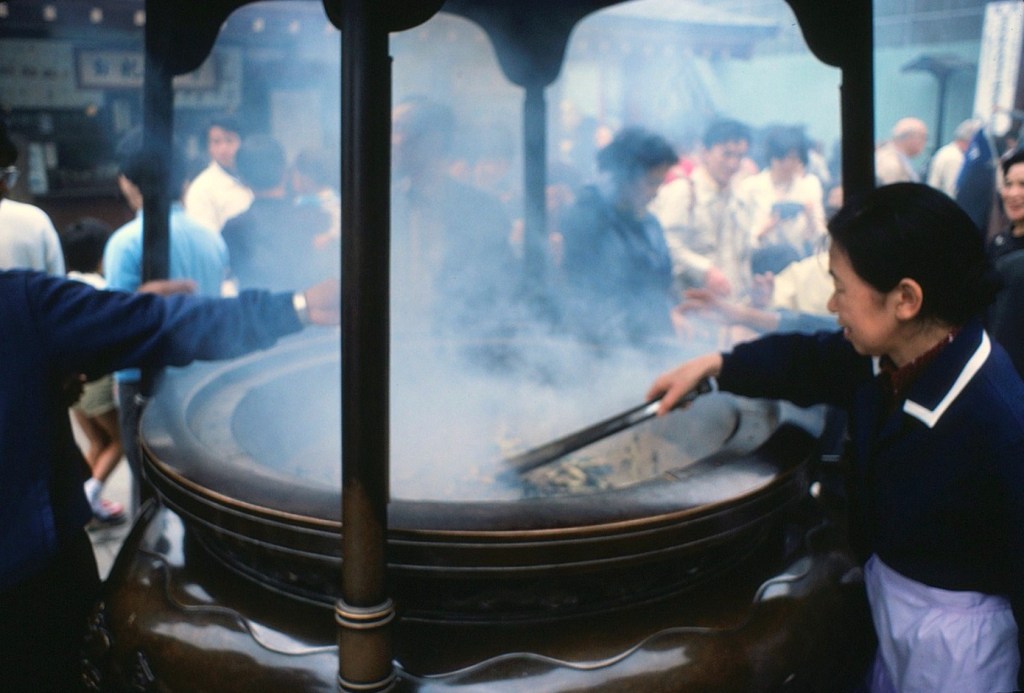
[Asakusa Shinto Shrine incense sticks with messages . . . ]

[Our guide in the middle, trying to round up his flock . . . ]

[The hustle and bustle of Tokyo . . . ]

In Japanese, sushi does not mean raw fish. It means seasoned rice. ~ Guy Fieri

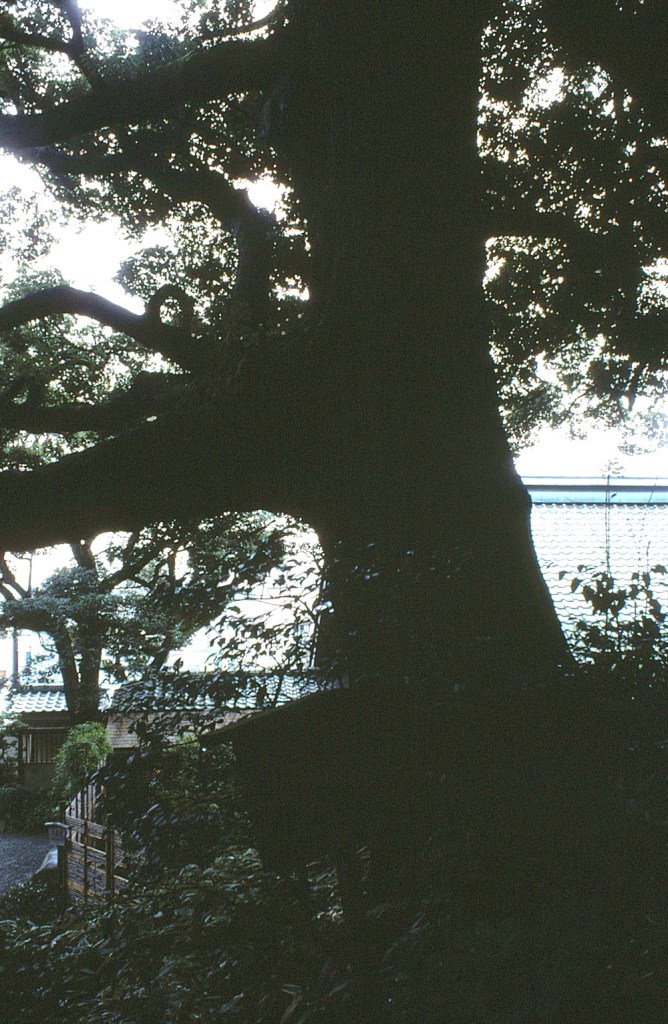
[A tree . . . in Japan . . . ]

[A view that will always remind me of Japan . . . ]

[Wooden tasōtō are pagodas with an odd number of stories. Some may appear to have an even number because of the presence between stories of purely decorative enclosed pent roofs called mokoshi.  There existed specimen with seven or nine stories, but all extant ones have either three (and are therefore called sanjū-no-tō (three-storied pagoda)) or five (and are called gojū-no-tō (five-storied pagoda). Tanzan Jinja in Sakurai, Nara, has a pagoda having thirteen, which however for structural reasons is classified separately, and is not considered a tasōtō.)  The oldest three-storied pagoda stands at Nara’s Hokki-ji and was built between 685 and 706.  The oldest extant five-storied pagoda belongs to Horyu-ji and was built some time during the Asuka period (538 -710). The tallest wooden tasōtō belongs to To-ji, Kyoto. It has five stories and is 54 m tall (Wikipedia).]

There are some ghost stories in Japan where – when you are sitting in the bathroom in the traditional style of the Japanese toilet – a hand is actually starting to grab you from beneath. It’s a very scary story. ~ Shigeru Miyamoto

Japanese culture? I kind of love everything about it. I love the food. Everyone’s really nice. There’s just a lot about Japan that’s really cool. ~ Naomi Osaka

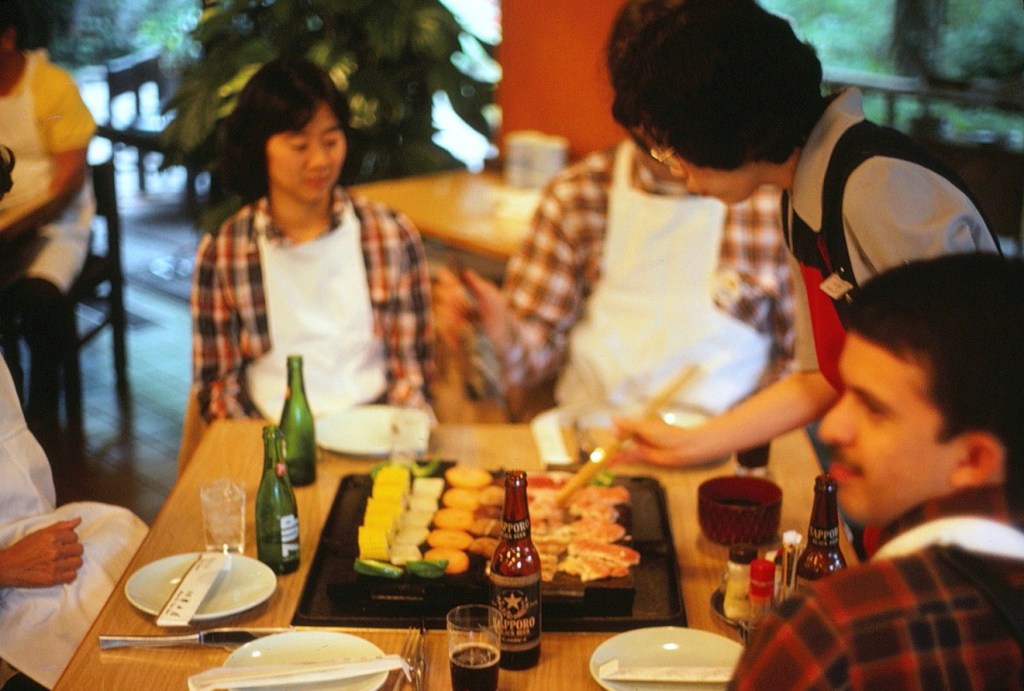
[Of course the best part of any trip is the fine cultural dining. I love the pomp and circumstance of it in Japan. And here’s where I developed an unnatural relationship with Sapporo dark beer. Marsha and Randy sitting on the far side, Roy on the right . . . ]

[Downtown Tokyo, the 2nd richest city in the world after New York . . . ]

[Like NYC, it would have been a fun place to live for a couple years in one’s misspent youth . . . ]

[Marsha, Roy, and Randy trying to figure out where we were. The locals would occasionally try explain things for us through Marsha (obviously of Japanese heritage) – but she was just an English-speaking American like the rest of us so all she could do was shrug her shoulders . . . ]

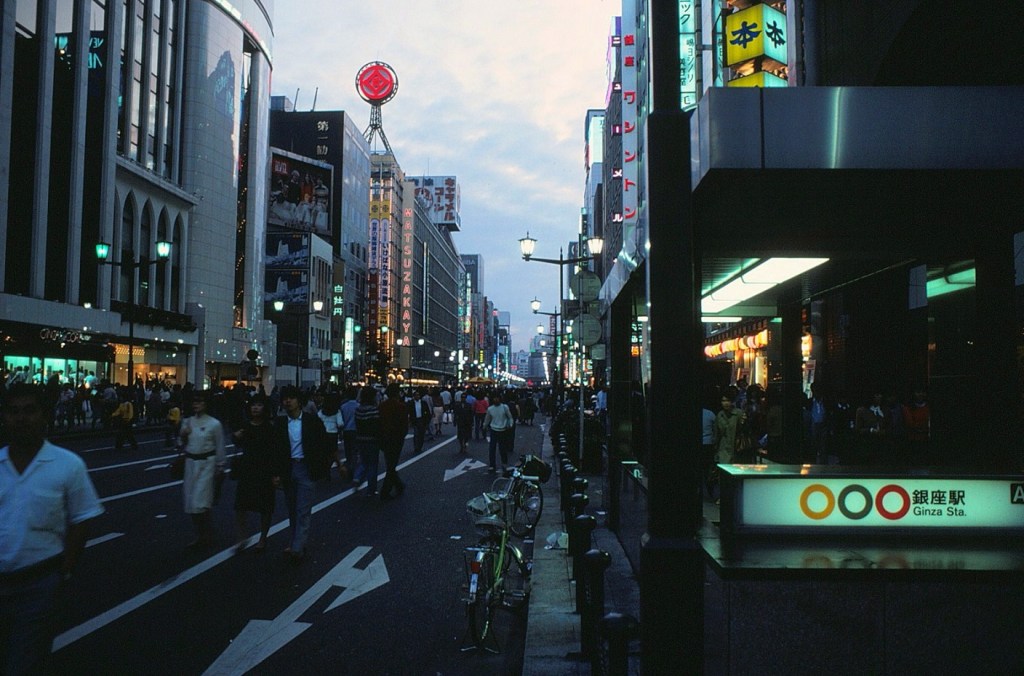
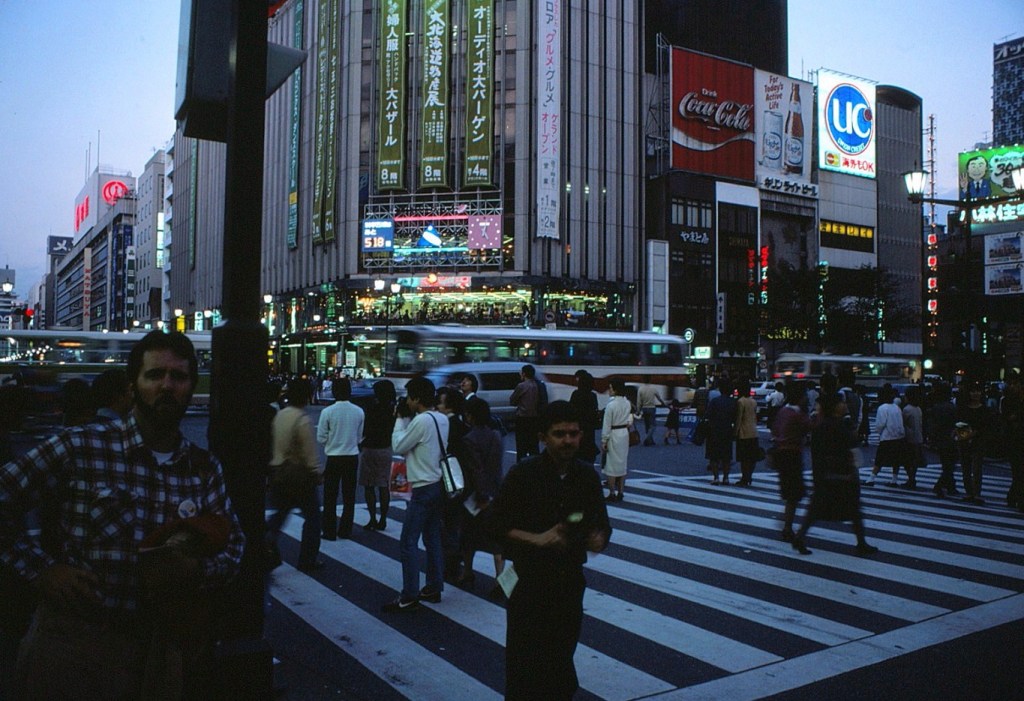
[The Ginza, almost as famous in international lore as the Fat Boys Walking Club, gave me an opportunity to try out my limited Japanese. “The clique” took the subway from the hotel to the Ginza. Once you come up out a subway stop however, you can’t find your bearings. So I stopped a young man on the street and asked, in Japanese, which way to the Ginza. He told us, we thanked him, and the following Ginza photos are as a result. Marsha at the entrance . . . ]

Japanese women have always loved my films, even when no one else did. Ever since I made ‘Maurice’ in the 1980s, I’ve been getting hundreds of letter from Japanese girls. They definitely have a special place in my heart. ~ Hugh Jackman

[Randy and Roy trying to keep their heads above water . . . ]

[Back at the New Otani. We obviously weren’t on the 2nd floor . . . ]

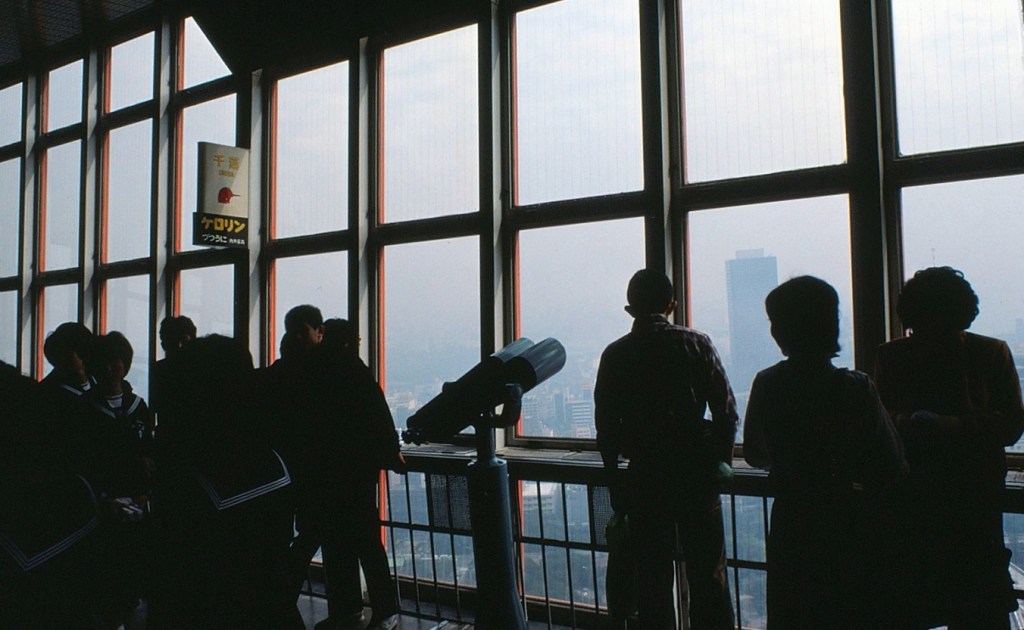
[Roy in the observation deck . . . ]

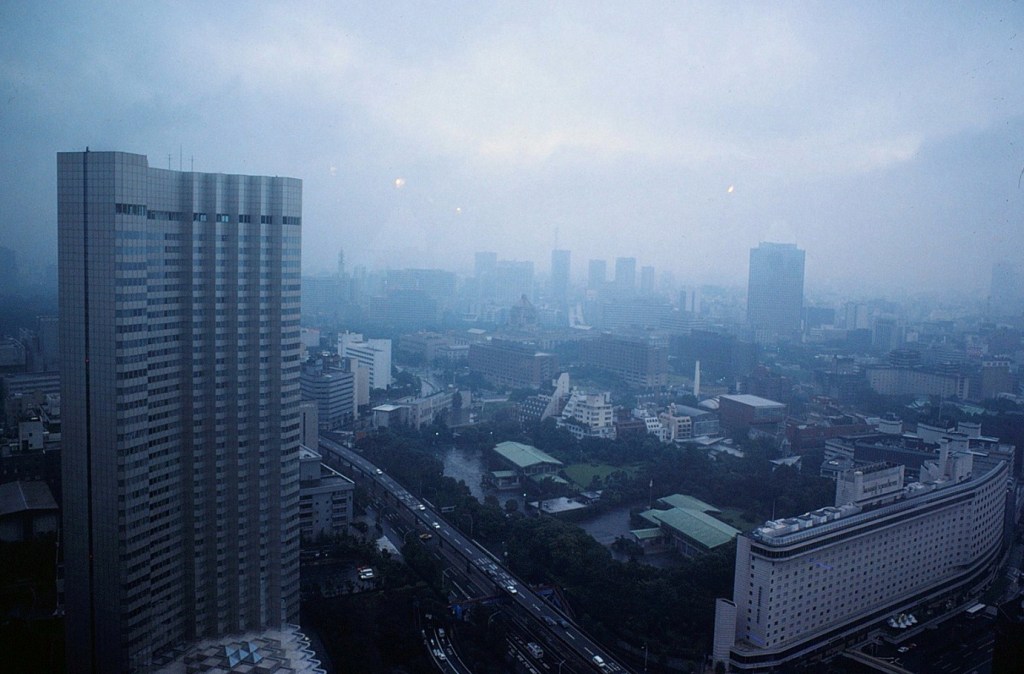
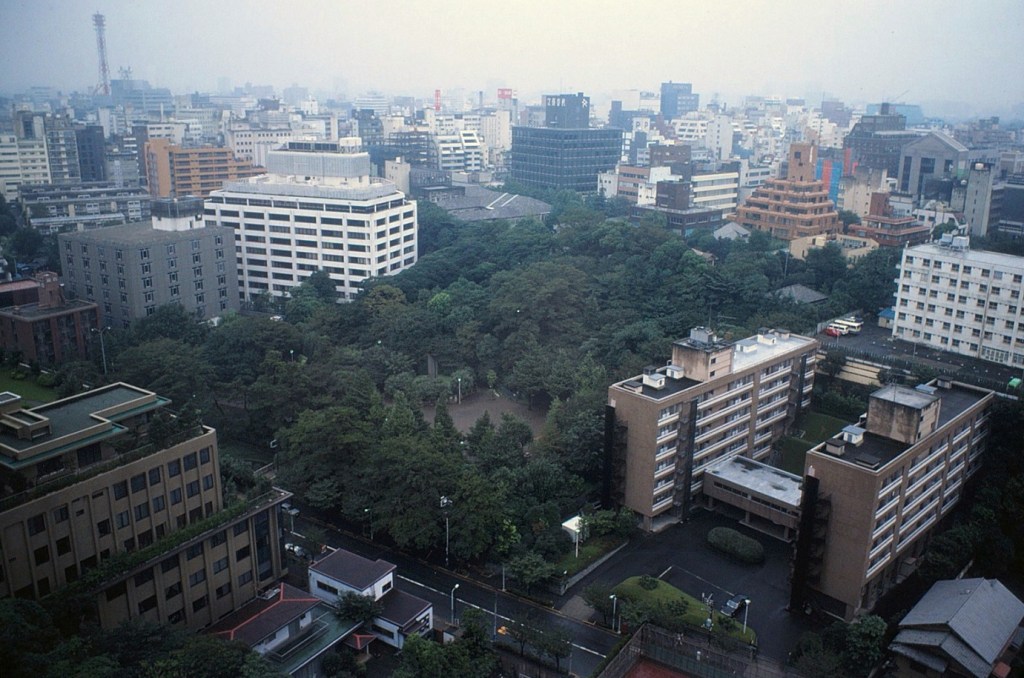
[I can’t recall if this was just the weather creating all of limited visibility we have had so far – or if it’s just the smog that was prevalent in all major cities in the early 80’s . . . ]

Japanese architecture is traditionally based on wooden structures that need renovating on a regular basis. ~ Tadao Ando

I wouldn’t mind a little bow. In Japan, they bow. I love it. Only thing I love about Japan. ~ Donald Trump

Up Next: Part 3 . . .

Editor’s note: I made my annual contribution to Wikipedia today. One can’t do this without them. And b), I found the Europe 2000 trip. I know many have been worried about it. The Super had all the photos and negatives in her archives because she had scrapbooked that trip . . .

Japan 1983 (Part 1)

September 28

Ohayō gozaimasu! The set up: 50 years ago, give or take, Uncle Sam decided I could best serve my country – by leaving it. So, he sent me away to Okinawa for two years (which I have already extensively blogged). Okinawa is the largest of the Ryukyu Islands, about 400 miles south of the main island of Kyushu and the rest of Japan. The United States had governed the Ryukyus since the end of WWII. On November 21, 1969, U.S. President Richard Nixon and Japanese Prime Minister Eisaku Sato signed the Okinawa Reversion Agreement in Washington, D.C. on June 17, 1971. The U.S. reverted the islands to Japan on May 15, 1972 (I left Okinawa (and the Army) in February of that year, not realizing what an impact my leaving was destined to have), setting back a Ryukyu independence movement that had emerged. Under terms of the agreement, the U.S. retained its rights to bases on the island as part of the 1952 Treaty to protect Japan, but those bases were to be nuclear-free. The United States military still controls about 19% of the island, making the 30,000 American servicemen a dominant feature in island life. While the Americans provide jobs to the locals on base, and in tourist venues, and pay rent on the land, widespread personal relationships between U.S. servicemen and Okinawan women remain controversial in Okinawan society. Okinawa remains Japan’s poorest prefecture.” (Wikipedia) But I digress . . . While on Okinawa I met a GI, Roy Gorena, from Edinburg, Texas. As fate would have it (or something like that), we both ended up working for the Department of Labor in Washington, D.C., after our distinguished military careers. We both totally enjoyed our time spent on Okinawa, so in 1983 we decided to visit Japan as part of a tour group (it was before I met the Super and I needed a date). Doing the math, this trip took place 37 years ago (or about the same length of time, at that time, since the end of WWII). I have moved three times since then (and Roy has retired to Hawaii), and I can’t find any records (brochures, etc.) of our itinerary or places visited. Nevertheless, even absent a personal dare gene, I’m going to hold my nose and take a flying leap . . .

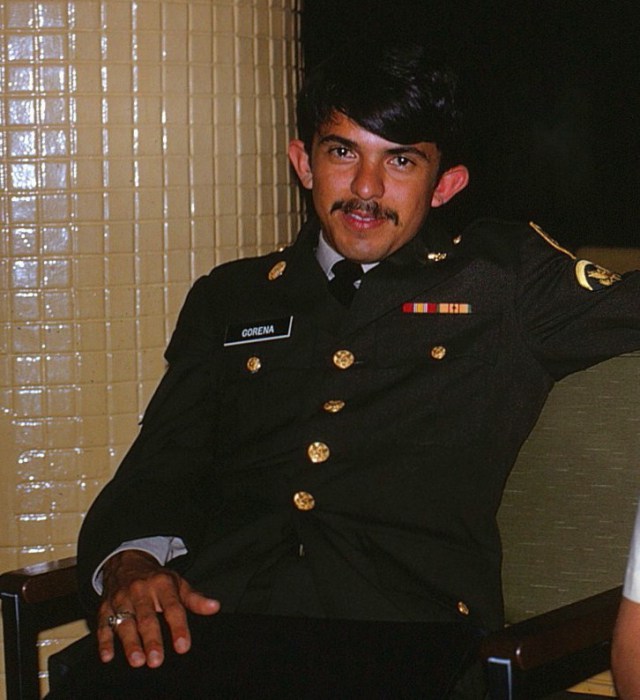
[The aforementioned Roy Gorena departing Okinawa, December 1971 . . . ]

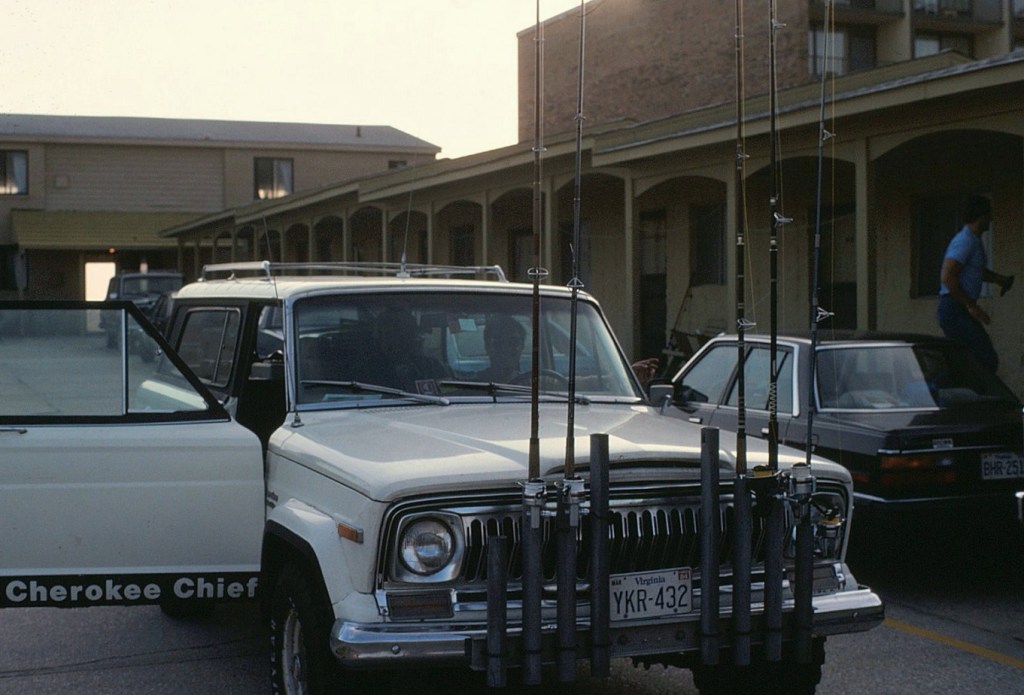
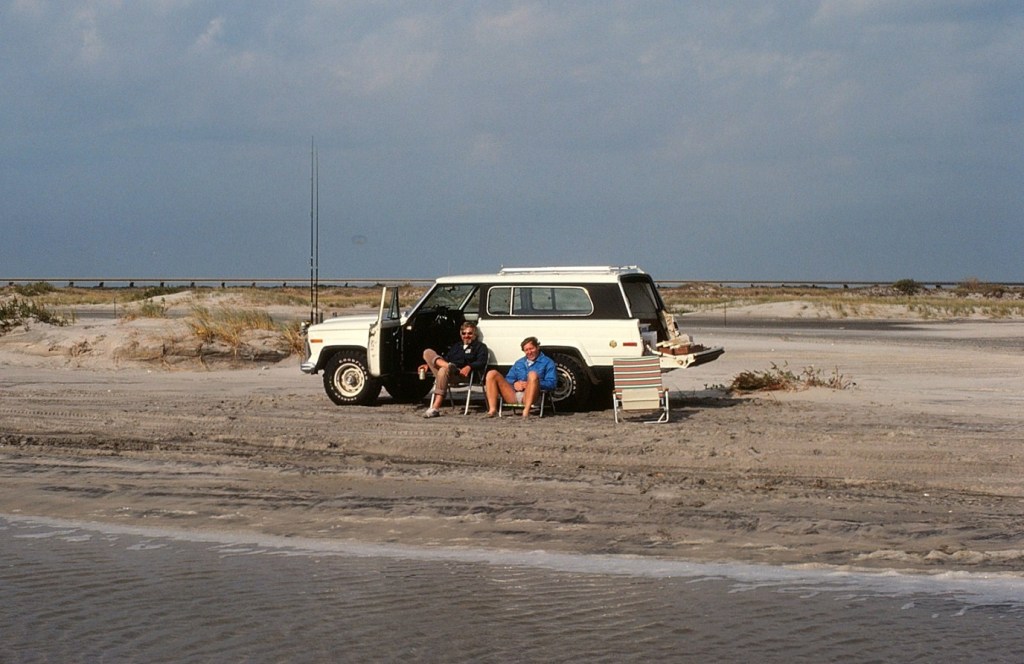
[Yes, oh attentive one, this is not Japan. This was April 1983, the Japan trip did not begin until November of that year. This is like free bonus coverage . . . ]

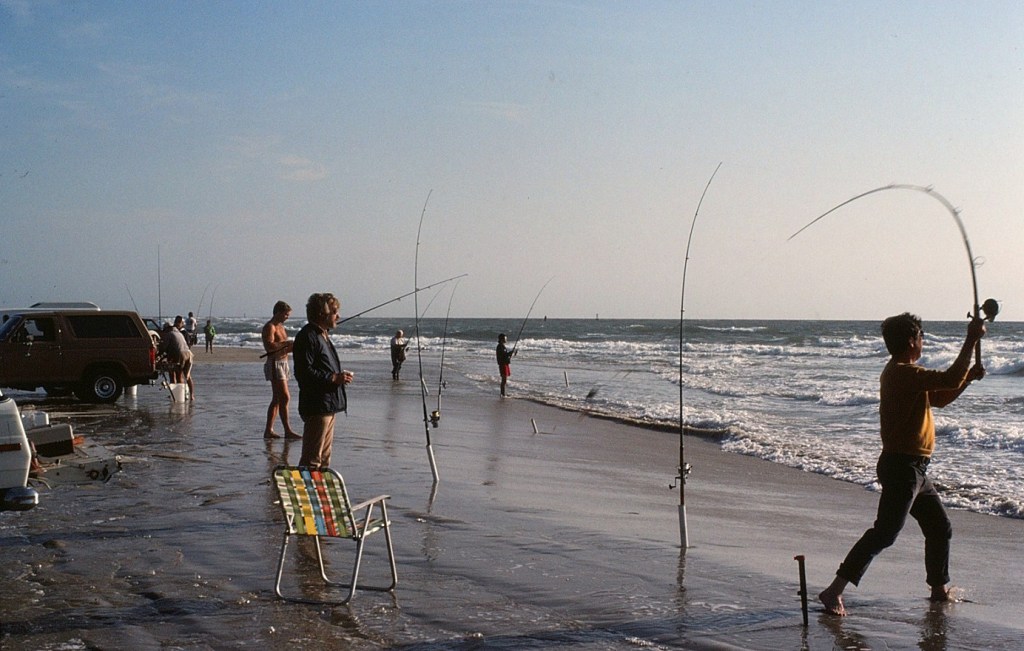
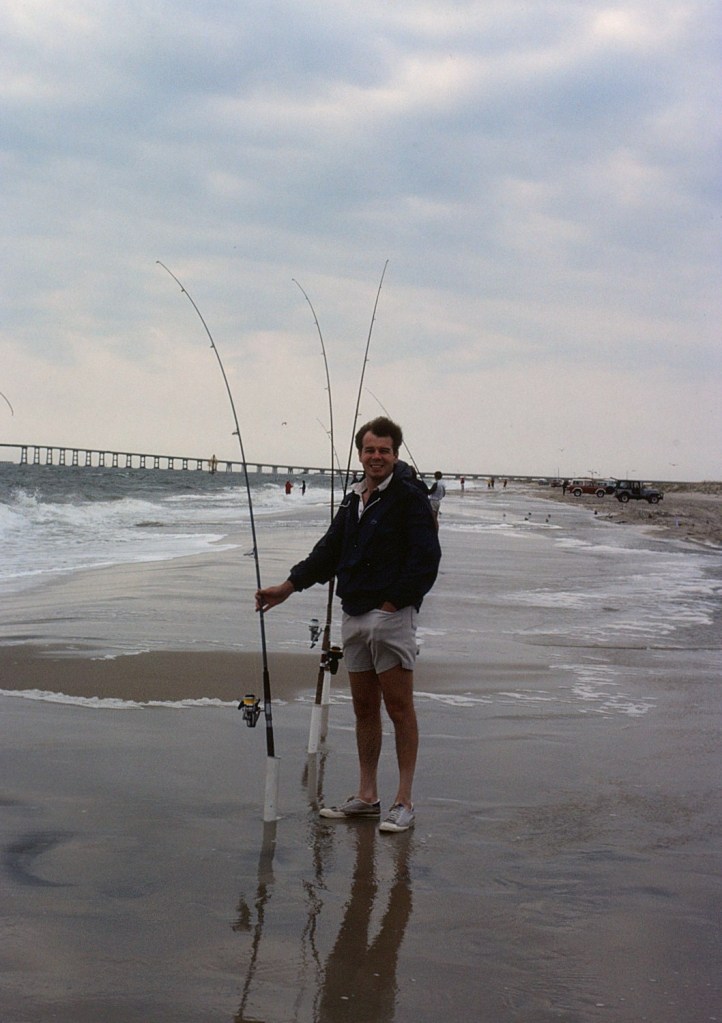
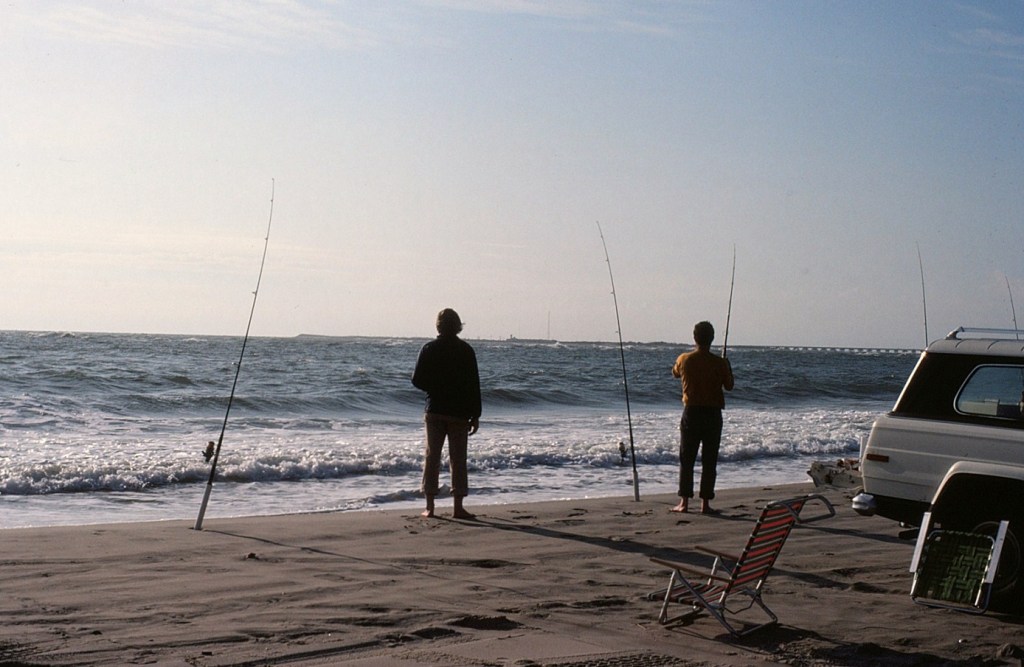
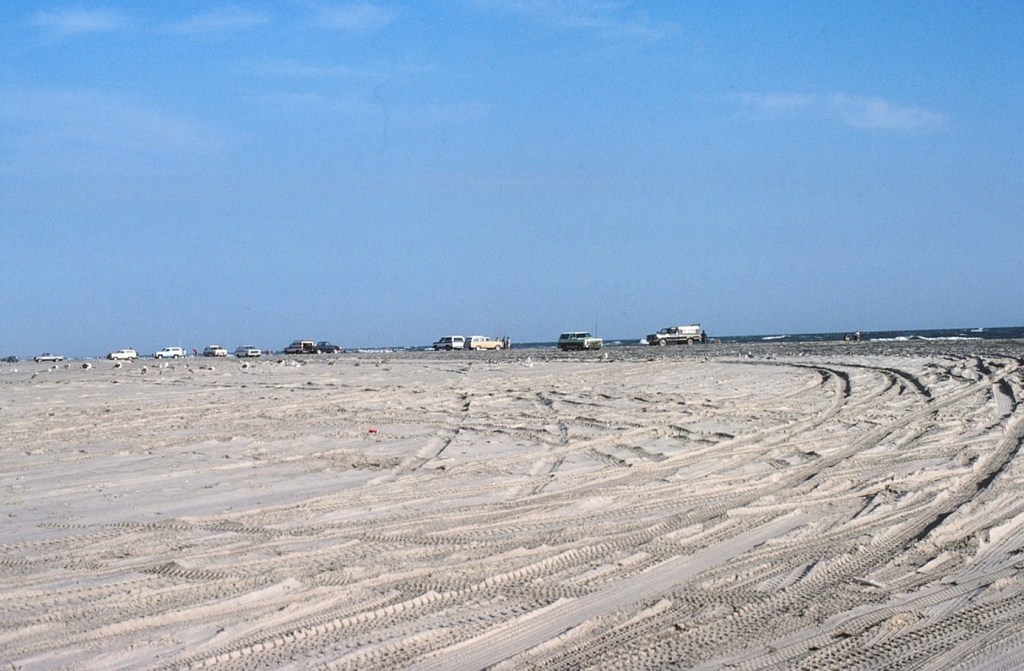
[The above was our arrival for “the boys” semi-annual fishing trip to the Outer Banks of North Carolina; the below is us actually doing it. If you are familiar with the area (and even if you’re not), that is the famous Oregon Inlet bridge in the background that one year was badly damaged by a hurricane shortly before we arrived . . . ]

[Surf fishermen not damaged by a hurricane. The major attraction of ocean surf fishing is to walk into the water, cast out as far as you can, walk back and put your rod in a sand spike, sit down in a lawn chair, have a beer, take a nap, and hope the fish don’t bite . . . ]

[There’s a little flexibility in those 9 – 12′ rods!]

[Another good reason to go bald (yes, it’s me) . . . ]

[Seems to be some unnecessary activity here . . . ]

[If you’re standing and holding a rod, you think you may have something on the other end . . . ]

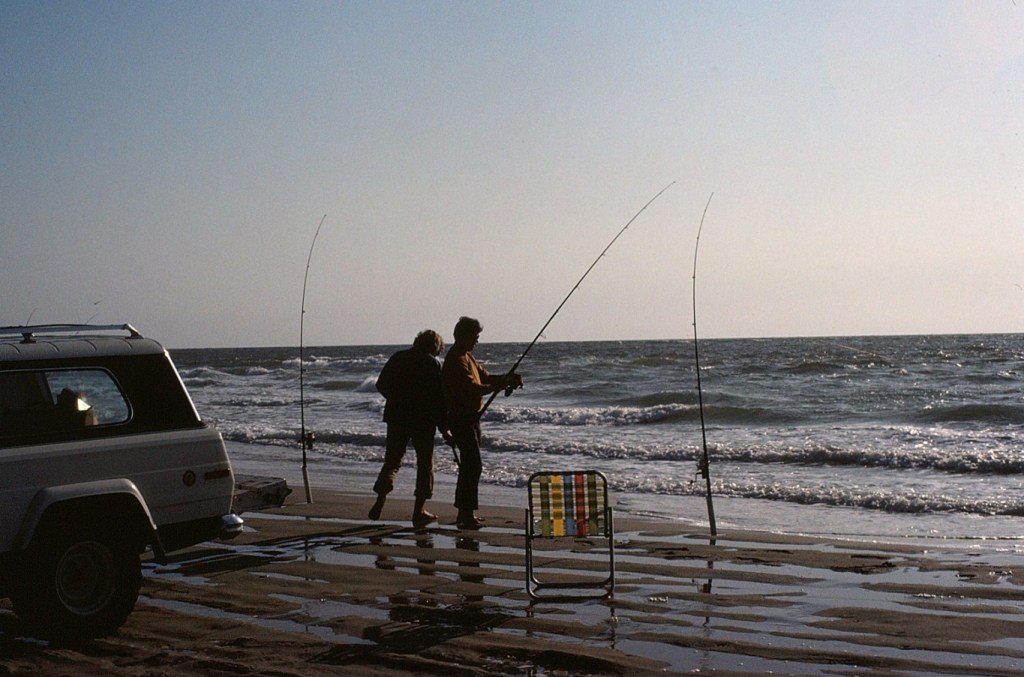
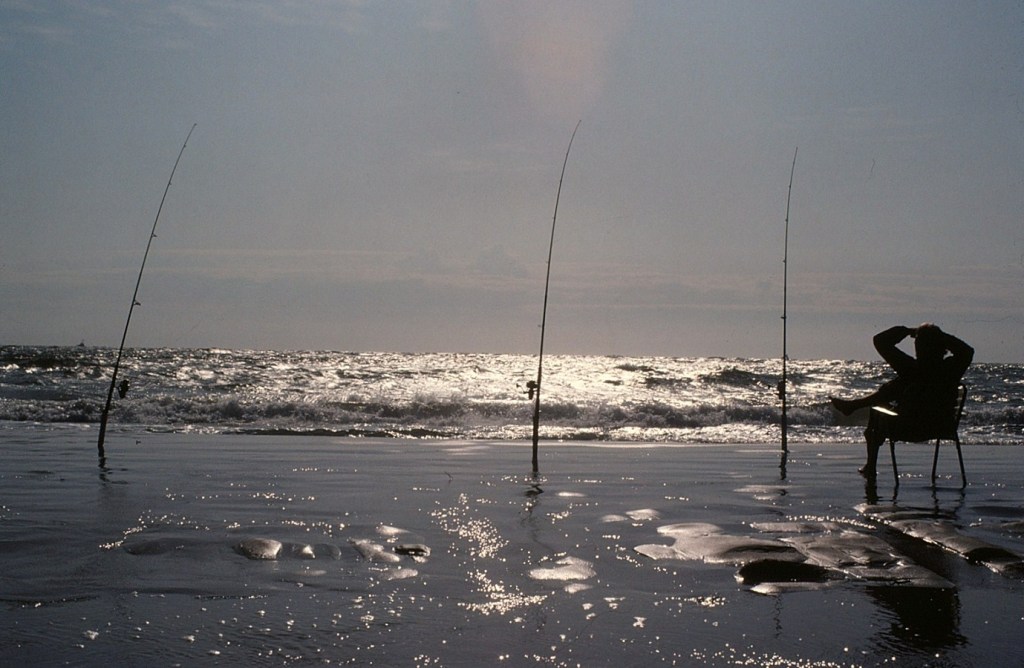
[Makes me “home” sick . . . ]

[I made an enlargement of this shot, framed it, and it has been hanging on my bedroom wall for 37 years. Just love the light reflections in it . . . ]

Japan

[As you have previously been advised, it’s now November and we have arrived in Tokyo after a likely a one-hour ride in from Narita International Airport (40 miles east of downtown Tokyo) . . . ]

[Roy (pictured) and I both somehow remember that we stayed at the New Otani Hotel . . . ]

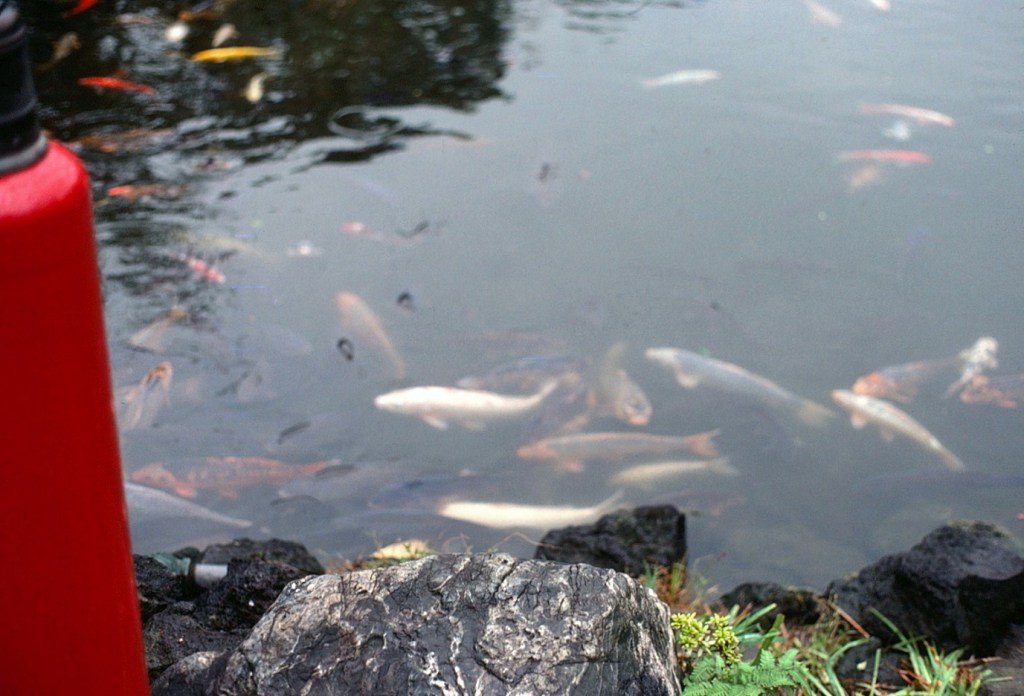
[The New Otani Hotel is still alive and kicking (unlike these koi) 37 years later . . . ]

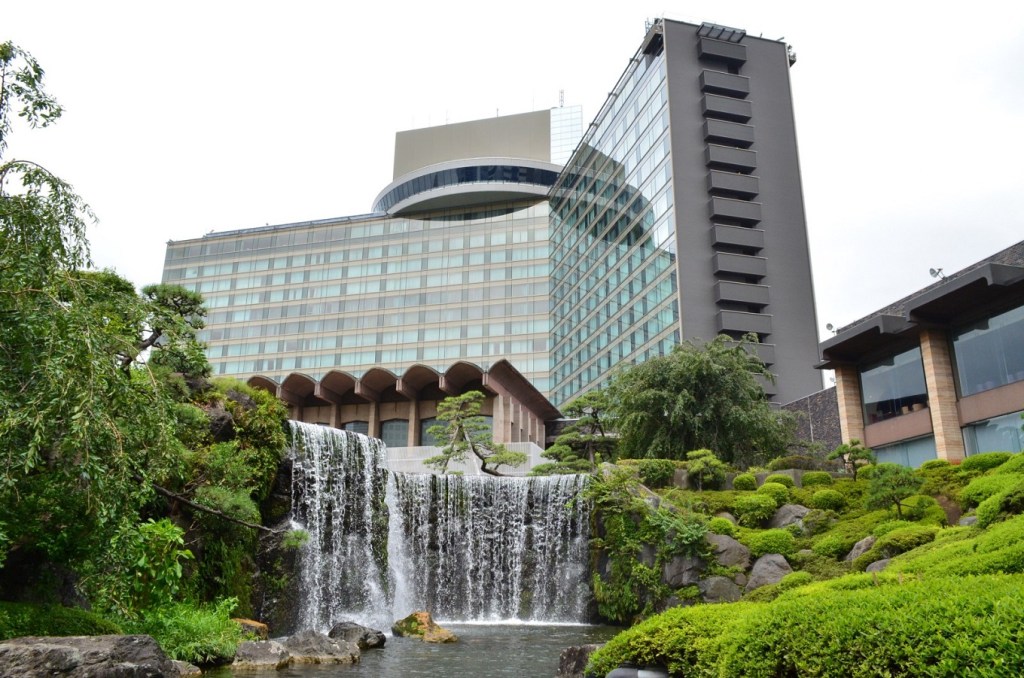
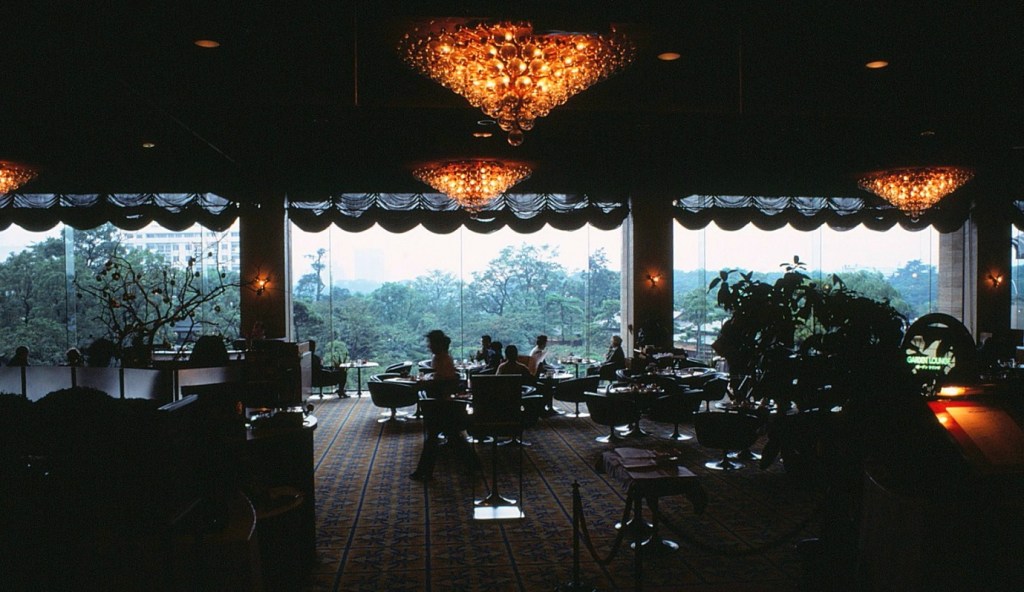
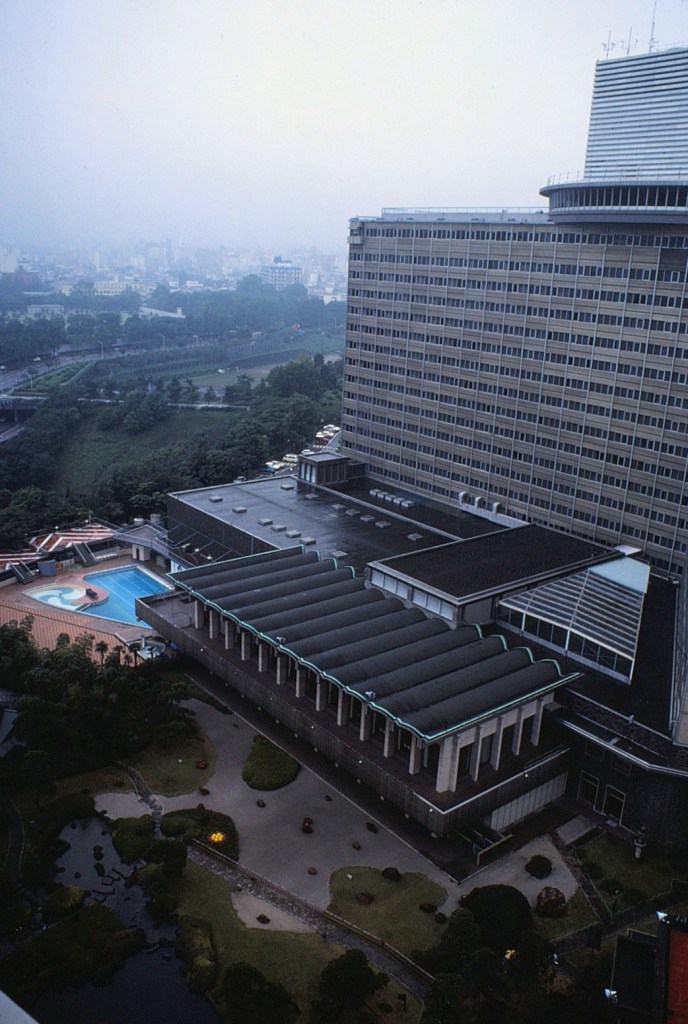
[This is the New Otani today. The history of Hotel New Otani began in 1962, when the Japanese government faced the daunting challenge of completing a massive construction effort to host an estimated 30,000 international visitors for the Tokyo Olympic Games in just two years. Yonetaro Otani, Hotel New Otani founder, agreed to build the finest hotel in the Orient on land he owned in Kioicho near the Imperial Palace, and thereby contribute to the national strategy for advancing Japan’s tourism industry. His design concept was to preserve the beautiful landscape and stone wall of an Edo (the original named for Tokyo) era daimyo mansion, while providing world-class accommodation for more than 1,000 guests, large meeting spaces and a lobby, using then-state-of-the-art building techniques. The hotel opened in September 1964. After a major renovation, “The Main” reopened in 2007 as a “hybrid hotel” featuring higher seismic performance, reduced environmental impact and enhanced hospitality, incorporating a hotel-in-a-hotel EXECUTIVE HOUSE ZEN on floors 11 and 12. Now a well-established Japanese luxury hotel, we marked our 50th anniversary in 2014. In 2020, EXECUTIVE HOUSE ZEN was awarded the prestigious honor of a Five-Star rating from Forbes Travel Guide (newotani.co.jp).]

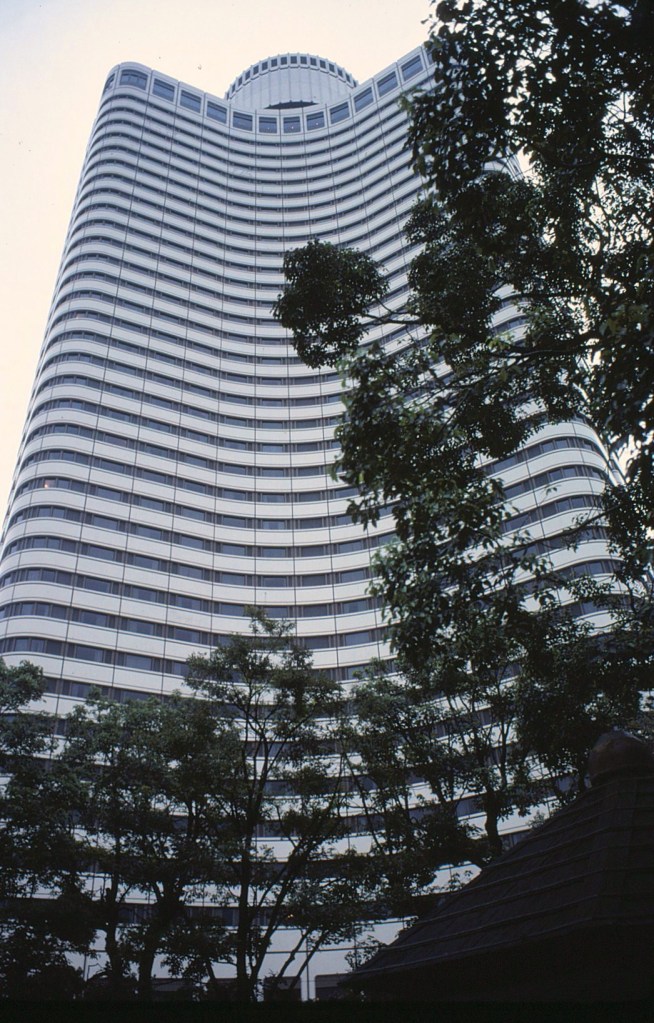
[And the hotel on our 1983 trip . . . ]

Here in Tokyo they’re not just hard working but almost violently cheerful. ~ David Sedaris

The whole of Japan is a pure invention. There is not such country, there are no such people . . . the Japanese people are . . . simply a mode of style, an exquisite fancy of art. ~ Oscar Wilde

Japanese is sort of a hobby of mine, and I can get around Japan with ease. ~ Dick Cavett

I’ve never really wanted to go to Japan. Simply because I don’t like eating fish. And I know that’s very popular out there in Africa. ~ Britney Spears (I mean, like, who knew, and isn’t she from Louisiana?)

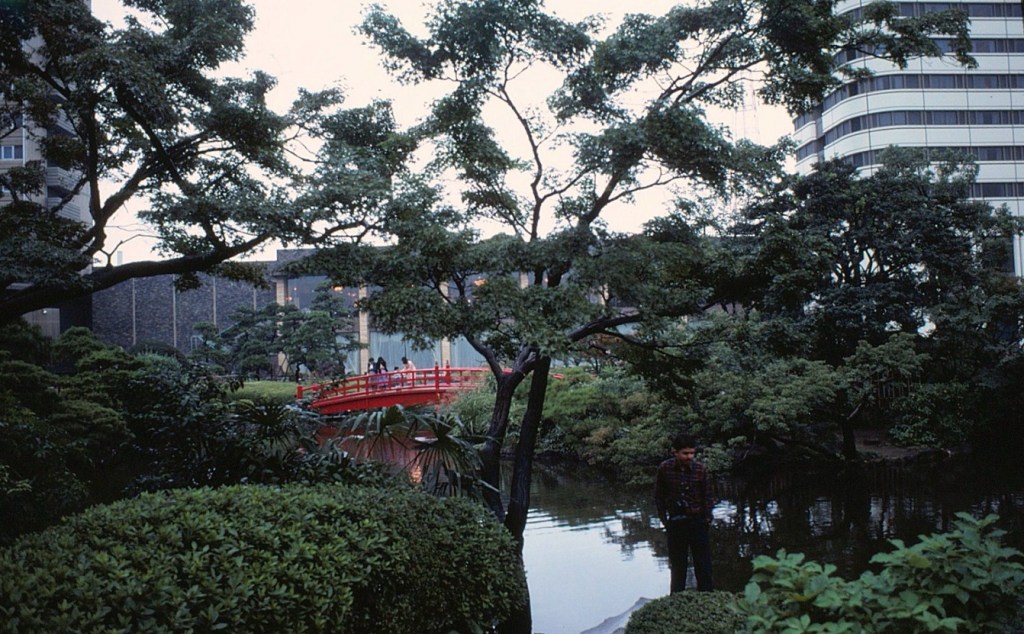
[The last shot from or about the New Otani . . . ]

[Here’s where absence of memory and a trip itinerary are going to create problems with identification. This is a torii gate, usually associated with a shinto shrine (but which one here?). In Japan, Buddhist temples co-exist with Shinto shrines, and both share the basic features of Japanese traditional architecture.  Similarities between temples and shrines are also functional. Like a shrine, a Buddhist temple is not primarily a place of worship: its most important buildings are used for the safekeeping of sacred objects (the honzon, equivalent to a shrine’s shintai), and are not accessible to worshipers. Unlike a Christian church, a temple is also a monastery. The reason for the great structural resemblances between the Buddhist temples and Shinto shrines lies in their common history. When Shintoism first encountered Buddhism it became more interpretive as it did not try to explain the universe as Buddhism sometimes tried to.  It is in fact normal for a temple to have been also a shrine, and in architectural terms, obvious differences between the two are therefore few, so much so that often only a specialist can see them.  Many visitors visit Buddhist temples and Shinto shrines for similar reasons such as prayer and for luck.  The two religions coexist due to increased popularity of religions and the birth of new religions (Wikipedia). . . . ]

[This is our tour group. We would remain together the entire 17-day (as I recall) adventure. The gentleman with the gray hair and glasses was our tour guide throughout. Very capable, but of course I no longer remember his name . . . ]

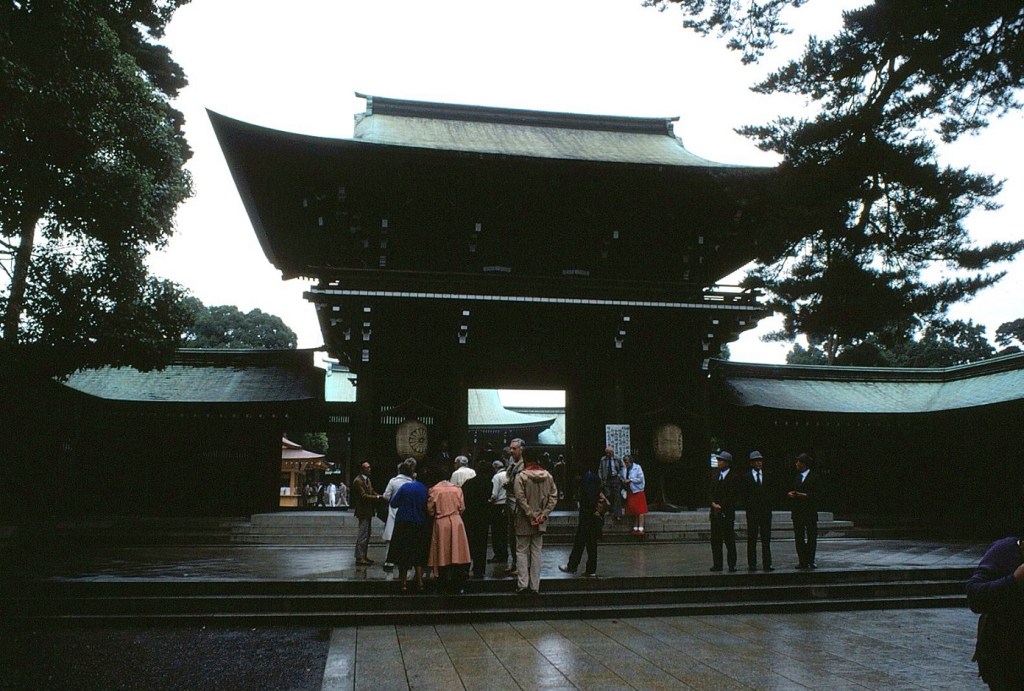
[This is the entrance to the Meiji Shrine in Tokyo (likely as was the torii gate above). We’ll see more of this magnificent place in Part 2. Meiji Shrine, is a Shinto shrine in Shibuya, Tokyo, that is dedicated to the deified spirits of Emperor Meiji and his wife, Empress Shoken. It was formally dedicated on November 3, 1920, completed in 1921, and its grounds officially finished by 1926. The interior volume of the shrine complex when originally built was 650 tsubo (35.5 square feet, the equivalent of two tatami mats).  Until 1946, the Meiji Shrine was officially designated one of the Kanpei-taisha, meaning that it stood in the first rank of government supported shrines. The original building was destroyed during the Tokyo air raids of World War II. The present iteration of the shrine was funded through a public fund raising effort and completed in October 1958. Meiji Shrine is located in a forest that covers an area of 70 hectares (170 acres). This area is covered by an evergreen forest that consists of 120,000 trees of 365 different species, which were donated by people from all parts of Japan when the shrine was established. The forest is visited by many as a recreation and relaxation area in the center of Tokyo.  The entrance to the shrine complex leads through the Jingu Bashi bridge. Meiji Shrine is adjacent to Yoyogi Park which together is a large forested area. The entrances open at sunrise and close at sunset (Wikipedia).]

The Japanese see self-assertion as immoral and self-sacrifice as the sensible course to take in life. ~ Akira Kurosawa

Up Next: Part 2 . . .

‘Twas the First Week of Autumn (Part 2)

September 25

When the white missionaries came to Africa they had the Bible and we had the land.  They said ‘Let us pray.’  We closed our eyes. When we opened them we had the Bible and they had the land. ~ Desmond Tutu

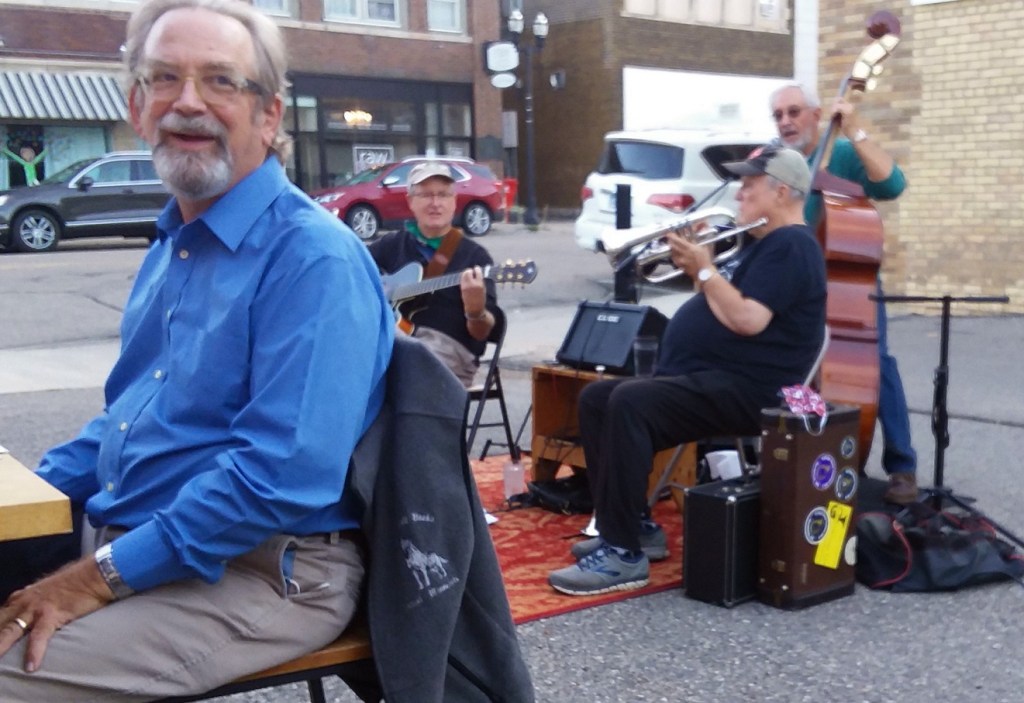
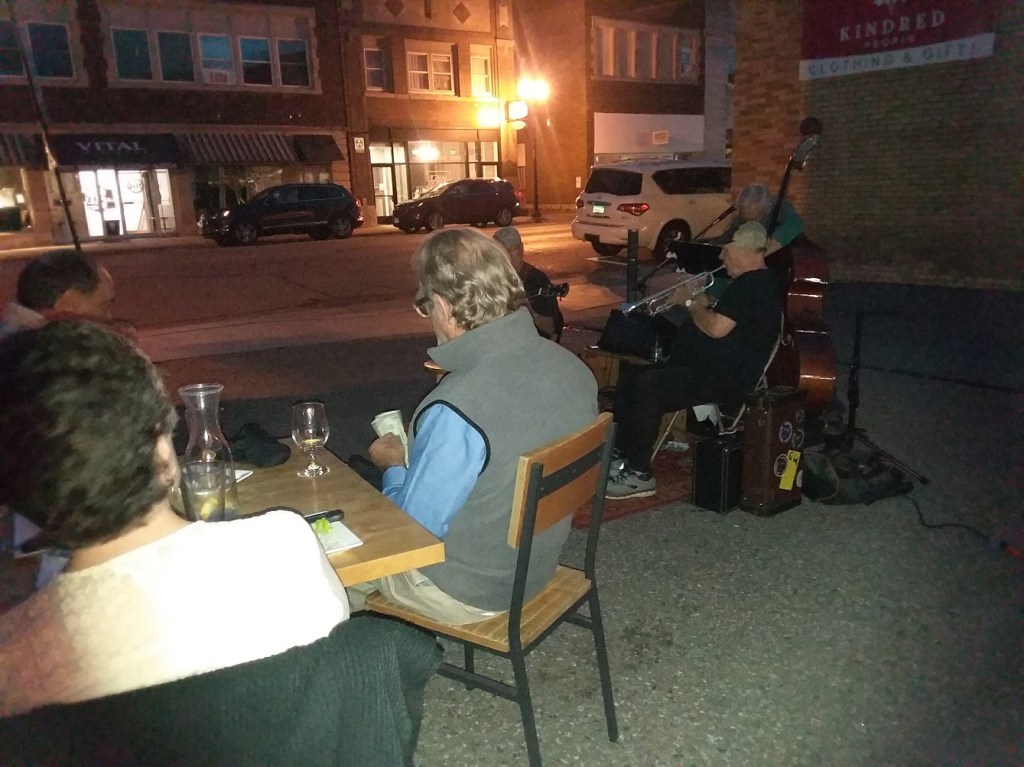
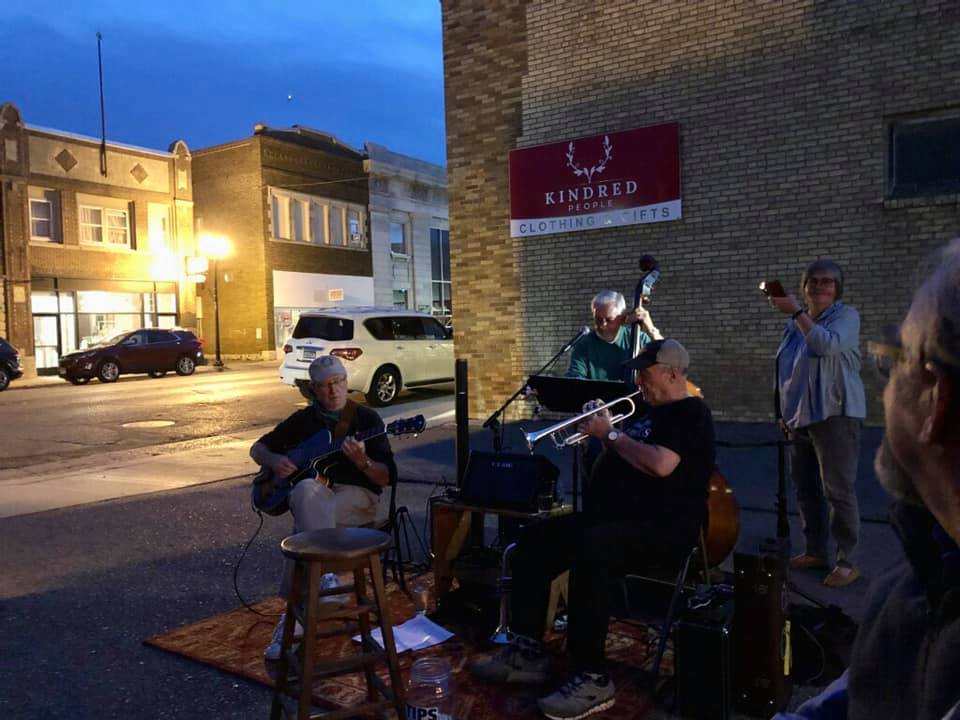
[Another wonderful evening with Terry, Bill, and Jim providing ‘music in the alley’ at the Garden Bar on 6th . . . ]

America is the only country where a significant proportion of the population believes that professional wrestling is real but the moon landing was faked. ~ David Letterman

[Joined again at our table by Karin and Dave; with Erika and Jeanne first inside the tent . . . ]

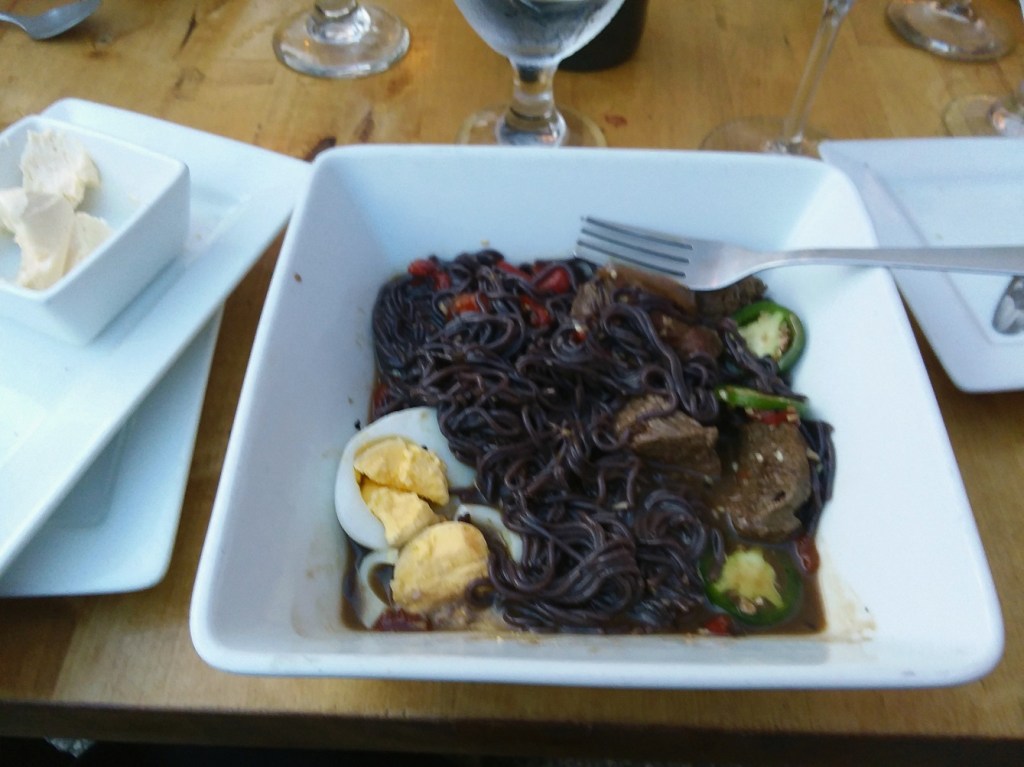
[A portion of my ramen ending up on my shirt, of course . . . ]

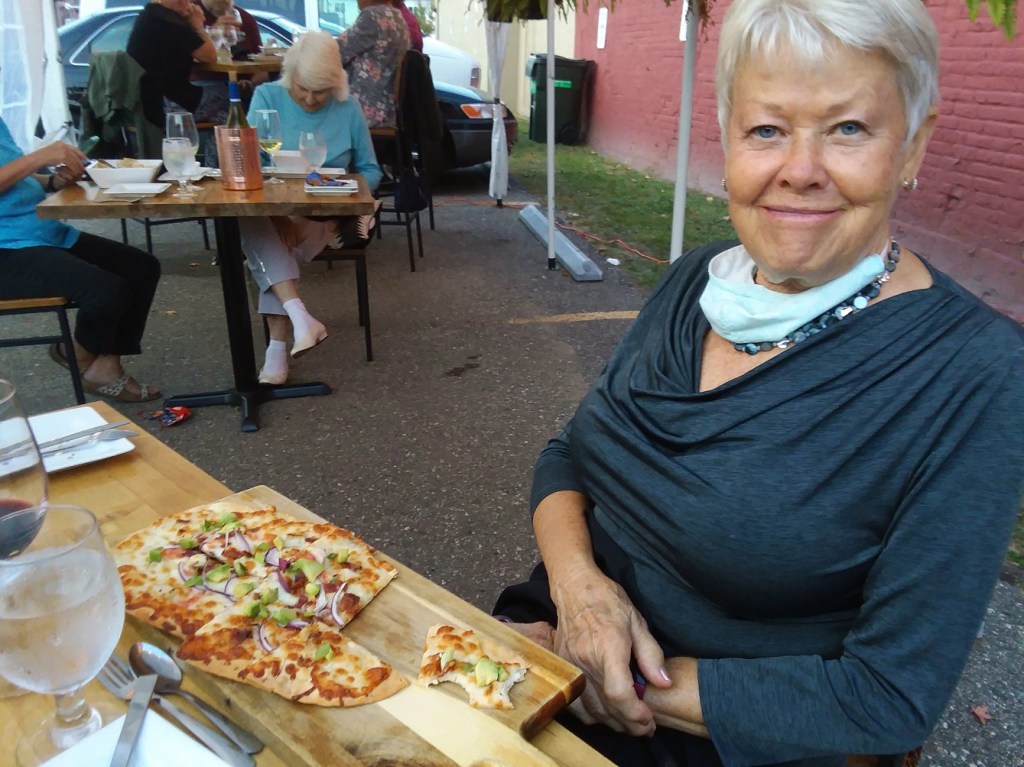
[The Super and her California flatbread . . . ]

Heavenly shades of night are falling, it’s twilight time. ~ The Platters

[The neighboring table of Deb and Paul and Paulette and Ralph, with Barbara and Bob in the distance. Why yes, it is like a regular family gathering . . . ]

Having more money doesn’t make you happier.  I have 50 million dollars but I’m just as happy as when I had 48 million. ~ Arnold Schwarzenegger.

[Officially on loan from someone else’s Facebook posting . . . ]

September 26

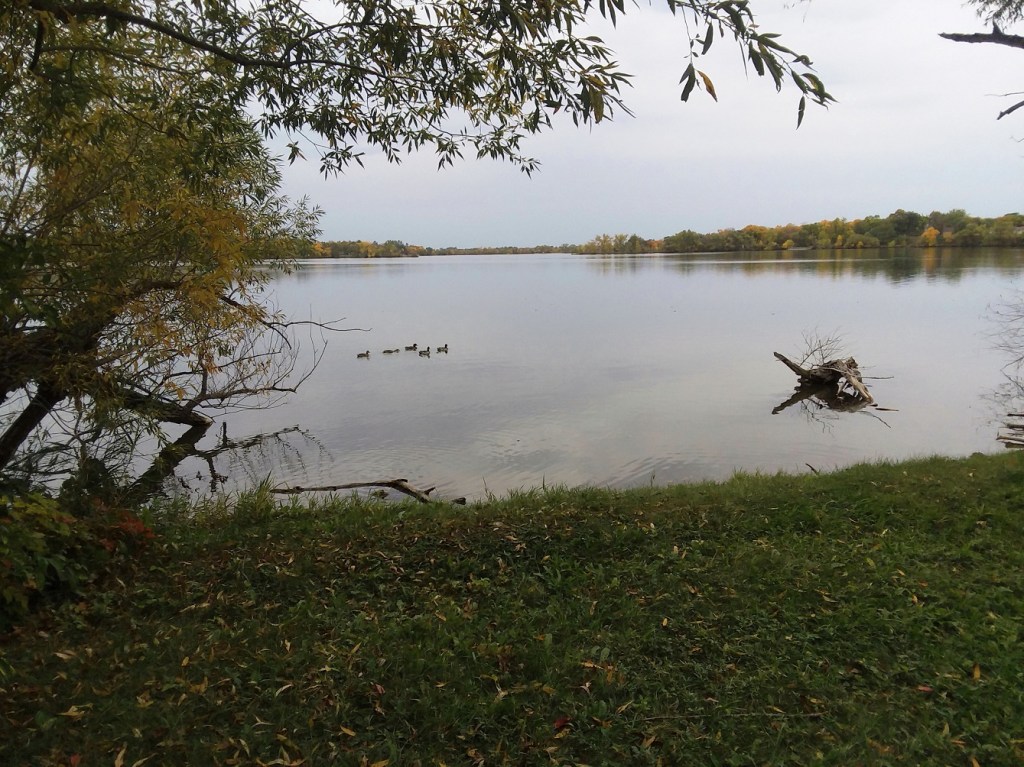
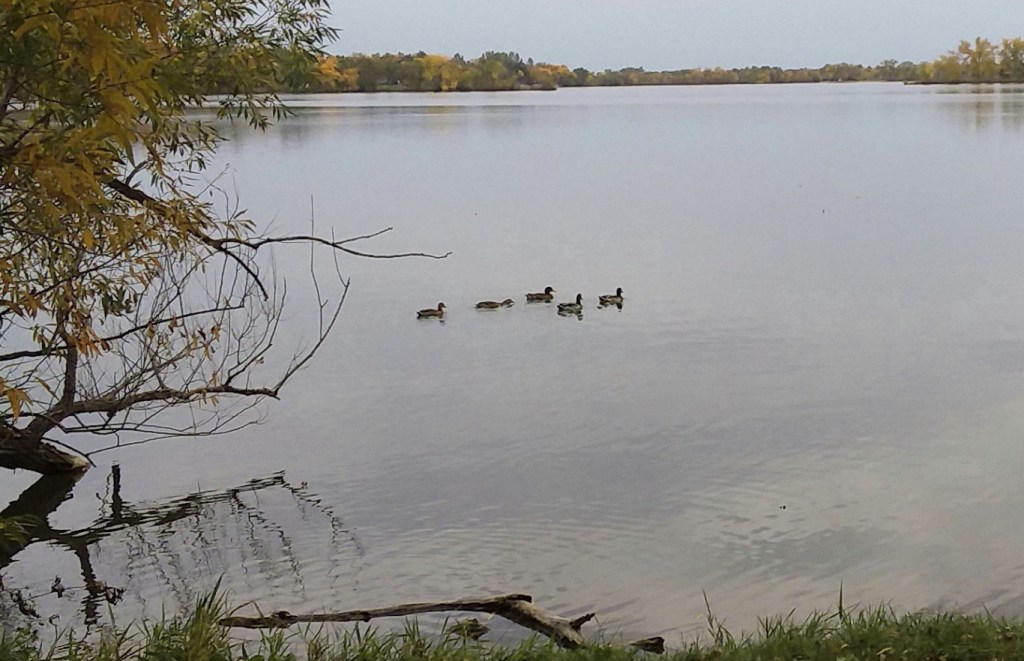
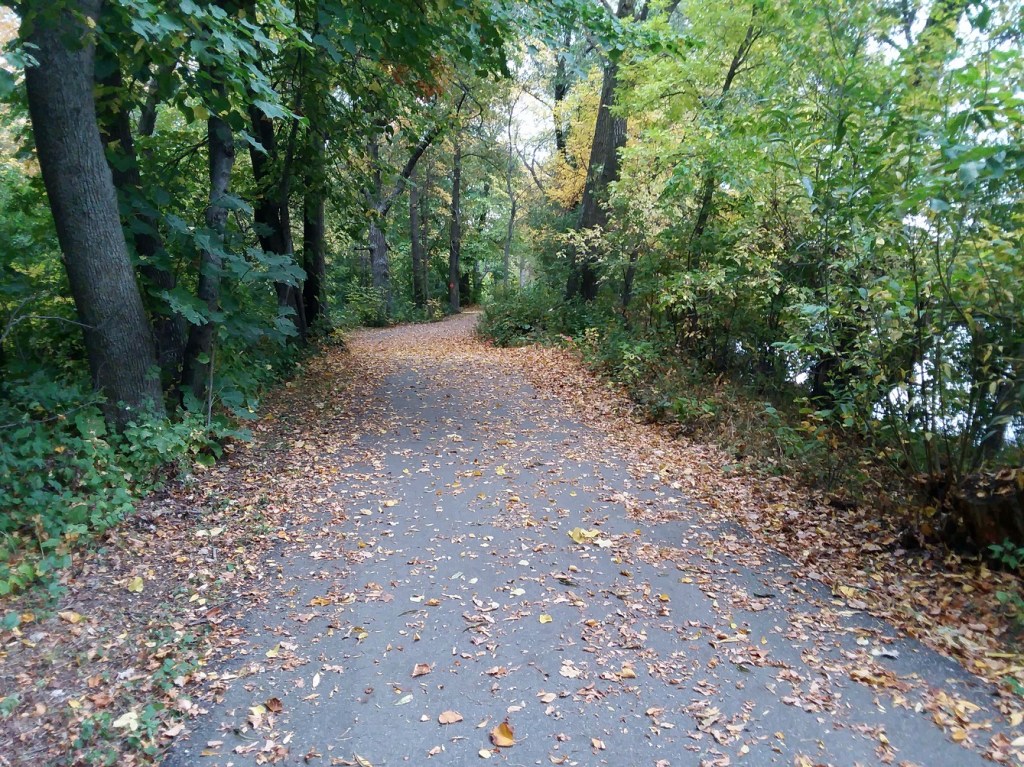
[Saturday morning, the Fat Boys Walking Club generally just consists of “Weakie” and me. This day was no exception. We enjoyed the colors of autumn along our route on the east side of Lake Agnes. But the trail is now getting heavily laden with fallen leaves . . . ]

We are here on earth to do good unto others. What the others are here for, I have no idea. ~  W. H. Auden

If life were fair Elvis would still be alive today and all the impersonators would be dead. ~  Johnny Carson

I’m not a paranoid, deranged millionaire. I’m a billionaire.  ~ Howard Hughes

The only reason they say ‘Women and children first’ is to test the strength of the lifeboats. ~ Jean Kerr

I’ve been married to a communist and a fascist, and neither would takeout the garbage. ~ Zsa Zsa Gabor

When a man opens a car door for his wife, it’s either a new car or a new wife. ~ Prince Philip

If God had intended us to fly he would have made it easier to get to the airport. ~ Jonathan Winters

Kill one man and you’re a murderer, kill a million and you’re a conqueror. ~ Jean Rostand.

As I sat, strapped in my seat waiting during the countdown, one thought kept crossing my mind …   every part of this rocket was supplied by the lowest bidder. ~ John Glenn

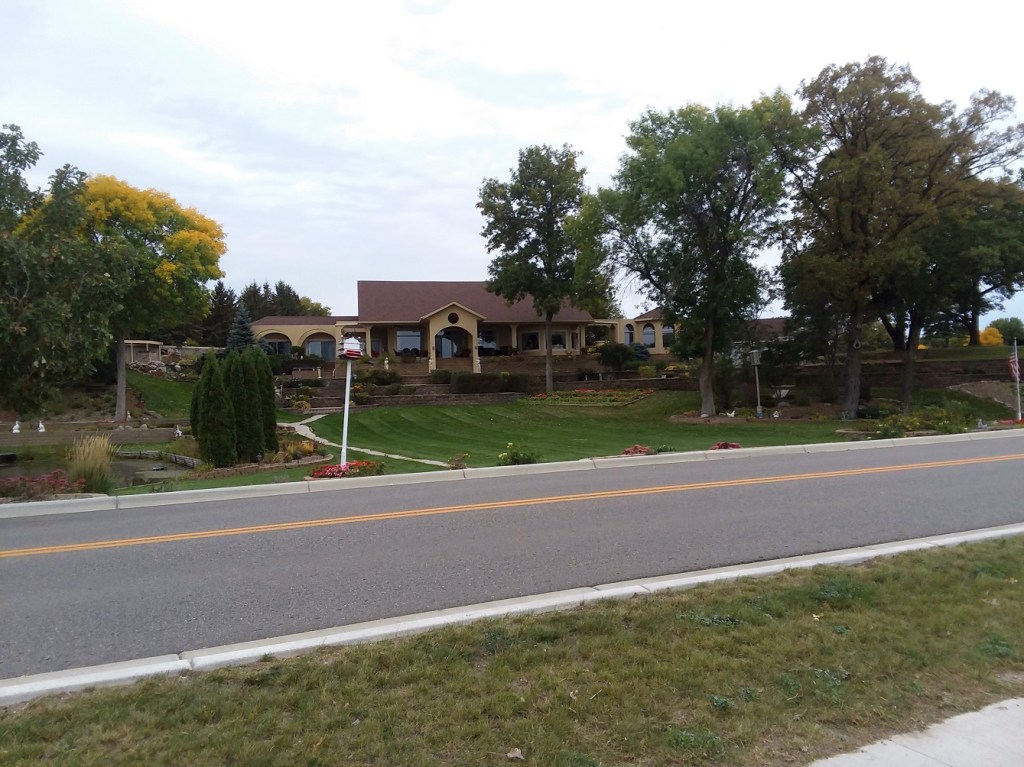
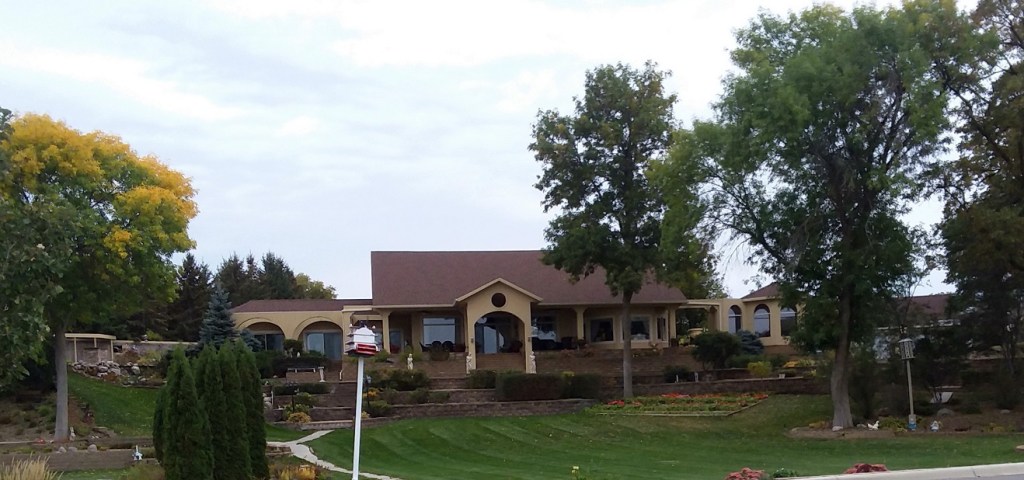
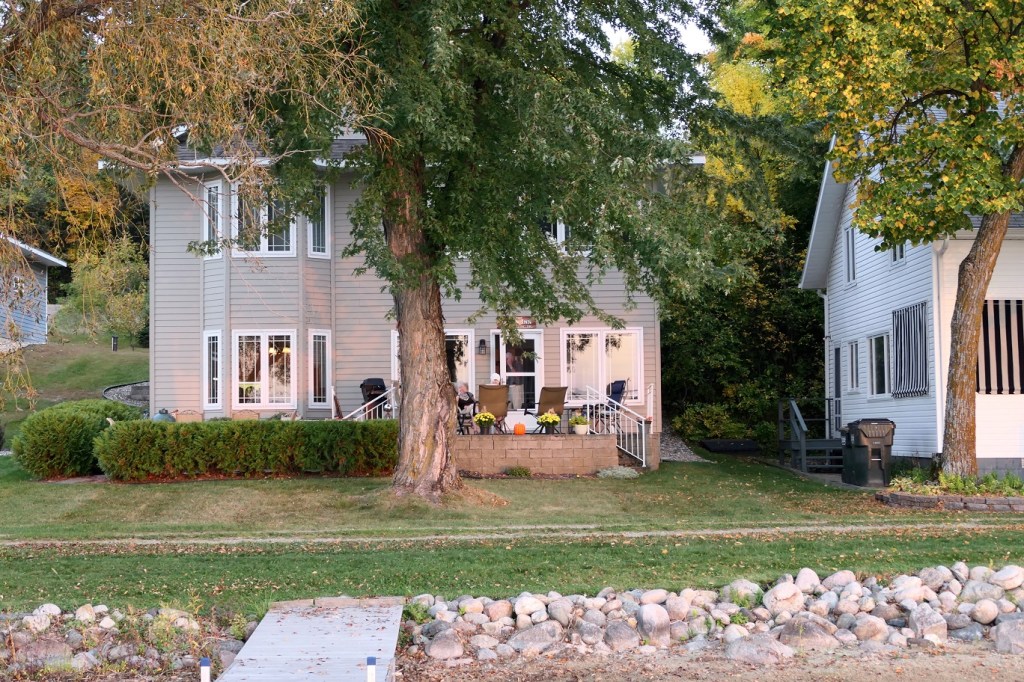
[The owner of this house once worked for a NASA contractor in California – but I don’t think he had anything to do with the John Glenn quote above . . . ]

[The Fat Boys, food always being a major subject of discussion, agree that the place would make a fine setting for a Mediterranean-style restaurant . . . ]

[Another bottle of rioja, por favor . . . ]

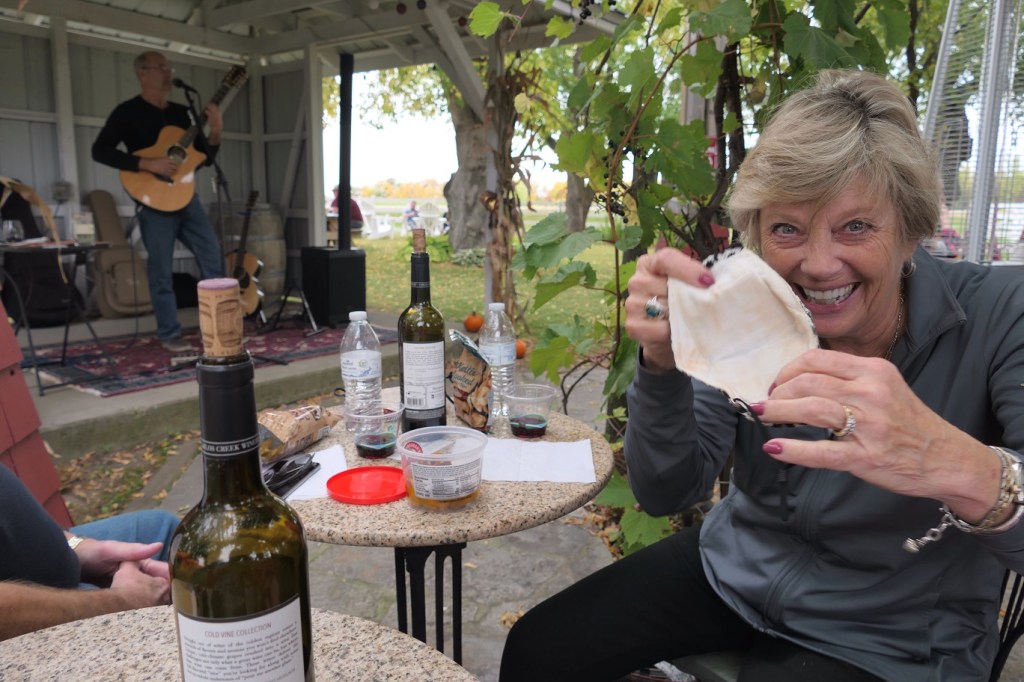
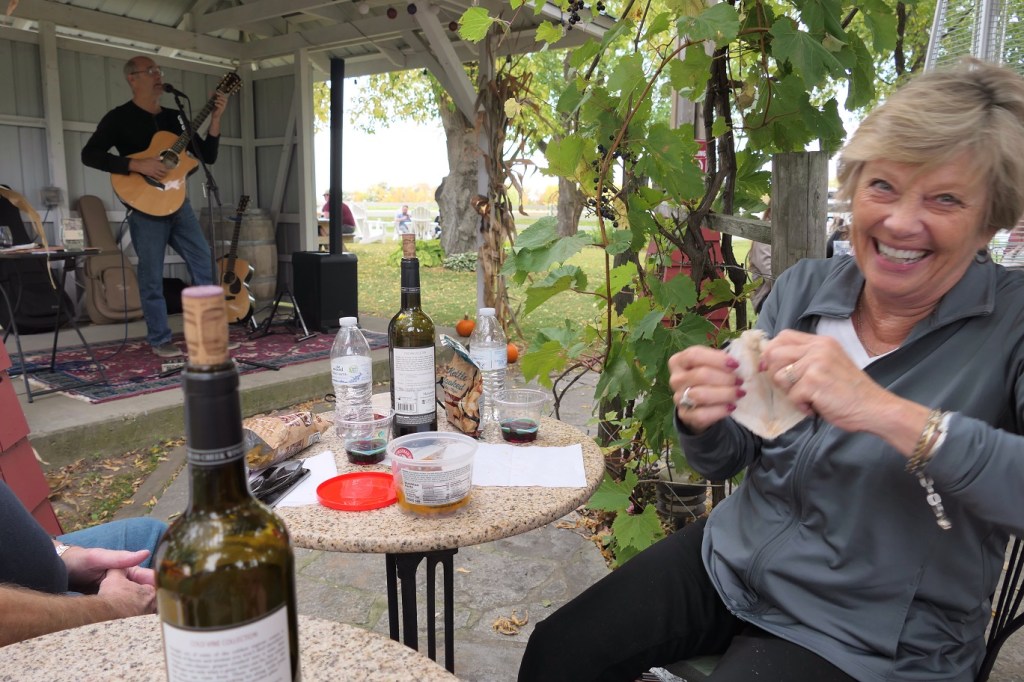
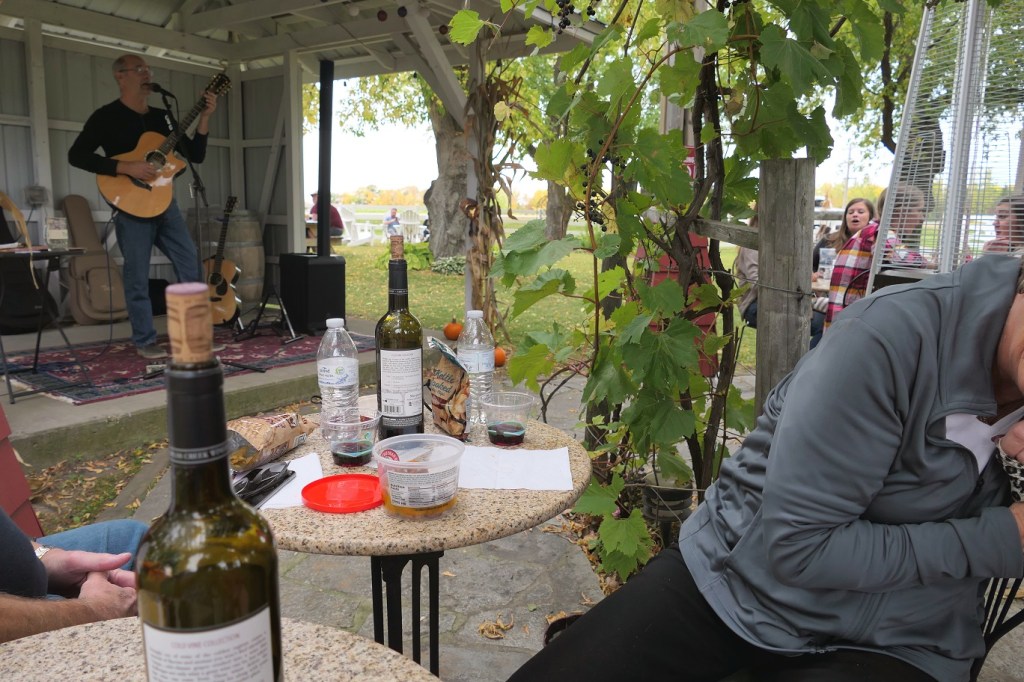
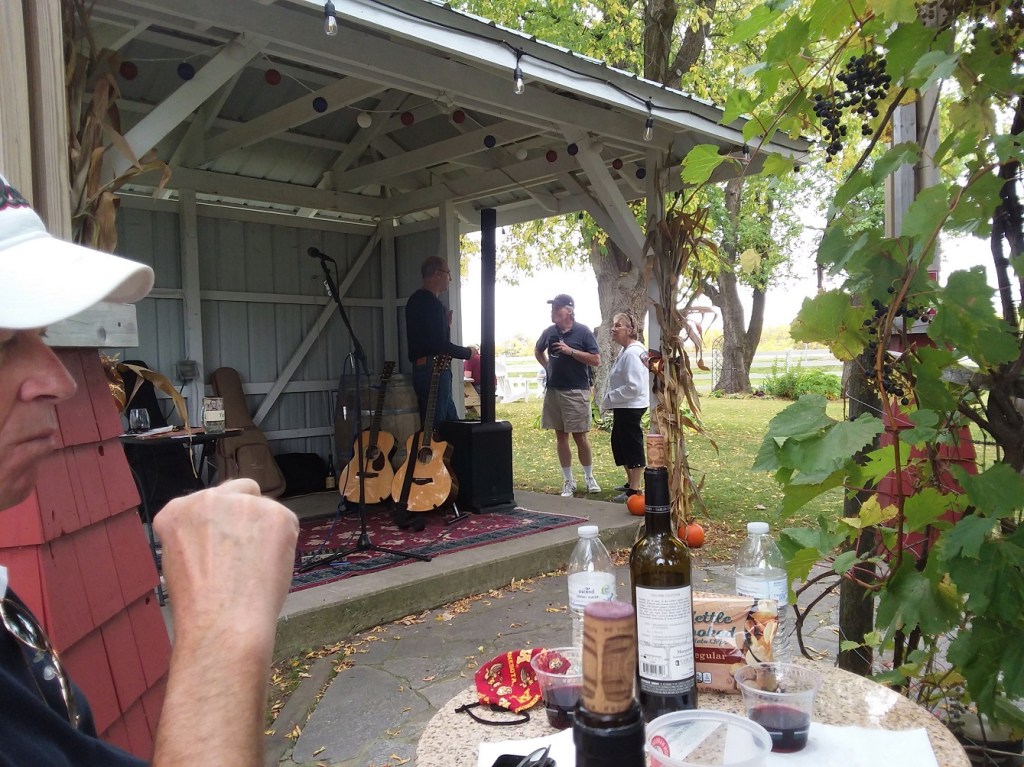
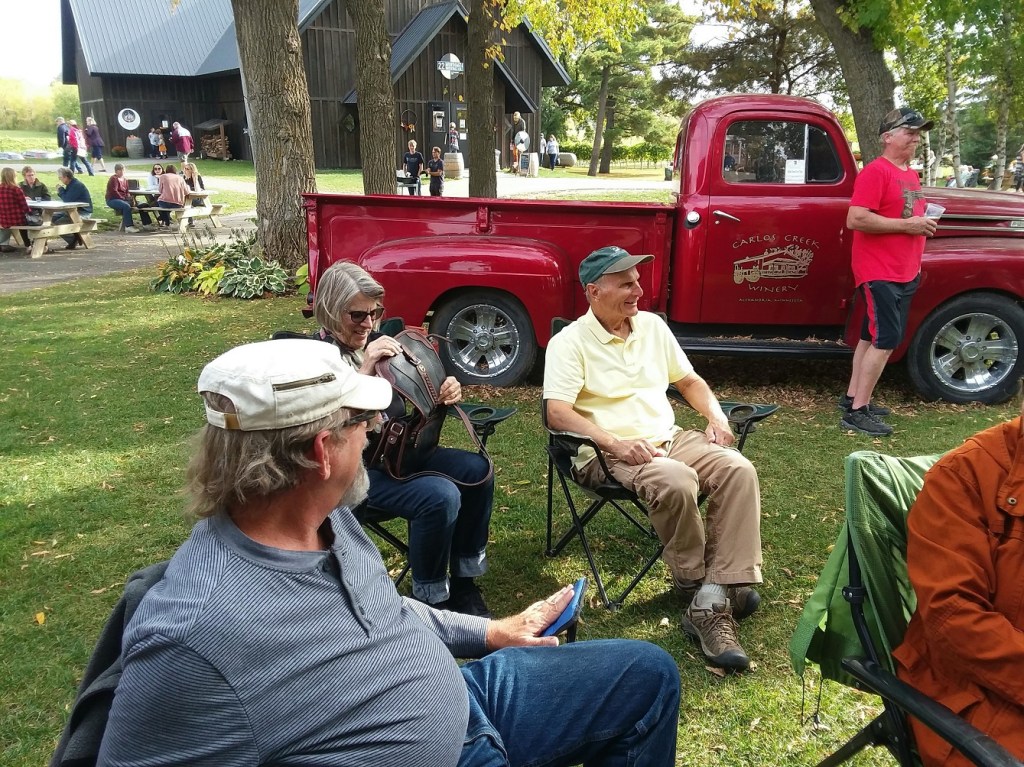
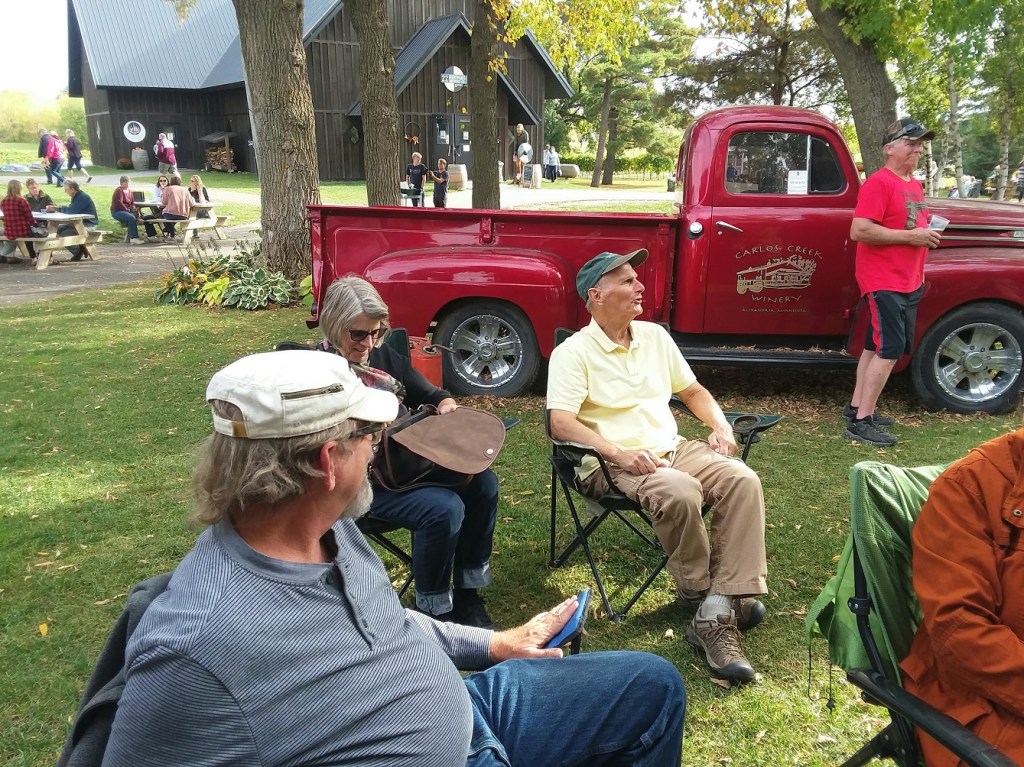
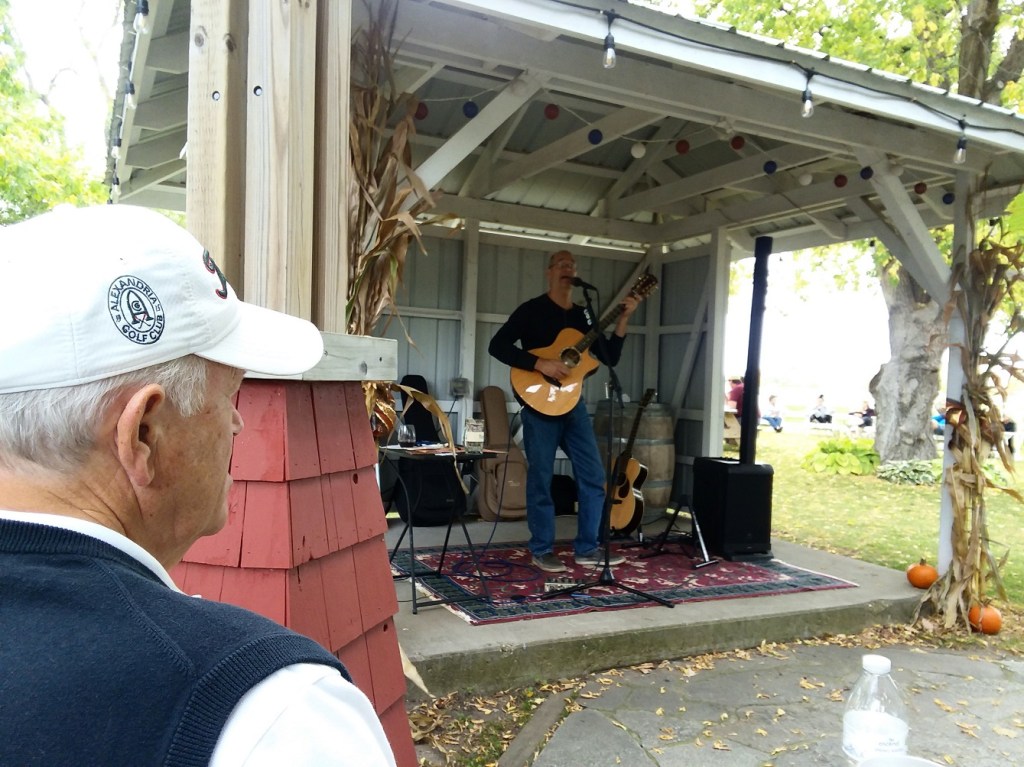
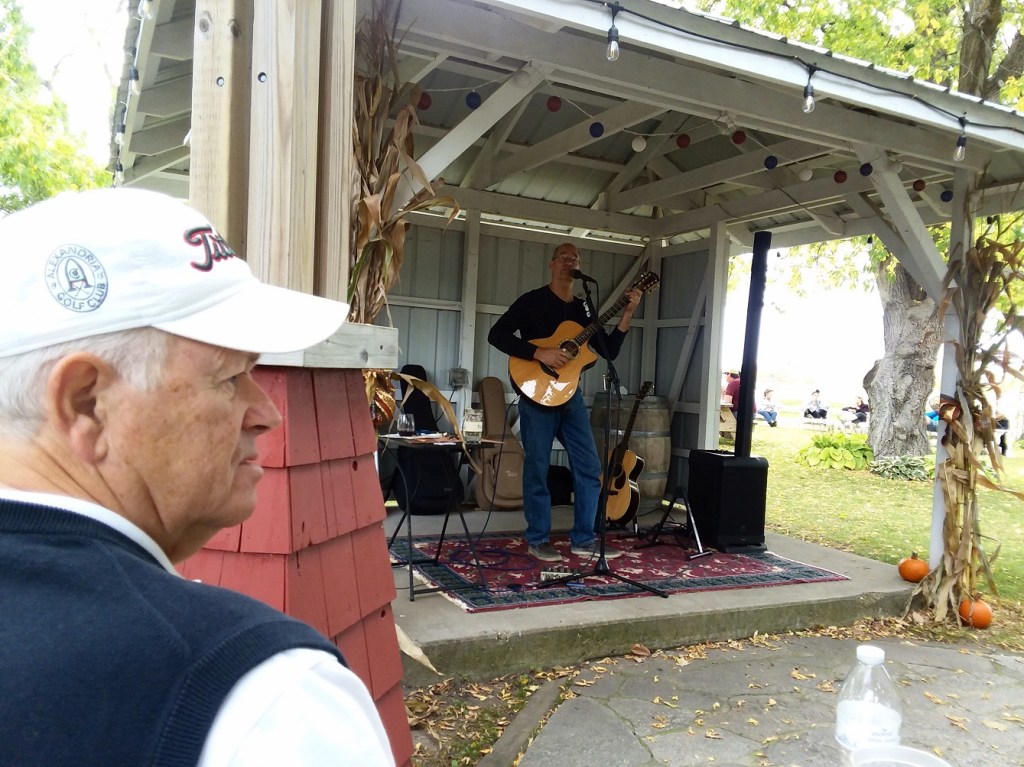
[That afternoon the same people from the Garden Bar the previous night appeared at Carlos Creek Winery for a performance by Anthony Miltich . . . ]

[Karin said, “No, no, no . . . “]

[But my camera said, “Yes, yes, yes . . . “]

[So she exited, stage left . . . ]

[This was my last shot before my camera battery went dead. My camera bag was in the car but I had forgotten to put a recharged battery in it. Such is the life of an older person. (I subsequently went to buy a couple of brews only to discover I didn’t have any money with me.) So, it was back to using my phone camera – as I had used the previous evening and on the morning walk . . . ]

[Pretty much the same group, exactly 6 years ago . . . ]

[Usual winery denizens, Anne and Warren visit with Anthony . . . ]

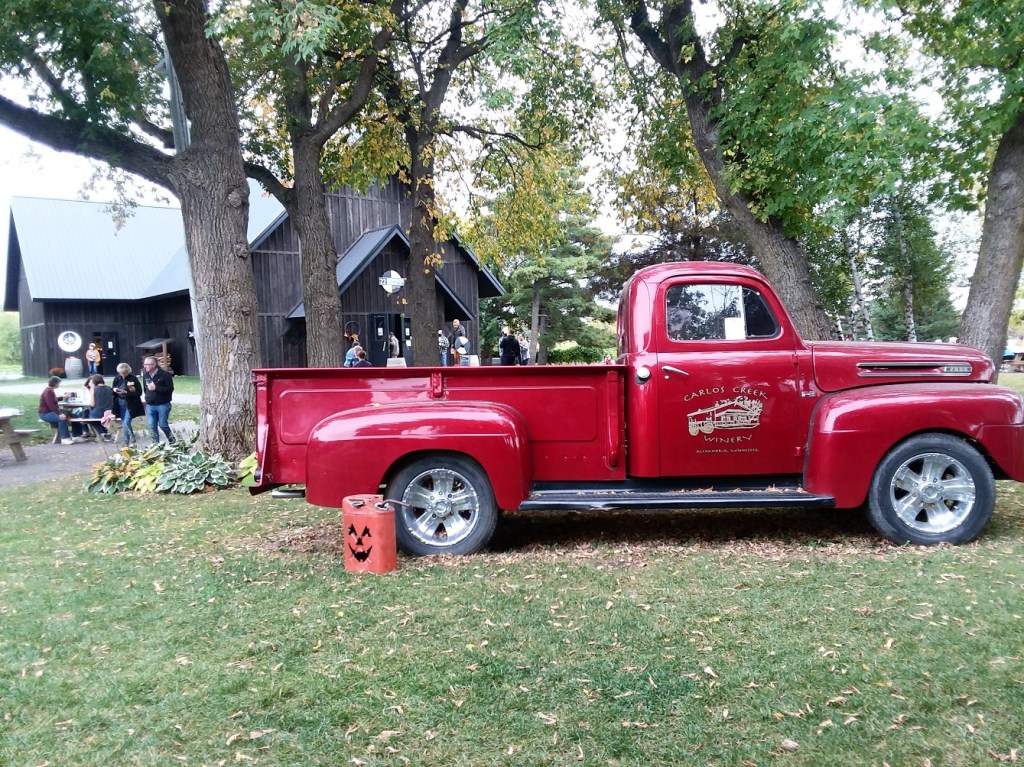
[Gas can jack-o’-lantern . . . ]

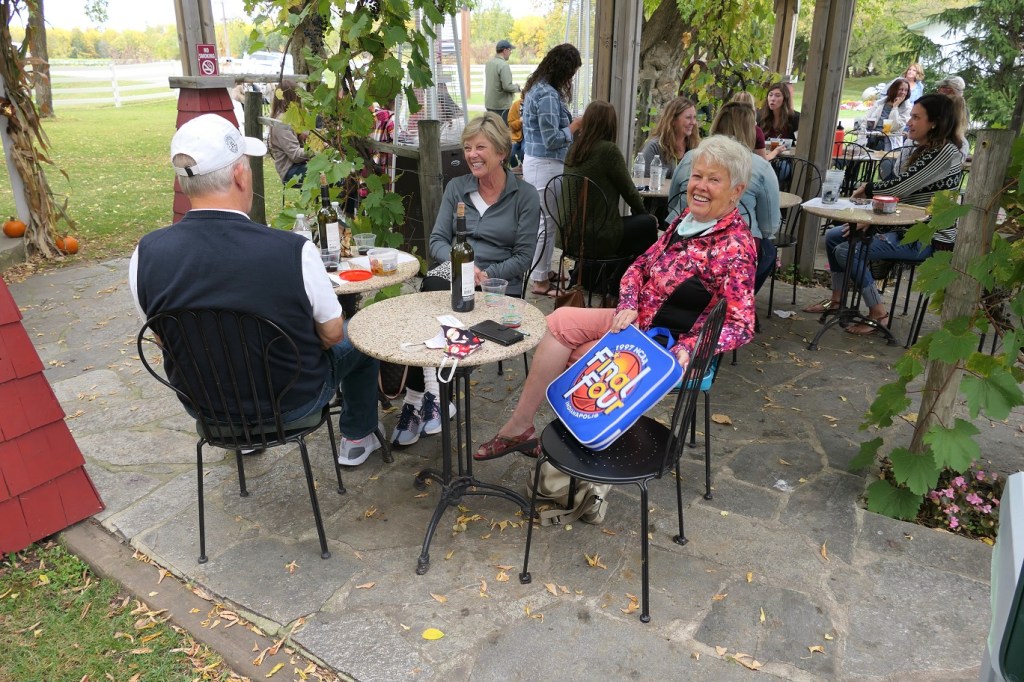
[Joined also on this day by Helen and John from Ashby . . . ]

After the game, the King and the Pawn go into the same box.  ~ Italian proverb

Lawyers believe a man is innocent until proven broke. ~ Robin Hall

The first piece of luggage on the carousel never belongs to anyone. ~ George Roberts

[Karin taking a short video . . . ]

September 27

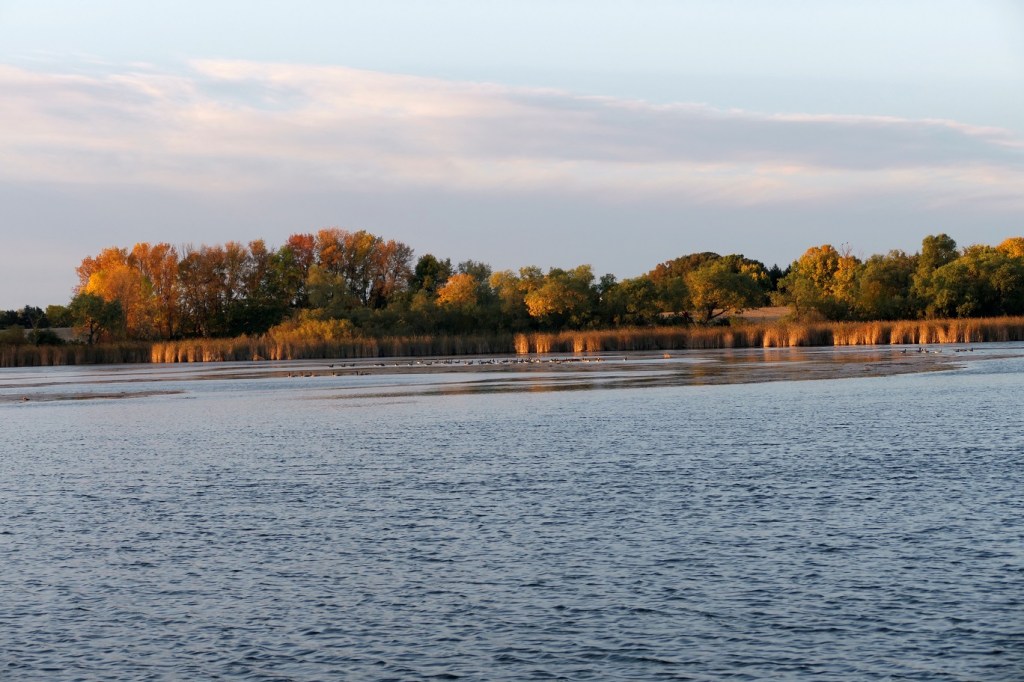
[By the dawn’s early light, Lake H2Obert . . . ]

[Panorama . . . ]

The best cure for sea sickness, is to sit under a tree.  ~ Spike Milligan

Home cooking. Where many a man thinks his wife is.  ~ Jimmy Durante

[Until next time (thanks to Doug for the quotes du jour) . . . ]

I have kleptomania, but when it gets bad, I take something for it. ~ Robert Benchley

Up Next: Maybe old Japan . . .

‘Twas the First Week of Autumn

September 22

The summer ended. Day by day, and taking its time, the summer ended. The noises in the street began to change, diminish, voices became fewer, the music sparse. Daily, blocks and blocks of children were spirited away. Grownups retreated from the streets, into the houses. Adolescents moved from the sidewalk to the stoop to the hallway to the stairs, and rooftops were abandoned. Such trees as there were allowed their leaves to fall – they fell unnoticed – seeming to promise, not without bitterness, to endure another year. ~ James Baldwin

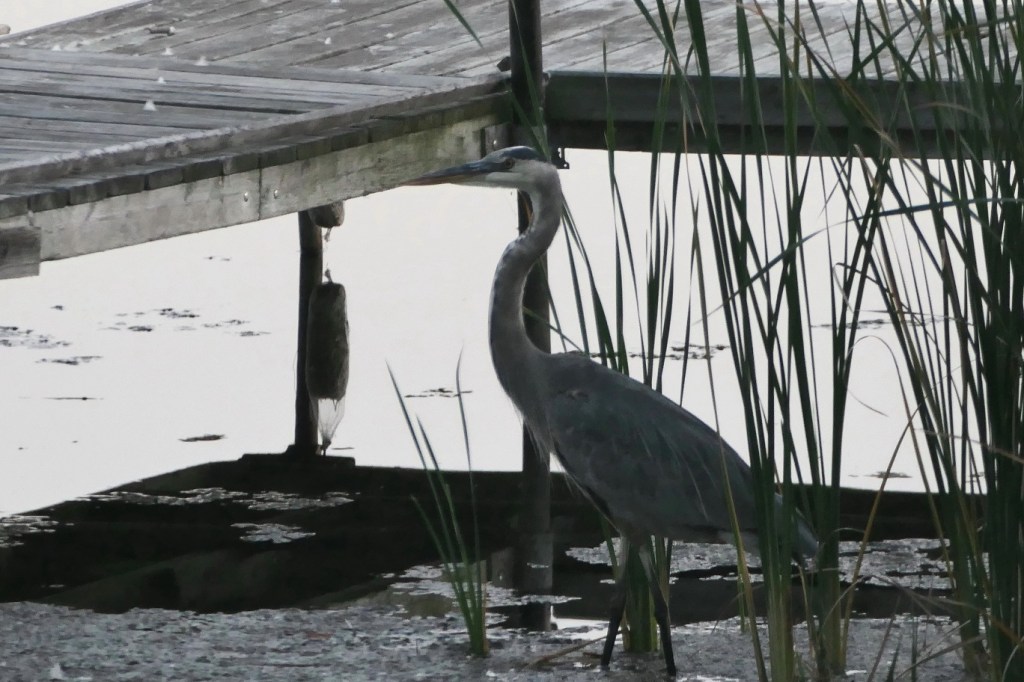
[Our occasional tenant returned for a visit . . . ]

[These were shot through the window, lest we created a disturbance . . . ]

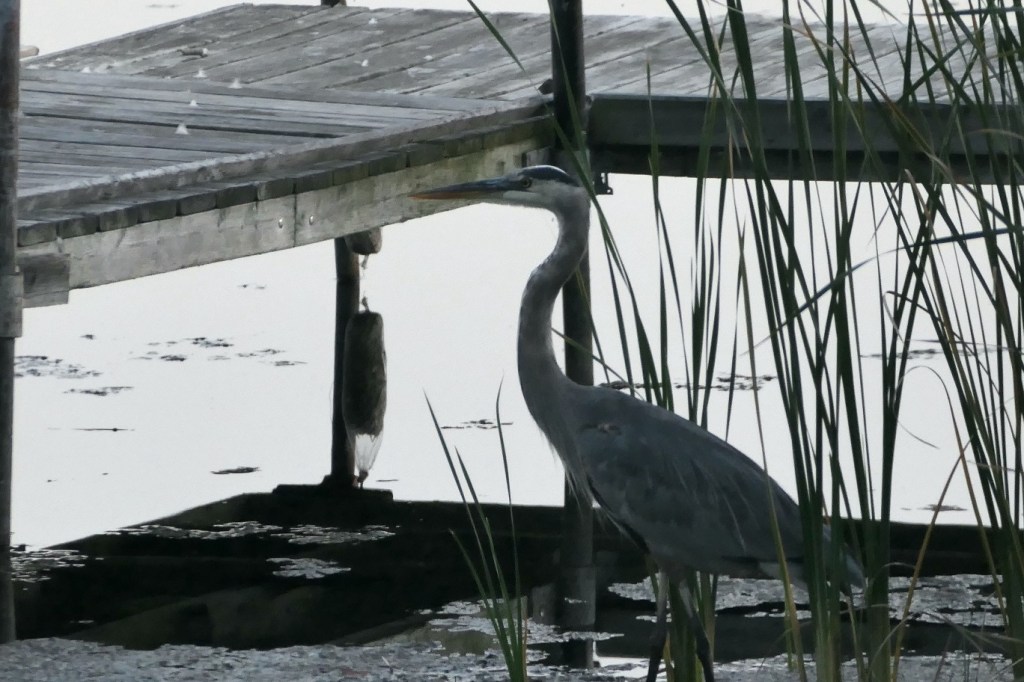
[Nevertheless, there seemed to be an awareness of the camera . . . ]

[I’ve got my eye on you . . . ]

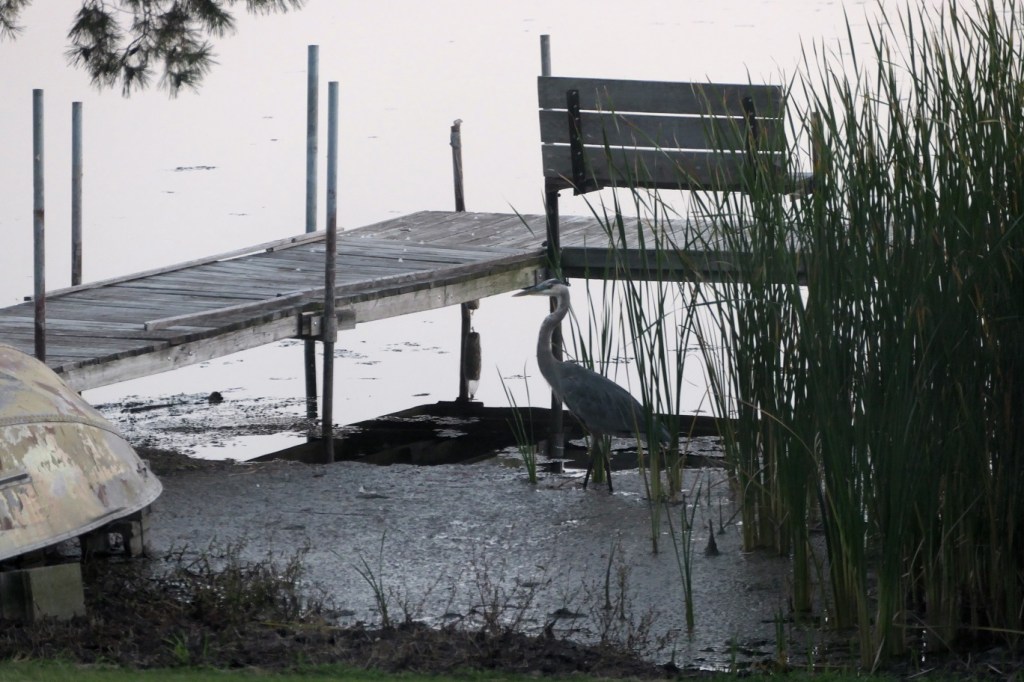
The queen was settling on the edge of the bed, ungainly with hesitation and at the same time exquisite in her grace, like a heron landing in a treetop. ~ Megan Whelan Turner

[Gil Scott-Heron?]

September 23

[Looking out my bedroom window . . . ]

A brunette would have stood out like a turd in a salad bar in this bunch. ~ Jess Lourey

The fog comes on little cat feet. ~ Carl Sandburg

September 24

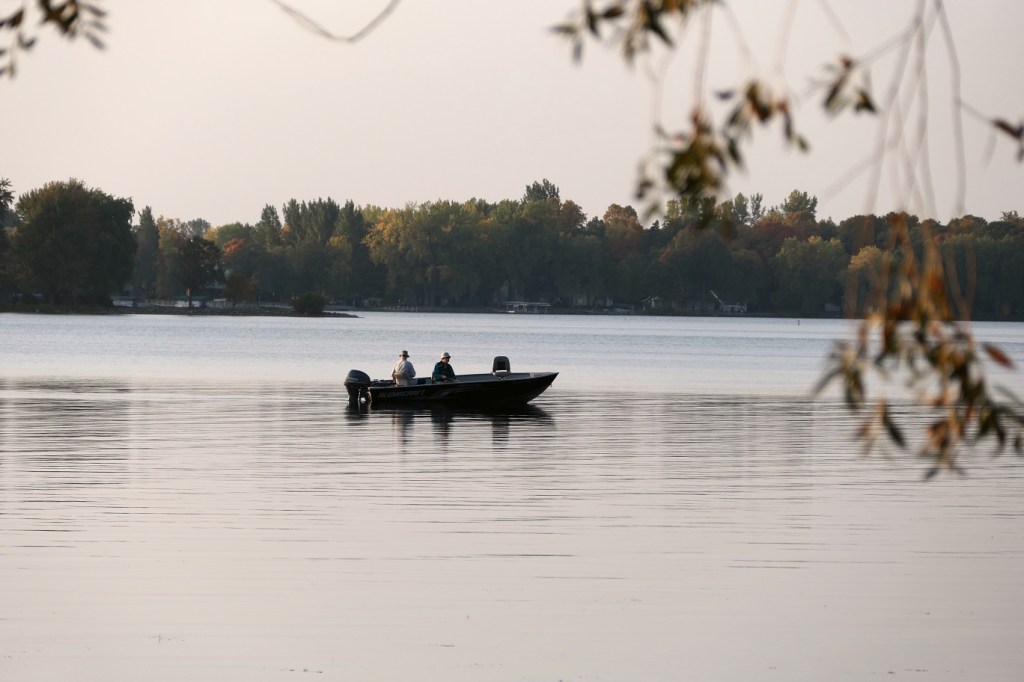
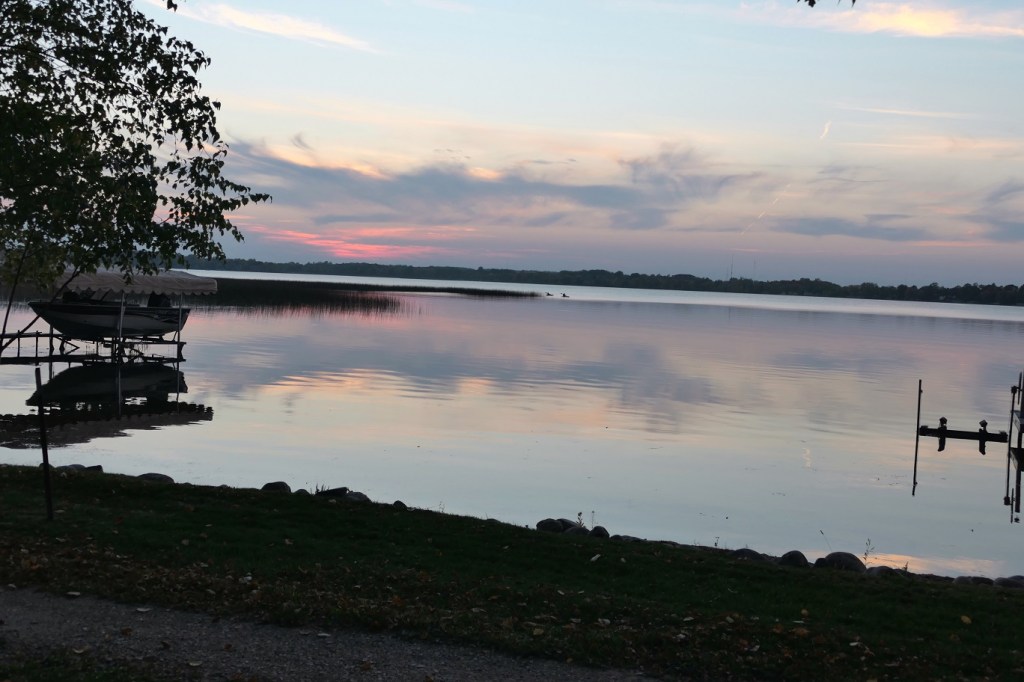
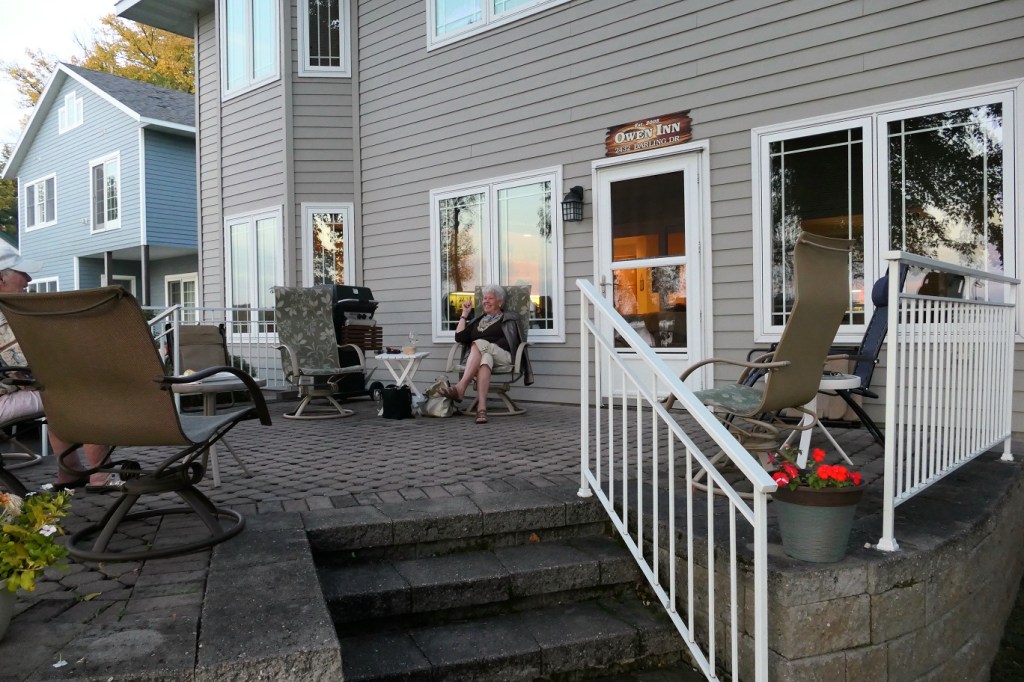
Our annual “goodbye till next year” dinner with Mary and Crazy Dave on Big Darling. It’s on evenings like this when we do miss being on the big lake . . .

[Crazy Dave, master of all he surveys . . . ]

We interrupt this broadcast to give you a brief history of Crazy Dave, because to know him is to love him . . .

The Camp Ballentine Owens returned to the shores of beautiful Lake Darling at a time when we were absent from the shores of beautiful Lake Darling.  To her everlasting credit, Mary came to the symphony all by herself, as in alone.  “Crazy Dave” stayed home to watch some baseball team named the Indians on TV. Knowing this was a very weak excuse, he further posited that classical music exacerbates his GI tract distress.  This made absolutely no sense to me . . . but then, why should it?  Oh, and the symphony was wonderful – these folks play their instruments with the same pizzazz and elan with which I butter my artisan bread toast!  

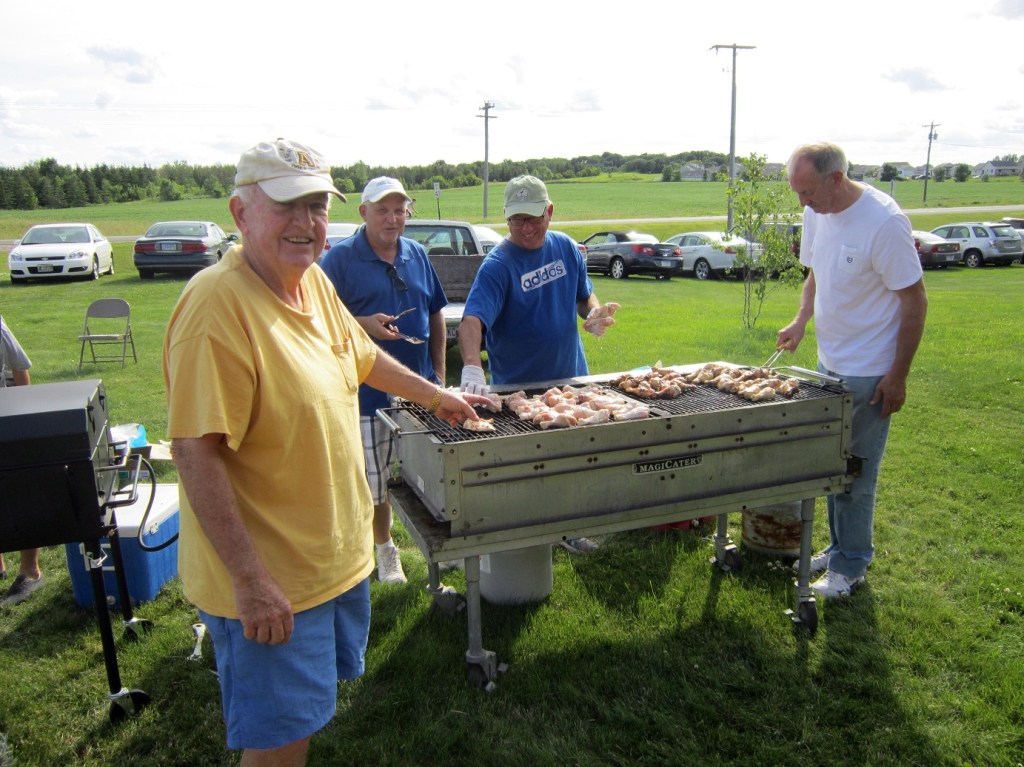
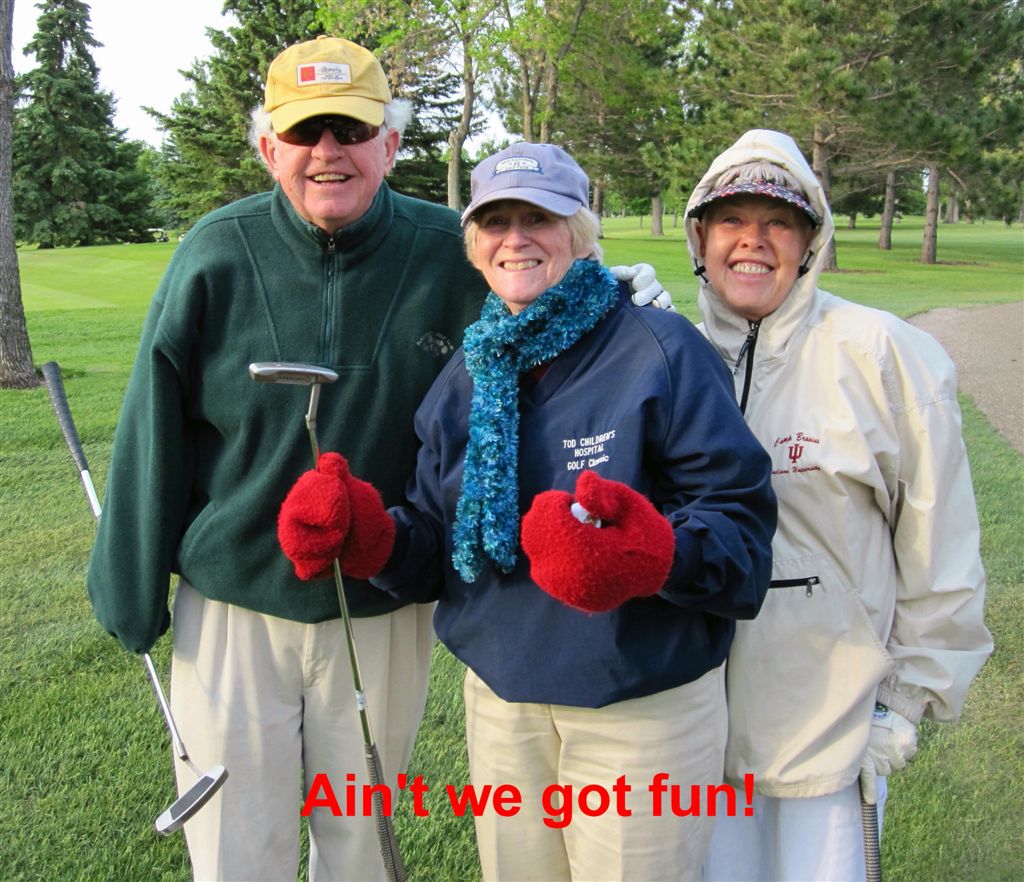
Friday night was a Let’s Celebrate Golf Season shindig at the golf club with chicken, ribs, and fixin’s, with Mary and Crazy Dave fresh from Sarasota . . . and with BAT.  BAT sang for both of them for their recent birthdays.  Mary said, “Pass the ribs, please.” Crazy said, “I only have a beer and a half in front of me?”

Alexandria braced itself today (July 16) for what annually has become the largest eating fest ever this side of Stearns County. Shalom Lutheran Church sponsors a pork chop and chicken bar-b-q, with all the fixin’s, that usually takes place in 95-degree temps with 75-degree dewpoints. We have a weather reprieve this year. Possibly because of that, turnout seemed larger than ever this year. Several 747’s full of Japanese tourists landed at Chandler Field this afternoon, creating parking mayhem from Villard to Urbank. The super and I had pre-paid tickets, but nevertheless we had to stand in a line that stretched all the way to Elden’s. Once inside the church we were given a number and told to wait in the sanctuary. Once inside the sanctuary, we were told it would be a two-month wait in the SRO crowd before our number would be called. Fearing a panic attack, or even worse a hunger pang, the supervisor bolted forward asking if we had to wait if we wanted take-out? We did not – we were saved! Here Crazy Dave supervises the hordes of volunteer grill operators – to which all I can say is, better him than me! 

Oh, you!!

Known accomplices of Whitey Bulger (as I recall captioning at the time) . . .

Meanwhile, back to our original story line . . .

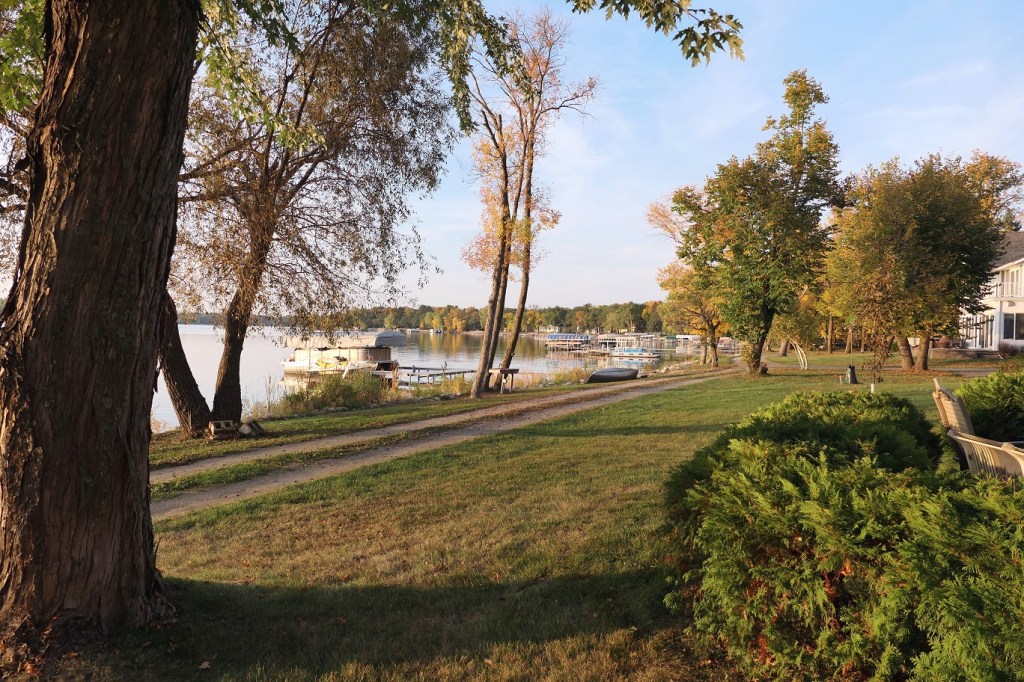
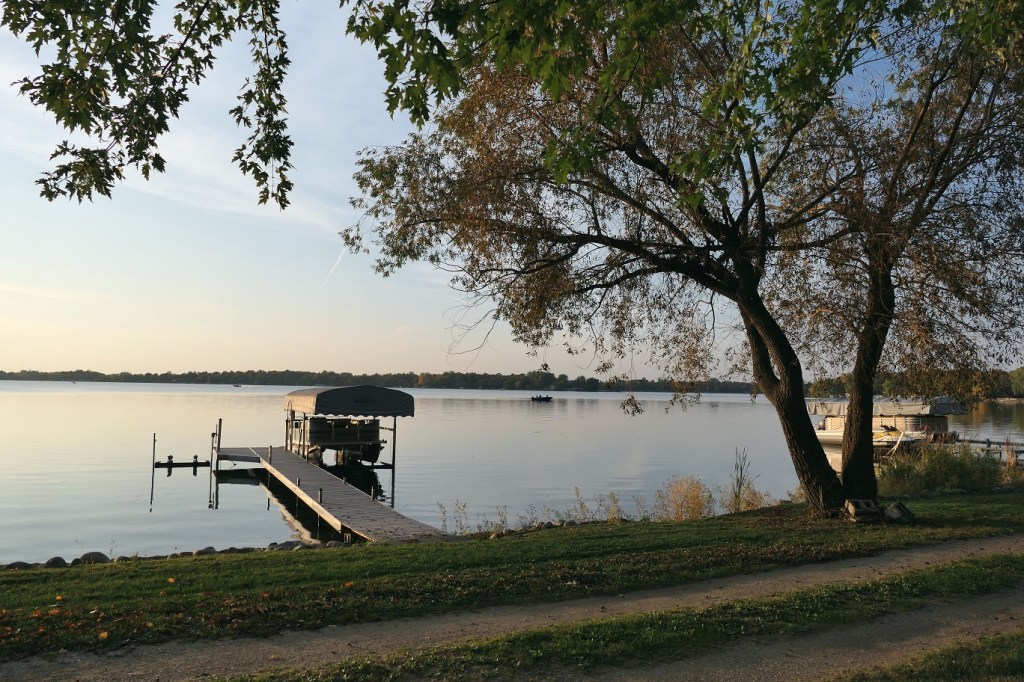
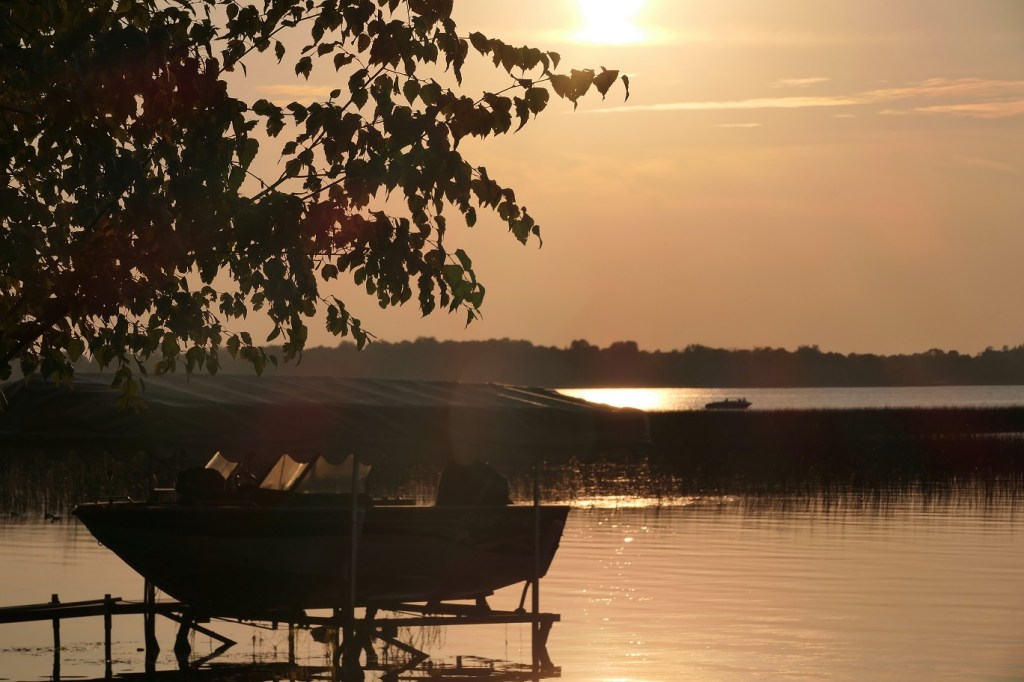
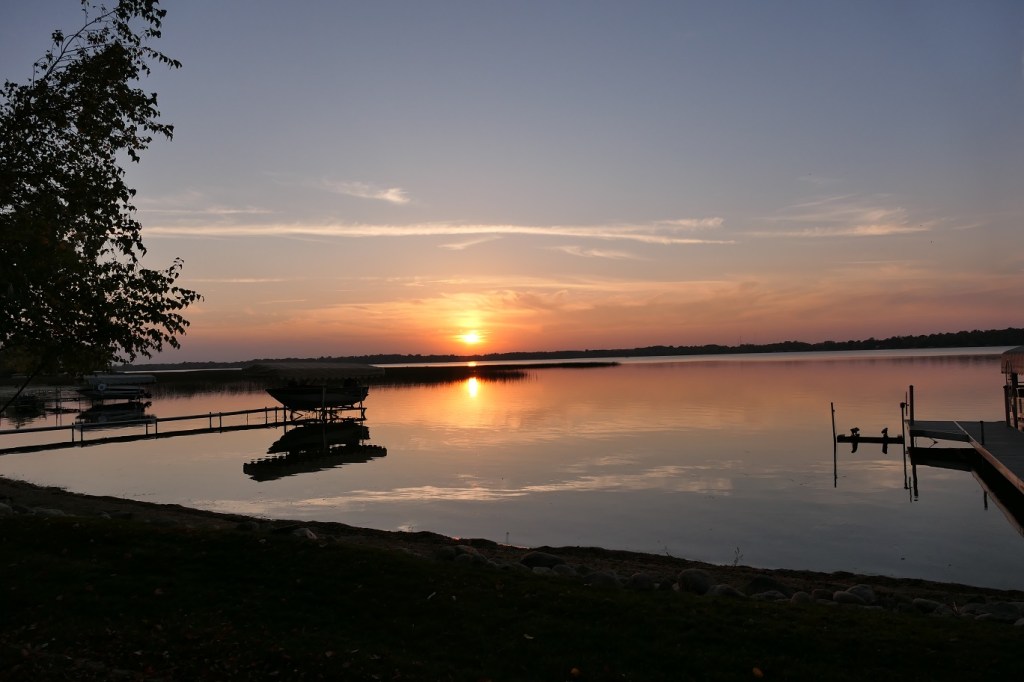
[The view north in Camp Ballentine on Lake Darling . . . ]

[And the view to the southwest . . . ]

[And the view west . . . ]

Give a man a fish and he will eat for a day.  Teach him how to fish and he will sit in a boat and drink beer all day. ~  Anonymous

Many men go fishing all of their lives without knowing that it is not fish they are after. ~  Henry David Thoreau

I would remember that once I saw the dragons aloft on the wind at sunset above the western isles; and I would be content. ~  Ursula K. Le Guin

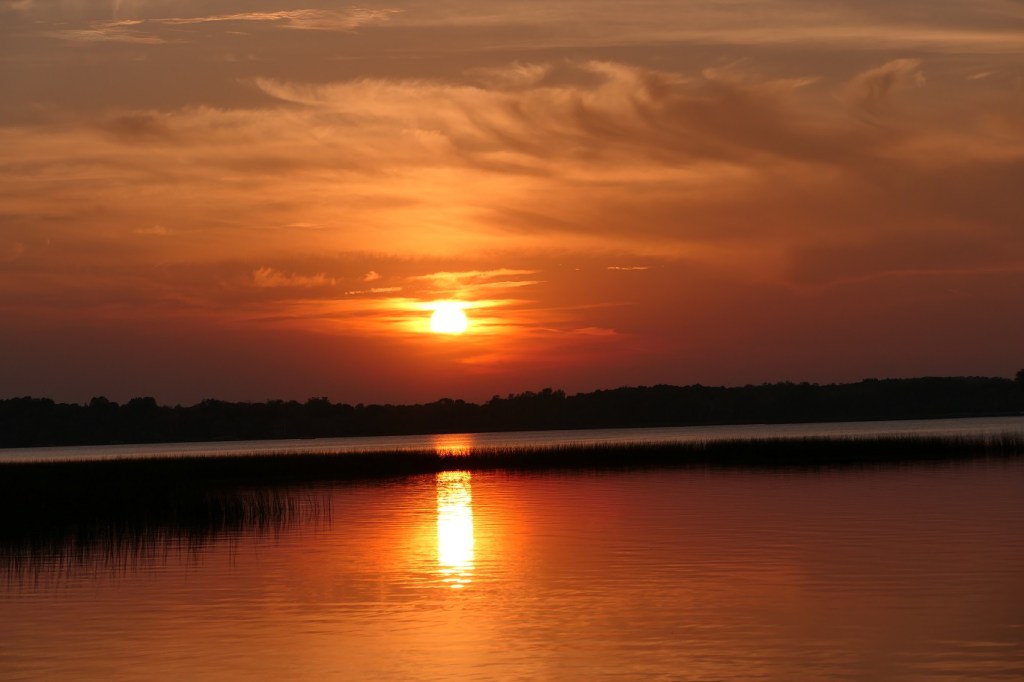
Meanwhile the sunsets are mad orange fools raging in the gloom. ~ Jack Kerouac

[Meanwhile, back at the ranchero . . . ]

And all at once, summer collapsed into fall. ~ Oscar Wilde

[Known local fauna . . . ]

[Apparently in search of a place to bed for the night . . . ]

[Say goodnight, Mary; say goodnight, Super . . . ]

Good night, sweet princess, wherever thou art . . .

It’s like going back to school. You know, autumn! Time for ‘Harry Potter’. ~ Robbie Coltrane

I would rather sit on a pumpkin, and have it all to myself, than be crowded on a velvet cushion. ~
Henry David Thoreau

Up Next: Depends . . .

“I Am Woman, Hear Me Roar”

September 19

Saturday, Sept 19, 2020, 2:00 matinee

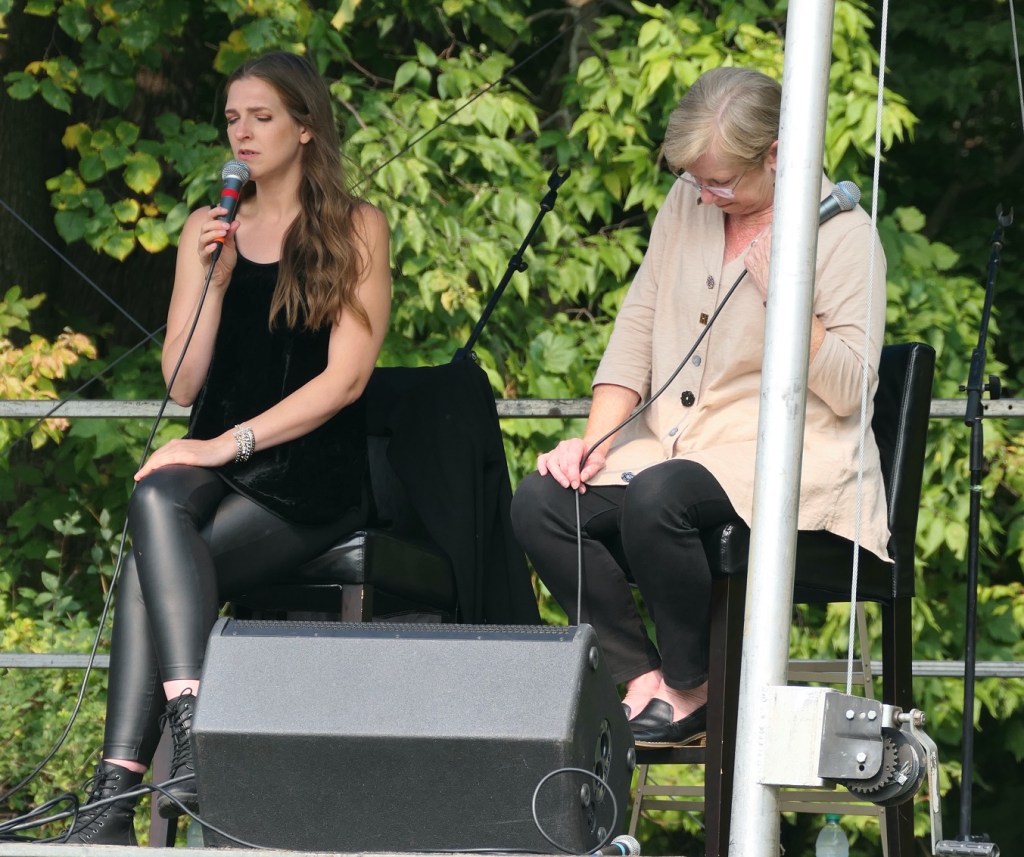
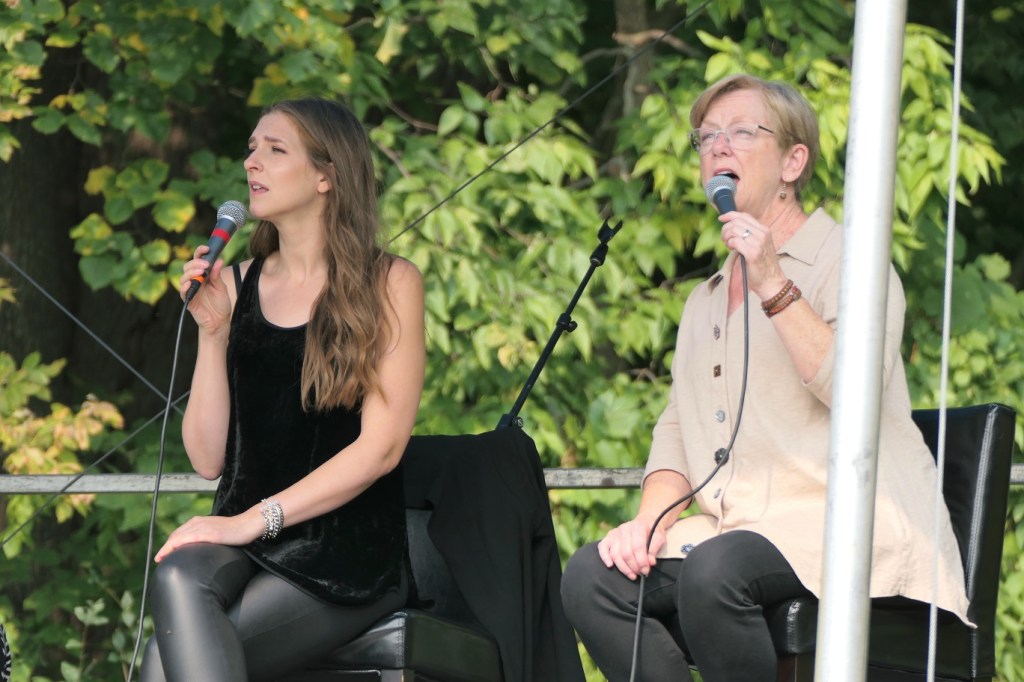
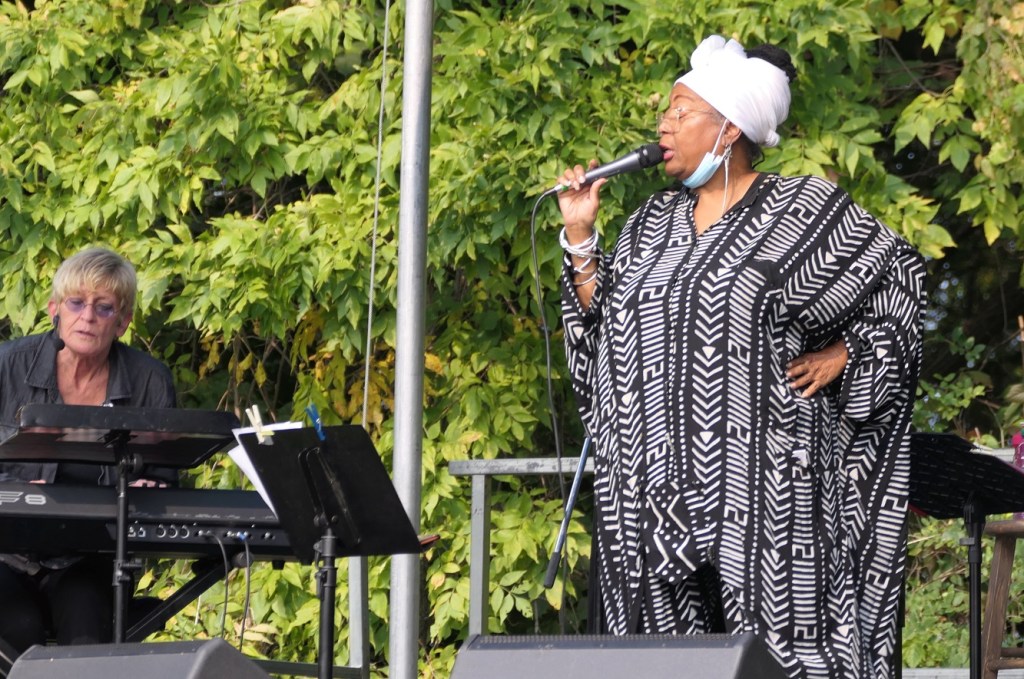
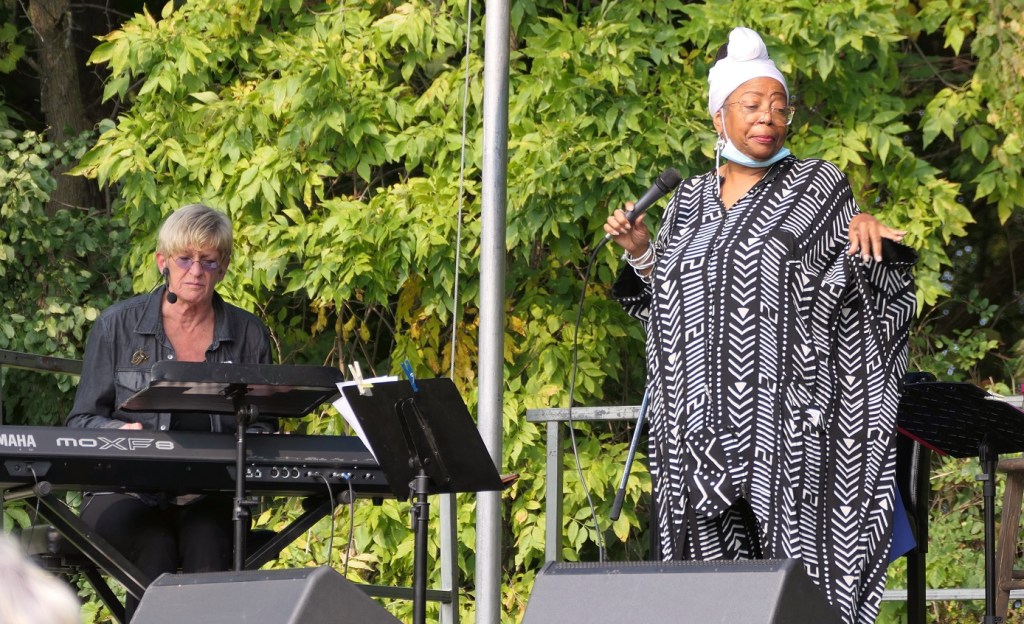
This was the final show of Theatre L’Homme Dieu’s COVID-shortened 2020 season. And executive director Nicole Mulder outdid herself with this blockbuster finale. So, buckle your seat belts, we’re about to begin . . .

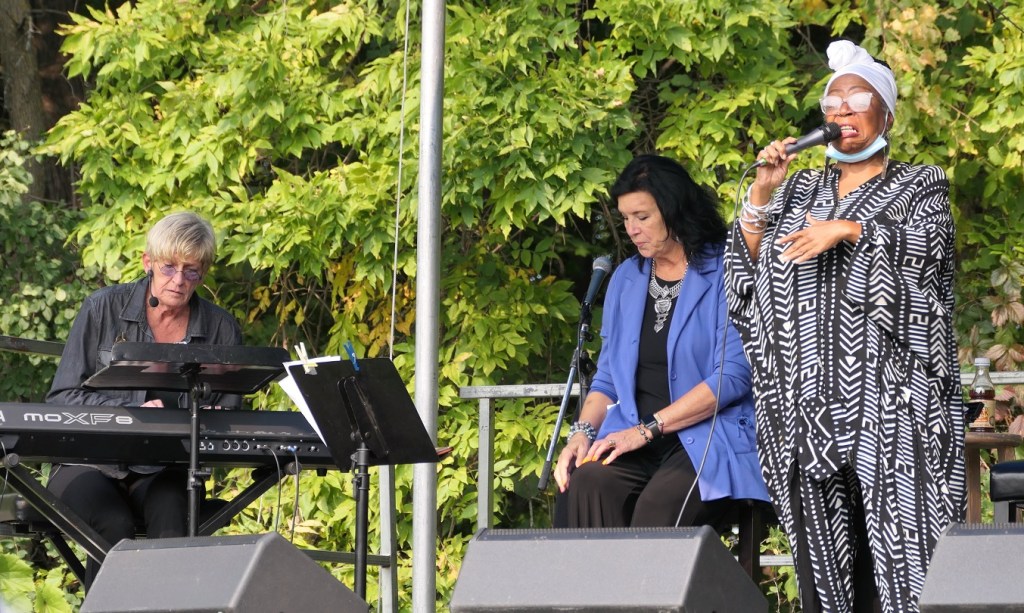
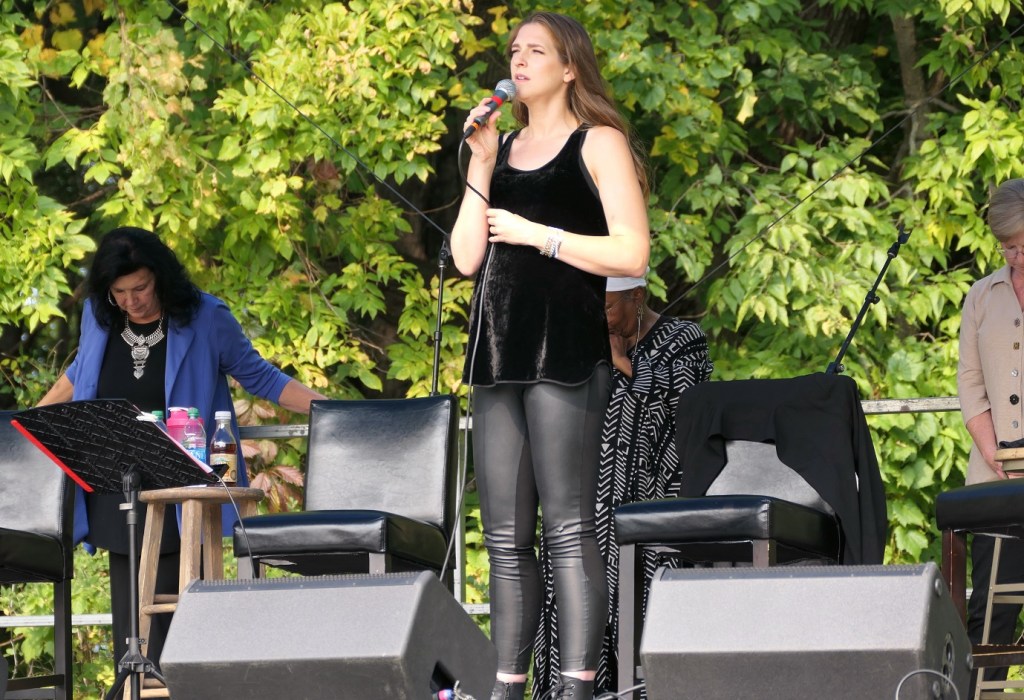
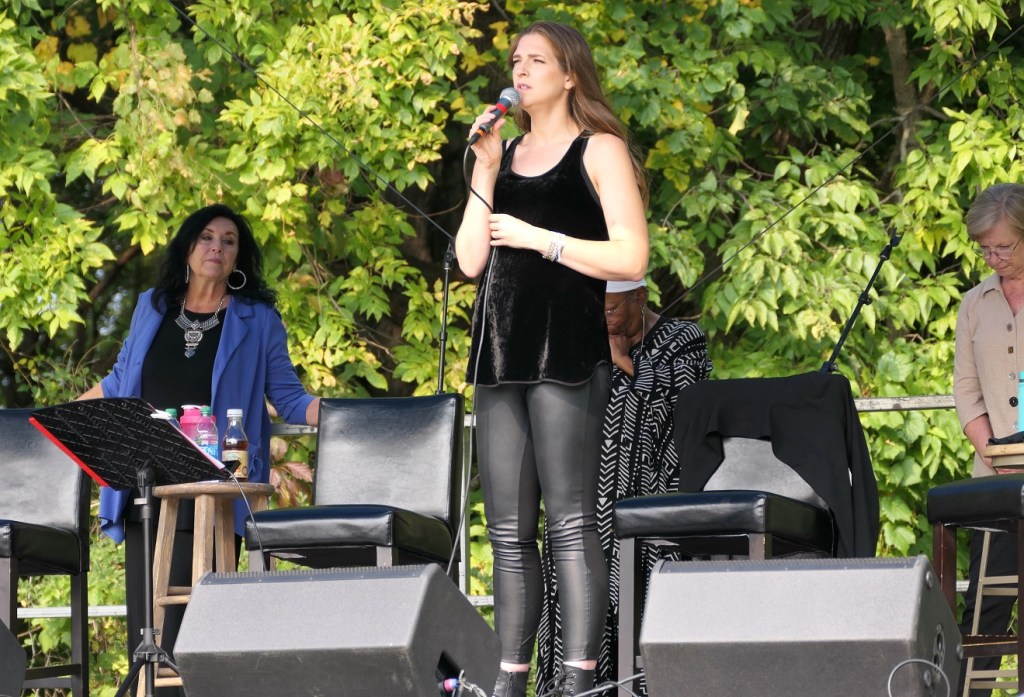
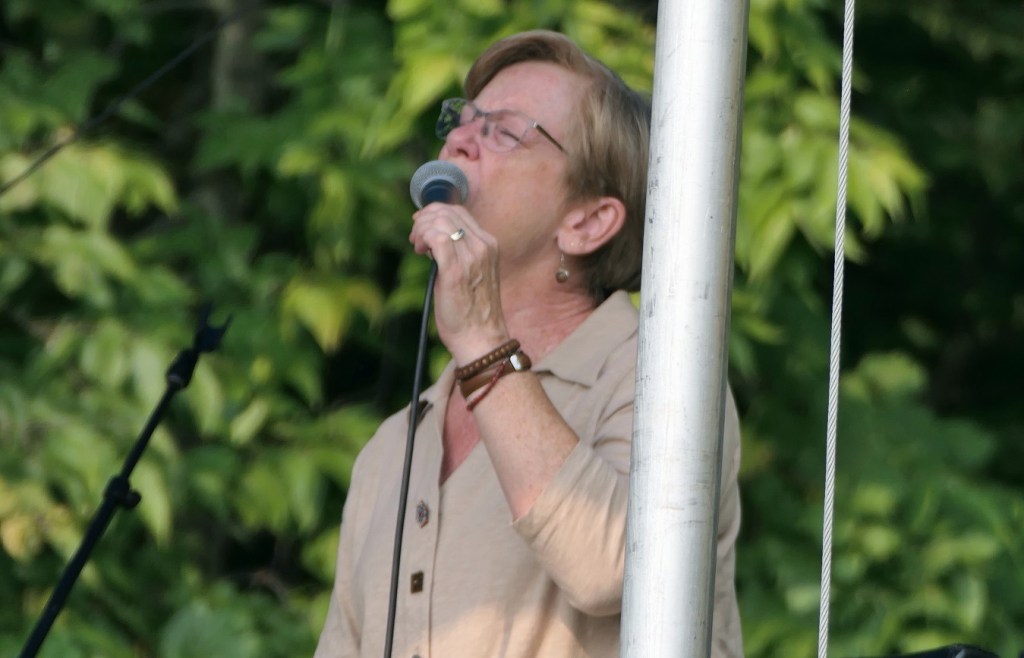
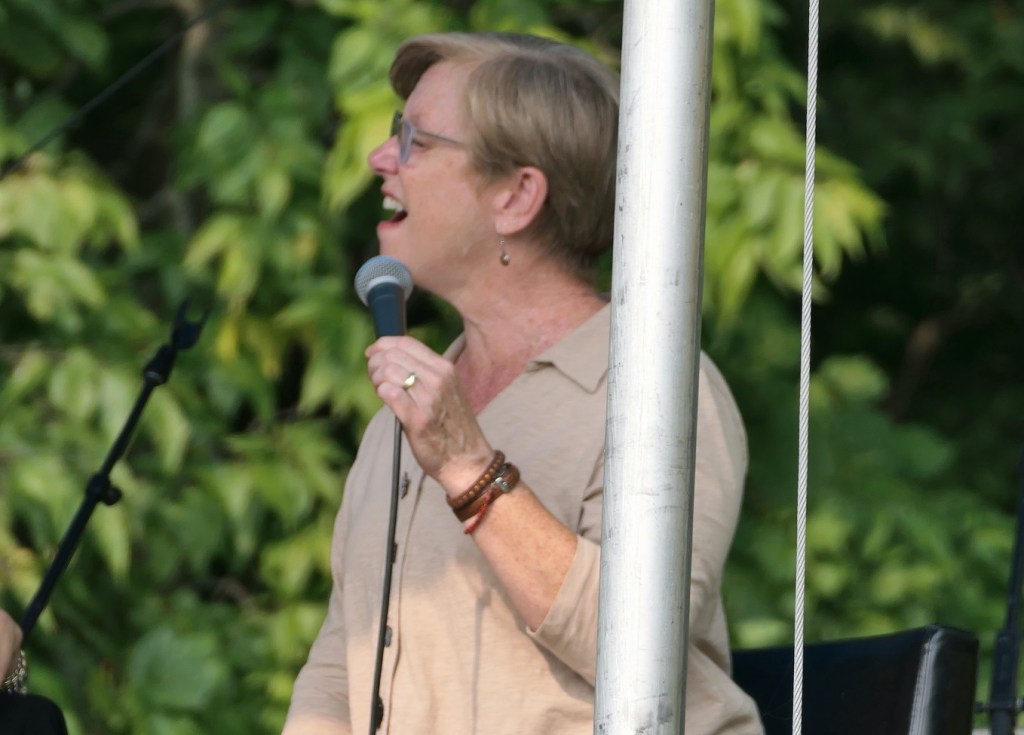
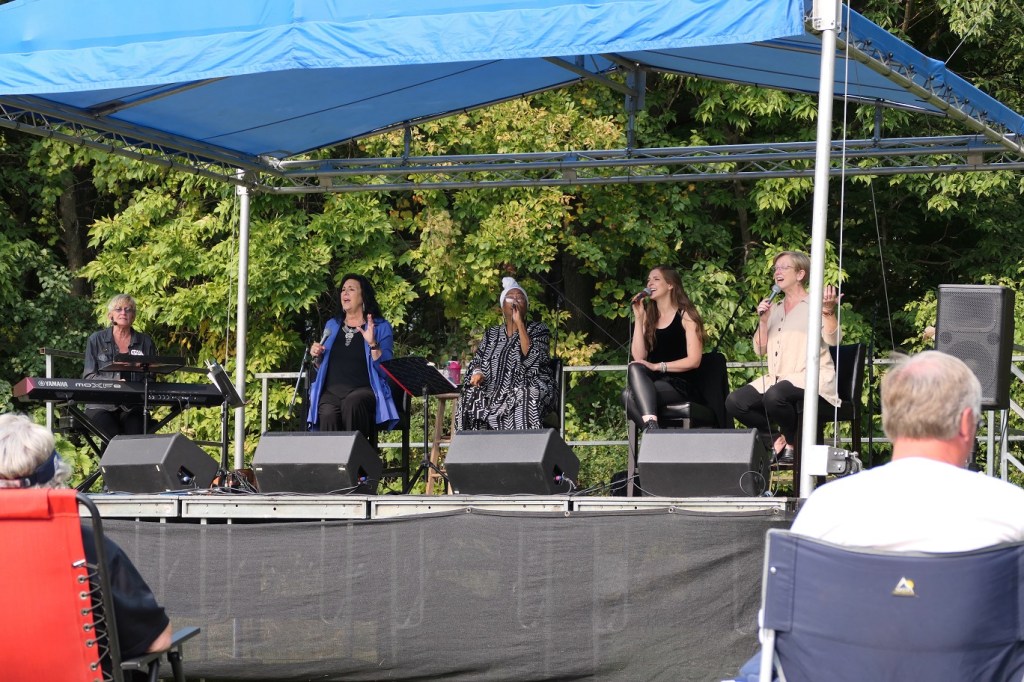
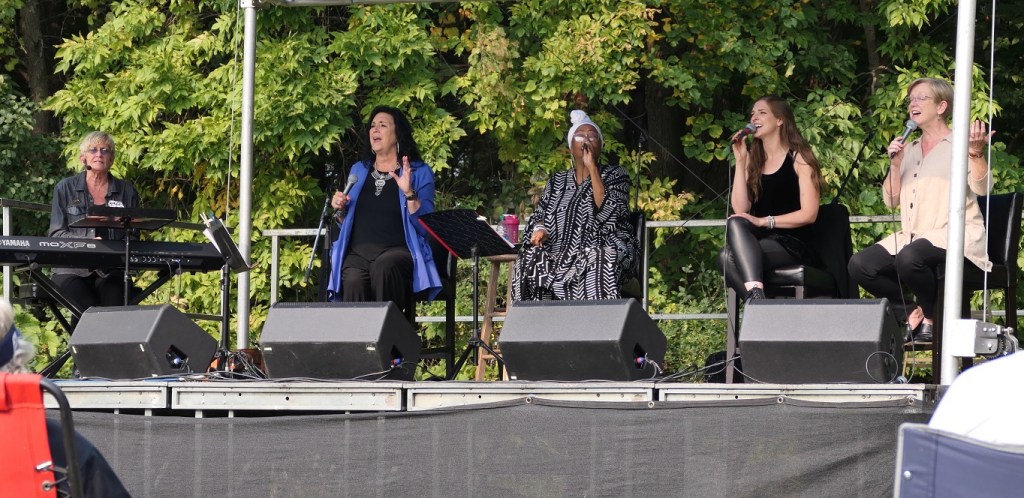
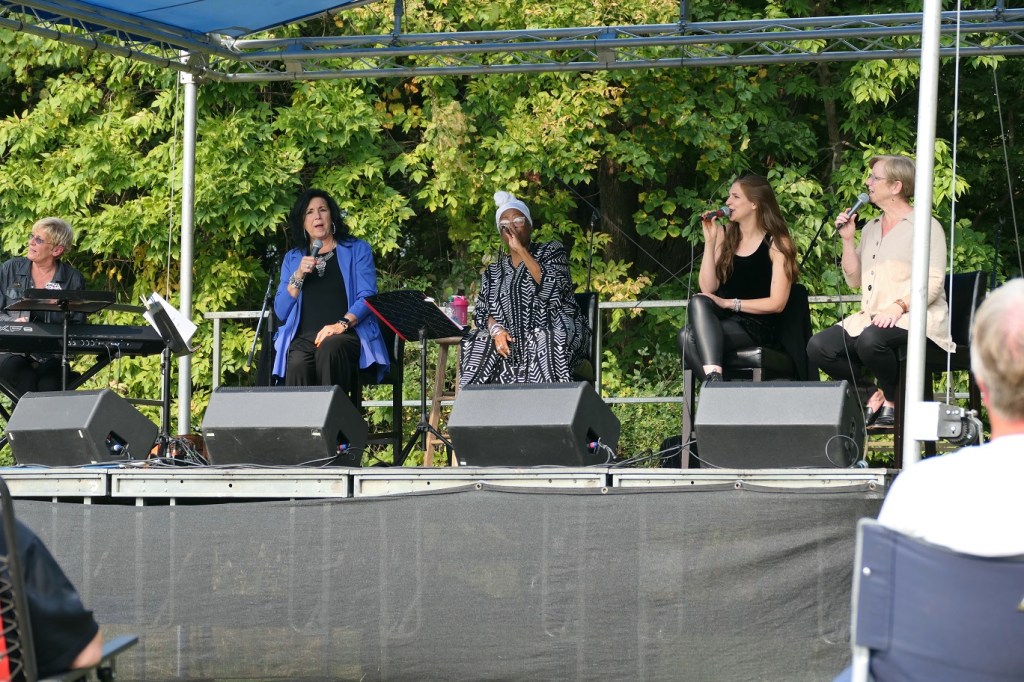
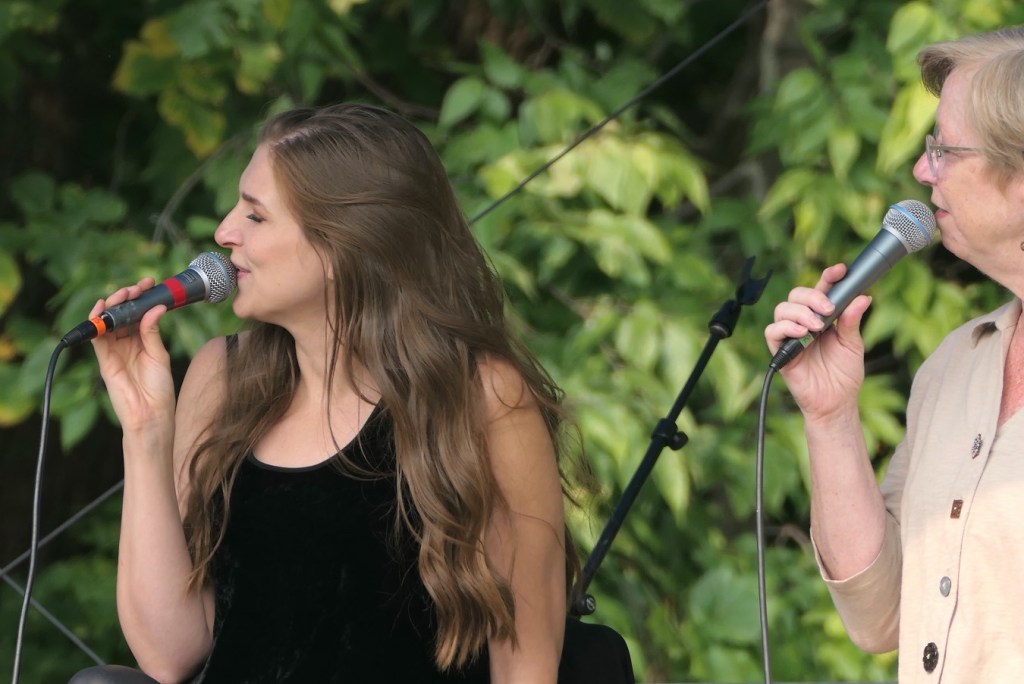
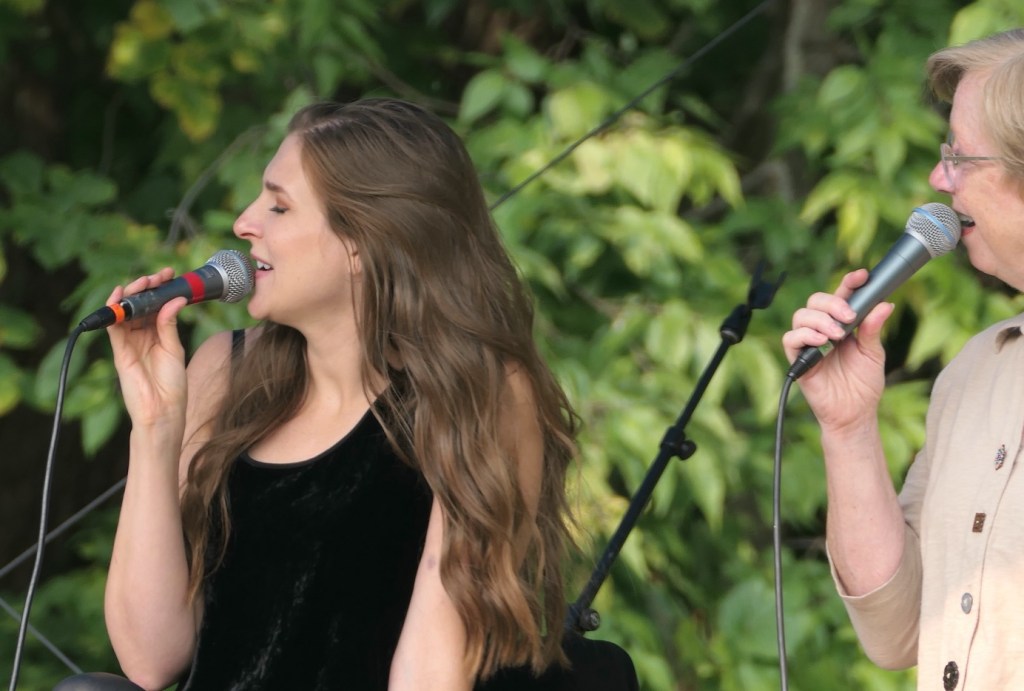
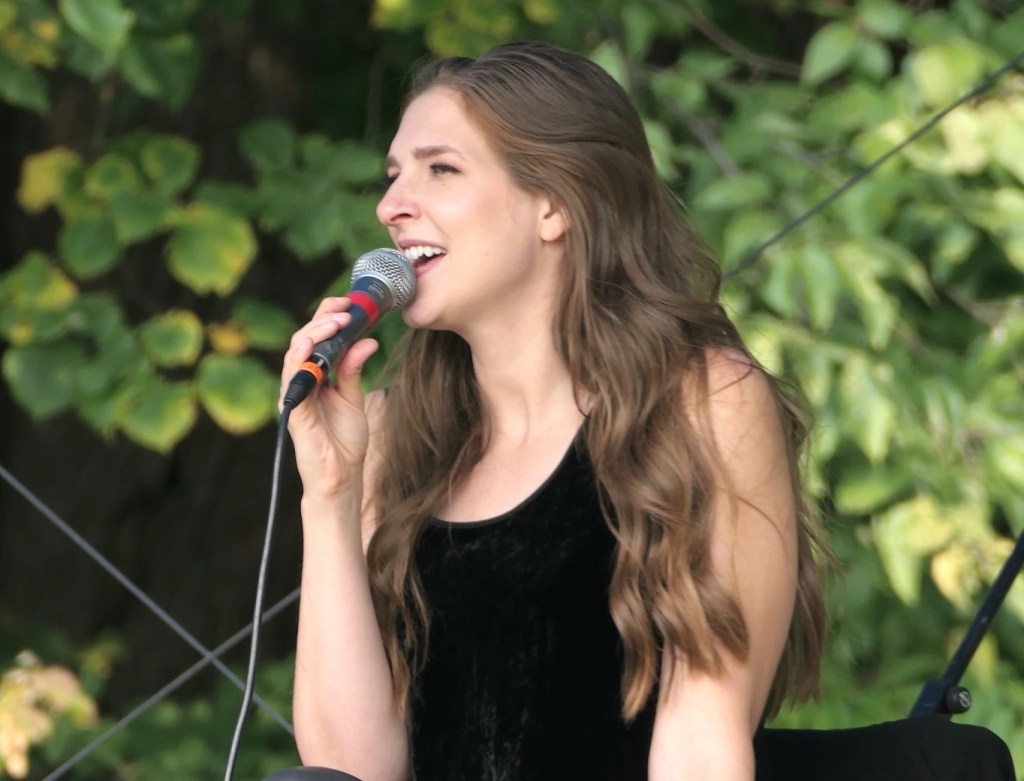
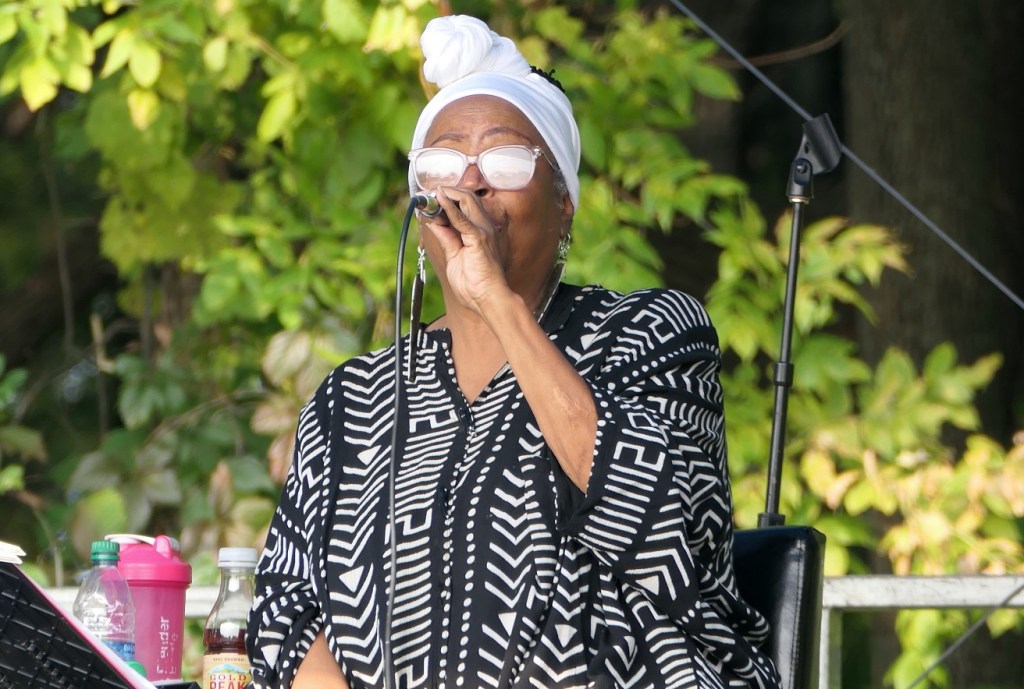
Featuring: Patty Peterson, Lori Dokken, Debbie Duncan, Judi Vinar, Rachel Holder

Lori Dokken Presents: I Am Woman, Hear Me Roar
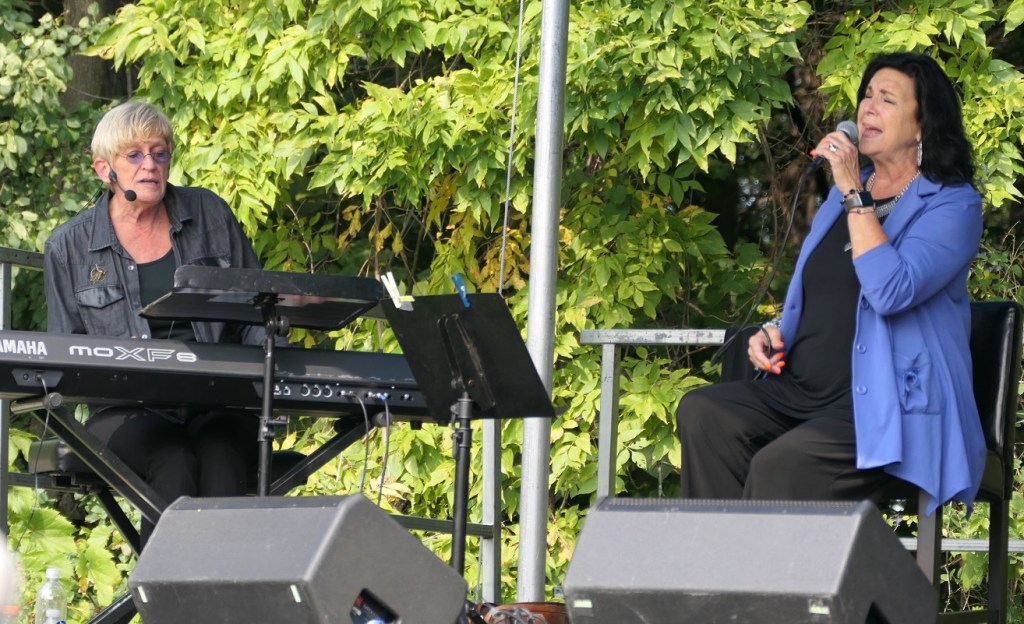
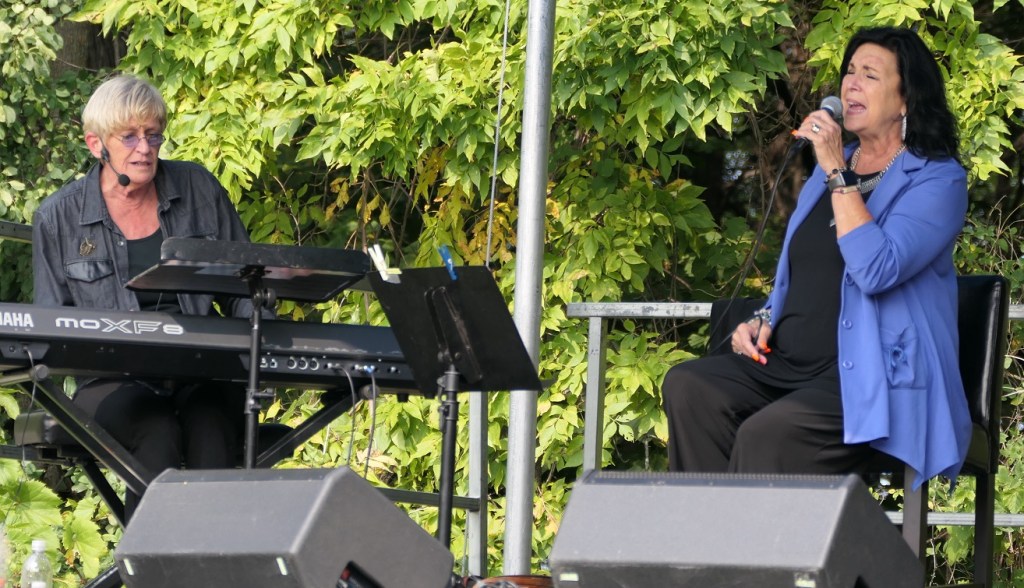
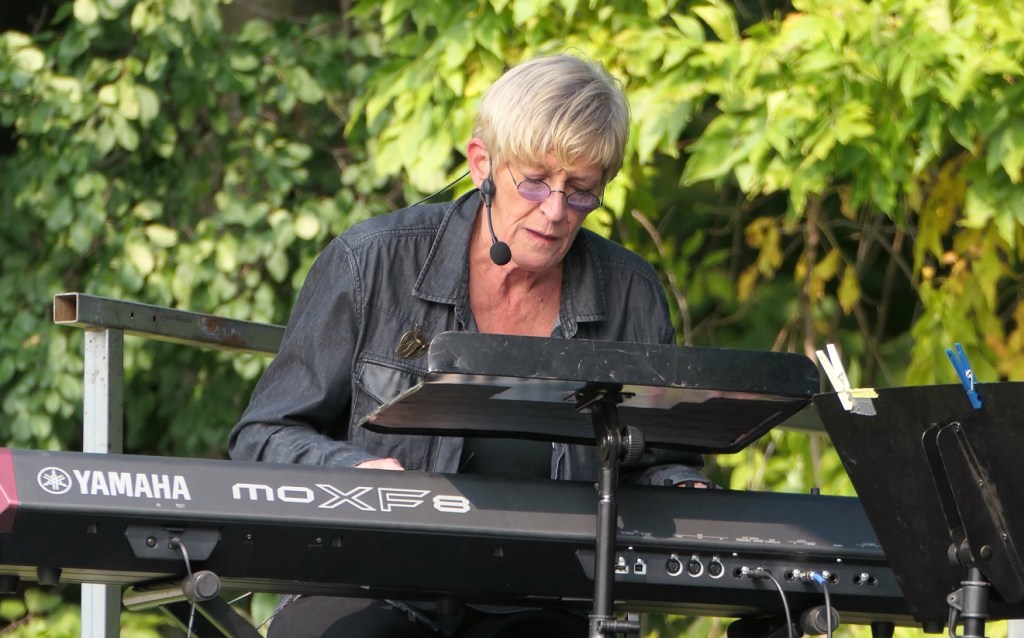
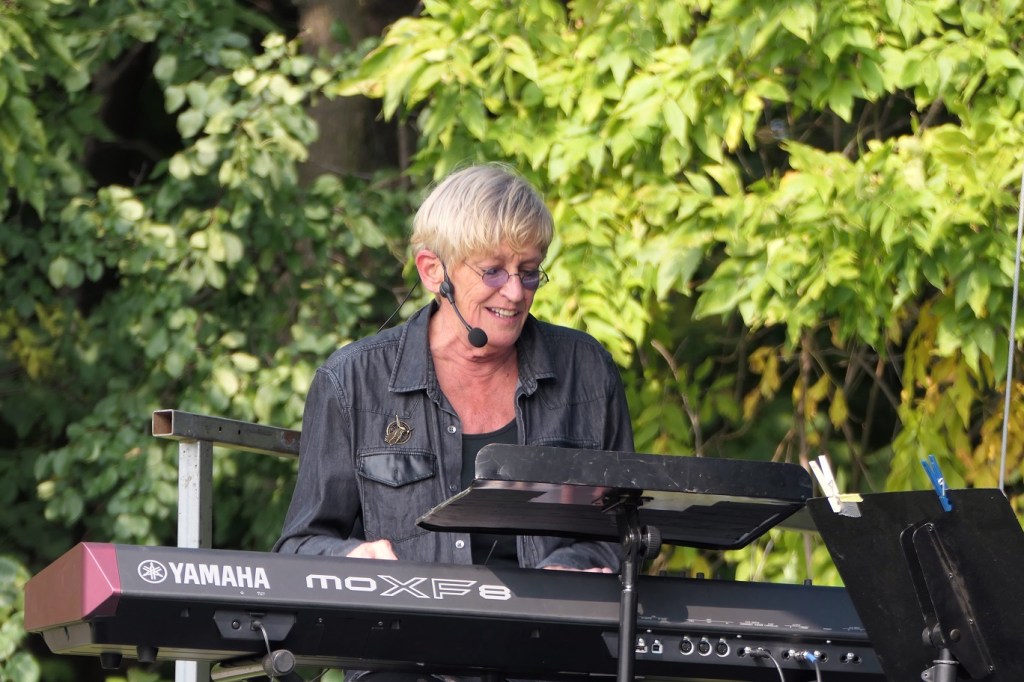
FEAT: Lori Dokken – Piano and Vocals, Patty Peterson – Vocals, Debbie Duncan – Vocals, Rachel Holder – Vocals, Judi Vinar – Vocals

Location: TLHD Outdoor Stage Watch from the comfort of your car or reserve a spot in our designated seating area.

The Music • The Show Join us for an afternoon celebrating some of the greatest women singers and songwriters ever! With Lori Dokken at the piano and vocals and Twin Cities’ vocalists Judi Vinar, Debbie Duncan, Patty Peterson and Rachel Holder turn the Theatre L’Homme Dieu’s outdoor stage into a celebration of some of the matriarchs of music.
Sit back and enjoy the vibrant vocal harmonies these musicians put to tunes made famous by such divas as: Aretha Franklin, Whitney Houston, Annie Lennox, Carole King, Tina Turner, Judy Garland, Christina Aguilera and many more.
It promises to be a fantastic afternoon of hearing these women “roar” as only they can!

The set up: Crooners

[Why yes, it was going to be an RBG kinda day!]

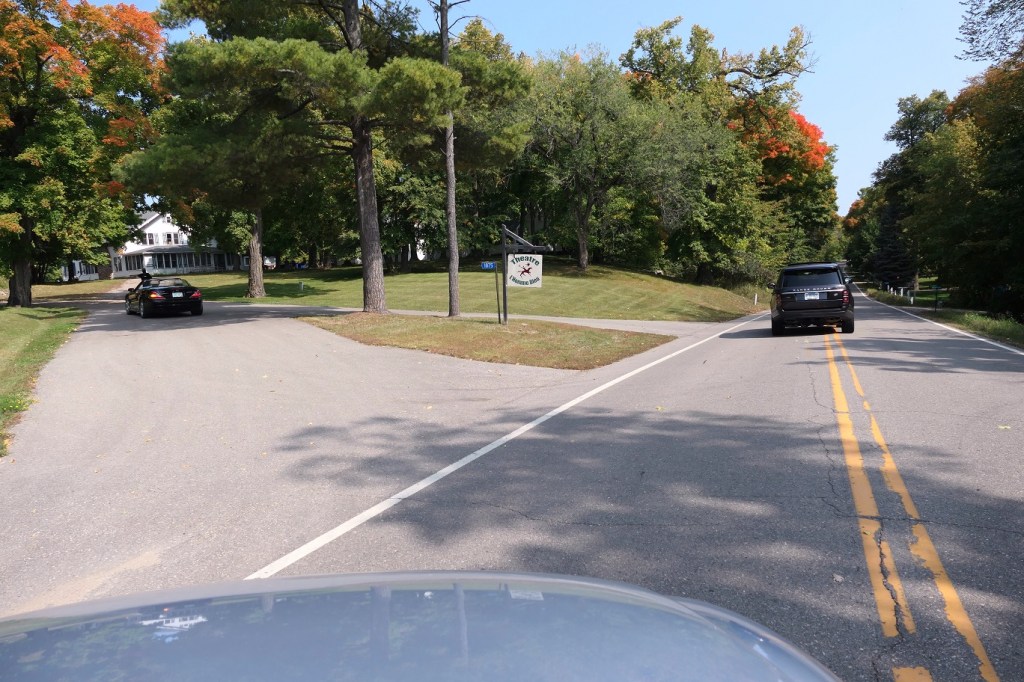
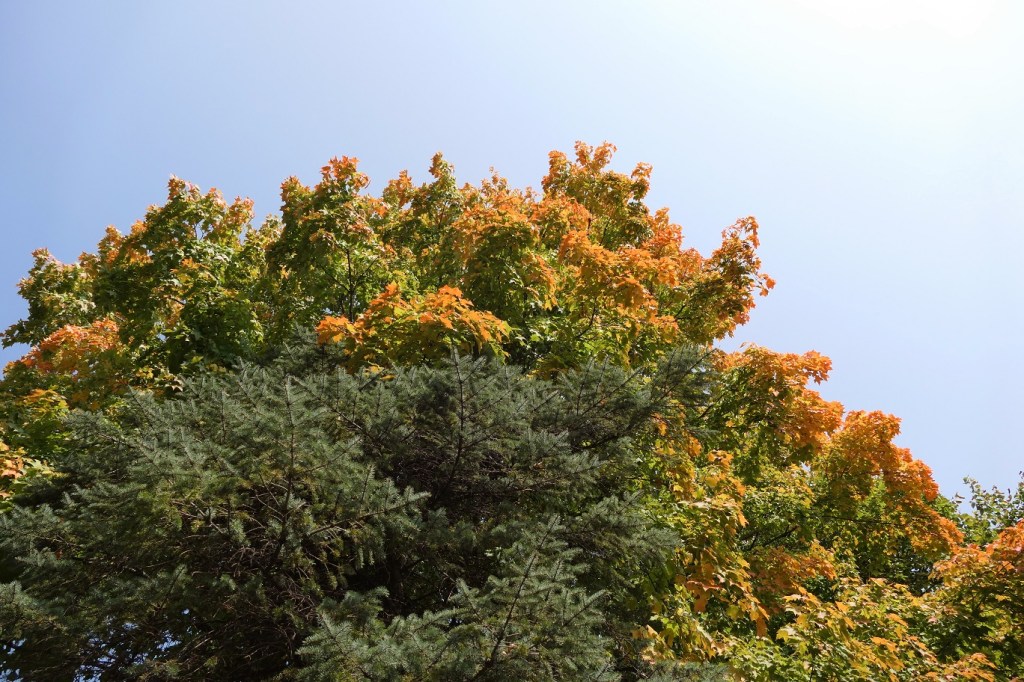
[Still a couple days from autumn, a little color along the road to the theatre . . . ]

Life is very busy now. I find that in today’s cities, the public is very tired after working the whole day. When concerts start at eight o’clock, the wife pushes the husband to go to the concert, where some promptly fall asleep! ~ Vladimir Horowitz

[Our route to the theatre is a designated scenic highway. And then we turned into the campus . . . ]

[We were so shocked to see the Boy Tenor (a/k/a, the Emperor of TLHD) directing traffic that I didn’t have the camera ready . . . ]

[So, a couple tree shots in the driveway . . . ]

To me, in life, if there’s, like, a rule, and I think it’s ridiculous, then of course I’ll circumvent that but also point out how ridiculous the rule is. Other than that, if I go to a concert, and my seat is Row G, Seat 12, I’m sitting in Row G, Seat 12. I don’t care if I’m with five other friends, I’m supposed to be in Seat 12, that’s my seat. ~ Wanda Sykes

[Janet and Jan ran a season first adult beverage stand – we partook of a bottle of cab . . . ]

[We were greeted at the entrance by Joe, as usual. But this time he was ably assisted by the Empress of TLHD . . . ]

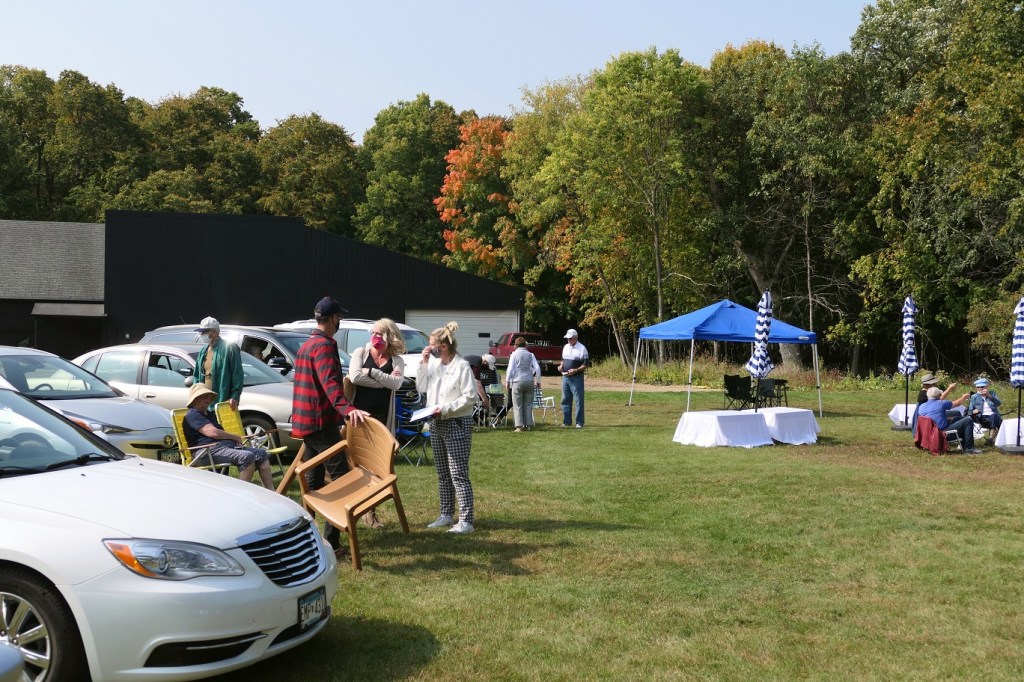
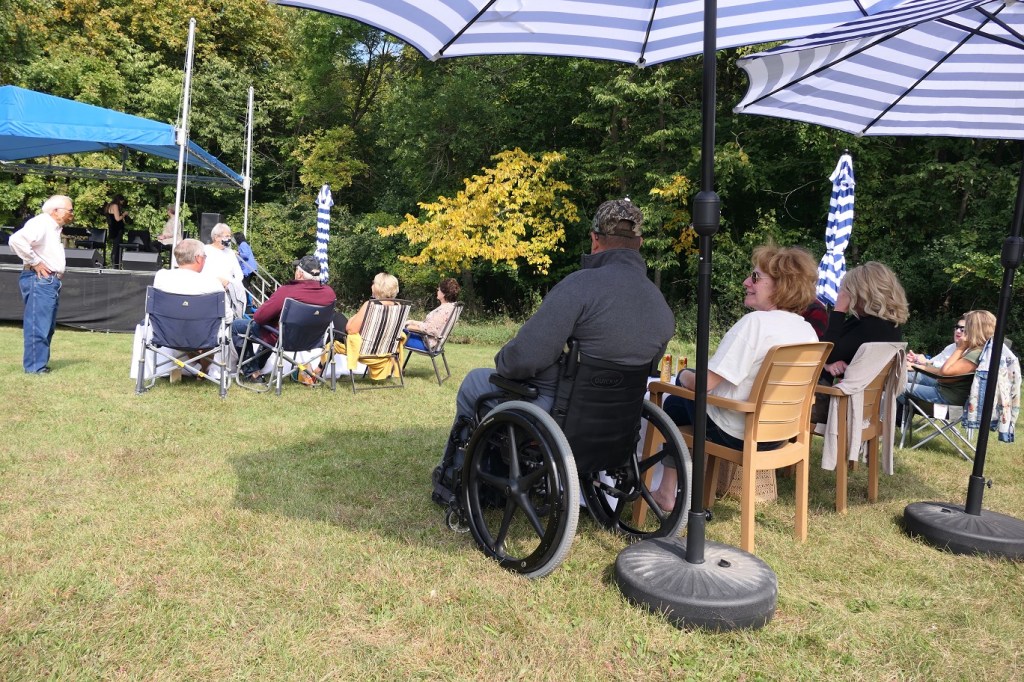
[At our designated rows and seats, everyone began stripping. The surrounding woods protected us from the wind making it almost too hot . . . ]

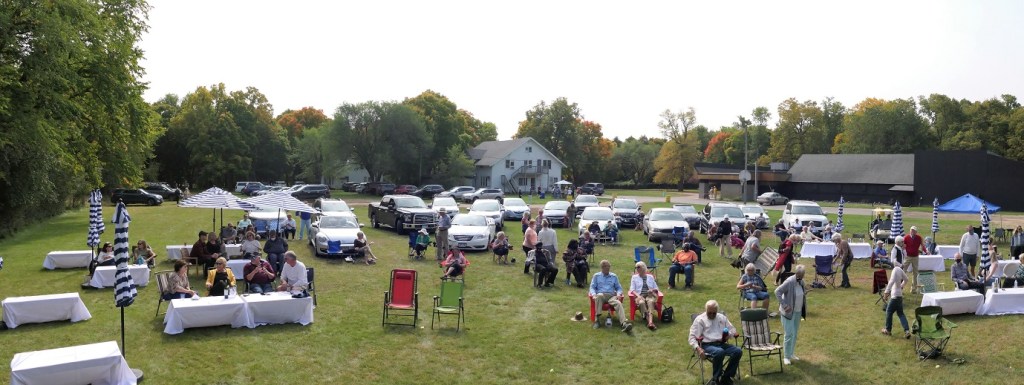
[People were still arriving when I pitoned onto the stage for the panorama shot . . . ]

My first concert makes me sound like a real old man. My very first concert was Jackie Wilson. ~ Eddie Murphy

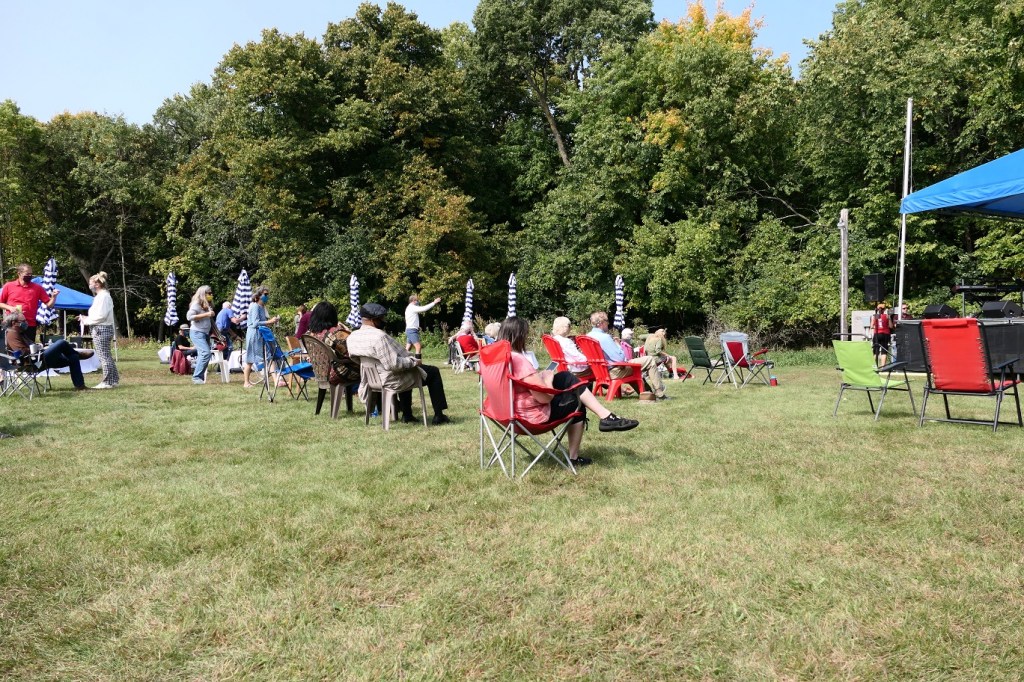
[A non-fat member of the Fat Boys Walking Club, Ken sitting with Jean on the left. In the center distance, our hosts for the afternoon, Nicole and John Mulder . . . ]

I have stage fright every single concert I’ve ever done. I have at least four or five minutes of it. It’s absolute living hell. ~ Brian Wilson

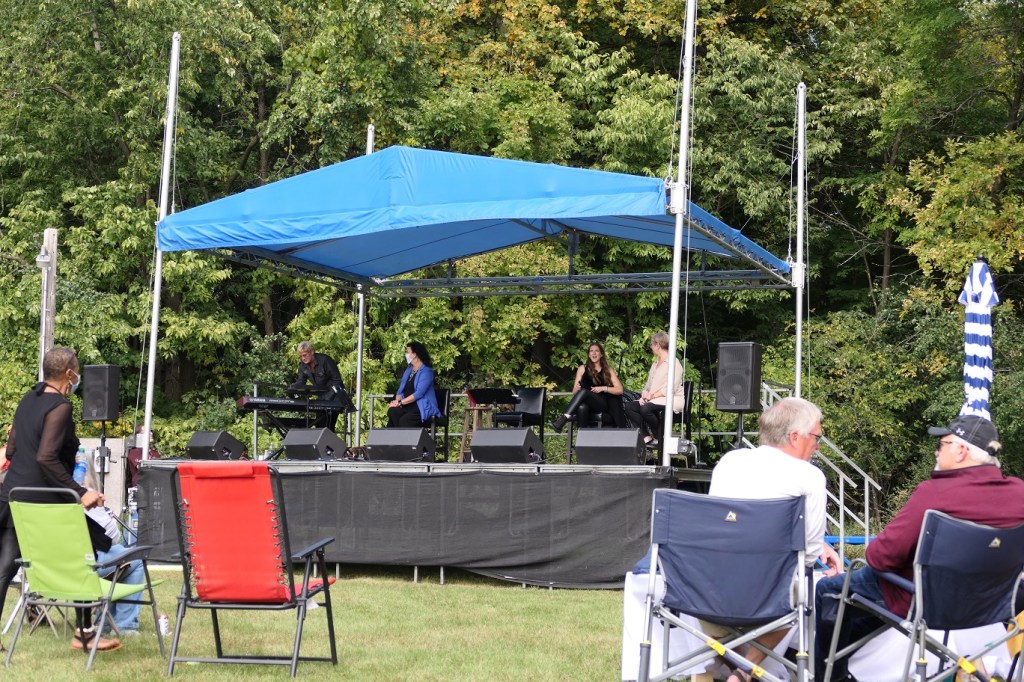
[The performers take the stage . . . ]

[From our vantage – later photos will show the advantage of the 400mm lens . . . ]

[Nicole readies for the welcoming introductions . . . ]

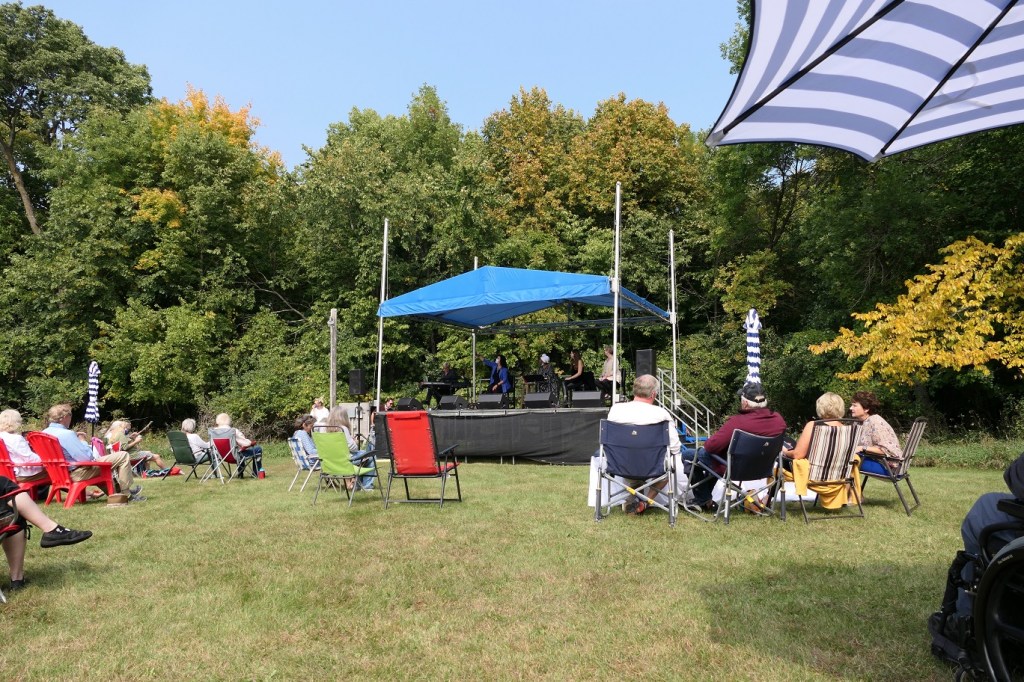
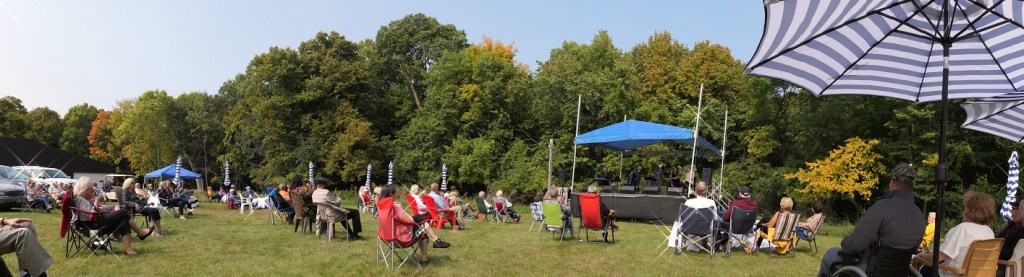
[Whatta crowd, whatta crowd!!]

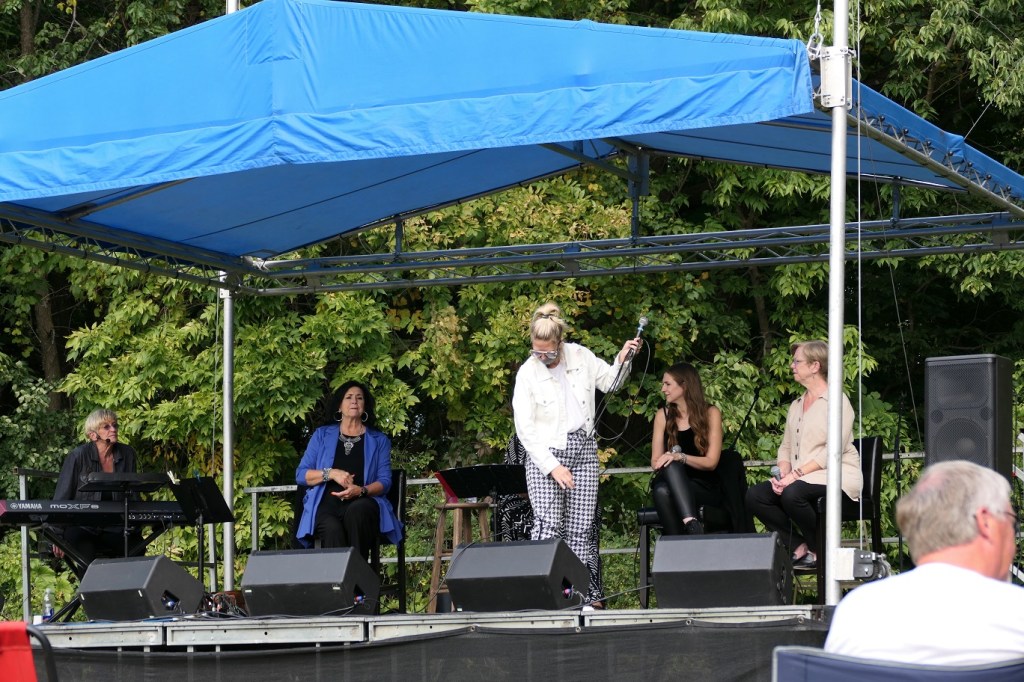
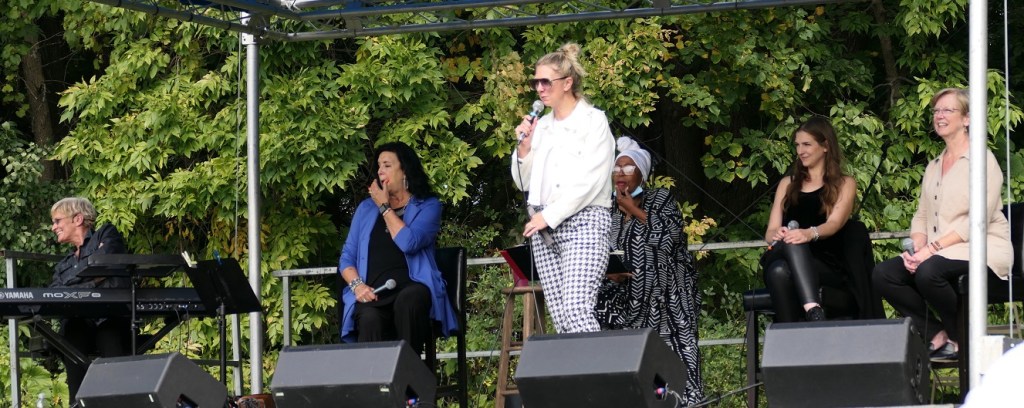
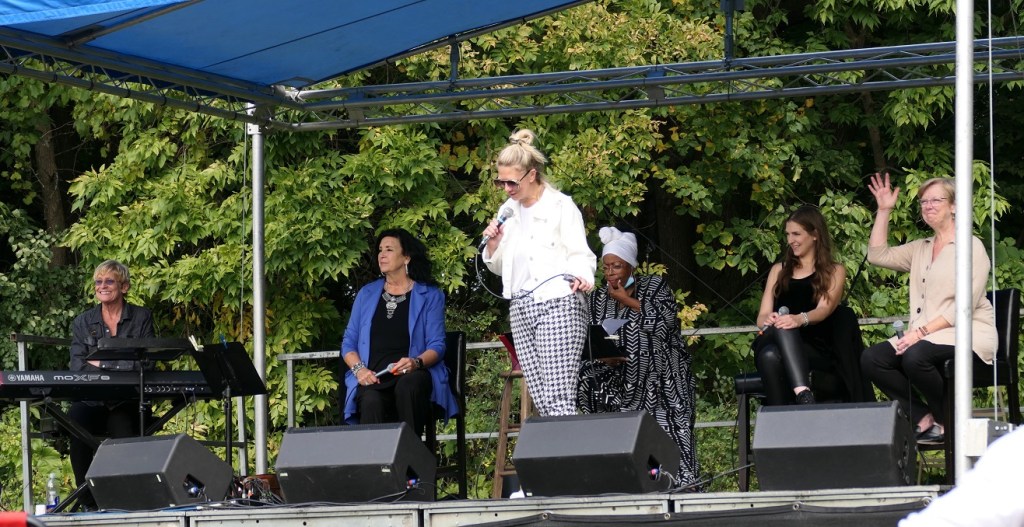
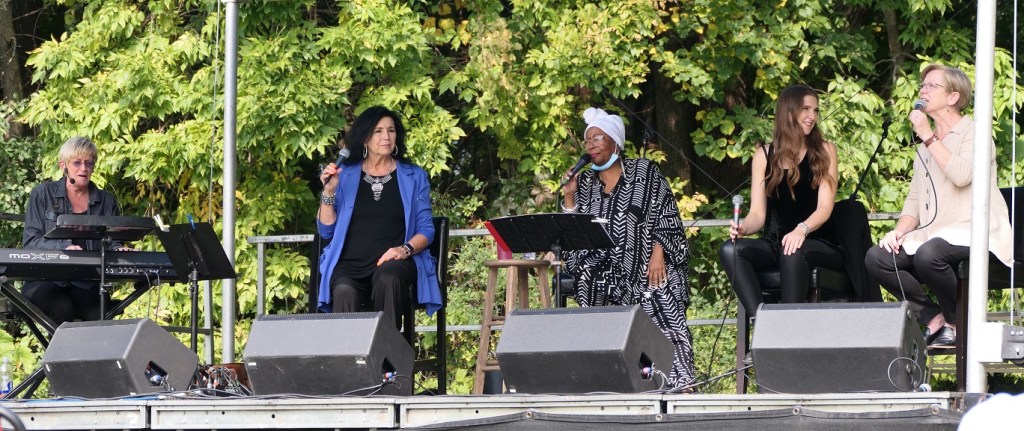
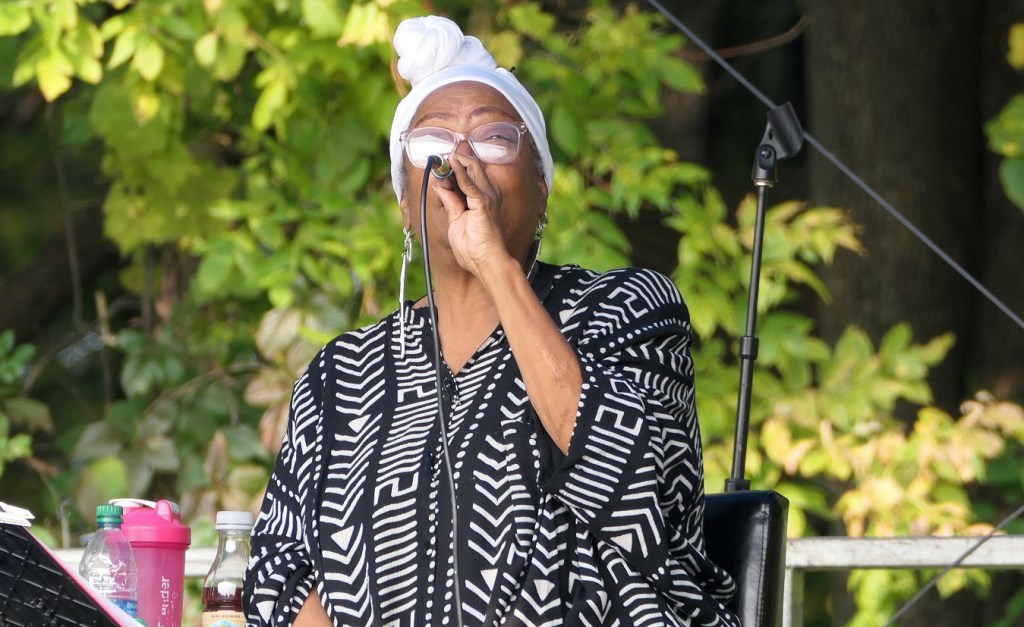
[Behind her, l-r: Lori, Patty, Debbie, Rachel, and Judi . . . ]

[A breath . . . ]

[Major kudos to Nicole for pulling off what season we had . . . ]

[It was emotional, to come up with anything in the year of the pandemic was amazing . . . ]

[She was a trendsetter. Similar venues later adopted the outdoor approach. I’m sure it was a major relief for her, for the theatre, to make it through this season . . . ]

[Nicole came up with this stage from a business in Brainerd. We used it all summer. And as she noted, the crew that erected it were 66% women. So what an ending theme . . . ]

[And away we go with Judi taking the early lead . . . ]

[The panoramic view from our seats . . . ]

[Patty and Debbie . . . ]

[Patty . . . ]

[I found an individual YouTube for each of the performers. But it created issues, so I beg your indulgence – and support? WordPress recently changed its whole format on how to create and post a blog. Any change at my age throws me for a loop. Absent any understanding of their explanations on how to use the new format, I mostly figured it out by trial and error (mostly error). But the video posting I still can’t figure out. As you will notice with each one, they bleed into the following photo? It does not show that way in either the edit or preview stages, only in the final?]

Patty ~

To wear a floral shirt is an experience. ~ Brian Wilson

[Lori and Patty . . . ]

In my career I have never felt that my being a woman was an obstacle or an advantage. I guess I’ve been oblivious. ~ Carole King

[Lori (from Benson, where it swings) reminds me of Megan Rapinoe, the look and the demeanor – loved it . . . ]

Lori, at the piano ~

[She was a hoot – Benson soul . . . ]

[Rachel joins in with Patty and Debbie . . . ]

[They each had leads, and solos, sometime in groups of 2 or 3, sometime all 5 . . . ]

[It was all quite perfect . . . ]

[With all due deference to the telephoto lens . . . ]

Debbie ~

My life has been a tapestry of rich and royal hue, an everlasting vision of the ever changing view. ~ Carole King

[Rachel and Judi . . . ]

It should be a firmly established part of the curriculum that children should visit theatres and concert halls. ~ Philip Pullman

I love pulling people into concert halls who might not otherwise go and getting their ears tuned. ~ David Ogden Stiers

My audience are the same people who bought my albums years ago. These people are now married, with their own homes, their own families. If I’m in concert, I get people now who bring their kids. ~ Helen Reddy

Something in the way you move. ~ Ellie Goulding

To achieve style, begin by affecting none. ~ E.B. White

[I think it’s so nice that in this day and age a mother can take her twin retired-doctor daughters out for an afternoon of entertainment . . . ]

God, I’m just a fat bald guy, 60 years old, singing the blues, you know? ~ Joe Cocker

[For Rachel’s big song, her fellow performers moved to the rear of the stage . . . ]

[It was a powerful song, her voice showing more range than Byron Buxton . . . ]

Rachel ~

[And it is extremely unfortunate that her video cuts off the top half of her body in the following photo?]

[And then Judi took off – all of them had great individual voices . . . ]

[The problem was that from my angle I could not avoid the stage support for her photos . . . ]

Judi ~

My idols are Janis Joplin and Annie Lennox, who are neither of them from the typical pop culture. ~ Natalie Cole

[We didn’t want it to end . . . ]

It’s such a rush doing a concert and seeing people actually mouthing the lyrics. ~ Carnie Wilson

[Everybody was having fun . . . ]

[Bringing it on home . . . ]

To come to a concert and hear a lot of songs from a female perspective should not make men say, ‘Oh well, that’s for women’. ~ Holly Near [Editor’s note: I saw Holly Near in concert on Okinawa in 1970.]

We have pink hair and purple hair. We have tattoos and dreadlocks. We’ve got white girls and black girls, and everything in between. Straight girls and gay girls. ~ Megan Rapinoe

I don’t want to be the next big anything. I just want to play for people and that’s it. ~ Norah Jones

[It was a way too fast 90 minutes . . . ]

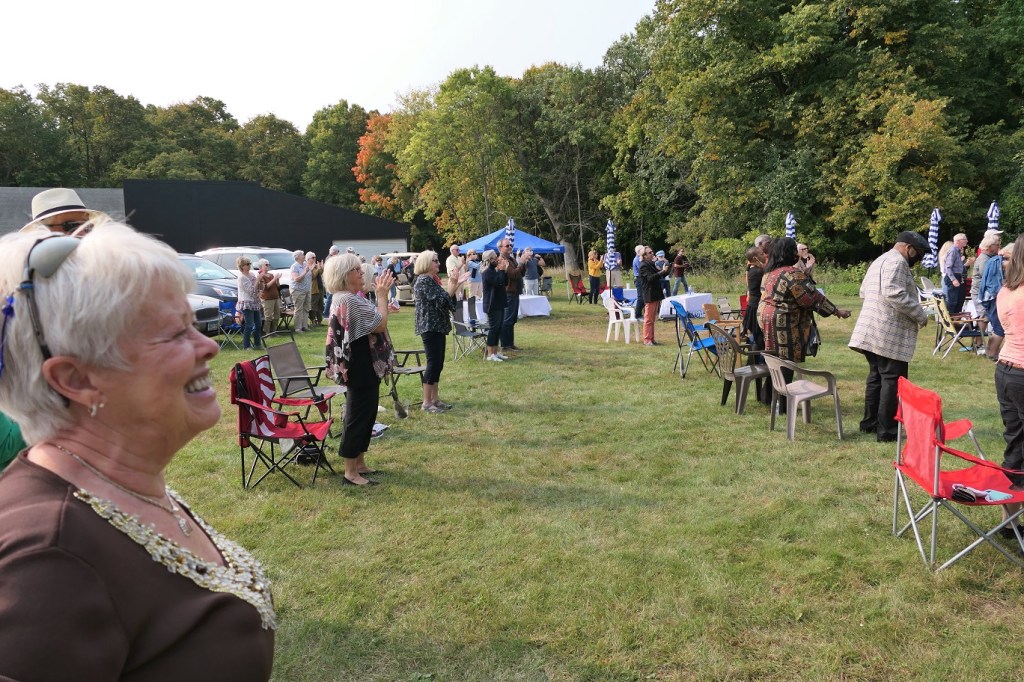
[And then, a much deserved standing ovation from the assembled masses . . . ]

[And then they were gone . . . ]

I have no idea why a guy would bring a jar of peanut butter to a concert. ~ Iggy Pop [Editor’s note: I have no idea who Iggy Pop is?]

Up Next: I thought it was going to be girls basketball – and then the gale winds began . . .

Editor’s note: I subsequently discovered that if you click on “AMP” on the upper left side it relieves the image problem created by the videos. 🙂